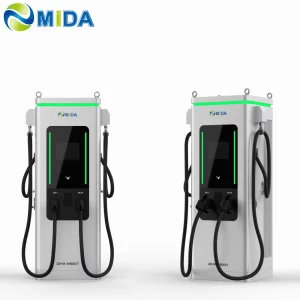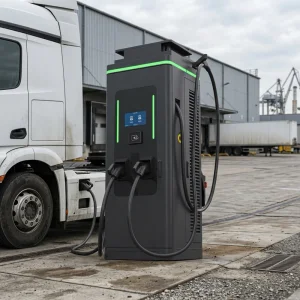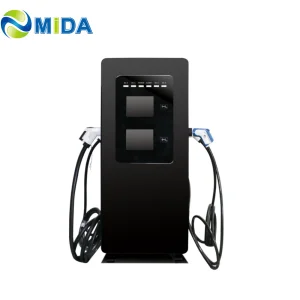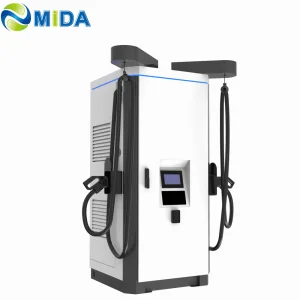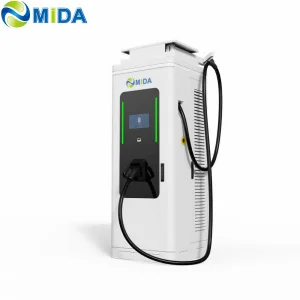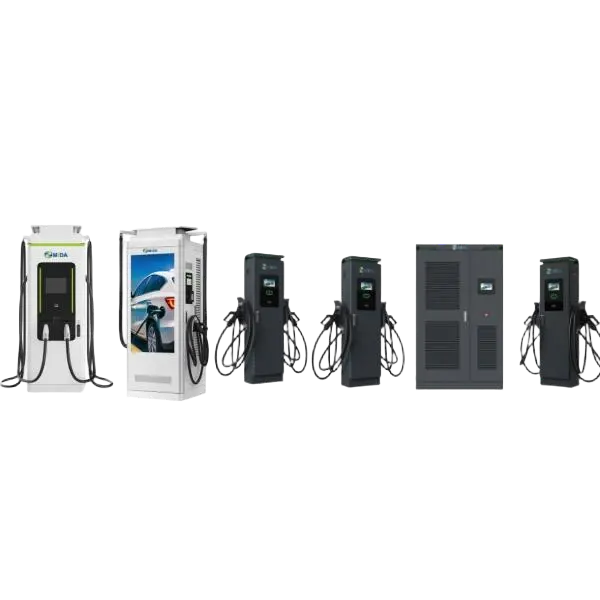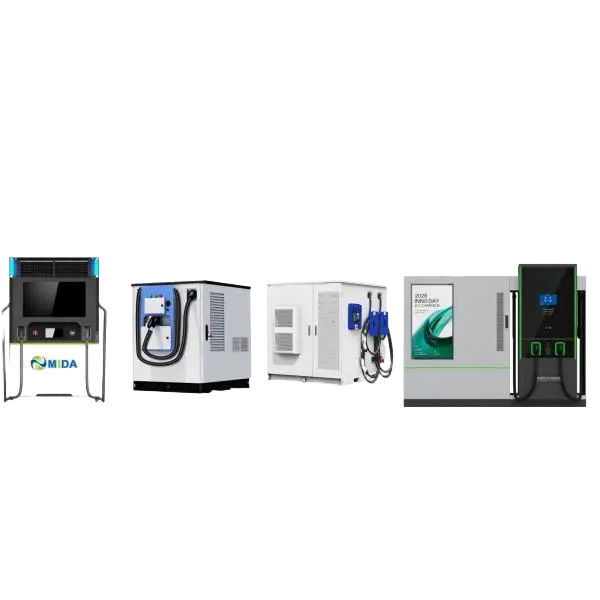
Premium charging stations certified for global networks, engineered for public commercial infrastructure and heavy-duty electric vehicle fleets.
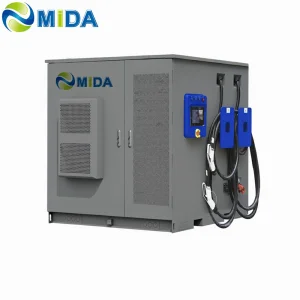
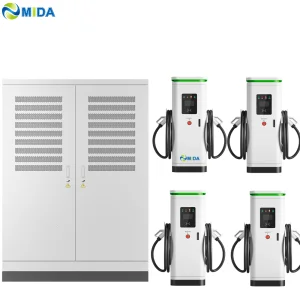
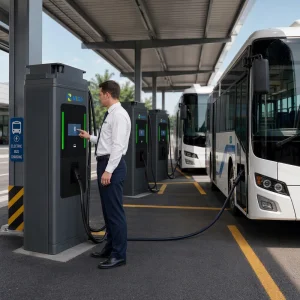
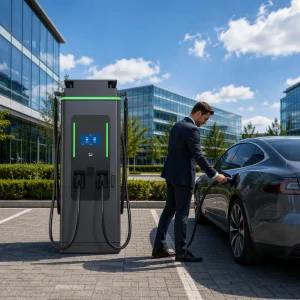
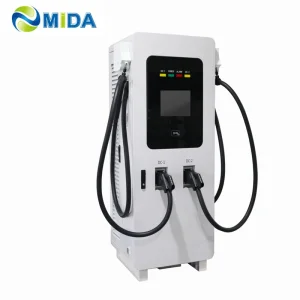
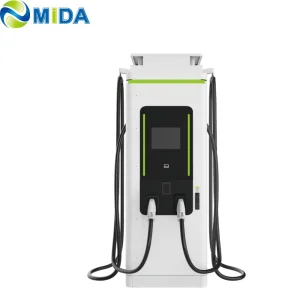
From destination AC charging to heavy-duty megawatt solutions and battery storage integration.

The global transition toward electrified commercial fleets, heavy-duty logistics, and public transportation requires a robust, scalable, and highly intelligent charging grid. While low-power AC systems serve destination charging needs (such as overnight home or corporate parking), highway corridors, fleet hubs, and inner-city charging hubs require rapid, energy-efficient power transfer. The 240kW DC EV charging configuration has emerged as the global standard sweet spot, striking the perfect balance between grid capacity limitation, thermal management, initial CAPEX optimization, and speed of delivery.
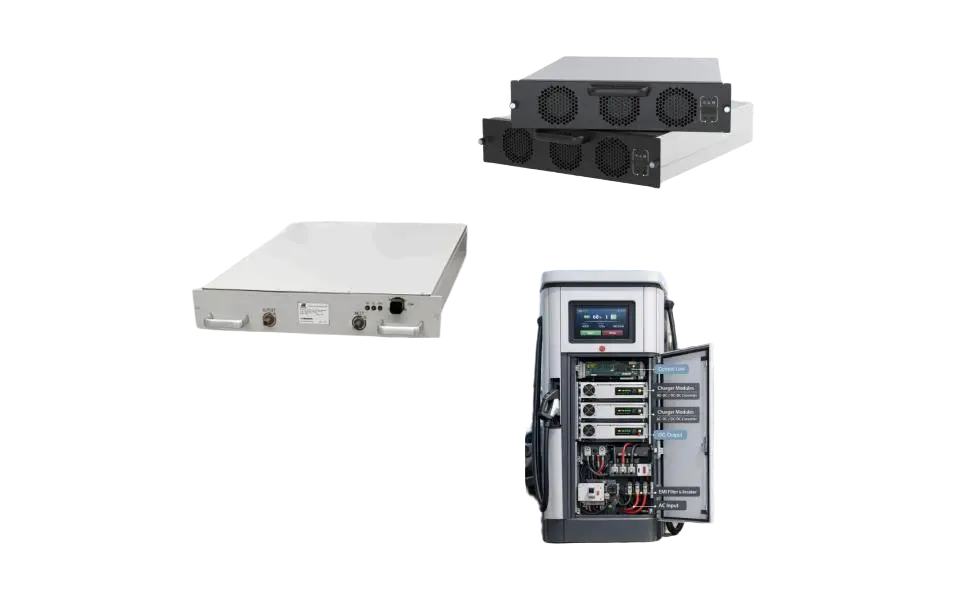
Procuring fast-charging infrastructure for regional infrastructure networks requires consideration of grid dynamics and total cost of ownership (TCO). Procurement managers look for modular architectures to future-proof their investments. A 240kW station equipped with modular power banks (such as eight 30kW modules or six 40kW modules) allows operators to perform phased scaling, run active failure redirection, and optimize efficiency curves.
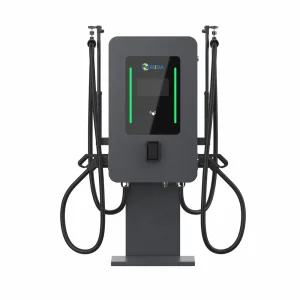
Smart load management algorithms dynamically distribute the 240kW capacity between dual outputs. If one vehicle utilizes 160kW, the second outlet receives the remaining 80kW, preventing grid capacity waste.
Modern power modules leverage SiC semiconductors instead of traditional silicon, reducing switching losses by up to 45% and ensuring high efficiency even at peak output.
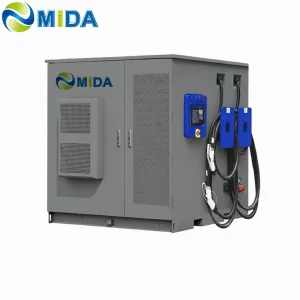
Furthermore, local utility providers limit static power draws at regional depots. By pairing 240kW stations with Battery Energy Storage Systems (BESS), operators can implement peak shaving. The internal energy storage buffer discharges during peak demand periods, saving fleet owners from high dynamic utility demand charges and preventing grid overload.
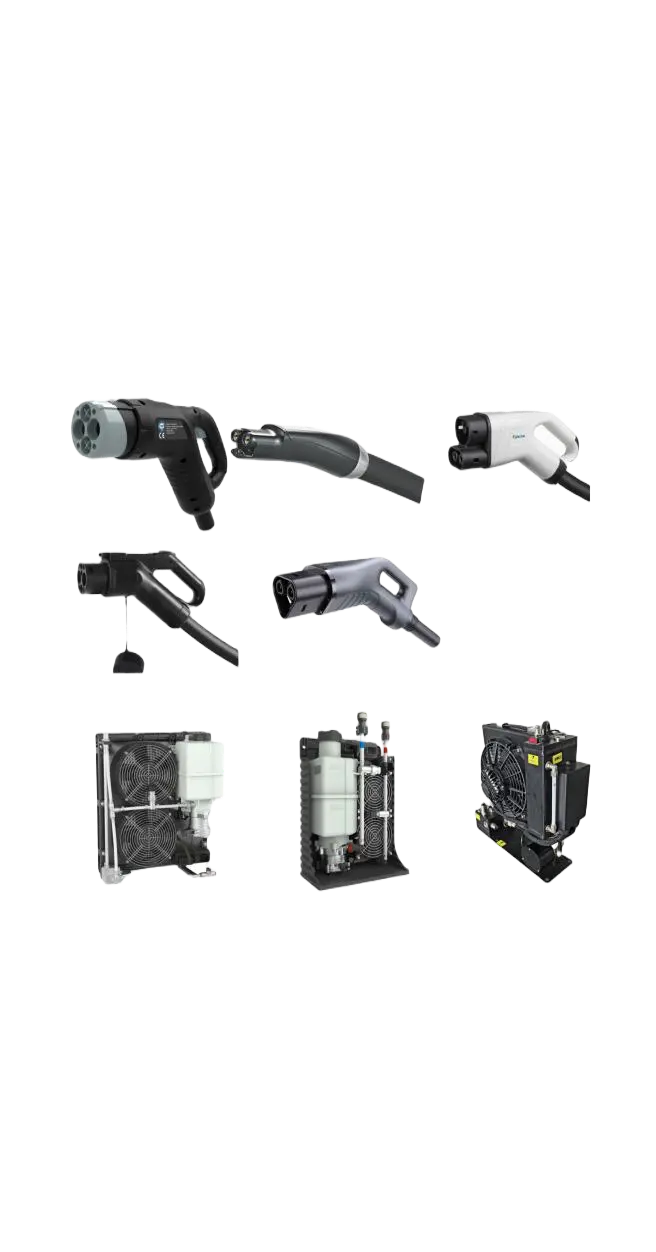
An authoritative DC charging station must guarantee universal interoperability with diverse passenger and commercial EVs. Standardizing hardware connectivity means integrating several cable profiles in one footprint. As a primary manufacturer, Mida offers customization for global requirements:
| Standard Category | Target Region | Standard Current Range | Typical Charging Voltage Range | Key Features Supported |
|---|---|---|---|---|
| CCS1 (Combined Charging System) | North America | 80A – 500A | 150V – 1000V DC | PLC Communication, UL2231 Compliant |
| CCS2 (Combined Charging System) | Europe, Oceania, South America | 125A – 1000A | 150V – 1000V DC | DIN 70121, ISO 15118 Plug & Charge |
| NACS (North American Charging Standard) | North America (Tesla & Allies) | 250A – 600A | 150V – 1000V DC | Compact single-interface, high power density |
| CHAdeMO | Japan, Specific Global Fleets | 125A – 300A | 150V – 500V DC | Bidirectional V2G, CAN bus communication |
| GB/T Standard | China & Selected Trading Partners | 200A – 1000A | 200V – 1000V DC | High physical durability, wide commercial footprint |
Continuous heavy-duty charging generates high heat in both the power cabinet and the charging connector. If thermal levels cross standard operating ranges, the charger will automatically throttle down the speed to protect the vehicle and the charging station's inner components. This results in longer charging times and user dissatisfaction.
For standard high-power applications, 240kW stations rely on forced-air cooling systems that isolate the air duct from sensitive electronics (IP54 or IP55 enclosure protection). However, for high-frequency highway locations or bus depots requiring maximum uptime, integrated liquid cooling units are used. Liquid-cooled cables maintain a lower handle temperature, reducing weight and allowing continuous 400A+ power output without thermal degradation.
Modern commercial infrastructure must connect with payment networks, fleet scheduling systems, and distribution network systems. This integration relies on the Open Charge Point Protocol (OCPP). While OCPP 1.6J remains widely deployed, OCPP 2.0.1 is essential for modern security requirements:
Explore our deep engineering capabilities across power modules, connectors, fast-charging hardware, and energy storage integrations.
Stay updated with the latest technological shifts in heavy duty transit and commercial electric bus fleet operations.

Detailed technical answers to help CPOs and procurement managers plan their commercial charging deployments.
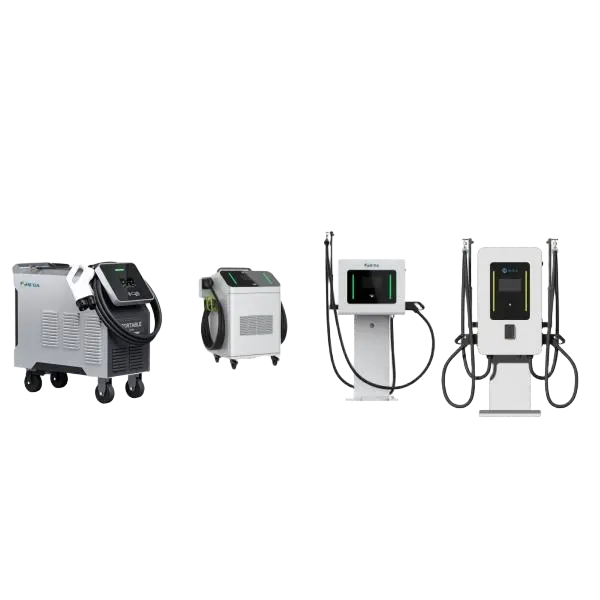
Select high-performance fast chargers, emergency mobile charging networks, and high-efficiency smart storage power points.