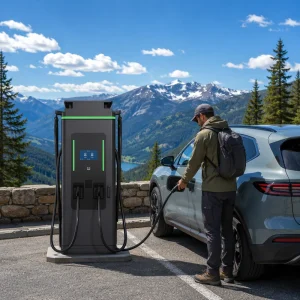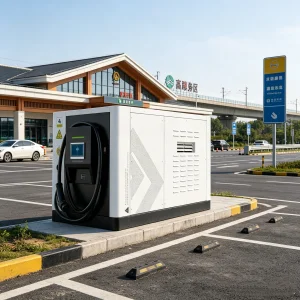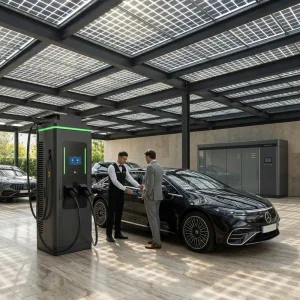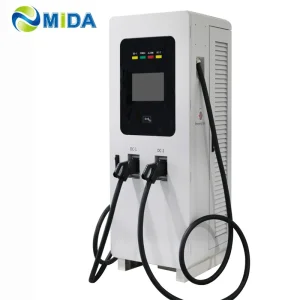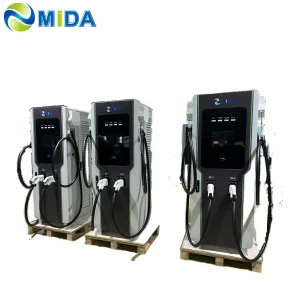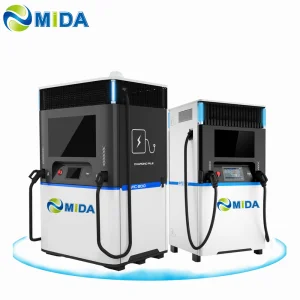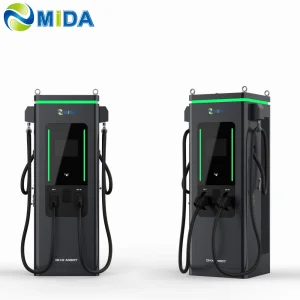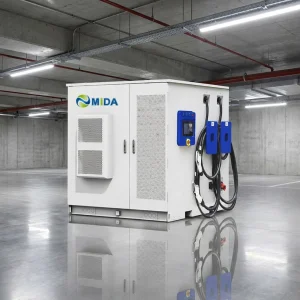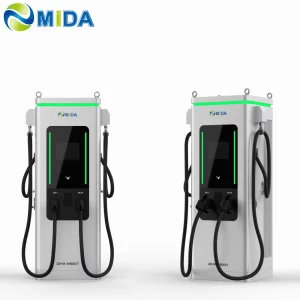
Explore our premium lineup of high-voltage chargers, mobile BESS energy-integrated stations, and wall-mounted setups engineered to international safety standards.
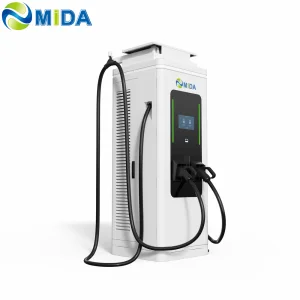
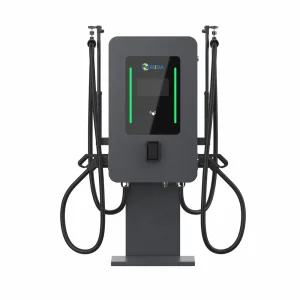
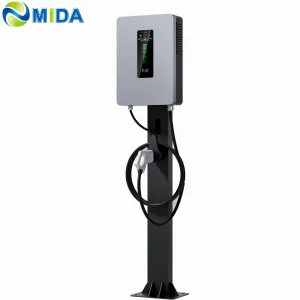
A comprehensive examination of global deployment configurations, electrical architectures, and the competitive scale of Chinese manufacturing hubs.
In the transition toward electromobility, the 120kW DC EV Charger has established itself as the structural sweet spot for both commercial fleets and public charging networks. Operating at a power tier that delivers rapid turnaround times without requiring cost-prohibitive grid transformations, the 120kW configuration provides a crucial bridge between low-voltage AC slow chargers and ultra-fast Megawatt-level charging stacks.
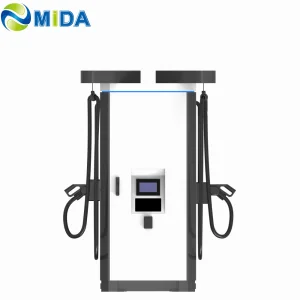
From an electrical engineering perspective, a 120kW charger utilizes parallel arrangements of highly efficient modular power units—typically using 20kW, 30kW, or 40kW modules. This modular redundancy ensures that if a single power module encounters a fault, the charging unit continues to function at a reduced capacity, preserving site uptime. Furthermore, 120kW systems are widely designed with dual-port configurations capable of Dynamic Load Balancing (DLB). When two vehicles connect simultaneously, the charger dynamically allocates 60kW to each port, optimizing energy output based on the state of charge (SoC) and battery temperature curves of the vehicles.
Global procurement teams must navigate complex regional grid architectures and safety certifications. Sourcing 120kW DC EV Chargers from China requires careful alignment with regional requirements:
The global dominance of Chinese EV charger factories is anchored in the principles of Industry 4.0 and extreme vertical integration. Key advantages include:
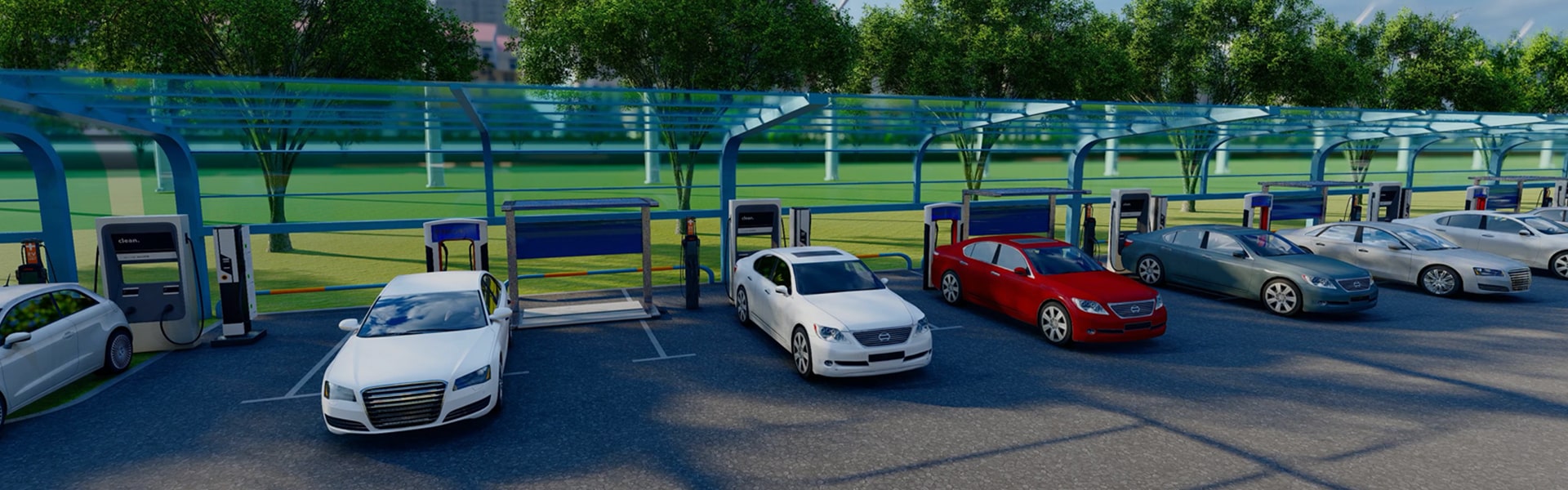
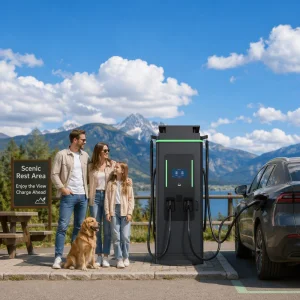
The deployment of a 120kW DC Charger varies significantly across different operating environments:
Shanghai Mida Cable Group Ltd. operates through its wholly owned specialized subsidiaries: Shanghai Mida EV Power Co., Ltd., Shenzhen Mida EV Power Co., Ltd., and Shanghai Mida New Energy Co., Ltd. This strategic division of labor allows us to deliver end-to-end electrical solutions, from raw cables to high-power fast charging stations and custom power modules.
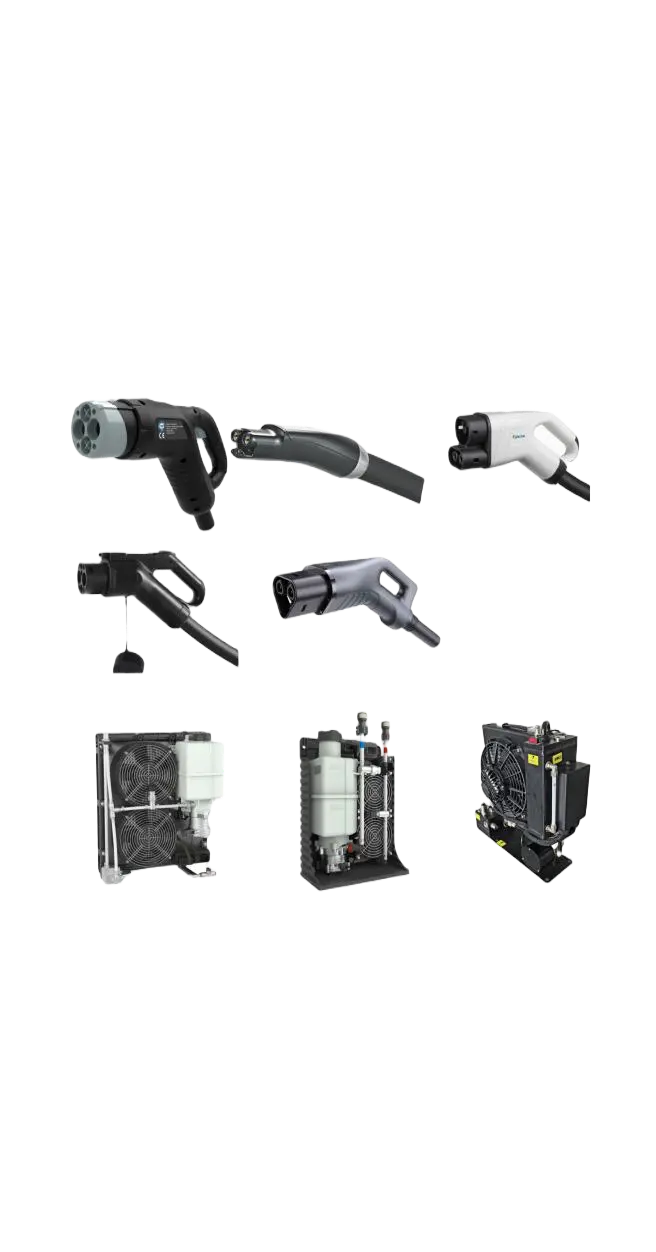
Manufacturing a comprehensive range of EV charging cables, including 16A–80A J1772 cables, 16A–63A IEC 62196-2 Type 2 cables, and heavy-duty DC fast charging cables: CCS1 (80A–500A), CCS2 (125A–1000A), CHAdeMO (125A–300A), GBT (200A–1000A), and NACS connectors (250A–600A).
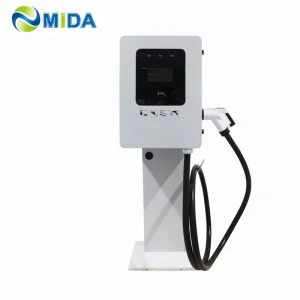
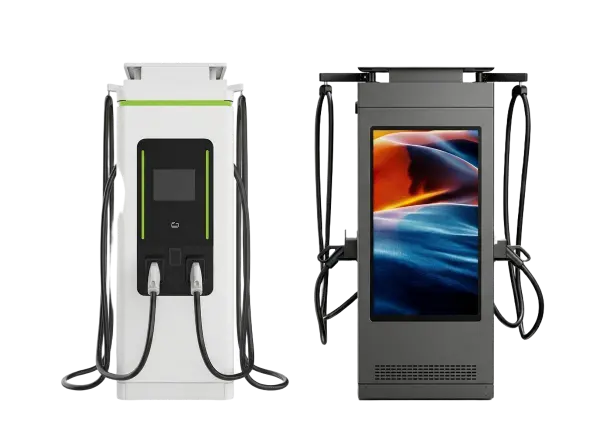
Producing a full lineup of EV charging stations, such as 7kW–50kW mobile chargers, 3.6kW–7.2kW portable DC chargers, 360kW–1440kW split-type DC fast chargers, 20kW–50kW wall-mounted DC chargers, and 60kW–480kW floor-standing DC fast charging stations.
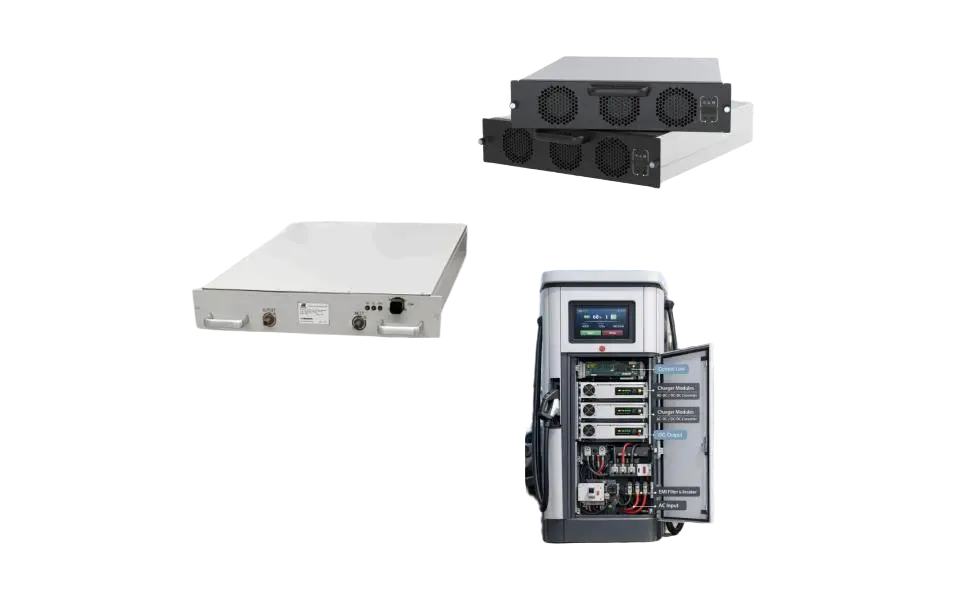
Specializing in critical EV charger power modules. We offer 20kW–60kW standard modules, 40kW–125kW liquid-cooled modules, 30kW–62.5kW bidirectional modules, and 20kW–45kW V2G charging modules.

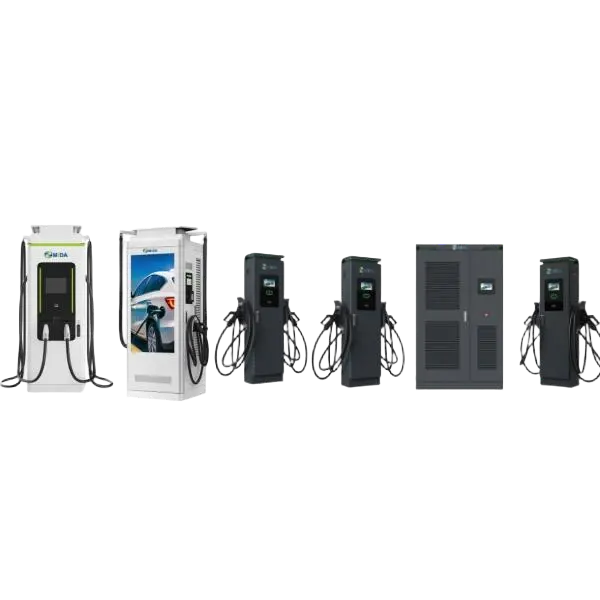
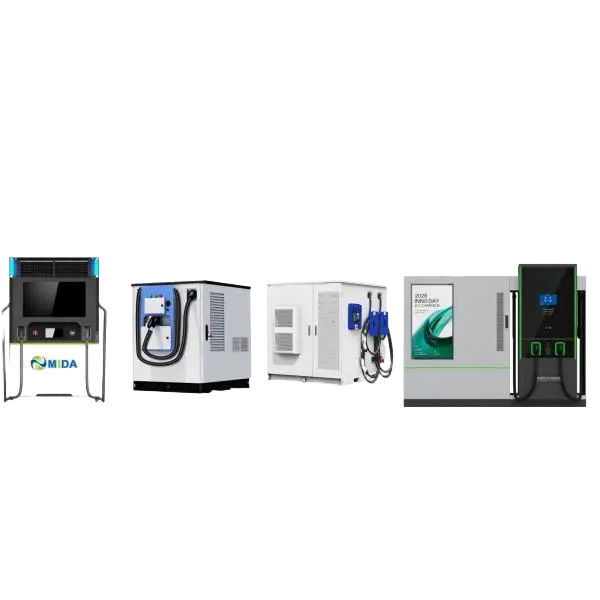
We manufacture not just the shell, but the entire internal logic. Discover our components built for longevity and efficiency.
The computational and power heart of our charging systems, engineered for stability and low harmonics.
Thermal-efficient cabling and high-conductivity connectors designed for megawatt-level transfers.
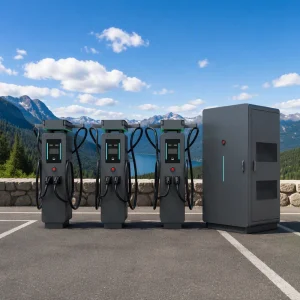
Turnkey floor-mounted and split-type DC charging architecture optimized for public and private networks.
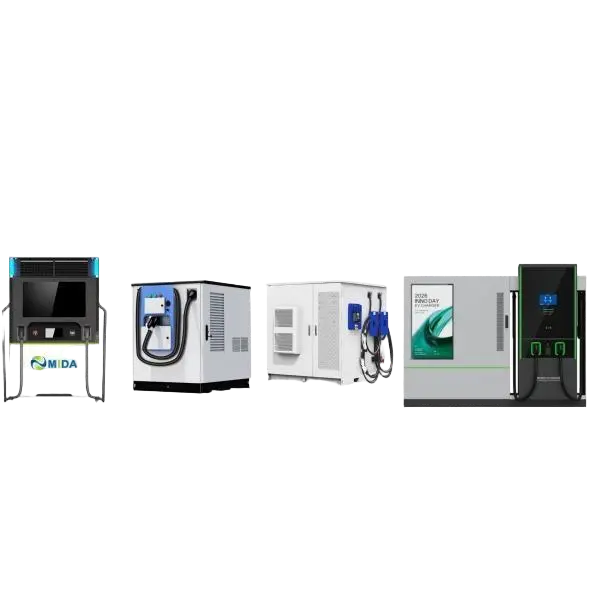
Intelligent battery buffering systems designed for low-capacity grid connections and remote fleets.
Expanding the limits of charging automation with Megawatt Charging Systems (MCS) and pantograph-based systems for heavy-duty electric bus fleets.
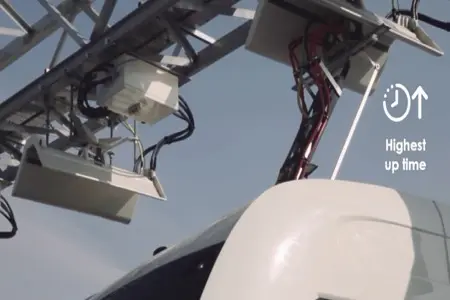
What are the advantages of an e-bus pantograph dome? In contrast to classic plug-in charging systems, e-bus pantograph charging simplifies fleet management, reduces physical footprint, and provides robust automation during driver layovers.
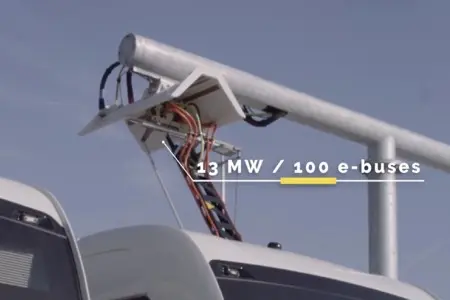
How long does it take to charge with an e-bus pantograph? The charging time depends on the battery capacity and the power output of the station. Highly optimized pantograph stations can replenish key ranges within 10-15 minutes.
How to Install the Pantograph Up Charger System Dome for Electric Bus: Installing a "Pantograph Up" system requires robust structural alignment and standard electrical grid connections to secure automatic mechanical interfaces.
Critical technical issues explained by senior EV power engineers regarding installation, efficiency, protocols, and standard compliance.
Explore our industrial range of high-efficiency DC chargers, OCPP compliant units, and solar-coupled storage chargers engineered for global distribution networks.