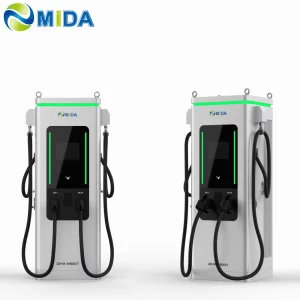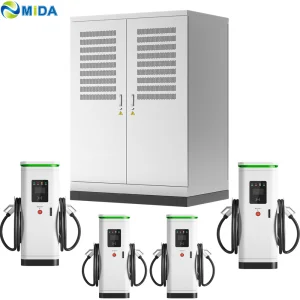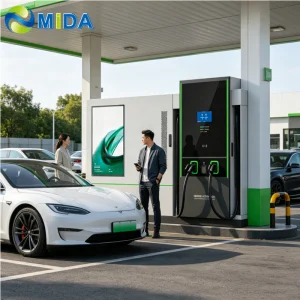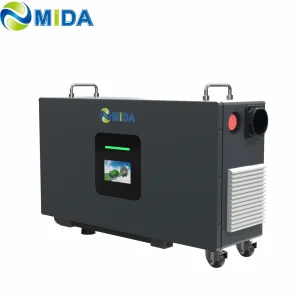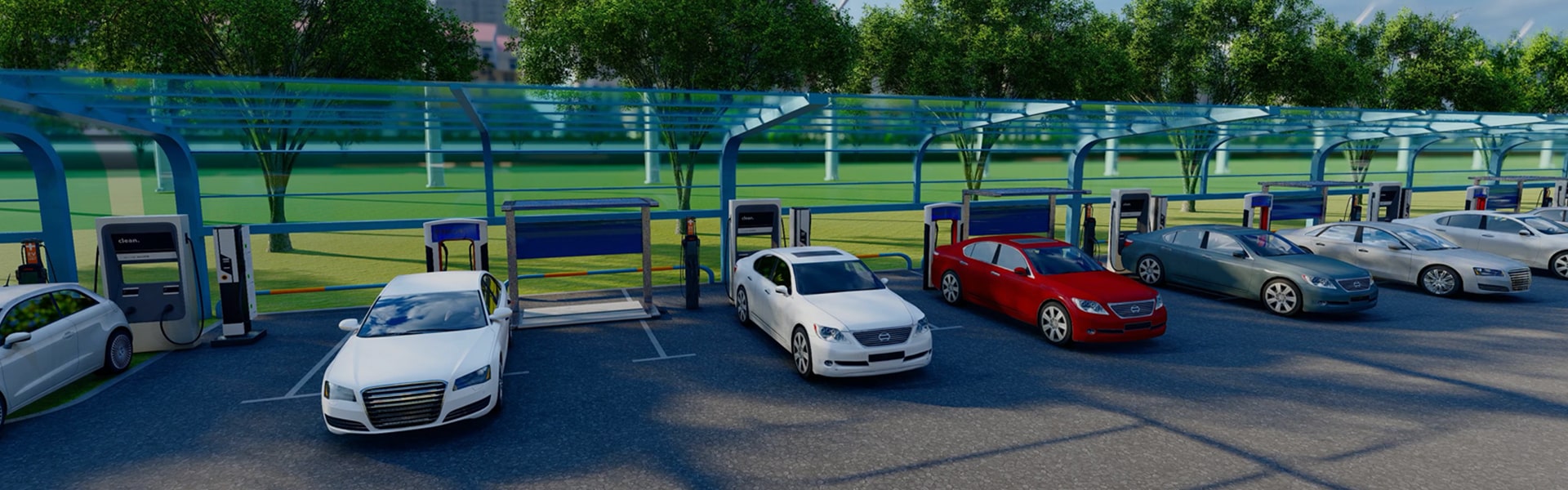
Engineered for fleet depot charging, public service plazas, and heavy-duty highway megawatt operations.
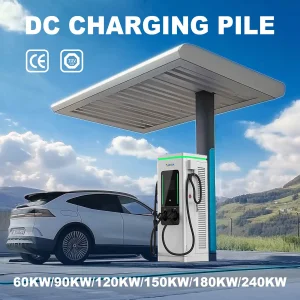
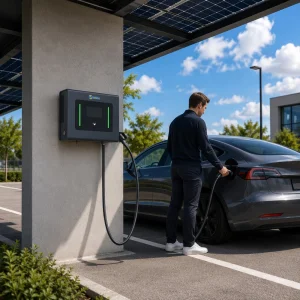
The traditional method of charging electric vehicles (EVs) using solar energy involves multiple inefficient power conversions. Typically, photovoltaic (PV) arrays generate Direct Current (DC) electricity, which is then converted into Alternating Current (AC) by solar inverters to power the localized facility grid. The AC power must then be routed to an EV charger where an on-board or off-board rectifier converts it *back* into DC power to charge the battery pack. Each step in this process induces electrical losses—typically ranging from 8% to 15% cumulative system degradation.
Direct DC-Coupled Solar Charging bypasses this thermal waste. In a solar-direct microgrid, power generated from the solar arrays feeds straight into a common DC bus. This energy can charge local Battery Energy Storage Systems (BESS) or be directly stepped up/down using bidirectional DC-DC converters to supply EV batteries via CCS1, CCS2, NACS, or CHAdeMO standards. By eliminating unnecessary conversion steps, energy efficiency climbs to over 97.5%. This technological leap dramatically reduces operational expenditures (OpEx), mitigates grid demand penalties, and optimizes localized solar utilization.
Shanghai Mida Cable Group Ltd. operates through its wholly owned subsidiaries: Shanghai Mida EV Power Co., Ltd., Shenzhen Mida EV Power Co., Ltd., and Shanghai Mida New Energy Co., Ltd.
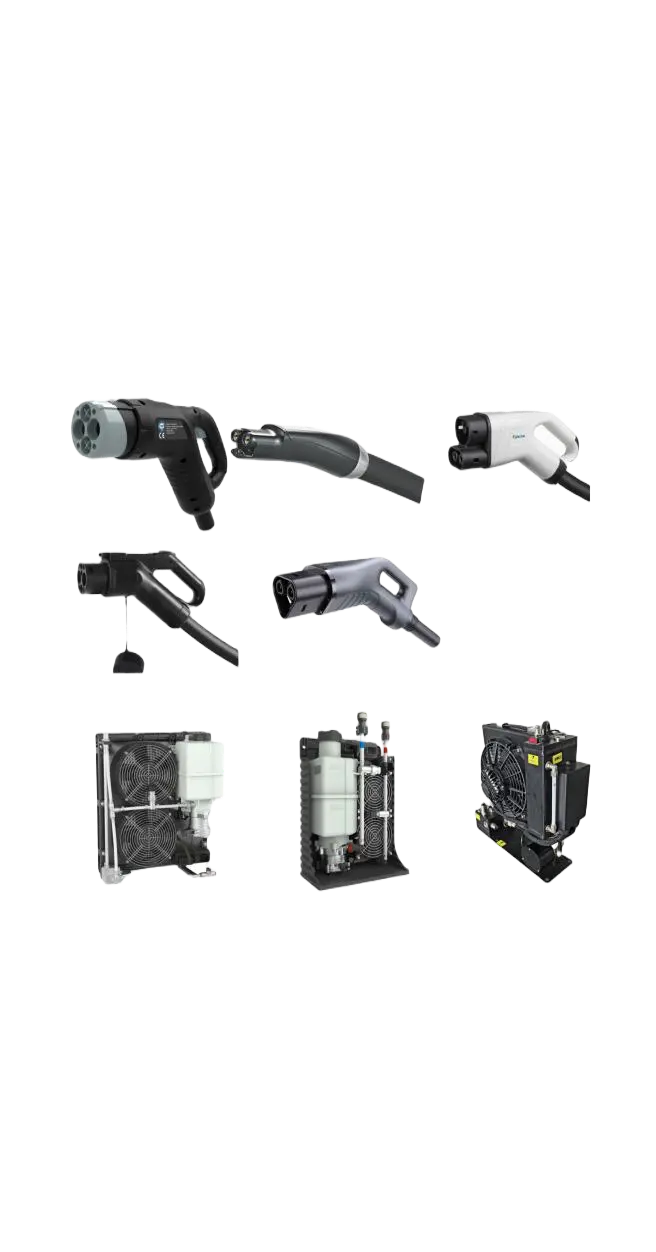
Mida Cable manufactures a comprehensive range of EV charging cables, including 16A–80A J1772 cables, 16A–63A IEC 62196-2 Type 2 cables, and DC fast charging cables: CCS1 (80A–500A), CCS2 (125A–1000A), CHAdeMO (125A–300A), GBT (200A–1000A), and NACS connectors (250A–600A).
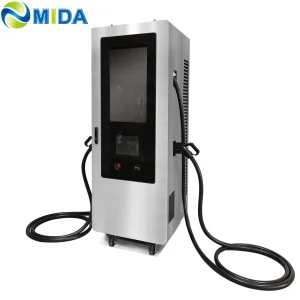
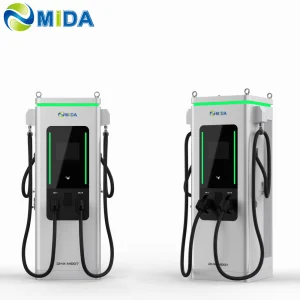
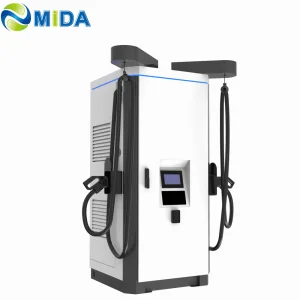
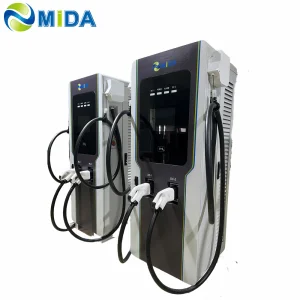
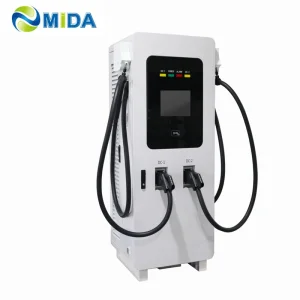
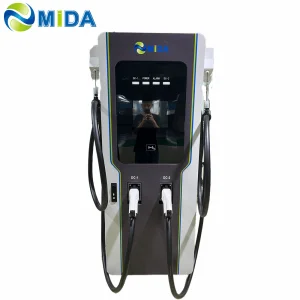
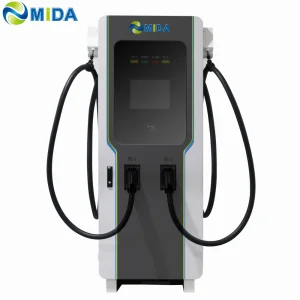
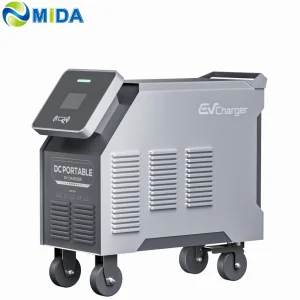
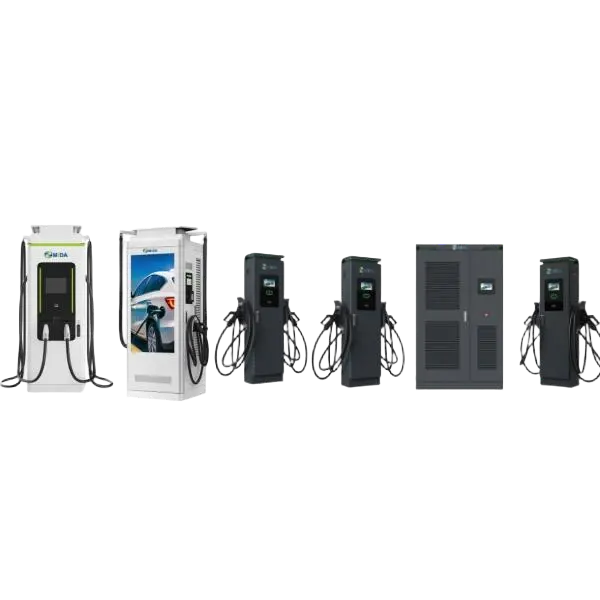
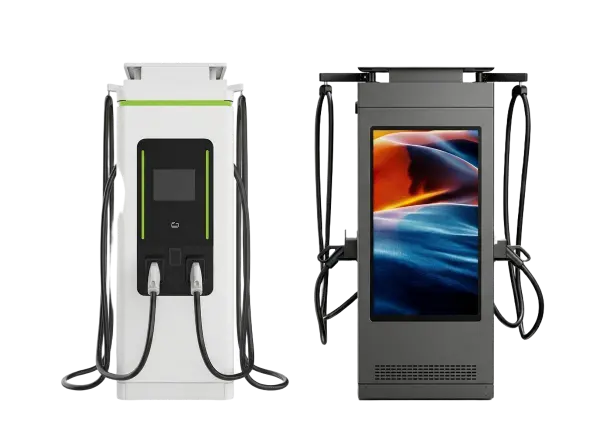
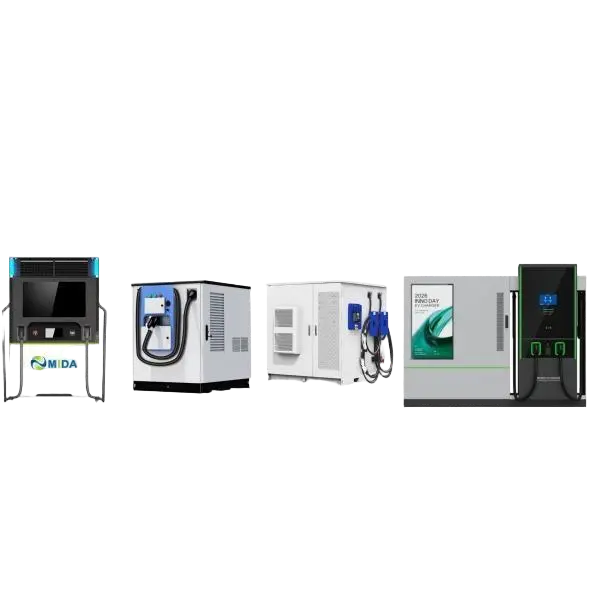
MIDA EV Power produces a full lineup of EV charging stations, such as 7kW–50kW mobile chargers, 3.6kW–7.2kW portable DC chargers, 360kW–1440kW split-type DC fast chargers, 20kW–50kW wall-mounted DC chargers, and 60kW–480kW floor-standing DC fast charging stations.
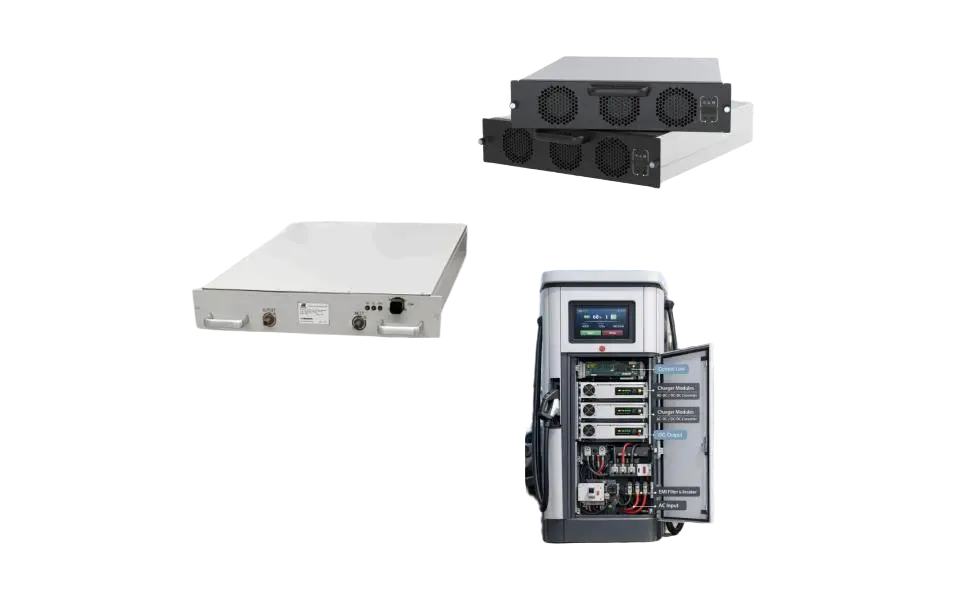
MIDA New Energy specializes in EV charger power modules, offering 20kW–60kW standard modules, 40kW–125kW liquid-cooled modules, 30kW–62.5kW bidirectional modules, and 20kW–45kW V2G charging modules.

Power Range: 7kW | 20kW | 30kW | 40kW | 60kW | 80kW optimized for premium slow/medium charging.
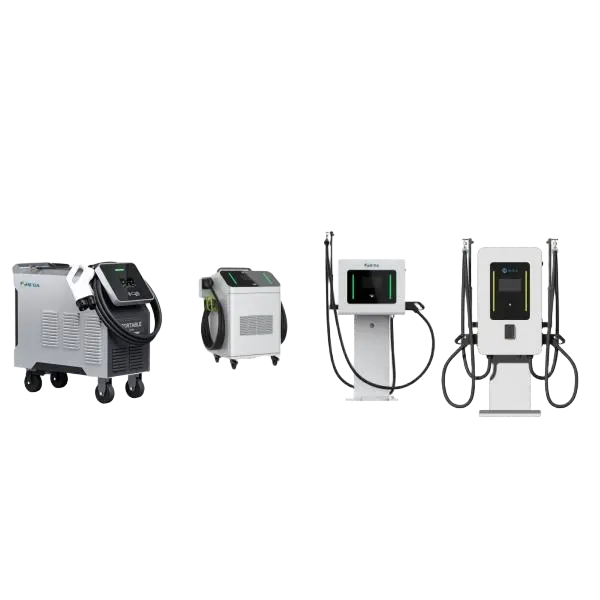
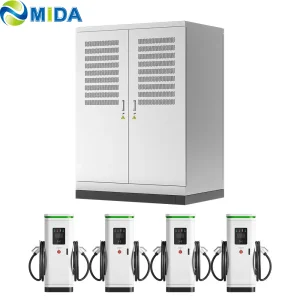
Scalable architecture from 60kW-480kW up to 360kW-1440kW split matrix cabinets.
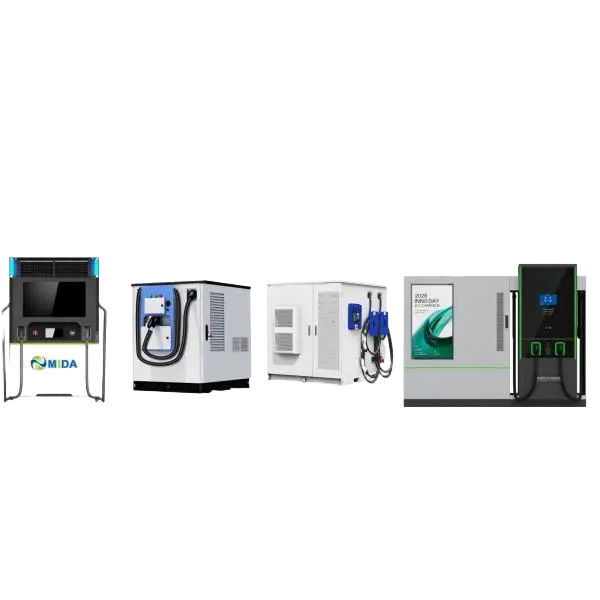
High-capacity storage: 60kWh | 261kWh | 418kWh | 625kWh | 2MkWh configurations.
We specialize in manufacturing the core building blocks of reliable DC charging systems, enabling brands to build custom hardware tailored to unique regional requirements.
Commercial enterprises, municipal bus transit hubs, utility companies, and global charging point operators (CPOs) face distinct regional pressure when building EV infrastructure. Key pain points include utility grid capability caps, steep peak-demand electric tariffs, complex construction permitting, and safety standards compliance.
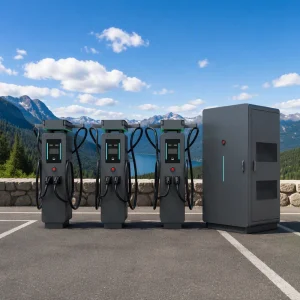
To overcome grid upgrade bottlenecks, international buyers are shifting capital expenditure to **hybrid renewable charging setups**. A system featuring onsite solar canopies, integrated BESS stacks (such as MIDA's 261kWh/418kWh columns), and high-power DC charging nodes offers self-sustaining resilience. This configuration mitigates peak grid draws, lowers monthly demand charges, and enables operations to proceed during grid blackouts. MIDA's manufacturing capacity addresses these needs, offering components from standalone bidirectional modules to integrated multi-megawatt split-type systems.
Intelligent EMS controllers monitor site power constraints, dynamically routing battery power to augment solar availability and reduce utility grid stress.
Complete compatibility with OCPP 1.6J/2.0.1, DIN 70121, ISO 15118 (Plug & Charge), enabling integration with third-party billing and management platforms.
Active liquid cooling blocks for high-power connections prevent thermal throttling. This design ensures continuous operations at maximum output in warm climates.
The electric vehicle industry is rapidly transitioning from standard 400V battery architectures to ultra-fast 800V and even 1000V powertrains. High-speed charging at this level requires hardware capable of handling high electrical stresses. MIDA's developmental pipeline focuses on **Gallium Nitride (GaN) and Silicon Carbide (SiC) semiconductor modules**, which offer higher thermal stability and over 98% efficiency compared to traditional silicon IGBTs.
Additionally, bidirectional V2G (Vehicle-to-Grid) systems are transforming parked EVs from energy consumers into dynamic grid storage assets. Using bidirectional charging stations, fleet depots can draw stored vehicle energy during grid peak-hours to support operations, subsequently recharging the fleet when solar generation is high or electricity rates are lower.
Expanding native NACS liquid-cooled cables and power modules up to 350kW to support the North American charging standard shift.
Rolling out Megawatt Charging System (MCS) units for electric marine craft, heavy haulage trucks, and municipal bus networks.
Integrating silicon carbide-driven power modules into our modular product line to minimize thermal dissipation and physical footprint.
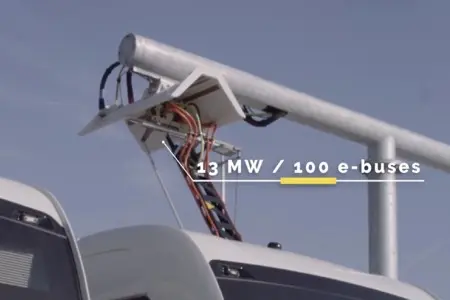
Read about our latest research, developments, and global installations of high-power fleet pantograph charging units.

Answers to complex inquiries regarding PV-BESS microgrid integration, system thermal properties, and configuration options.
Megawatt-class split charging stacks, battery-integrated chargers, and media display stations.