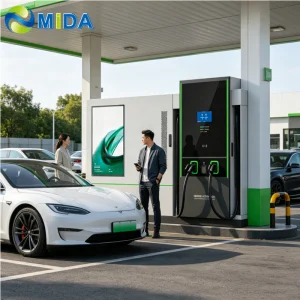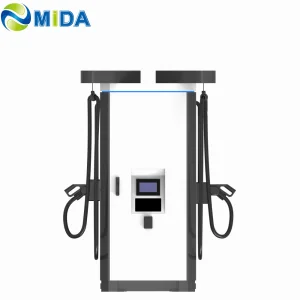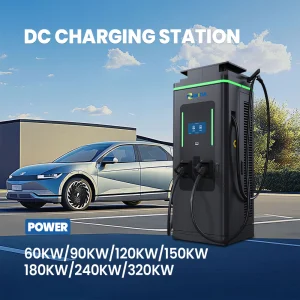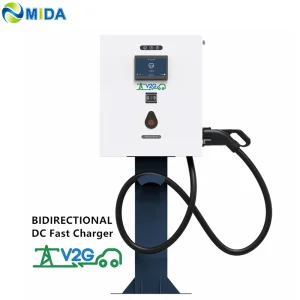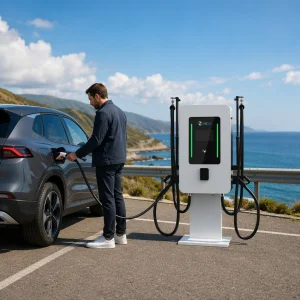
Engineered for high efficiency, high throughput, and maximum uptime. Explore our flagship fleet charging hardware.
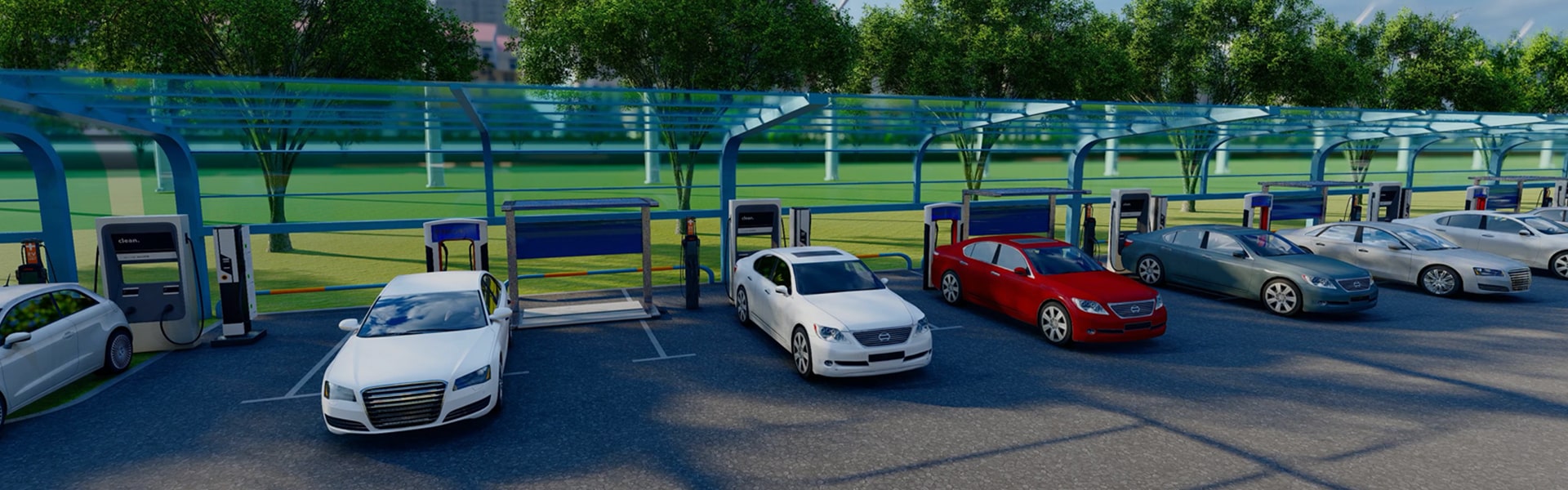
The global transition to battery electric vehicles (BEVs) is accelerating beyond light passenger vehicles. Commercial fleets, municipal transit systems, heavy duty mining operations, and regional logistics hubs require rapid charging cycles to minimize vehicle downtime. This has shifted the market focus toward High-Power Charging (HPC) infrastructures operating between 150kW and 1MW+ (Megawatt Charging Systems - MCS). To execute these multi-megawatt rollouts without over-stressing transmission grids, current charging architectures must integrate distributed energy resources (DERs), microgrids, dynamic load-balancing software, and battery energy storage systems (BESS).
As standard depot stations scale up, operators face a critical design decision: standard standalone dispensers or split-system topologies. Standalone architectures house the AC/DC rectifier modules directly inside the dispenser housing. While simpler to deploy for solitary installations, they limit physical flexibility and increase footprints at the site lanes.
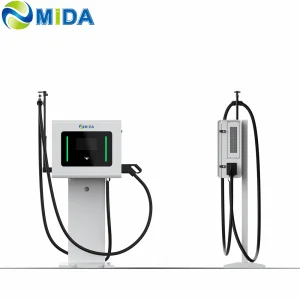
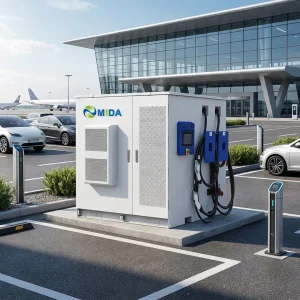
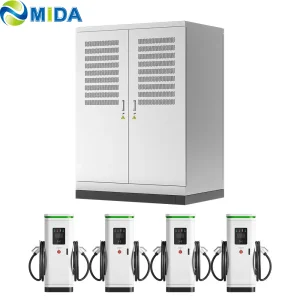
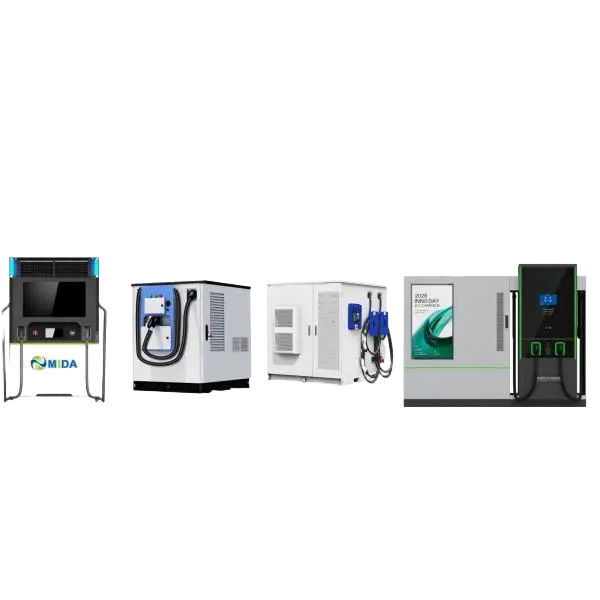
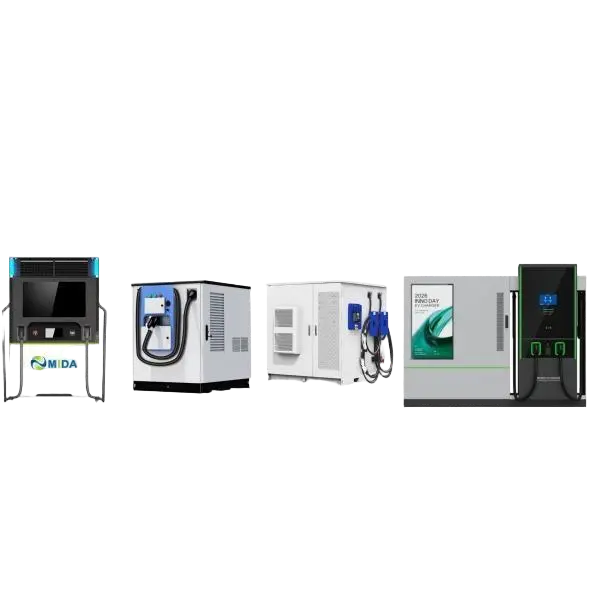
Conversely, a split-architecture DC charging system separates the power cabinet (housing high-density power modules) from the user-facing dispensers. By concentrating the AC/DC conversion inside a centralized, weather-shielded cabinet, the dispenser itself becomes lightweight, low-footprint, and far quieter. Multi-dispenser installations benefit from dynamic power-sharing algorithms, routing excess power from inactive lanes to vehicles requiring peak charging currents.
Providing turn-key solutions from AC destination chargers to heavy duty liquid-cooled mega-chargers.
Shanghai Mida Cable Group Ltd. operates through its wholly owned subsidiaries: Shanghai Mida EV Power Co., Ltd., Shenzhen Mida EV Power Co., Ltd., and Shanghai Mida New Energy Co., Ltd. Over the years, we have built a reputation as an industry-leading OEM and ODM partner for modern vehicle electrification projects worldwide.
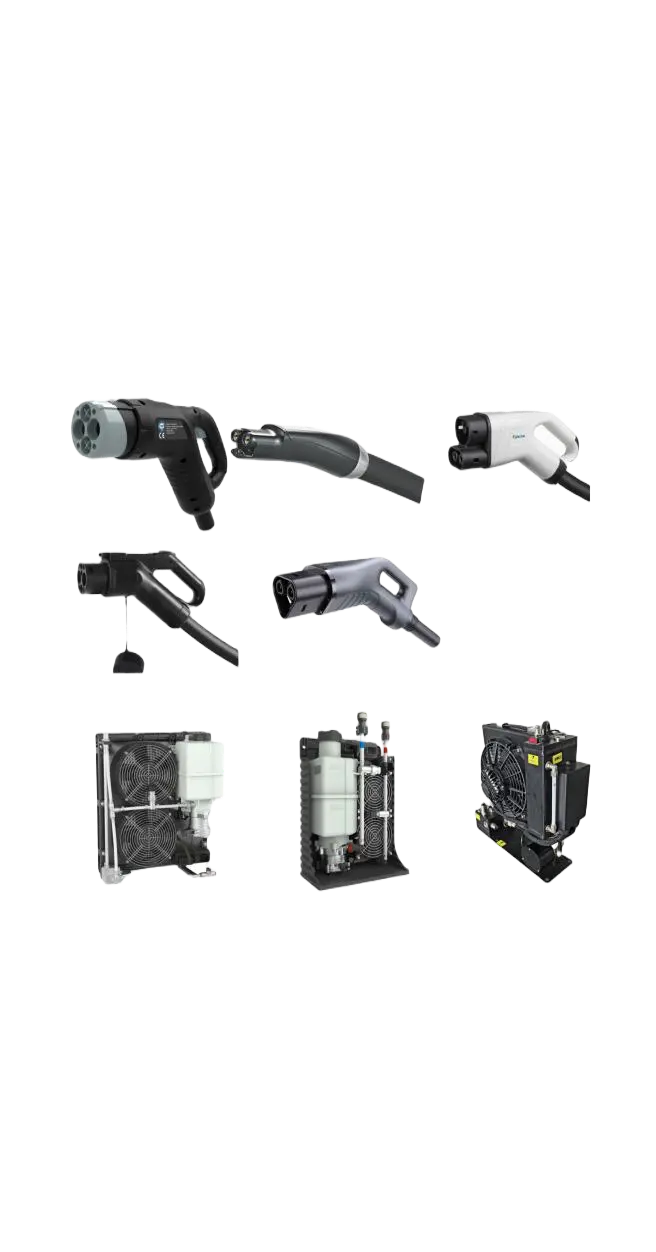
Mida Cable manufactures a comprehensive range of EV charging cables, including 16A–80A J1772 cables, 16A–63A IEC 62196-2 Type 2 cables, and DC fast charging cables: CCS1 (80A–500A), CCS2 (125A–1000A), CHAdeMO (125A–300A), GBT (200A–1000A), and NACS connectors (250A–600A). This comprehensive components supply chain allows us to maintain strict quality control across every sub-assembly.
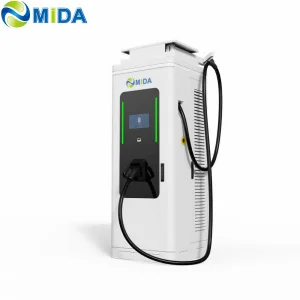
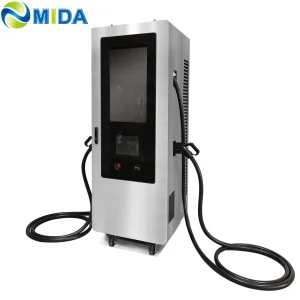
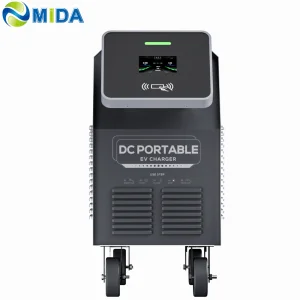
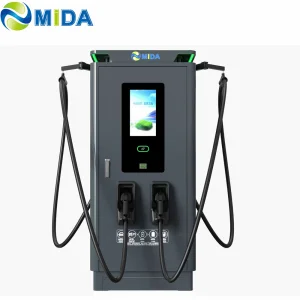
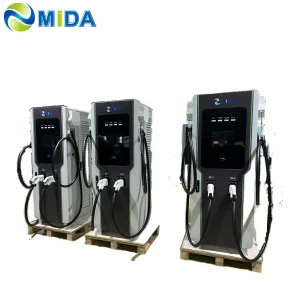
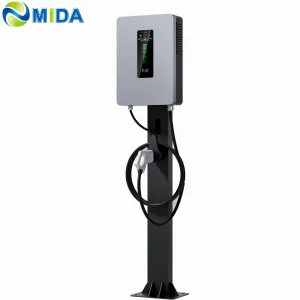
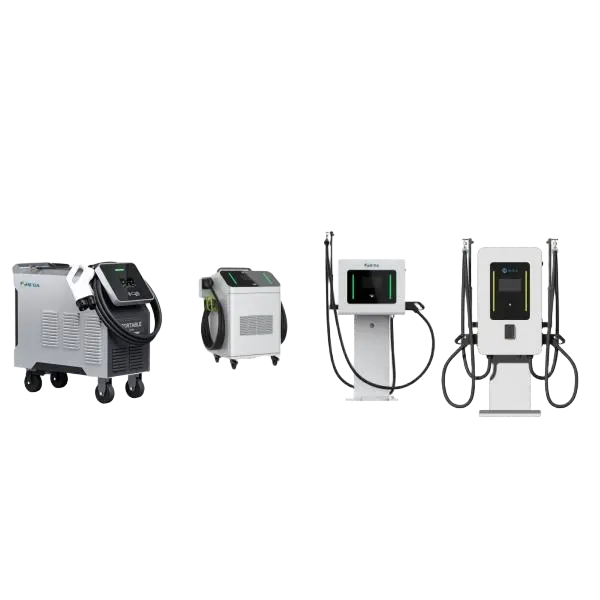
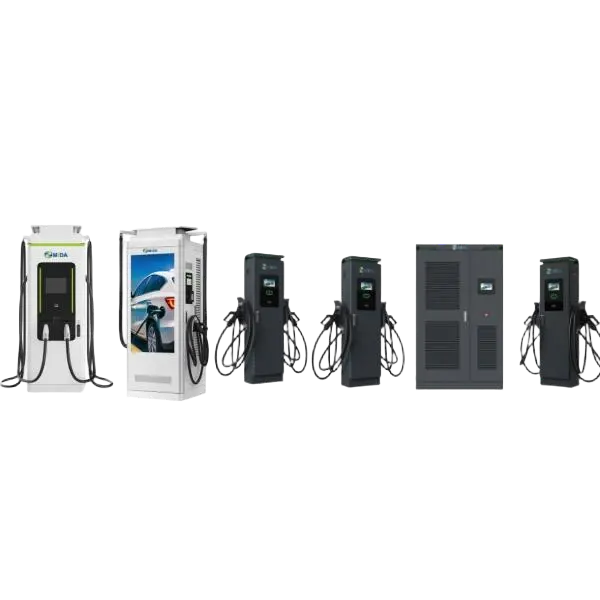
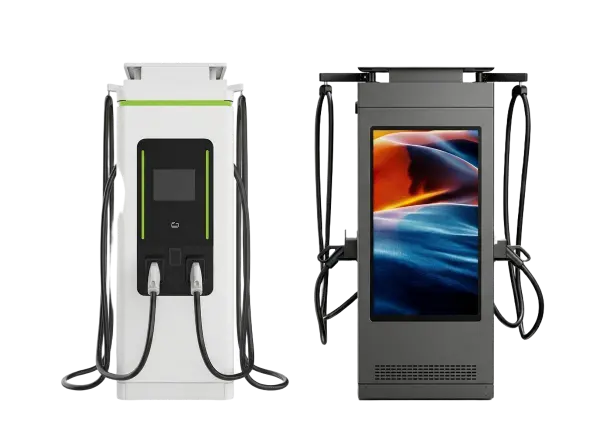
MIDA EV Power produces a full lineup of EV charging stations, such as 7kW–50kW mobile chargers, 3.6kW–7.2kW portable DC chargers, 360kW–1440kW split-type DC fast chargers, 20kW–50kW wall-mounted DC chargers, and 60kW–480kW floor-standing DC fast charging stations.
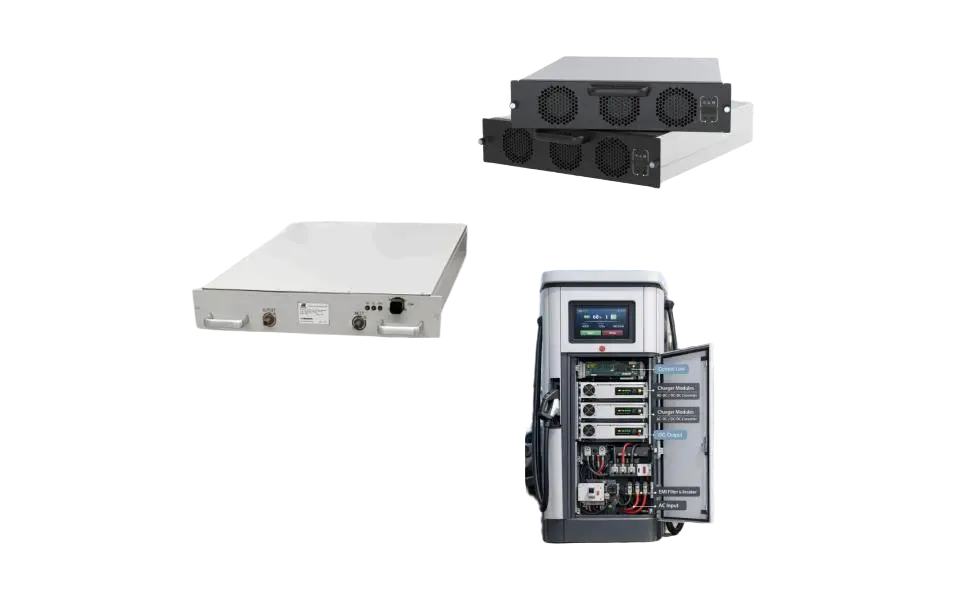
MIDA New Energy specializes in EV charger power modules, offering 20kW–60kW standard modules, 40kW–125kW liquid-cooled modules, 30kW–62.5kW bidirectional modules, and 20kW–45kW V2G charging modules.

Every commercial application has distinct requirements based on route plans, fleet uptime metrics, and local utility limits. Our solutions adapt to optimize total cost of ownership (TCO) across standard industrial networks:
High-efficiency overnight charging with dynamic peak-shaving. Real-time fleet tracking via OCPP 2.0.1 to optimize utility usage during off-peak hours.
Deployments utilizing liquid-cooled charging cables and split-architectures. Supporting CCS1, CCS2, and NACS simultaneously with up to 500A continuous current.
For regions with weak electrical grids or exorbitant peak charges. The localized energy storage unit feeds the chargers during peak sessions, charging slowly from the grid when empty.
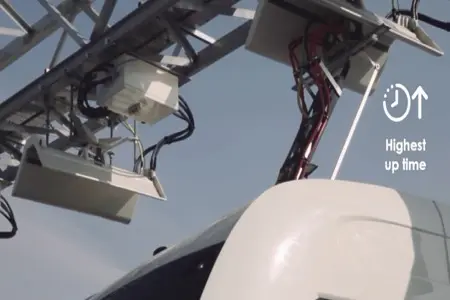
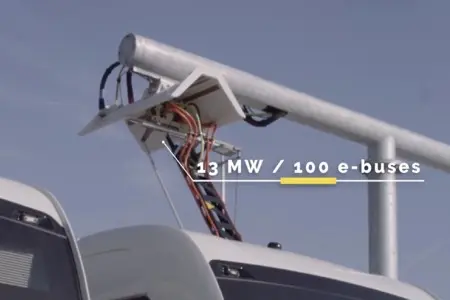
Automated connection system (ACS) overhead pantograph units for opportunity charging during scheduled route stops. High power flow (up to 1000kW) in minimal timeframes.
As electric vehicle architecture shifts towards 800V and 1000V drivetrains, the charging infrastructure must keep pace. Silicon Carbide (SiC) switches are replacing older IGBT setups inside power modules. This upgrade lowers switching losses and enables over 96.5% overall system efficiency. Additionally, bidirectional active front-end topologies enable Vehicle-to-Grid (V2G) systems to act as stabilizing nodes. These nodes can feedback power during sudden utility demands, turning EV fleets from grid consumers into decentralized energy assets.
Vertically integrated systems engineered for mission-critical operations.
Stay informed with the latest updates from our research team regarding pantographs and bus charging networks.
Get answers to critical technical questions regarding high-power station deployments and integration standards.
Explore our high-performance hardware designed to optimize charging station footprints and maximize throughput.