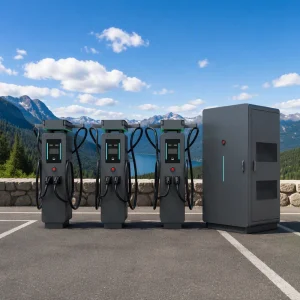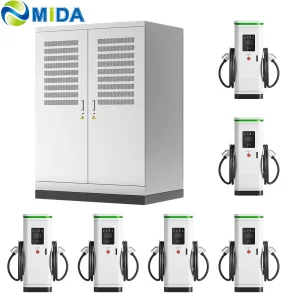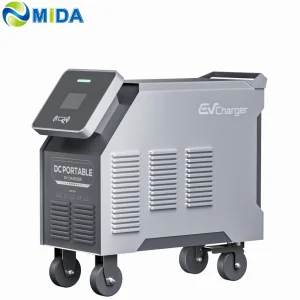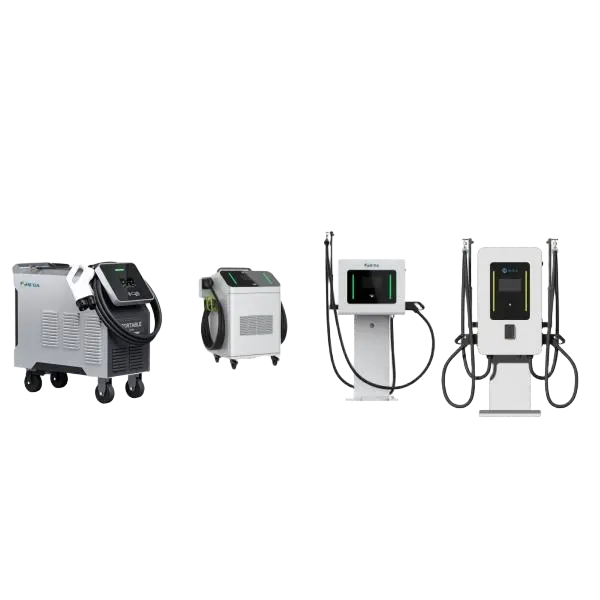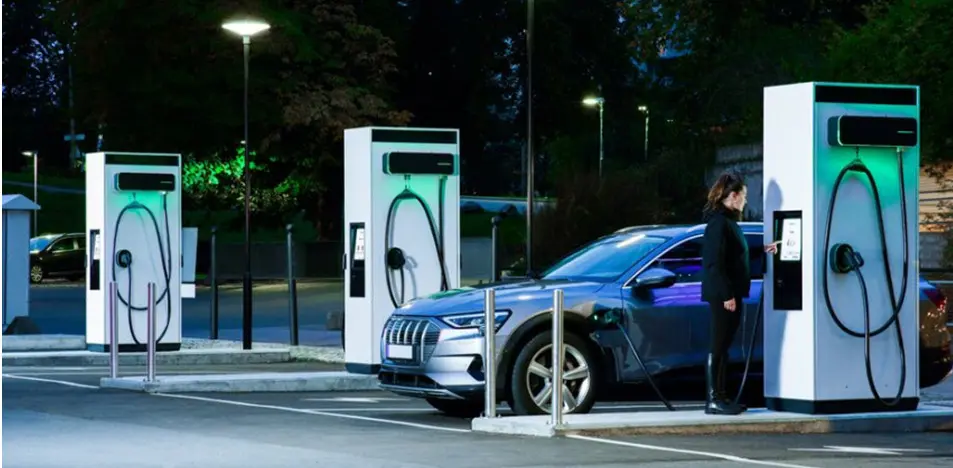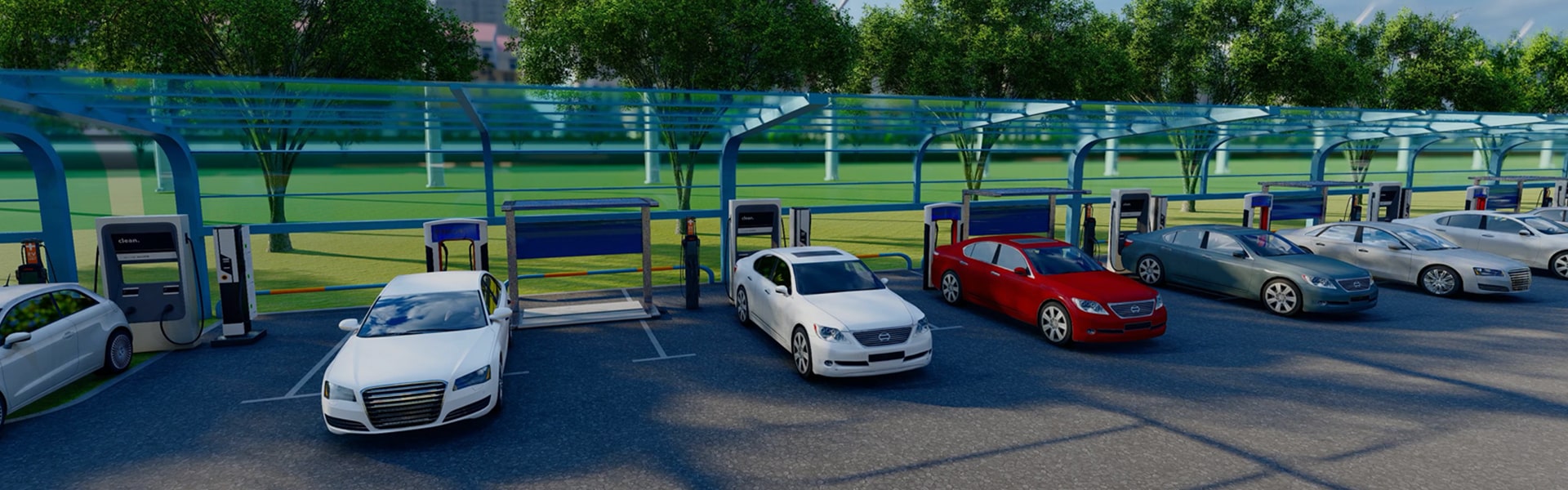
Explore our highly certified, factory-direct range of fast-charging hardware designed for commercial operators, fleet hubs, and highway utility networks.
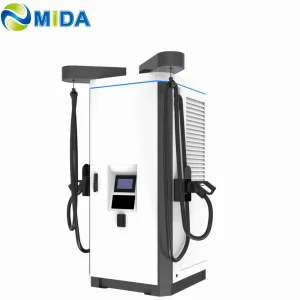
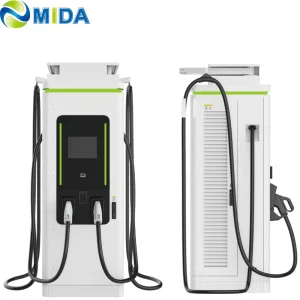
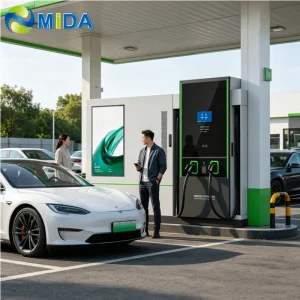
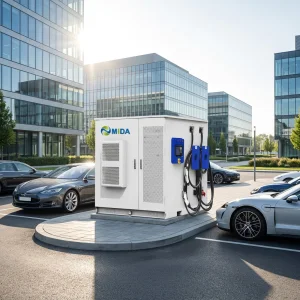
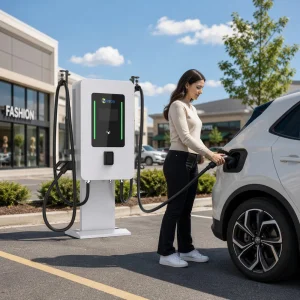
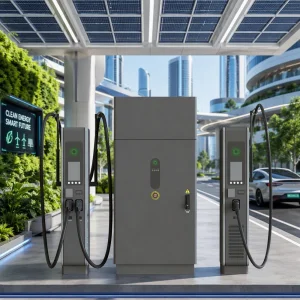
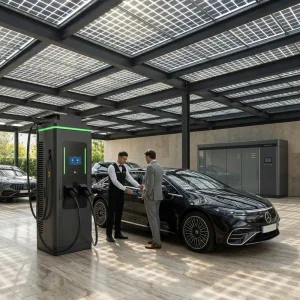
Navigating the global landscape of electric vehicle (EV) charging technology requires a sophisticated map of manufacturers and factory capabilities. As utilities, private enterprises, charge point operators (CPOs), and government entities push for rapid decarbonization, the physical and digital map of EV charging stations becomes a core framework for logistics, operations, and procurement.
An EV charging station is no longer a isolated electrical outlet; it is a complex grid-interactive node. By mapping manufacturers' exact technical competencies—ranging from high-frequency silicon carbide (SiC) sub-modules to megawatt liquid-cooled dispensers—global procurement managers can secure resilient equipment pipelines that match local grid regulations, vehicle interface trends, and regional climate extremes.

Engineering the Next Generation of EV Connection and Power Distribution Systems Globally.
Shanghai Mida Cable Group Ltd. operates through its wholly owned subsidiaries: Shanghai Mida EV Power Co., Ltd., Shenzhen Mida EV Power Co., Ltd., and Shanghai Mida New Energy Co., Ltd. We provide integrated R&D, structural design, validation testing, and high-volume lean manufacturing across all verticals of the electric mobility space.
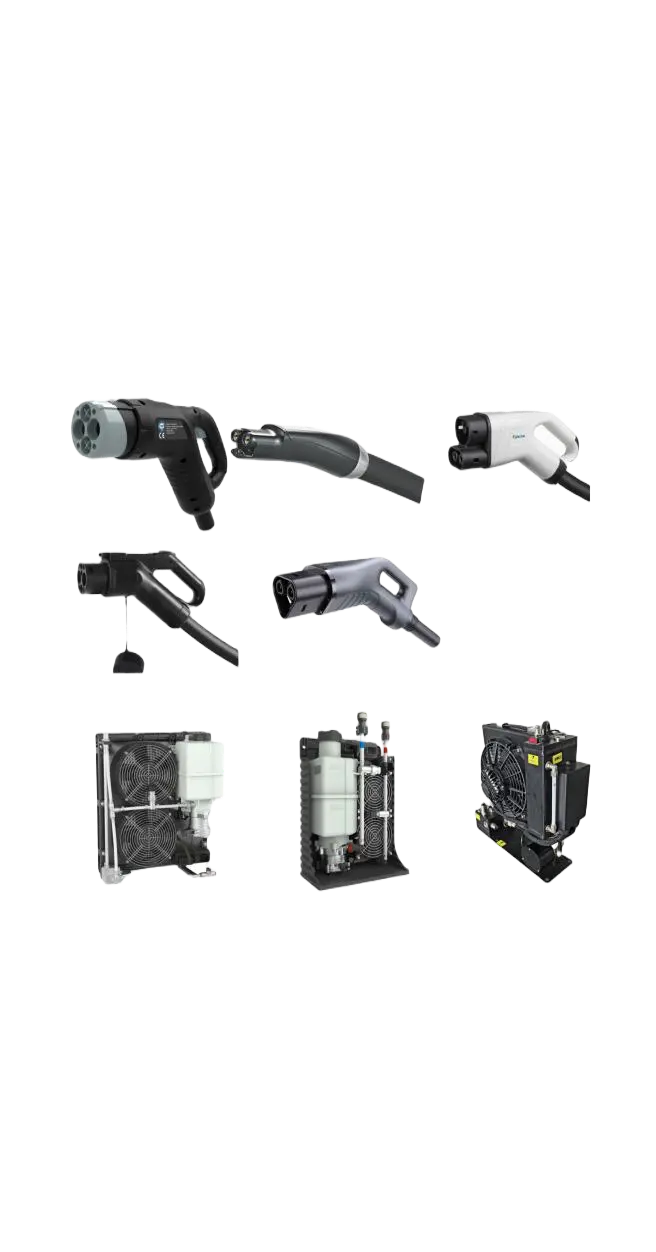
Manufacturing high-durability EV charging cables designed for prolonged outdoor deployment, high thermal load, and dynamic flex cycles:
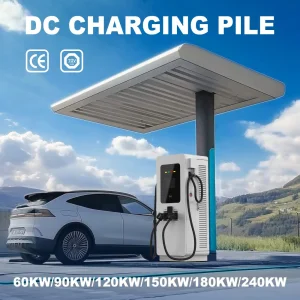
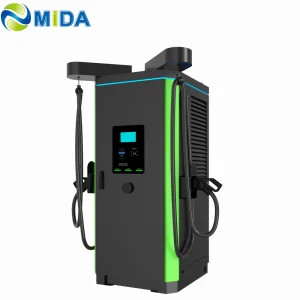
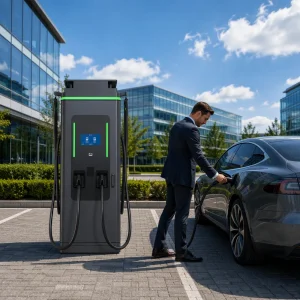
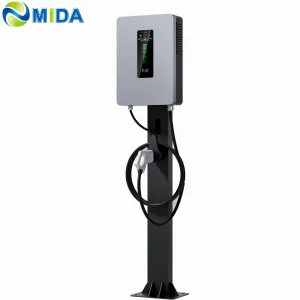
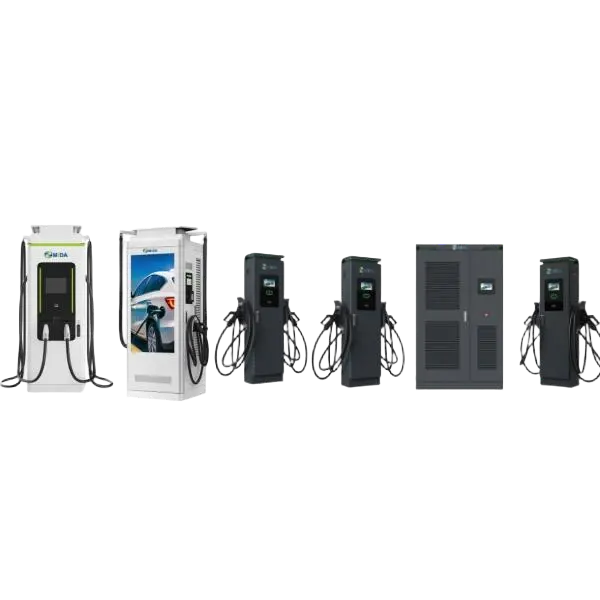
Delivering complete grid-tied charging stations engineered with smart communications, local load balancing, and rugged structures:
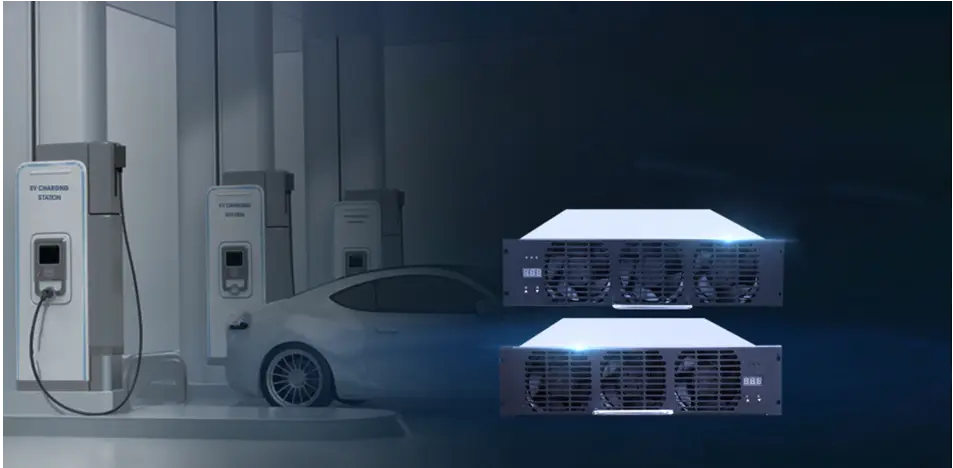
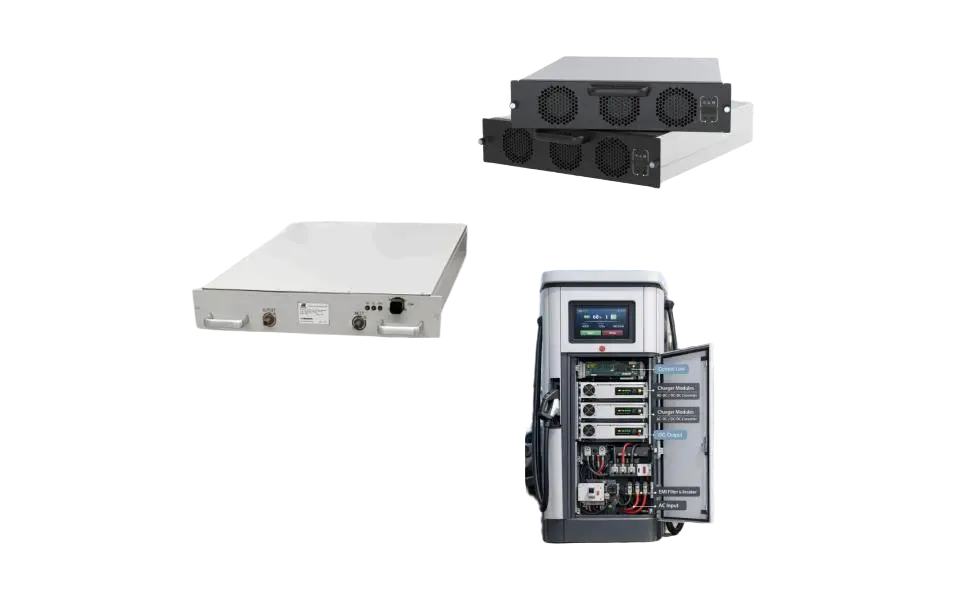
Focusing on the high-efficiency electrical core. Our power conversion modules drive reliability and minimize switching losses:
Scaling Production, Supply Chain Resiliency, and Engineering Acceleration.
Chinese factories are located within industrial clusters that house direct raw material refinement, copper wire fabrication, high-speed semiconductor assembly, and sheet metal manufacturing. This geographic concentration reduces logistical delays, minimizes inter-factory transit times, and guarantees steady material pipelines even during global resource crunches.
By producing tens of thousands of power modules and cable assemblies per month, factories can negotiate bulk pricing on copper, specialized raw plastics, and vital electronic components like MCUs and IGBT switches. These cost savings are passed down to global buyers, offering premium hardware configurations at lower capital expenditure per kilowatt.
With massive domestic adoption driving the market, engineering teams in China iterate designs rapidly. From NACS connector integration to localized OCPP billing software adaptations, MIDA's internal R&D loops are compressed, allowing us to implement upgrades, customize branding, and clear international compliance checks faster than Western competitors.
Standardized and Custom-Engineered Solutions for Commercial, Residential, and Fleet Topologies
From core power conversion blocks to high-amperage cooling systems, MIDA manages the entire stack.
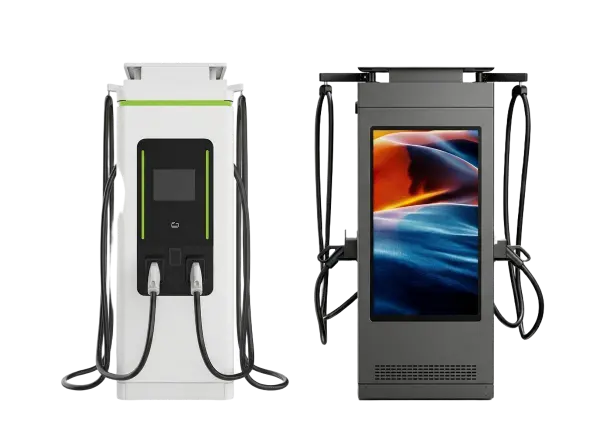
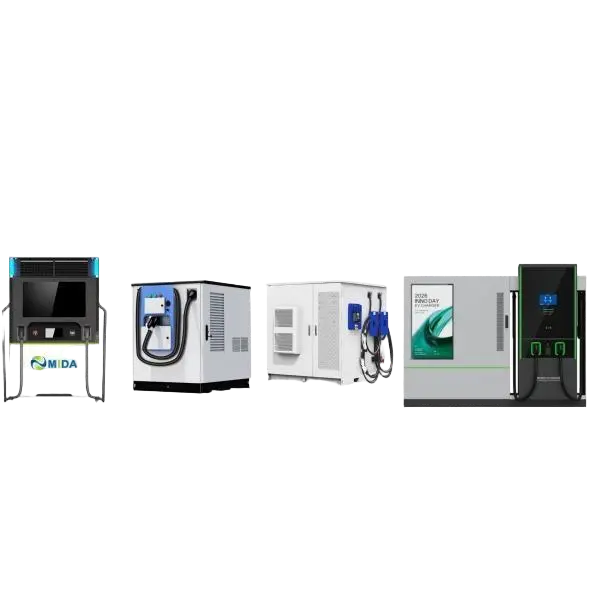
Deploying large-scale EV charging structures presents multi-faceted engineering and spatial challenges. Globally, utility companies face capacity limitations, leading to extensive timelines for grid upgrades. Charge point operators require modular designs that can scale seamlessly as local electric vehicle saturation increases.
To bypass grid grid upgrades, MIDA integrates high-capacity Energy Storage Systems (BESS) with fast chargers. By capturing energy during off-peak hours and discharging it during high-load periods, our 215kWh to 2MWh systems lower demand charges, protect grid health, and enable installation in locations with limited substation capacities.
Commercial fleets demand structured power distribution systems. Split-cabinet layouts with dynamic power sharing optimize charging output based on vehicle state of charge (SoC) and route schedules. One 720kW split power stack can distribute capacity dynamically across multiple dispensers, ensuring heavy-duty transit buses and light-duty delivery vans are ready on schedule.
In high-power installations (350kW+), traditional cooling systems cannot manage the excess heat generated within standard cable diameters. MIDA's liquid-cooled stations pump non-conductive dielectric fluid through the cable jacket directly to the NACS or CCS2 connector tip. This maintains a cool touch temperature, protects internally integrated electronics, and allows continuous 500A charging without thermal throttling.
Deep-dives into specific transit challenges, pantograph systems, and heavy industrial vehicle charging methods.
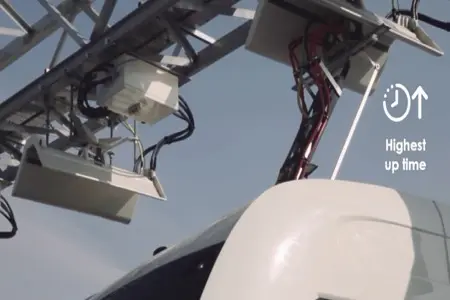
What are the advantages of an e-bus pantograph dome? In contrast to classic plug-in charging systems, e-bus pantograph connections offer high-power overhead charging, eliminating manual connector handling for transit operators.
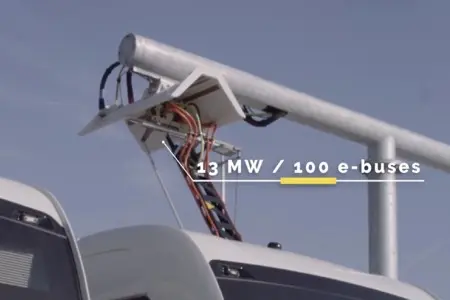
How long does it take to charge with an e-bus pantograph? The charging time depends on the battery capacity and the station's configuration. With outputs exceeding 600kW, opportunity charges take only minutes.
How to Install the Pantograph Up Charger System Dome for Electric Bus. Installing a “Pantograph Up” system requires careful architectural integration, mechanical structural checks, and advanced power management interfaces.
Key technical and procurement questions answered by MIDA's senior engineering team.
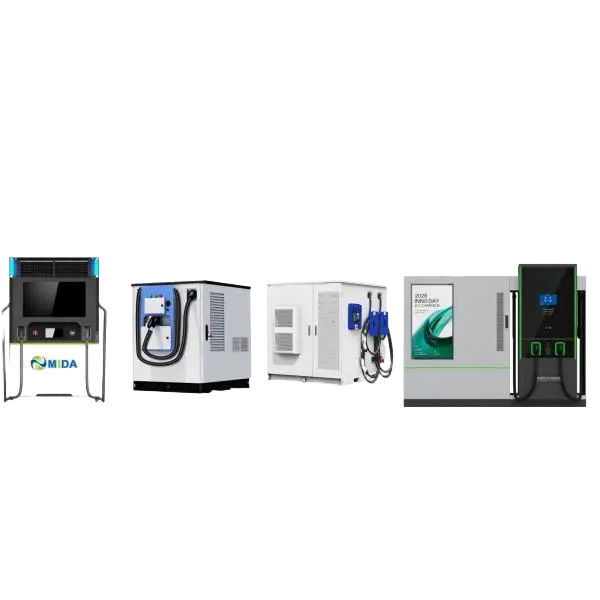
Explore our complete lineup of versatile chargers, multi-standard configurations, and high-capacity split charging stations.