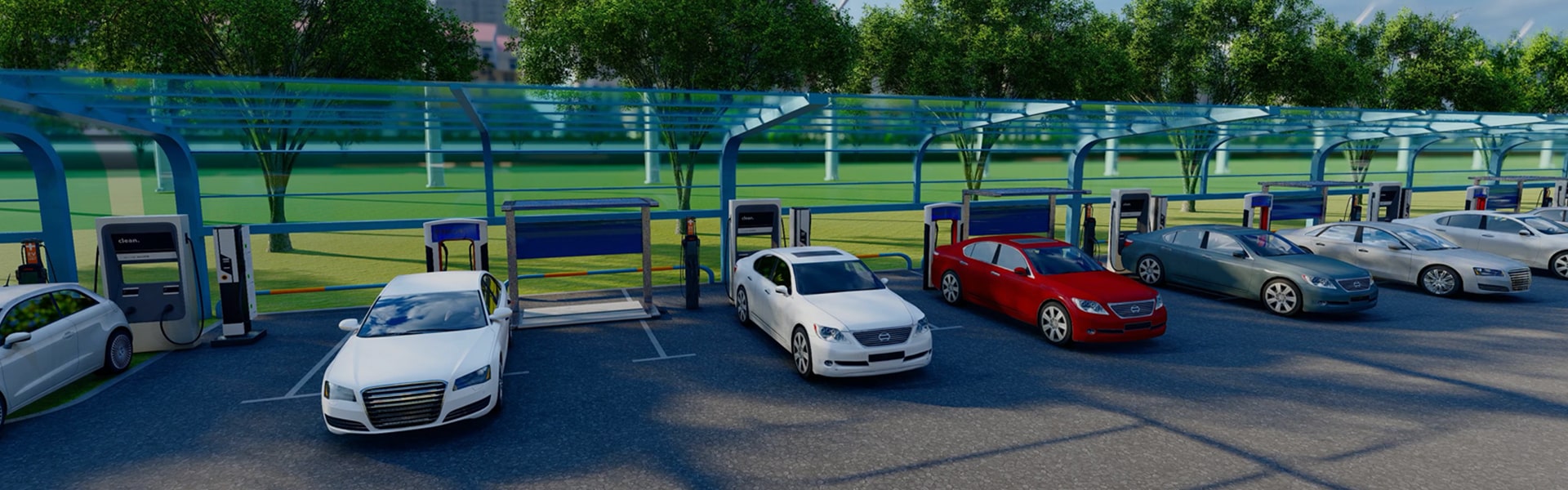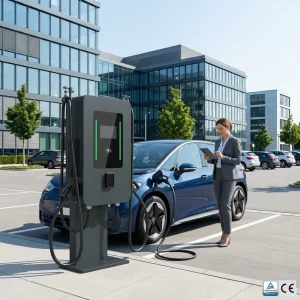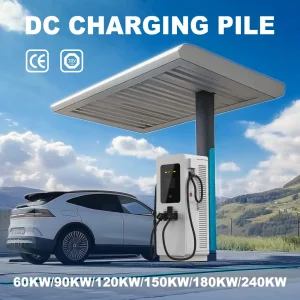
Explore our premium range of industrial, mobile, and ultra-fast DC charging piles engineered for global transit infrastructure.
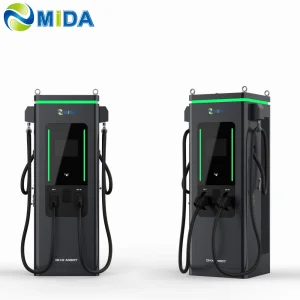
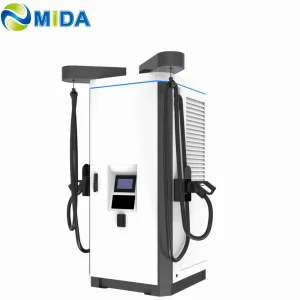
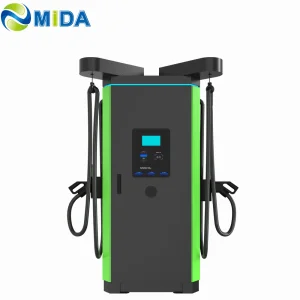
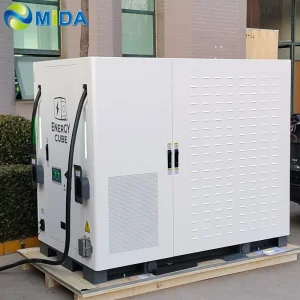
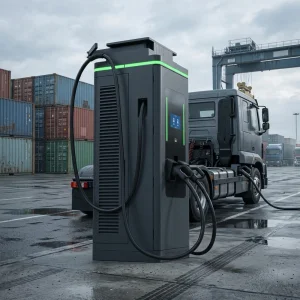
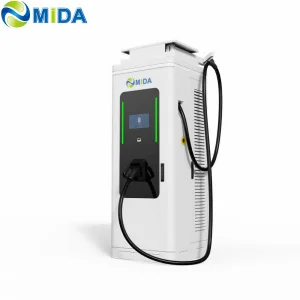
The global transition toward electrified transport has triggered an unprecedented surge in demand for reliable, high-power Electric Vehicle Supply Equipment (EVSE). Industrial networks, municipal bus transit depots, long-haul freight corridors, and commercial parking hubs require increasingly sophisticated energy delivery nodes. Finding the best EV charging station suppliers and factories is no longer just a purchasing decision—it is a critical step in establishing energy infrastructure resilience.
Technological advancement is pivoting rapidly from low-power AC trickling to ultra-fast High-Power Charging (HPC) networks. Today’s industrial landscape demands charger assemblies capable of sustained power delivery ranging from 120kW up to 480kW, and expanding into Megawatt Charging Systems (MCS) designed for heavy-duty maritime, logistics, and aviation use-cases. To maintain operational continuity, procurement managers must evaluate factories on their compliance with global standards, topological innovation, and thermal management capabilities.
Information Gain: Industrial charging systems now incorporate Wide Bandgap (WBG) semiconductors like Silicon Carbide (SiC) MOSFETs within their power modules. This upgrade increases switching frequencies, raises efficiency from 94% to over 97.5%, and significantly reduces heat output, enabling tighter packaging in space-constrained urban areas.
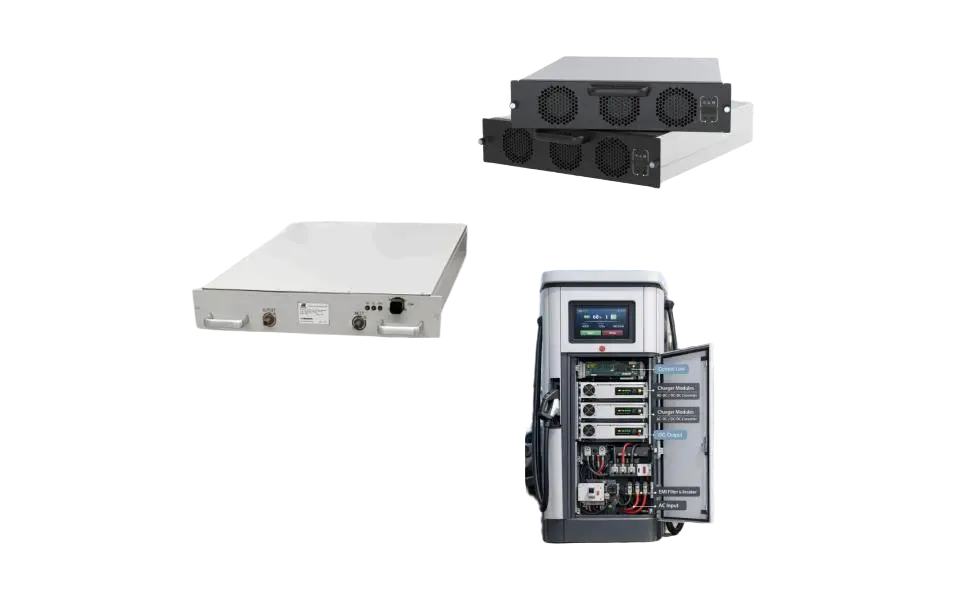
A high-performance DC charging station is characterized by its internal modular design. Unlike traditional architectures where a failure in a monolithic power unit disables the entire charger, modern Tier-1 factories utilize clustered power modules. For instance, a 180kW DC charger is typically powered by six discrete 30kW power modules or four 45kW modules running in parallel.
Allows EV batteries to feedback energy into the local microgrid, stabilizing grid frequencies during peak demands.
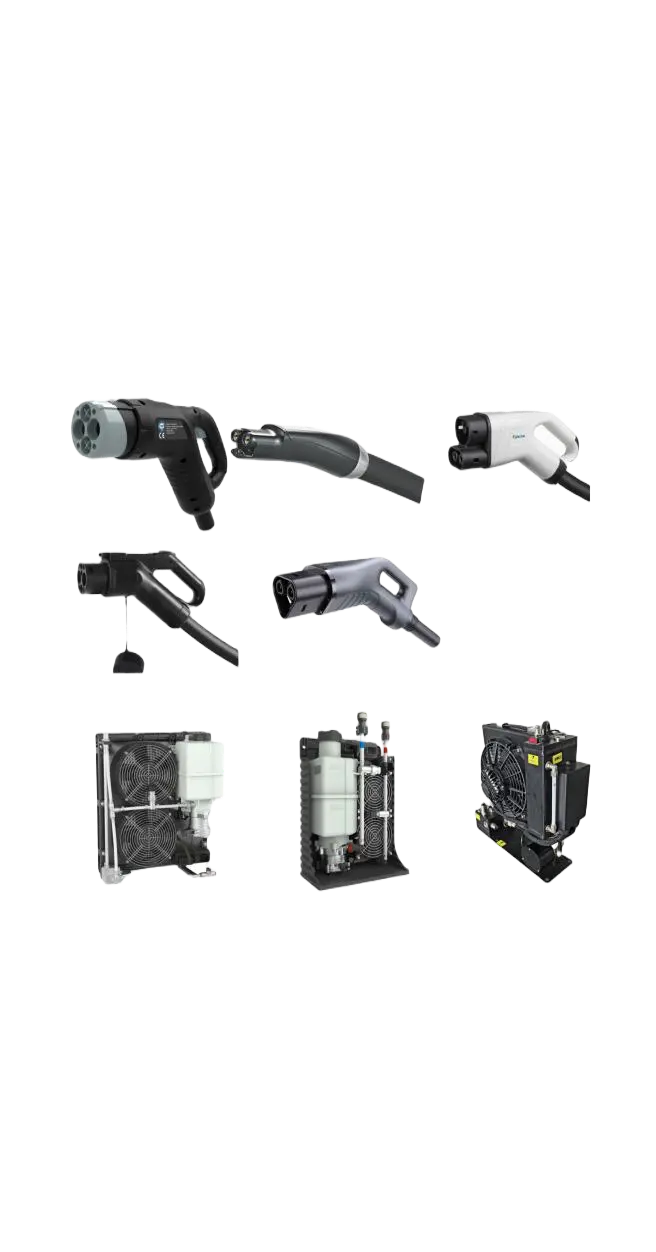
Direct liquid cooling inside the cables and connectors enables currents of 500A+ without thick, heavy cables.
Intelligently distributes total output power across multiple connectors based on the real-time battery status of connected vehicles.
By implementing dynamic power sharing, when a vehicle with low state-of-charge (SoC) connects, the station channels maximum power to its port. As the charging curve tapers down, the station dynamically redirects excess power to adjacent ports. This optimization maximizes utilization rates, shortens driver queue times, and optimizes return-on-investment (ROI) for charge point operators (CPOs).
Implementing commercial EVSE systems requires tailored approaches for different operating environments. Fleet depots for logistics and delivery vans prioritize scheduled night-time sequential charging using smart systems, ensuring vehicles are charged without exceeding utility thresholds. Conversely, public highway rest areas require continuous, high-current quick chargers capable of moving traffic efficiently.
For operations located in areas with limited grid capacity, off-grid or hybrid solar charging stations integrated with Battery Energy Storage Systems (BESS) are essential. When solar energy is high, local energy storage stores the excess power. During peak times, the station combines grid capacity with stored battery energy to deliver high-capacity DC charging without triggering grid demand charges.
High-reliability public chargers, modular solar-connected systems, and multi-protocol global connectors from certified manufacturing plants.
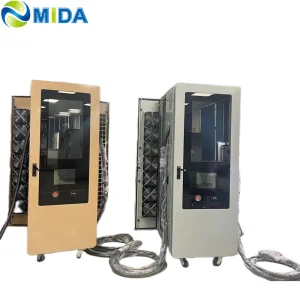
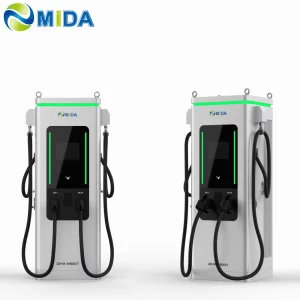
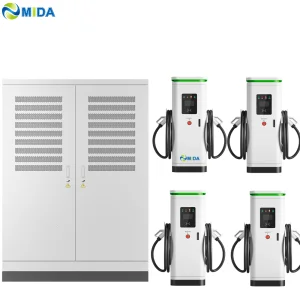
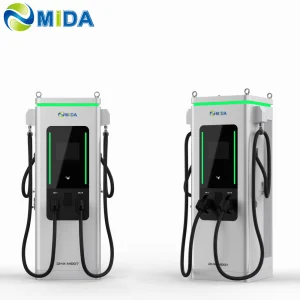
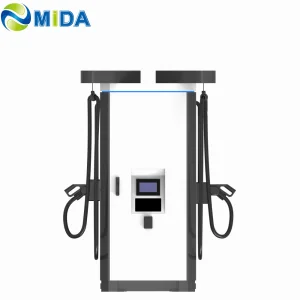
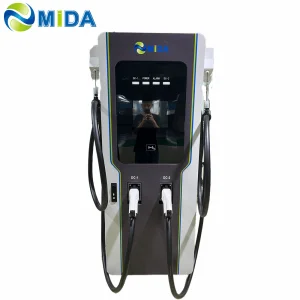
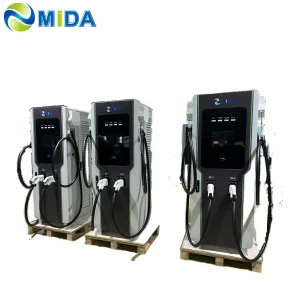
When searching for the best EV charging station suppliers and factories, technical procurement teams must implement strict auditing frameworks that focus on quality assurance, reliability, and certifications. Standard sourcing practices should cover the following operational capabilities:
Verify certifications like CE, UL, TUV, CB, RoHS, and FCC. These are essential for legal imports and insurance coverage in commercial projects.
Ensure the hardware supports OCPP 1.6J and OCPP 2.0.1. Senders must support secure local TLS communication and remote firmware updates (FOTA).
Choose hardware rated IP54/IP55 for outdoor dust/rain ingress and IK10 impact resistance to survive public vandalism and harsh weather.
Browse our four core technical divisions covering residential AC installations, mobile chargers, commercial DC fast piles, and battery energy storage.
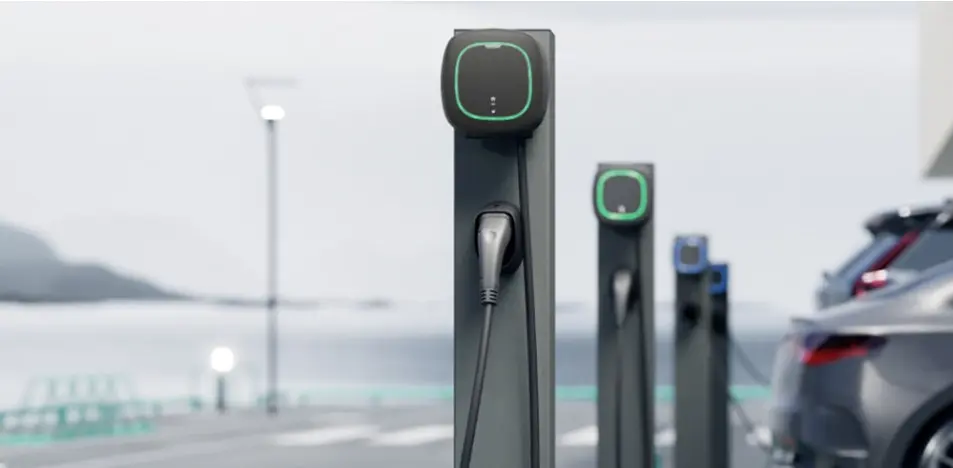
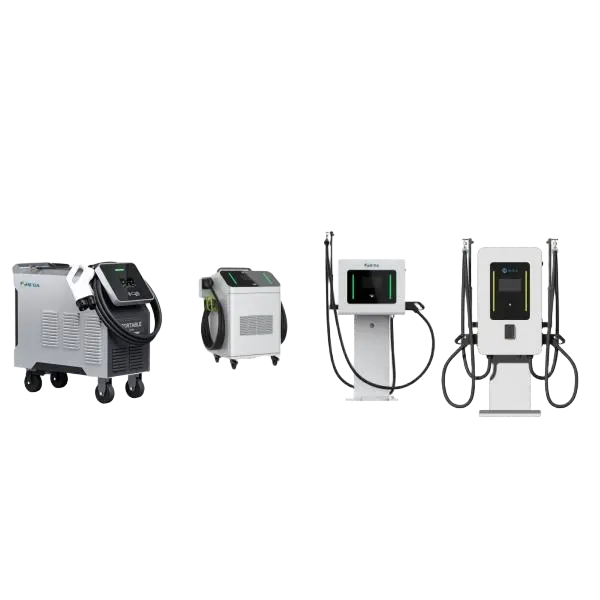
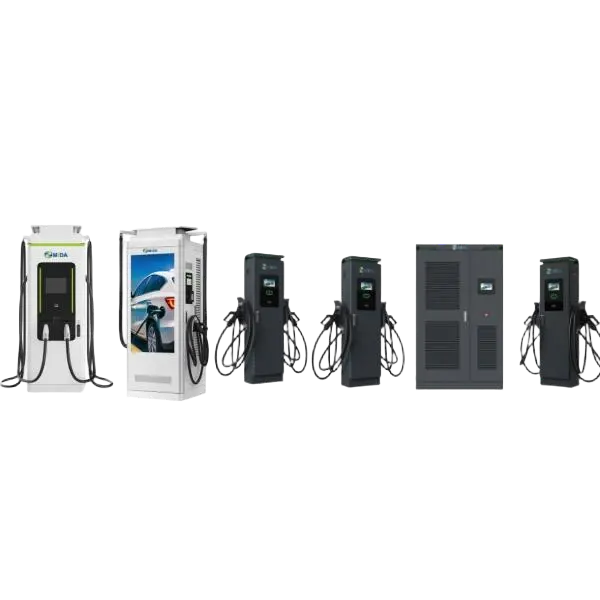
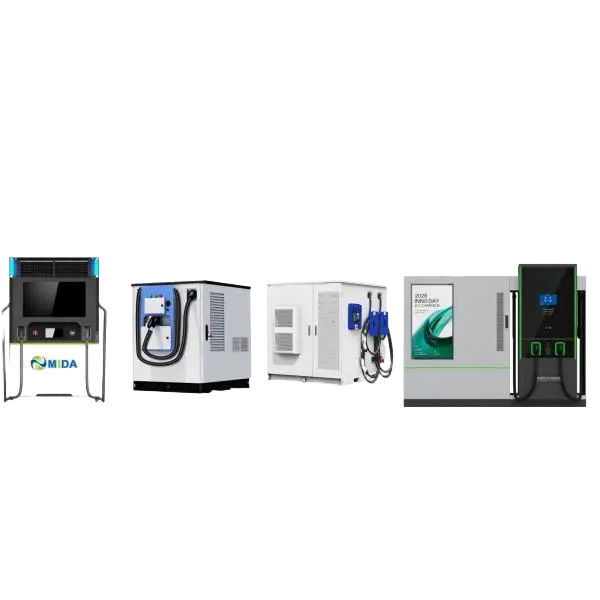
Shanghai Mida Cable Group Ltd. operates through its wholly owned subsidiaries: Shanghai Mida EV Power Co., Ltd., Shenzhen Mida EV Power Co., Ltd., and Shanghai Mida New Energy Co., Ltd.
Mida Cable manufactures a comprehensive range of EV charging cables, including 16A–80A J1772 cables, 16A–63A IEC 62196-2 Type 2 cables, and DC fast charging cables: CCS1 (80A–500A), CCS2 (125A–1000A), CHAdeMO (125A–300A), GBT (200A–1000A), and NACS connectors (250A–600A).
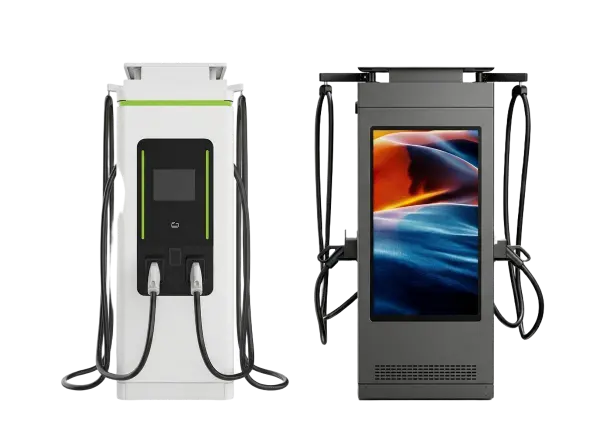
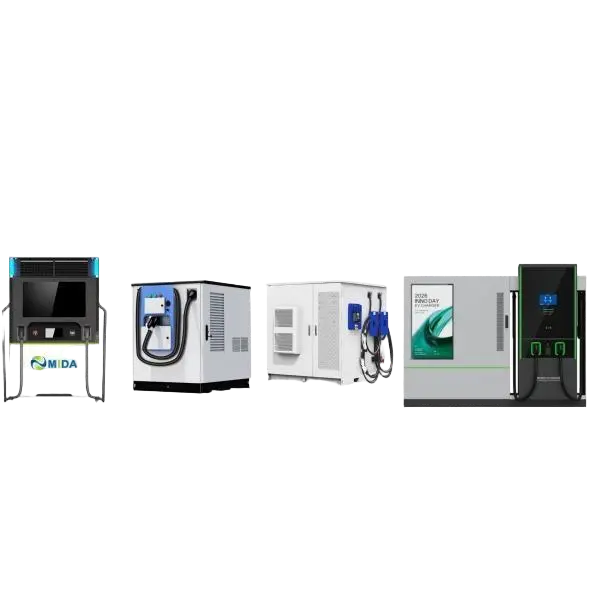
MIDA EV Power produces a full lineup of EV charging stations, such as 7kW–50kW mobile chargers, 3.6kW–7.2kW portable DC chargers, 360kW–1440kW split-type DC fast chargers, 20kW–50kW wall-mounted DC chargers, and 60kW–480kW floor-standing DC fast charging stations.
MIDA New Energy specializes in EV charger power modules, offering 20kW–60kW standard modules, 40kW–125kW liquid-cooled modules, 30kW–62.5kW bidirectional modules, and 20kW–45kW V2G charging modules.

Learn about our core products to find the equipment that fits your technical requirements.
Stay informed on the latest developments in transit charging systems and pantograph charging technologies.

What are the advantages of an e-bus pantograph dome? In contrast to classic plug-in charging systems, e-bus pantogra...
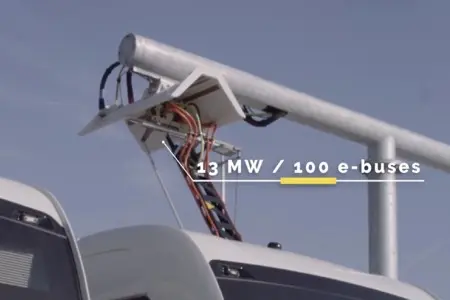
How long does it take to charge with an e-bus pantograph? The charging time depends on the battery capacity and the ...
How to Install the Pantograph Up Charger System Dome for Electric Bus Installing a "Pantograph Up" syste...