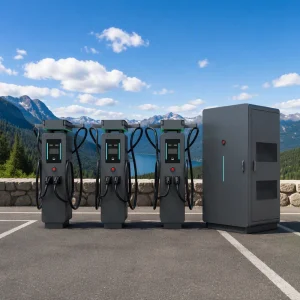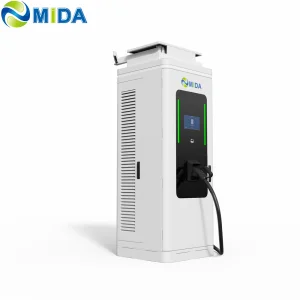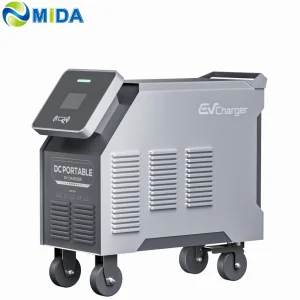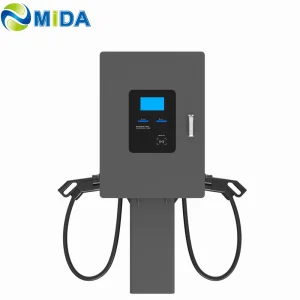
Explore our top-performing EVSE systems engineered for commercial transit, fleet depot networks, and industrial microgrids.
Shanghai Mida Cable Group Ltd. operates through its wholly owned subsidiaries: Shanghai Mida EV Power Co., Ltd., Shenzhen Mida EV Power Co., Ltd., and Shanghai Mida New Energy Co., Ltd. Together, we have established our rank as a premier designer, manufacturer, and global exporter of high-integrity EV infrastructure components.
Mida Cable manufactures a comprehensive range of EV charging cables, including 16A–80A J1772 cables, 16A–63A IEC 62196-2 Type 2 cables, and heavy-duty DC fast charging cables. Our high-power transmission systems feature CCS1 (80A–500A), CCS2 (125A–1000A), CHAdeMO (125A–300A), GBT (200A–1000A), and the newly standardized NACS connectors (250A–600A) to cater to diversified regional grid requirements.
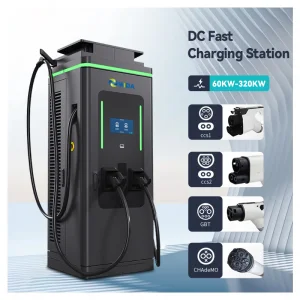
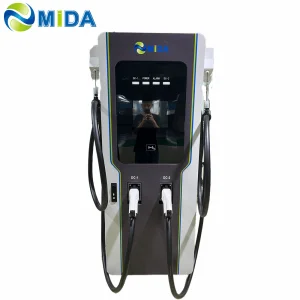
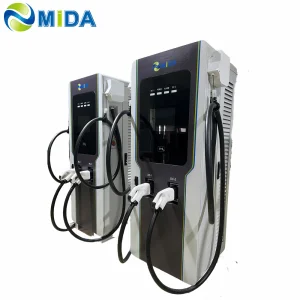
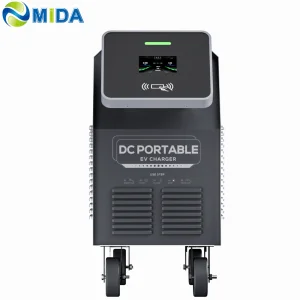
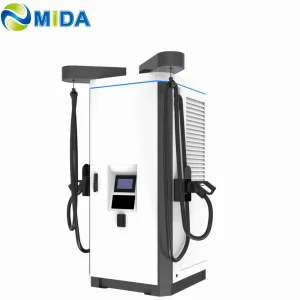
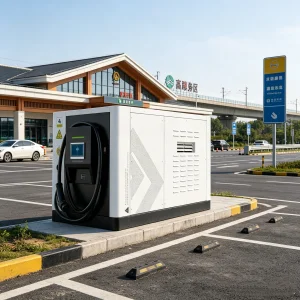
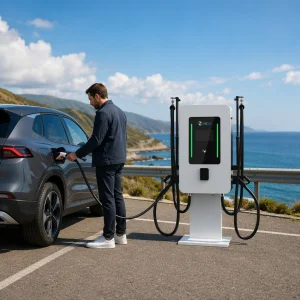
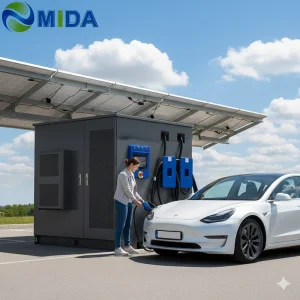
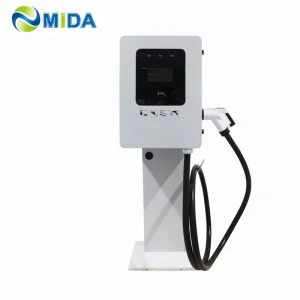
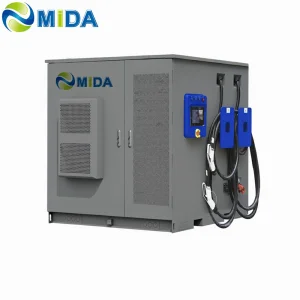
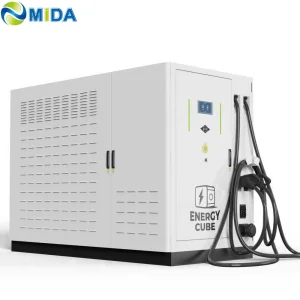
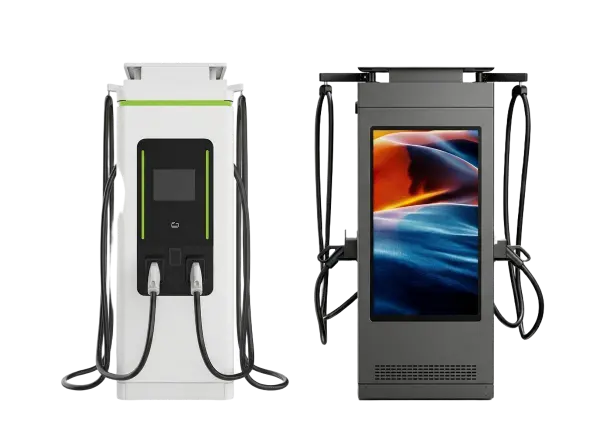
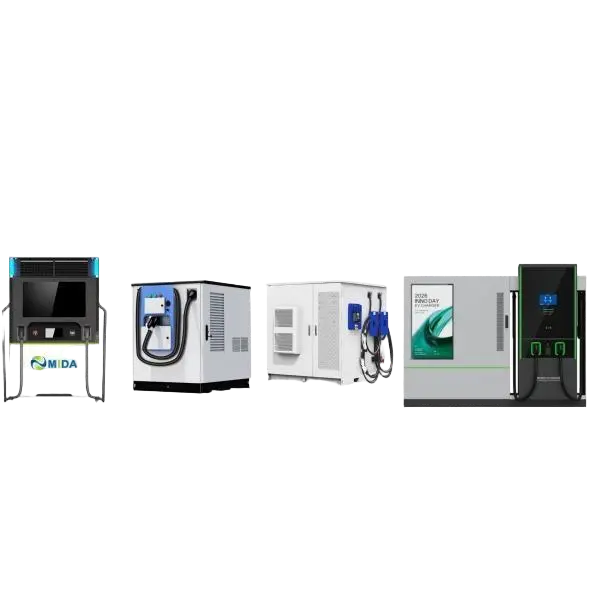
MIDA EV Power delivers a state-of-the-art lineup of EV charging stations, encompassing 7kW–50kW mobile chargers, 3.6kW–7.2kW portable DC chargers, 360kW–1440kW split-type high-power DC fast chargers, 20kW–50kW wall-mounted DC chargers, and 60kW–480kW commercial floor-standing DC fast charging stations designed for long-term endurance.
MIDA New Energy specializes in raw EV charger power modules, the technological core of modern DC stations. We supply 20kW–60kW standard air-cooled modules, 40kW–125kW high-performance liquid-cooled modules, 30kW–62.5kW bidirectional modules, and 20kW–45kW V2G (Vehicle-to-Grid) power modules.

A detailed analysis of international grid compliance, modular power designs, and supply chain resiliency.
The global electric vehicle service equipment (EVSE) sector is transitioning from simple AC destination outlets to highly sophisticated multi-megawatt smart-charging hubs. The primary drivers are fleet electrification (last-mile delivery, municipal buses, and heavy-duty logistics) and the growing adoption of long-range consumer EVs. To support this growth, charging infrastructures must optimize grid compatibility, maximize electrical conversion efficiency, and integrate smart communication frameworks.
Key technical shifts include the migration toward high-voltage architectures (800V and above) which significantly reduce current draw and thermal losses. The industry is also standardizing on the NACS (North American Charging Standard) protocol across North America, alongside the established CCS2 format in Europe and the CHAdeMO and GBT standards in Asia-Pacific. These standards utilize advanced communication protocols such as DIN 70121 and ISO 15118 (Plug & Charge) to enable seamless authentication, billing, and dynamic load balancing.
Commercial operators, charge point operators (CPOs), and industrial developers demand more than just standard electrical units. They require solutions that offer lower Total Cost of Ownership (TCO), grid safety, and long-term operational resilience. Critical procurement priorities include:
MIDA GROUP's manufacturing facilities utilize advanced China Industry 4.0 systems to maintain product quality and optimize supply chain efficiency. By vertically integrating the production of core components—including raw TPU cables, copper terminals, and high-frequency power modules—we maintain complete control over raw material quality and product reliability.
Our production facilities feature automated precision winding, robotic wave soldering, and automated optical inspection (AOI) stations. Every power module undergoes rigorous burn-in testing under full load and thermal cycling to simulate harsh environments. This integrated manufacturing model helps stabilize production costs and shorten delivery times for large-scale infrastructure projects.
From destination AC chargers to grid-independent BESS mobile systems.
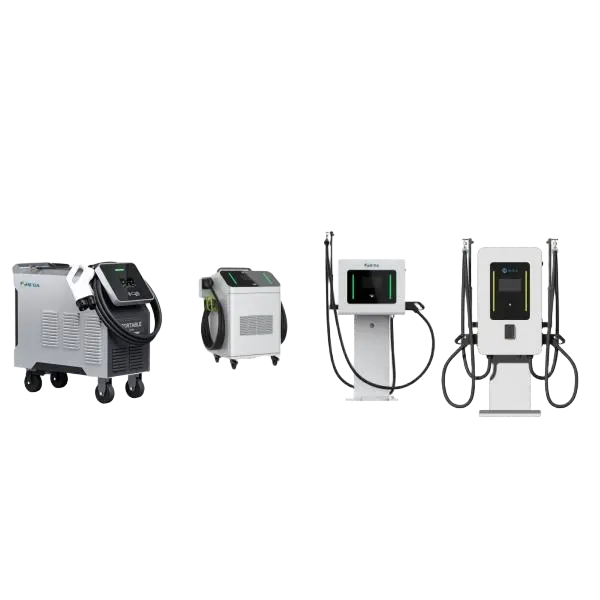
Compact, high-density charging units suitable for private fleets, workplace parking, and residential vehicle integration.
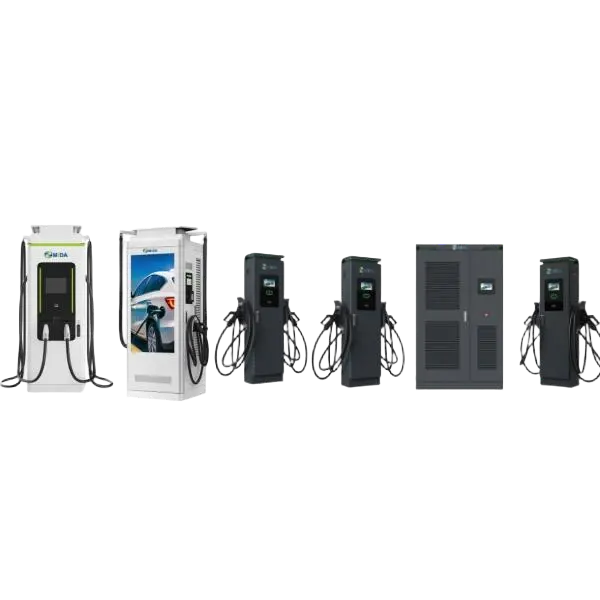
Ultra-fast charging systems for highway transit corridors, logistics centers, and public charging hubs.
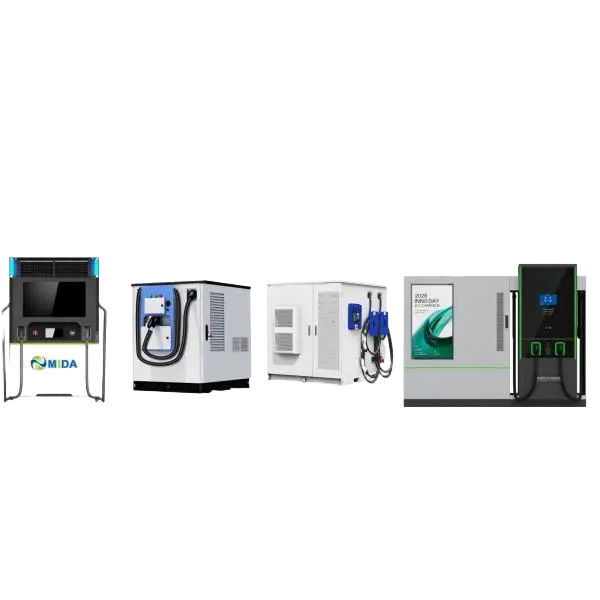
Battery Energy Storage Systems integrated with high-power chargers to enable fast charging without upgrading local grid capacity.
Discover our comprehensive range of EVSE modules, connectors, and advanced charging systems.
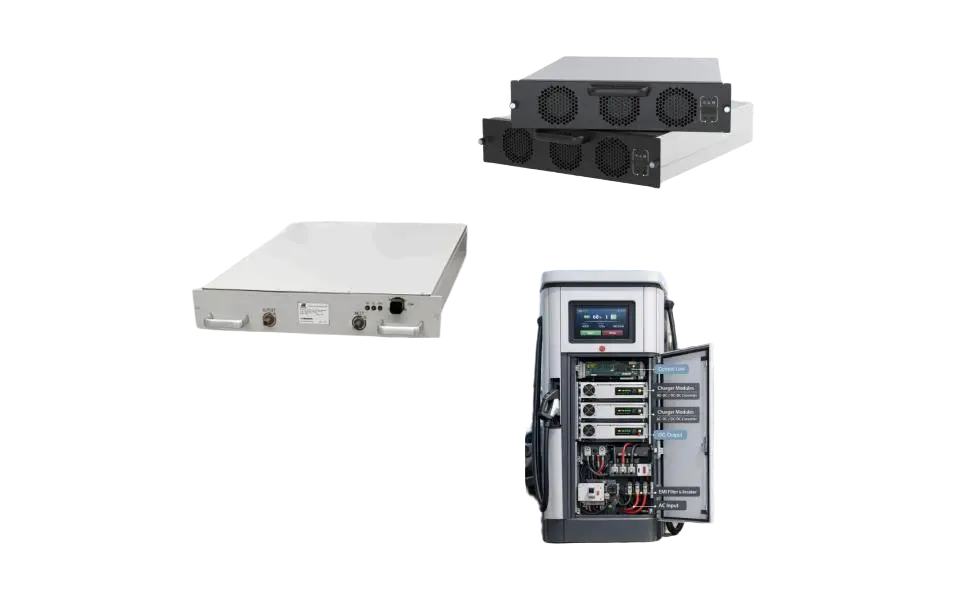
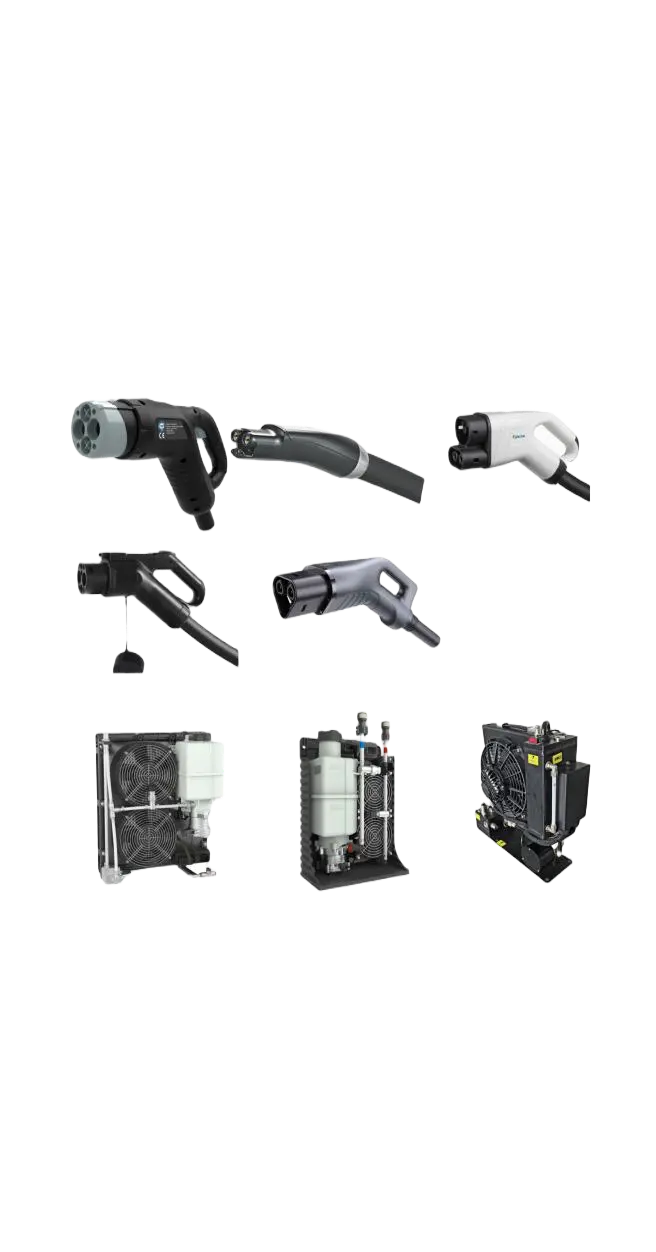
Stay informed with updates on charging technologies, public transit deployments, and international standards.
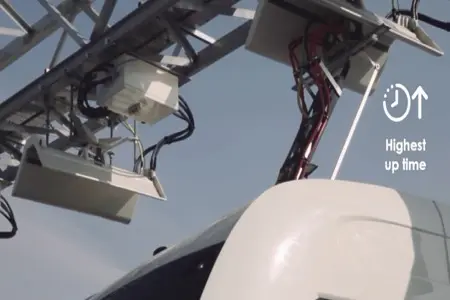
What are the advantages of an e-bus pantograph dome? In contrast to classic plug-in charging systems, e-bus pantographs enable automated overhead high-power energy transfer...
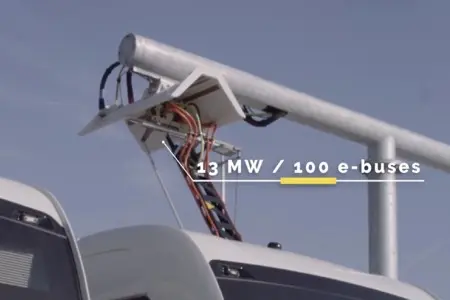
How long does it take to charge with an e-bus pantograph? The charging time depends on the battery capacity, state of charge, and power rating of the vehicle infrastructure...
How to Install the Pantograph Up Charger System Dome for Electric Bus. Installing a "Pantograph Up" system requires precise structural anchoring, heavy-duty electrical connections, and calibration...
Detailed answers about electrical design, standards compliance, and operational reliability.
Compare portable DC chargers, solar-coupled stations, and heavy-duty high-power dispensers.