Best EV Car Charging Stations Supplier & Factories

Leading the Global Transition to Sustainable Mobility with High-Performance DC Fast Chargers, Liquid Cooling Technology, and Advanced V2G Power Modules.

๐Ÿ“ˆ Global EV Charging Industrial Landscape

Analyzing the shift from "Range Anxiety" to "Charging Speed Satisfaction".

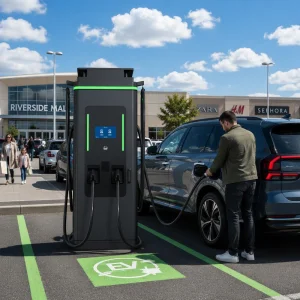
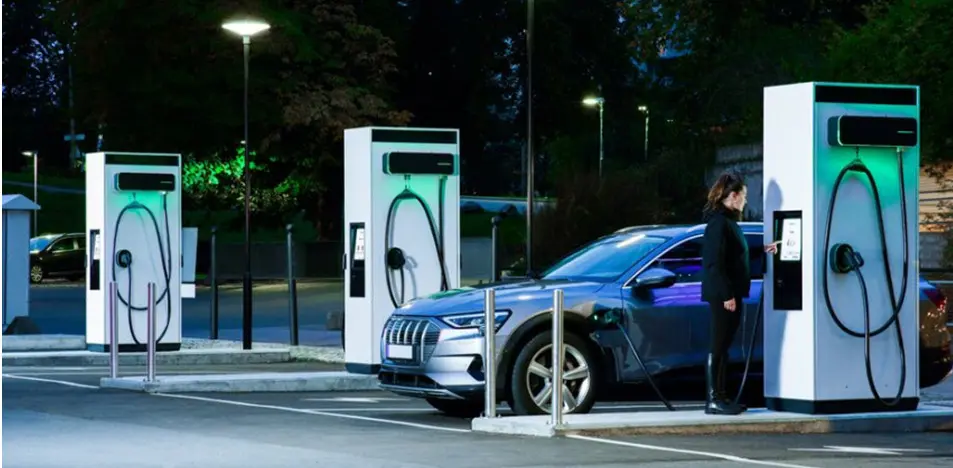
The global Electric Vehicle (EV) infrastructure market has entered a phase of exponential growth. As a leading EV Car Charging Stations Supplier, MIDA Group identifies that the industry is no longer just about "filling up" batteries; it's about grid-vehicle harmony. With the European Union's AFIR regulations and the United States' NEVI formula program, the demand for HPC (High Power Charging) systems above 350kW has surged.

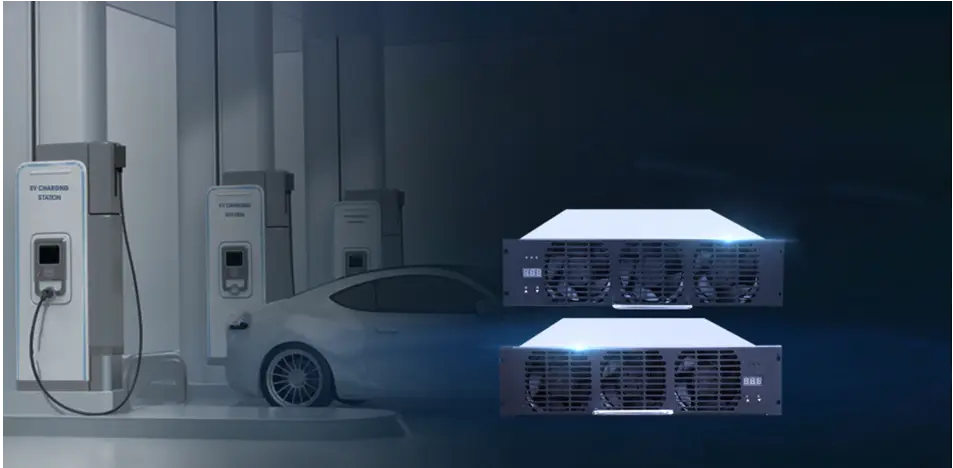
Current industrial trends indicate a massive pivot towards Liquid Cooling Technology to manage the thermal loads of ultra-fast charging. Factories are now focusing on modularityโ€”allowing operators to scale from 60kW to 480kW by simply adding power modules, reducing initial CAPEX while future-proofing investments.

500+Patents Held
100+Countries Served
MW+Monthly Output
Tier 1Quality Rating

WELCOME TO MIDA GROUP

Shanghai Mida Cable Group Ltd. operates through its wholly owned subsidiaries: Shanghai Mida EV Power Co., Ltd., Shenzhen Mida EV Power Co., Ltd., and Shanghai Mida New Energy Co., Ltd. We are a vertically integrated powerhouse in the EVSE (Electric Vehicle Supply Equipment) sector.

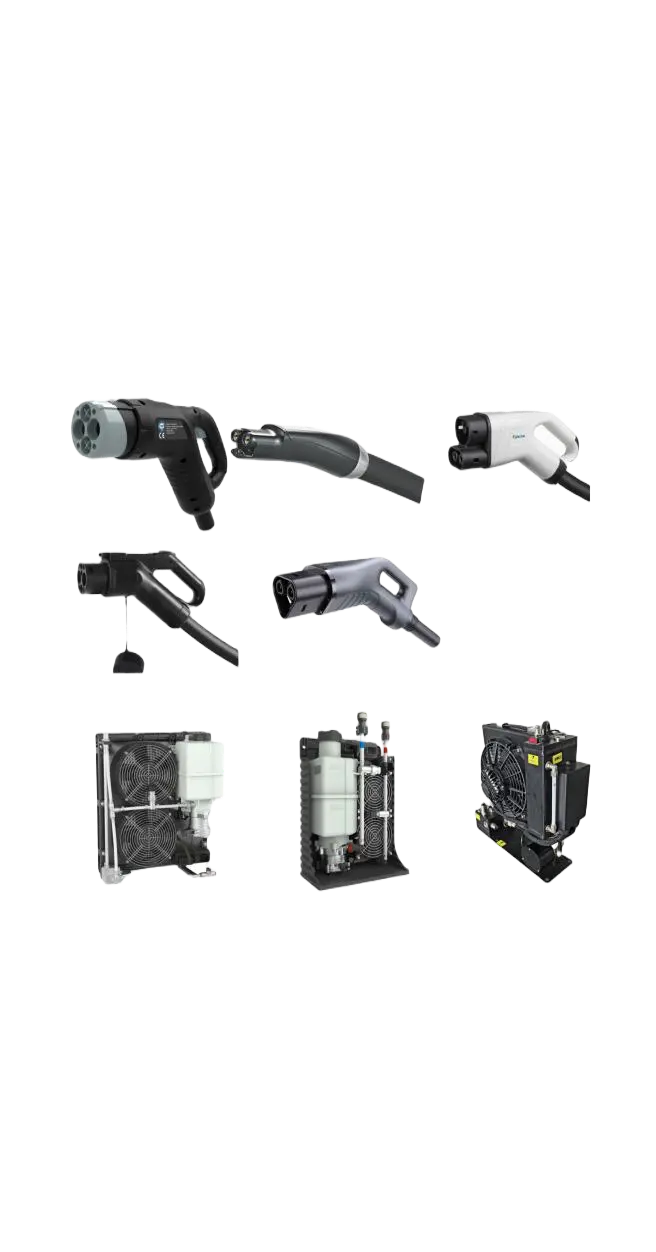
Mida Cable manufactures a comprehensive range of EV charging cables, including 16Aโ€“80A J1772 cables, 16Aโ€“63A IEC 62196-2 Type 2 cables, and DC fast charging cables: CCS1 (80Aโ€“500A), CCS2 (125Aโ€“1000A), CHAdeMO (125Aโ€“300A), GBT (200Aโ€“1000A), and NACS connectors (250Aโ€“600A).

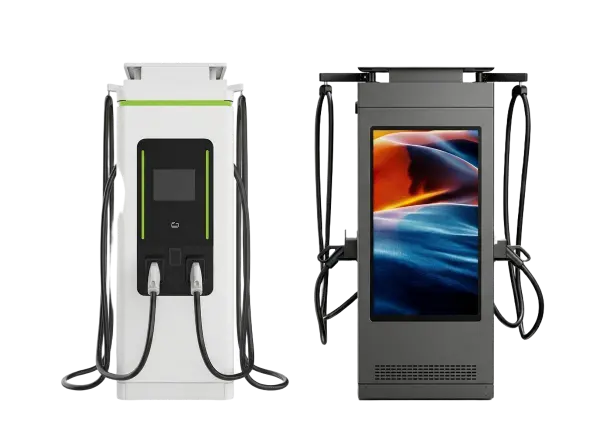
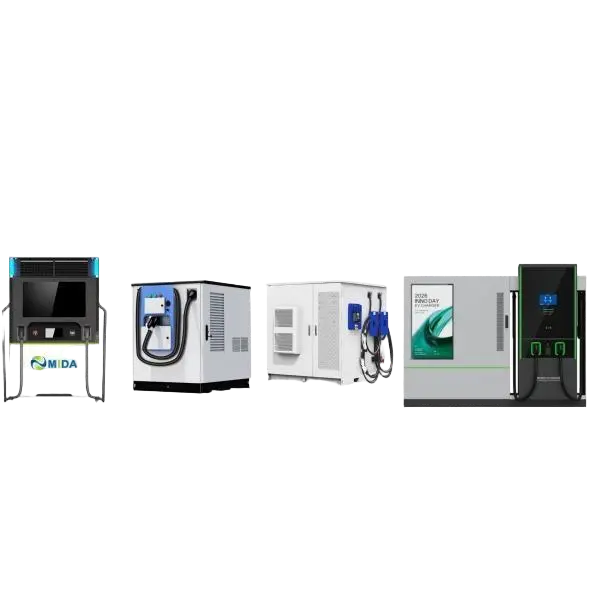
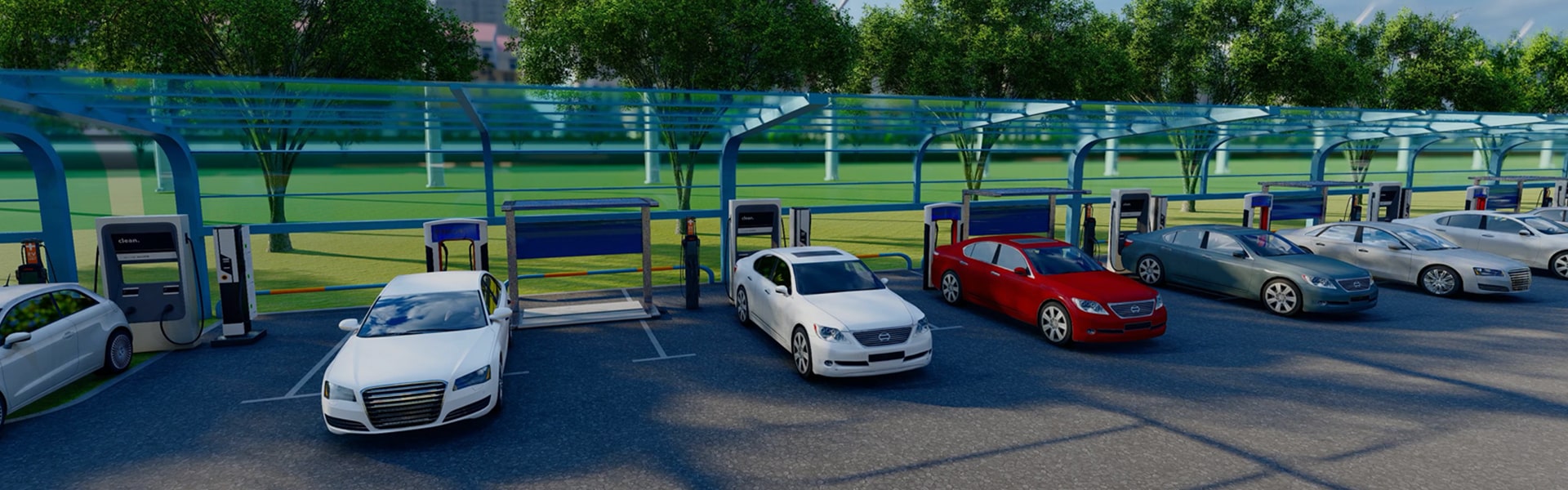
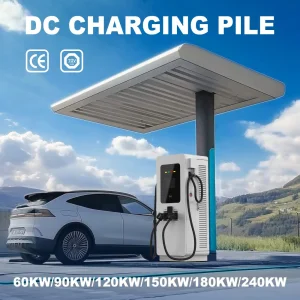
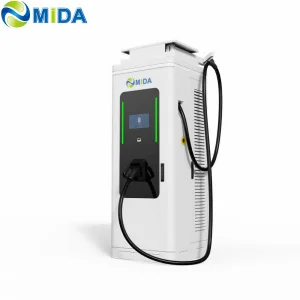
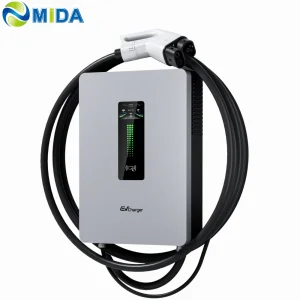
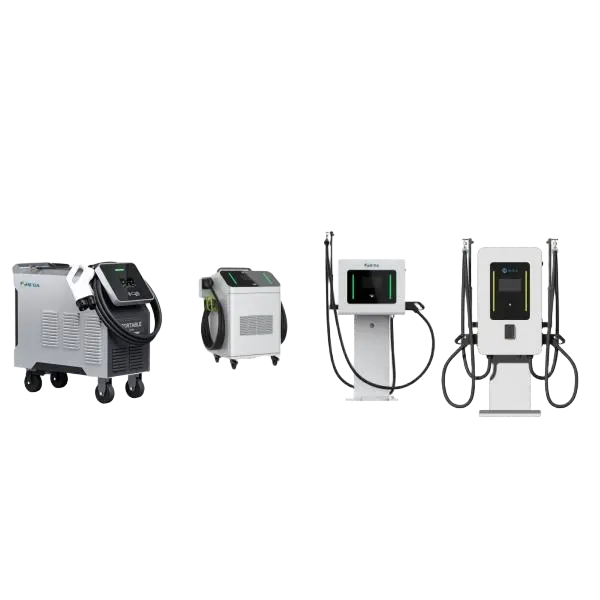
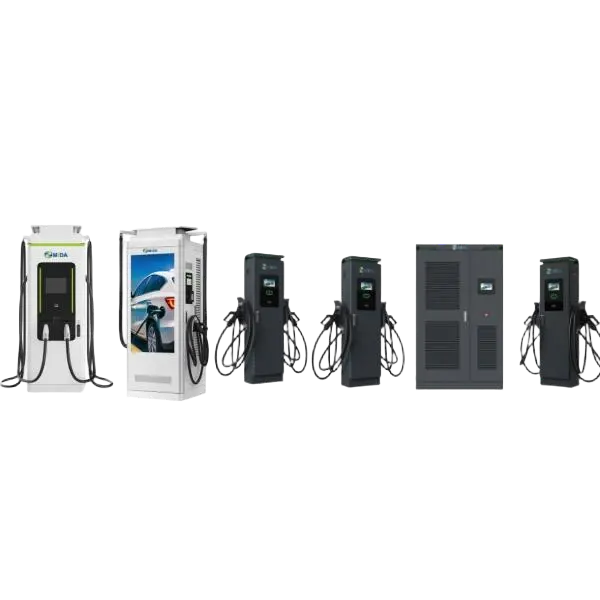
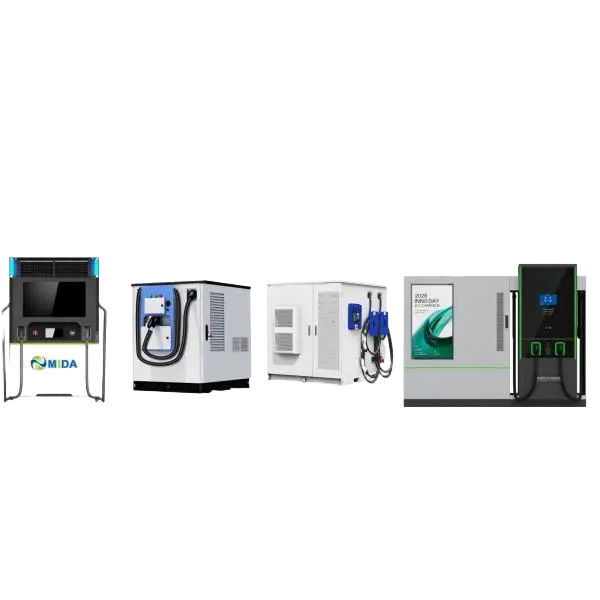
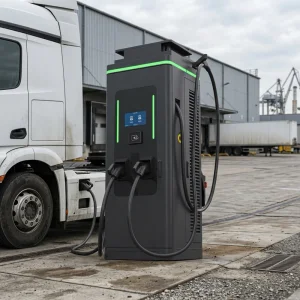
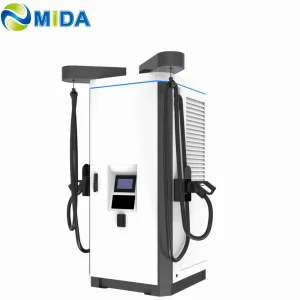
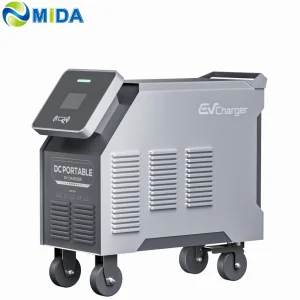
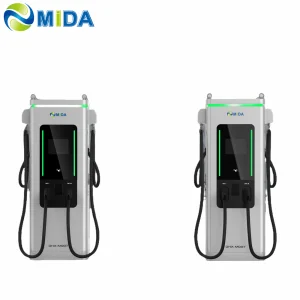
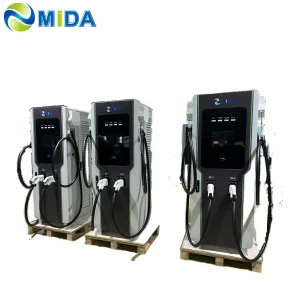
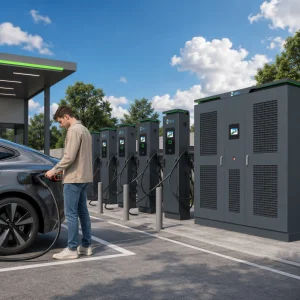
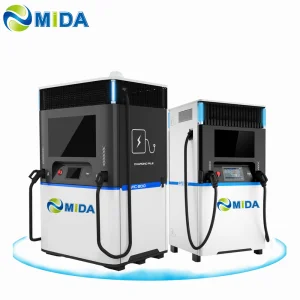
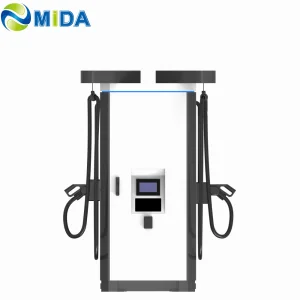
MIDA EV Power produces a full lineup of EV charging stations, such as 7kWโ€“50kW mobile chargers, 3.6kWโ€“7.2kW portable DC chargers, 360kWโ€“1440kW split-type DC fast chargers, 20kWโ€“50kW wall-mounted DC chargers, and 60kWโ€“480kW floor-standing DC fast charging stations.

โšก Core Technology: EV Charging Power Modules

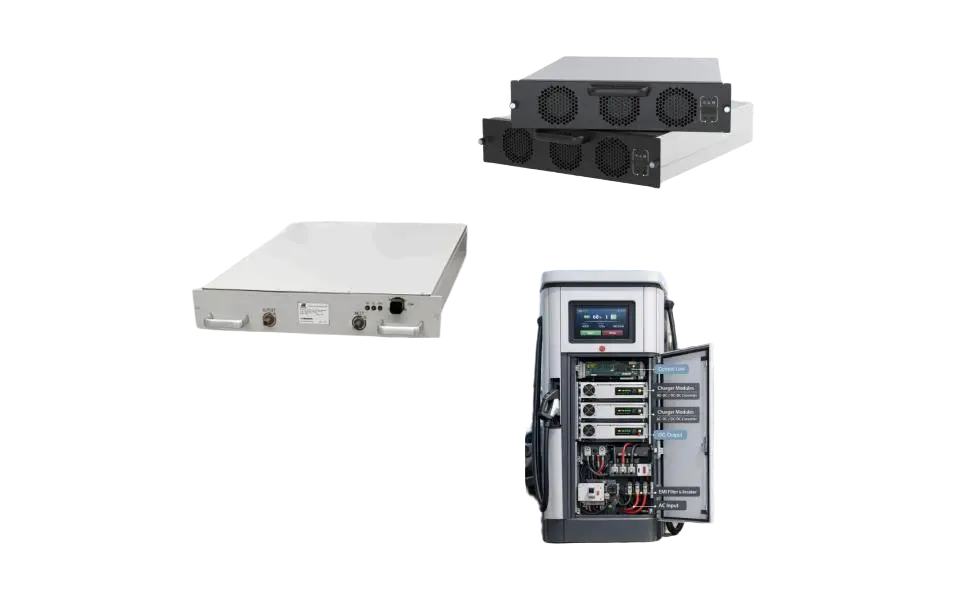
The "Heart" of the charging station, engineered for 96%+ efficiency.

๐Ÿ”Œ

AC DC EV Modules

Standardized 30kW, 40kW, and 50kW modules designed for high density and reliability. Supports wide output voltage range (150V-1000V) for both passenger cars and heavy-duty trucks.

โ„๏ธ

Liquid Cooling Power

Leading the market with 40kWโ€“125kW Liquid-Cooled modules. Eliminates dust intake and noise, perfect for ultra-fast charging hubs where reliability is paramount.

๐Ÿ”„

Bidirectional V2G

20kWโ€“45kW V2G modules allowing EVs to act as mobile batteries, feeding energy back to the grid. An essential component for modern Smart City infrastructure.

๐Ÿš€ Strategic Industry Solutions

Tailored EVSE ecosystems for commercial, industrial, and public sectors.

๐Ÿข

Commercial Fleet Electrification

Our 360kW-1440kW split-type DC systems allow logistics hubs to charge entire fleets simultaneously. Integration with OCPP 1.6J/2.0.1 ensures seamless backend management.

๐Ÿ”‹

BESS & Energy Storage

Battery Energy Storage System (BESS) charging stations ranging from 60kWh to 2MkWh. Ideal for areas with weak grid connections, utilizing stored solar energy for EV charging.

๐ŸšŒ

Public Transit: Pantograph Systems

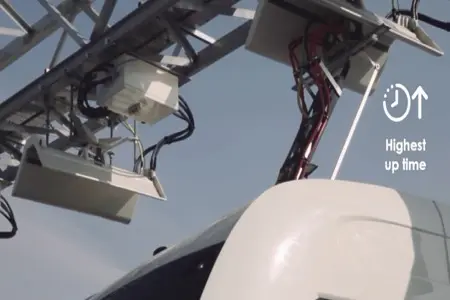
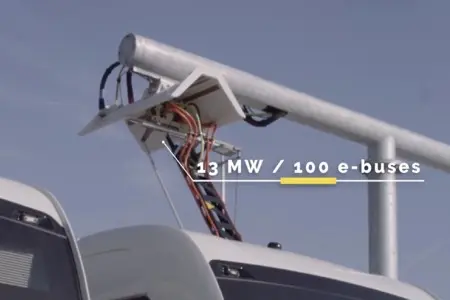
Specialized "Pantograph Up" systems for E-bus rapid charging. High-power delivery in minutes during terminal stops, maximizing route efficiency.

๐Ÿ 

Residential & Hotel Networks

7kWโ€“22kW AC Smart Wallboxes with RFID and App control. Dynamic Load Balancing (DLB) prevents building circuit overloads while providing guest amenities.

๐Ÿ“ฆ Product Categories & Customization

Meeting every specification from portable home units to megawatt charging systems.

Wall-Mounted/Mobile EV Charger

7kW | 20kW | 30kW | 40kW | 60kW | 80kW

  • Compact footprint for versatile installation
  • Support for CCS, NACS, and GBT
  • IP54/IP65 weather protection

DC Fast Charging Stations

60kW - 480kW | 360kW - 1440kW

  • Smart Load Distribution
  • Liquid Cooling Cable Options
  • Multi-connector configurations

BESS Charging Station

60kWh | 261kWh | 418kWh | 2MkWh

  • Off-grid charging capabilities
  • Peak shaving and valley filling
  • Solar/Wind energy integration

๐ŸŒ Localization Support & Global Compliance

Ensuring your infrastructure meets regional safety and connectivity standards.

North America (UL/ETL)

NACS (Tesla standard) and CCS1 compliance. J1772 Level 2 residential solutions with Energy Star certification.

Europe (CE/TUV)

Type 2 AC and CCS2 DC fast charging protocols. Support for MID metering and ISO 15118 (Plug & Charge).

Asia & India (BIS/GBT)

IEC 612196-6 Type 6 connectors for 2/3-wheelers and high-voltage GB/T standards for heavy commercial vehicles.

๐Ÿ”ฎ Technology Roadmap & Future Outlook

Preparing for the Megawatt Charging System (MCS) era.

2024-2025

The Rise of MCS (Megawatt Charging System)

Developing 1500A+ connectors for long-haul electric trucking and aviation, pushing the boundaries of liquid cooling.

2026

AI-Driven Energy Management

Integrating AI at the edge of the charger to predict vehicle battery health and optimize grid load in real-time.

2027+

Wireless Dynamic Charging

R&D into inductive charging pads for static and dynamic (on-the-move) energy transfer, eliminating the need for cables.

โ“ Frequently Asked Questions (FAQ)

Expert insights for EV infrastructure procurement.

Q1: What is the benefit of a Liquid-Cooled charging cable?

A: Liquid-cooled cables allow for higher current (up to 500A-800A) without increasing the cable's diameter or weight. This prevents overheating during HPC (High Power Charging) and makes the cable easier for consumers to handle.

Q2: How does V2G (Vehicle-to-Grid) technology work in MIDA modules?

A: Our bidirectional power modules use advanced power electronics to convert DC from the car battery back to AC for the grid. This allows fleet owners to sell energy back to utility companies during peak hours, creating a new revenue stream.

Q3: Can your stations be integrated with third-party software?

A: Yes. All MIDA DC charging stations support the OCPP 1.6J protocol (upgradable to 2.0.1), allowing them to connect to any global CSMS (Charging Station Management System).

Q4: What are the maintenance requirements for DC Fast Chargers?

A: Modular designs like ours minimize maintenance. Most repairs involve simple module swaps. We recommend quarterly air filter checks for air-cooled units and annual coolant level checks for liquid-cooled systems.

๐Ÿ“ฐ Corporate News & Industry Insights

What are the advantages of an e-bus pantograph dome? In contrast to classic plug-in charging systems, e-bus pantographs allow for hands-free, high-power rapid charging.

Read More โ†’

How long does it take to charge with an e-bus pantograph? Charging time depends on battery capacity, typically achieving 80% charge in 10-15 minutes.

Read More โ†’

How to Install the Pantograph Up Charger System Dome for Electric Bus: A comprehensive guide on structural requirements and grid alignment.

Read More โ†’