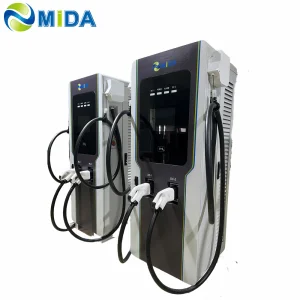
Explore our industrial-grade, certified DC fast charger solutions featuring advanced protocol support and modular topology.
Empowering global electrification through high-reliability design & vertical manufacturing.
MIDA GROUP (Shanghai Mida Cable Group Ltd.) stands as a key partner in the international development of electric vehicle supply equipment (EVSE). Operating through its specialized wholly-owned subsidiaries, including Shanghai Mida EV Power Co., Ltd., Shenzhen Mida EV Power Co., Ltd., and Shanghai Mida New Energy Co., Ltd., the group provides vertically integrated solutions covering component design up to megawatt-scale station deployment.
By manufacturing our own proprietary line of copper charging cables, advanced liquid-cooled connector modules, and intelligent power conversion assemblies, we maintain end-to-end control over the quality, durability, and safety of our equipment. This vertical integration allows us to optimize performance metrics, eliminate intermediate margin stack-ups, and assure dynamic compatibility across multiple standard protocols.
High-conductivity cable design from 16A to 1000A liquid-cooled setups. Standard support for J1772, Type 2, CCS1, CCS2, CHAdeMO, GBT, and NACS configurations.
From 3.6kW to 50kW portable/wall-mounted units up to 1440kW split-system utility stations, serving municipal, logistics, and corridor needs.

An in-depth perspective on the global shift toward ultra-fast charging, high power density, and integrated microgrids.
The international electric vehicle service infrastructure is undergoing a rapid transition from primary lower-power AC infrastructure to high-power DC fast charging (HPC) nodes. With automotive OEMs deploying battery architectures operating at 800V and higher, the demand for charging installations capable of delivering between 150kW and 400kW per line has surged. These high-output facilities minimize dwell times, making public transport networks, long-haul freight operations, and fleet logistics commercially viable.
High-voltage DC fast stations draw intense loads from local grids. Our integrated systems combine Battery Energy Storage Systems (BESS) to buffer demand spikes, allowing charging operators to bypass grid upgrade bottlenecks and cut demand charges.
Fleet managers and charge point operators (CPOs) must serve mixed fleets. We address this with dynamic power distribution matrices routing capacity to CCS1, CCS2, NACS, and GB/T connectors simultaneously.
Commercial models mandate OCPP 2.0.1 integrations, remote diagnostic monitoring, dynamic POS credit card terminals, and localized regulatory compliance (such as PTB, MID, and Eichrecht).
Engineered setups tailored for regional operational, environmental, and infrastructure challenges.
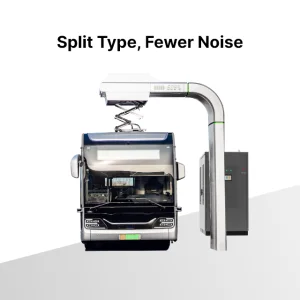
Heavy-duty fleet logistics require consistent, structured, high-energy cycles. In cold climates, thermal prep for battery storage is vital. Our automated high-power pantograph overhead systems (300kW to 600kW) utilize dynamic overhead contact rails to charge electric buses during standard passenger boarding sequences, maximizing routing uptime without manual tethering.
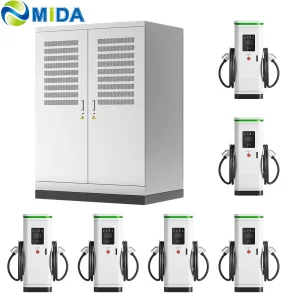
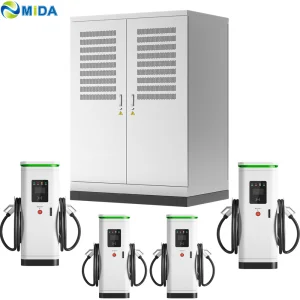
Long-haul passenger transit relies on reliable highway corridor charging station systems. Our split-type DC charging architecture houses centralized power cabinets away from dispensing stations. This arrangement simplifies layout configurations, isolates sensitive power electronics, reduces regional audio signatures, and lowers maintenance overhead.
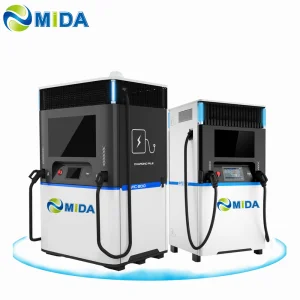
Industrial and heavy manufacturing operations often lack the utility line-headroom to deploy multiple megawatt-class DC fast chargers. To bridge this gap, our 200kWh BESS integrated chargers combine energy storage modules, MPPT solar controllers, and dual-connector DC fast charging piles into a single footprint.
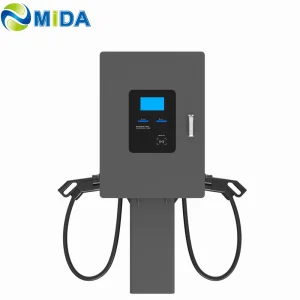
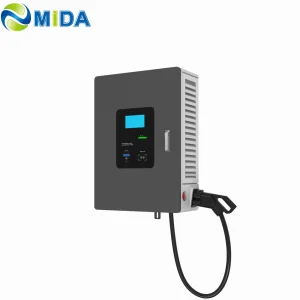
Retail centers, commercial corporate campuses, and mixed-use urban complexes require reliable, space-efficient fast charging. Our compact wall-mounted DC charging stations (20kW to 40kW) offer rapid charging speeds without the extensive infrastructure footprint of large ground-mount equipment.
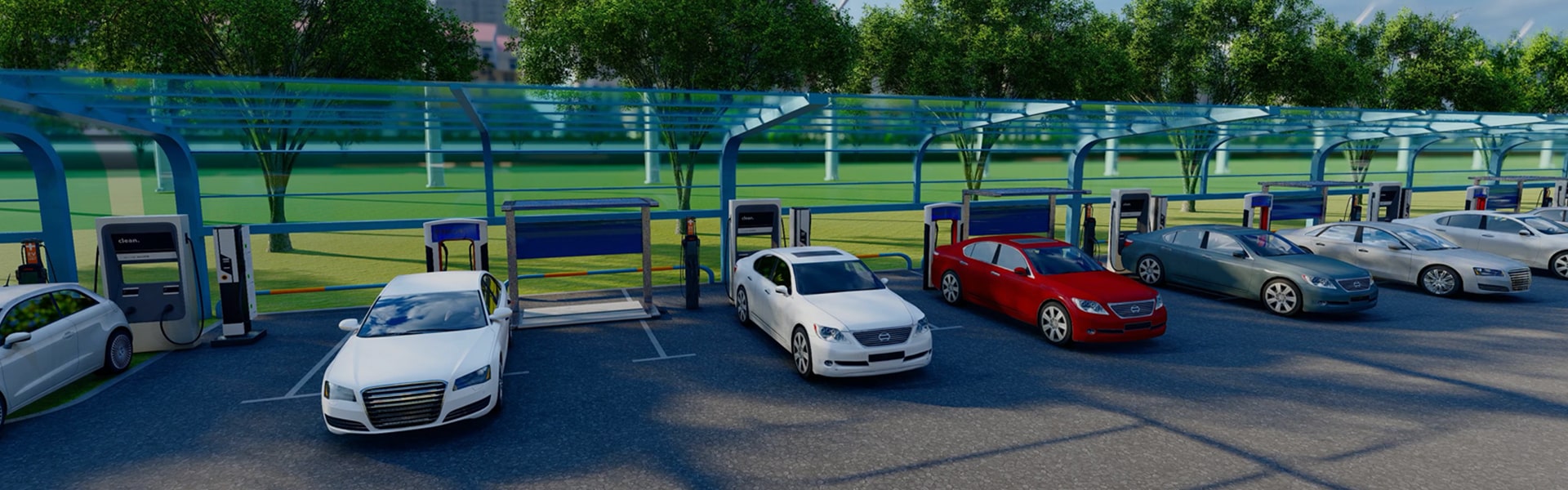
Leveraging specialized industrial clusters to deliver high-quality, scalable EV charging components globally.
The Shenzhen-Shanghai industrial corridor features a highly concentrated ecosystem of power electronic component suppliers, copper processing plants, and advanced automated assembly facilities. At MIDA, we harness this specialized supply network to optimize production times, manage raw material sourcing, and adapt rapidly to global technological developments.
By manufacturing key components in-house—including our proprietary high-conductive charging cables, precision CNC contact pins, liquid cooling units, and high-efficiency power modules—we insulate our production schedules from external supply disruptions. This vertical integration allows us to keep lead times predictable, even during periods of global component volatility.
Our quality control protocols follow standard automotive frameworks, including the IATF 16949 certification. Every batch of power modules and active cables undergoes automated testing, thermal cycling, and isolation resistance verification prior to integration, ensuring reliable long-term performance under demanding operating conditions.
Pioneering next-generation power electronics, ultra-high efficiency topologies, and next-gen vehicle-to-grid grids.
We are shifting our modular power conversion architecture away from traditional silicon IGBTs toward next-generation Silicon Carbide (SiC) MOSFETs. This transition increases switching frequencies and boosts module conversion efficiency beyond 97.5%. The resulting reduction in thermal dissipation allows for more compact power cabinet designs and lowers operating cooling costs over the life of the installation.
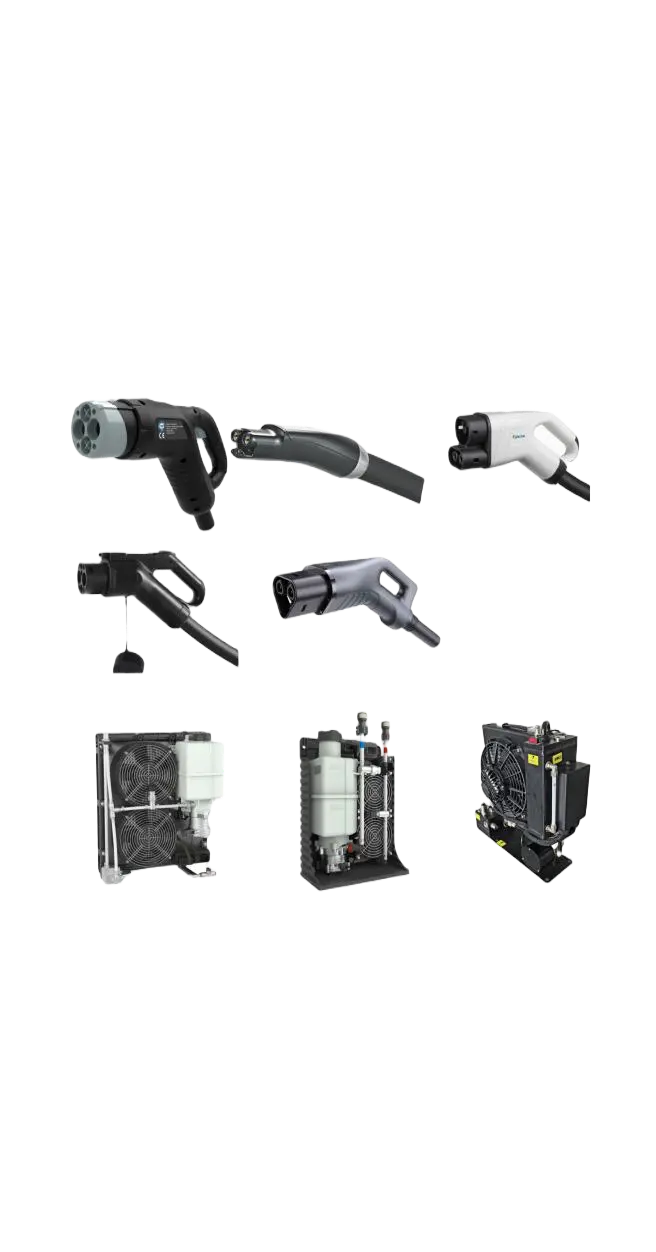
Traditional air-cooled cables become heavy and unwieldy when delivering currents above 200A. Our high-power charging systems use integrated active liquid cooling units that circulate coolant directly to the connector pins. This technology enables continuous, high-current delivery up to 500A to 1000A while keeping charging cable diameters slim and user-friendly.
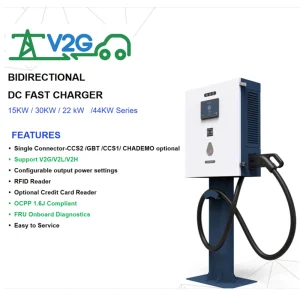
Future energy grids will rely on vehicles functioning as distributed storage nodes. Our bidirectional AC/DC power modules (20kW to 62.5kW) facilitate full Vehicle-to-Grid (V2G) operation. By enabling managed energy feedback loops from parked EV fleets back to local facility distribution networks, these systems support peak-shaving initiatives and improve local energy security.
Ensuring compliance, grid safety, and seamless localized operational support in key global markets.
Deploying high-power charging infrastructure requires strict adherence to localized electrical codes, grid connection standards, and measurement regulations. MIDA products are engineered to comply with major international testing and certification standards, including CE, TUV, UL, CB, and UKCA. This rigorous engineering design process ensures smooth installation and commissioning with local utilities.
In European markets, we provide chargers conforming to Eichrecht (German calibration law) and MID (Measuring Instruments Directive) standards, guaranteeing transparent billing practices for public charging networks.
Our security measures include hardware-level isolation monitoring, residual current protection (Type A + DC 6mA equivalent), over-temperature shutdown, and robust cybersecurity layers built directly into our OCPP communication protocols to protect against external network threats.
MIDA coordinates with regional service networks to offer remote technical support, commissioning assistance, and replacement component logistics. This structured support system helps minimize downtime and ensures operational reliability for commercial fleet operators and charge point networks globally.
Explore the specialized categories offered across the MIDA Group network.
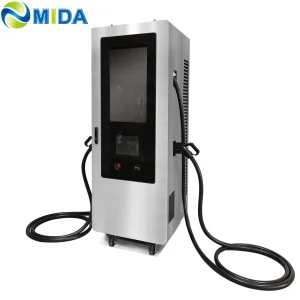
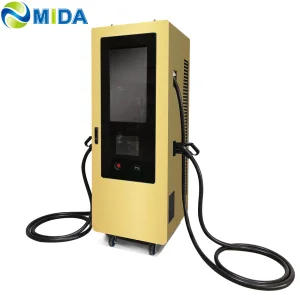
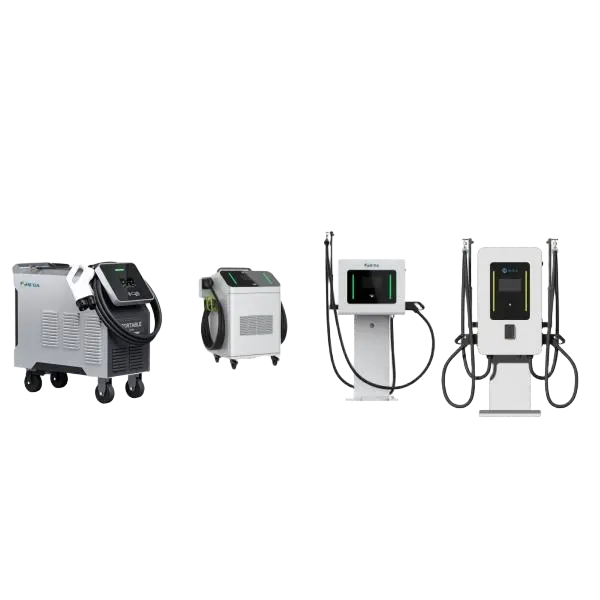
Designed for space-constrained locations, fleets, and versatile workplace deployment. These units deliver rapid DC charging speeds within a compact, cost-effective physical footprint.
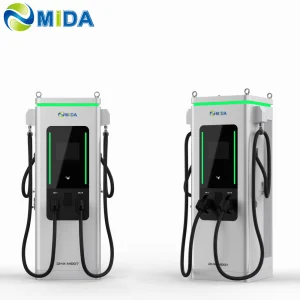
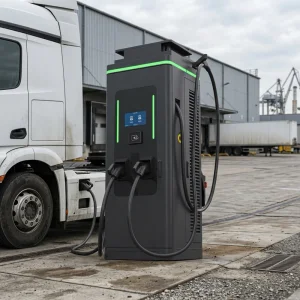
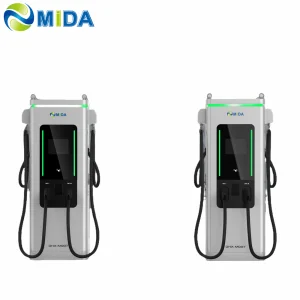
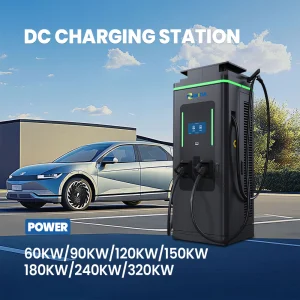
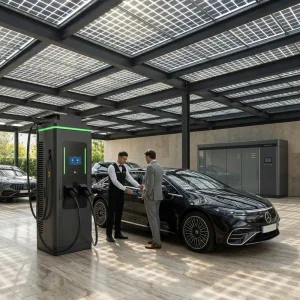
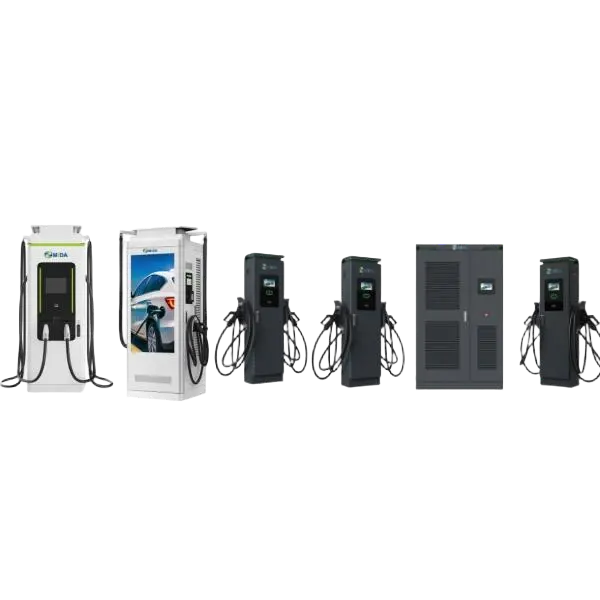
Our flagship high-power DC charging installations. Engineered for highway corridors, commercial charging plazas, and heavy-duty logistics hubs requiring high charging throughput.
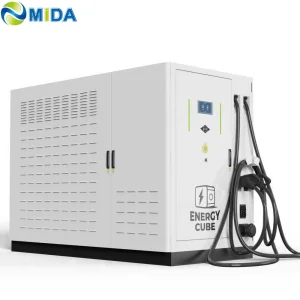
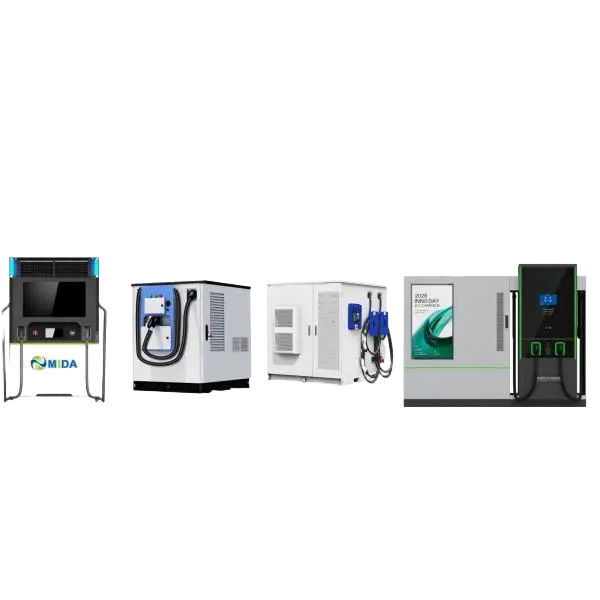
Microgrid-ready charging stations that resolve grid capacity constraints. By pairing high-density energy storage with fast chargers, these systems manage peak loads and support off-grid operation.
The internal power conversion cores for modern charging stations. We offer a full range of high-efficiency modules featuring standard shapes, bidirectional routing, and advanced cooling topologies.
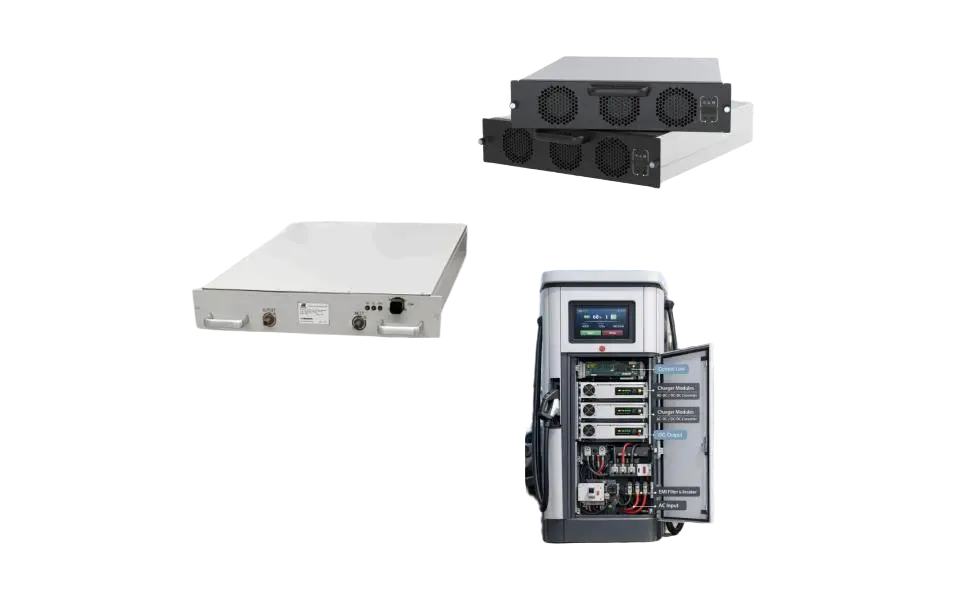
High-performance interface components designed to safely manage high current loads. These products provide reliable connection integrity and effective thermal dissipation for high-power charging.
Stay updated on the latest electric bus charging systems, overhead pantograph installations, and site design tutorials.
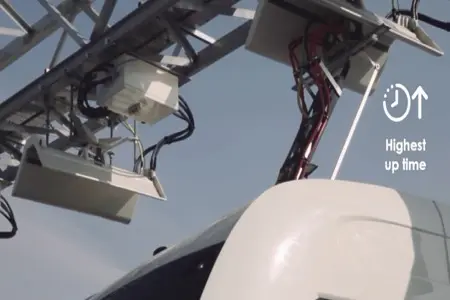
Unlike classic plug-in charging connectors, e-bus pantograph systems offer automated connection capability, reducing human error risk and optimizing fleet turnaround times in urban transit stations.
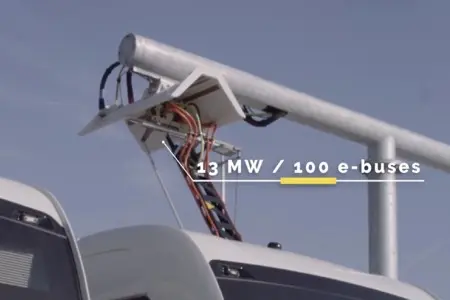
Charging times depend heavily on battery capacity, chemistry, and ambient operating temperatures. Discover how dynamic power routing controls can optimize charging profiles for municipal bus fleets.
A comprehensive step-by-step engineering installation guide for installing overhead "Pantograph Up" dome assemblies. Learn about critical structural support parameters, electrical safety requirements, and alignment setup.
Expert insights addressing key regulatory, technological, and site planning queries from project developers and engineers.
High-capacity systems designed for heavy-duty fleet depots, public networks, and megawatt-scale highway infrastructure.