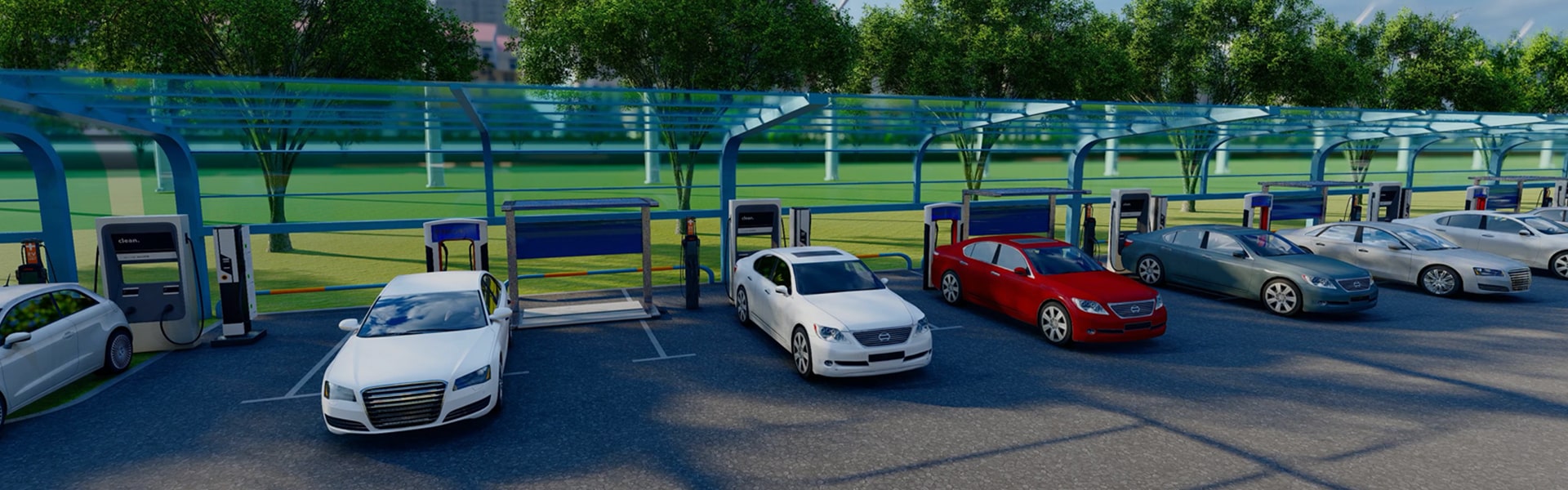
Explore our tier-one commercial DC fast chargers, BESS integrated charging systems, and liquid-cooled ultra-high power dispensers engineered for rugged Australian conditions.
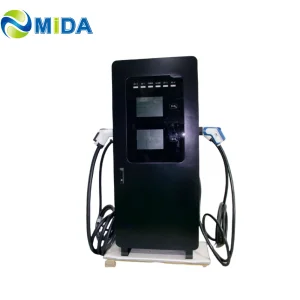
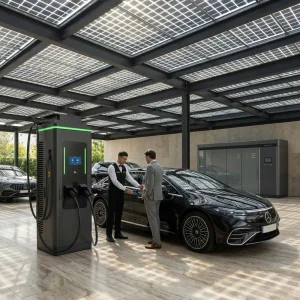
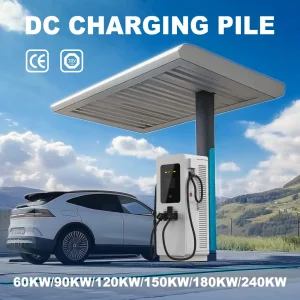
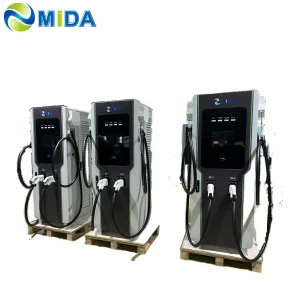
As Australia aggressively pursues net-zero emission targets by 2050, the demand for resilient, high-power Electric Vehicle Supply Equipment (EVSE) is experiencing exponential growth. Spanning over vast geographical distances with extreme temperature fluctuations, the Australian market presents unique engineering requirements that only top-tier suppliers can address.
Australia's EV infrastructure rollout is shaped by two major challenges: securing high-power grid connections along remote highways and ensuring absolute equipment reliability under intense UV index ratings and ambient heat exceeding 45°C. For charge point operators (CPOs), fleet logistics centers, and retail destinations, choosing the correct supply partner involves looking beyond basic charge speeds.
Standard commercial EV chargers often suffer severe thermal derating in hot climates, causing actual charging outputs to drop significantly when most needed. Dynamic liquid-cooled systems and integrated Battery Energy Storage Systems (BESS) are shifting from high-end options to essential deployment standards across Australia.
Shanghai Mida Cable Group Ltd. operates through its wholly owned subsidiaries: Shanghai Mida EV Power Co., Ltd., Shenzhen Mida EV Power Co., Ltd., and Shanghai Mida New Energy Co., Ltd.
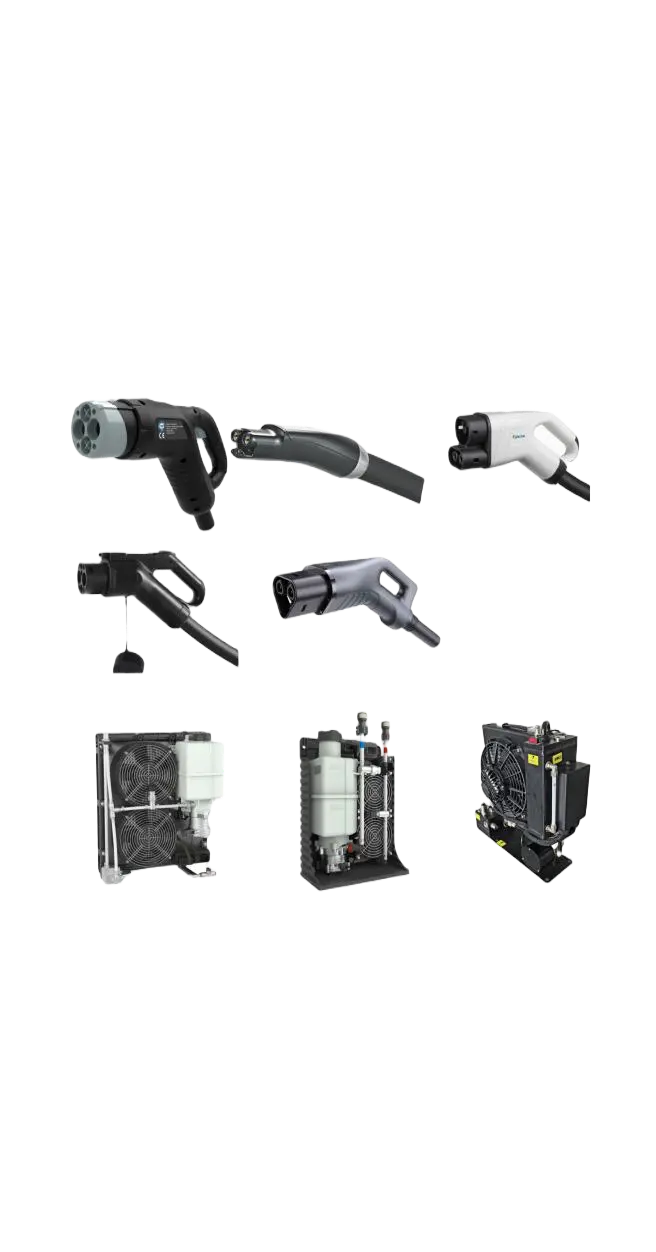
Mida Cable manufactures a comprehensive range of EV charging cables, including 16A–80A J1772 cables, 16A–63A IEC 62196-2 Type 2 cables, and DC fast charging cables: CCS1 (80A–500A), CCS2 (125A–1000A), CHAdeMO (125A–300A), GBT (200A–1000A), and NACS connectors (250A–600A).
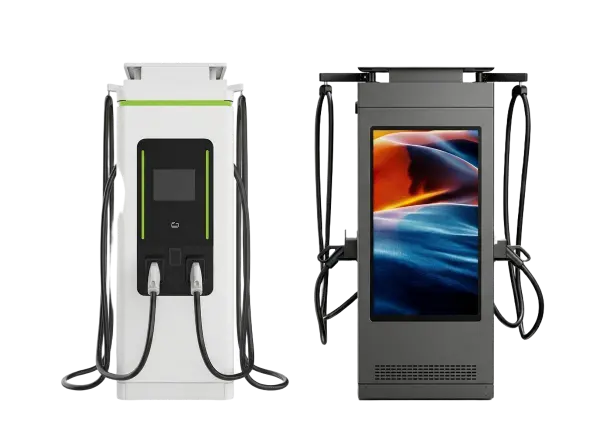
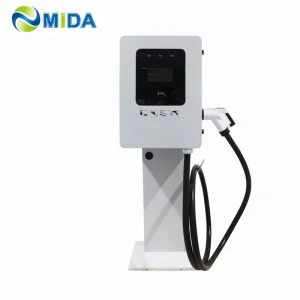
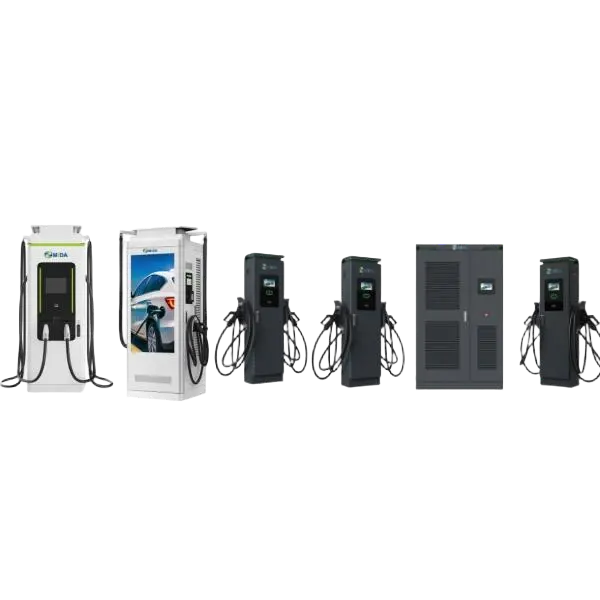
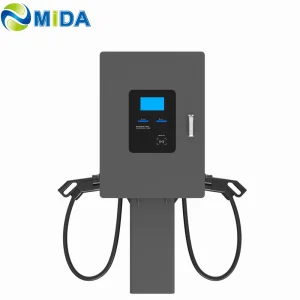
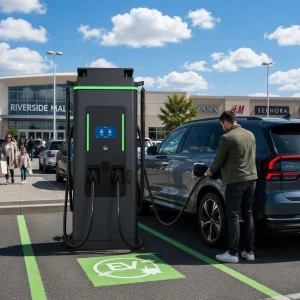
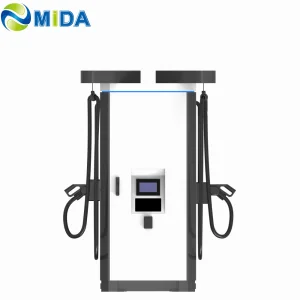
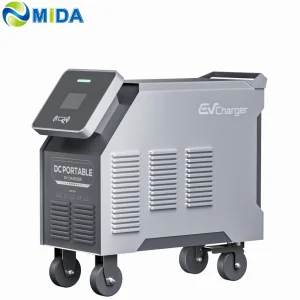
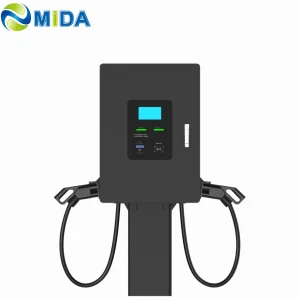
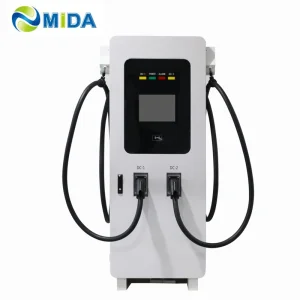
MIDA EV Power produces a full lineup of EV charging stations, such as 7kW–50kW mobile chargers, 3.6kW–7.2kW portable DC chargers, 360kW–1440kW split-type DC fast chargers, 20kW–50kW wall-mounted DC chargers, and 60kW–480kW floor-standing DC fast charging stations.
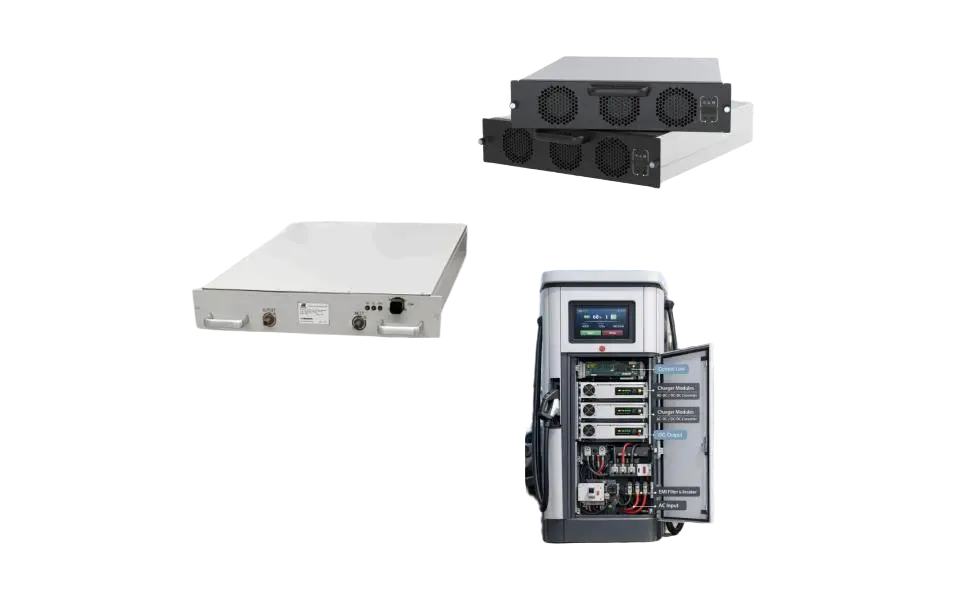
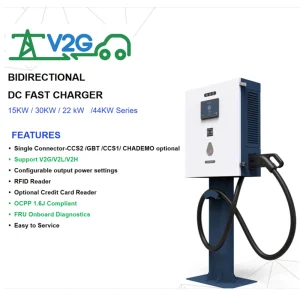
MIDA New Energy specializes in EV charger power modules, offering 20kW–60kW standard modules, 40kW–125kW liquid-cooled modules, 30kW–62.5kW bidirectional modules, and 20kW–45kW V2G charging modules.

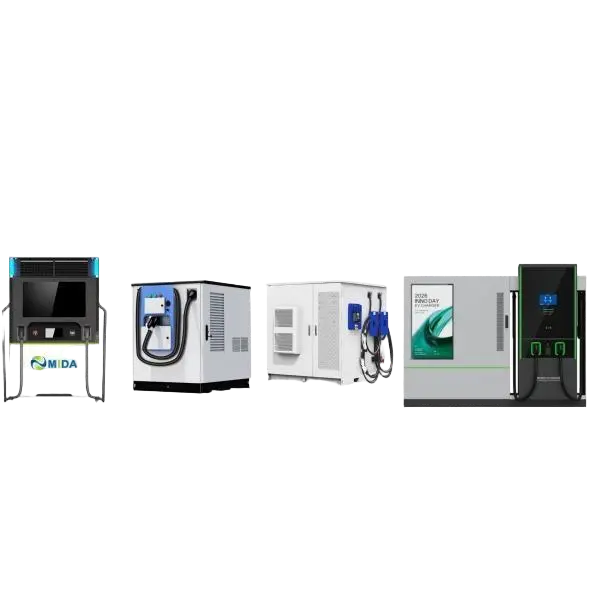
Scalable solutions tailored for private fleets, depot charging, public service stations, and off-grid solar-battery integration.
Output options: 7kW, 20kW, 30kW, 40kW, 60kW, 80kW. Versatile, portable, or wall-mountable units designed for maximum space efficiency.
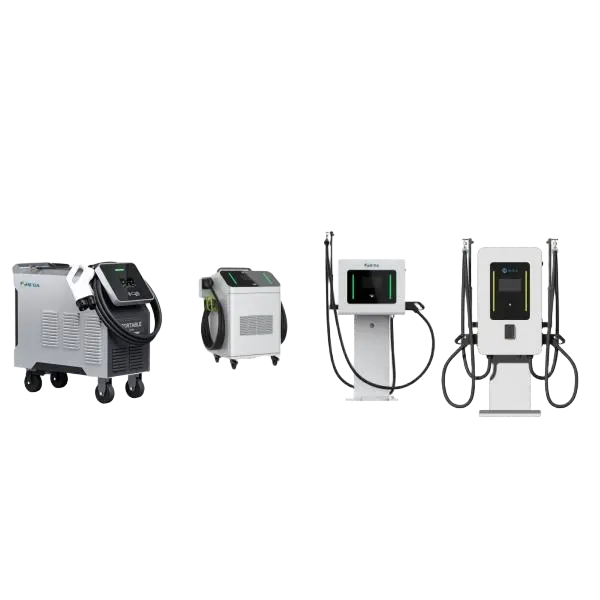
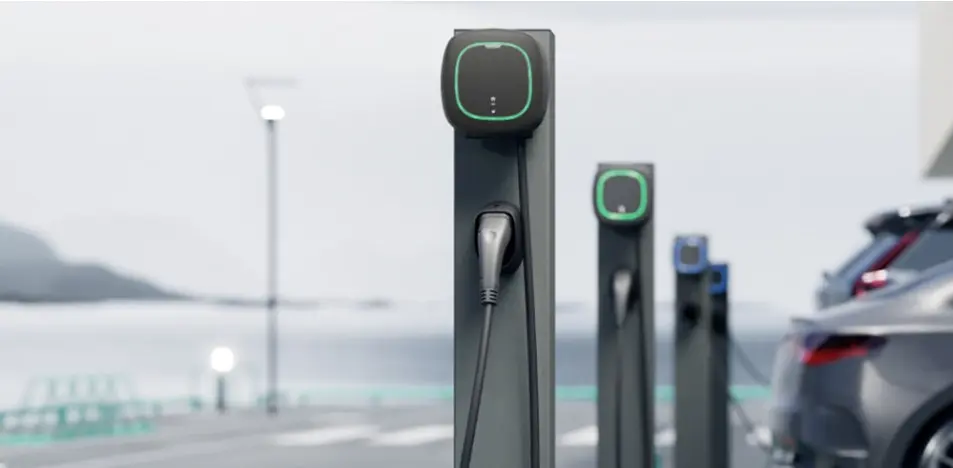
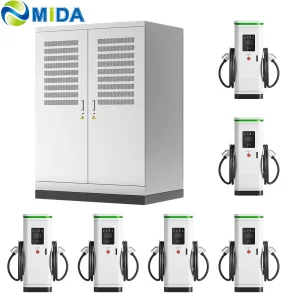
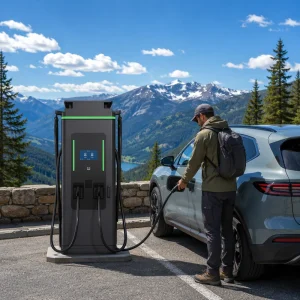
Highly scalable layouts outputting 60kW-480kW and ultra-high power 360kW-1440kW configurations for public and heavy logistics applications.
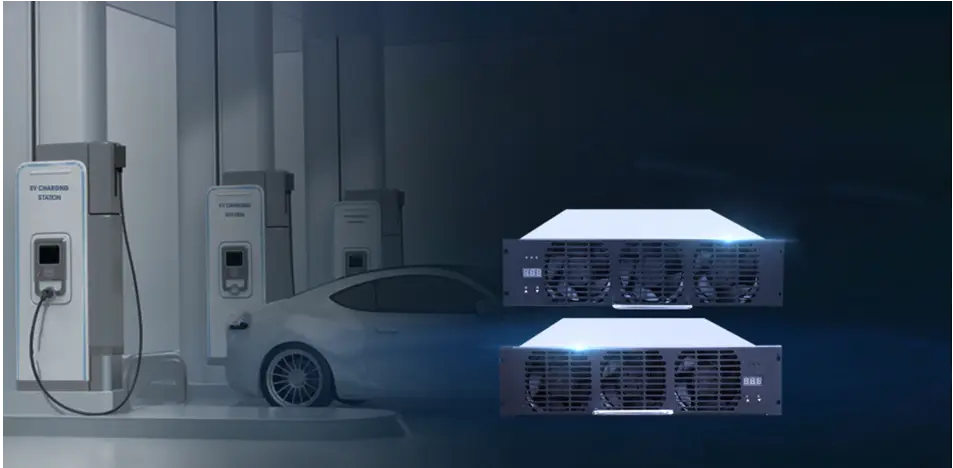
Capacity ranges: 60kWh, 261kWh, 418kWh, 625kWh, 2MkWh. Smart battery integration that bypasses grid limitations without transformer upgrades.
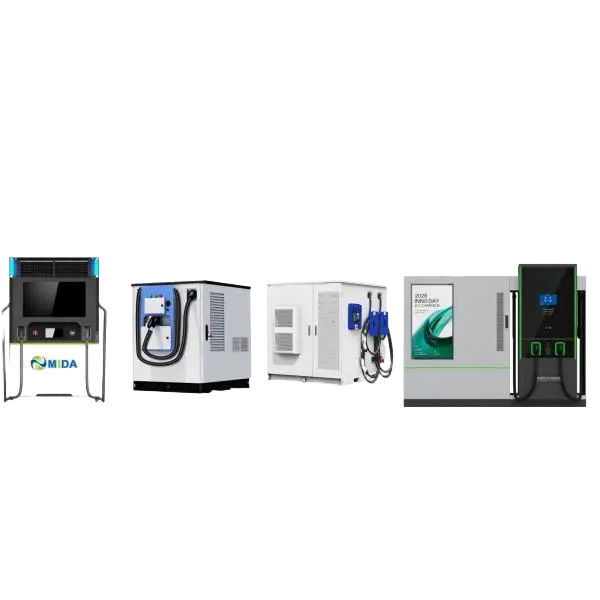
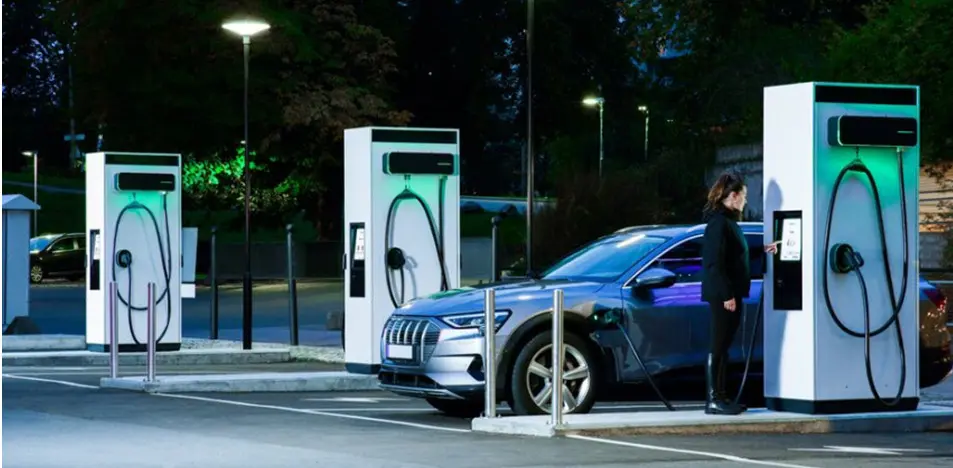
Comprehensive engineering capabilities from individual core modules to integrated high-power stations.
Global transit infrastructure is shifting from standard plug-in architecture to autonomous, continuous-duty megawatt topologies. Fleet operations require reliable solutions that integrate with facility power management systems to maintain peak efficiency.
Designed specifically for heavy-duty electric commercial transport, mining fleets, and heavy aviation. MCS supports up to 1,500A and 1,250V charging rates, drastically reducing dwell times for industrial operations.
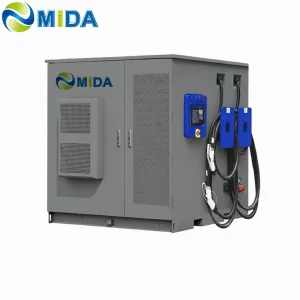
High-density battery storage acts as a buffer between the electrical grid and electric vehicles. By discharging stored solar or off-peak power during fast charging events, BESS reduces expensive peak demand charges.
Enabling secure, automated Plug & Charge identification alongside bidirectional Vehicle-to-Grid (V2G) power flows. Advanced cybersecurity features secure transaction data and user credentials.
Technical analyses and reports on international commercial transit solutions and overhead charging systems.
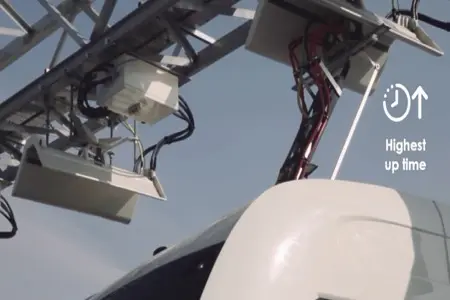
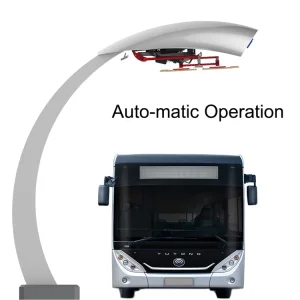
What are the advantages of an e-bus pantograph dome? In contrast to classic plug-in charging systems, e-bus pantographs offer high power throughput and autonomous operation, making them ideal for high-frequency urban transit routes.
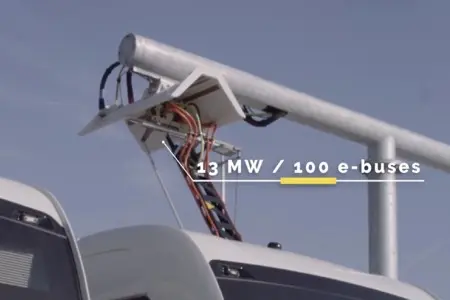
How long does it take to charge with an e-bus pantograph? The charging time depends on the battery capacity and the station's configuration. High-power systems can replenish enough range for city bus routes within minutes.
How to Install the Pantograph Up Charger System Dome for Electric Bus. Installing a "Pantograph Up" system requires precise positioning and structural support at bus depots to ensure reliable contact and alignment.
Important considerations for charge point operators, fleet operators, and industrial enterprises.
Heavy-duty fast chargers, solar integrated charging systems, and specialty transit pantograph systems.
Contact our engineering team today to request structural specifications, grid-integration layouts, and pricing quotes tailored for your operation.
Request Engineering Proposal