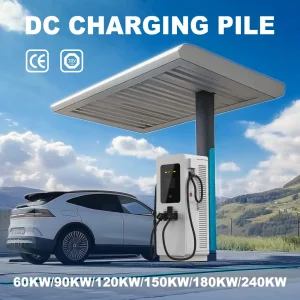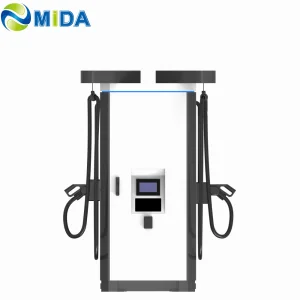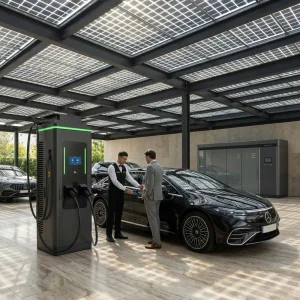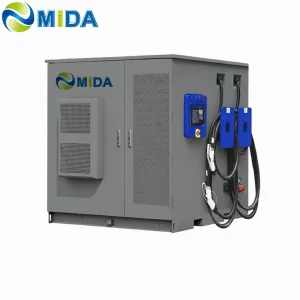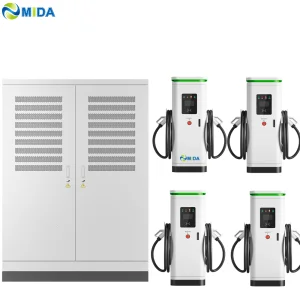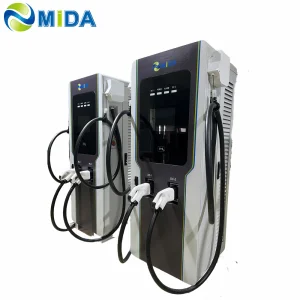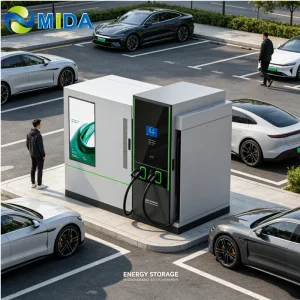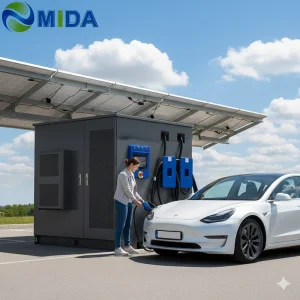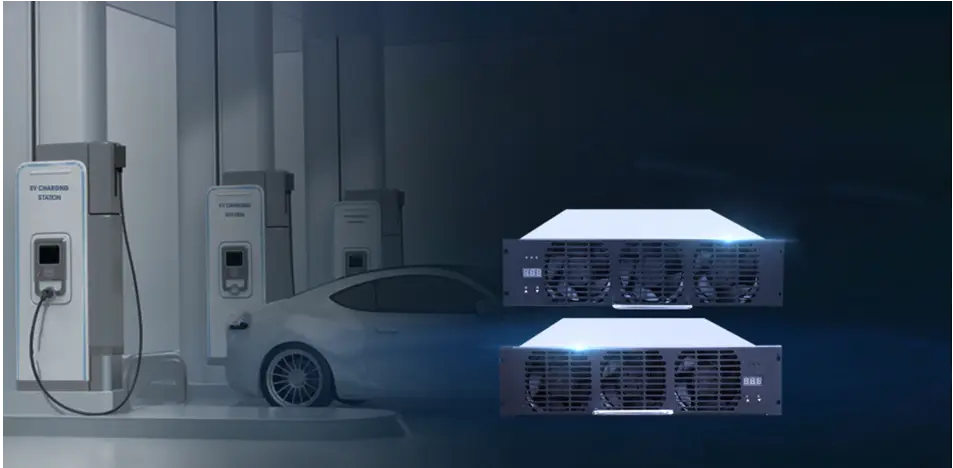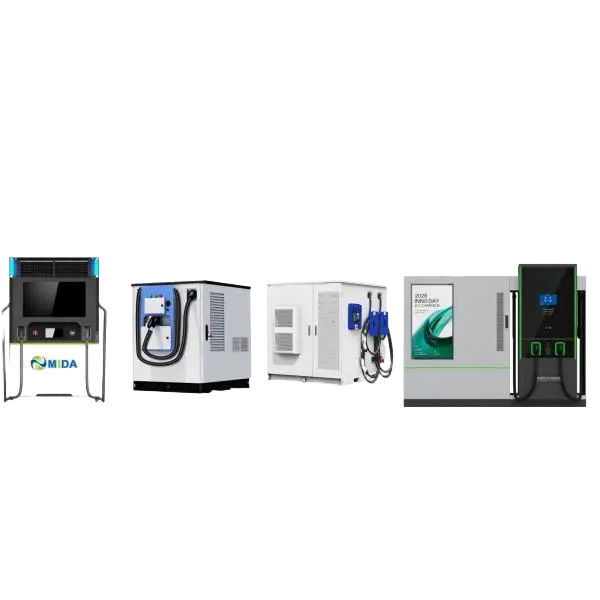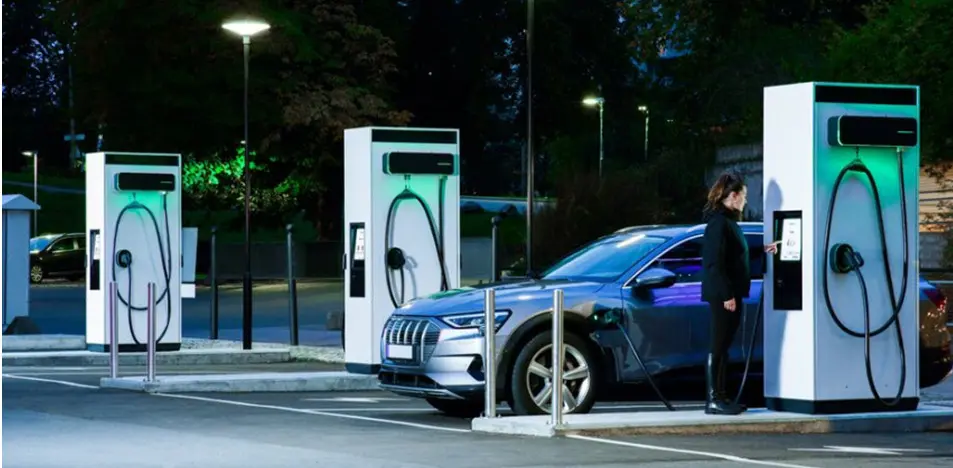
Explore our premium range of dual-socket and high-power split-system DC fast charging stations designed for global commercial and utility fleets.
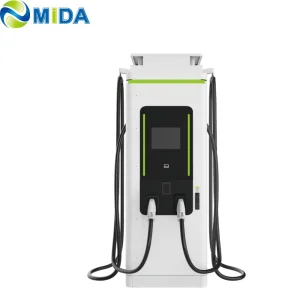
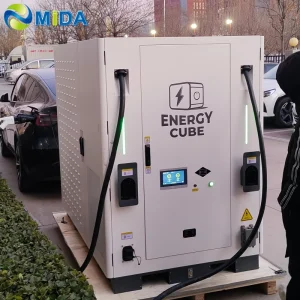
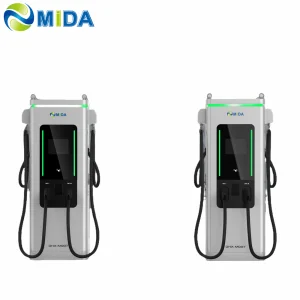
An in-depth analysis of high-power charging topologies, dynamic power allocation matrix, and grid-edge integration strategies.
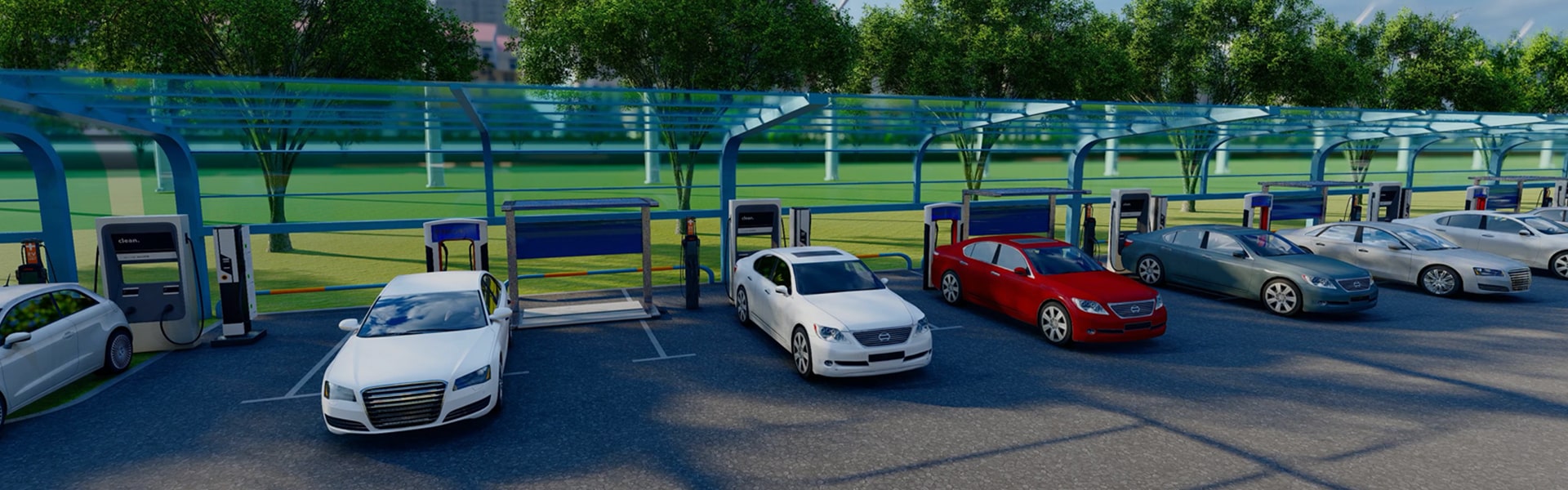
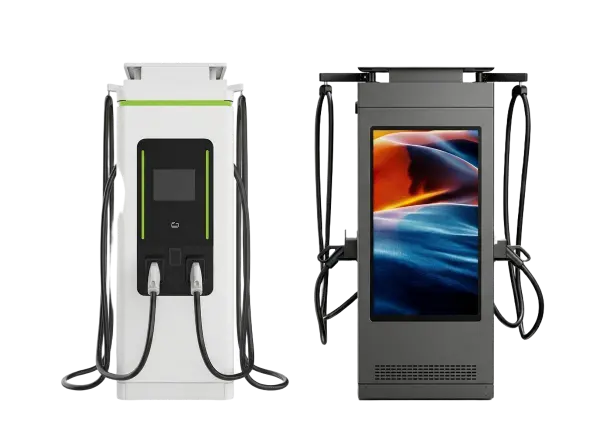
The commercial and industrial (C&I) sectors are experiencing an unprecedented transformation in heavy-duty logistics and public fast charging networks. As fleet operators transition to electric trucks and bus fleets, single-connector chargers are no longer sufficient. High-capacity dual-connector charging configurations maximize grid connection value, allow dynamic power distribution between vehicles, and reduce space constraints at charging depots. By utilizing dynamic matrices, a single high-power cabinet can distribute energy based on real-time Battery Management System (BMS) demands, optimizing charging paths and reducing total grid integration costs.
For charging point operators (CPOs), the implementation of dual fast chargers represents a significant drop in CAPEX. Permitting, civil works, and grid connections represent up to 45% of charging station installation costs. Dual chargers utilize a single utility grid drop to feed two parking bays, effectively doubling vehicle throughput per square meter and accelerating return on investment (ROI).

A global leader in high-voltage connection systems and modular electric vehicle power distribution networks.
Shanghai Mida Cable Group Ltd. operates through its wholly owned subsidiaries: Shanghai Mida EV Power Co., Ltd., Shenzhen Mida EV Power Co., Ltd., and Shanghai Mida New Energy Co., Ltd. This integration of engineering capabilities allows us to manufacture everything from the physical liquid-cooled cabling systems to smart charging cabinets and bidirectionally integrated battery storage stations.
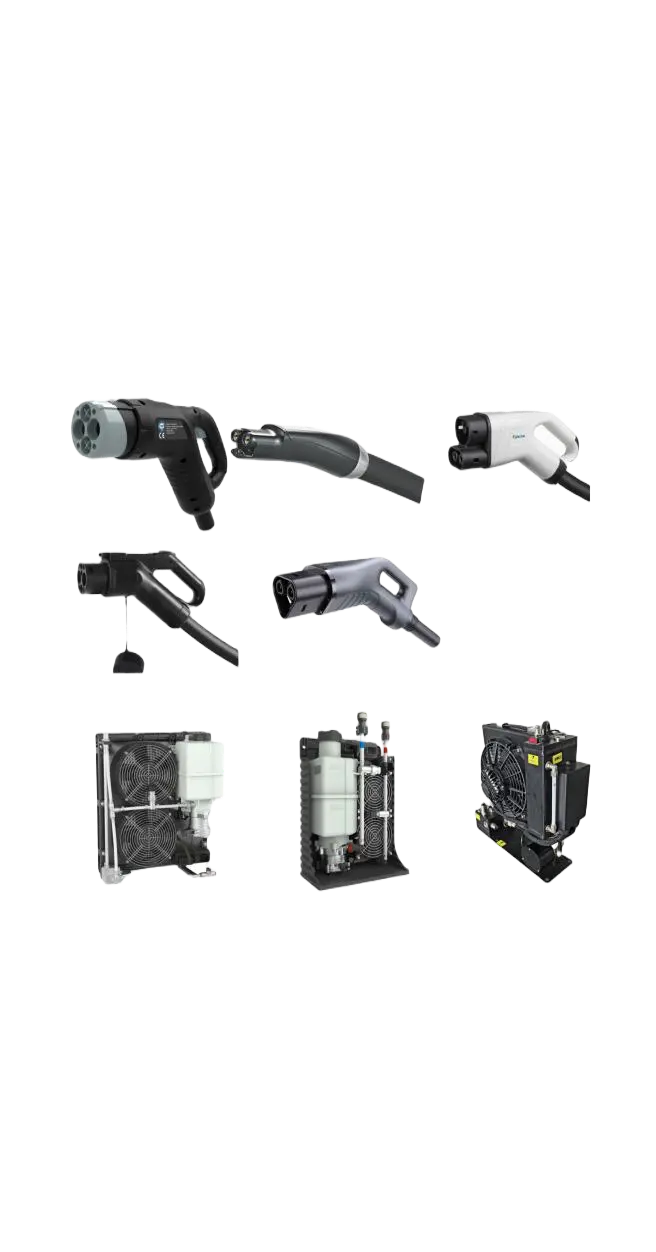
Mida Cable manufactures a comprehensive range of EV charging cables, including 16A–80A J1772 cables, 16A–63A IEC 62196-2 Type 2 cables, and heavy-duty DC fast charging cables: CCS1 (80A–500A), CCS2 (125A–1000A), CHAdeMO (125A–300A), GBT (200A–1000A), and NACS connectors (250A–600A).
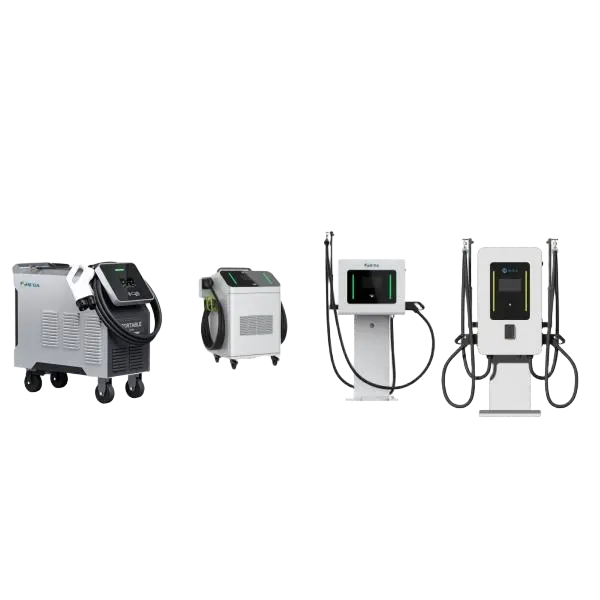
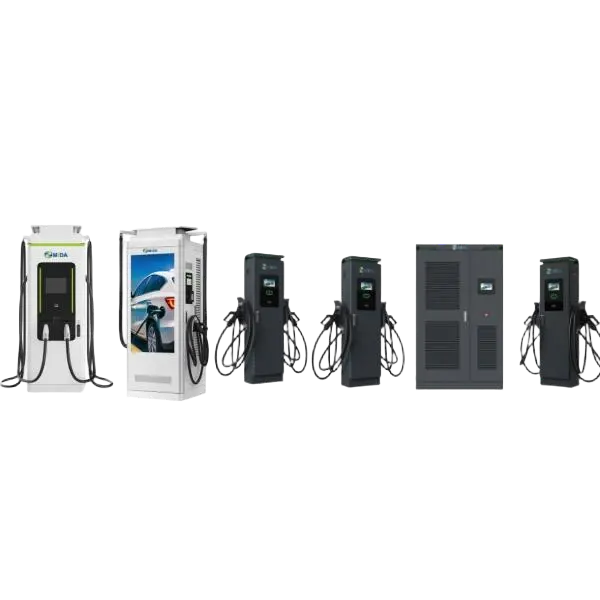
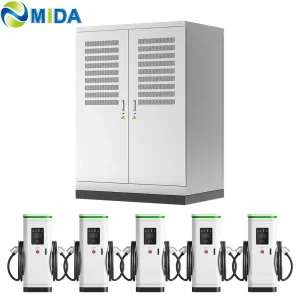
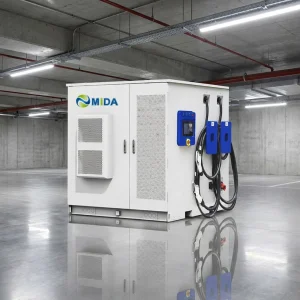
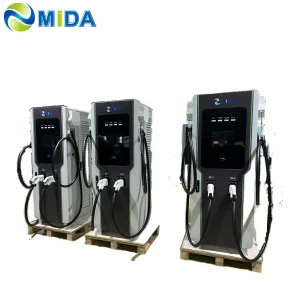
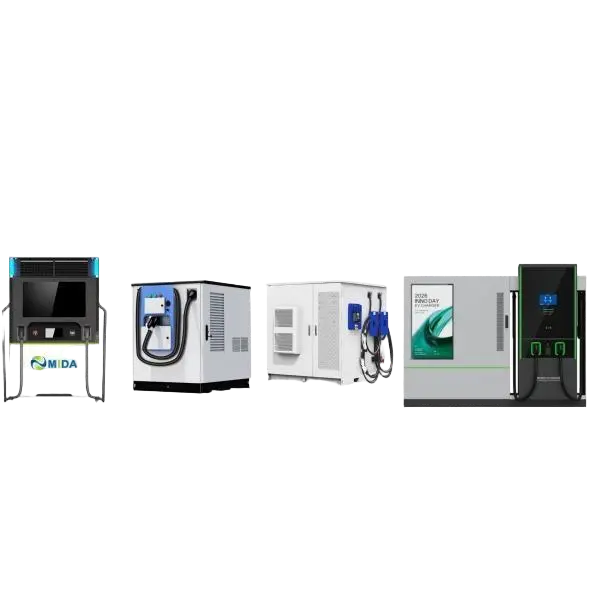
MIDA EV Power produces a full lineup of EV charging stations, such as 7kW–50kW mobile chargers, 3.6kW–7.2kW portable DC chargers, 360kW–1440kW split-type DC fast chargers, 20kW–50kW wall-mounted DC chargers, and 60kW–480kW floor-standing DC fast charging stations.
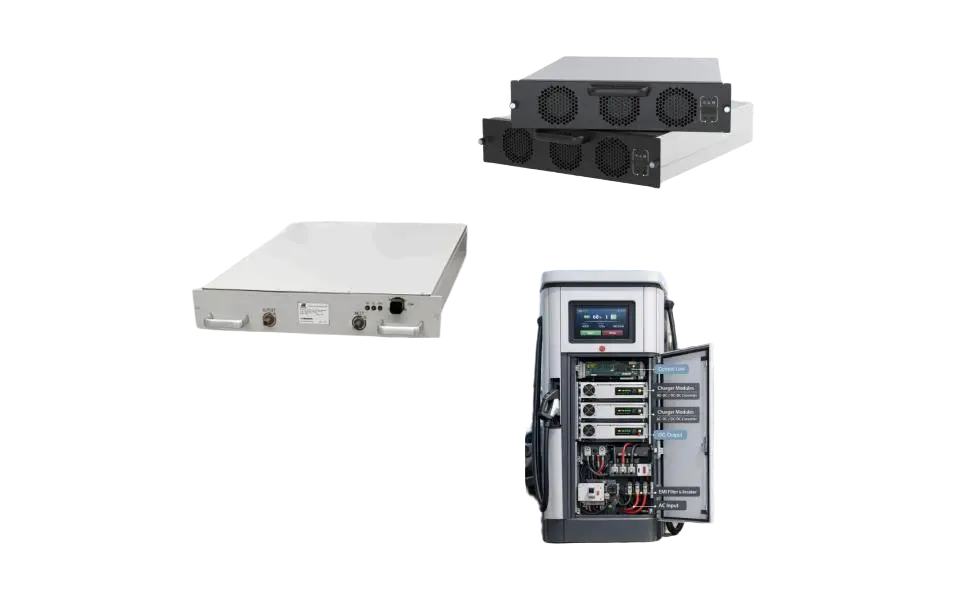
MIDA New Energy specializes in EV charger power modules, offering 20kW–60kW standard modules, 40kW–125kW liquid-cooled modules, 30kW–62.5kW bidirectional modules, and 20kW–45kW V2G charging modules.
Achieving absolute charge optimization with hardware-level isolation, thermal monitoring, and liquid-cooled power matrix systems.
Traditional dual chargers split power statically (e.g., a 180kW charger splits into fixed 90kW channels). MIDA's dynamic matrix systems route power in granular blocks (typically 20kW or 30kW modules). If one vehicle is charging at 250kW and a second vehicle plugs in, the station seamlessly steps down the first vehicle in real-time based on its battery health profile, routing remaining capacity to the second vehicle. This minimizes charge termination events and increases station utilization rates.
As charge currents surpass 350A, traditional copper cables generate immense heat. Our integrated liquid-cooling modules circulate synthetic coolants directly to the connector terminals. This ensures continuous 500A output at high ambient temperatures without cable degradation. The cable remains lightweight and flexible, ensuring an easy user experience at public charging hubs.
Select your deployment profile to view the system architectures, power inputs, and cabinet dimensions.
Precision-engineered products powering international smart charging infrastructures.
Stay up to date with the latest developments, white papers, and engineering guides from MIDA Group.
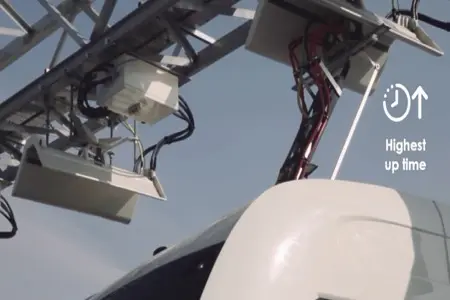
In contrast to classic plug-in charging systems, e-bus pantographs offer automated connections, high power delivery, and optimized footprint in dense urban bus terminals.
Read Article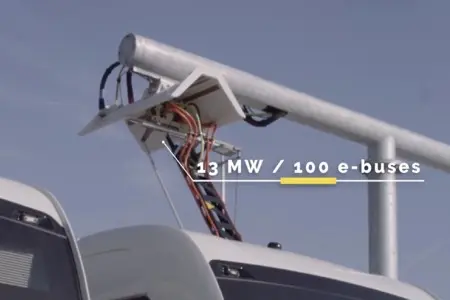
The overall charging speed depends on battery cell layout and charger capacity, allowing modern transit buses to fully replenish within minutes during layovers.
Read Article
A structural guide on mechanical installation, grid synchronization, and alignment requirements to guarantee uninterrupted fleet operations.
Read ArticleHow dynamic grid protection and power management enable multi-vehicle deployment in key sectors.
Highway infrastructure demands fast turnaround. By positioning 360kW or 480kW dual-cabinet systems at dynamic power allocation stages, operators ensure high-power delivery to single high-voltage vehicles while accommodating split charging when two vehicles arrive.
Transit authorities require coordinated schedules. Utilizing dual-port technology with OCPP scheduling configurations allows sequential night-time charging, enabling vehicles to charge one after the other without manual driver intervention.
Heavy duty class-8 trucks require mega-watt charging. By implementing split-type DC charging hubs (up to 1500kW) with flexible dual dispensers, logistical operators optimize their uptime and keep trucks moving across shifts.
Crucial technical and architectural questions answered by MIDA Group's senior power electronics engineers.
Browse our advanced high-power product configurations for global markets including EU, America, and Japan.