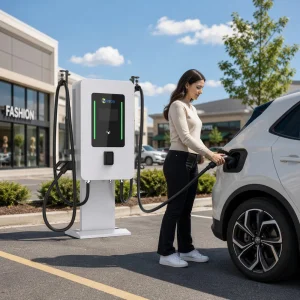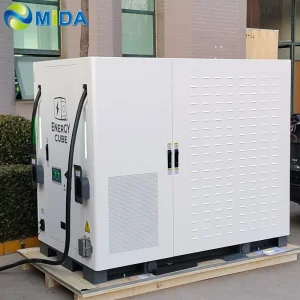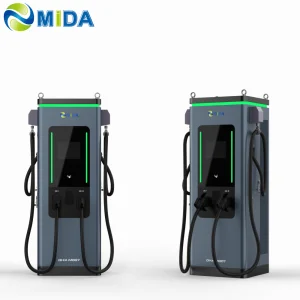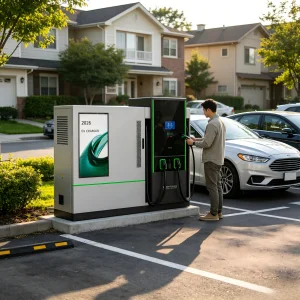

Shanghai Mida Cable Group Ltd. operates through its wholly owned subsidiaries: Shanghai Mida EV Power Co., Ltd., Shenzhen Mida EV Power Co., Ltd., and Shanghai Mida New Energy Co., Ltd.
As a global leader in electric vehicle service equipment (EVSE) design and manufacturing, Mida Group has engineered a comprehensive value chain across three primary verticals:

The global automotive sector is undergoing an exponential shift towards absolute electrification, resulting in massive demand for public and depot-based high-power DC fast chargers (HPDCs). As charging networks transition from a secondary convenience to primary mobility infrastructure, charging speed, grid efficiency, and mechanical reliability are critical parameters for network operators. Today, key industry benchmarks are defined by a manufacturer’s capacity to supply charging systems that minimize Total Cost of Ownership (TCO) while maintaining 99.9% uptime.
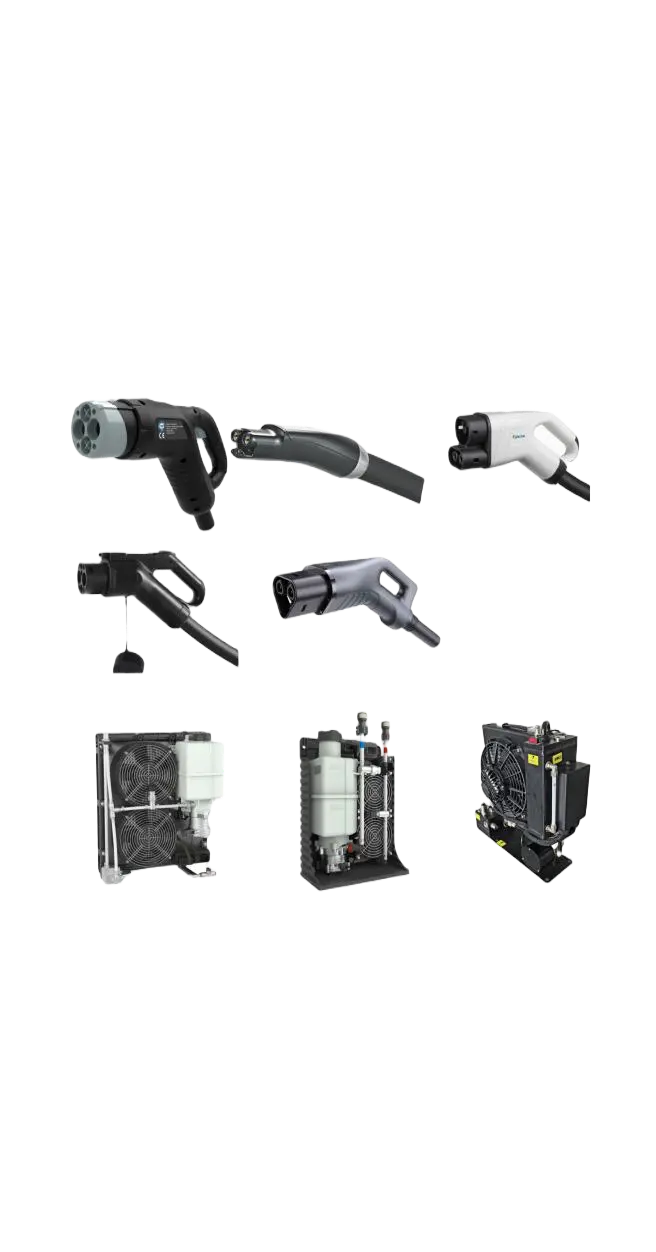
In charging stations exceeding 150kW, thermal losses inside both the power modules and the charging cables present significant challenges. Traditional forced-air cooling methods, while cost-effective for lower-power units, become noise-intensive, inefficient, and susceptible to ambient dust, moisture, and salt mist.
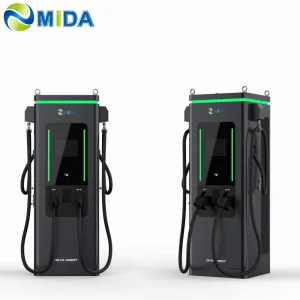
At MIDA, our development is focused on liquid-cooled architectures. Our liquid-cooled charging units feature isolated heat-exchange corridors. The cooling medium circulates through the internal channels of the power modules and the dual-conduit charging cable directly to the connector pins. This allows continuous currents up to 600A without thermal throttling, maintaining a safe outer cable temperature below 50°C.
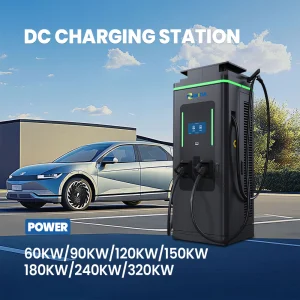
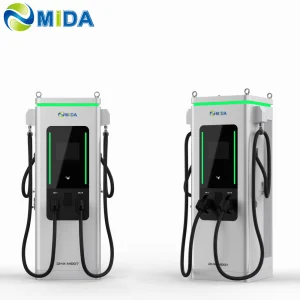
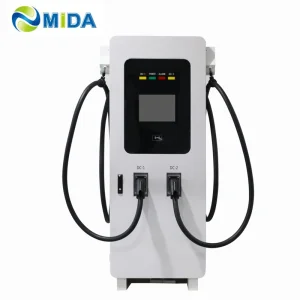
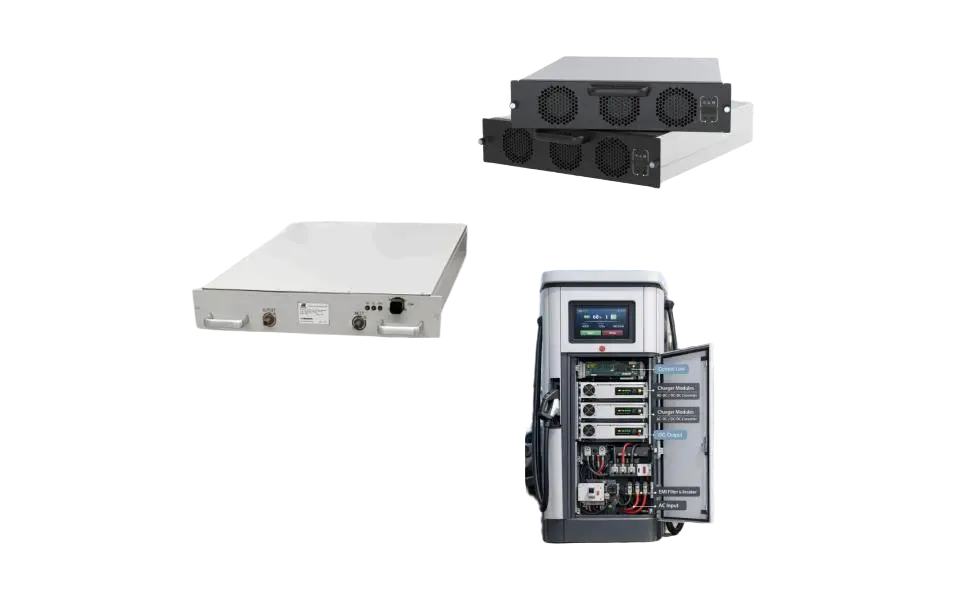
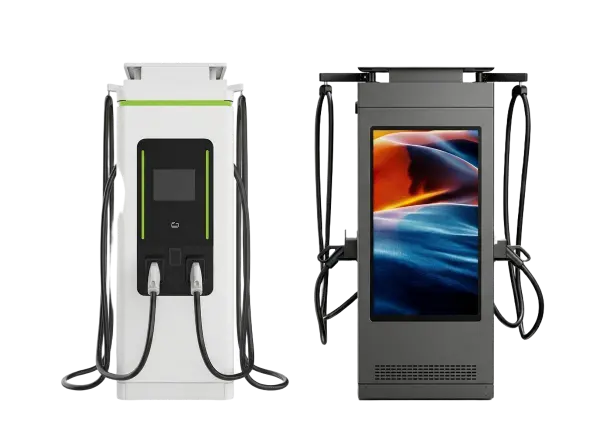
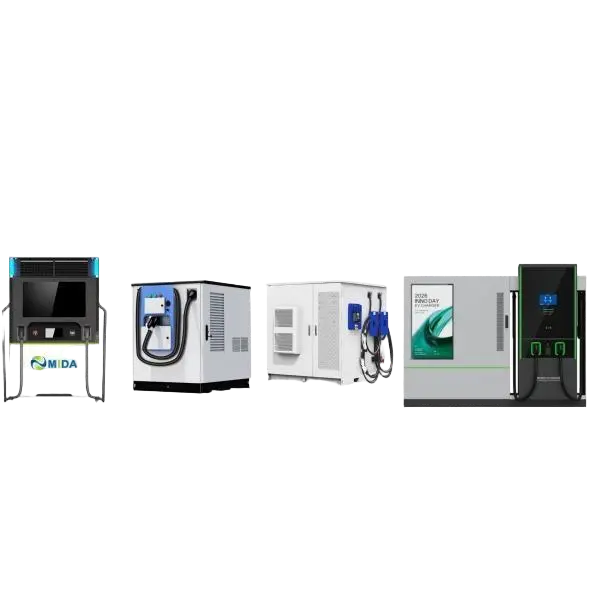
Reliability in high-power systems is achieved through structural modularity. In our 60kW to 480kW floor-standing stations, rather than relying on a single large inverter, we utilize stacks of our proprietary 20kW to 60kW hot-swappable power modules. If a single module encounters a fault, the intelligent controller isolates the affected unit and redistributes the load among the remaining modules. This prevents station downtime and maintains service continuity.
MIDA Group is at the forefront of the upcoming EV standards, adapting our manufacturing capabilities to support bidirectional energy flow, high efficiency, and clean grid integration.
Conventional charging modules depend on Silicon (Si) IGBTs. However, MIDA's next-generation 40kW and 60kW modules utilize Silicon Carbide (SiC) MOSFETs. SiC provides superior breakdown voltages, faster switching speeds, and much lower switching losses. This integration reduces module footprint by 35% and increases power density, helping to keep conversion losses under 2.5% across the entire charging curve.
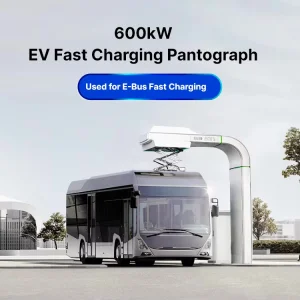
For heavy-duty trucking and public transport, standard passenger car interfaces are insufficient. We are developing the Megawatt Charging System (MCS), designed to deliver up to 3000A at 1250V. In parallel, our 600kW automated overhead pantograph systems provide rapid opportunity charging for electric transit buses during short terminal layovers.
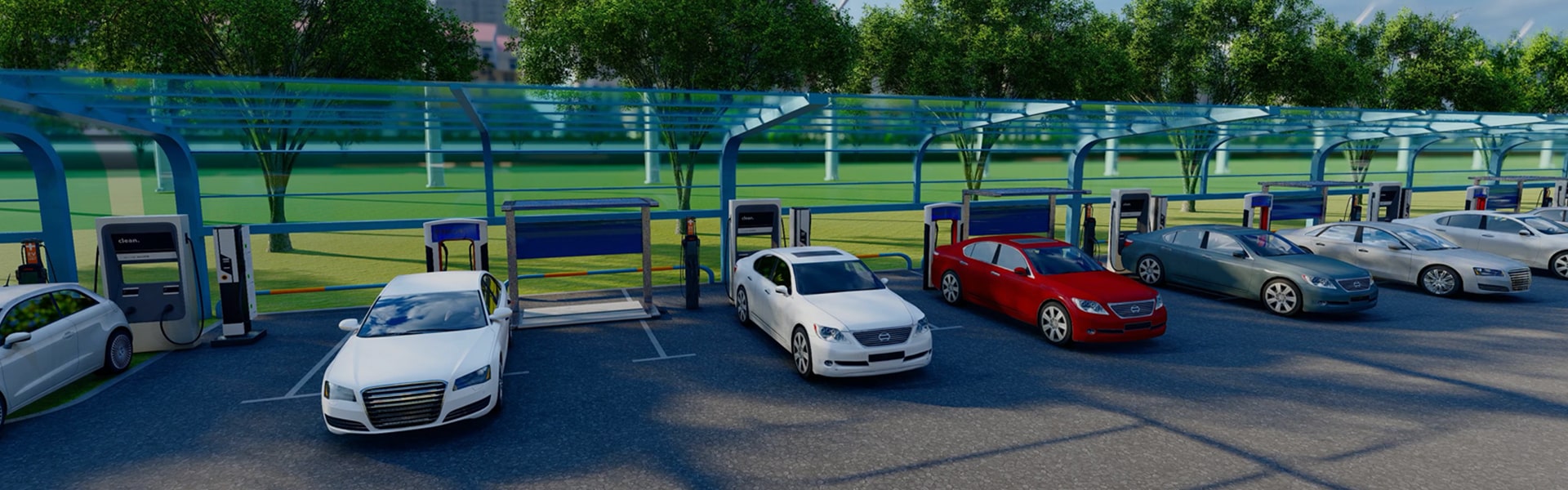
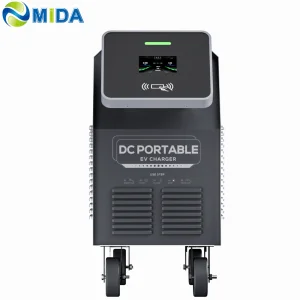
Tailored architectures for diverse charging requirements, from metropolitan transit networks to off-grid solar EV charging hubs.
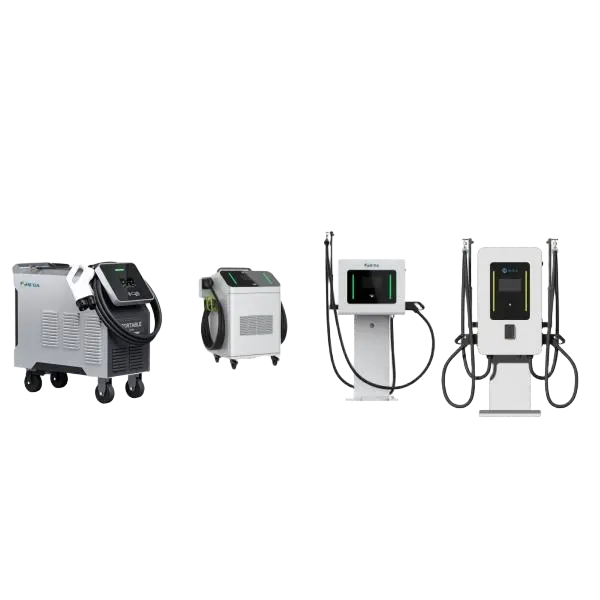
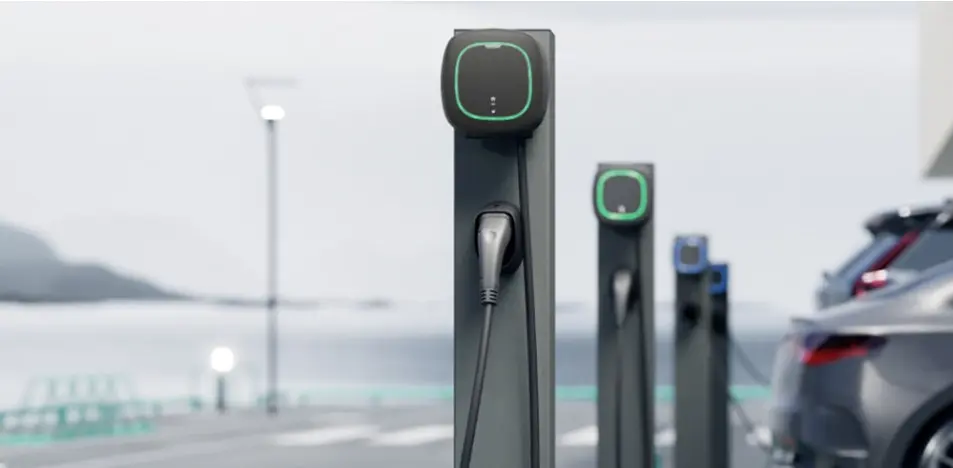
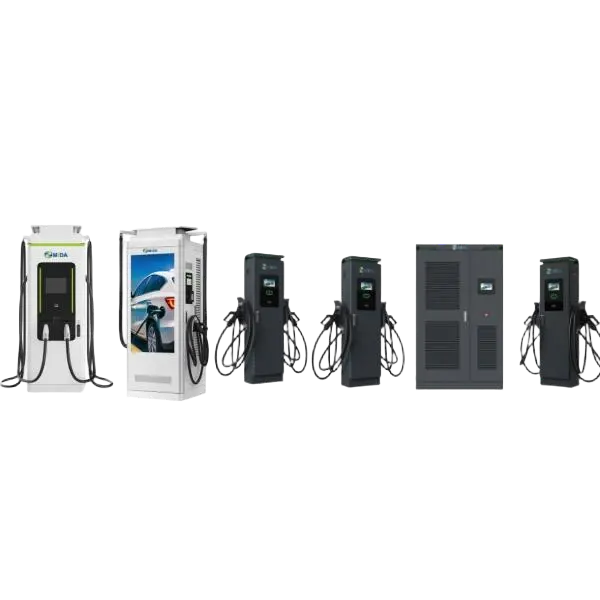
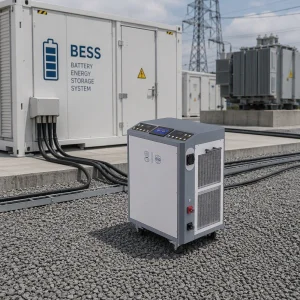
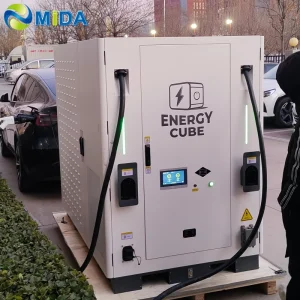
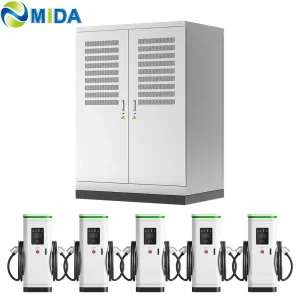
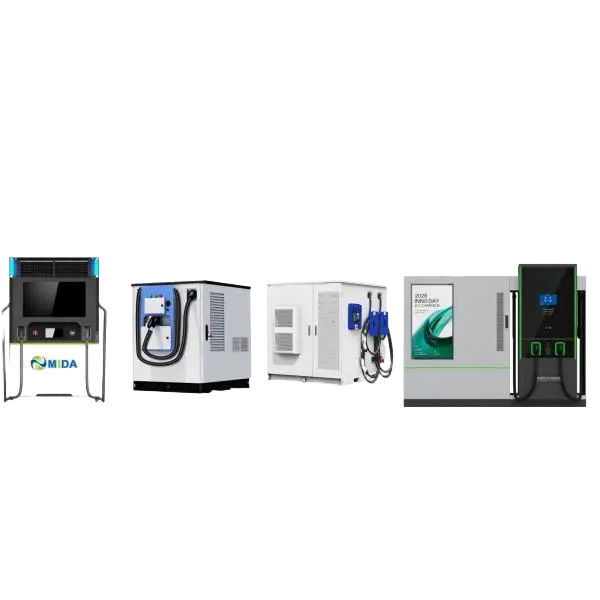
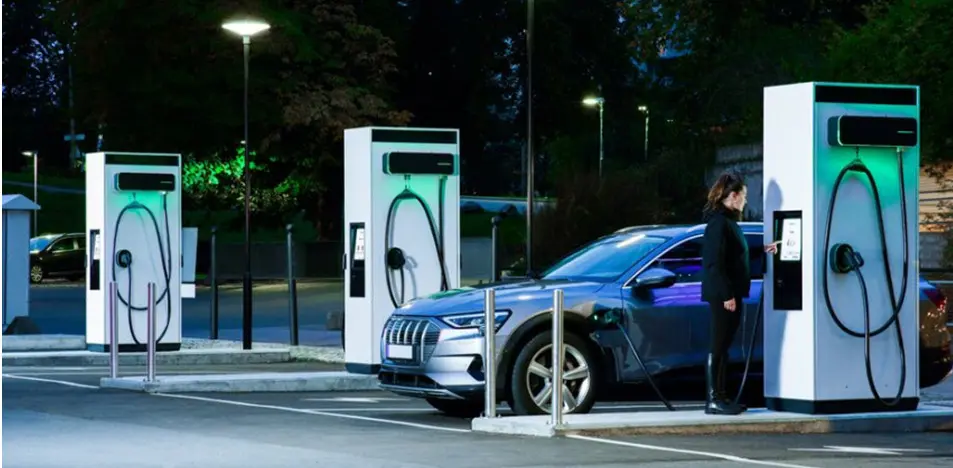
High-power DC fast charging can strain local utility grids, especially during peak hours. In many regions, grid expansion is cost-prohibitive or physically limited. MIDA's BESS Charging Stations address this by pairing local battery storage with high-power dispensers.
The integrated battery charges continuously at a lower rate during periods of low demand and discharges to support ultra-fast charging when vehicles hook up. This configuration mitigates grid impact and minimizes demand charges.
To deploy charging infrastructure globally, compliance with varying regional electrical codes and grid regulations is mandatory. MIDA design processes prioritize these international requirements:
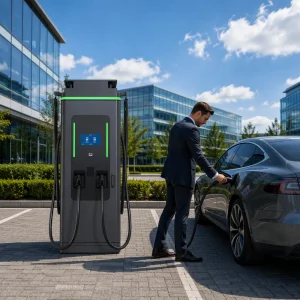
Our charging hardware features full UL 2202 and UL 2594 certifications for the United States and Canada. Furthermore, cabinet physical layouts can be customized to align with ADA height and reach requirements, facilitating easy access for all users.
For European deployments, MIDA chargers meet CE and TUV standards. For public billing transparency, we provide optional Eichrecht-compliant billing modules and support the direct payment requirements mandated by the EU's Alternative Fuels Infrastructure Regulation (AFIR).
All station software is designed for native compatibility with OCPP 1.6J and OCPP 2.0.1. This ensures seamless integration with any network management system (CSMS), enabling remote diagnostic updates and customizable dynamic billing models.
By housing research, testing, assembly, and cable extrusion within a single integrated group, MIDA maintains quality control and lead time stability.
Unlike competitors who assemble outsourced parts, MIDA develops and manufactures its own charging cables, power modules, and enclosures. This integrated approach ensures components are matched for optimal efficiency, reduces mechanical stress, and eliminates supply bottlenecks.
MIDA's production lines employ automated component picking, optical alignment inspection systems (AOI), and computer-controlled test jigs. Each completed charging cabinet is subjected to continuous load-cycle burn-in testing before dispatch to confirm performance under load.
With warehousing and assembly lines in close proximity to major deep-water ports in Shenzhen and Shanghai, MIDA handles high-volume ocean and air logistics with efficiency, offering reliable shipping timelines to all major ports globally.
For international charge point operators (CPOs), transit agencies, and fleet operations, buying EV chargers is a capital investment decision that requires thorough evaluations of:
Highly competitive initial purchase costs are offset if the hardware suffers from frequent field failures. MIDA focuses on structural reliability to reduce field maintenance calls, offering accessible parts replacement programs to support site operations.
The charging network must interface reliably with light-duty vehicles, buses, and new high-capacity commercial platforms. MIDA tests software interoperability against current vehicle models and monitors compatibility with upcoming vehicle software releases.
Operating a charging hub requires balancing large electrical loads to avoid peak demand pricing. Our chargers feature dynamic load balancing capability, distributing power dynamically to parked vehicles based on state of charge (SoC) and local grid limits.
Explore our complete component and system-level EVSE engineering capabilities.
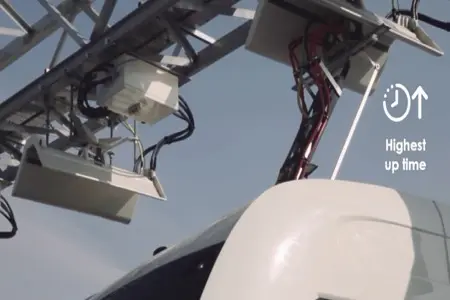
What are the advantages of an e-bus pantograph dome? In contrast to classic plug-in charging systems, e-bus pantograph setups offer fully automated connections, higher throughput capacities, and reduced driver interaction.
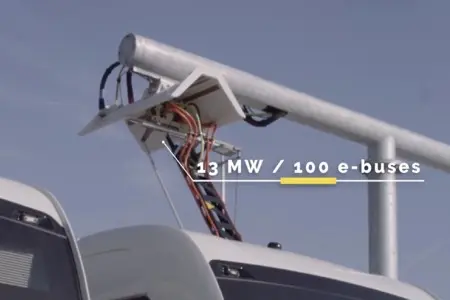
How long does it take to charge with an e-bus pantograph? The charging time depends on the battery capacity and the grid connection, with average turnaround times of 10 to 30 minutes for top-off charges.
How to Install the Pantograph Up Charger System Dome for Electric Bus. Installing a "Pantograph Up" system requires structural support framing, grid routing, and precise overhead alignment setups.
Detailed technical responses regarding commercial integration, charging standards, and product certifications.