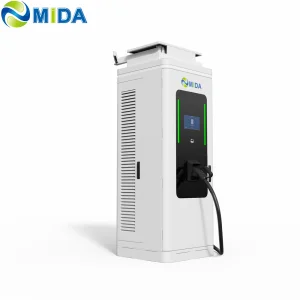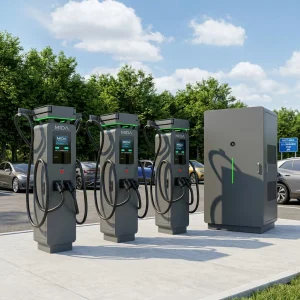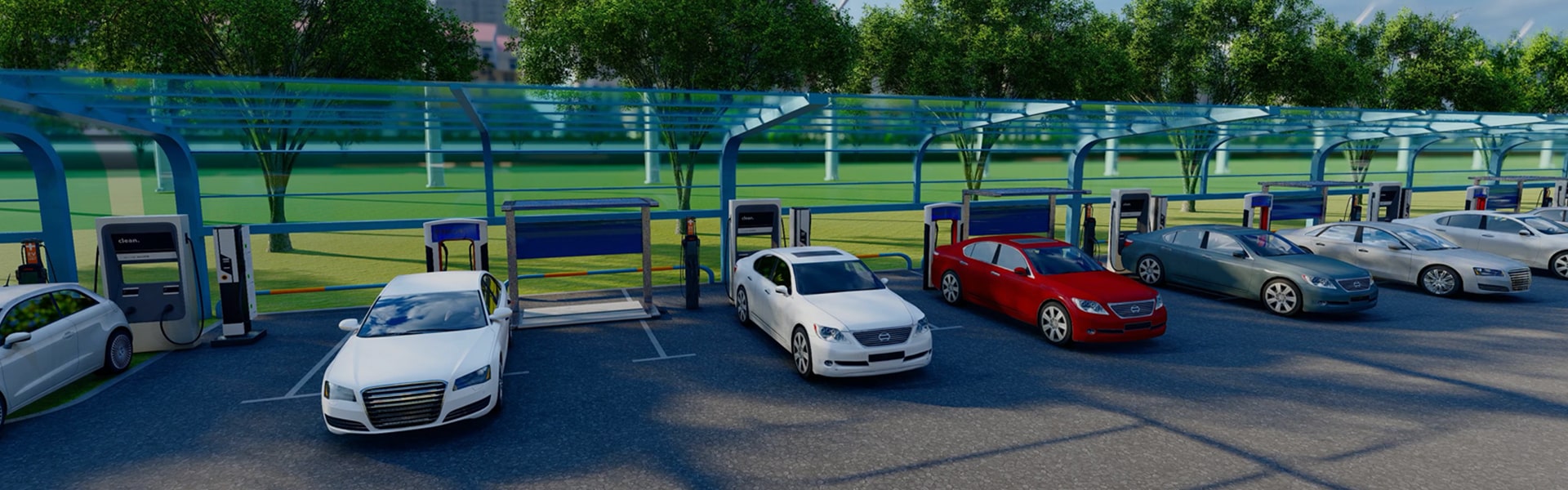
Select high-performance fast charging stations engineered to deliver optimal duty cycles, low Total Cost of Ownership (TCO), and seamless software integration.
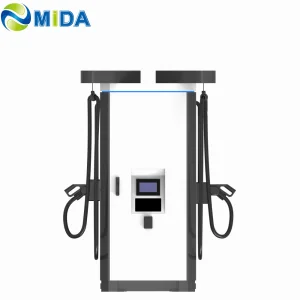
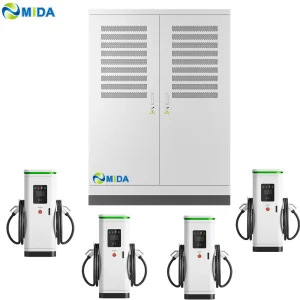
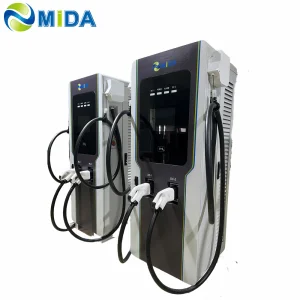
An authoritative analysis of high-power charging (HPC) topologies, grid interaction, and long-term asset management.
As global transport electrification accelerates, high-power DC charging (HPC) infrastructure has transformed from a premium novelty into a critical utility. The 300kW DC EV charger represents the current technological sweet spot—offering passenger electric vehicles up to 200 kilometers of range in under 10 minutes, while simultaneously providing commercial fleets and public transport networks with the throughput necessary to maintain operational efficiency. This whitepaper analyzes the core technical frameworks, efficiency gains, and procurement strategies that top-tier global manufacturers employ when designing 300kW charging solutions.
Modern 300kW chargers utilize Silicon Carbide (SiC) MOSFETs instead of traditional Silicon IGBTs. SiC semiconductors operate at higher switching frequencies and temperatures, reducing power module volume by up to 35% and elevating system efficiency to over 96.5%. This reduces heat loss and reduces long-term operational costs for charge point operators (CPOs).
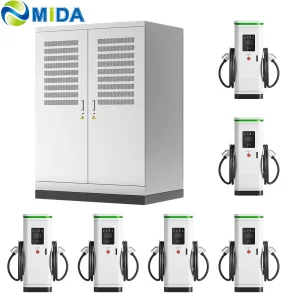
By implementing matrix routing algorithms, a 300kW charger can dynamically distribute its capacity (e.g., 2 x 150kW, 3 x 100kW, or 1 x 300kW) based on real-time Battery Management System (BMS) demands. This maximizes utilization rates and prevents oversizing connection capacity, ensuring optimal grid utilization.
Delivering 300kW via a single connector requires liquid cooling to prevent overheating in cables and pins. Using low-conductivity liquid coolants and intelligent variable-speed pump loops, manufacturers can support continuous 300A-500A charging currents without increasing the thickness and weight of the cable.
How high-power 300kW chargers address regional infrastructure challenges across different commercial sectors.
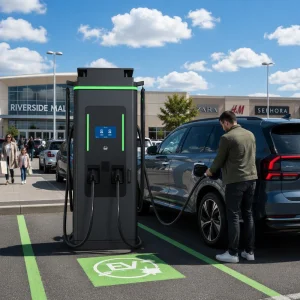
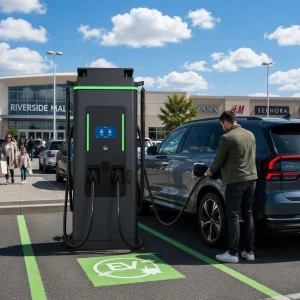
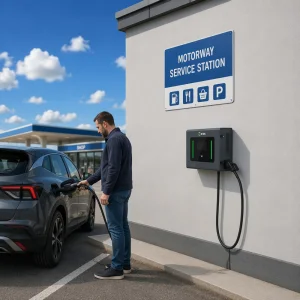
Deploying 300kW DC fast charging systems along long-distance corridors reduces dwell time and highway congestion. Features like dual-port concurrent charging and NACS/CCS/CHAdeMO multi-protocol support ensure compatibility with all incoming vehicle types.
For municipal transit systems and heavy commercial logistics hubs, 300kW power output supports both automated overhead pantograph systems and manual cable-based charging. These systems integrate with depot fleet management software via OCPP to balance grid loads during overnight charge cycles.
By coupling 300kW chargers with Battery Energy Storage Systems (BESS), operators can deliver ultra-fast charging speeds in areas with weak grid connections. Energy stored during off-peak hours is discharged to assist during high-current charging events, protecting the local grid infrastructure.
Inside the advanced manufacturing ecosystems that drive efficiency, cost reduction, and global scale.
Purchasing charging infrastructure from a Tier-1 factory in China offers significant advantages in lead times, raw material sourcing, and assembly optimization. Advanced manufacturing sites utilize automated optical inspection (AOI), robotic winding systems, and comprehensive high-voltage thermal burn-in testing chambers to ensure each power module exceeds 100,000 hours of Mean Time Between Failures (MTBF).
From extruding copper charging cables to assembling complex power conversion modules and stamping weather-proof sheet metal enclosures (IP55/IK10), full vertical integration controls the supply chain and shields buyers from external supply disruptions.
Top-tier factories operate in-house EMC laboratories to verify compliance with CE, FCC, and UL standards. Every charger undergoes automated insulation testing, ground resistance checking, and simulated grid fault reactions prior to shipping.
Advanced factories can customize enclosures, integrate third-party POS payment systems, and configure localized firmware to match the buyer's regional backend platform requirements.
A premier global manufacturer of EV charging components, power modules, and complete charging stations.
Shanghai Mida Cable Group Ltd. operates through its wholly owned subsidiaries: Shanghai Mida EV Power Co., Ltd., Shenzhen Mida EV Power Co., Ltd., and Shanghai Mida New Energy Co., Ltd.
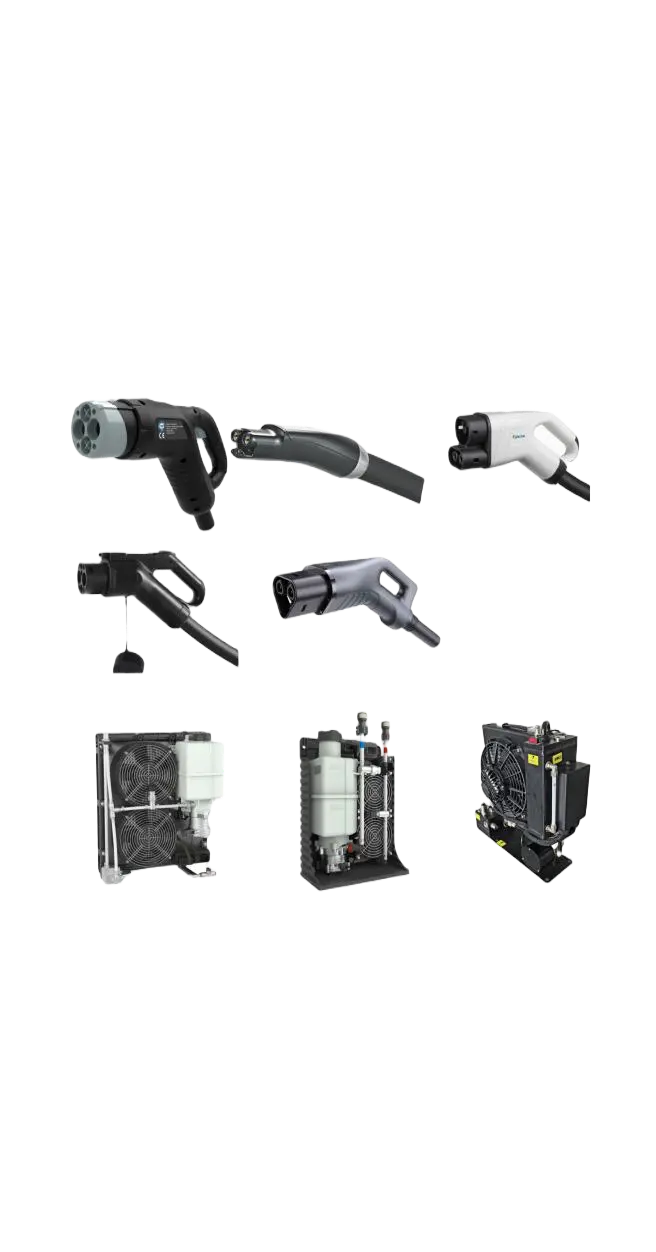
Mida Cable manufactures a comprehensive range of EV charging cables, including 16A–80A J1772 cables, 16A–63A IEC 62196-2 Type 2 cables, and DC fast charging cables: CCS1 (80A–500A), CCS2 (125A–1000A), CHAdeMO (125A–300A), GBT (200A–1000A), and NACS connectors (250A–600A).
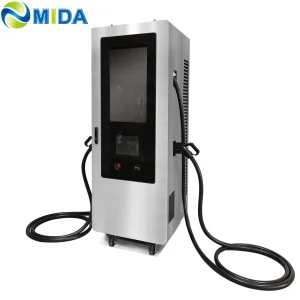
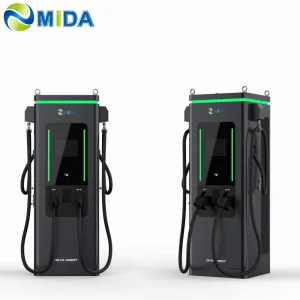
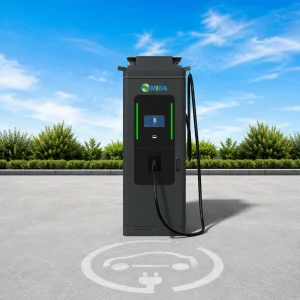
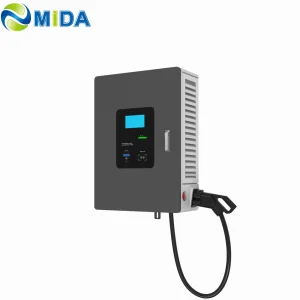
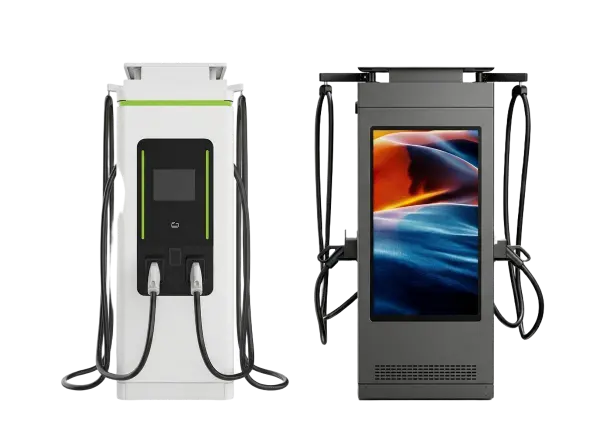
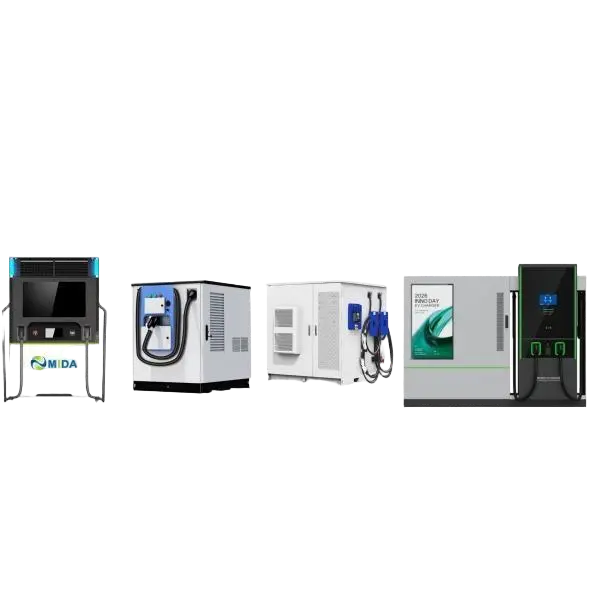
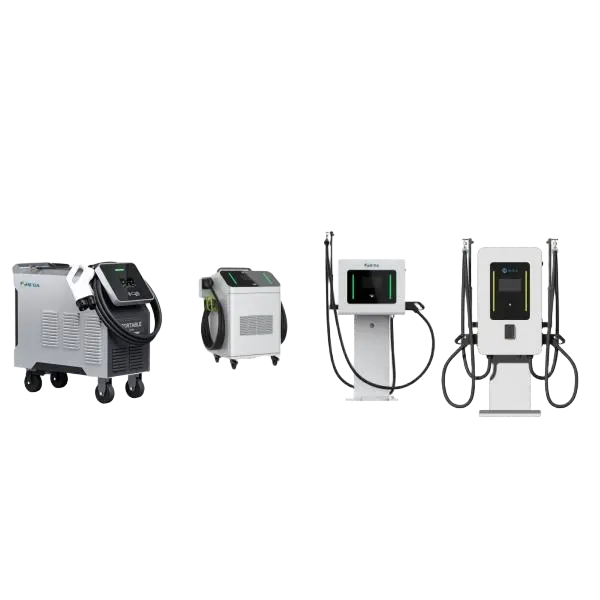
MIDA EV Power produces a full lineup of EV charging stations, such as 7kW–50kW mobile chargers, 3.6kW–7.2kW portable DC chargers, 360kW–1440kW split-type DC fast chargers, 20kW–50kW wall-mounted DC chargers, and 60kW–480kW floor-standing DC fast charging stations.
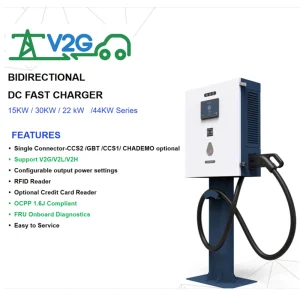
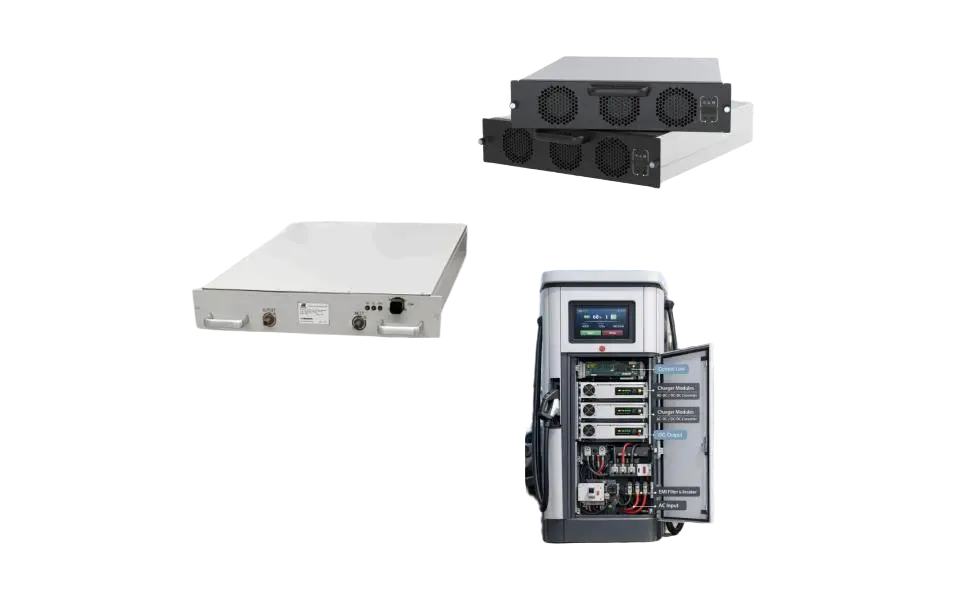
MIDA New Energy specializes in EV charger power modules, offering 20kW–60kW standard modules, 40kW–125kW liquid-cooled modules, 30kW–62.5kW bidirectional modules, and 20kW–45kW V2G charging modules.

Explore our comprehensive industrial catalog designed to meet the demands of global EV infrastructure.
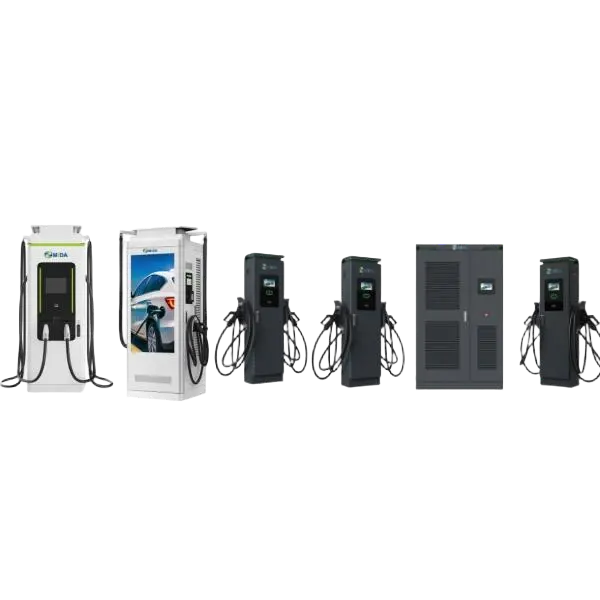
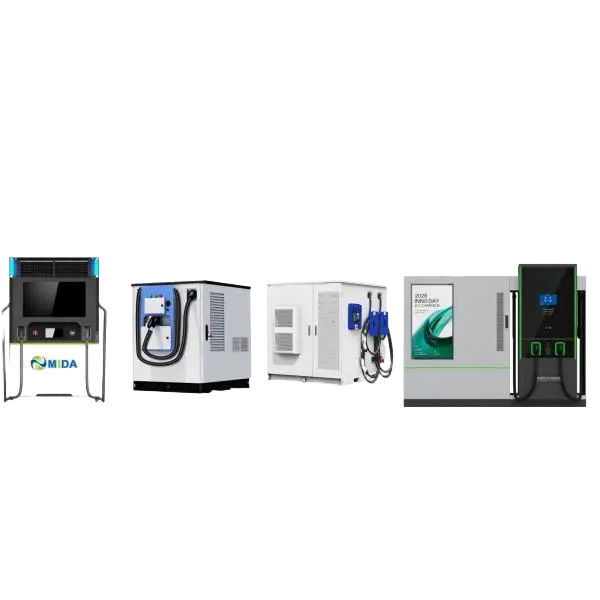
Ensure secure network operations and regulatory alignment across international jurisdictions.
Operating public 300kW charging stations demands strict data security. Our systems integrate TLS 1.3 encryption across OCPP 2.0.1 protocols to safeguard transactional and user data, maintaining compliance with GDPR and local data protection regulations.
High-voltage charging systems can inject harmonics into the electrical grid. MIDA designs and tests units to keep Total Harmonic Distortion (THD) below 5%, satisfying strict IEEE 1547 and EN 61000-3-12 requirements.
Simplify user authentication by implementing full hardware support for ISO 15118. Secure digital certificates allow EVs to automatically authorize charging and payment immediately upon plug-in, removing the need for external apps or RFID tokens.
Follow our latest developments in megawatt public transport charging and pantograph technology.

What are the advantages of an e-bus pantograph dome? In contrast to classic plug-in charging systems, e-bus pantograph systems provide automated, high-power energy transfer, making them ideal for urban bus transit networks.
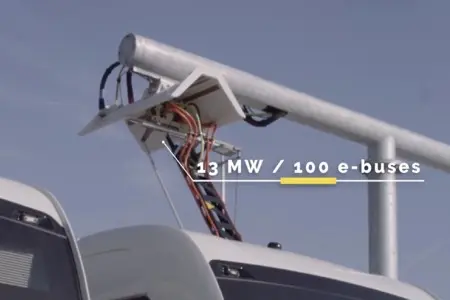
How long does it take to charge with an e-bus pantograph? The charging time depends on the battery capacity and the output power of the substation, but typically ranges from 5 to 15 minutes during route stops.
How to Install the Pantograph Up Charger System Dome for Electric Bus. Step-by-step guidance on structural anchoring, high-power electrical termination, and commissioning tests for municipal infrastructure projects.
Answers to critical technical questions regarding high-power DC fast-charging deployment.
High-capacity charging stations engineered for commercial vehicle fleets, transit networks, and highway corridors.