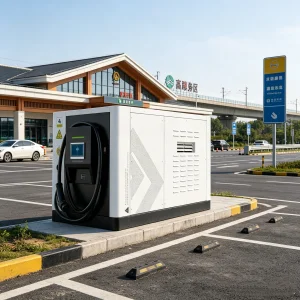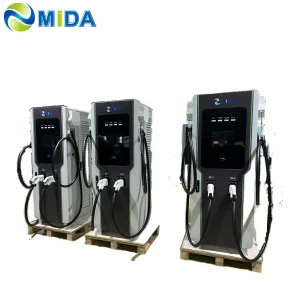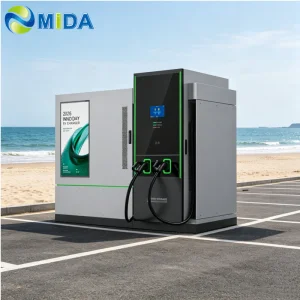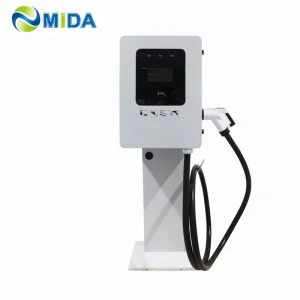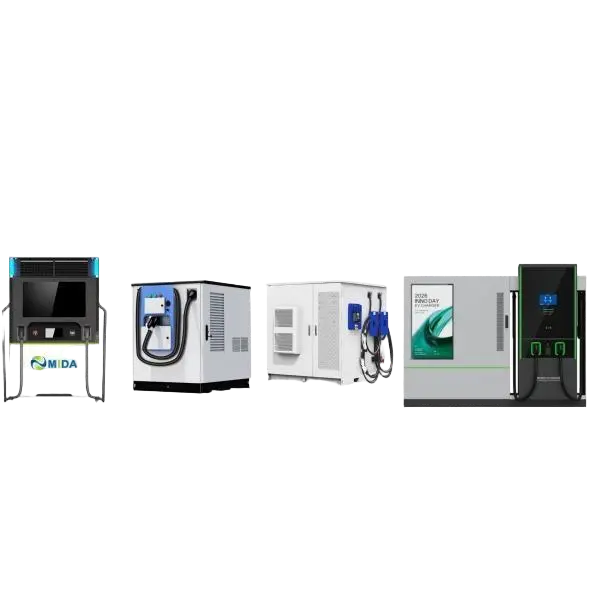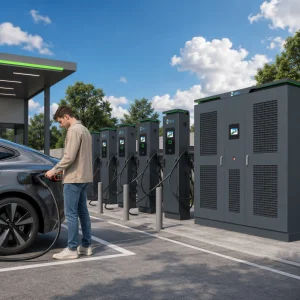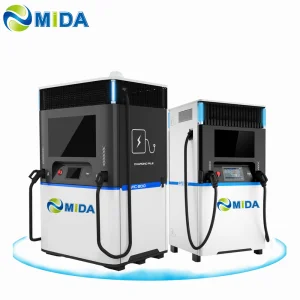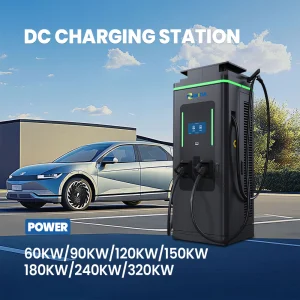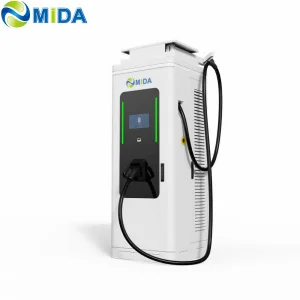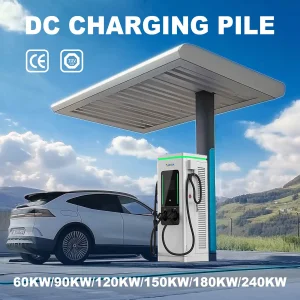
Best DC Charger 60kW Suppliers & Factory

Empowering global e-mobility infrastructures with highly efficient, smart, and ultra-reliable 60kW DC Fast Charging systems.

96.5%
Peak Module Efficiency
< 30 Mins
Average Charge Time (60kW)
IP54 / IP55
Ingress Protection Grade
50+
Countries Deployed

Strategic Insights: The Role of 60kW DC Fast Chargers in Modern EV Infrastructure

As the global transition to electric mobility accelerates, charging network operators (CNOs), municipal planners, and fleet managers face critical decisions regarding power distribution, capital expenditure (CAPEX), and charging speed optimization. Among the various classes of Direct Current (DC) fast chargers, the 60kW DC Fast Charger has emerged as the definitive sweet spot for localized commercial, destination, and fleet charging.

Why 60kW is the Global Standard for Balanced Power Delivery

While ultra-fast chargers of 150kW to 350kW are vital for highway corridors, they require massive grid infrastructure upgrades and suffer from lower utilization rates due to thermal limitations in standard passenger EV batteries. A 60kW DC charging system provides significant technical advantages:

  • Grid Compatibility: Operates efficiently within standard low-voltage utility drops (typically 400V AC three-phase), eliminating the immediate need for expensive medium-voltage transformers in urban areas.
  • Optimized Charging Profiles: Most commercial vehicles and passenger EVs sustain their maximum intake rate near 50-60kW before thermal throttling occurs. A 60kW unit delivers nearly constant peak speed throughout the primary 20% to 80% state-of-charge (SoC) cycle.
  • Dual-Outlet Load Distribution: Premium 60kW chargers support dynamic power routing (e.g., splitting into dual 30kW feeds), allowing two vehicles to charge simultaneously without overloading local circuit limits.

Technical Architecture and Module Topology

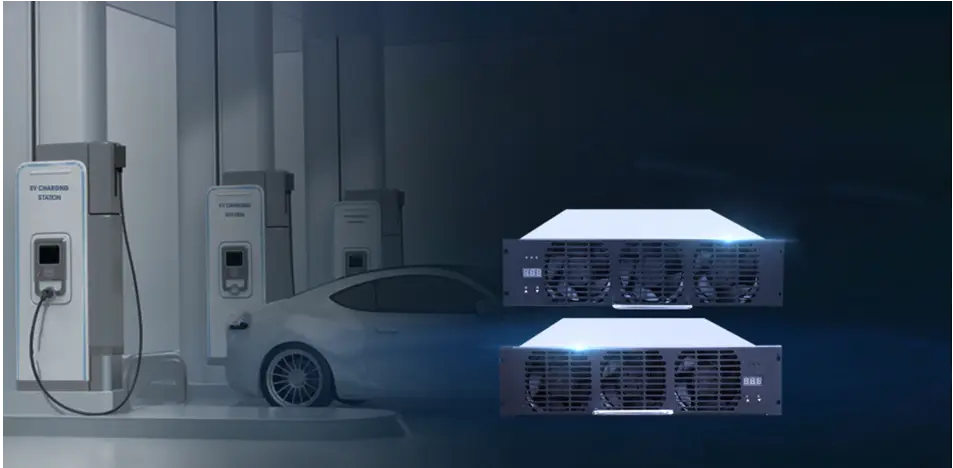
A reliable 60kW DC charger is built on a modular configuration. Rather than utilizing a single 60kW inverter, industry-leading manufacturers implement multiple hot-swappable 20kW or 30kW sub-modules. This configuration ensures N-1 redundancy; if a single power module encounters a fault, the station continues operating at reduced capacity rather than suffering complete downtime.

Feature Spec Technical Parameters Strategic Benefit
Power Modules 2x 30kW or 3x 20kW Config Modular redundancy, reduced maintenance downtime.
Input Voltage 380V - 480V AC (3-Phase + PE) Broad compatibility with global industrial grids.
Efficiency ≥ 95% at Nominal Load Lower operational losses (OPEX) and minimal heat dispersion.
Interface Options CCS1, CCS2, CHAdeMO, NACS Seamless compatibility with North American, European, and Asian EVs.

WELCOME TO

MIDA GROUP

Shanghai Mida Cable Group Ltd. operates through its wholly owned subsidiaries: Shanghai Mida EV Power Co., Ltd., Shenzhen Mida EV Power Co., Ltd., and Shanghai Mida New Energy Co., Ltd.

Mida Cable manufactures a comprehensive range of EV charging cables, including 16A–80A J1772 cables, 16A–63A IEC 62196-2 Type 2 cables, and DC fast charging cables: CCS1 (80A–500A), CCS2 (125A–1000A), CHAdeMO (125A–300A), GBT (200A–1000A), and NACS connectors (250A–600A).

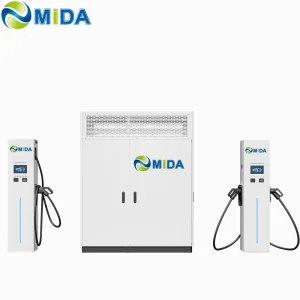
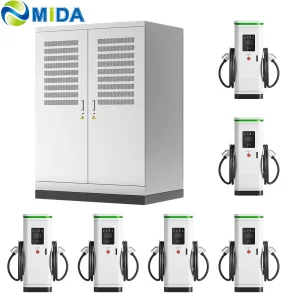
MIDA EV Power produces a full lineup of EV charging stations, such as 7kW–50kW mobile chargers, 3.6kW–7.2kW portable DC chargers, 360kW–1440kW split-type DC fast chargers, 20kW–50kW wall-mounted DC chargers, and 60kW–480kW floor-standing DC fast charging stations.

MIDA New Energy specializes in EV charger power modules, offering 20kW–60kW standard modules, 40kW–125kW liquid-cooled modules, 30kW–62.5kW bidirectional modules, and 20kW–45kW V2G charging modules.

Advanced Engineering & Global Compliance

Our technologies align with rigorous international standards to ensure optimal safety, performance, and long-term grid integration.

Comprehensive Safety Matrix

Over-current, over-voltage, under-voltage, ground fault, surge protection, and intelligent thermal management safeguards ensure a stable lifecycle exceeding 10 years.

Smart Grid Integration (OCPP)

Equipped with OCPP 1.6J and 2.0.1 capabilities, enabling remote billing systems, dynamic load-shedding, over-the-air (OTA) updates, and advanced fleet scheduling.

E-E-A-T Certified Sourcing

Built with Tier-1 semiconductors (Silicon Carbide technology) and copper core components. Globally certified under CE, UL, ETL, and CB frameworks for seamless grid integration.

Complete Infrastructure Categories

From low-power destination chargers to high-power megawatts, explore our segmented product architectures.

AC EV Charger
AC EV Charger

Reliable and smart AC destination chargers designed for commercial properties and residential compounds.
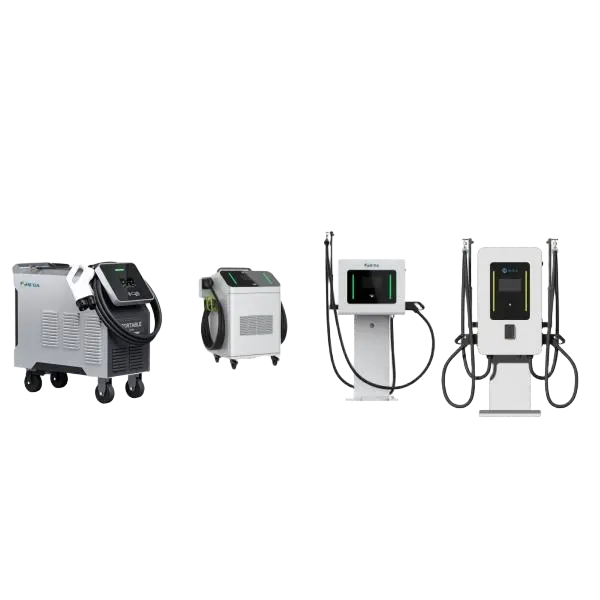
Wall-Mounted/Mobile EV Charger
7kW 20kW 30kW 40kW 60kW 80kW
Wall-Mounted
Wall-Mounted/Mobile EV Charger
View More
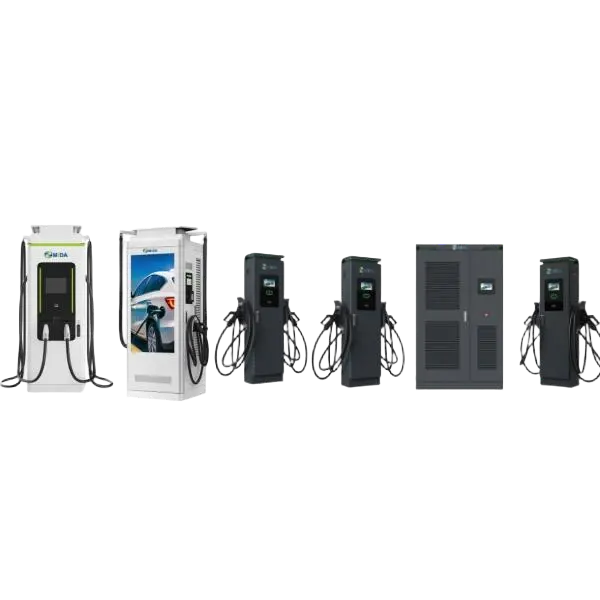
DC Charger Station
DC Charger Station
60kW-480kW 360kW-1440kW
DC Station
DC Charger Station
View More
BESS Charging Station
60kWh 261kWh 418kWh 625kWh 2MkWh

Integrated energy storage solutions featuring local battery arrays combined with high-power fast charging outlets, perfect for peak shaving and grid-constrained regions.
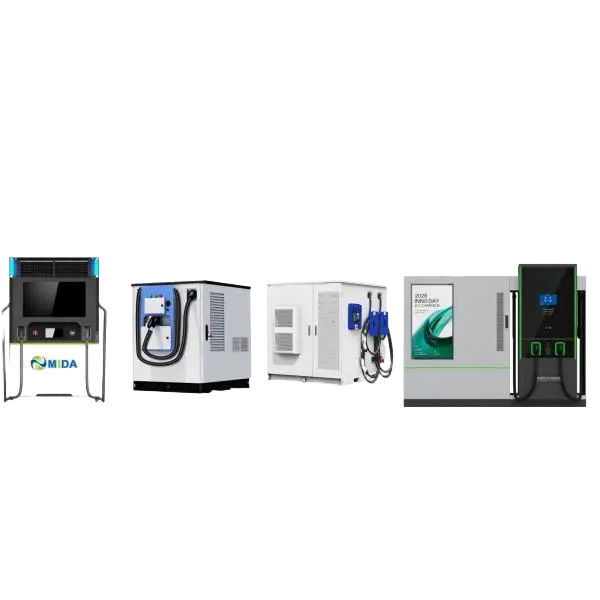
BESS Charging
BESS Charging Station
View More
BESS Station Showcase

MAIN PRODUCTS

Explore our industrial range of hardware components, charging interfaces, and heavy-duty stations.
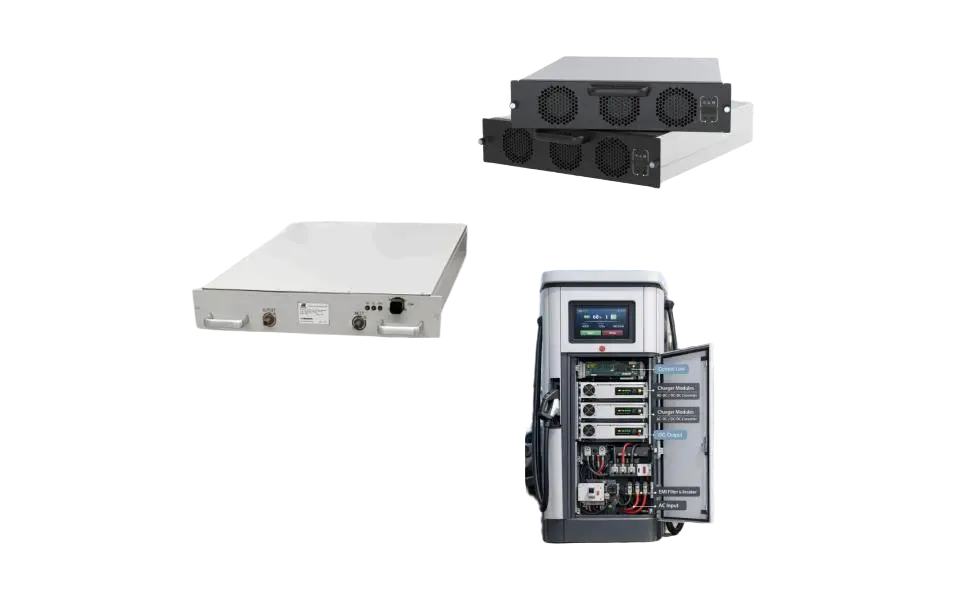
EV Charging Power Module
  • 30kW 40kW 50kW 60kW 80kW AC DC EV Charger Module
  • 30kW 40kW 50kW 60kW DC DC EV Charger Module
  • 40kW 60kW 75kW 125kW Liquid Cooled Power Module
  • 20kW 22kW 30kW 40kW 45kW V2G Power Module
  • 30kW 40kW 50kW 60kW MPPT Power Module
  • 20kW 50kW 62.5kW Bidirectional AC DC Power Module
View More →
EV Charging Power Module
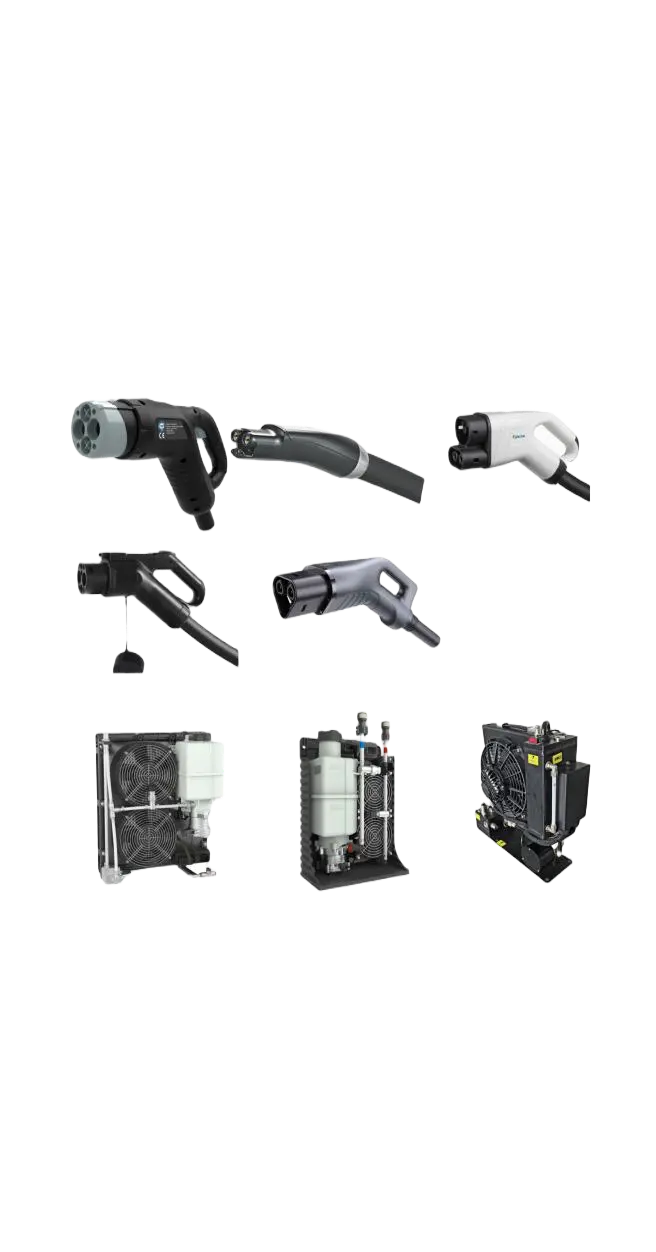
DC Charging Connector & Liquid Cooling Unit
  • 500A 600A CCS1 & CCS2 & GBT Connector
  • 125A 250A 300A 350A NACS & CHAdeMO Connector
  • 1500A MCS Connector & CHAOJI Connector
  • 3.5kW 4.5kW 6kW 9kW Integrated Liquid Cooling Unit
  • 2.4kW 3.5kW Split Type Cooling Unit
  • 25kW ~72kW Cooling Unit for HPC Charging
View More →
DC Charging Connector & Liquid Cooling Unit
DC Fast Charger Station
  • 7kW~ 60kW Mobile DC Charging Station
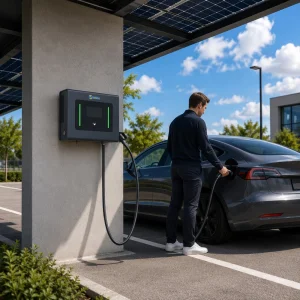
  • 20kW ~80kW Wall Mounted DC Charging Station
  • 60kW ~480kW Floor Mounted Charging Station
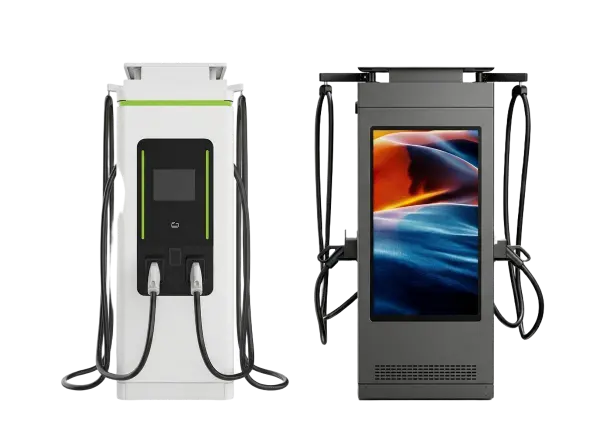
  • 60kW~240kW Advertising Charging Station (43inch , 55inch )
  • 600kW ~1080kW Liquid Cooled Charging Station
  • 360kW ~ 1680kW Split Type DC Charging Station
View More →
DC Fast Charger Station
Energy Storage Charging Station
  • 15kW~480kW Mobile ESS Charging Station
  • 60kW ~ 400kW Integrated ESS Charging Piles
  • 65kWh~200kWh Emergency Rescue Charging Station
  • 165kwh Automatic Charging Robot
  • 800kwh~2000kwh Solar Energy Charging System
View More →
Energy Storage Charging Station

Localized Applications and Global Integration Strategies

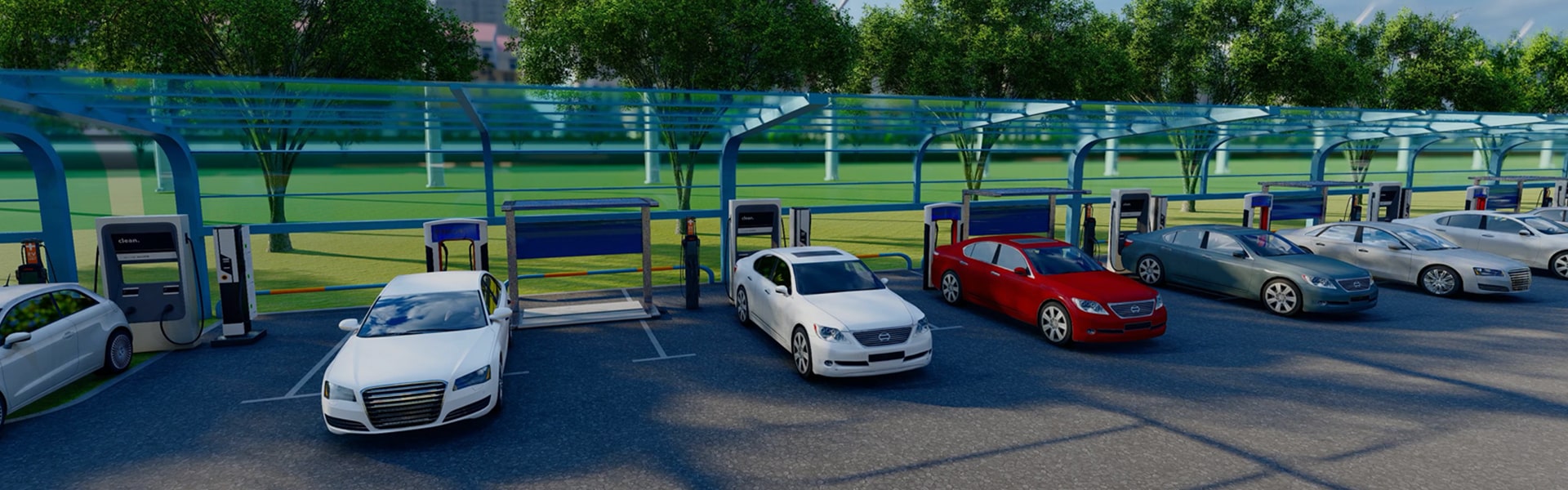
A key aspect of implementing 60kW DC charging stations lies in understanding the environmental, mechanical, and regulatory differences across global markets. The optimal system configuration for a public site in Munich differs significantly from a commercial fleet depot in California or an industrial plant in Singapore.

Local Application Scenarios

Our 60kW DC fast charging systems are tailored for highly specific use cases, offering optimized thermal footprints and cabinet sizes:

  • Last-Mile Logistics Hubs: Courier and delivery hubs operate on tight shift rotations. A 60kW DC charger delivers standard delivery vans from 10% to 100% state-of-charge during driver lunch breaks or shift changeovers, maximizing active vehicle uptime.
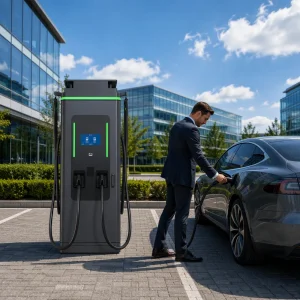
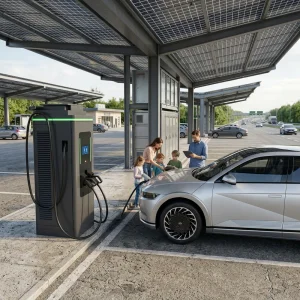
  • Retail and Shopping Centers: Typical retail store dwell times range between 45 and 90 minutes. Implementing a dual-port 60kW system allows multiple shoppers to recover over 150-200 km of driving range during a standard visit.
  • Workplace Fleets: Enables corporate fleets to quickly charge high-utilization executive cars and utility vehicles, avoiding the slower 8-10 hour turnaround of AC Level 2 chargers.

Regulatory and Compliance Standards

Deploying charging stations globally requires adherence to local electrical standards. A standard 60kW charger from our factory can be built to comply with multiple regional standards:

  • North America (UL/cUL): Full compliance with UL 2202 and UL 2231 standards, including FCC Class A electromagnetic shielding and NEC 625 ventilation compliance.
  • Europe (CE/RED): Full alignment with CE Mark requirements, covering low voltage, electromagnetic compatibility, and EN 301 549 accessibility guidelines.
  • Grid Integration (G99/IEEE 1547): Meets localized utility connection requirements to ensure that high-speed switching does not induce harmonics or power fluctuations in regional distribution lines.

Technology Roadmap: The Future of 60kW Charging Systems

Looking ahead, 60kW chargers are transitioning from simple power delivery points into bidirectionally-active node elements within smart grids. Our factory's R&D efforts are focused on three core technological frontiers:

1. Bidirectional Charging & V2G (Vehicle-to-Grid)

Future iterations of the 60kW DC fast charger incorporate bidirectional power electronics (V2G/V2H). By leveraging ISO 15118-20 protocol communications, a fleet of connected delivery vans can act as a combined decentralized battery bank, returning energy to the building or grid during peak demand periods, thereby creating new revenue streams for operators.

2. Next-Generation Silicon Carbide (SiC) Power Modules

Transitioning from traditional IGBT modules to advanced Silicon Carbide (SiC) MOSFETs allows our chargers to operate at higher switching frequencies. This reduces module size by 30%, lowers cooling requirements, and pushes charging system efficiency past 96.8% under typical loads.

3. Hybrid Solar-BESS Coupling

We are integrating our 60kW DC chargers directly with low-voltage DC microgrids. By coupling charging piles directly to solar panels and Battery Energy Storage Systems (BESS) without repeated DC-to-AC transformations, efficiency improves by up to 8%, reducing local utility grid reliance.

CORPORATE NEWS

Stay up to date with the latest advancements in pantograph charging, high-power solutions, and installation best practices.

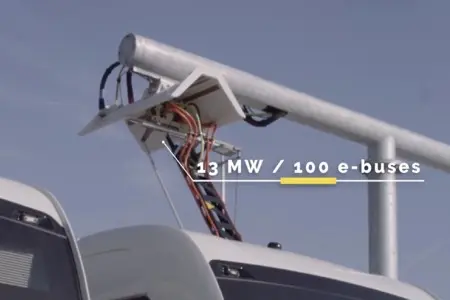
What are the advantages of an e-bus pantograph dome? In contrast to classic plug-in charging systems, e-bus pantogra...
How long does it take to charge with an e-bus pantograph? The charging time depends on the battery capacity and the ...
How to Install the Pantograph Up Charger System Dome for Electric Bus Installing a “Pantograph Up” syste...

Frequently Asked Questions (FAQ)

Expert insights on procurement, installation, and operations for our 60kW DC Fast Charger systems.

What is the typical charging speed of a 60kW DC charger?
A 60kW DC charger can charge a standard electric passenger car with a 60kWh battery from 10% to 80% in approximately 30 to 45 minutes, depending on the vehicle's onboard battery management system (BMS) and temperature.
Does a 60kW DC fast charger require a dedicated transformer substation?
In most instances, no. Unlike 150kW+ chargers, a 60kW unit draws around 90-100 Amps at three-phase 400V. This demand can usually be met by standard commercial building electrical panels, avoiding the cost of a dedicated medium-voltage substation.
What connectivity standards do your 60kW chargers support?
All our 60kW chargers support OCPP 1.6J (upgradable to OCPP 2.0.1) for back-end software management. Connection options include 4G/LTE cellular modules, Wi-Fi, and RJ45 Ethernet.
Can a single 60kW charger charge two vehicles simultaneously?
Yes, our dual-outlet models feature dynamic load balancing. When two vehicles are connected, the system splits power output (typically 30kW per port) and adjusts delivery dynamically based on real-time demands from each vehicle's BMS.
How does the modular design benefit charging network operators?
Our 60kW chargers feature 20kW or 30kW hot-swappable power modules. If one module fails, the system continues running at reduced power. This allows technicians to replace the faulty module without shutting down the entire station, significantly reducing service downtime.
MIDA Group Production Banner