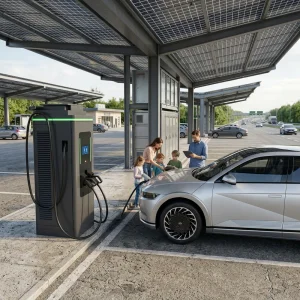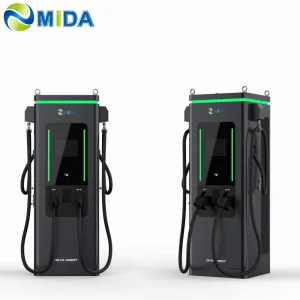
Explore our premium lineup of high-performance Level 3 DC chargers, smart dual-port hubs, and integrated energy storage solutions.
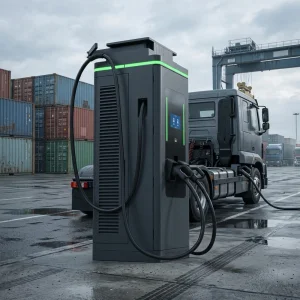
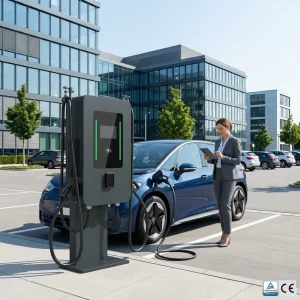
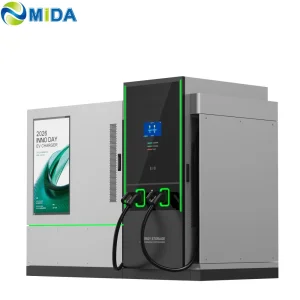
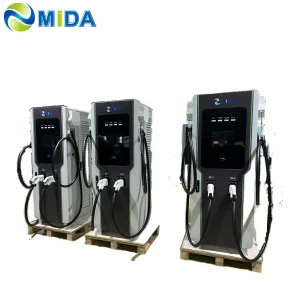
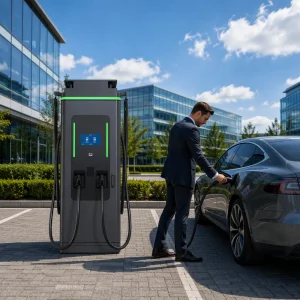
Analyzing Global Procurement Cost Drivers, Market Demands, and Technological Frameworks.
In the global electrification transition, the procurement of electric vehicle (EV) charging stations represents a complex balance of capital expenditure (CapEx) and operational efficiency (OpEx). The total unit cost is not merely a reflection of the outer casing or brand reputation, but a direct calculation of power electronics engineering.
The primary cost driver in a Level 3 DC fast charger is the EV Charging Power Module. Accounting for approximately 30% to 40% of the total bill of materials (BOM), the module determines the conversion efficiency from alternating current (AC) grid power to direct current (DC) battery power. High-efficiency modules (such as standard 30kW, 40kW, 60kW, or liquid-cooled 75kW/125kW configurations) mitigate thermal loss, which directly translates to reduced lifetime cooling costs and higher utility utilization rates.
SEO Insight & Information Gain: Sourcing low-cost stations with inferior power modules leads to premature degradation, higher harmonic distortion at the grid connection, and an exponential rise in maintenance events. A premium manufacturer offers certified modules compliant with standard OCPP 1.6J/2.0.1 protocols to assure interoperability and long-term asset security.
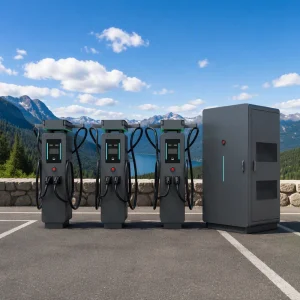
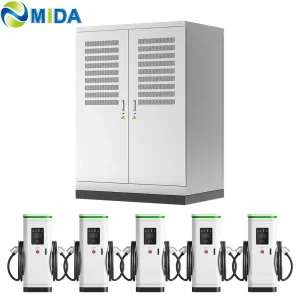
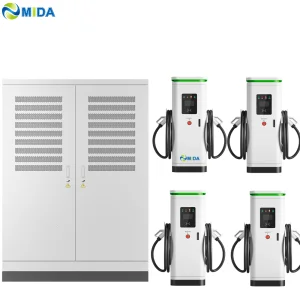
As passenger cars and commercial fleets migrate toward 800V and 1000V architectures, the demand for high-power charging (HPC) has grown. Charging infrastructures are shifting from individual 60kW dispensers to massive Split-type DC Charging Stations capable of delivering up to 1440kW. These systems dynamically allocate power in 40kW increments to multiple vehicles, reducing initial grid connection requirements.
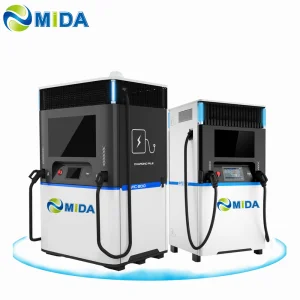
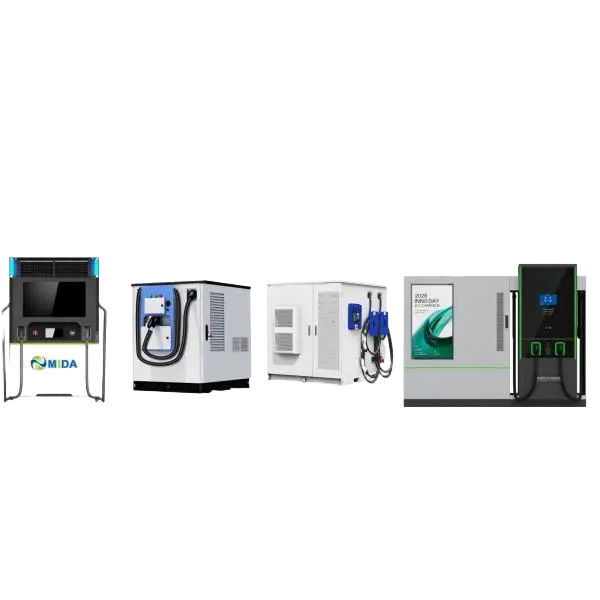
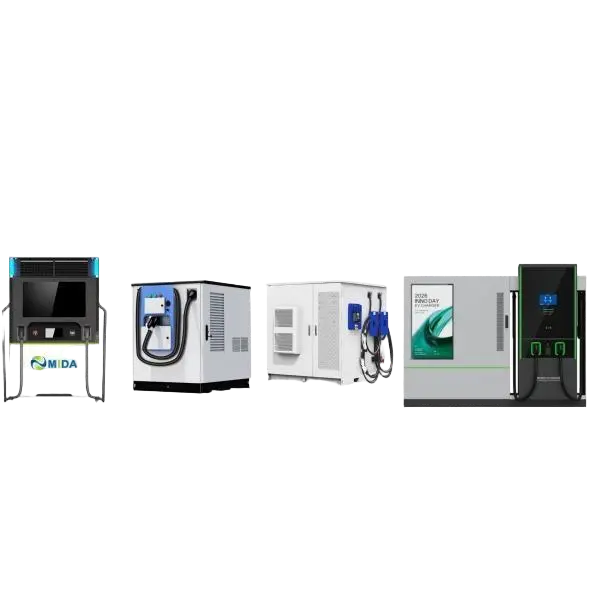
Furthermore, grid congestion has forced the integration of Battery Energy Storage Systems (BESS). By coupling localized battery storage (ranging from 60kWh to 2MkWh) with DC chargers (e.g., 60kW to 400kW Integrated ESS Charging Piles), site operators can bypass expensive substation upgrades. These integrated systems draw energy during low-demand periods and deliver peak power to charging vehicles, reducing overall operating costs.
Shanghai Mida Cable Group Ltd. operates through its wholly owned subsidiaries: Shanghai Mida EV Power Co., Ltd., Shenzhen Mida EV Power Co., Ltd., and Shanghai Mida New Energy Co., Ltd.
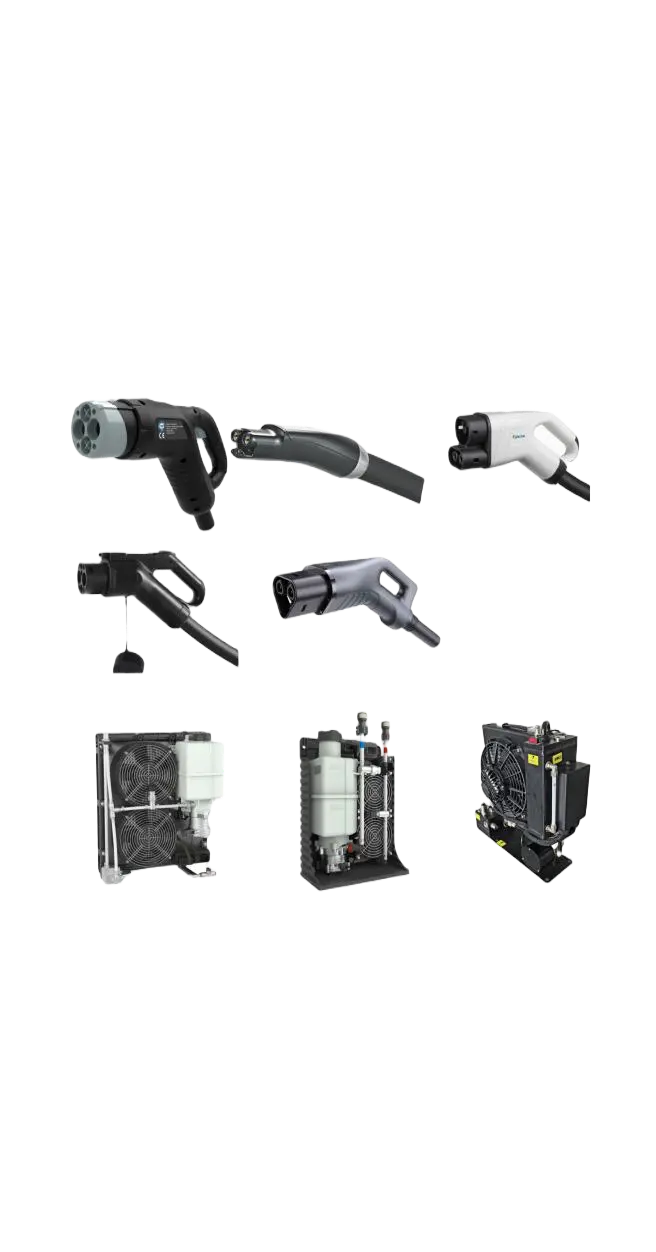
Mida Cable manufactures a comprehensive range of EV charging cables, including 16A–80A J1772 cables, 16A–63A IEC 62196-2 Type 2 cables, and DC fast charging cables: CCS1 (80A–500A), CCS2 (125A–1000A), CHAdeMO (125A–300A), GBT (200A–1000A), and NACS connectors (250A–600A).
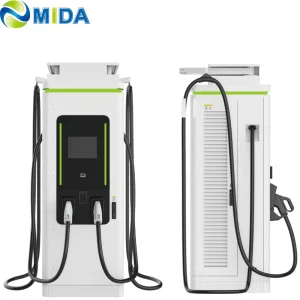
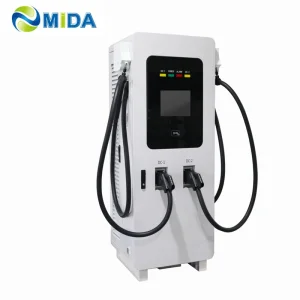
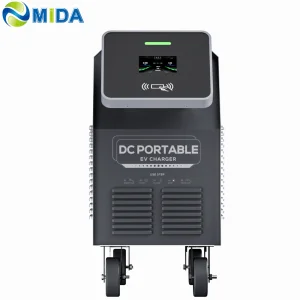
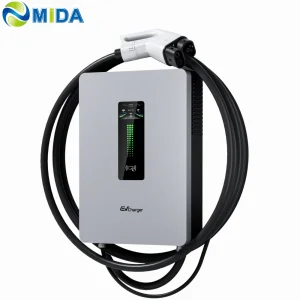
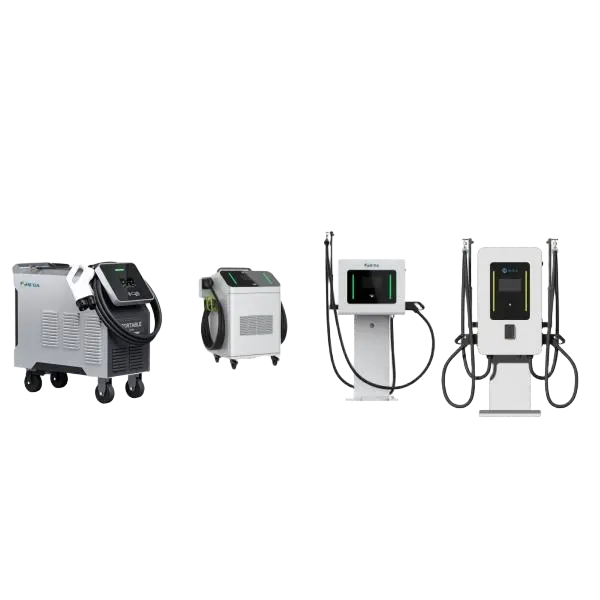
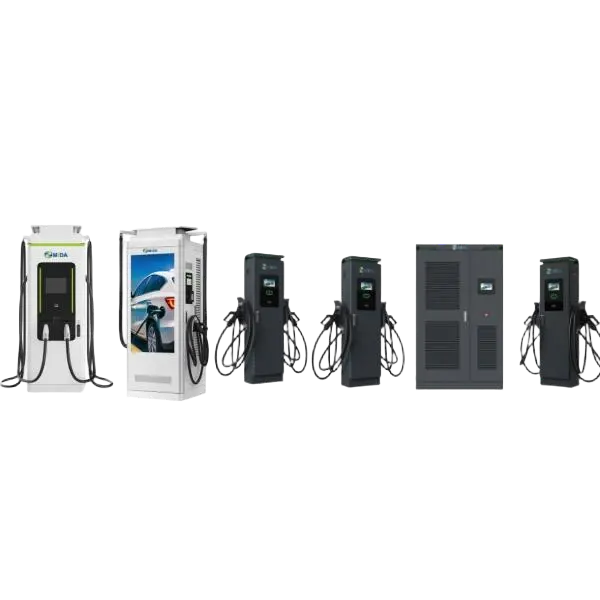
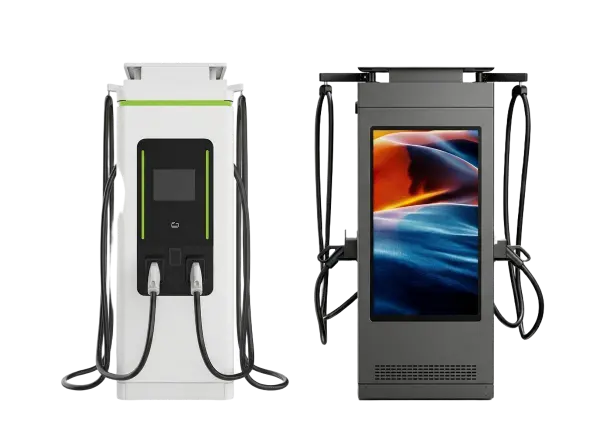
MIDA EV Power produces a full lineup of EV charging stations, such as 7kW–50kW mobile chargers, 3.6kW–7.2kW portable DC chargers, 360kW–1440kW split-type DC fast chargers, 20kW–50kW wall-mounted DC chargers, and 60kW–480kW floor-standing DC fast charging stations.
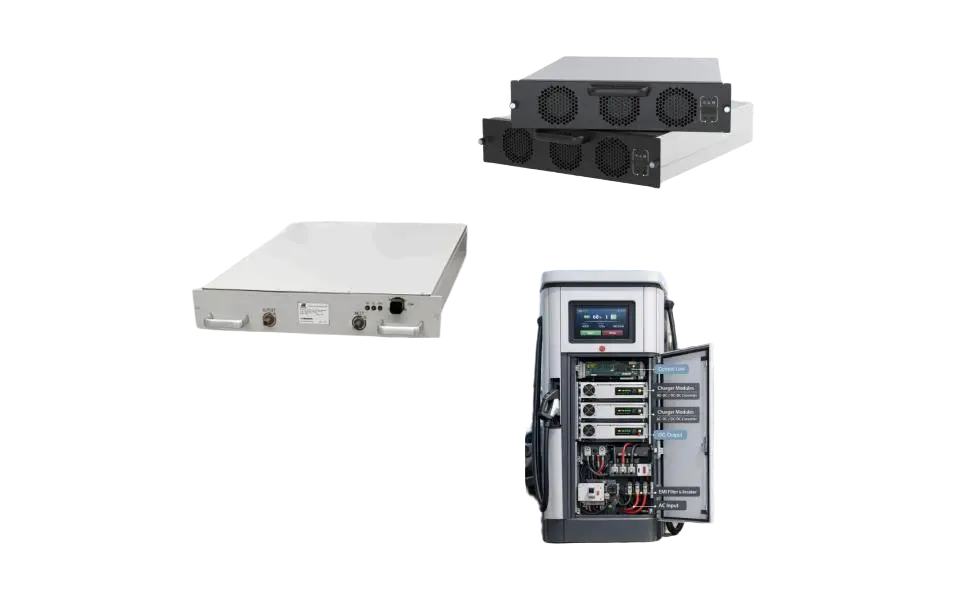
MIDA New Energy specializes in EV charger power modules, offering 20kW–60kW standard modules, 40kW–125kW liquid-cooled modules, 30kW–62.5kW bidirectional modules, and 20kW–45kW V2G charging modules.

Customizable configurations engineered for reliability, safety, and operational excellence.
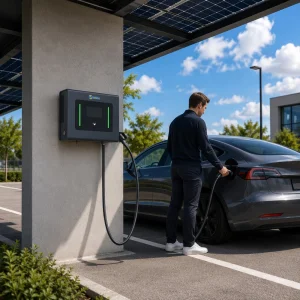
Smart AC chargers designed for workplace parking, residential complexes, and depot overnight operations.
Compacted size with Level 3 performance. Perfect for workshops, smaller commercial fleets, or temporary mobile deployments.
High-voltage systems supporting multiple standard configurations (CCS1, CCS2, NACS, CHAdeMO, GBT) to power transit buses, trucks, and public vehicles.
Integrated energy storage systems that balance high-power demand without overloading utility transformer substations.
Mida's vertical integration ensures every element, from power modules to liquid cooling systems, is manufactured in-house for optimal compatibility.
The electrical engine of the charger unit, converting raw grid currents into accurate automotive battery-matching loads.
Reliable heavy-duty cabling systems for high amperage transfer, incorporating internal fluidic cooling channels.
Custom turn-key station cabinets supporting smart connectivity protocols and diverse mounting setups.
Micro-grid battery storage architectures providing load peak shaving and standalone off-grid DC charging capability.
In the global energy infrastructure market, sourcing from China-based advanced production facilities offers significant pricing advantages. This cost efficiency is not achieved by compromising safety standards, but is a direct result of supply chain integration and localized manufacturing infrastructure.
By locating fabrication centers near essential raw materials—specifically copper smelting and chemical polymers required for heavy-duty DC cables—MIDA GROUP minimizes logistical costs. Our Industry 4.0 factories integrate automated robotic component assembly, computerized power module calibration, and automated thermal chamber testing. This high level of automation reduces assembly errors and minimizes unit production costs.
This localized component ecosystem allows for rapid scalability. Whether configuring stations for high-amperage liquid-cooled CCS2 dispensers or matching standard NACS requirements, the entire supply chain remains agile, delivering shorter lead times and improved quality control.
Supply Chain Resilience Notice: In-house production of key components—such as power modules, cable pins, and liquid cooling units—reduces dependence on third-party suppliers, protecting project timelines from global logistical disruptions.
Commercial charging installations require configurations tailored to specific site parameters. The table below outlines how power outputs align with specific commercial use cases:
Stay informed with the latest updates on high-power charging technologies, transit bus electrification, and grid integration strategies.
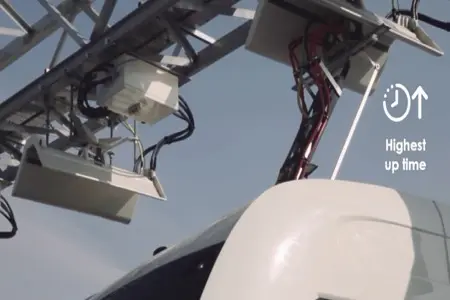
In contrast to classic plug-in charging systems, e-bus pantograph domes enable fully automated high-power connectivity. This system reduces physical depot footprint and minimizes human contact with high-voltage connectors, ensuring optimal safety during automated high-current operations.
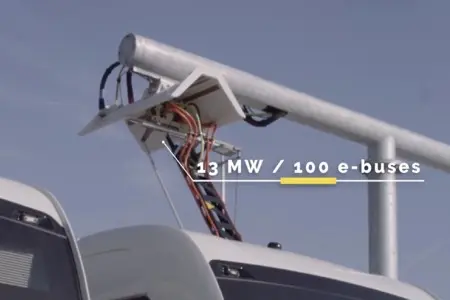
The charging time depends on the battery capacity and the output power. Using automated systems with outputs ranging from 300kW to 600kW, transit buses can charge from 10% to 80% capacity within 10 to 15 minutes during route pauses, enabling continuous service.
Installing a "Pantograph Up" system dome requires precise alignment with municipal transit overhead rails, structured concrete anchors, and communication modules that pair with the bus's onboard receiver via Wi-Fi or RFID.
Technical guidance on cost dynamics, certifications, and structural specifications.
Select from our range of high-output DC charging piles, split systems, and battery-integrated solutions for commercial deployments.