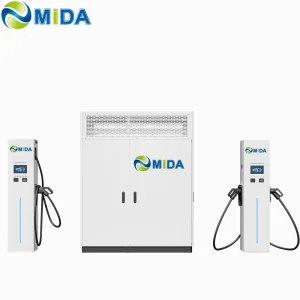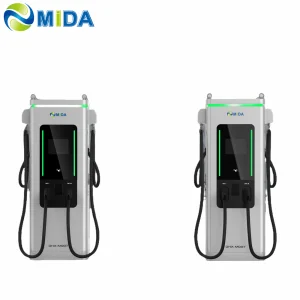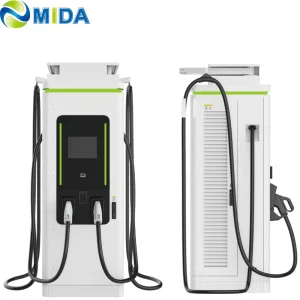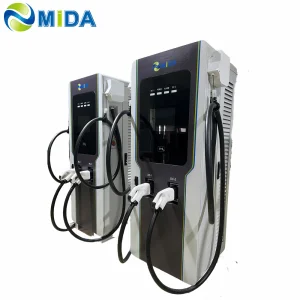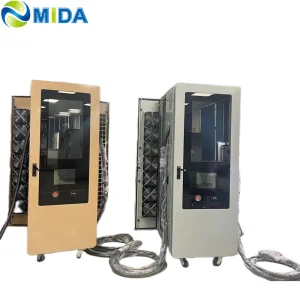
Discover our primary selection of intelligent DC and AC vehicle charging units configured for diverse regional compliance and fleet operational demands.
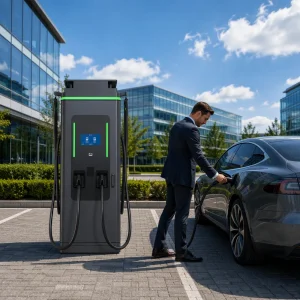
A strategic whitepaper on fleet electrification, manufacturing excellence, and technological convergences.
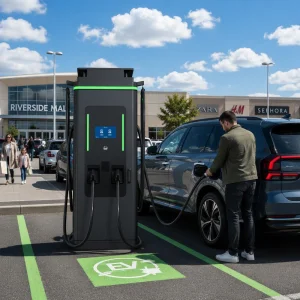
The global transition towards zero-emission transport systems has triggered an unprecedented demand for reliable, high-power Electric Vehicle Supply Equipment (EVSE). As national governments and multinational corporations commit to stringent decarbonization milestones, the role of a certified, robust charging station EV car supplier becomes central to infrastructure longevity and investment safety. No longer a novelty, fast-charging networks operate as core utilities that require high reliability, dynamic load-balancing capacities, and strict compliance with national grid protocols.
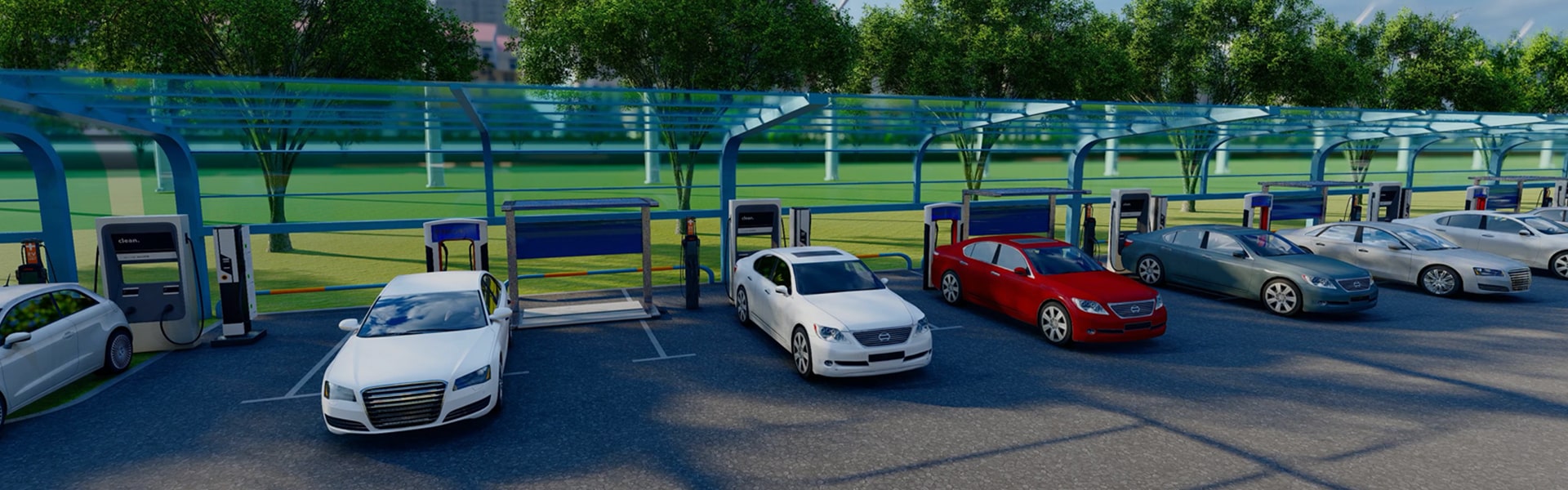
In the current industrial market, high-capacity fleet depots, municipal transit routes, and commercial high-speed corridors form the backbone of modern EVSE deployment. The integration of high-density charging corridors requires hardware optimized for low total cost of ownership (TCO), interoperability across multiple connection standards (NACS, CCS1, CCS2, GBT, CHAdeMO), and intelligent cloud management via OCPP (Open Charge Point Protocol) standards.
| Charging Topology | Typical Power Range | Standards Supported | Primary Commercial Use Case |
|---|---|---|---|
| AC Wall-Mounted / Portable | 3.6kW – 22kW | Type 1, Type 2 | Residential garages, hospitality locations, long-term fleet parking |
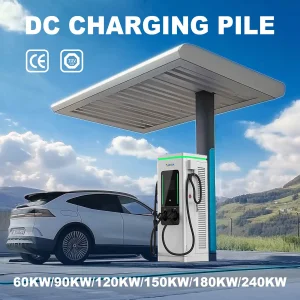
| DC Wallbox / Compact Fast | 20kW – 60kW | CCS1, CCS2, CHAdeMO, GBT | Commercial office complexes, retail centers, urban fleet depots |
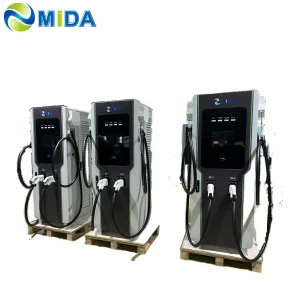
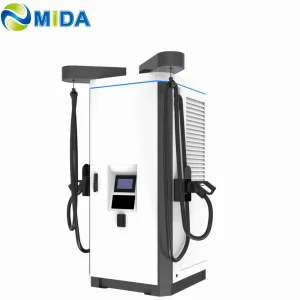
| Ultra-Fast Floor-Standing DC | 60kW – 480kW | CCS2, NACS, GBT | Highway corridors, heavy duty truck rest stops, bus terminals |
| Liquid-Cooled Megawatt Station | 600kW – 1680kW | HPC CCS, MCS, ChaoJi | Electric shipping docks, heavy commercial logistics, mining hubs |
Interoperability remains a critical challenge for global procurement agents. Modern charging network operators must deploy hardware that satisfies diverse certification frameworks such as ETL, UL2231, CE, and ISO 15118 (enabling Plug & Charge capabilities). Furthermore, grid load management is achieved through advanced features like active harmonic suppression, reactive power compensation, and phase load balancing. These systems ensure that high-power charging modules do not compromise local distribution grids during peak charging windows.
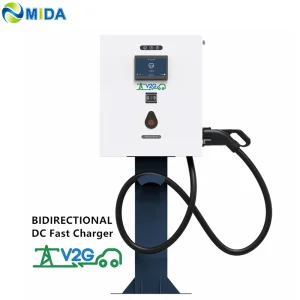
Implementing the ISO 15118-20 protocol standard allows bidirectional energy transfer (V2G - Vehicle-to-Grid). This enables electric vehicles to act as distributed energy storage assets, returning power to the facility or grid during demand spikes, thereby flattening load curves and reducing industrial demand charges.
As the epicenter of global battery production and EVSE technology incubation, China’s industrial ecosystem provides unparalleled advantages for overseas buyers. Factory operations leverage fully integrated supply chains—from domestic raw copper refining for heavy-gauge charging cables to specialized local semiconductor packaging for high-frequency silicon carbide (SiC) power switches. This tight integration ensures reduced lead times, rapid prototyping cycles for OEM/ODM requirements, and a lower per-watt cost profile without sacrificing component reliability.
By using automated production systems, precision laser soldering, and computerized high-voltage aging labs, manufacturers can guarantee product longevity and safety. Furthermore, centralized assembly lines allow for comprehensive thermal testing, ensuring that critical cooling modules operate correctly under prolonged peak loads.
Shanghai Mida Cable Group Ltd. operates through its wholly owned subsidiaries: Shanghai Mida EV Power Co., Ltd., Shenzhen Mida EV Power Co., Ltd., and Shanghai Mida New Energy Co., Ltd.
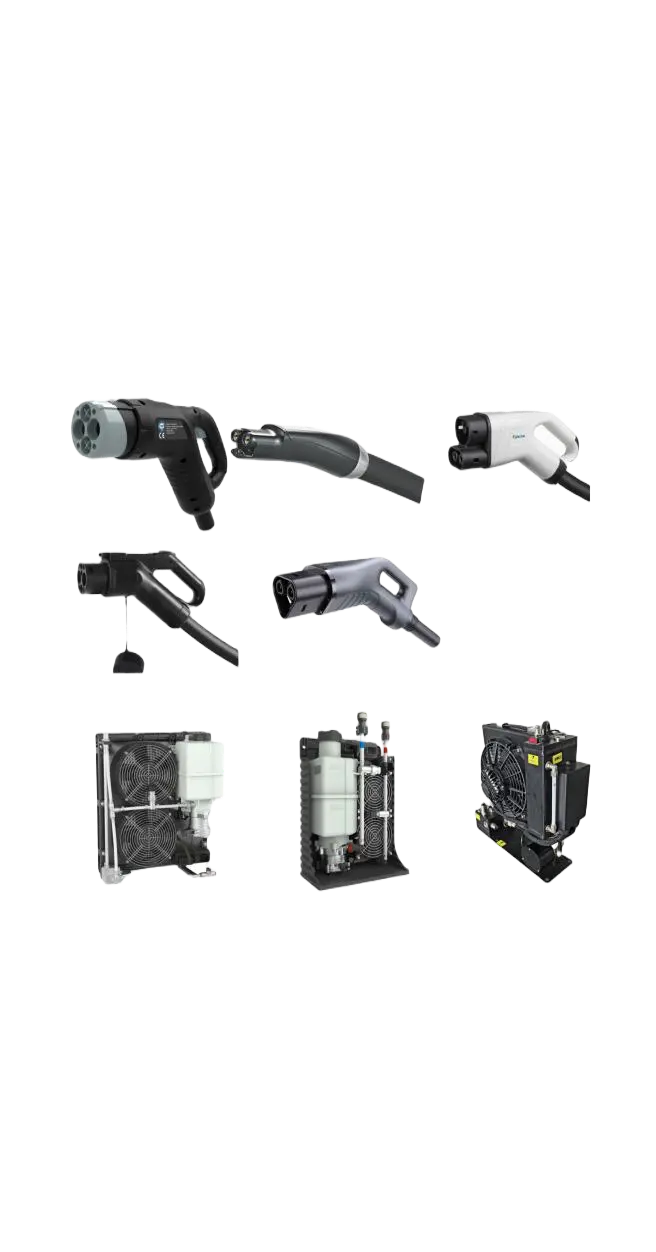
Mida Cable manufactures a comprehensive range of EV charging cables, including 16A–80A J1772 cables, 16A–63A IEC 62196-2 Type 2 cables, and DC fast charging cables: CCS1 (80A–500A), CCS2 (125A–1000A), CHAdeMO (125A–300A), GBT (200A–1000A), and NACS connectors (250A–600A).
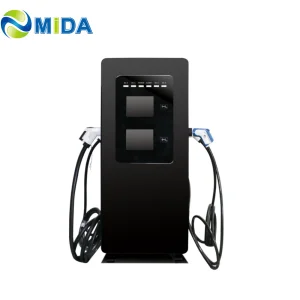
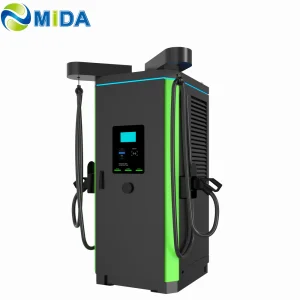
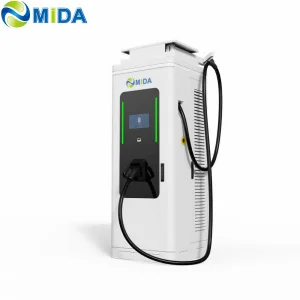
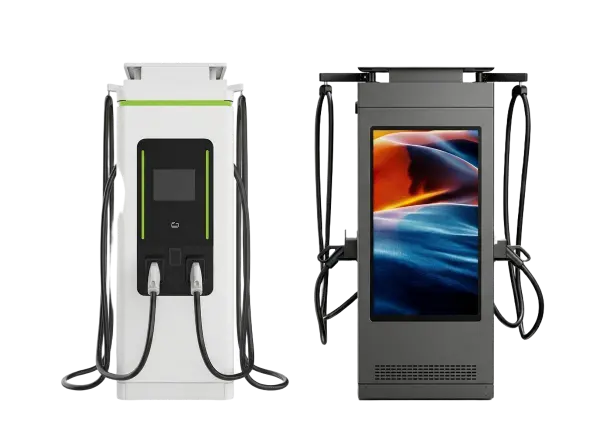
MIDA EV Power produces a full lineup of EV charging stations, such as 7kW–50kW mobile chargers, 3.6kW–7.2kW portable DC chargers, 360kW–1440kW split-type DC fast chargers, 20kW–50kW wall-mounted DC chargers, and 60kW–480kW floor-standing DC fast charging stations.
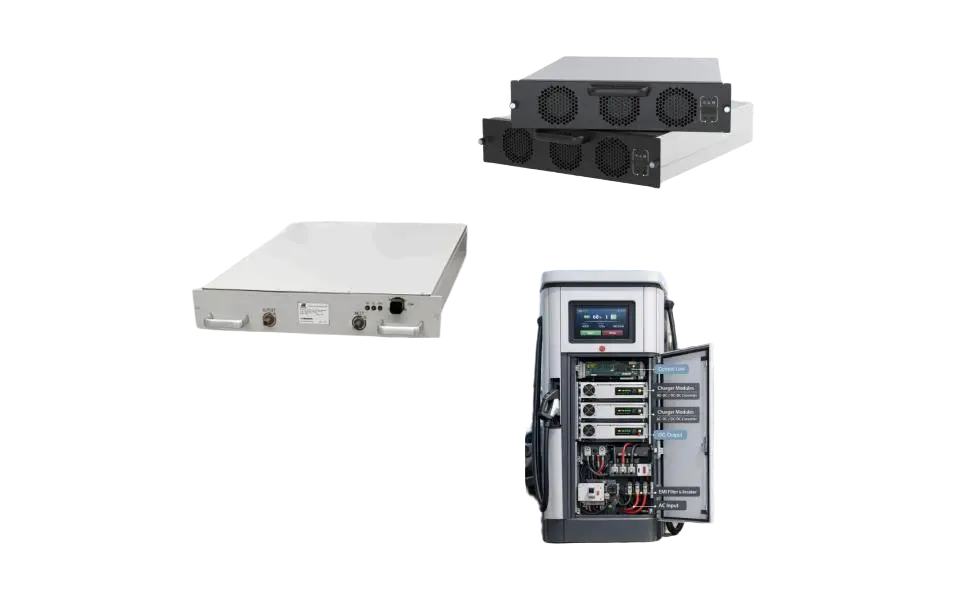
MIDA New Energy specializes in EV charger power modules, offering 20kW–60kW standard modules, 40kW–125kW liquid-cooled modules, 30kW–62.5kW bidirectional modules, and 20kW–45kW V2G charging modules.

Explore our core manufacturing divisions, engineered to address modern EV charging ecosystems from components to systems.
High-Efficiency Conversion Technology
Thermal Management & Cabling Assemblies
Complete Commercial Charging Stations
Microgrid Integrated Solar & Battery Solutions
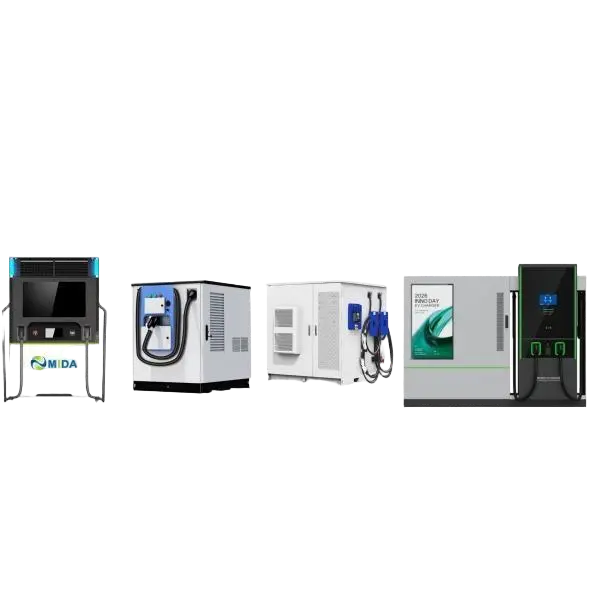
Reliable EV charger operation requires hardware optimized for local climates and environment types. For instance, charging stations deployed in coastal environments are built with high-grade, marine-class, powder-coated metals. These housings undergo rigorous salt spray testing to prevent structural deterioration. In desert environments, heavy dust and extreme temperatures require closed-loop cooling systems with an IP55 or IP66 rating to prevent electronic degradation from airborne particles.
Similarly, commercial fleet operations, such as municipal electric buses or heavy logistics vehicles, require specific physical layouts. Integrated pantograph systems are ideal for overhead opportunity charging at terminal transit stops, where high currents are delivered quickly. In contrast, overnight logistics facilities typically benefit from split-type DC systems, where central power cabinets distribute power dynamically to individual dispensers, matching the state of charge (SoC) of each parked vehicle.
For corporate purchasing managers and EPC contractors, selecting a reliable charging station EV car supplier goes beyond comparing unit prices. Key evaluations must center on the following parameters:
Stay updated with the latest technological developments, installation methodologies, and engineering concepts from MIDA's research teams.
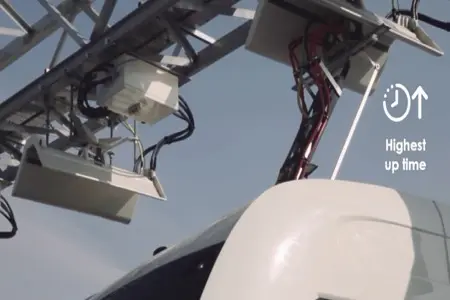
What are the advantages of an e-bus pantograph dome? In contrast to classic plug-in charging systems, e-bus pantograph charging offers hands-free operation and high-power delivery for heavy-duty transit networks.
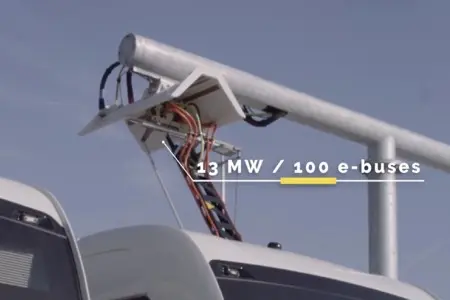
How long does it take to charge with an e-bus pantograph? The charging time depends on the battery capacity and the charging topology, enabling quick power boosts at transit stops.
How to Install the Pantograph Up Charger System Dome for Electric Bus. Installing a "Pantograph Up" system requires careful alignment, robust foundation construction, and integration with the depot grid.
Expert technical answers addressing major engineering, installation, and procurement questions.
Additional commercial products optimized for heavy trucks, buses, and advertising-integrated installations.