Explore our premium lineup of commercial-grade EV charging hardware certified to UL, TUV, and CE standards.
Shanghai Mida Cable Group Ltd. operates through its wholly owned subsidiaries: Shanghai Mida EV Power Co., Ltd., Shenzhen Mida EV Power Co., Ltd., and Shanghai Mida New Energy Co., Ltd. As a vertically integrated manufacturer, we develop and manufacture complete ecosystem components, ensuring strict control over material quality, production efficiency, and cost effectiveness.
Mida Cable manufactures a comprehensive range of EV charging cables, including 16A–80A J1772 cables, 16A–63A IEC 62196-2 Type 2 cables, and DC fast charging cables: CCS1 (80A–500A), CCS2 (125A–1000A), CHAdeMO (125A–300A), GBT (200A–1000A), and NACS connectors (250A–600A).
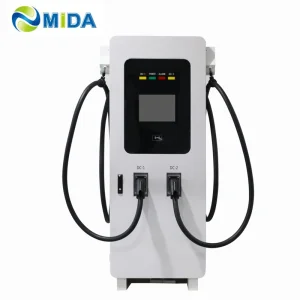
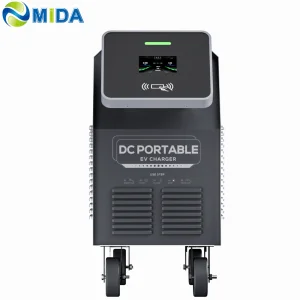
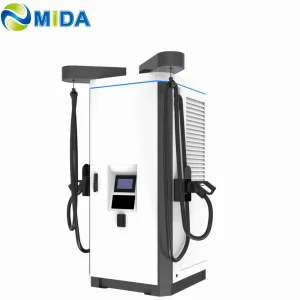
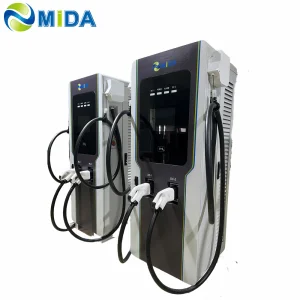
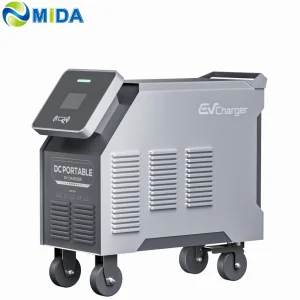
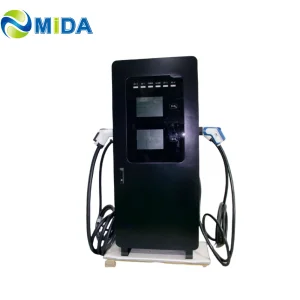
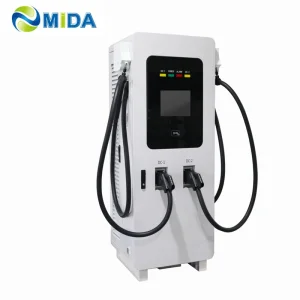
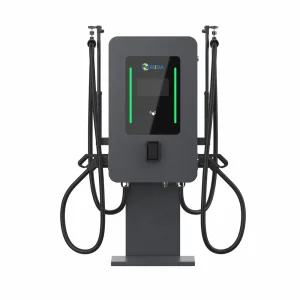
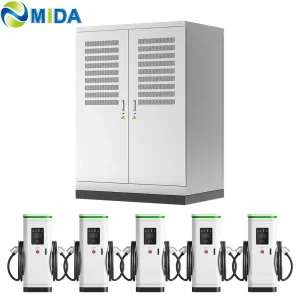
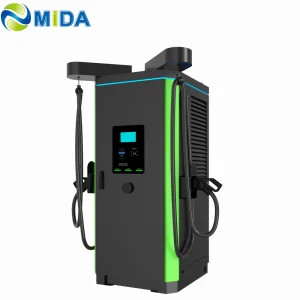
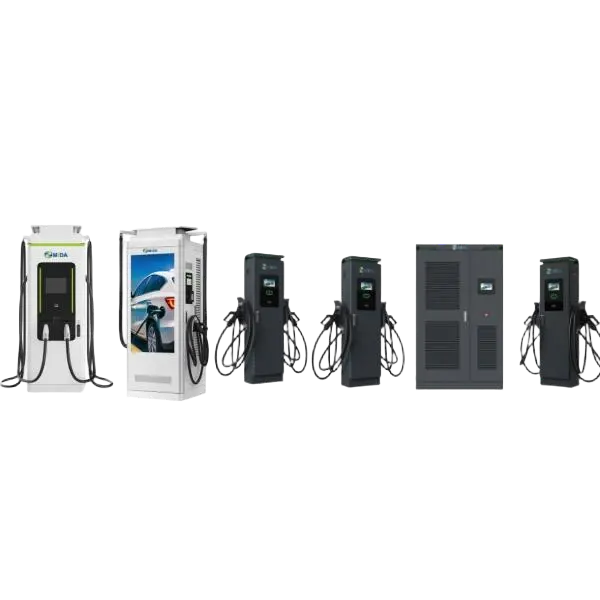
MIDA EV Power produces a full lineup of EV charging stations, such as 7kW–50kW mobile chargers, 3.6kW–7.2kW portable DC chargers, 360kW–1440kW split-type DC fast chargers, 20kW–50kW wall-mounted DC chargers, and 60kW–480kW floor-standing DC fast charging stations.
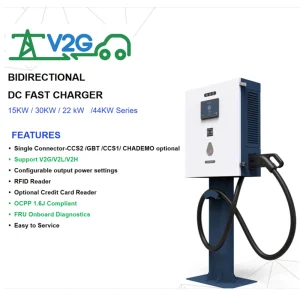
MIDA New Energy specializes in EV charger power modules, offering 20kW–60kW standard modules, 40kW–125kW liquid-cooled modules, 30kW–62.5kW bidirectional modules, and 20kW–45kW V2G charging modules.
Modern electric commercial vehicle fleets and ultra-fast highway corridors require rugged, high-voltage CCS (Combined Charging System) infrastructure. To satisfy Google’s E-E-A-T guidelines for engineering reliability, we detail the technical components behind MIDA’s industrial charging platforms below.
MIDA's New Energy division uses 3rd-generation Silicon Carbide (SiC) MOSFETs in our 30kW, 40kW, and 60kW DC/DC power modules. SiC provides superior thermal conductivity and higher switching frequencies. This reduces heat generation, shrinks magnetics, and delivers peak conversion efficiency of up to 96.5%.
To avoid grid penalties, MIDA chargers run onboard edge-computing algorithms. These dynamically balance power demands between the grid, building loads, local Energy Storage Systems (BESS), and the EV. High-voltage sub-stations dynamically distribute power outputs from 60kW up to 1440kW across several CCS outlets.
Charging at currents above 250A requires liquid cooling. Our 600kW to 1080kW liquid-cooled charging stations utilize active glycol-based chillers and lightweight CCS2 cables. This keeps connector contacts below 90°C while delivering up to 500A (continuous) to 1000A (peak).
Selecting the proper Combined Charging System standard depends on geographic grid topology, local code compliance, and target vehicle configurations.
| Parameter | CCS Type 1 (North America) | CCS Type 2 (Europe & ROW) | MIDA Hypercharging Capabilities |
|---|---|---|---|
| Standard Compliance | SAE J1772, UL 2231, UL 2202 | IEC 62196-3, IEC 61851-23 | Dual certification options for global markets |
| Nominal Grid Input | 480V AC 3-Phase (60Hz) | 400V AC 3-Phase (50Hz) | Wide input range: 380V to 480V AC ± 15% |
| Connector Interface | Single Phase AC pin + DC pins | Three Phase AC pin + DC pins | Interchangeable CCS1, CCS2, NACS, and GBT cords |
| Max Continuous Current | Up to 500A (Liquid-Cooled) | Up to 500A (Liquid-Cooled) | Custom configurations reaching up to 1000A (liquid-cooled) |
| Communication Interface | PLC (HomePlug Green PHY) | PLC (HomePlug Green PHY) | DIN 70121, ISO 15118 (Plug & Charge ready) |
Our engineering services cater to complex industrial setups. MIDA designs and manufactures charging products tailored for high uptime, severe weather conditions, and low maintenance costs.
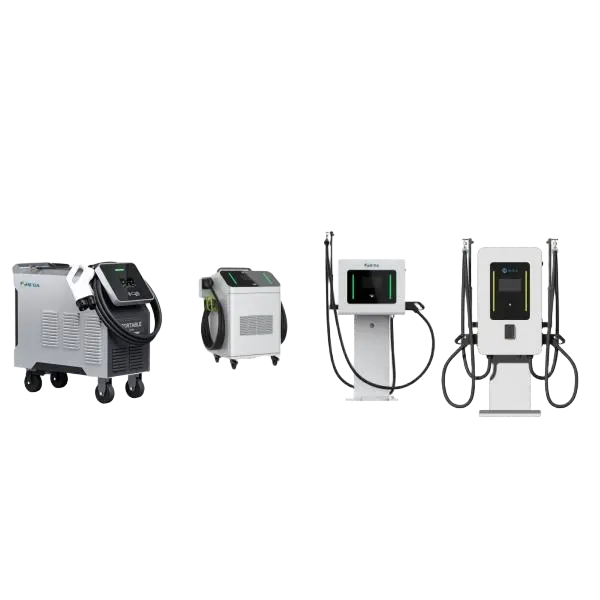
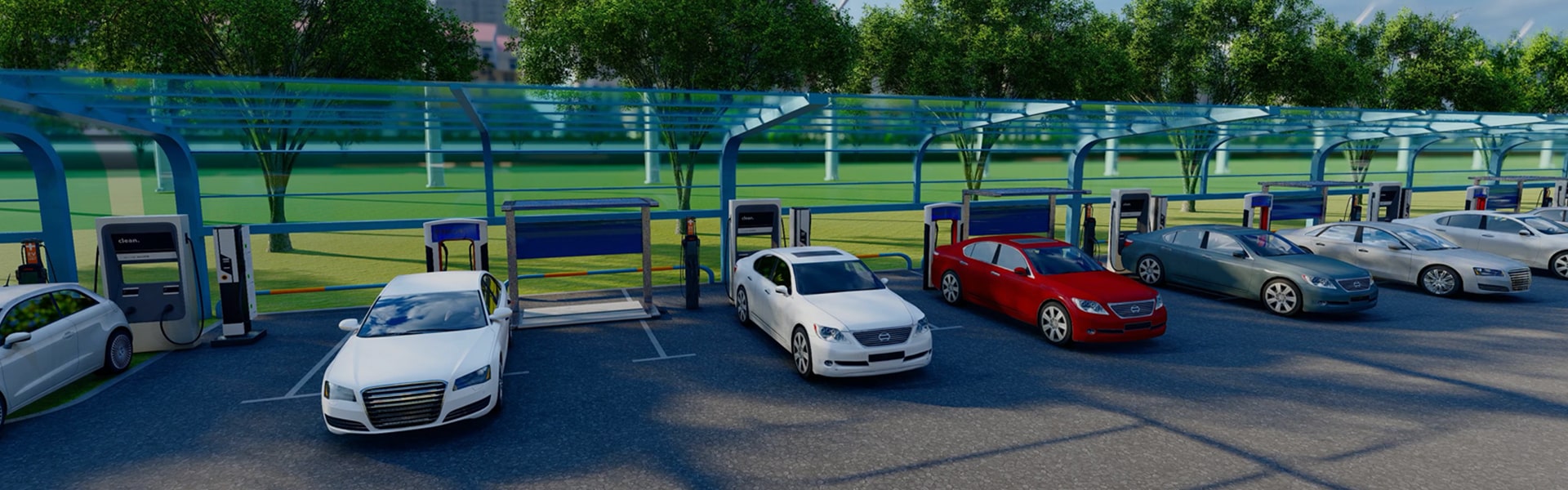
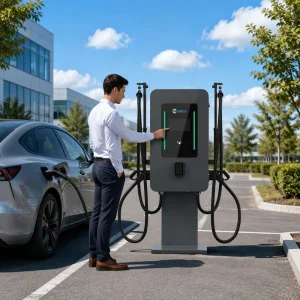
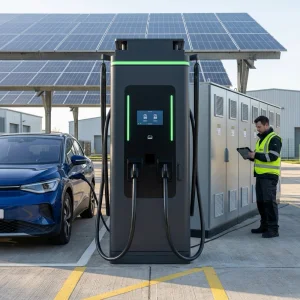
Charge Point Operators (CPOs) need long-term durability and uptime. MIDA's floor-standing stations (60kW to 480kW) feature robust steel enclosures with outdoor ratings up to IP55 / NEMA 3R. They support credit card terminal integration, OCPP-compliant smart management, and multi-protocol setups.
Heavy duty depot logistics require consistent high current outputs. Our split-system charging setups centralize power modules in a single location, running individual cables to dispensing stands. This setup minimizes weight on site, simplifies maintenance, and enables automatic power routing based on vehicle state of charge (SoC).
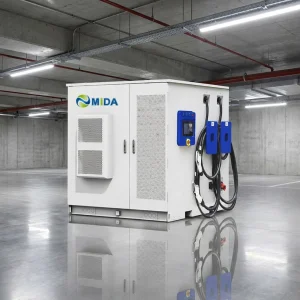
For locations with limited grid power, our Battery Energy Storage System (BESS) charging stations (available from 160kW/313kWh to megawatt-scale options) act as a buffer. They store power during off-peak hours and discharge it rapidly when an EV plugs in, protecting local distribution grids.
Our facilities utilize Factory 4.0 digital manufacturing concepts. By integrating automation, digital twins, and full Traceability Control Systems, MIDA delivers tier-1 quality at a competitive total cost of ownership (TCO).
Using automated assembly lines for power modules, selective wave soldering, and robot-assisted optical inspection (AOI), we minimize manual error. Our quality assurance systems comply with IATF 16949—the highest quality standard in the automotive supply chain.
Unlike assembly-only companies, we handle the entire design process in-house. We extrude our own TPU cords, cast copper contacts, mold rugged enclosures, and assemble power electronic modules under one roof. This structure shields procurement processes from supply chain disruptions, reduces middleman margins, and ensures strict quality control.
With electric logistics scaling up, MIDA is developing megawatt-scale charging solutions. We align our engineering efforts with the following milestones:
Our V2G modules (20kW to 45kW) enable EVs to act as virtual power plants. They help fleet operators discharge energy back to the grid during peak pricing hours, creating new revenue streams.
We are developing future-proof interfaces up to 1250V and 1500A. These will support MCS connections designed to charge heavy-duty logistics trucks in under 20 minutes.
MIDA runs next-generation firmware on our controllers, allowing real-time thermal modeling, predictive maintenance, and remote CAN bus logging. This reduces onsite servicing costs by up to 40%.
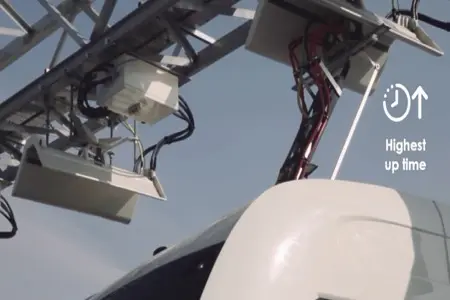
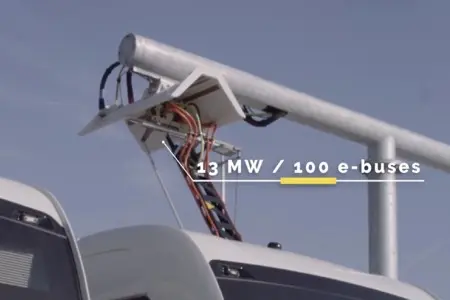
Learn about our latest technical articles and field deployments, highlighting heavy vehicle installations like e-bus pantograph systems.
Our engineering team answers common technical questions from EPC contractors and charging network operators.
Review the rest of our product range, built for private fleets, highway corridors, and commercial operators.