Deploy top-tier, certified direct-current EV charging infrastructure engineered for efficiency, resilience, and modular expandability.
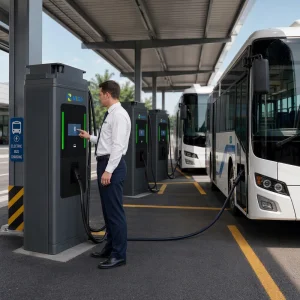

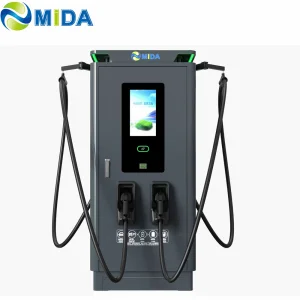
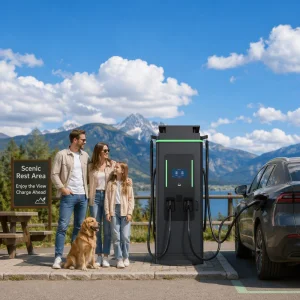
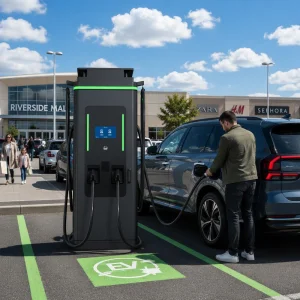
The global transition to electric mobility is no longer a futuristic outlook; it is an urgent industrial shift. Charge Point Operators (CPOs), fleet managers, and municipal entities are actively upgrading grid interfaces to deploy ultra-fast Megawatt Charging Systems (MCS) and high-power DC fast-charging stations. The technical demands have transitioned from standard overnight trickle charging to dynamic multi-vehicle megawatt dispensing systems.
In this high-stakes landscape, selecting a qualified Car Fast Charging Station Supplier involves scrutinizing power module efficiency, thermal dissipation topologies, control protocols, and supply-chain resilience. High-power DC stations operate under rigorous electrical, mechanical, and ambient pressures, rendering architectural excellence a prerequisite for achieving high return-on-investment (ROI) and minimizing operational expenditure (OPEX).
Shanghai Mida Cable Group Ltd. and its specialized subsidiaries drive the next generation of EV charging technology, integrating component fabrication with full-stack charging station manufacturing.
Shanghai Mida Cable Group Ltd. operates through its wholly owned subsidiaries: Shanghai Mida EV Power Co., Ltd., Shenzhen Mida EV Power Co., Ltd., and Shanghai Mida New Energy Co., Ltd. This strategic ecosystem allows us to achieve vertical integration across the entire product lifecycle—from liquid-cooled cables and heavy-duty connectors to intelligent power modules and MW-scale energy storage systems.
Our manufacturing capabilities cover a comprehensive spectrum:

Explore our key industrial configurations engineered to support residential, commercial, utility, and heavy-duty transport charging infrastructure.
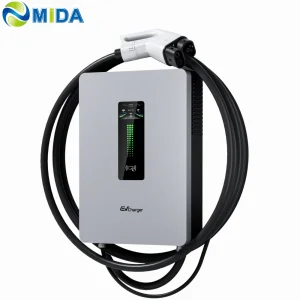
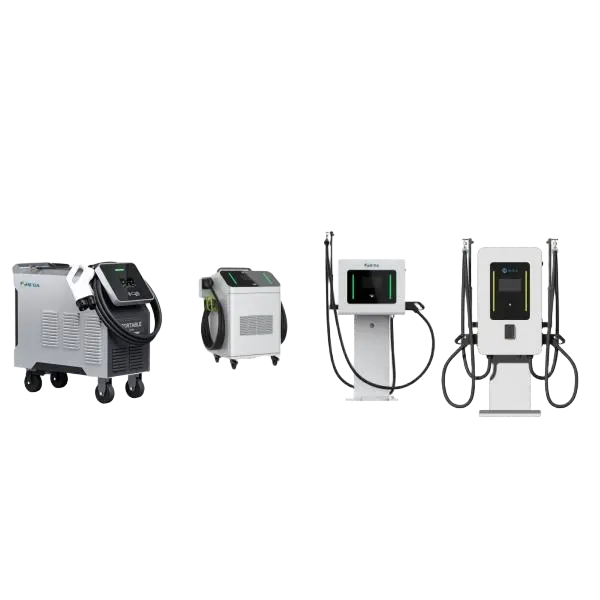
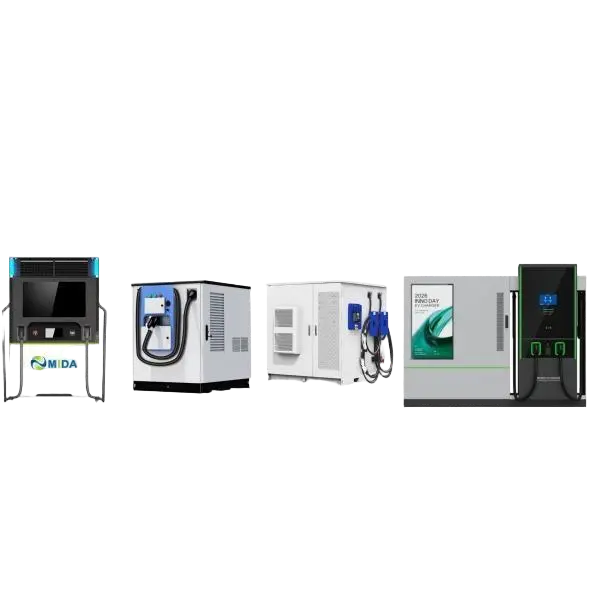
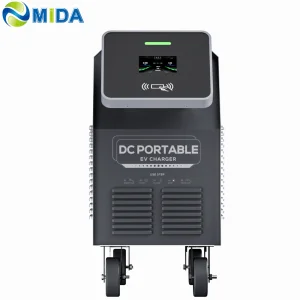
Designed for compact spatial constraints, dealerships, fleet maintenance centers, and light delivery fleets. Power levels cover 7kW, 20kW, 30kW, 40kW, 60kW, and 80kW. These setups enable quick turnaround charging without requiring intensive ground civil construction.
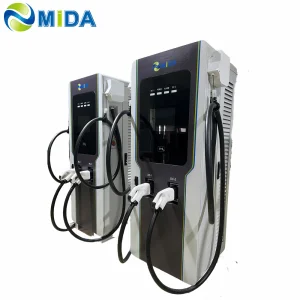
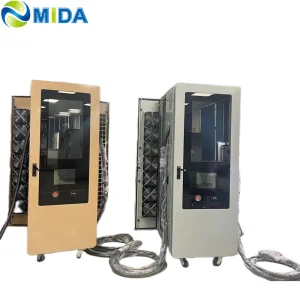
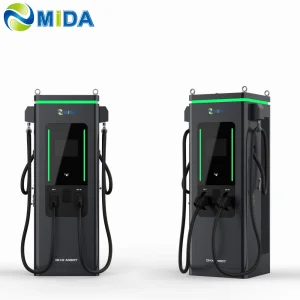
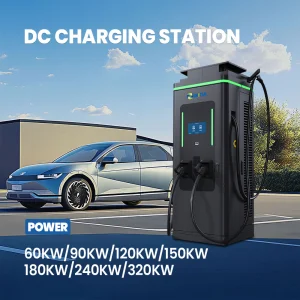
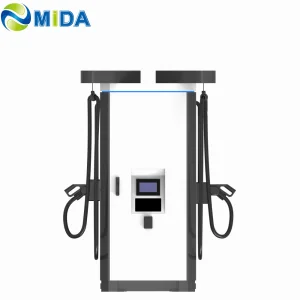
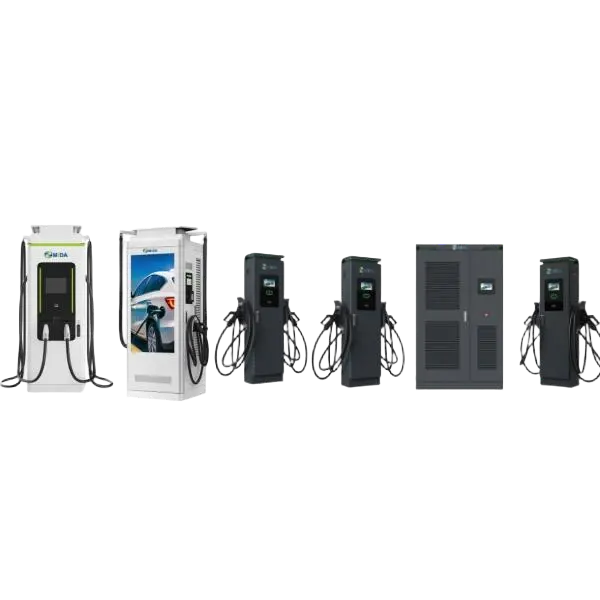
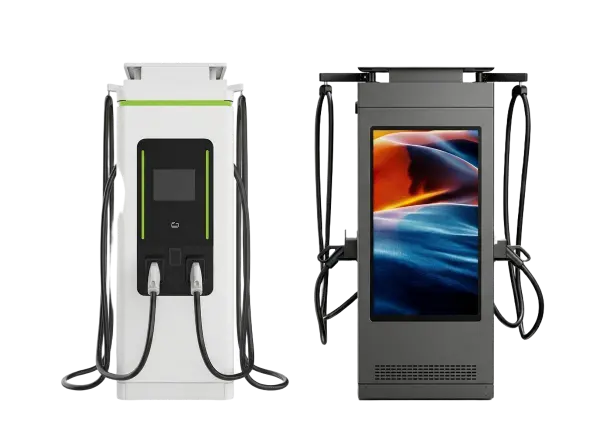
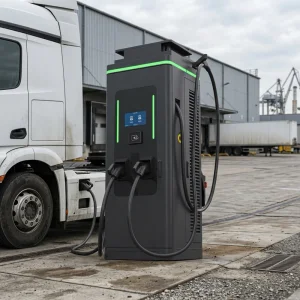
High-capacity floor-standing systems and split-architecture power cabinets matching demands from 60kW up to 1440kW. Incorporates smart dynamic phase load balancing, dual-connector power-sharing algorithms, and liquid-cooled hardware options for public charging networks and heavy trucks.
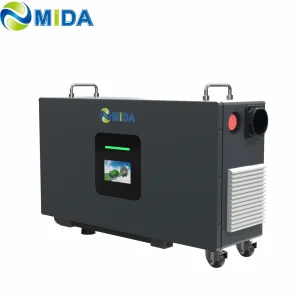
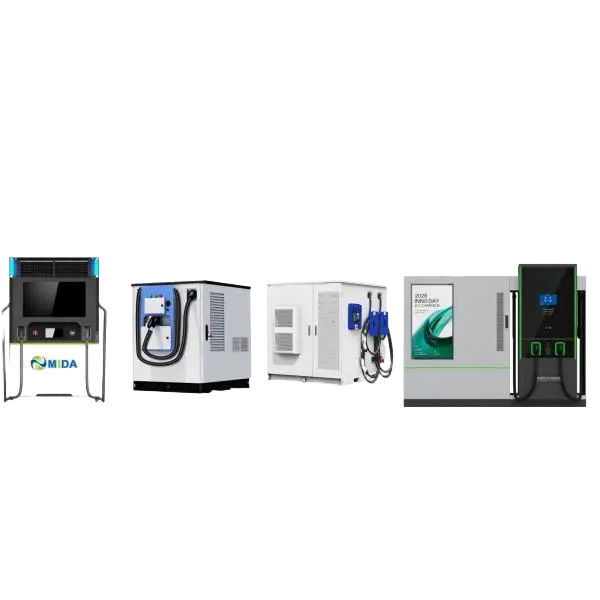
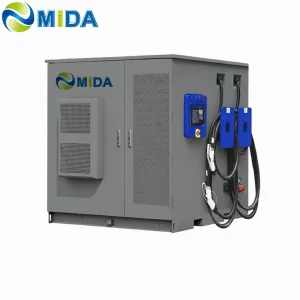
Smart Battery Energy Storage Systems (BESS) integrating 60kWh, 261kWh, 418kWh, 625kWh, and up to 2MWh battery blocks with high-voltage DC chargers. Essential for peak shaving, buffer charging in capacity-constrained grids, and off-grid EV fast charging setups.
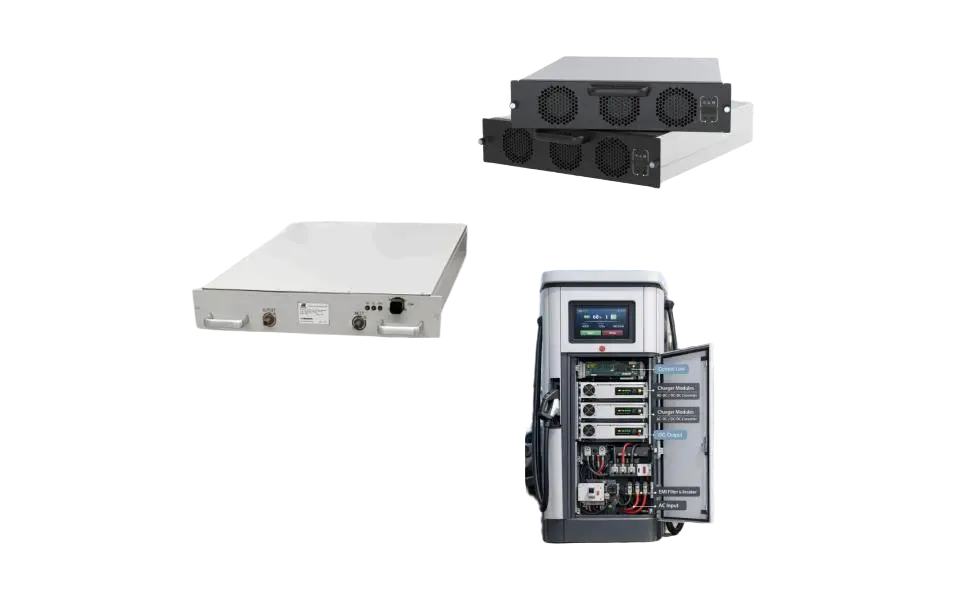
A look inside our component-level technologies. We manufacture the core building blocks that determine charging speed, safety, and longevity.
The operational heart of any DC fast charger, determining conversion efficiency, power factor, and thermal stability. Our modular architectures prevent single-point failures and optimize power allocation.
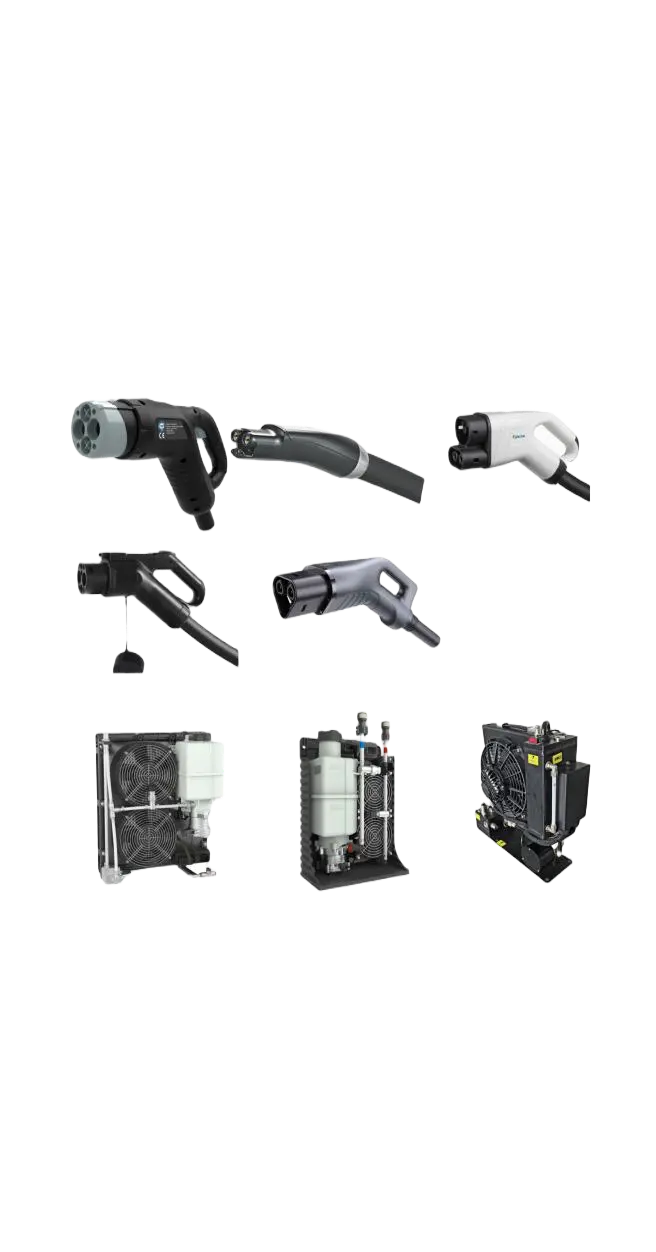
Our heavy-duty couplers, plugs, and dedicated chilling units handle extreme currents while maintaining a cool touch and preventing thermal degradation.
Flexible system integrations supporting multi-standard dispensers (CCS, NACS, CHAdeMO, GBT) and interactive payment gateways.
Intelligent off-grid and weak-grid buffers integrating lithium storage, solar inputs, and high-speed energy dispatch controls.
Integrating design, raw materials, electronics, and assembly in one ecosystem allows us to achieve cost efficiencies and accelerate time-to-market.
By producing cables, power modules, liquid cooling systems, and structural enclosures within the same group, we bypass typical supply bottlenecks. This enables rapid custom adjustments, guarantees compatibility across sub-assemblies, and maintains performance standards.
Leveraging China's manufacturing ecosystems gives us direct access to high-grade steel, advanced semiconductor components (such as SiC MOSFETs), and thermal interface materials. This scale reduces unit costs, providing cost-effective solutions for clients without compromising build quality.
Our dynamic R&D and manufacturing setup allows us to quickly develop customized mechanical models, integrate specific billing terminals (such as POS and RFID readers), and supply branded structural enclosures faster than standard industry timelines.
Global deployment of DC fast-charging stations requires strict adherence to international electrical, electromagnetic compatibility, and metrological standards.
Operating public charging infrastructure requires compliance with strict safety standards. MIDA Group products undergo certified testing regimes to match localized regulatory expectations:
Deploying high-power systems can strain utility lines. Our chargers incorporate specialized power factor correction and grid protection systems:
Active PFC (Power Factor Correction): Achieves a Power Factor of >0.99 at nominal output power, reducing reactive power load on local lines.
Low Total Harmonic Distortion (THD): Maintains THD <5% to protect local transformers and prevent noise in surrounding telemetry systems.
Smart Dynamic Balancing: When dual vehicles connect, the station automatically adjusts power delivery based on real-time Battery Management System (BMS) data, protecting vehicle batteries and managing grid demand.
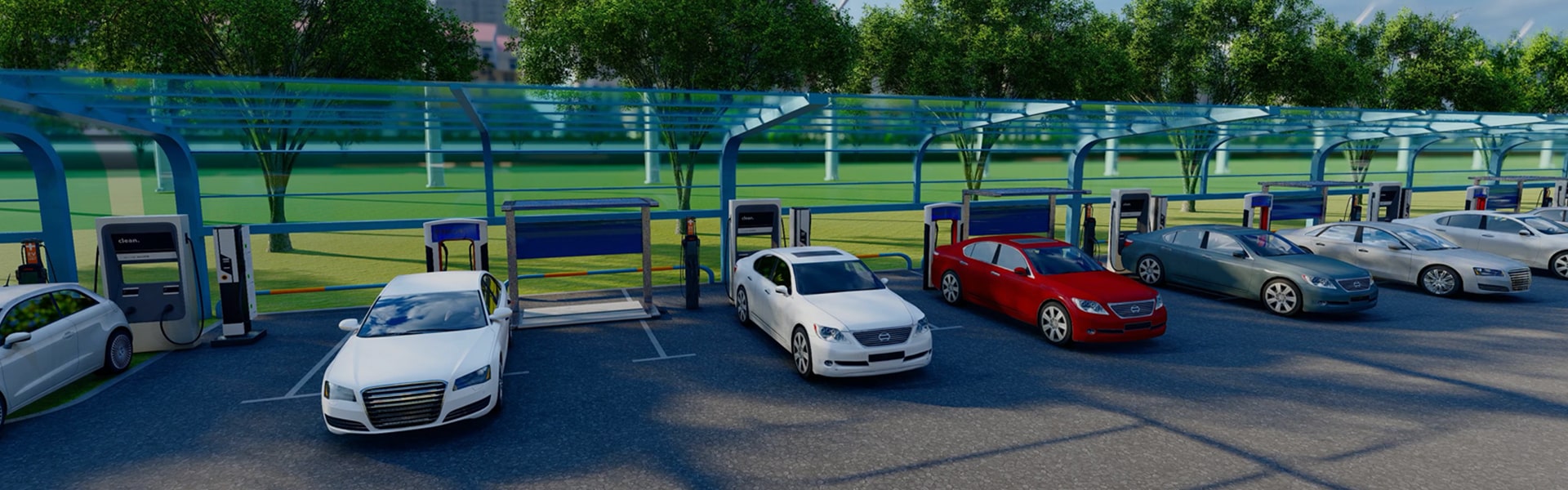
From high-turnover highway stations to municipal transit depots, our equipment is designed for reliable performance in diverse conditions.
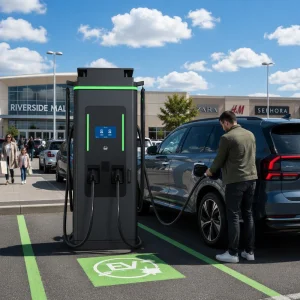
High-power dispensers integrated with liquid cooling enable 350kW+ charging, allowing drivers to recharge quickly during highway stops and optimizing station throughput.
Automated power allocation and scheduling allow fleet managers to charge multiple delivery vans, logistics trucks, or taxis overnight while avoiding peak electricity rates.
In regions with limited grid capacity, our integrated battery storage systems (BESS) charge during off-peak hours and discharge at high power when vehicles connect, reducing grid strain.
Stay informed with the latest updates on heavy transport pantograph developments, high-speed rail charging, and vehicle-to-grid tech.

Compared to standard plug-in systems, e-bus pantograph domes enable automated, high-power overhead connection for fast route-interval charging.
View More →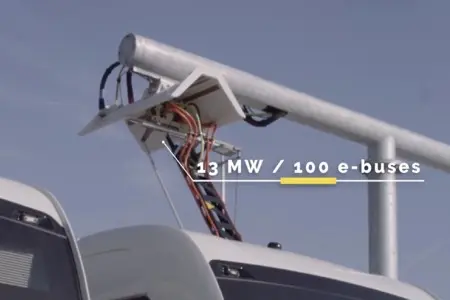
Charging times depend on battery capacity and output voltage. High-power configurations can deliver substantial charge within brief operational stops.
View More →
Learn the key mechanical alignment, structural support, and high-voltage grid connection steps required to set up overhead pantograph charging domes.
View More →Clear answers to common questions about power conversion, thermal management, and station integration.
Examine our line of heavy-duty, high-voltage charging units designed for global distribution and public infrastructure networks.