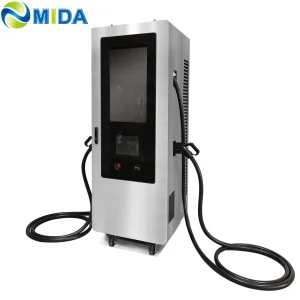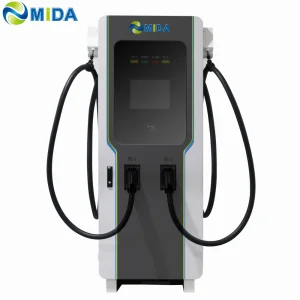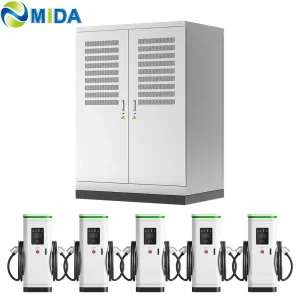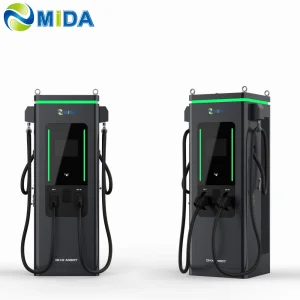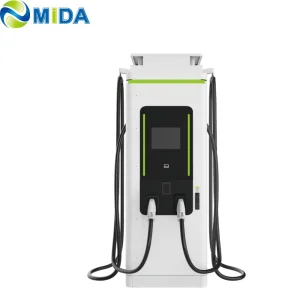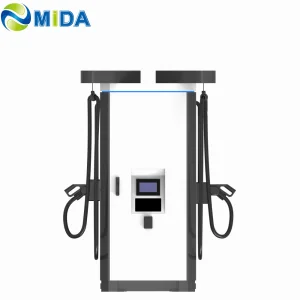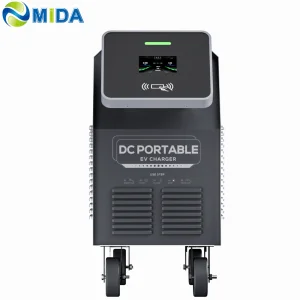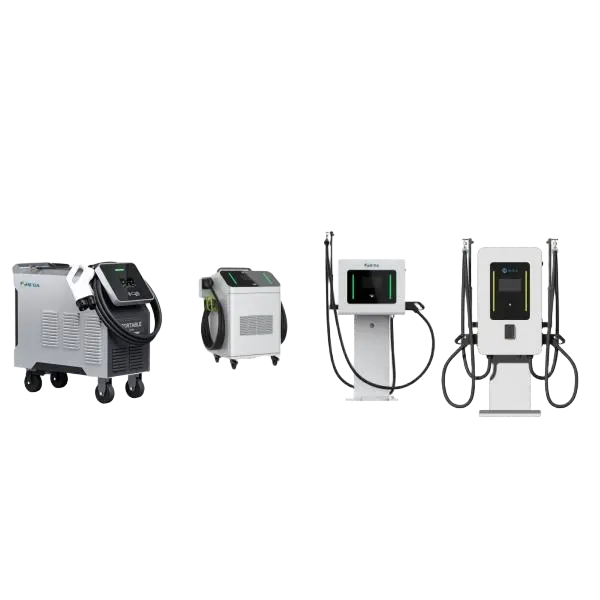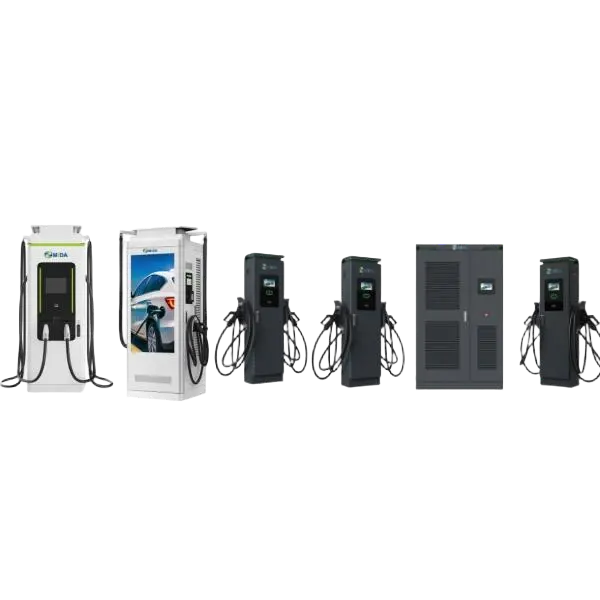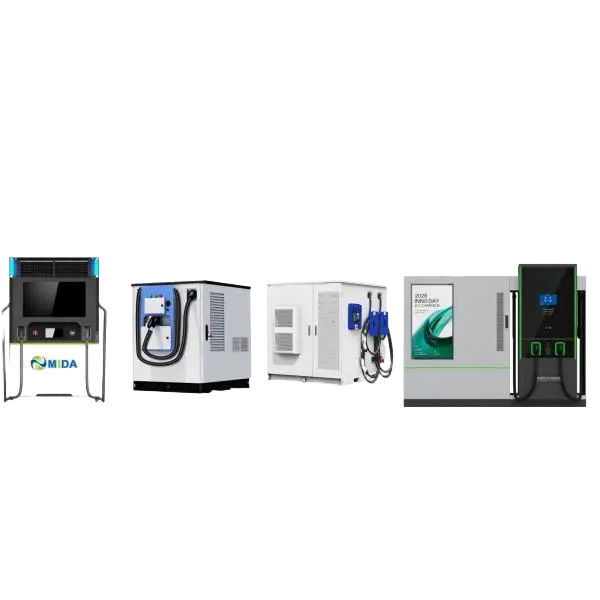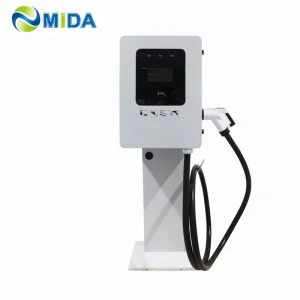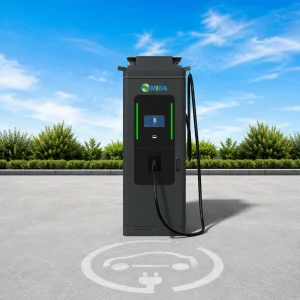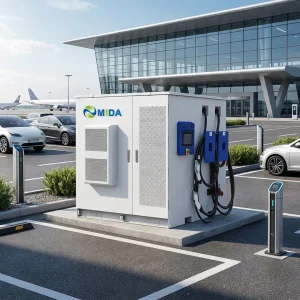
Select high-performance fast charging stations and systems from MIDA Group’s manufacturing portfolio.
Optimized Output
Peak Module Efficiency
Ready Architecture
Global Industrial Partners
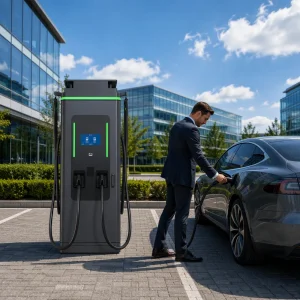
The global transition to electrification has driven unprecedented requirements for reliable fast-charging infrastructures. Within this landscape, the 90kW DC EV Charger has emerged as the definitive "sweet spot" for mid-range public infrastructure, commercial real estate deployments, and modern fleet depots. This specific power class provides the optimal trade-off between installation cost, thermal footprint, grid capacity overheads, and driver charging speeds.
Unlike ultra-high-power hubs (e.g., 350kW+) that necessitate dedicated sub-stations and massive grid upgrades, a 90kW DC Charger operates efficiently within standard commercial grid installations. This drastically decreases Capital Expenditure (CAPEX) associated with regional utility upgrades. Procurement departments prefer 90kW chargers because they deliver significant range improvement (approximately 180 to 250 miles of range per hour of charging) without incurring structural or grid-capacity penalty charges from grid utility operators. Key procurement targets include:
To successfully integrate 90kW chargers into commercial operations, CPOs (Charge Point Operators) require solutions that align with local energy availability. Modern 90kW charging units are no longer isolated appliances; they are core interfaces within broader smart-energy ecosystems.
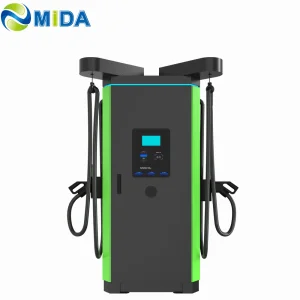
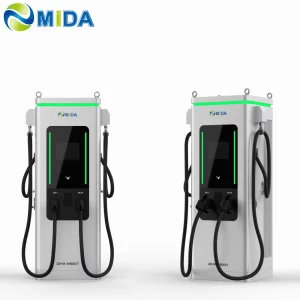
Mida's industrial 90kW DC Chargers utilize advanced dynamic load-balancing algorithms. When configured as dual-outlet systems (e.g., distributing power via CCS2 and CHAdeMO, or dual CCS2), the unit actively monitors the State of Charge (SoC) of each connected vehicle. By shifting power dynamically (for example, splitting 45kW+45kW, or routing a full 90kW to a single vehicle based on immediate demand), operators maximize asset utilization and operational output. Integration with local building management systems (BMS) ensures charging stations reduce output during peak grid events to avoid local overload.
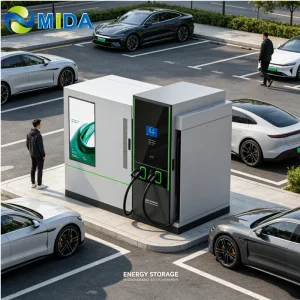
In regions facing structural grid limitations, integrating solar photovoltaics (PV) and Battery Energy Storage Systems (BESS) is essential. Our product architecture is designed to interface directly with BESS nodes, allowing operators to deploy 90kW chargers in areas where grid draw is limited to a fraction of the capacity. Storage systems absorb power during low-demand periods and deliver it at full 90kW speed when EVs connect.
The engineering pathway of modern charging units focuses on thermal efficiency, silicon conversion topology, and high-frequency power density.
Traditional EV power modules historically relied on Silicon IGBT switches. Our advanced 30kW and 40kW modular assemblies—which combine to form the 90kW system core—utilize Silicon Carbide (SiC) MOSFETs. This switch allows for significantly higher operating frequencies, reduces heat output, and increases energy conversion efficiency to more than 96%. This configuration reduces cooling requirements, lowering the overall weight and cabinet volume.
While standard 90kW charging stations rely on forced-air cooling, our engineering pipeline integrates liquid-cooled architecture down to lower capacity classes to prolong system lifespan in demanding environments. This keeps critical components isolated from ambient air, preventing damage from airborne dust, salt spray in coastal zones, and extreme industrial pollutants.
Full support for Open Charge Point Protocol ensures seamless integration with third-party billing, monitoring, and fleet management platforms.
Next-generation secure communication interface allows vehicle recognition, payment authorization, and charging automatically without RFID cards or mobile apps.
Heavy industrial-grade cabinets designed to withstand harsh outdoor environments, mechanical impacts, and vandalism.
Operating chargers internationally requires compliance with distinct regional grid standards and regulatory codes. MIDA Group coordinates localized certification, manufacturing, and distribution paths for each target jurisdiction:
Explore our manufacturing specialties and component offerings powering global EV charging networks.
Shanghai Mida Cable Group Ltd. operates through its wholly owned subsidiaries: Shanghai Mida EV Power Co., Ltd., Shenzhen Mida EV Power Co., Ltd., and Shanghai Mida New Energy Co., Ltd.
Mida Cable manufactures a comprehensive range of EV charging cables, including 16A–80A J1772 cables, 16A–63A IEC 62196-2 Type 2 cables, and DC fast charging cables: CCS1 (80A–500A), CCS2 (125A–1000A), CHAdeMO (125A–300A), GBT (200A–1000A), and NACS connectors (250A–600A).
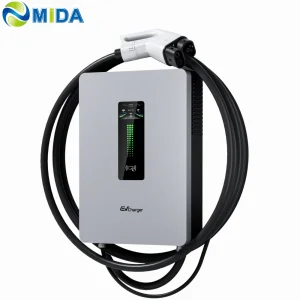
MIDA EV Power produces a full lineup of EV charging stations, such as 7kW–50kW mobile chargers, 3.6kW–7.2kW portable DC chargers, 360kW–1440kW split-type DC fast chargers, 20kW–50kW wall-mounted DC chargers, and 60kW–480kW floor-standing DC fast charging stations.
MIDA New Energy specializes in EV charger power modules, offering 20kW–60kW standard modules, 40kW–125kW liquid-cooled modules, 30kW–62.5kW bidirectional modules, and 20kW–45kW V2G charging modules.

Under the leadership of our product director, Zhu Lei, MIDA delivers industrial-grade components to global charging station manufacturers.
High-efficiency conversion components including:
Heavy-duty hardware and cooling assemblies:
Battery-integrated dynamic fast charging:
Technical guidance, performance specifications, and deployment information for operators and engineers.
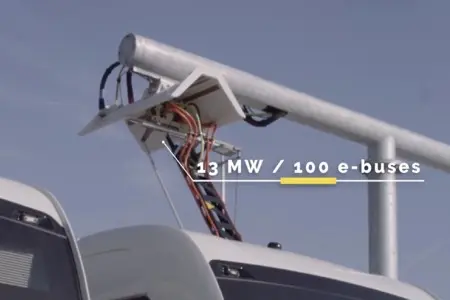
Stay updated on our latest high-power vehicle charging developments, pantograph integration, and global events.

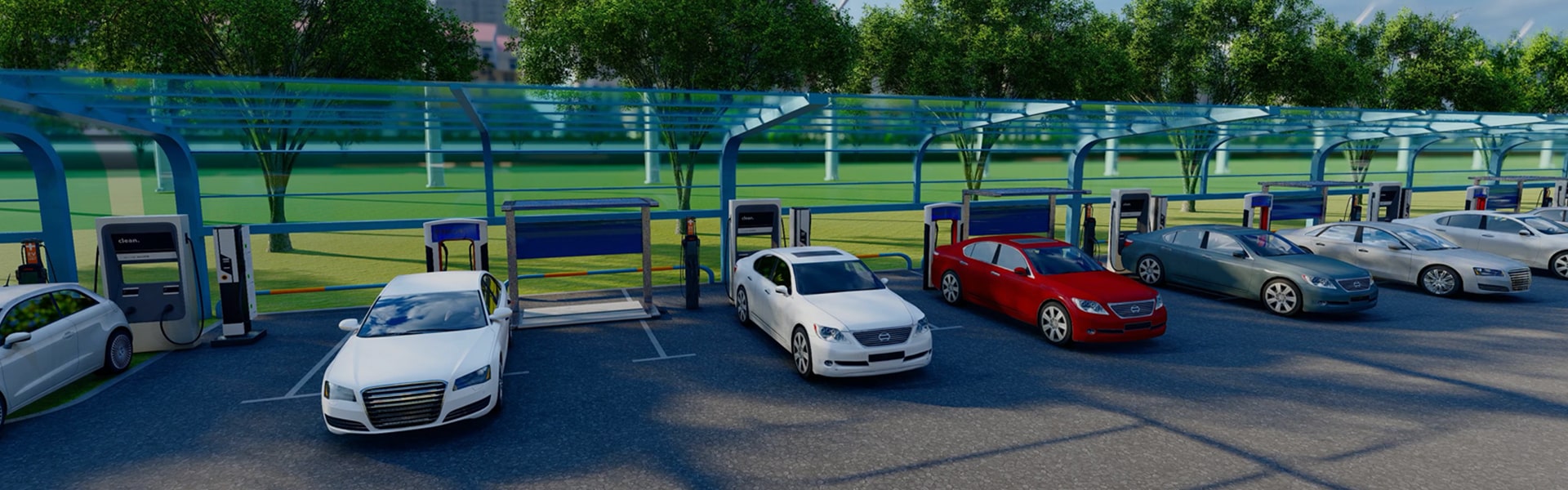
Explore our expanded list of commercial fast charger piles and integration hardware.