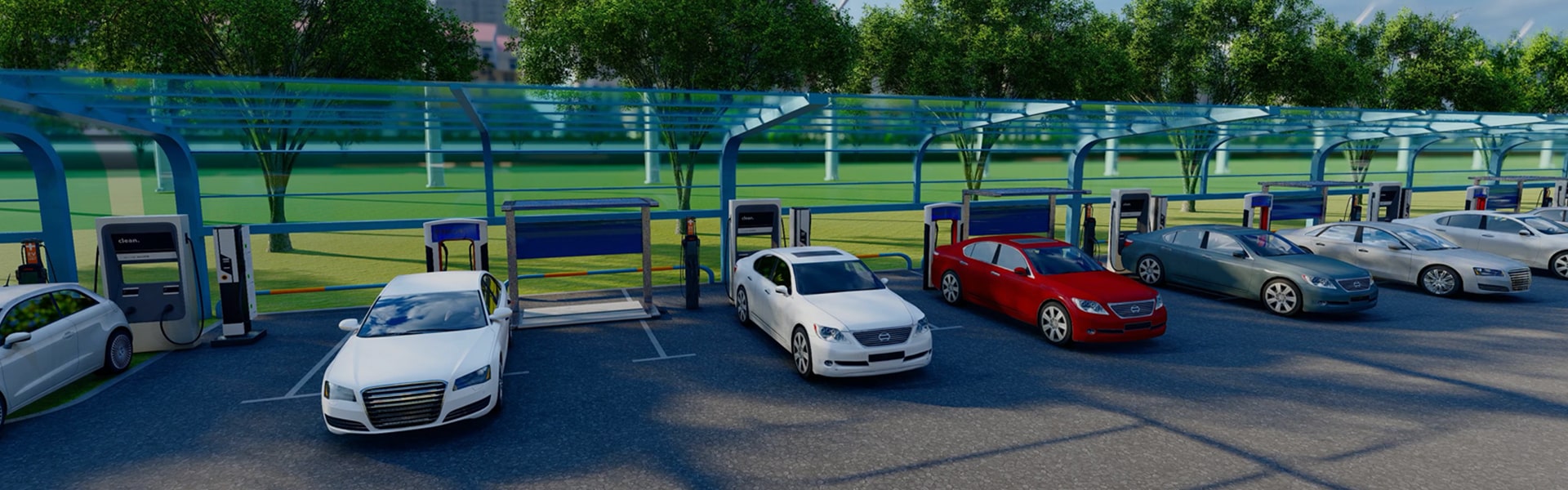
Explore our highly integrated portfolio of premium DC charging piles, liquid-cooled dispensers, and off-grid BESS stations engineered for high-availability performance.
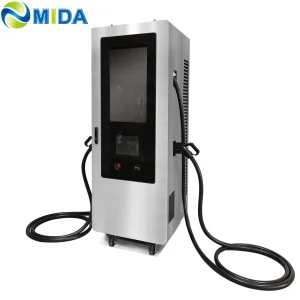
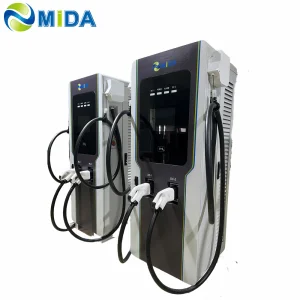
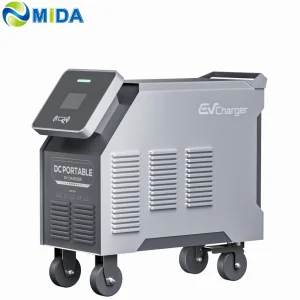
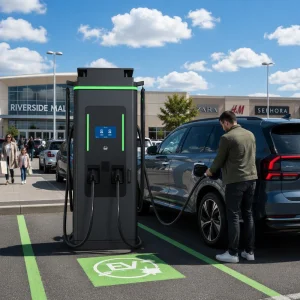
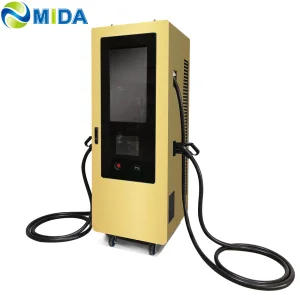
An engineering and economic evaluation of why 60kW remains the core building block of reliable urban charging networks.
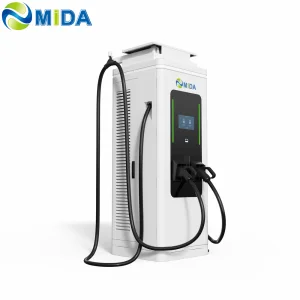
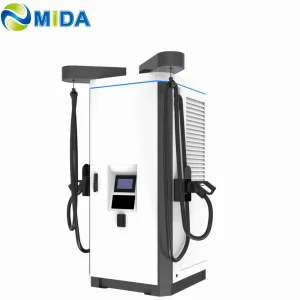
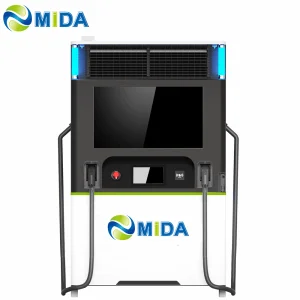
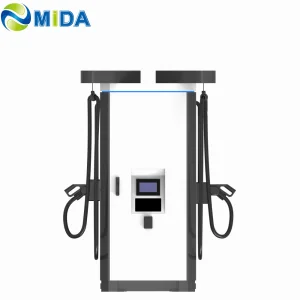
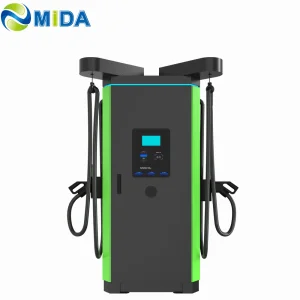
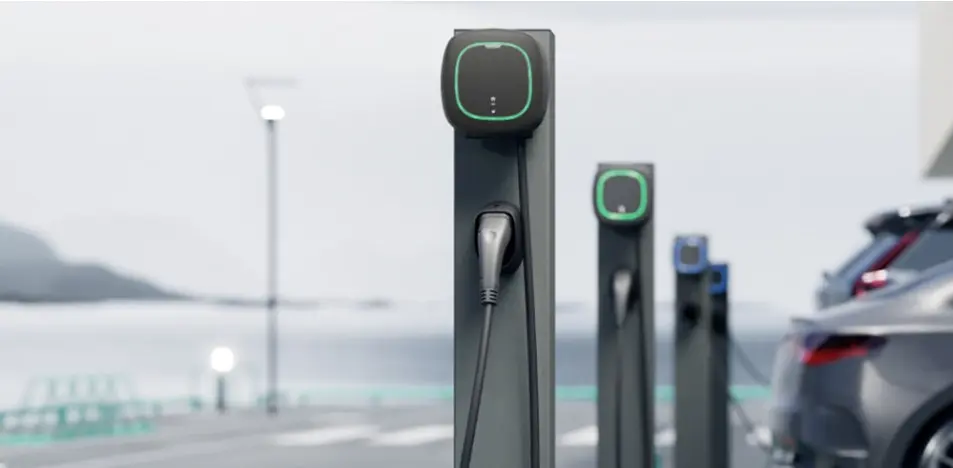
Within the EV charging hardware landscape, the 60kW DC fast charging station represents the ultimate equilibrium between deployment capital expenditure (CapEx), grid interface simplicity, and effective battery replenishment rates. While ultra-fast 350kW+ chargers grab headlines, their real-world deployment is severely bottlenecked by utility transformer limitations and high operational fees.
A 60kW station, typically outputting up to 150A to 200A at standard 400V or 800V architectures, delivers an optimized charging speed for vehicles during typical dwelling windows of 30 to 60 minutes. This matches perfectly with supermarket retail parking, fleet depots, commercial workspaces, and municipal curb lanes.
From an electrical engineering perspective, a 60kW charger is easily accommodated by standard three-phase low-voltage distribution grids (typical draw ~90-100A at 400VAC). This eliminates the costly requirement for dedicated medium-voltage substation upgrades, which can delay installation timelines by 6 to 18 months. As global fleet operators and charge point operators (CPOs) scale, the 60kW DC station stands out as the most capital-efficient pathway to build robust, distributed fast-charging networks.
Shanghai Mida Cable Group Ltd. operates globally through its wholly owned specialized subsidiaries: Shanghai Mida EV Power Co., Ltd., Shenzhen Mida EV Power Co., Ltd., and Shanghai Mida New Energy Co., Ltd. Together, we deliver a vertically integrated manufacturing ecosystem that handles everything from basic raw cabling to highly complex power electronics and intelligent off-grid charging stations.
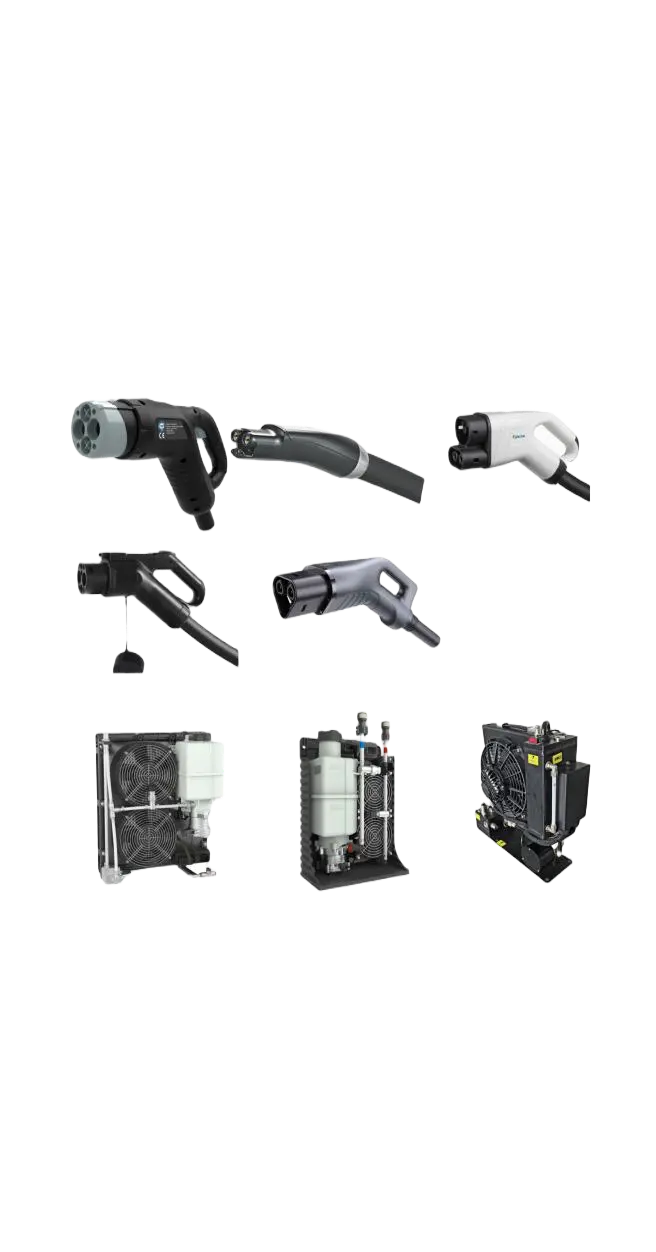
Mida Cable specializes in the high-volume extrusion and assembly of high-current EV charging cables. Our range includes 16A–80A J1772 cables, 16A–63A IEC 62196-2 Type 2 cables, and liquid-cooled DC fast charging cables supporting CCS1 (80A–500A), CCS2 (125A–1000A), CHAdeMO (125A–300A), GBT (200A–1000A), and Tesla-compatible NACS connectors (250A–600A).
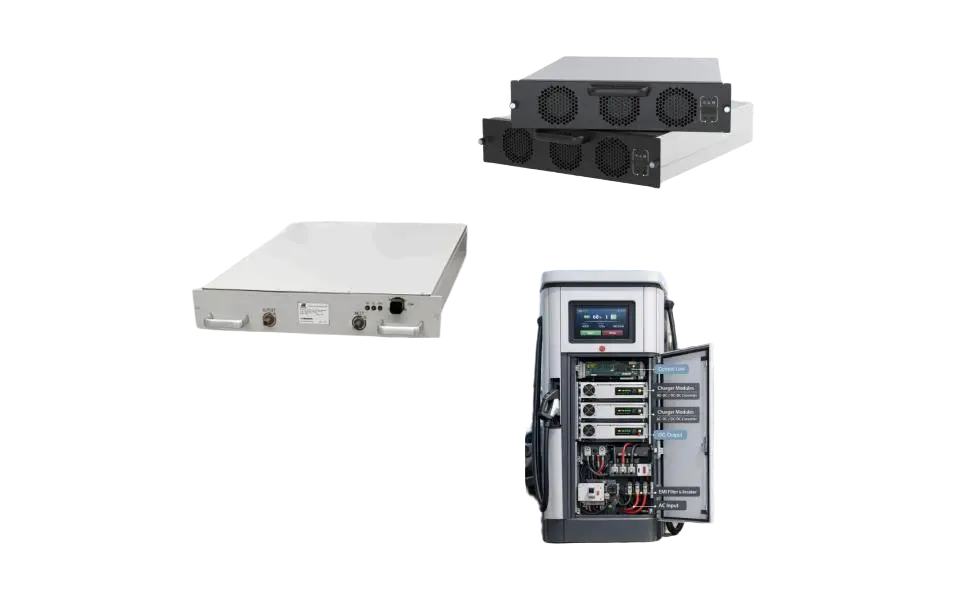
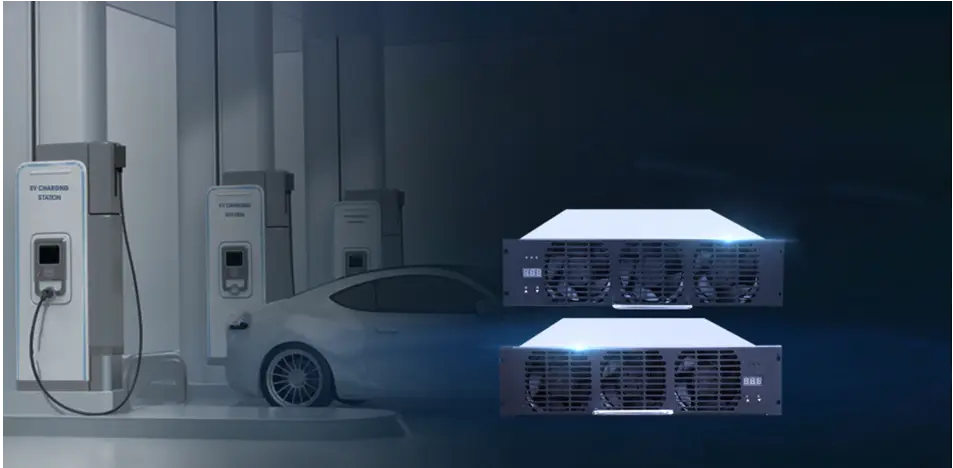
MIDA EV Power builds fully certified turnkey charging stations, ranging from 7kW–50kW mobile DC chargers to 60kW–480kW floor-standing units. Simultaneously, MIDA New Energy leads power module R&D, designing the heart of the charger: 20kW–60kW standard rectifiers, 40kW–125kW liquid-cooled modules, and 20kW–45kW vehicle-to-grid (V2G) bidirectional conversion systems.

Discover how our vertically integrated components feed our finished hardware, ensuring superior QA, cost control, and rapid lead times.
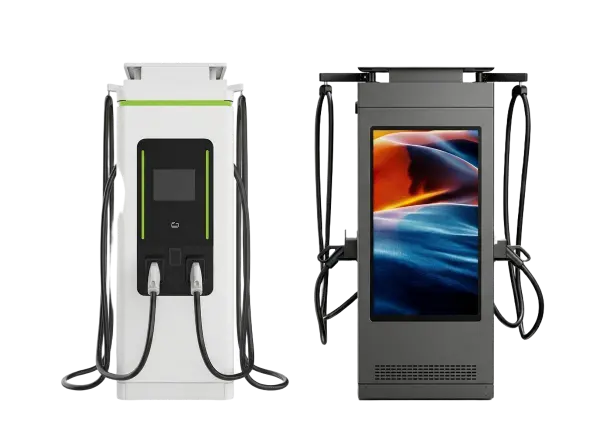
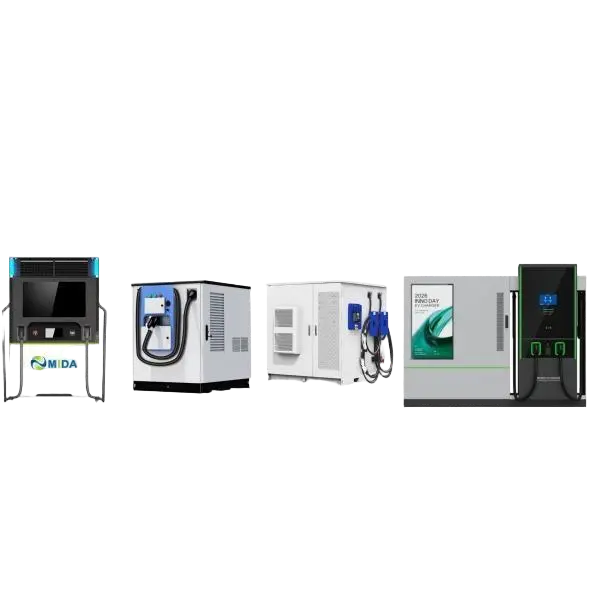
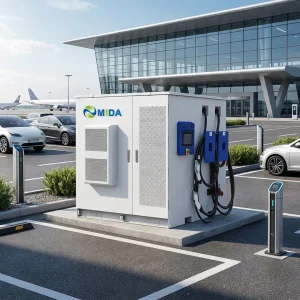
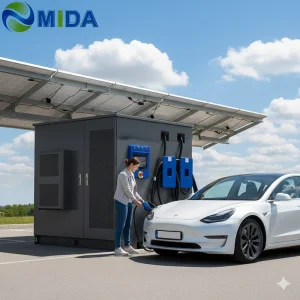
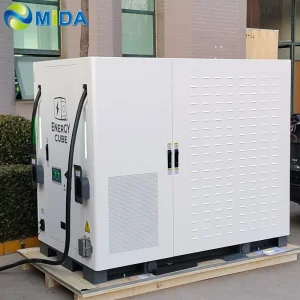
Modern distribution grids are facing unprecedented congestion due to simultaneous high-power EV charging. To solve this, MIDA Group has pioneered integrated Battery Energy Storage System (BESS) charging piles.
By integrating Lithium Iron Phosphate (LFP) battery systems (ranging from 65kWh, 200kWh up to 2000kWh containerized configurations) with our high-efficiency 60kW to 240kW DC fast charging modules, operators can bypass grid power upgrade limitations entirely.
Under the hood of 60kW DC charging: Engineering considerations, regional safety standards, and Industry 4.0 factory dynamics.
Our next-gen 60kW chargers transition from silicon-based IGBTs to Silicon Carbide (SiC) MOSFET power switches. This reduces thermal dissipation by up to 40%, boosting conversion efficiency to 96.5% and extending device lifecycle in harsh outdoor environments.
Interoperability is crucial. MIDA’s 60kW controller boards support ISO 15118 Plug & Charge protocols with TLS 1.3 security, allowing seamless, driver-automated authentication, billing handshake, and dynamic charging sessions.
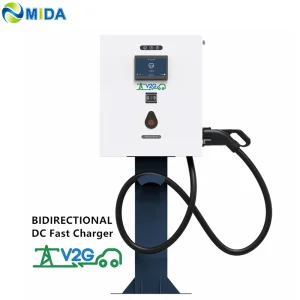
By implementing bidirectional AC-DC modules (V2G), our 60kW chargers serve as decentralized energy resources. Fleet vehicles feed back power to peak demand grids, converting parking spots into revenue-generating dispatch assets.
Operating state-of-the-art facilities in Shenzhen and Shanghai allows MIDA Group to capitalize on local supply chains for power magnetic components, high-current busbars, semiconductor packaging, and precision sheet-metal housings. Through automated SMT card assembly, laser copper welding, and automated burn-in chambers under simulated high-temperature workloads, we guarantee high component MTBF (Mean Time Between Failures) while offering a 30% to 45% capital cost advantage over Western manufacturers.
Navigating global electrical safety regulations and support networks for seamless grid operations.
Deploying charging infrastructure demands strict adherence to local regulatory matrices to ensure operator safety and project sign-off. MIDA Group's 60kW DC charging solutions carry comprehensive regulatory listings:
To achieve high charger uptime (>99%), MIDA Group cooperates with certified local EPC contractors and field services globally. We offer modular spare part replacements (plug-and-play power rectifiers, replacement screen controllers, contactor kits) shipped directly from localized hubs in Western Europe, the US, and Southeast Asia. Remote troubleshooting is handled via cloud OTA firmware updates, allowing our team to isolate sensor errors and resolve system anomalies within minutes.
Keep up with our latest technical breakthroughs, international projects, and transport electrification events.
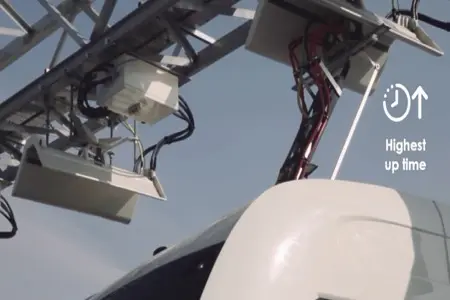
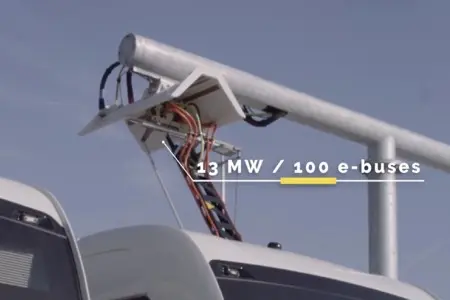
In contrast to classic plug-in charging systems, e-bus pantograph systems offer automated connection capability, high-voltage operation, and efficient high-power transfer...
The charging time depends heavily on the vehicle's battery capacity, chemistry, thermal management systems, and the output limits of the utility grid...
Installing a “Pantograph Up” system dome requires strategic structural positioning, strict mechanical alignment, and detailed interface integration with local grids...
Detailed answers to critical procurement, installation, and engineering questions asked by global operators.
Review additional core models from our global distribution plants, certified for ETL, UL, CE, and ISO compliance.