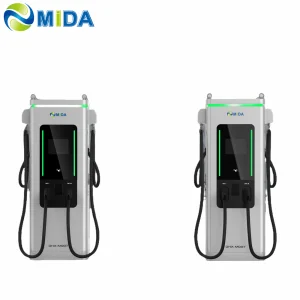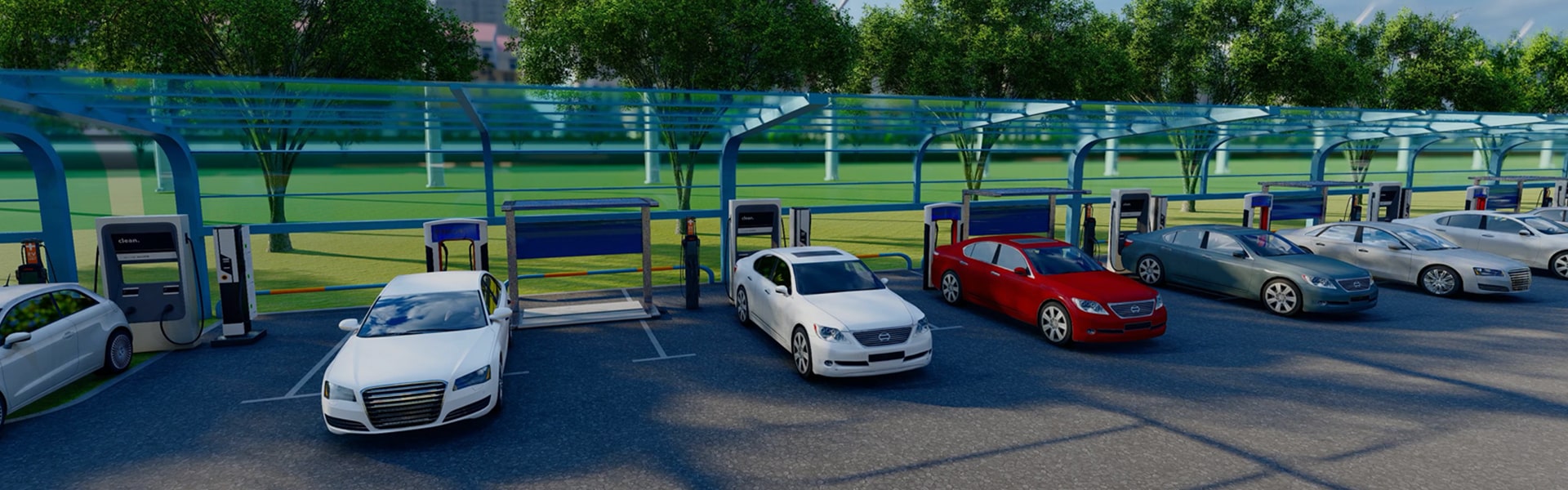
Best 50kW DC Fast Charger Manufacturer & Manufacturers

Pioneering High-Efficiency EV Charging Infrastructures with Uncompromising E-E-A-T Quality Standards

Welcome to MIDA Group

Advanced Structural Core & Technological Scope

Shanghai Mida Cable Group Ltd. operates through its wholly owned subsidiaries: Shanghai Mida EV Power Co., Ltd., Shenzhen Mida EV Power Co., Ltd., and Shanghai Mida New Energy Co., Ltd. With a unified approach to engineering, design, and manufacturing, we stand as a premier global leader in electric vehicle supply equipment (EVSE) components and infrastructure.

Mida Cable manufactures a comprehensive range of EV charging cables, including 16A–80A J1772 cables, 16A–63A IEC 62196-2 Type 2 cables, and heavy-duty DC fast charging cables such as CCS1 (80A–500A), CCS2 (125A–1000A), CHAdeMO (125A–300A), GBT (200A–1000A), and NACS connectors (250A–600A).

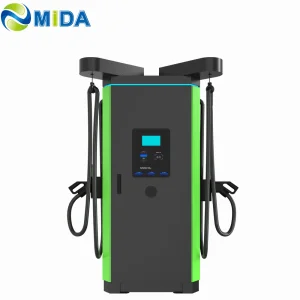
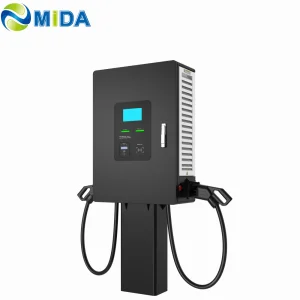
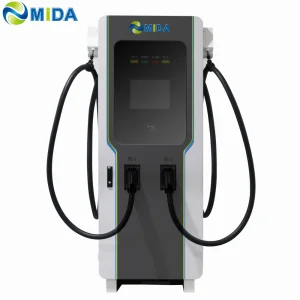
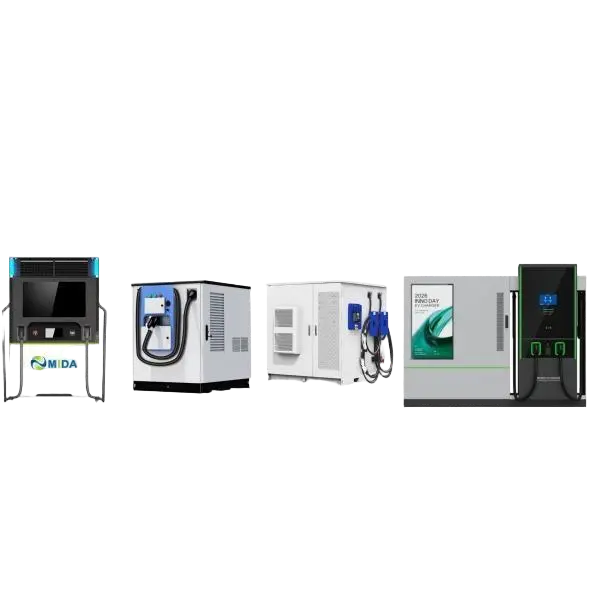
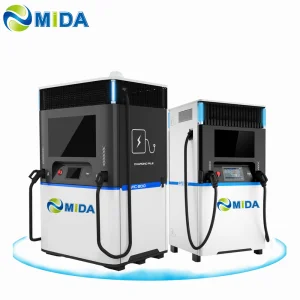
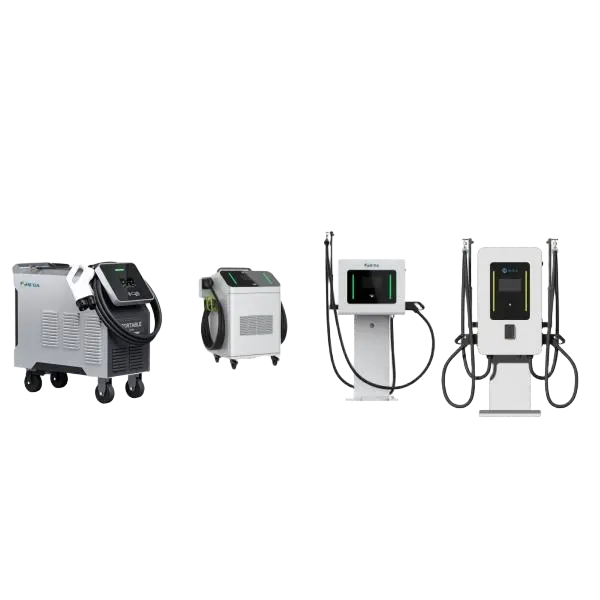
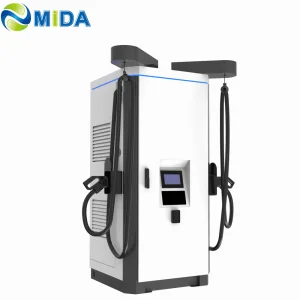
MIDA EV Power produces a full lineup of high-performance EV charging stations, featuring 7kW–50kW mobile chargers, 3.6kW–7.2kW portable DC chargers, 360kW–1440kW split-type DC fast chargers, 20kW–50kW wall-mounted DC chargers, and 60kW–480kW floor-standing DC fast charging stations.

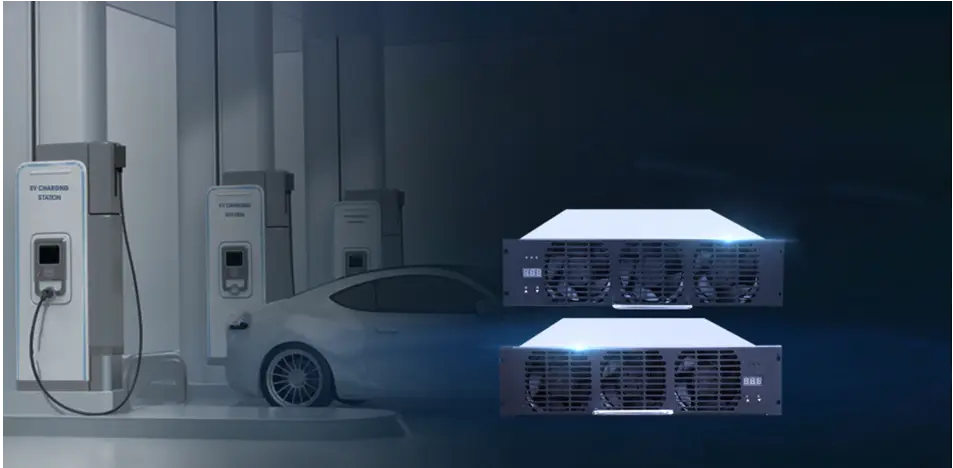
MIDA New Energy specializes in the development of modular core infrastructure, offering 20kW–60kW standard EV charger power modules, 40kW–125kW liquid-cooled power modules, 30kW–62.5kW bidirectional modules, and 20kW–45kW V2G charging modules.

Mida EV Brand Logo

MIDA Power Technology

Tier 1 Manufacturing, Global Distribution

1. Engineering the 50kW DC Fast Charger: The Sweet Spot of EV Infrastructure

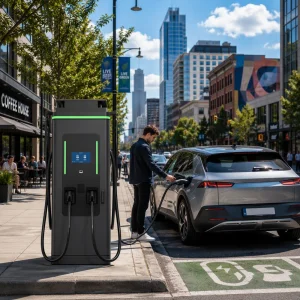
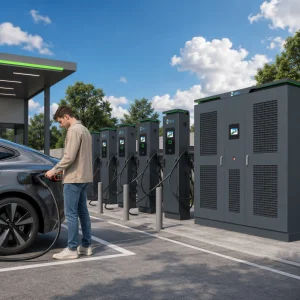
In the rapidly changing EV environment, charging operators face a significant dilemma: selecting the right power level. Ultra-fast high-power chargers (300kW+) demand significant grid upgrades and incur massive demand charges, while 7kW-22kW AC chargers are often too slow for modern fleet cycles. The 50kW DC fast charger has emerged as the definitive sweet spot for localized commercial distribution, public spaces, and urban vehicle depots.

From a thermal engineering standpoint, a 50kW charger operates within a highly manageable thermal profile. Unlike liquid-cooled MW-level stations, 50kW configurations typically leverage advanced forced-air cooling designs. By utilizing modular power topologies—specifically combining multiple 20kW, 30kW, or 50kW EV charger power modules—engineers can design redundancy directly into the system. If one module goes offline, the unit continues operating at reduced capacity, maintaining uptime.

Thermal Management

Forced-Air Intelligent Fan Array with variable speeds based on modular temperature sensors, ensuring lower maintenance compared to liquid loop systems.

Efficiency Profile

Peak efficiency curves reach up to 96.5% at nominal loads, reducing power losses and minimizing operational costs for station operators.

Grid Load Constraints

Draws approximately 75-80A per phase from standard 400V AC distribution networks, avoiding costly MV transformer upgrades in most facilities.

2. China’s EVSE Factory Supply Chain & Manufacturing Advantages

Understanding why top-tier global EPCs (Engineering, Procurement, and Construction) work with Chinese 50kW DC fast charger manufacturers requires looking at the depth of the regional industrial supply chain. China controls over 70% of the world's power module manufacturing, raw copper tooling for EV cables, and advanced thermal plastics production.

At MIDA Group, this advantage is fully integrated. Because we manufacture our own cables (via Shanghai Mida Cable Group) and develop our own power modules (via MIDA New Energy), we bypass the standard 20%-30% markup typical of western assembly plants. Our Shenzhen and Shanghai facilities operate state-of-the-art SMT (Surface Mount Technology) lines for control logic boards and automatic terminal crimping machines that guarantee consistent quality. This vertical integration allows us to customize control enclosures, integrate bespoke payment terminals, and adjust software protocols for global clients in a fraction of the standard lead time.

3. Global Compliance, Grid Code Standards & Localization Support

Securing market access is a critical challenge for EVSE deployment. Our engineering teams design hardware specifically to meet the strict compliance requirements of the destination country. Whether you operate in Europe, North America, or Oceania, our products satisfy local regulatory codes:

  • Eichrecht Conformity (Germany): Implementation of certified energy meters (MID) and cryptographically secure transponder transmission to comply with strict German weights and measures laws.
  • OCPP 1.6J and 2.0.1 Compatibility: Complete JSON over WebSocket implementations, tested against major CSMS (Charging Station Management System) platforms like ChargePoint, EVBox, and Greenlots.
  • ISO 15118 (Plug & Charge): Dynamic secure TLS handshake architectures that allow vehicles to authorize and charge without physical card swipes.
  • UL 2202 & CE Marking: Stringent electromagnetic compatibility (EMC) testing and mechanical drop testing to ensure reliability in public locations.

4. Localized Application Scenarios & Dynamic Integration

A 50kW fast charger does not exist in isolation; it must integrate with its environment. Below are the key scenarios where MIDA's 50kW DC chargers are deployed globally:

A. Fleet Depots (Last-Mile Delivery & E-Buses)

For courier fleets operating vans like the Ford E-Transit or Mercedes eSprinter, standard AC charging is too slow to recharge vehicles during quick driver handovers. A 50kW DC system can charge a 70kWh pack from 10% to 80% in about an hour. Implementing our Dynamic Load Balancing (DLB) software allows depots to run 10 charging stations simultaneously without exceeding local grid capacity.

B. Solar-Coupled Smart Charging Station (BESS Integration)

In locations with limited grid supply, we integrate our 50kW DC Solar Charging Stations with Battery Energy Storage Systems (BESS). During off-peak daytime hours, solar PV arrays feed power directly into a 200kWh battery pack. When an EV initiates a session, the charger pulls energy from the storage batteries, protecting the grid from peak current surges.

MIDA Principal Product Ranges

Industrial-grade components, robust sub-assemblies, and integrated systems engineered for next-generation charging infrastructure.
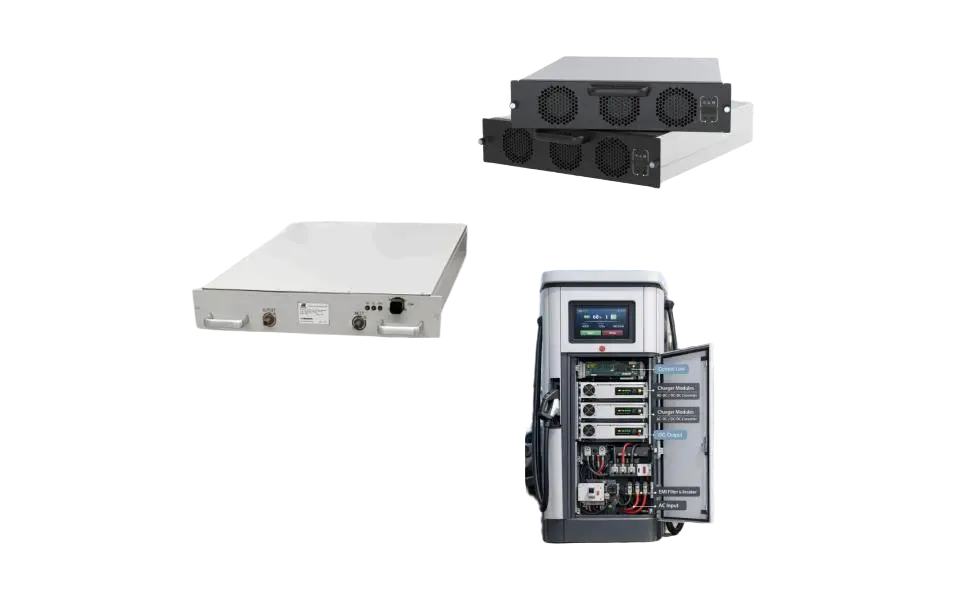
EV Charging Power Module
  • 30kW 40kW 50kW 60kW 80kW AC DC EV Charger Module
  • 30kW 40kW 50kW 60kW DC DC EV Charger Module
  • 40kW 60kW 75kW 125kW Liquid Cooled Power Module
  • 20kW 22kW 30kW 40kW 45kW V2G Power Module
  • 30kW 40kW 50kW 60kW MPPT Power Module
  • 20kW 50kW 62.5kW Bidirectional AC DC Power Module
EV Charging Power Module
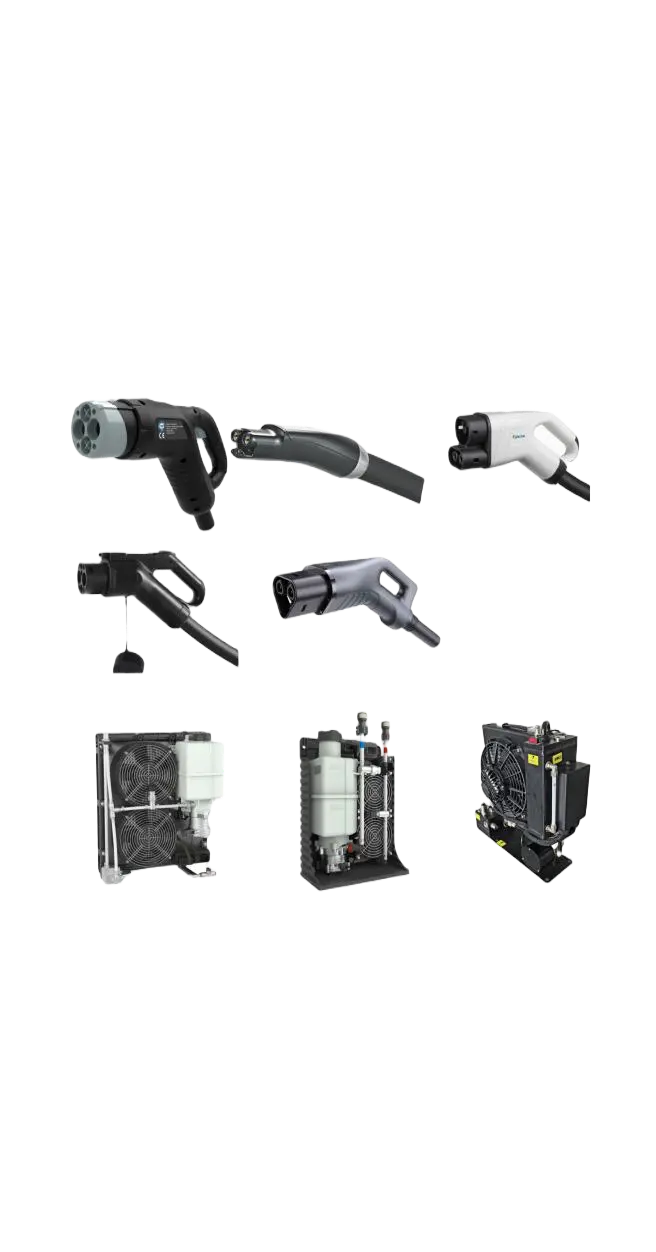
DC Charging Connector & Liquid Cooling Unit
  • 500A 600A CCS1 & CCS2 & GBT Connector
  • 125A 250A 300A 350A NACS & CHAdeMO Connector
  • 1500A MCS Connector & CHAOJI Connector
  • 3.5kW 4.5kW 6kW 9kW Integrated Liquid Cooling Unit
  • 2.4kW 3.5kW Split Type Cooling Unit
  • 25kW ~72kW Cooling Unit for HPC Charging
DC Charging Connector
DC Fast Charger Station
  • 7kW~ 60kW Mobile DC Charging Station
  • 20kW ~80kW Wall Mounted DC Charging Station
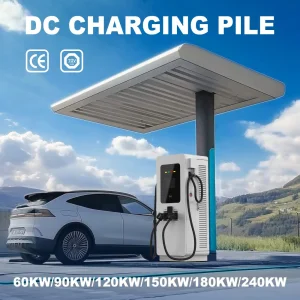
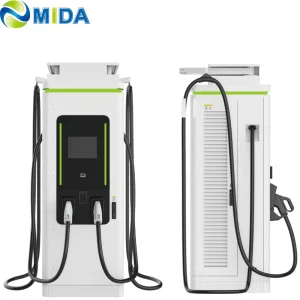
  • 60kW ~480kW Floor Mounted Charging Station
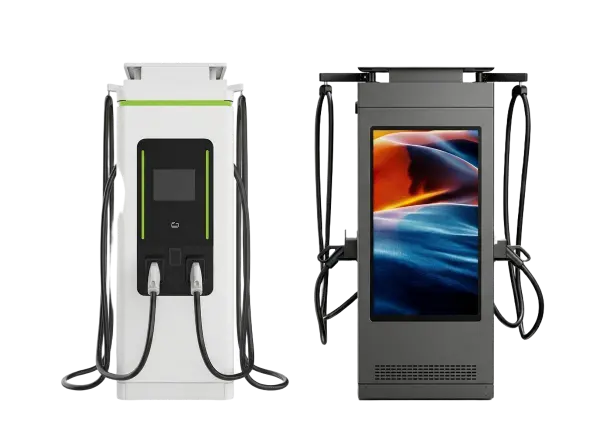
  • 60kW~240kW Advertising Charging Station (43inch , 55inch )
  • 600kW ~1080kW Liquid Cooled Charging Station
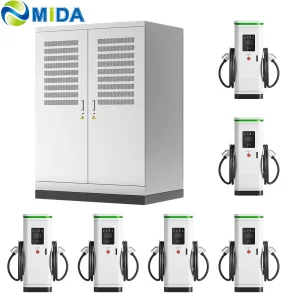
  • 360kW ~ 1680kW Split Type DC Charging Station
DC Fast Charger Station
Energy Storage Charging Station
  • 15kW~480kW Mobile ESS Charging Station
  • 60kW ~ 400kW Integrated ESS Charging Piles
  • 65kWh~200kWh Emergency Rescue Charging Station
  • 165kwh Automatic Charging Robot
  • 800kwh~2000kwh Solar Energy Charging System
Energy Storage Charging Station

Browse Systems by Category

Discover our broad-spectrum EV system integration capabilities, engineered for optimal uptime, scalability, and efficiency.
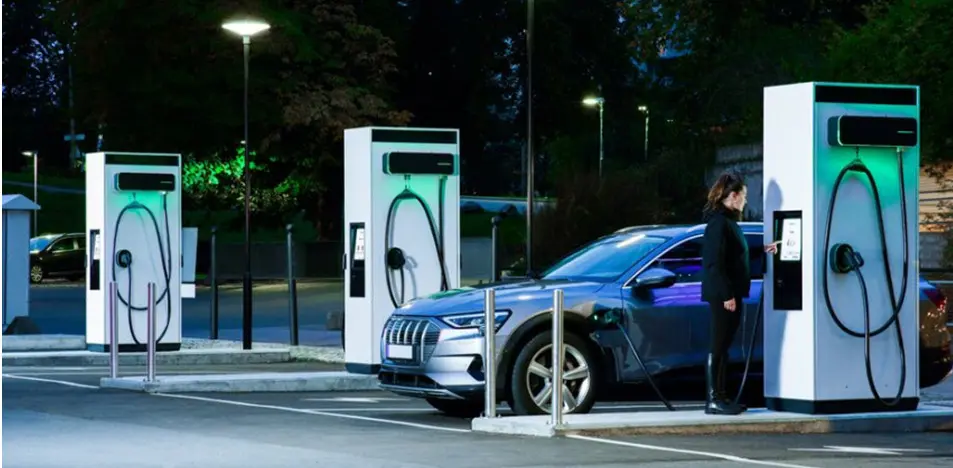
AC EV Charger
High-fidelity AC infrastructure for commercial destination charging.
Wall-Mounted/Mobile EV Charger
Compact 7kW to 80kW power systems designed for versatile spaces.
DC Charger Station
Ultra-fast public infrastructure spanning 60kW to 1440kW setups.
BESS Charging Station
Peak-shaving Battery Energy Storage Stations from 60kWh to 2MkWh.
BESS Charging Station

Empower your facility with off-grid capabilities, localized renewable energy management, and scalable load leveling mechanisms designed for regions with limited grid distribution networks.

Explore BESS Solutions →

Comprehensive Q&A: EV Fast Charging Technology

Get authoritative insights from MIDA's senior power electronics engineering team regarding installation, integration, and operational safety.

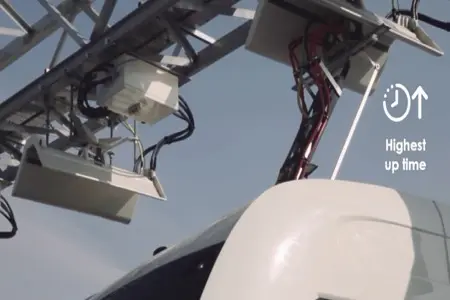
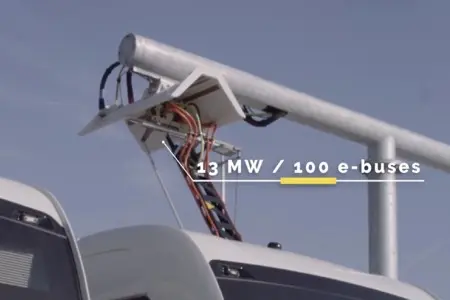
Q1: What are the distinct advantages of using an e-bus pantograph charging dome?
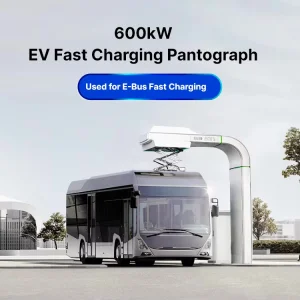
In contrast to classic plug-in charging systems, an e-bus pantograph dome allows for hands-free automated connection interfaces. Drivers do not have to manually handle heavy liquid-cooled cables, reducing physical wear-and-tear and workplace liability. Furthermore, it supports ultra-high power ratings (ranging from 450kW up to 1000kW), enabling rapid top-ups during short scheduled layovers.
Q2: How long does it take to charge a standard electric transit bus with an e-bus pantograph system?
The precise charging duration depends heavily on the battery capacity of the bus and the output rating of the charging stack. For example, using a 600kW pantograph charging system, a typical transit bus with a 300kWh battery pack can charge from 20% to 80% state-of-charge (SoC) in approximately 15 to 20 minutes during terminal layovers.
Q3: What are the baseline installation requirements for a "Pantograph Up" bus charger system dome?
Installing a "Pantograph Up" charging system requires a structural overhead gantry capable of bearing wind and ice loads, a dedicated medium-voltage substation connection to step down utility power, concrete foundation pads for the power transformer stacks, and integration of IEEE 802.11a/b/g/n wireless or RFID communication systems for automated vehicle-to-charger pairing.
Q4: Can a 50kW DC charger module work reliably in environments with extreme temperatures?
Yes. MIDA's standard 50kW DC chargers are rated for operation between -30°C and +50°C. They feature an intelligent derating system that automatically scales down output to protect the internal electrical components when ambient temperatures exceed 50°C. For extreme dust, sand, or maritime air conditions, we recommend our sealed liquid-cooled module configurations to prevent dust buildup inside the chassis.
Q5: Why is Dynamic Load Balancing (DLB) vital for commercial fleet operations?
Dynamic Load Balancing dynamically measures real-time building grid consumption and adjusts the charging power delivered to active EVs. This ensures that the combined draw of the chargers and the building never exceeds the peak demand threshold of the facility, saving charging operators thousands of dollars in utility peak-demand charges.

Corporate Insights & Market Dynamics

Keep abreast of recent market developments, engineering breakthroughs, and infrastructure research published by MIDA Group.
E-bus Pantograph Dome
What are the advantages of an e-bus pantograph dome? In contrast to classic plug-in charging systems, e-bus pantographs offer automated connection and high-power safety...
26-07-12 View More →
Pantograph Charging Duration
How long does it take to charge with an e-bus pantograph? The charging time depends on the battery capacity and the power output of the charging stack...
26-07-12 View More →
Installation Dome System
How to Install the Pantograph Up Charger System Dome for Electric Bus. Installing a “Pantograph Up” system requires specialized structural frames and grid connectivity...
26-07-12 View More →
Go to Newsroom
MIDA Advanced Production Line