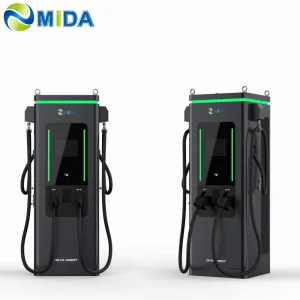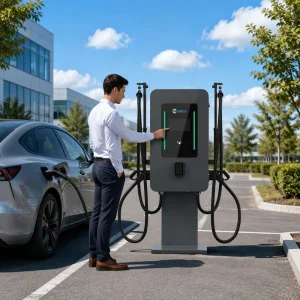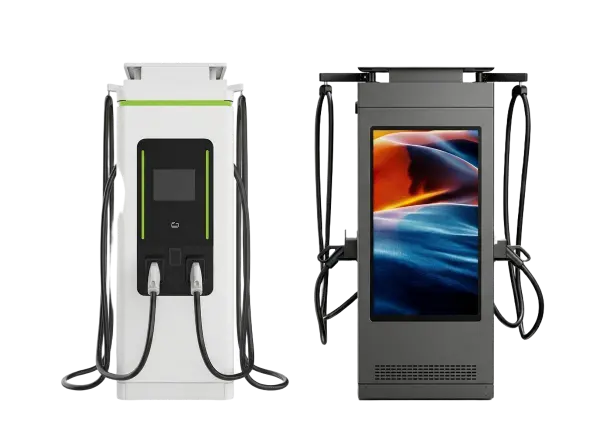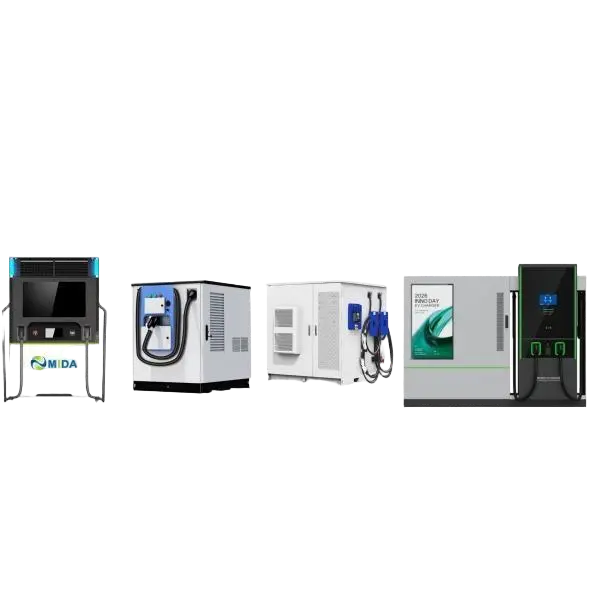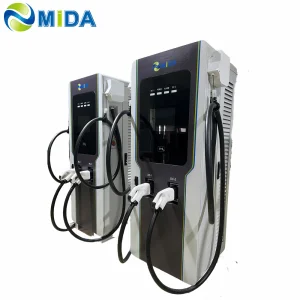
Best 350kW EV Charger Manufacturers & Factory

Global Tier-1 OEM/ODM Charging Solutions: Scalable, High-Power DC Ultra-Fast Charging Stations for Modern Infrastructure Projects
Industry Briefing

The Evolution of Ultra-Fast Charging: Deciphering the 350kW Paradigm

As electric vehicle battery architectures shift from traditional 400V packs to next-generation 800V and 1000V platforms (such as those used by premium passenger vehicles, logistics fleets, and electric transit buses), 150kW DC chargers are no longer sufficient to meet fleet turnaround requirements. High-Power Charging (HPC) systems pushing 350kW and above have emerged as the crucial link to achieve charging times under 15 minutes, mimicking the traditional refueling experience.

Operating at 350kW requires specialized engineering expertise. With currents exceeding 350A, thermal management in standard charging cables becomes a significant bottleneck. Consequently, modern 350kW+ architectures rely on liquid-cooled connector assemblies and advanced cooling units to prevent overheating. This technology keeps the cables lightweight and manageable for users while maintaining safety standards at the nozzle.

800V+
Architecture Support
< 15m
Charging Target
500A
Current Capability
96%
Module Efficiency

Macro-Industry Grid & Storage Dynamics

Integrating clusters of 350kW chargers poses a major grid integration challenge. A station with four 350kW dispensers represents a peak load of 1.4MW. To address localized grid constraints, modern charging site design increasingly deploys Battery Energy Storage Systems (BESS). By combining high-capacity local battery storage (ranging from 241kWh to 2MWh) with ultra-fast dispensers, operators can implement "peak shaving," storing energy during off-peak hours and discharging it to assist the grid during fast-charging sessions.
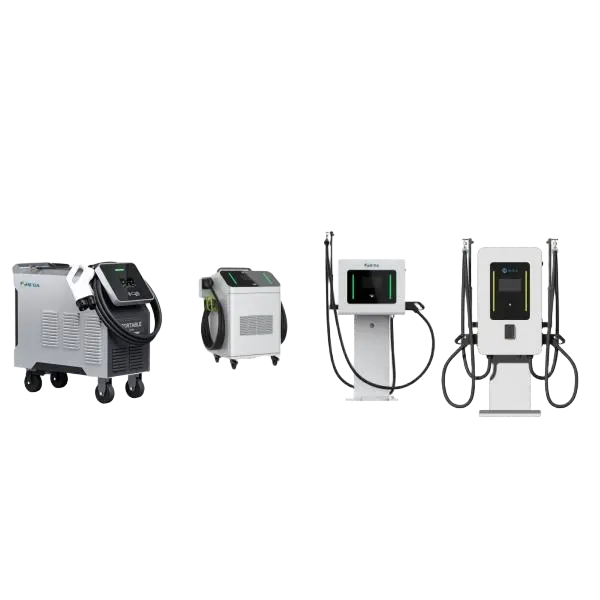
Equipment Categories

AC
AC EV Charger
Reliable charging systems designed for residential, overnight commercial, and destination parking applications.
View More
WM
Wall-Mounted/Mobile EV Charger
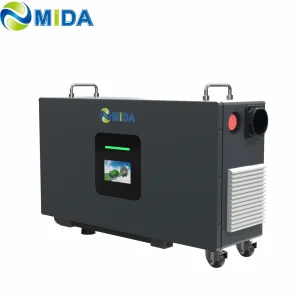
Power outputs from 7kW to 80kW. Flexible, compact wall units and mobile DC units for quick deployments.
Wall-Mounted/Mobile EV Charger View More
Manufacturing Leader

WELCOME TO MIDA GROUP

Shanghai Mida Cable Group Ltd. operates through its wholly owned subsidiaries: Shanghai Mida EV Power Co., Ltd., Shenzhen Mida EV Power Co., Ltd., and Shanghai Mida New Energy Co., Ltd. This structure allows us to control the entire manufacturing value chain, from raw cable production to advanced liquid-cooled power module design.

Our vertical integration ensures compliance with demanding automotive and grid standards:

  • Mida Cable: Manufactures a comprehensive range of EV charging cables, including 16A–80A J1772 cables, 16A–63A IEC 62196-2 Type 2 cables, and heavy-duty DC fast charging cables: CCS1 (80A–500A), CCS2 (125A–1000A), CHAdeMO (125A–300A), GBT (200A–1000A), and NACS connectors (250A–600A).
  • MIDA EV Power: Produces a full lineup of EV charging stations, such as 7kW–50kW mobile chargers, 3.6kW–7.2kW portable DC chargers, 360kW–1440kW split-type DC fast chargers, 20kW–50kW wall-mounted DC chargers, and 60kW–480kW floor-standing DC fast charging stations.
  • MIDA New Energy: Specializes in EV charger power modules, offering 20kW–60kW standard modules, 40kW–125kW liquid-cooled modules, 30kW–62.5kW bidirectional modules, and 20kW–45kW V2G charging modules.

Mida Group Certification
Engineering Competence

Core OEM/ODM Manufacturing Capabilities

Discover our engineered sub-systems, power electronics, and charging stations optimized for next-generation networks.
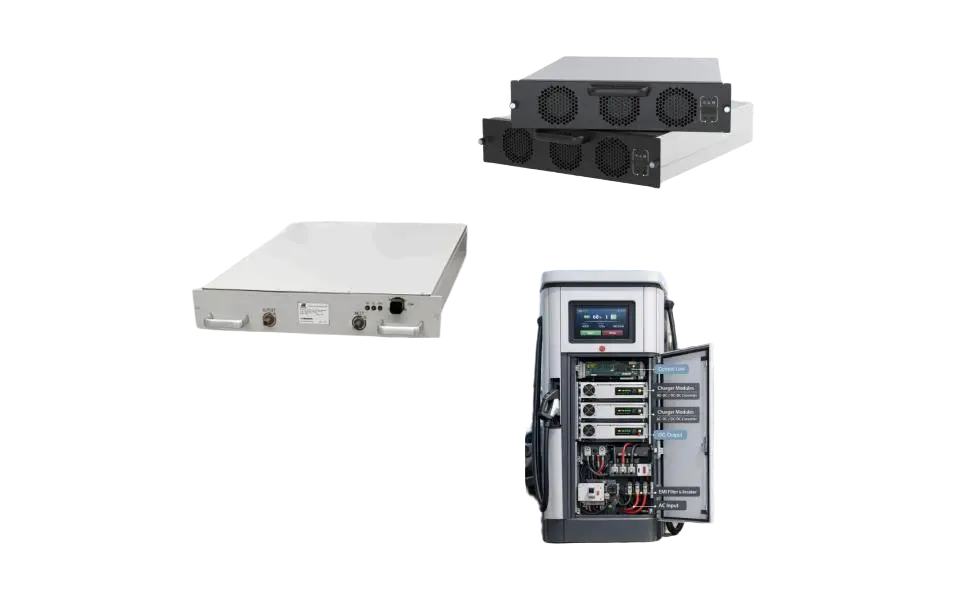
EV Charging Power Module

  • 30kW 40kW 50kW 60kW 80kW AC DC EV Charger Module
  • 30kW 40kW 50kW 60kW DC DC EV Charger Module
  • 40kW 60kW 75kW 125kW Liquid Cooled Power Module
  • 20kW 22kW 30kW 40kW 45kW V2G Power Module
  • 30kW 40kW 50kW 60kW MPPT Power Module
  • 20kW 50kW 62.5kW Bidirectional AC DC Power Module
View More
EV Charging Power Module

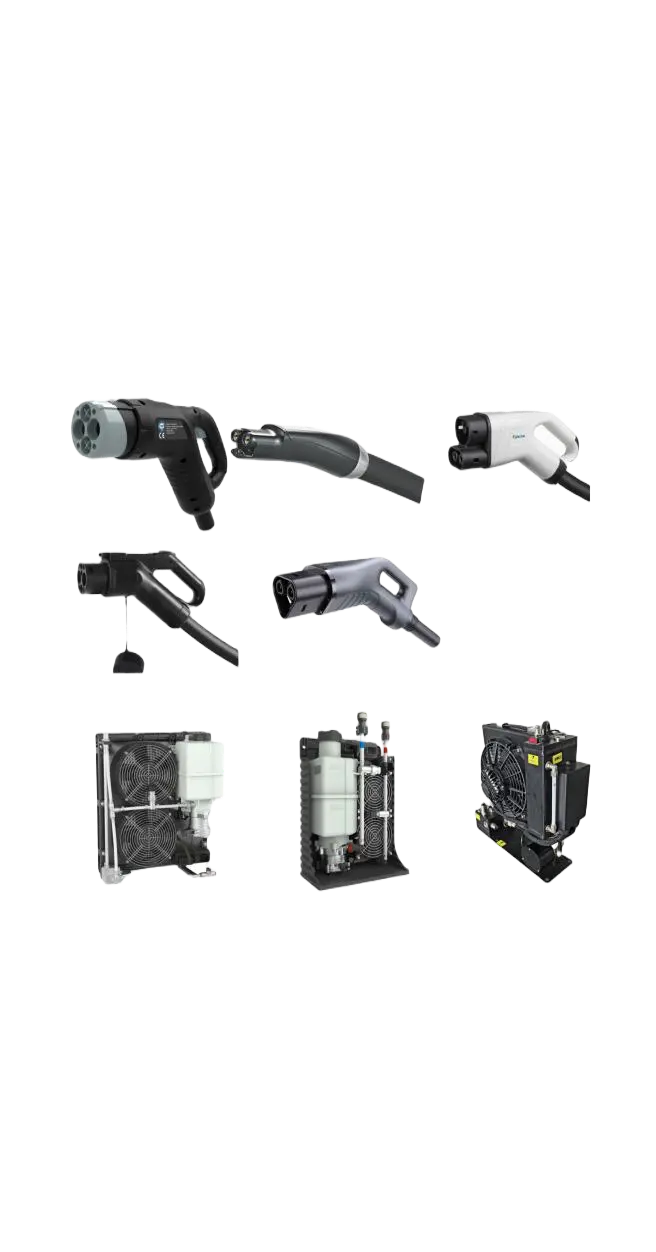
DC Charging Connector & Liquid Cooling Unit

  • 500A 600A CCS1 & CCS2 & GBT Connector
  • 125A 250A 300A 350A NACS & CHAdeMO Connector
  • 1500A MCS Connector & CHAOJI Connector
  • 3.5kW 4.5kW 6kW 9kW Integrated Liquid Cooling Unit
  • 2.4kW 3.5kW Split Type Cooling Unit
  • 25kW ~72kW Cooling Unit for HPC Charging
View More
DC Charging Connector

DC Fast Charger Station

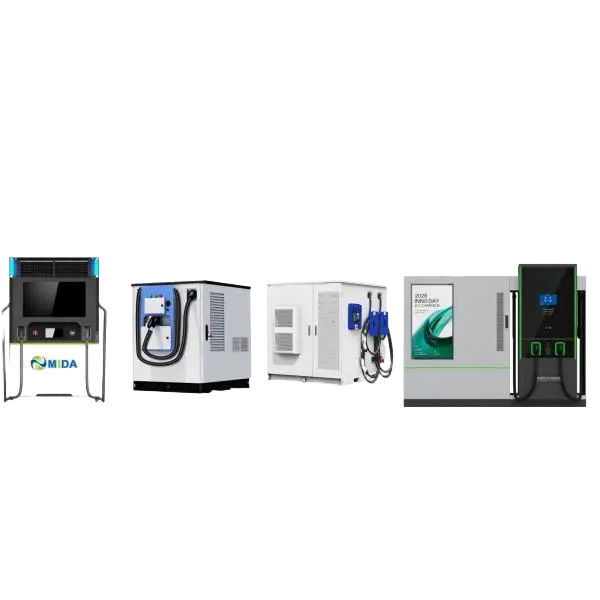
  • 7kW~ 60kW Mobile DC Charging Station
  • 20kW ~80kW Wall Mounted DC Charging Station
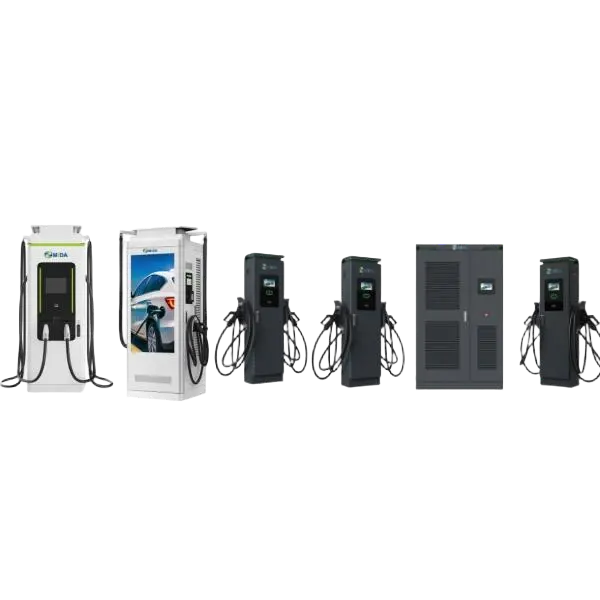
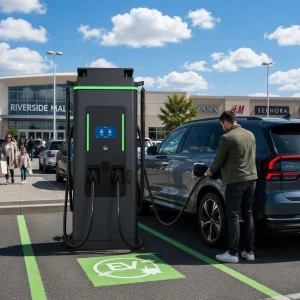
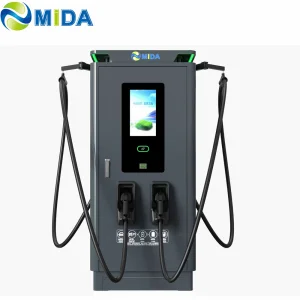
  • 60kW ~480kW Floor Mounted Charging Station
  • 60kW~240kW Advertising Charging Station (43inch , 55inch )
  • 600kW ~1080kW Liquid Cooled Charging Station
  • 360kW ~ 1680kW Split Type DC Charging Station
View More
DC Fast Charger Station

Energy Storage Charging Station

  • 15kW~480kW Mobile ESS Charging Station
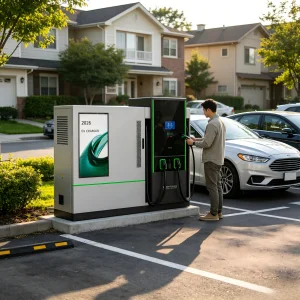
  • 60kW ~ 400kW Integrated ESS Charging Piles
  • 65kWh~200kWh Emergency Rescue Charging Station
  • 165kwh Automatic Charging Robot
  • 800kwh~2000kwh Solar Energy Charging System
View More
Energy Storage Charging Station
DC
DC Charger Station
High-speed charging systems from 60kW to 480kW (compact footprint) and 360kW to 1440kW (liquid-cooled split systems).
DC Charger Station View More
BESS
BESS Charging Station
Battery-integrated fast chargers available in capacities: 60kWh, 261kWh, 418kWh, 625kWh, and up to 2MkWh.
BESS Charging Station View More
Standardization & Architecture

Global Interoperability & Grid Integration Standards

Deploying ultra-fast charging hardware globally requires strict compliance with varying safety and communication protocols. A robust 350kW charging system must serve as an intelligent grid node. This requires compliance with the following international standards:

  • ISO 15118 (Plug & Charge): Enables secure, automated communication between the vehicle and charger, authorizing payment and starting the charging process instantly without cards or mobile apps.
  • OCPP 2.0.1 (Open Charge Point Protocol): Implements structured JSON messaging for advanced device monitoring, real-time transaction processing, smart-charging scheduling, and diagnostic telemetry.
  • AFIR (Alternative Fuels Infrastructure Regulation): Meets EU compliance requirements by integrating transparent ad-hoc payment interfaces (such as terminal POS integration) and screen-based pricing displays.
  • UL 2202 & CSA C22.2: Third-party product certification confirming compliance with safety parameters for high-power DC fast-charging equipment in North America.

Local Application Scenarios for 350kW Systems

High-Power Charging (HPC) dispensers are optimized for specific fast-turnaround scenarios:

  • Highway Service Corridors: Installed at intervals along transport corridors to allow long-distance electric vehicles to charge rapidly and continue journeys without delay.
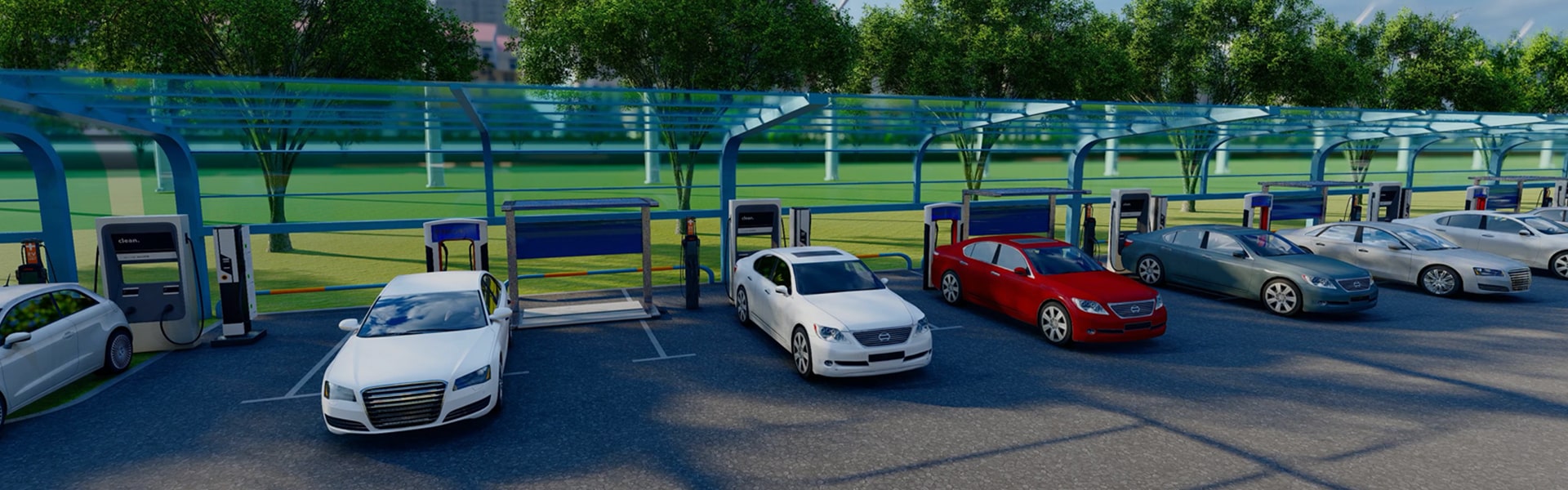
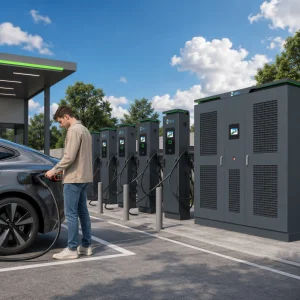
  • Urban Charging Hubs: Provides fast charging for urban drivers without access to private residential chargers, serving high-density residential and commercial areas.
  • Logistics & Delivery Depots: Supports delivery fleets by providing rapid mid-shift top-ups, maximizing vehicle uptime and delivery efficiency.
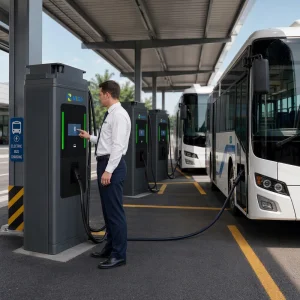
  • Public Transit Terminals: High-power fast chargers, including overhead pantograph systems, keep electric transit buses charged and running according to schedule.

Technology Roadmap: The Transition to Liquid Cooling

To deliver currents of 500A safely, active liquid cooling is necessary. Mida's cooling solutions utilize an environmentally safe, low-viscosity coolant circulated through a closed loop in the cable and connector. This system continuously extracts heat from the terminal pins during charging sessions. This keeps the cable diameter comparable to standard 150A cables, ensuring user comfort while maintaining thermal safety.

News & Technical Insights

Corporate News & Innovation

Stay updated on the latest developments in transit pantographs, high-power DC charging systems, and industrial fleet electrification.

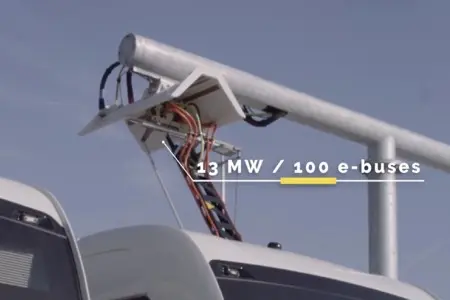
E-bus Pantograph Dome Advantages
What are the advantages of an e-bus pantograph dome? In contrast to classic plug-in charging systems, e-bus pantograph systems allow for hands-free, high-power automated connection directly from the overhead infrastructure, increasing operations throughput and safety in depots.
E-bus Pantograph Charging Times
How long does it take to charge with an e-bus pantograph? The charging time depends on the battery capacity and the station's configuration. With power levels from 300kW to over 600kW, typical opportunity charging takes between 5 to 10 minutes at route terminals.
Installing Pantograph Up Charger
How to Install the Pantograph Up Charger System Dome for Electric Bus. Installing a “Pantograph Up” system dome requires careful alignment with the route structure, integration with local electrical substations, and configuring automated wireless communications (Wi-Fi or RFID) between bus and dome.
Mida Production Line Banner
Expert FAQ

Frequently Asked Questions

Key technical and procurement answers regarding high-power 350kW DC fast-charging deployment.
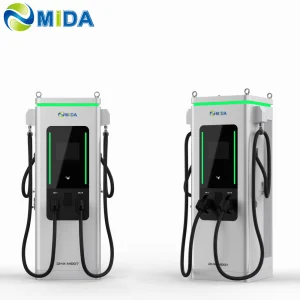
What are the primary electrical grid requirements for installing a 350kW EV charger?
A 350kW DC Fast Charger requires a robust 3-phase connection, typically 400VAC ±10% in Europe/Asia or 480VAC in North America, with a grid draw of over 400kVA per dispenser. For multi-dispenser sites, installing a dedicated medium-voltage substation transformer and implementing dynamic power allocation (smart power routing) is highly recommended.
Why is liquid cooling required for chargers operating at 350kW and above?
Charging at 350kW requires currents up to 500A. In standard uncooled copper cables, these currents generate heat that can quickly exceed safe operational limits. Liquid cooling dissipates heat directly from the cable cores and connector pins. This maintains safe operating temperatures while keeping cables lightweight and flexible enough for easy handling.
Do Mida Group fast chargers support OCPP 2.0.1 and ISO 15118?
Yes, our high-power DC fast-charging systems are designed to support OCPP 2.0.1 for advanced network communications and diagnostics, and ISO 15118 for secure Plug & Charge vehicle authentication. This ensures compatibility with modern EV networks and vehicle architectures.
Can a BESS (Battery Energy Storage System) be paired with 350kW EV chargers?
Yes. Pairing high-power dispensers with BESS units (such as our 241kWh to 2MWh BESS configurations) allows for peak shaving and buffer charging. The battery storage discharges during high-current charging demands, reducing grid impact and lowering peak-demand utility charges for station operators.
What connectors are available on Mida Group DC stations?
We supply systems configured with CCS1, CCS2, CHAdeMO, GBT, and NACS (Tesla standard) connectors, as well as high-power MCS (Megawatt Charging System) configurations. This allows us to serve varied commercial and industrial fleets worldwide.