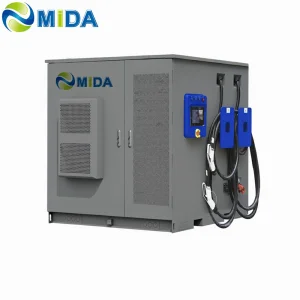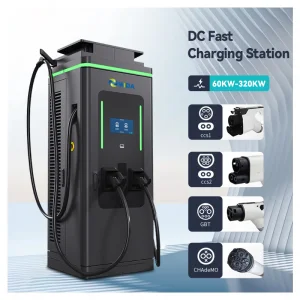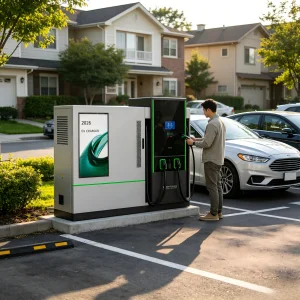
Direct from our manufacturing facility, engineered for high reliability, strict global safety compliance, and maximum throughput.
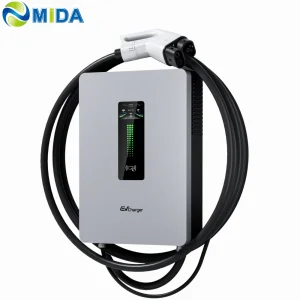
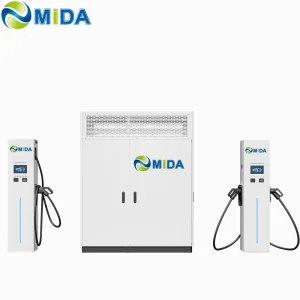
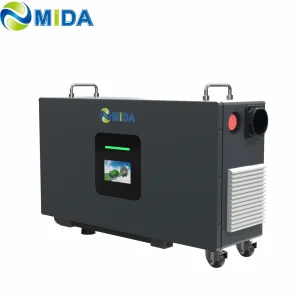
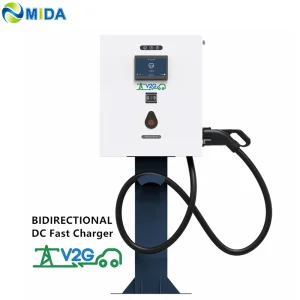
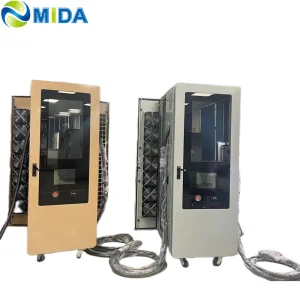
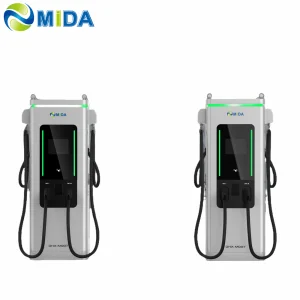
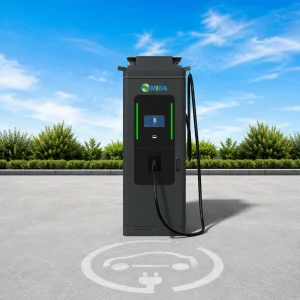
In the rapidly transforming landscape of electric mobility, the demand for high-throughput, capital-efficient, and reliable charging infrastructure has elevated 350kW DC fast charging to a global industry benchmark. Often classified under High-Power Charging (HPC), 350kW systems are designed to bridge the refueling speed gap between internal combustion engine (ICE) vehicles and passenger or commercial electric vehicles (EVs). Providing a continuous 350kW of electrical energy requires highly sophisticated thermal management, power conversion topology, and communication protocols.
For fleet operators, highway service providers, and municipal planners, partnering with the right 350kW DC fast charger manufacturer or factory is a critical multi-decade investment. It is not merely about raw output; it requires a systematic evaluation of energy efficiency, grid impact, system uptime, and long-term modularity. By exploring the core dimensions of 350kW charging architectures, global buyers can optimize their Total Cost of Ownership (TCO) while ensuring future-proof grid compliance.
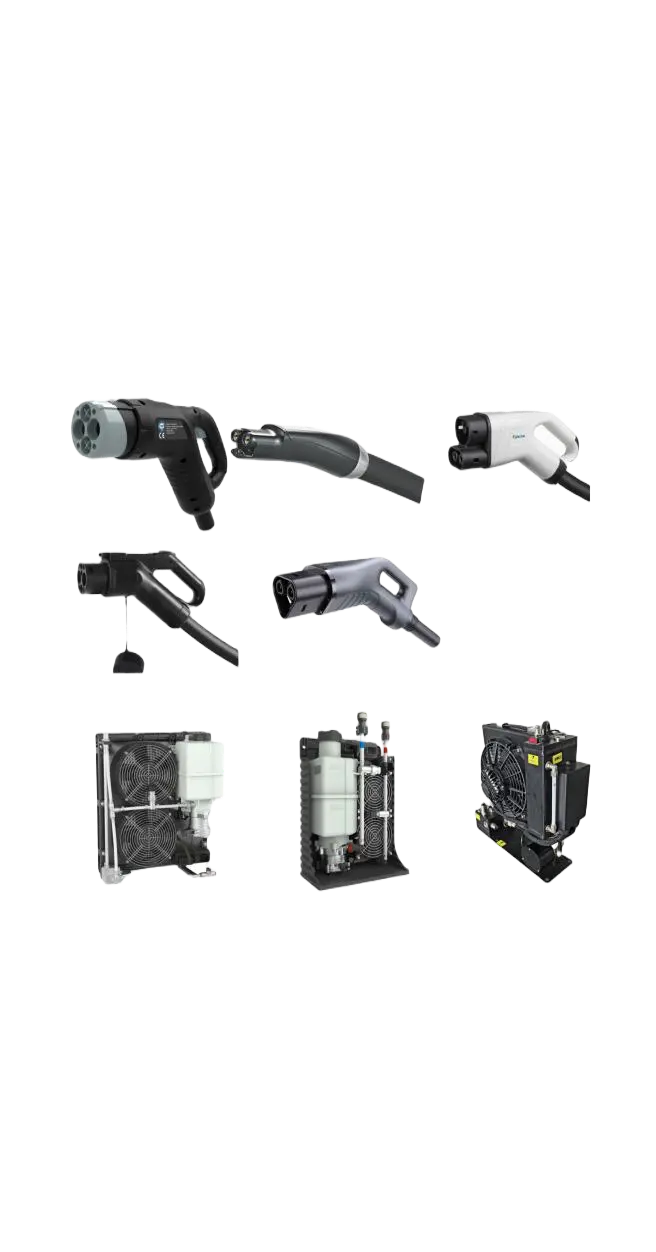
To safely transmit currents up to 500A, 350kW chargers implement active liquid-cooled cables and connectors, avoiding hazardous heat dissipation levels.
Dynamic matrix power allocation splits charging capacity into modular increments, allowing multiple vehicles to charge concurrently with optimal load balance.
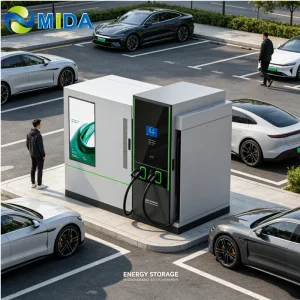
Integrating Battery Energy Storage Systems (BESS) mitigates peak demand charges and stabilizes local grids during concurrent high-output charging cycles.
Sourcing high-power fast chargers demands rigorous technical due diligence. A reliable manufacturer must guarantee long-term operation under variable environmental conditions, high utilization rates, and changing EV battery architectures. The key specifications that procurement and engineering directors must evaluate include:

Explore our core business segments providing foundational components and turnkey charging infrastructure globally.
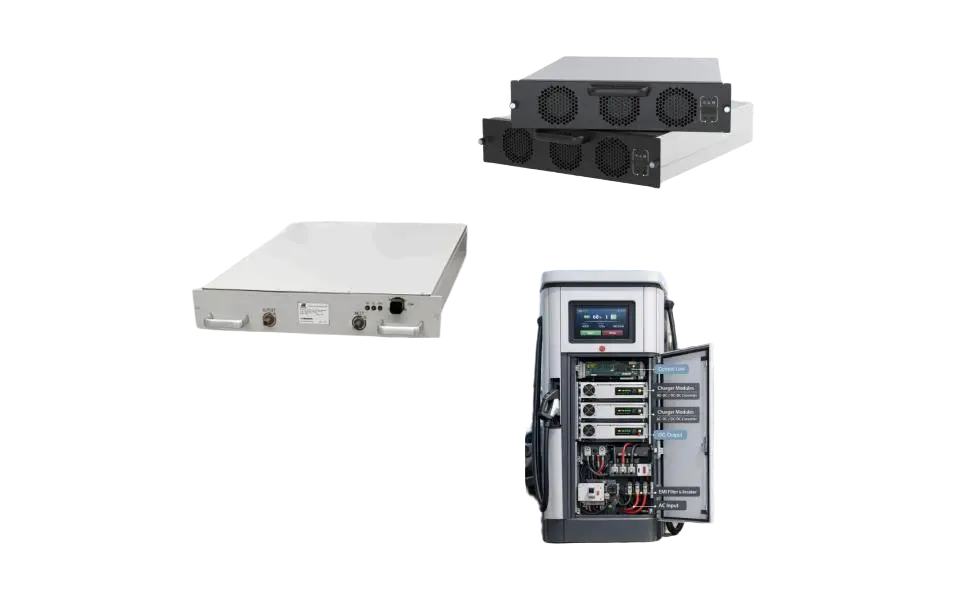
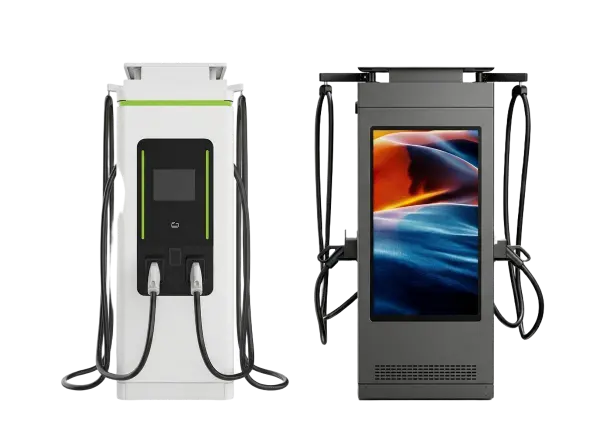
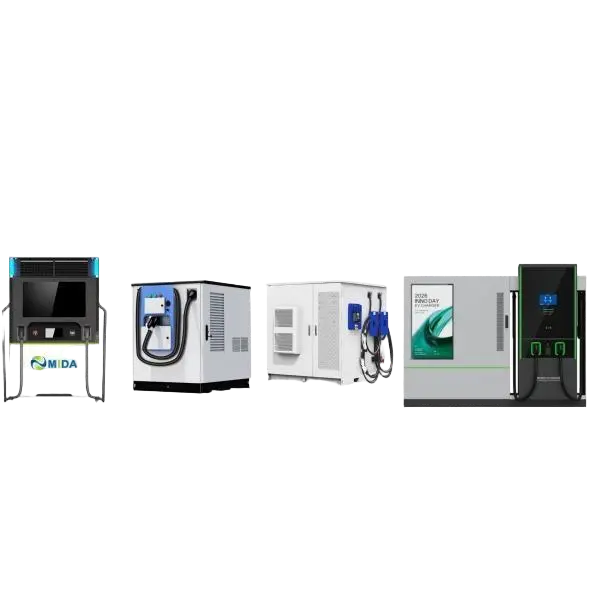
The manufacturing cluster effect within mainland China, specifically in technology and industrial hubs like Shanghai and Shenzhen, gives manufacturers like MIDA Group a significant competitive advantage. This advantage spans raw material procurement, localized assembly vertical integration, and rapid testing turnaround cycles. For global procurement specialists, this translates directly to shorter lead times, lower initial capital expenditure, and reliable access to spare parts.
By owning the complete stack—from cable extrusion, liquid-cooled connector assemblies, and high-efficiency power module development, to full-cabinet integration—MIDA Group minimizes margin stacking. This localized vertical integration ensures tight control over quality management system standards (such as ISO 9001 and IATF 16949). In contrast to regional system integrators who outsource key assemblies, our internal ecosystem facilitates swift design changes to meet evolving grid requirements.
Grid integration of 350kW systems is heavily regulated to ensure safety, measurement accuracy, and cybersecurity. MIDA Group designs, manufactures, and pre-certifies its hardware platforms to comply with the most stringent global standards, including:
The flexibility of MIDA’s 350kW fast charging architectures makes them ideal for several critical enterprise applications:
Our comprehensive selection of AC, DC, and Battery-integrated charging infrastructure solutions designed for modern utilities and fleet operators.
High-reliability destination charging
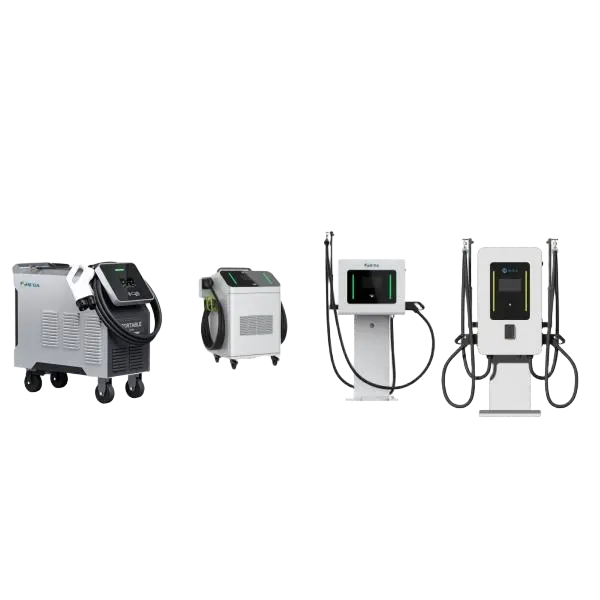
7kW 20kW 30kW 40kW 60kW 80kW
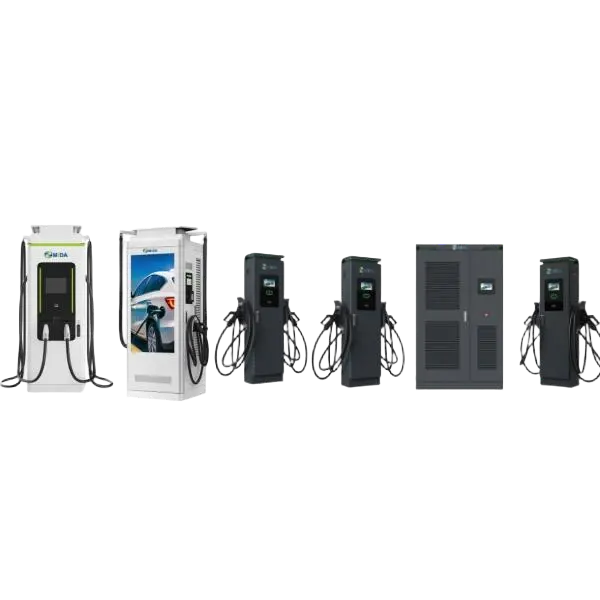
60kW-480kW 360kW-1440kW
60kWh 261kWh 418kWh 625kWh 2MkWh Integrated Energy Storage Systems
MIDA BESS (Battery Energy Storage System) Integrated EV charging stations allow operators to deploy high-capacity fast charging interfaces even where local grid utility feeds are capacity-constrained. By storing off-peak energy and buffering demand peaks, the system reduces operating costs and grid infrastructure upgrade capital.
Explore BESS Solutions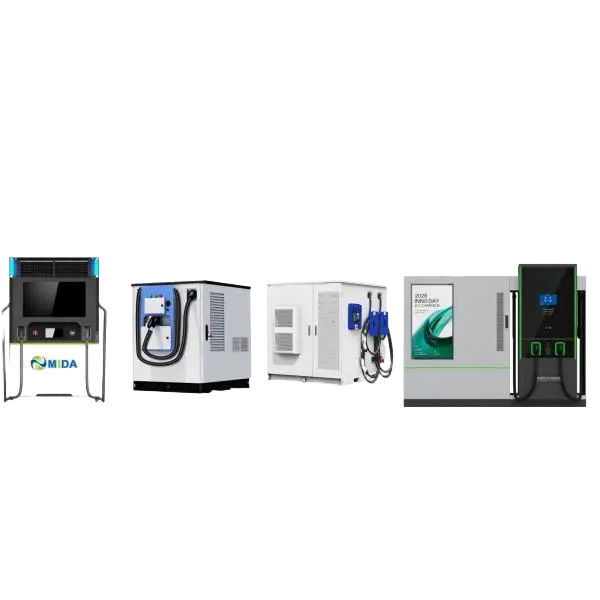
Stay informed with the latest updates from our research team concerning next-generation transport electrification technologies.
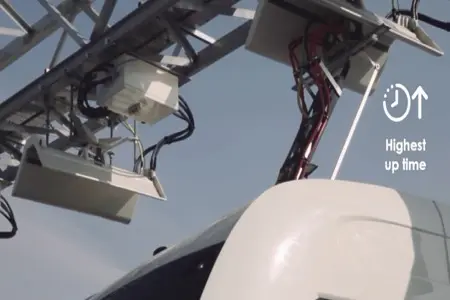
What are the advantages of an e-bus pantograph dome? In contrast to classic plug-in charging systems, e-bus pantograph systems allow automated overhead connection, facilitating seamless energy transfer at transit terminals.
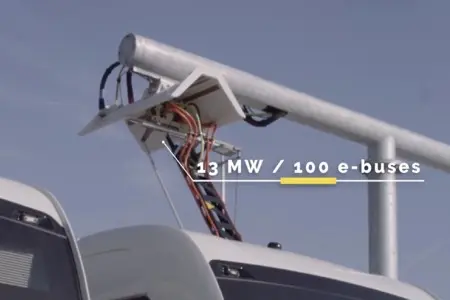
How long does it take to charge with an e-bus pantograph? The charging time depends on the battery capacity and the station's electrical configuration, but overhead megawatt-level connectors minimize downtime.
How to Install the Pantograph Up Charger System Dome for Electric Bus. Installing a "Pantograph Up" system requires rigorous alignment, structural safety testing, and automated protocol handshake integration.
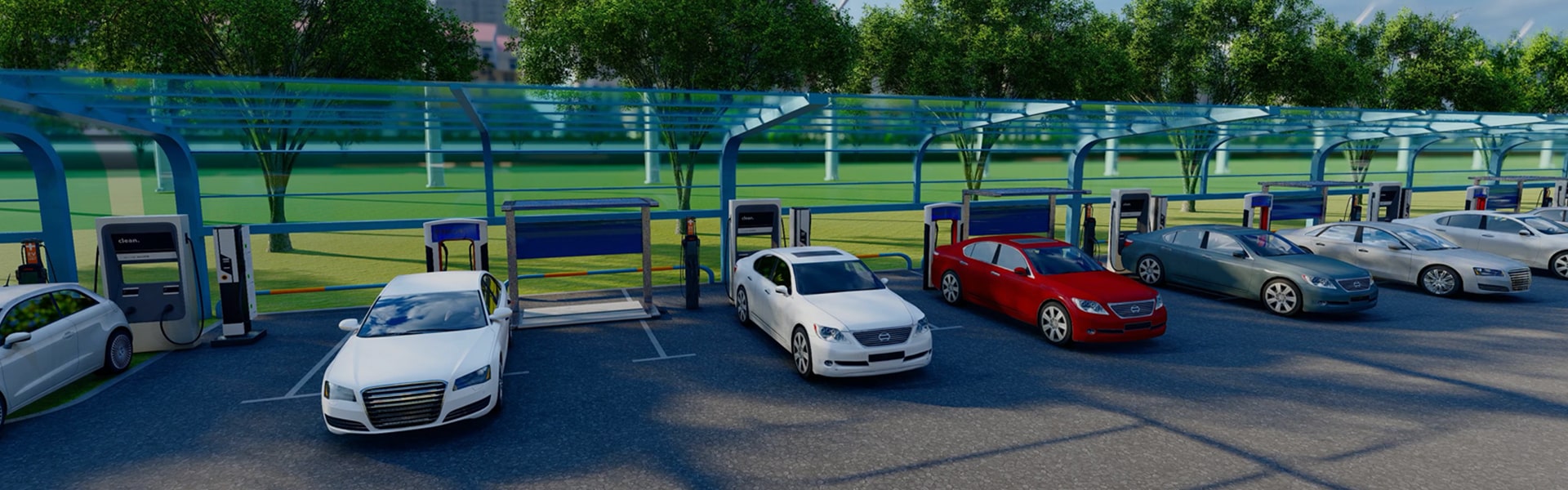
In-depth responses to frequent technical queries raised by electrical engineers, fleet operators, and global procurement departments.
Our complete range of certified DC fast chargers, backup battery integrations, and ultra-high-power split charger cabinets.