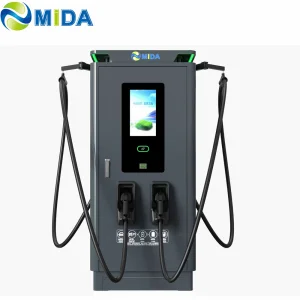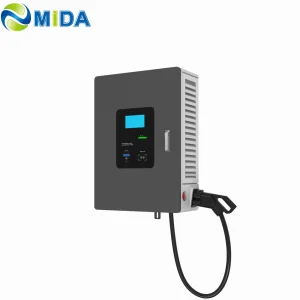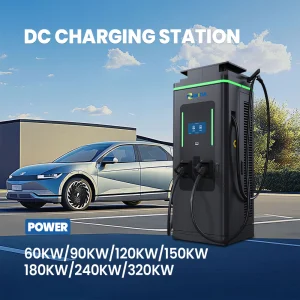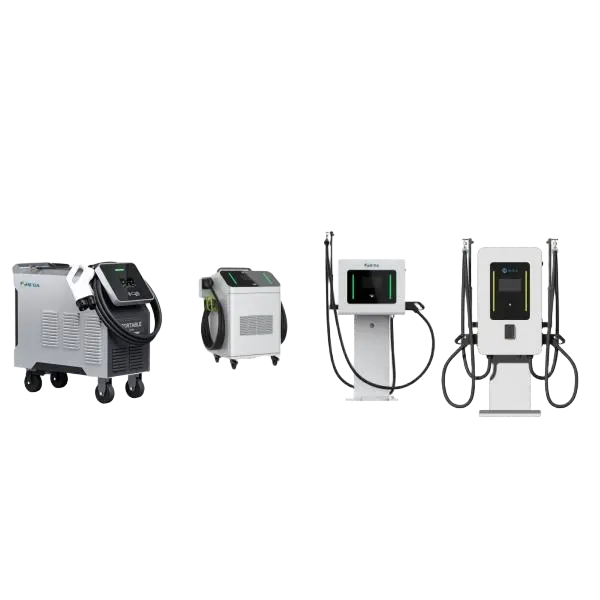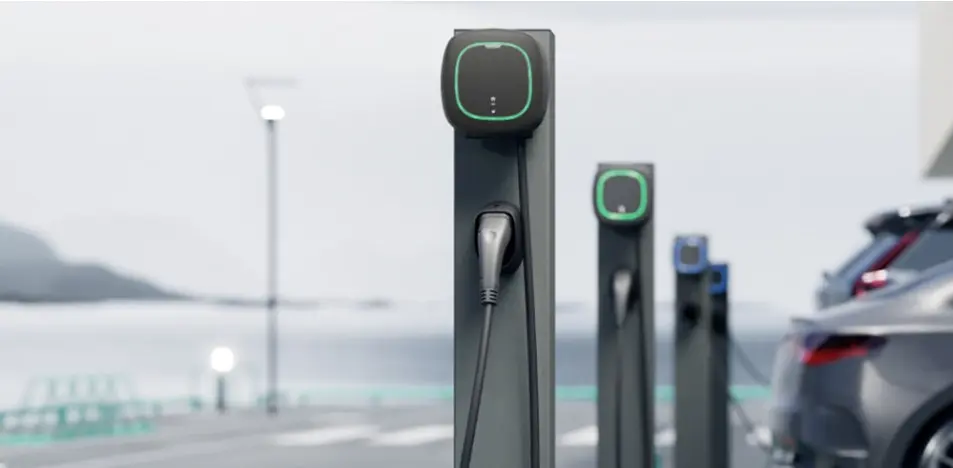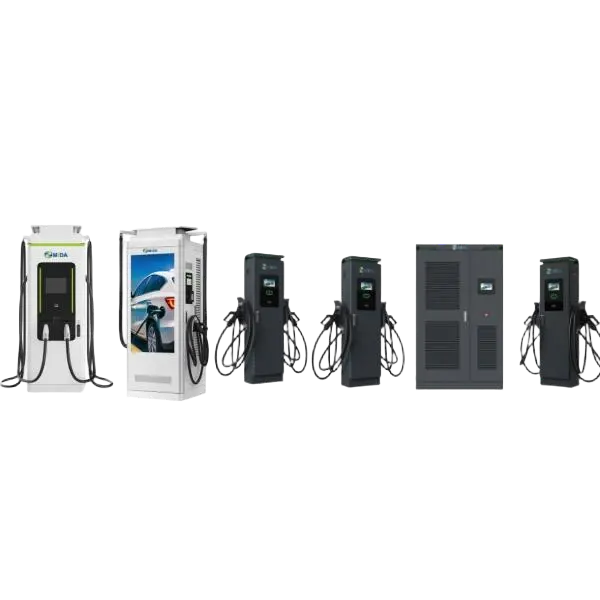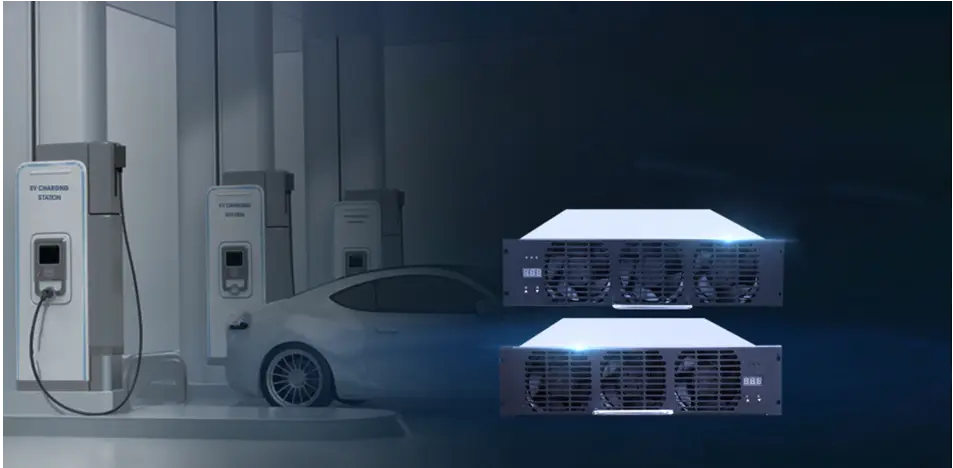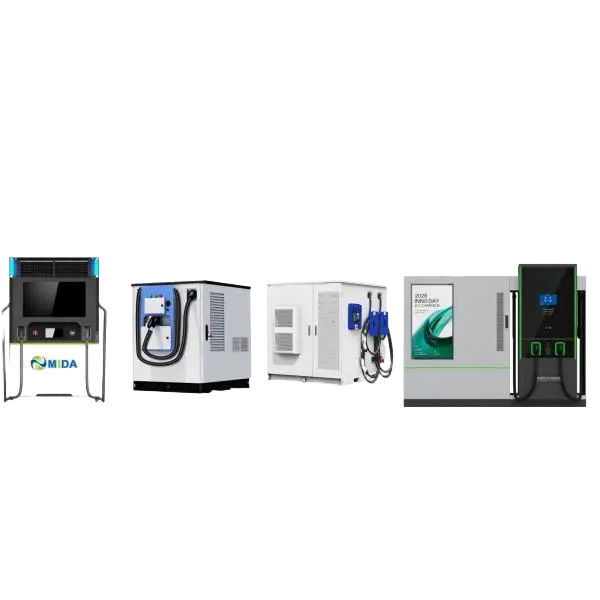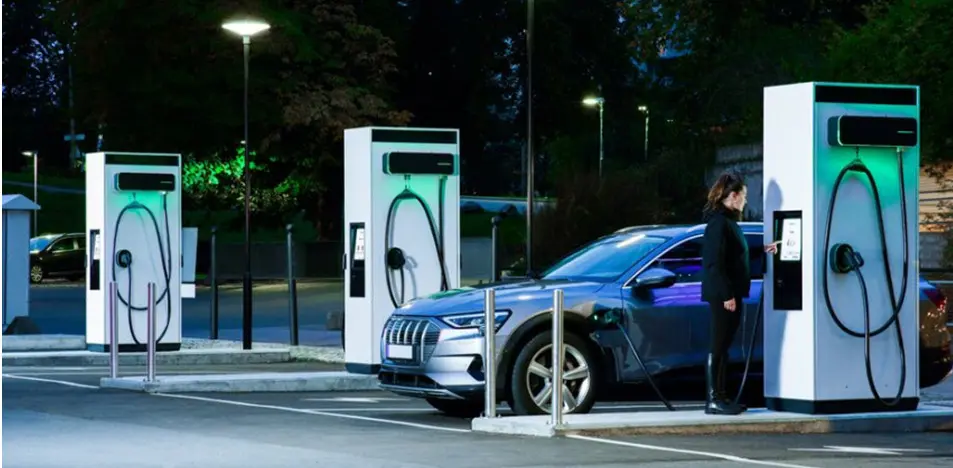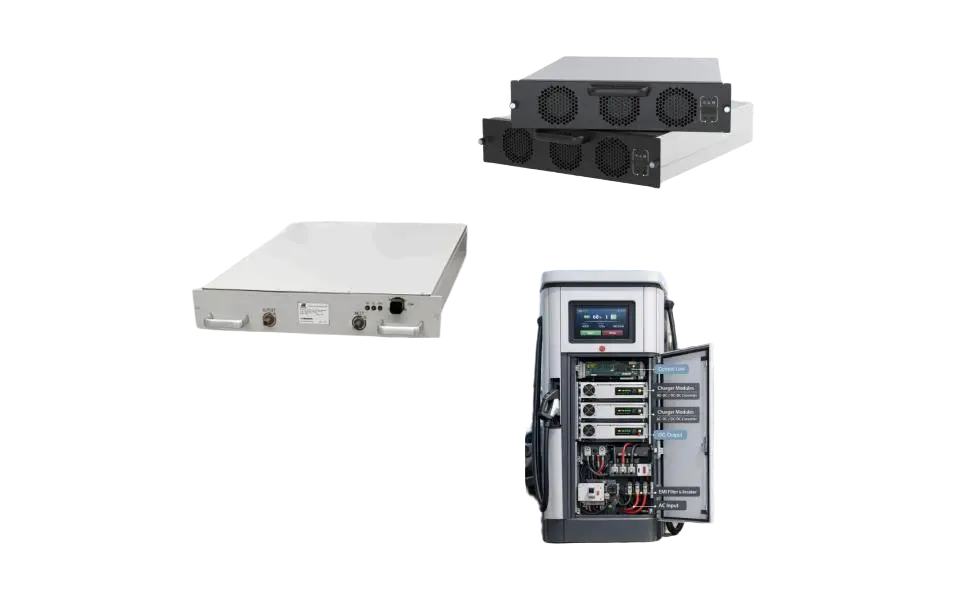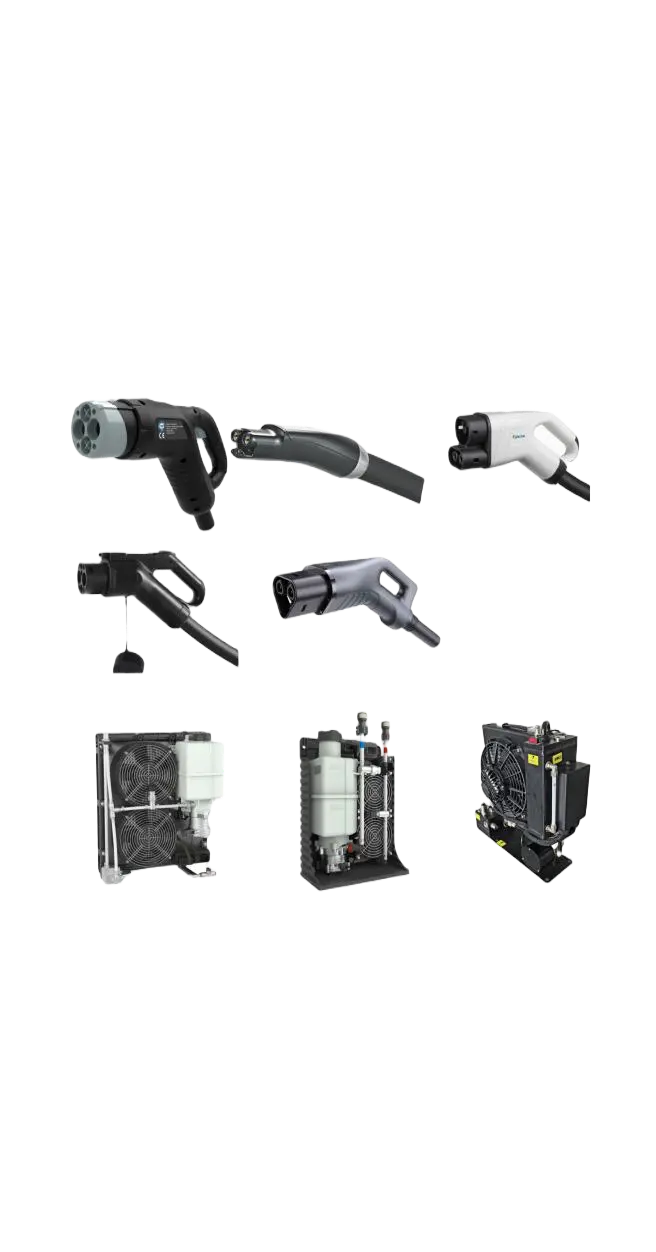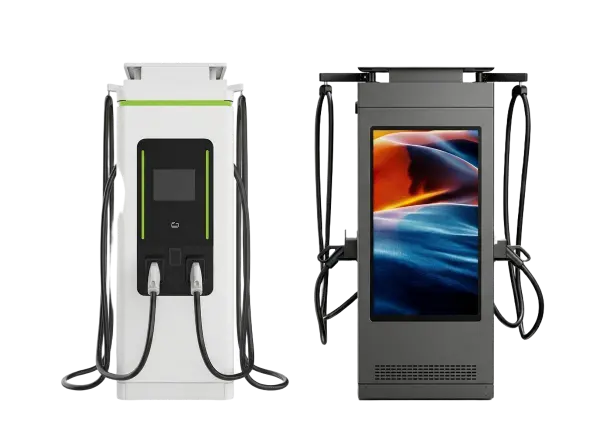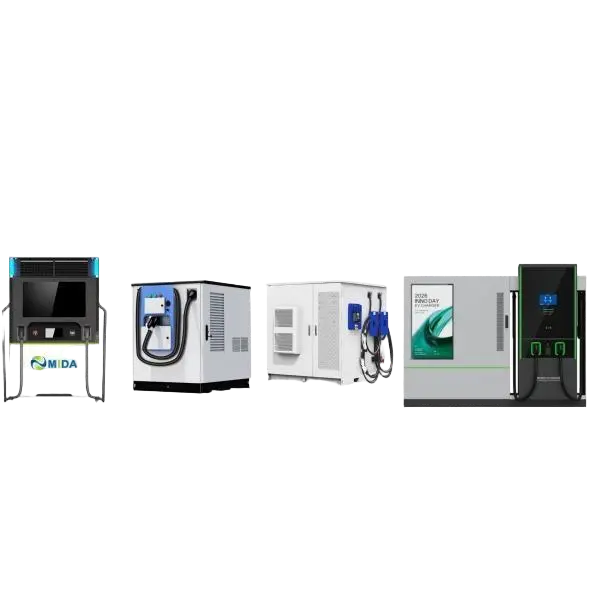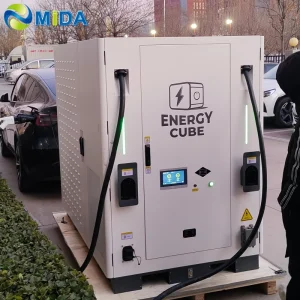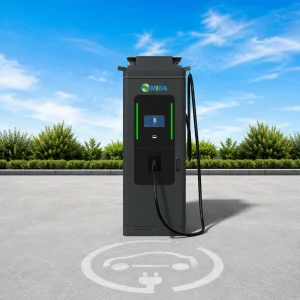
Explore our premium lineup of high-voltage chargers, designed for ultimate power density, smart grid interaction, and robust hardware integration.
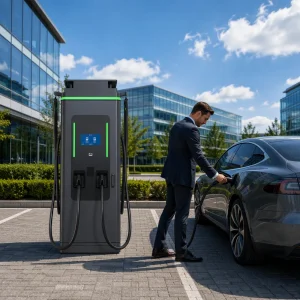
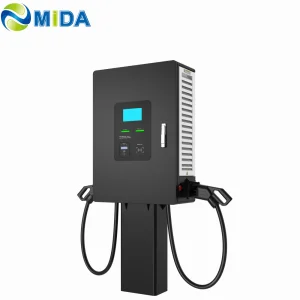
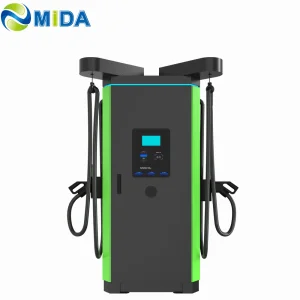
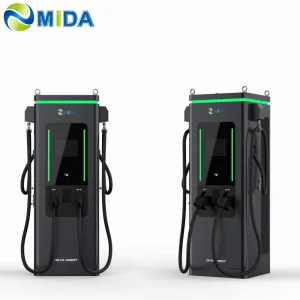
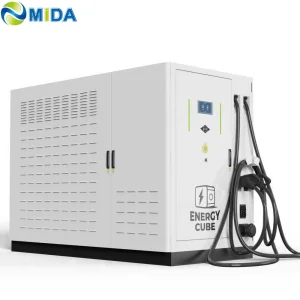
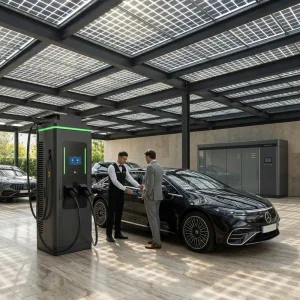
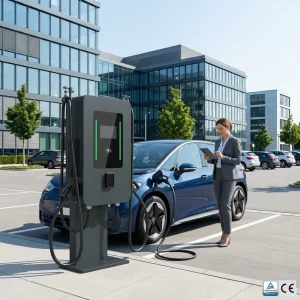
The global transition to electric mobility relies heavily on ultra-fast charging infrastructure to reduce charging times, alleviate range anxiety, and support commercial fleets. A 300kW DC Fast Charger represents the pinnacle of high-power charging technology, capable of delivering up to 300 kilometers of range in under 10 minutes. Implementing this requires specialized engineering, focusing on high power density, superior thermal management, and reliable electronic components.
At the core of a 300kW charger is the power conversion system, which transitions high-voltage AC from the utility grid (usually 400V or 480V three-phase) to DC energy. Modern 300kW stations rely on modular matrices. Instead of using a single 300kW converter, manufacturers bundle multiple 30kW, 40kW, or 50kW power modules. This modular layout offers excellent fault tolerance: if one module fails, the station remains operational at a slightly lower capacity.
Historically, Insulated Gate Bipolar Transistors (IGBTs) were the standard. However, state-of-the-art 300kW systems have adopted Silicon Carbide (SiC) MOSFETs. SiC semiconductors offer significant benefits over silicon alternatives:
Operating at 300kW generates significant heat. Delivering 300kW at a nominal 800V implies a current flow of 375A. Traditional air-cooled charging cables are capped at approximately 200A due to weight constraints. To deliver the higher currents demanded by high-output stations, liquid-cooled cables and connectors are required.
| Thermal Metric | Forced-Air Cooling Systems | Liquid-Cooling Systems |
|---|---|---|
| Max Continuous Current | Up to 200A - 250A | 500A - 600A+ |
| Cable Weight & Diameter | Thick, heavy, stiff, difficult to handle | Thin, lightweight, highly flexible |
| Enclosure IP Rating | IP54 (requires ventilation pathways) | IP55/IP65 (fully sealed loop) |
| Acoustic Noise Levels | High (high-RPM cooling fans) | Extremely low (sealed liquid circulation) |
| Mean Time Between Failures | Moderate (filters need frequent replacement) | High (sealed system, minimal ambient wear) |
Technical Insight: Liquid-cooled setups circulate a specialized dielectric coolant or a water-glycol mixture through the charging cable directly to the connector pins. This controls temperatures during high-current sessions, preventing thermal throttling and keeping the connector head safe for users.
For station owners, grid integration is a key challenge. A site with four 300kW chargers requires a 1.2MW grid connection. Implementing Dynamic Load Balancing (DLB) allows the system to allocate power dynamically based on the state of charge (SoC) and the vehicle's maximum capability. If one EV is charging at 100kW and another at 200kW, a dual-gun 300kW station can distribute power in real-time, maximizing utility without exceeding the local grid capacity.
The high-power DC charging sector is evolving rapidly, driven by faster battery charging capabilities and grid constraints. Developers must align their hardware choices with these emerging trends to ensure long-term viability.
While 300kW serves passenger vehicles and light commercial trucks, heavy-duty vehicles (e.g., class-8 trucks, buses, maritime vessels) require even higher charging speeds. The industry is moving toward Megawatt Charging Systems (MCS), which support up to 3.75MW (1250V at 3000A). Elements of MCS engineering, including advanced liquid-cooled connectors and high-frequency SiC modules, are already being integrated into modular 300kW–600kW platforms to future-proof current installations.
Bidirectional power flow allows EVs to feed electricity back to the grid (Vehicle-to-Grid, V2G) or power facilities (Vehicle-to-Building, V2B). Implementing ISO 15118-20 establishes a standard communication protocol for bidirectional transfer, enabling 300kW stations to act as virtual power plants. This capability helps fleet operators and energy providers balance grid loads during peak demand periods.
An industry-leading enterprise providing vertical manufacturing of charging cables, connectors, power modules, and complete charging stations.
Shanghai Mida Cable Group Ltd. operates through its wholly owned subsidiaries: Shanghai Mida EV Power Co., Ltd., Shenzhen Mida EV Power Co., Ltd., and Shanghai Mida New Energy Co., Ltd. This corporate structure integrates raw material sourcing, electronics engineering, and system integration into a unified supply chain.
Mida Cable manufactures a comprehensive range of EV charging cables, including 16A–80A J1772 cables, 16A–63A IEC 62196-2 Type 2 cables, and high-power DC fast charging cables: CCS1 (80A–500A), CCS2 (125A–1000A), CHAdeMO (125A–300A), GBT (200A–1000A), and NACS connectors (250A–600A).
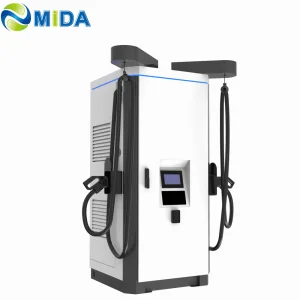
MIDA EV Power produces a full lineup of EV charging stations, such as 7kW–50kW mobile chargers, 3.6kW–7.2kW portable DC chargers, 360kW–1440kW split-type DC fast chargers, 20kW–50kW wall-mounted DC chargers, and 60kW–480kW floor-standing DC fast charging stations.
MIDA New Energy specializes in EV charger power modules, offering 20kW–60kW standard modules, 40kW–125kW liquid-cooled modules, 30kW–62.5kW bidirectional modules, and 20kW–45kW V2G charging modules.

Explore our main production lines, which cover AC/DC interfaces, liquid-cooled modular systems, and integrated BESS energy solutions.
Deploying 300kW charging equipment requires specialized configurations tailored to the specific application environment. A highway transit hub, for example, faces different operating demands than a commercial delivery fleet.
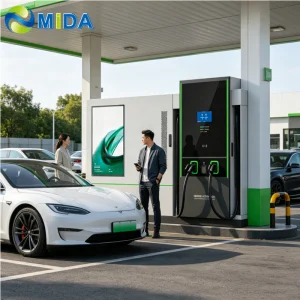
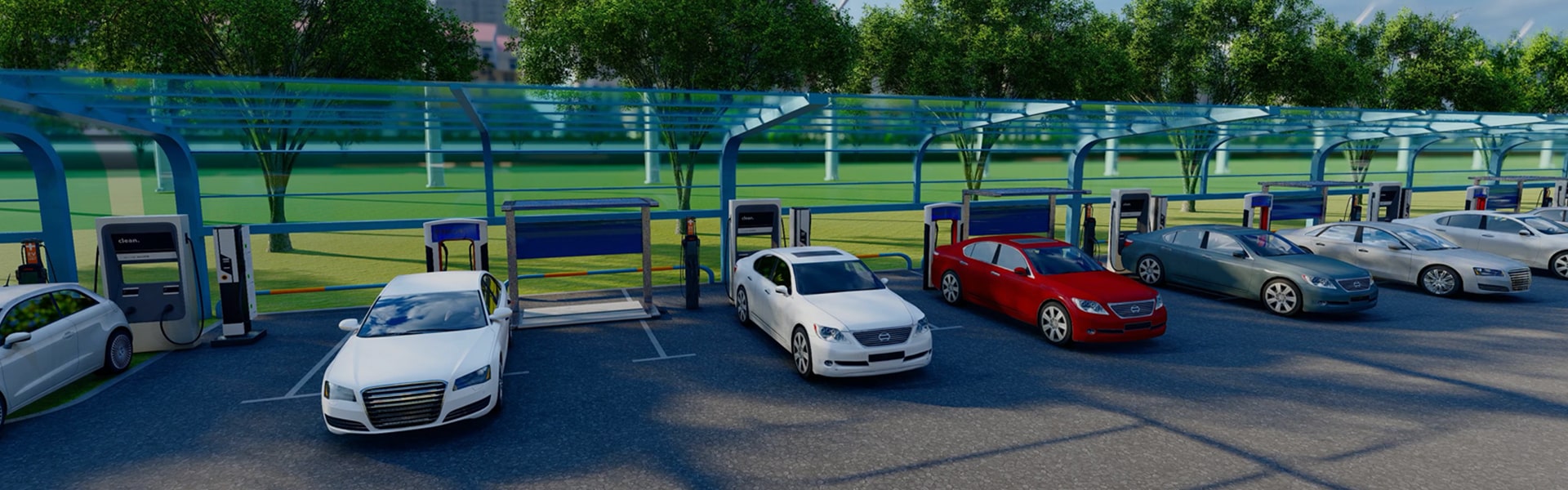
On major highways, minimizing charging times is critical to maintaining smooth traffic flow. Highway charging stations require highly reliable 300kW units equipped with dual-standard connectors (CCS2 and NACS) to accommodate various EV designs. These installations benefit from split-architecture setups, where the power conversion racks are located in a centralized utility enclosure and the user interface terminals remain compact and accessible on the driver's island.
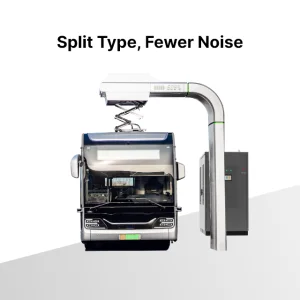
For municipal transit systems and heavy commercial logistics hubs, charging demands are high but predictable. Fleet operations can leverage automated overhead systems, such as pantograph-based charging, which deliver high-power energy directly to buses or heavy trucks without requiring driver intervention. This approach supports rapid automated charging during scheduled route stops.
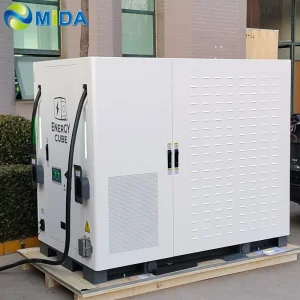
To reduce peak demand charges and mitigate grid congestion, operators are increasingly pairing 300kW chargers with Battery Energy Storage Systems (BESS). An integrated BESS stores solar energy or low-cost grid power during off-peak hours and discharges it during high-load charging sessions. This setup helps lower operating costs and reduces stress on local utility connections.
Selecting a China-based factory for high-power DC infrastructure offers notable advantages in supply chain integration, production efficiency, and technology development.
Chinese production facilities benefit from localized industrial clusters, where key components like copper wire, plastic enclosures, electronic components, and liquid-cooling units are manufactured in close proximity. This concentrated supply chain helps reduce lead times, simplifies quality control, and lowers transport costs, allowing for competitive pricing on custom builds.
Modern Factory 4.0 installations utilize automated SMT (Surface Mount Technology) processes for circuit boards, robotic assembly lines, and specialized testing equipment. Every 300kW station undergoes automated verification tests, including insulation testing, high-voltage breakdown analysis, and thermal stress testing, ensuring reliable out-of-the-box performance.
| Production Stage | Quality Control Metric | Standards Complied |
|---|---|---|
| PCBA SMT Lines | Automated Optical Inspection (AOI) & X-Ray solder checking | IPC-A-610 Class II/III |
| Cabinet Assembly | Pneumatic seal test & anti-corrosion layer audit | ISO 9001, IP55 compliance |
| Thermal Validation | Coolant pressure test & fluid circulation monitoring | IEC 61851-23 / ISO 15118 |
| Burn-In Station | 4-hour full-load burn-in at 45°C ambient | CE / UL / TUV standards |
Procuring fast-charging infrastructure at scale requires careful evaluation of total cost of ownership, regulatory compliance, and support capabilities.
While the initial acquisition cost of a 300kW charger is significant, operational and maintenance expenses represent the larger portion of lifecycle costs. Procurement teams should prioritize hardware designs that feature high power-conversion efficiency to minimize standby losses, alongside modular configurations that allow for fast field service and minimal downtime.
To support a wide range of electric vehicles, fast-charging hardware must maintain compatibility across multiple charging standards. Key requirements include:
Learn about our core products, designed to help you find the right charging solution for your application.
High-efficiency power converters designed for public fast-charging stations and dynamic matrix integration.
Industrial-grade charging interfaces and thermal management units supporting up to 1500A currents.
Complete, high-power DC fast-charging enclosures designed for commercial depots, fleets, and public networks.
Hybrid storage charging systems featuring high-capacity batteries to optimize peak power demand.
Stay informed with the latest insights, technological updates, and industry developments from our engineering division.

What are the advantages of an e-bus pantograph dome? In contrast to classic plug-in charging systems, e-bus pantograph networks offer rapid high-power charging during scheduled stops, automating bus operations without requiring manual cable connections.
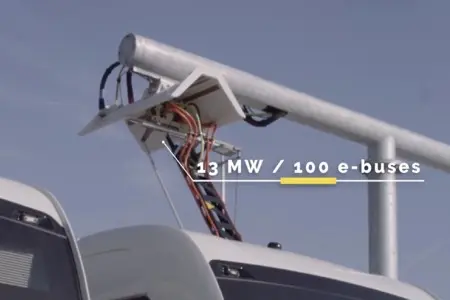
How long does it take to charge with an e-bus pantograph? The charging time depends on the battery capacity and the grid power available. High-output configurations can restore a significant portion of range in 5 to 10 minutes.
How to Install the Pantograph Up Charger System Dome for Electric Bus. Installing an automated overhead pantograph system involves precise mechanical alignment, structural support evaluation, and dynamic grid connection setup.
Answers to common technical, regulatory, and procurement questions for 300kW DC fast charging systems.
Browse our selection of portable, wall-mounted, and high-power integrated charging stations designed for diverse global requirements.