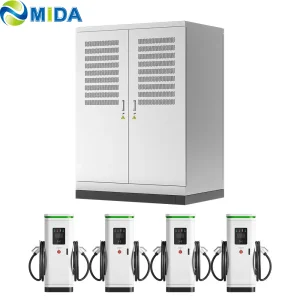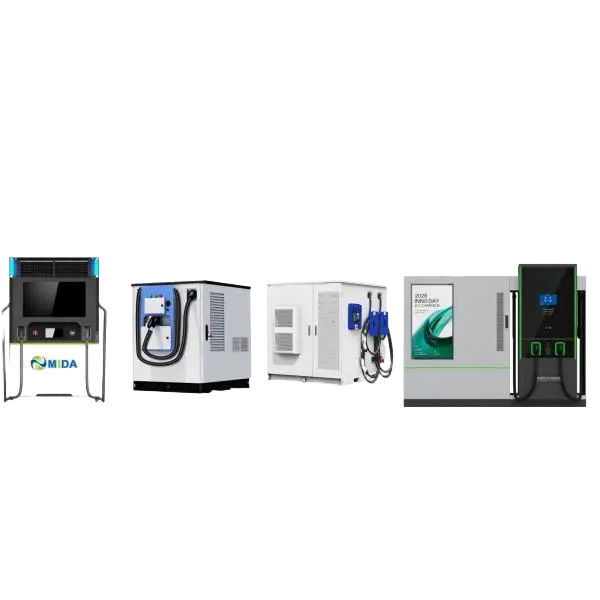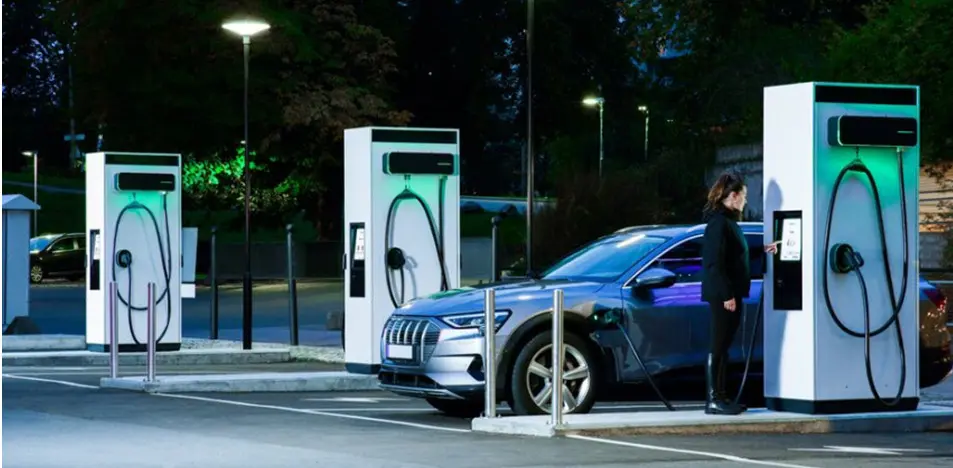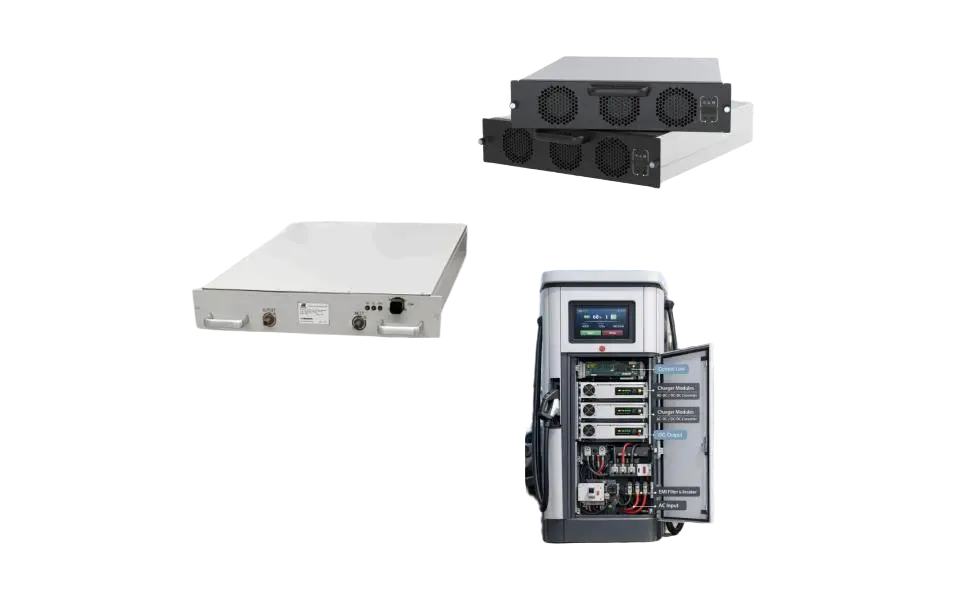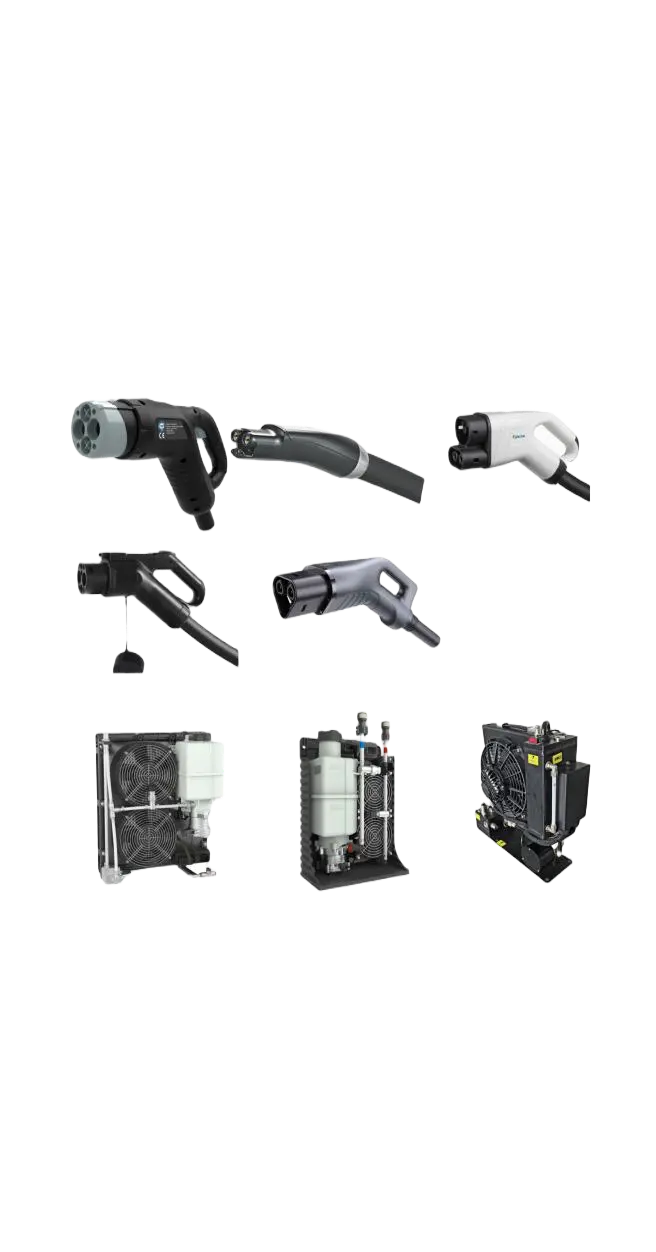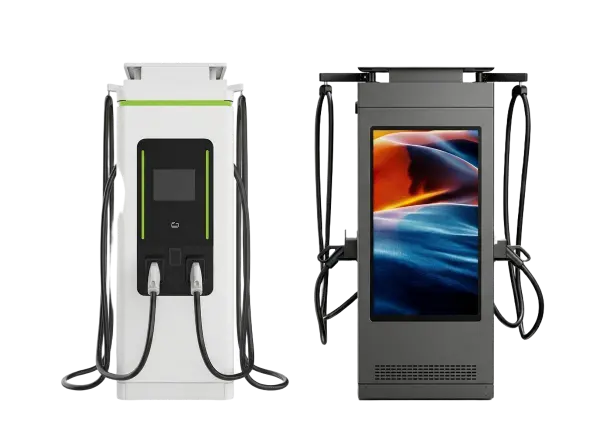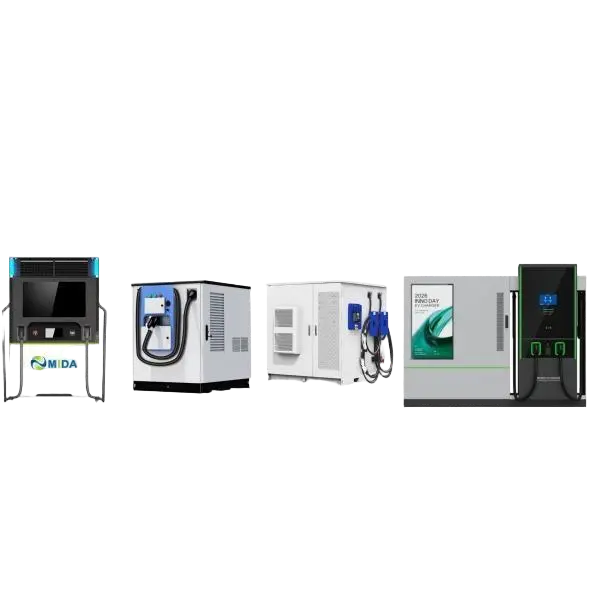
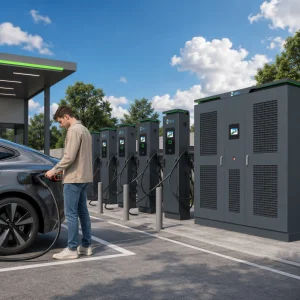
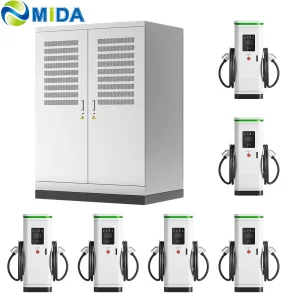
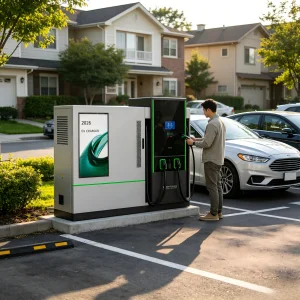
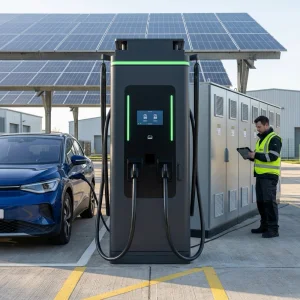
The global shift toward high-power density infrastructure has established the 240kW DC Fast Charger as the golden standard for fleet operations, highway commercial charging corridors, and urban retail zones. Modern 240kW configurations operate by harnessing high-efficiency power modules arranged in multi-cabinet setups. Rather than treating the power architecture as a single monolithic block, advanced suppliers design systems around modular matrices—specifically employing 30kW, 40kW, or 50kW EV charger modules.
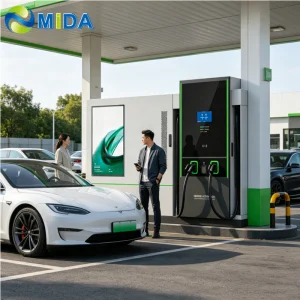
This decentralized module stack facilitates *Dynamic Power Allocation*. When a single vehicle hooks up to a dual-port 240kW charger, the system channels the full 240kW capacity directly, maximizing the vehicle's thermal absorption envelope. If a second vehicle plugs in, the smart distribution algorithm splits the capacity—allocating 120kW to each port, or scaling dynamically to match the State-of-Charge (SoC) requirements. This ensures optimized fleet throughput and reduces Grid Peak Demand penalties (Demand Charge Optimization).
Equipped with ISO 15118 protocol integration, our units support "Plug & Charge" (PnC) technology. This eliminates the need for manual app authentication or RFID card swipes, establishing an encrypted communication handshake directly between the EV battery management system (BMS) and the charger.
Unlike Western systems integrators that outsource critical components, Chinese factory hubs maintain end-to-end production lines. From the high-power EV cables and copper core terminals to the precise liquid-cooled charging modules, we design, mold, and test each component within Shanghai and Shenzhen manufacturing corridors. This limits supply chain dependencies, keeping production schedules stable.
Our manufacturing centers employ automated optical inspection (AOI), high-temperature environmental burn-in testing, and certified laboratory simulation environments. We adhere to global certifications, including IATF 16949 (automotive quality management system), ISO 9001, CE, TÜV, UL, and CB compliance testing, assuring trouble-free operations under harsh climatic circumstances.
Due to raw material access, streamlined engineering loops, and government-supported infrastructure ecosystems, our unit cost per kilowatt is significantly lower than alternative European or North American EVSE vendors. This enables Charge Point Operators (CPOs) to scale network footprints rapidly, reducing their payback periods by up to 35%.
Shanghai Mida Cable Group Ltd. operates through its wholly owned subsidiaries: Shanghai Mida EV Power Co., Ltd., Shenzhen Mida EV Power Co., Ltd., and Shanghai Mida New Energy Co., Ltd.
Mida Cable manufactures a comprehensive range of EV charging cables, including 16A–80A J1772 cables, 16A–63A IEC 62196-2 Type 2 cables, and DC fast charging cables: CCS1 (80A–500A), CCS2 (125A–1000A), CHAdeMO (125A–300A), GBT (200A–1000A), and NACS connectors (250A–600A).
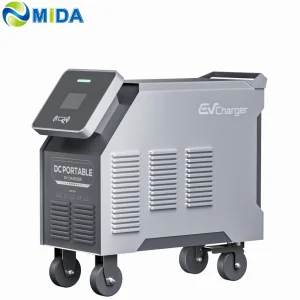
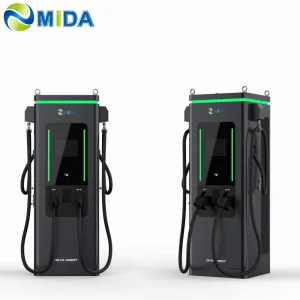
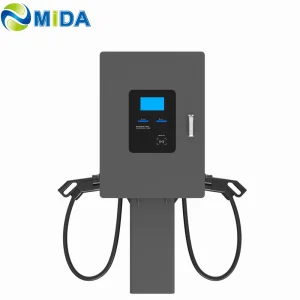
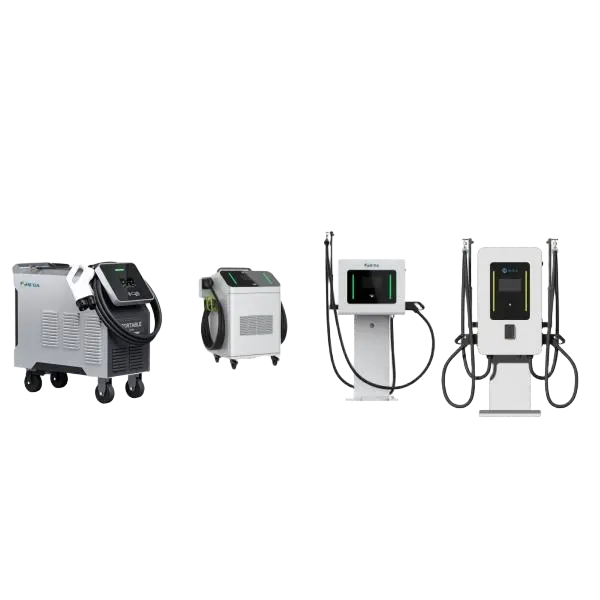
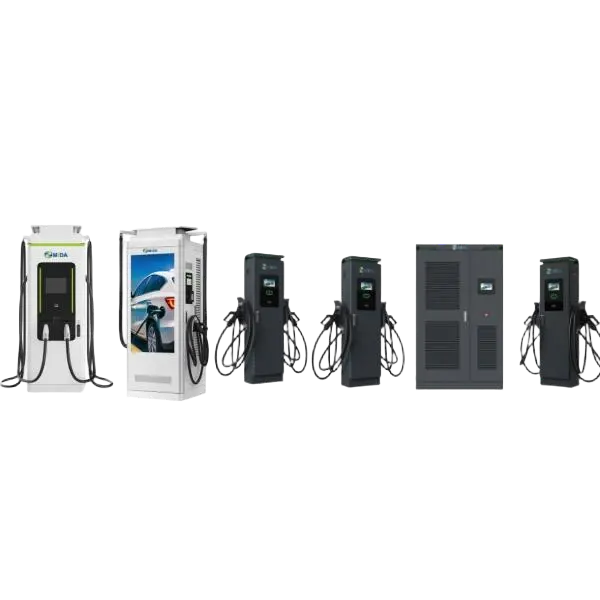
MIDA EV Power produces a full lineup of EV charging stations, such as 7kW–50kW mobile chargers, 3.6kW–7.2kW portable DC chargers, 360kW–1440kW split-type DC fast chargers, 20kW–50kW wall-mounted DC chargers, and 60kW–480kW floor-standing DC fast charging stations.
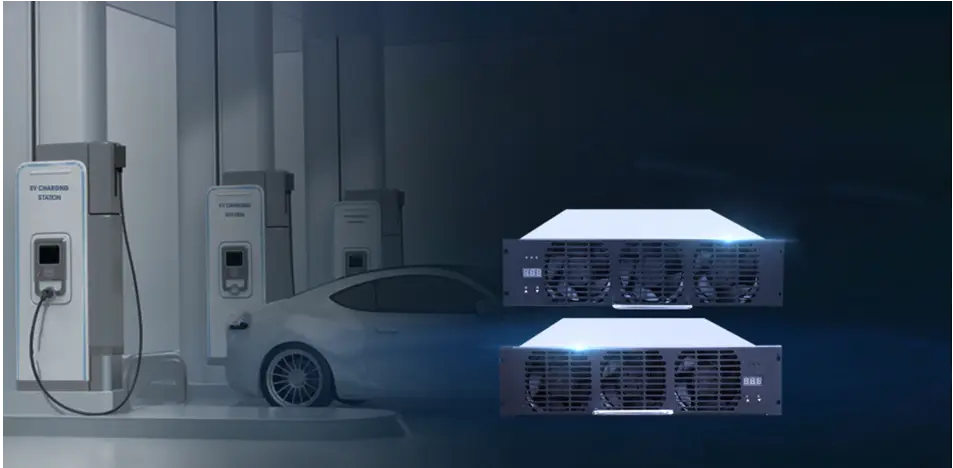
MIDA New Energy specializes in EV charger power modules, offering 20kW–60kW standard modules, 40kW–125kW liquid-cooled modules, 30kW–62.5kW bidirectional modules, and 20kW–45kW V2G charging modules.

Navigate through our extensive modular subcomponents, high-voltage couplers, and mega-watt class power delivery systems.
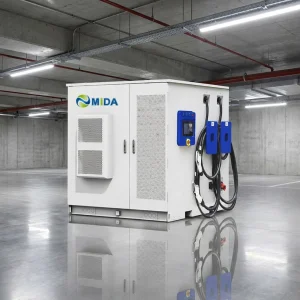
Deploying standalone 240kW charging points can stress localized distribution grids. To mitigate peak tariff rates, forward-thinking enterprises deploy a holistic *Microgrid System*. By integrating a Solar MPPT DC-DC EV charger system with centralized Battery Energy Storage Systems (BESS), operators store solar energy generated during off-peak hours and discharge it straight to the vehicle cabin during high-load periods. Our 241kWh/120kW BESS Integrated Stations manage this energy balance dynamically.
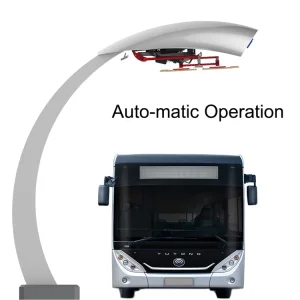
Heavy-duty electric trucks require robust power networks to maintain tight transit schedules. 240kW stations allow delivery vehicles and semi-trucks to charge during driver mandatory breaks. For municipal bus fleets, automated high-power pantograph overhead systems deliver ultra-fast charge cycles, allowing passenger transport vehicles to continue transit loops without leaving the designated lanes.
The next step in global grid evolution involves transformation from simple consumption to active utility reinforcement. Implementing our bidirectional AC-DC power modules allows heavy-duty transport vehicles and municipal fleets to act as mobile batteries, feeding power back into local distribution grids during emergency brownouts. This system unlocks new revenue models for fleet owners.
Read technical insights regarding modern overhead pantograph systems and depot operations.
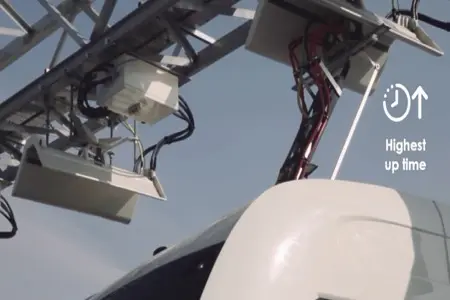
What are the advantages of an e-bus pantograph dome? In contrast to classic plug-in charging systems, e-bus pantograph charging offers high automation levels, reduced terminal wear, and high power throughput for rapid scheduling cycles.
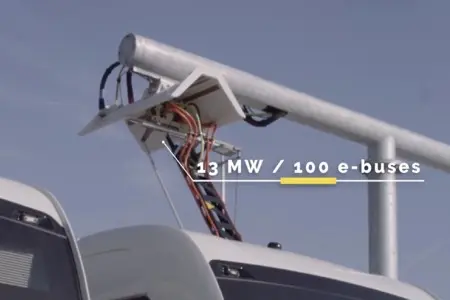
How long does it take to charge with an e-bus pantograph? The charging time depends on the battery capacity and the station's total kilowatt output, allowing buses to top up their charge range in under 10 minutes at key transit points.
How to Install the Pantograph Up Charger System Dome for Electric Bus. Installing a "Pantograph Up" system requires structural support domes, grid synchronizers, and safety interlock validation protocols.
Technical answers to key infrastructure questions asked by electrical engineers, EPC contractors, and network operations directors.
Our 240kW chargers utilize modular topologies (using eight 30kW or six 40kW modules). When a vehicle draws less than peak power (e.g., 60kW), the controller hibernates the unnecessary modules, running only a subset at their optimal efficiency range (95%+). This dynamic balancing reduces operational energy waste.
At 240kW, air cooling is highly reliable, cost-effective, and easy to maintain. However, liquid-cooled cables and modules allow for lighter, more flexible cables and run quieter, which is ideal for noise-sensitive urban settings.
Yes, our control boards run a Linux-based OS that supports both OCPP 1.6J and OCPP 2.0.1. This ensures full compatibility with modern billing networks, smart charging protocols, and remote diagnostic systems.
Every terminal is protected by dynamic Surge Protective Devices (SPD Type II). Our units feature built-in overcurrent breakers, earth-leakage sensors (Type B RCD), and physical isolation transformers, keeping utility infrastructure and electric vehicles safe from grid surges.
Standard OEM/ODM orders take 4 to 6 weeks from design approval to delivery. By manufacturing cables, modules, and metal housing in-house, we reduce lead times compared to typical third-party component suppliers.
Yes, our dual-port configurations can be customized with various connector pairings—such as CCS2 + NACS or GBT + CCS2. This flexibility allows operators to support diverse EV fleets with a single charging cabinet.
Our systems use smart thermal monitoring. If the internal module temperature reaches 75°C, the controller gradually lowers the output instead of shutting down. This keeps the station online, ensuring reliable operation in hot climates.
Yes, our DC-DC solar chargers connect solar panels directly to the EV charging bus through built-in MPPT power modules. This avoids multiple conversion steps, boosting solar charging efficiency by 8% to 12%.