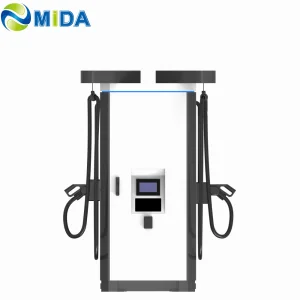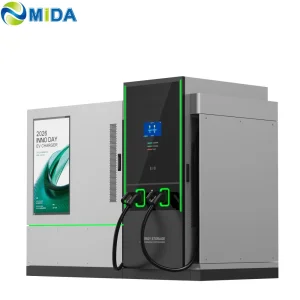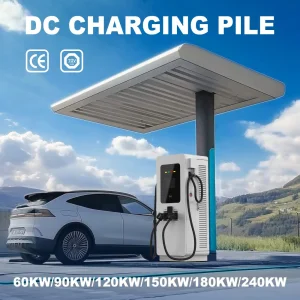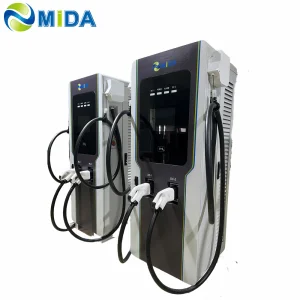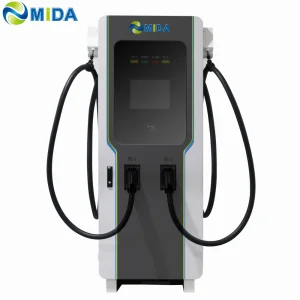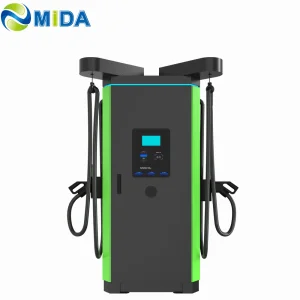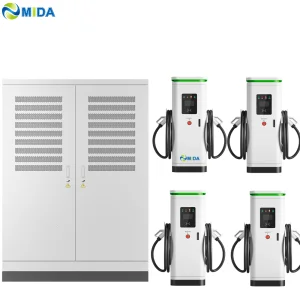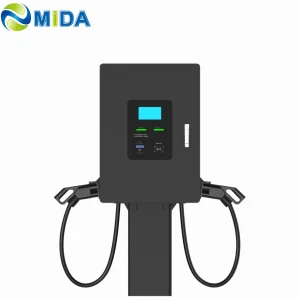
Premium grade, multi-standard DC charging systems optimized for high throughput, commercial operation, and ultimate reliability.
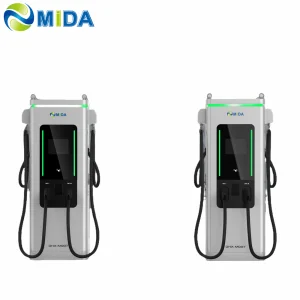
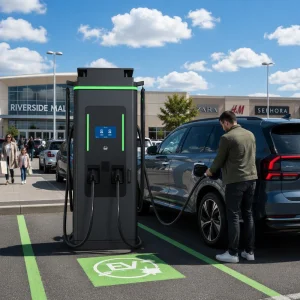
Analyzing grid optimization, deployment scalability, and the strategic positioning of 180kW charging nodes within regional networks.
As the transition toward electrified transport accelerates globally, the demand for high-capacity, dependable charging infrastructure has transformed from a localized necessity into a critical macro-economic asset. Within this ecosystem, the 180kW DC Fast Charger (DCFC) has emerged as the definitive global sweet spot. This power rating provides the ultimate compromise between capital expenditure, grid-tie feasibility, and optimal charging speed for modern commercial and consumer electric vehicles.
Information Gain Perspective: Unlike ultra-fast 360kW+ stations that require complex, expensive liquid-cooled cables and place heavy burdens on local distribution grids, a 180kW system utilizing split power conversion techniques (e.g., dual 90kW outputs) can charge two vehicles simultaneously without demanding complex thermal mitigation or massive grid upgrades. This capability makes it the primary choice for highway stopovers, retail destinations, and urban fleet depots.
The adoption of 180kW charging systems is driven by localized regulatory frameworks, vehicle capabilities, and strategic deployment architectures:
Examing power conversion efficiency, thermal management, and standard compliance from the factory floor.
At the core of a premium 180kW EV charger lies the modular power topology. High-performance manufacturers design these units around 30kW or 40kW hot-swappable power modules. This architecture ensures high availability; if a single module fails, the charger continues to operate at reduced capacity rather than shutting down completely.
Moving from traditional IGBT modules to SiC MOSFETs reduces switching losses, allowing efficiency ratings above 96.5% and reducing cooling requirements.
Smart matrix switching routes power dynamically in 30kW steps to either dispenser based on the real-time State of Charge (SoC) and vehicle demand.
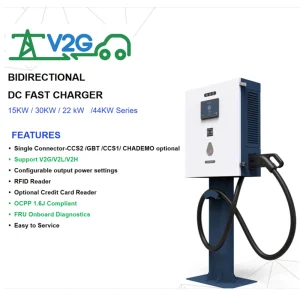
Native integration of OCPP 1.6J/2.0.1 and ISO 15118 enables automated Plug & Charge authentication, bidirectional V2G capabilities, and remote OTA diagnostics.
Future-proof factories are shifting their designs toward wide bandgap semiconductors. By using Silicon Carbide (SiC) devices, manufacturers can increase switching frequencies, shrink inductor footprints, and lower overall cabinet noise. Additionally, thermal management has transitioned from simple air cooling to intelligent, variable-speed fan arrays and liquid-cooled pathways, extending the component lifespan in challenging desert or sub-zero environments.
A comprehensive manufacturer of advanced EV charging cables, charging stations, and high-performance power modules.
Shanghai Mida Cable Group Ltd. operates through its wholly owned subsidiaries: Shanghai Mida EV Power Co., Ltd., Shenzhen Mida EV Power Co., Ltd., and Shanghai Mida New Energy Co., Ltd. This corporate structure integrates cable production, power electronics research, and final charger assembly into one coordinated ecosystem.
Mida Cable manufactures a comprehensive range of EV charging cables, including 16A–80A J1772 cables, 16A–63A IEC 62196-2 Type 2 cables, and high-power DC fast charging cables: CCS1 (80A–500A), CCS2 (125A–1000A), CHAdeMO (125A–300A), GBT (200A–1000A), and NACS connectors (250A–600A).
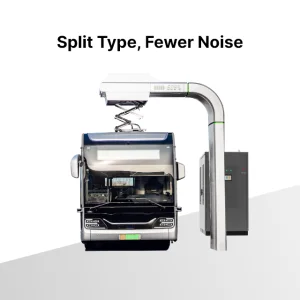
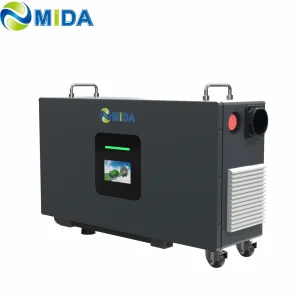
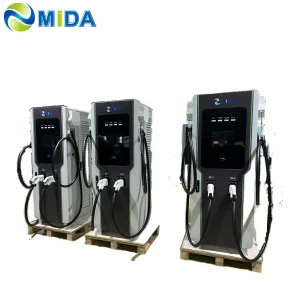
MIDA EV Power produces a full lineup of EV charging stations, such as 7kW–50kW mobile chargers, 3.6kW–7.2kW portable DC chargers, 360kW–1440kW split-type DC fast chargers, 20kW–50kW wall-mounted DC chargers, and 60kW–480kW floor-standing DC fast charging stations.
MIDA New Energy specializes in EV charger power modules, offering 20kW–60kW standard modules, 40kW–125kW liquid-cooled modules, 30kW–62.5kW bidirectional modules, and 20kW–45kW V2G charging modules.

Explore our engineering categories across components, infrastructure, and energy storage solutions.
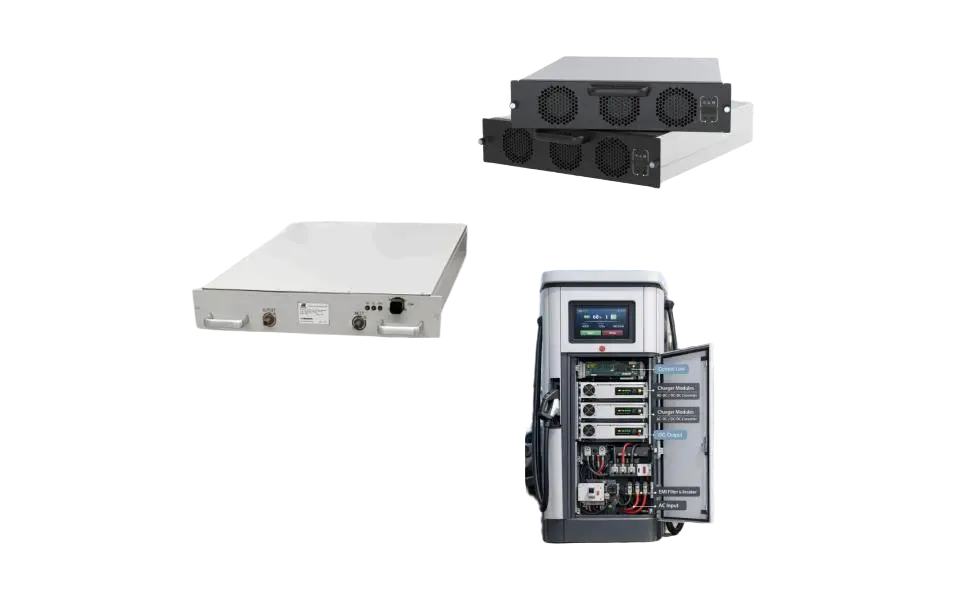
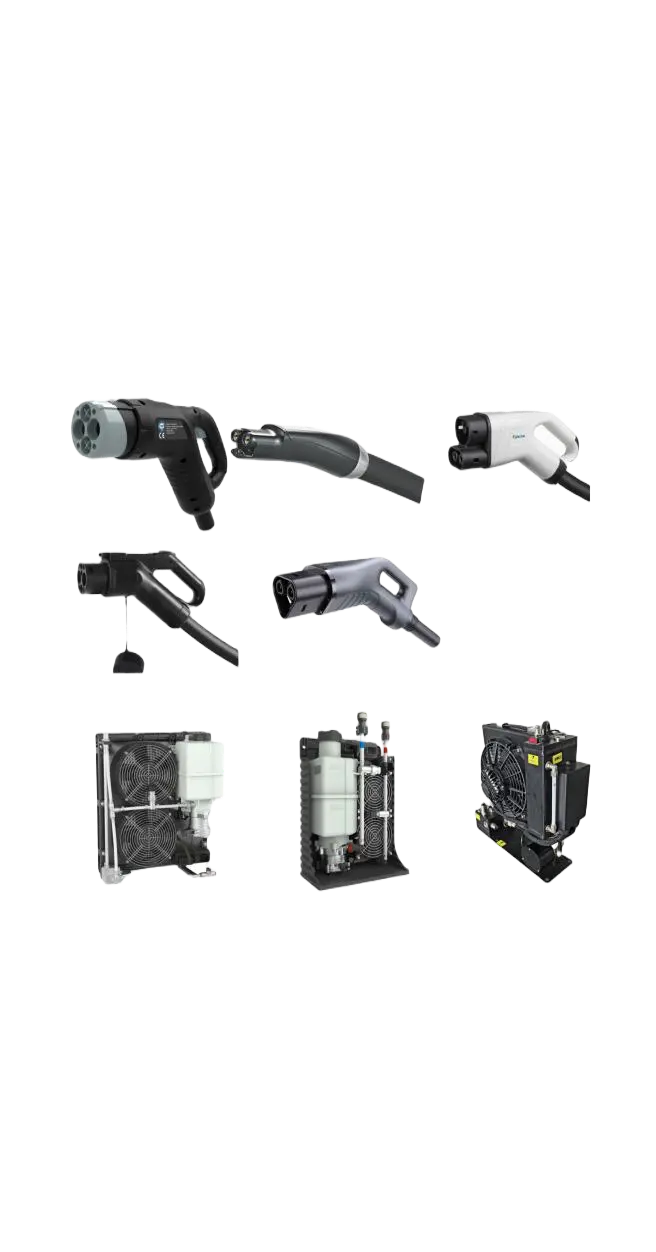
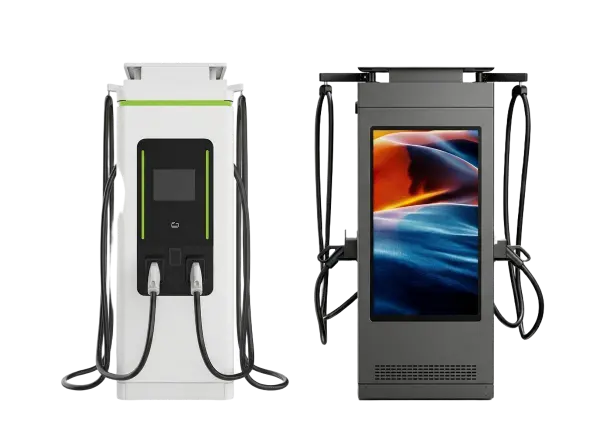
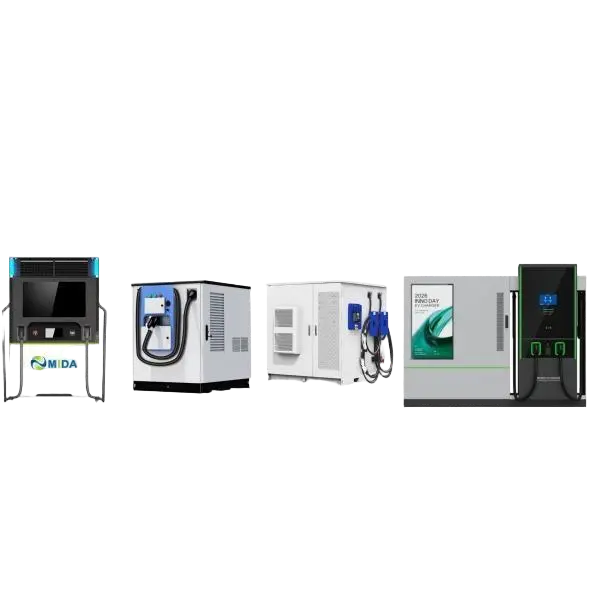
Providing optimized, turn-key solutions tailored to specific commercial use cases and business models.
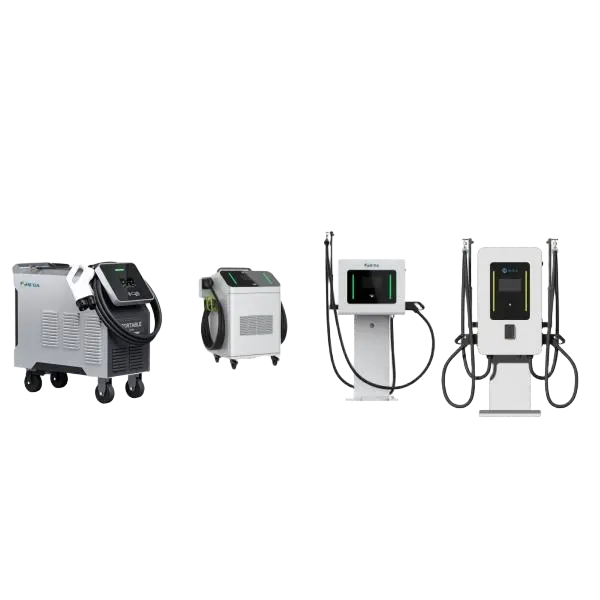
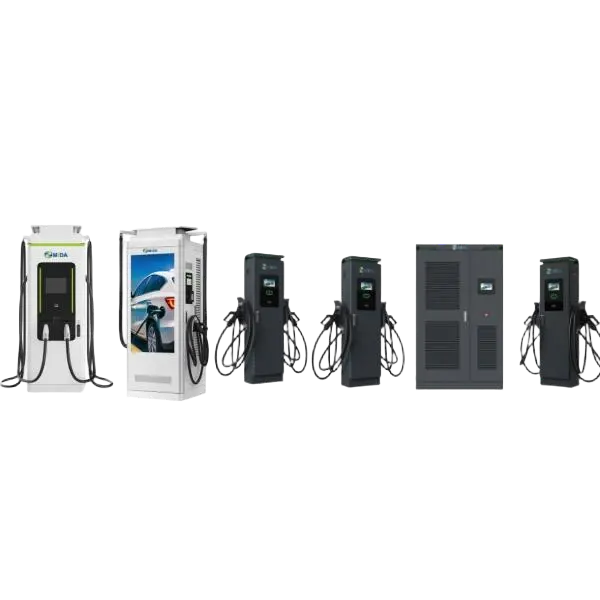
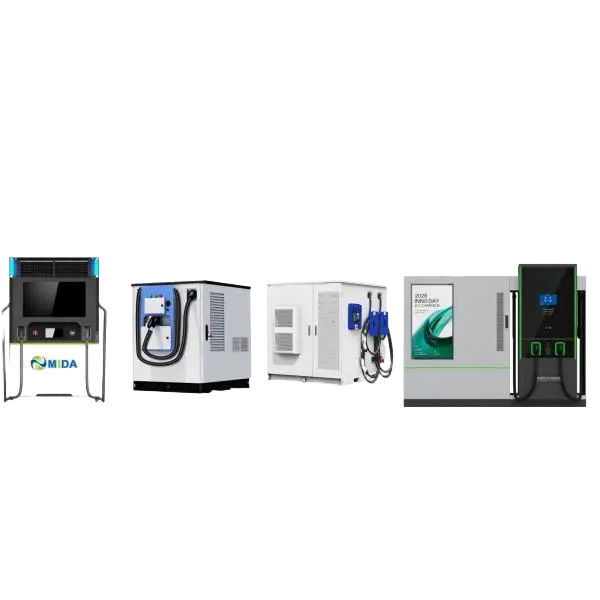
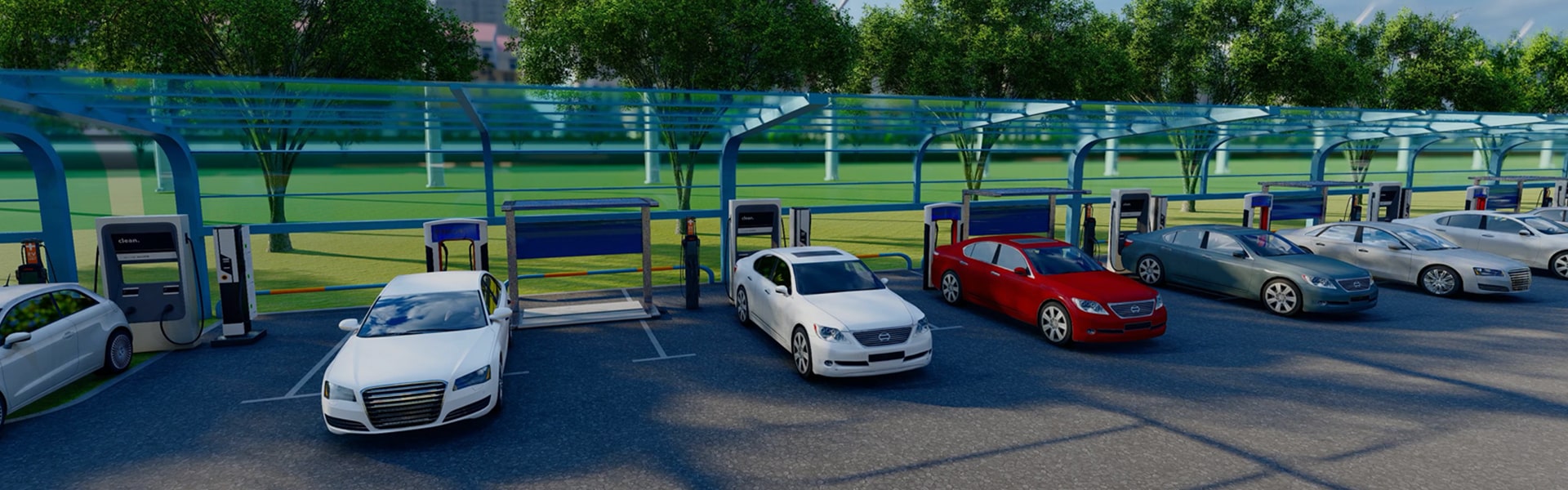
For delivery vans, postal fleets, and municipal utility vehicles, operational downtime represents direct financial loss. A 180kW charging node allows operators to utilize mid-shift top-ups. Fleet managers can split the 180kW output to charge two vehicles at 90kW concurrently during lunch hours or overnight, using load management to prevent peak tariff charges.
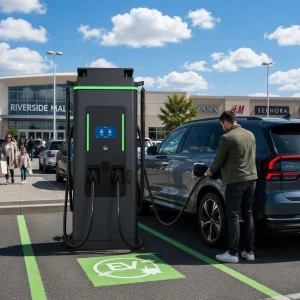
For shopping malls, supermarkets, and hotel networks, charging installations attract premium tenants and high-spending EV drivers. By deploying 180kW charging systems equipped with integrated POS terminal payment systems and RFID access control, businesses can establish new revenue streams. The fast charging speed ensures high turnover rates, serving more vehicles per parking bay every day.
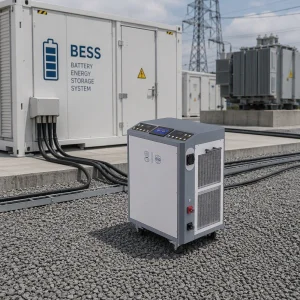
Highway corridors require high charging speeds to minimize stopover durations. 180kW chargers equipped with active air cooling or liquid-cooled connectors can deliver up to 100 miles of range in under 10 minutes for vehicles with 800V architectures. When integrated with local Battery Energy Storage Systems (BESS), these setups mitigate grid demand spikes during holiday traffic surges.
Stay updated with our latest engineering reports, project case studies, and product design updates.

Technical guidance and commercial purchasing information for global EV charging project planning.
Broaden your infrastructure portfolio with liquid-cooled systems, Japanese market-ready CHAdeMO models, and integrated battery energy storage configurations.