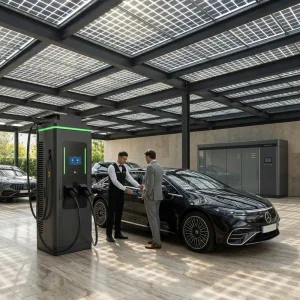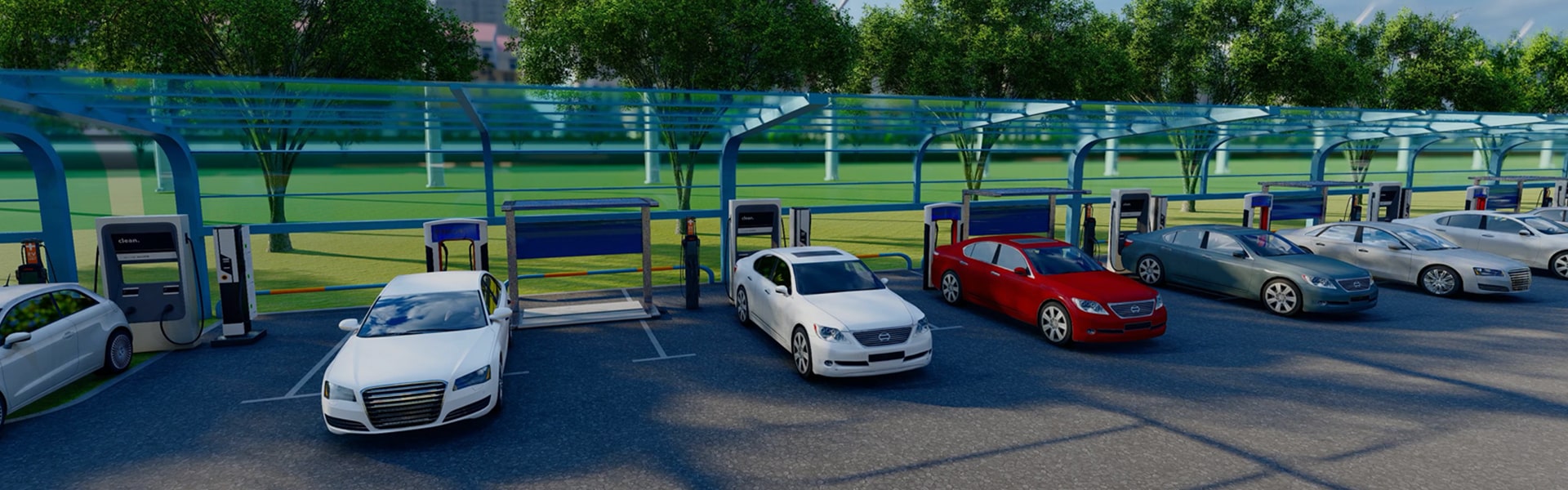
Engineered for high duty-cycle performance, standard compatibility, and modular scalability.
Peak Power Conversion Efficiency
Global Industrial Certifications
Export Countries & Regions
Smart System Monitoring & Support
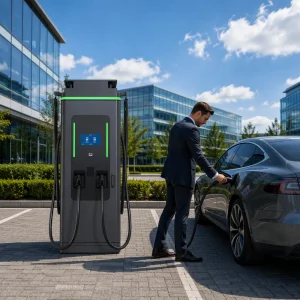
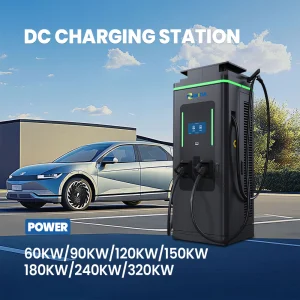
As the global transition to electric mobility accelerates, charging infrastructure is transitioning from a convenience to a critical utility. Within this transition, the 150kW DC Fast Charger has emerged as the definitive global benchmark for versatile charging. Known as the "sweet spot" of power delivery, a 150kW installation balances capital expenditure (CAPEX), grid impact, and operational velocity. Unlike lower-tier 50kW chargers that require over an hour to recharge modern commercial battery packs, a 150kW charger can charge standard commercial passenger vehicles and medium-duty logistics fleets to 80% capacity within 20 to 30 minutes.
For public station operators, municipal transit hubs, and private distribution fleets, sourcing from a reliable 150kW charger manufacturer is crucial. High-capacity charging relies on rigorous engineering standards. Designing systems to supply continuous 150kW power at up to 1000V DC requires specialized thermal management, high-density power modules, and precise software coordination.
Exploring the engineering foundation that makes our 150kW chargers reliable, efficient, and future-proof.

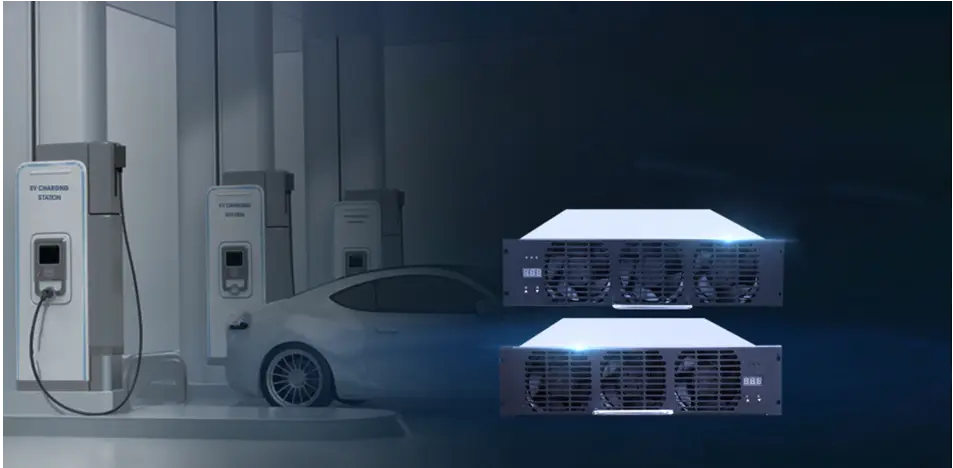
Industrial power supply design requires strict thermal and electromagnetic engineering. In a 150kW charging system, the primary engineering challenge is cooling. Standard 150kW systems utilize high-velocity air cooling. Ambient air is drawn through filtered intakes, passed across the heat sinks of stacked power conversion modules, and exhausted. However, in dusty, coastal, or high-temperature environments, air-cooling modules can degrade faster.
MIDA's engineering roadmap incorporates liquid-cooled modular units. By isolating heat exchange within a closed-loop coolant cycle, modules are shielded from dust, salt, and atmospheric contaminants. This design increases the system's operational lifespan from an industry average of 5 years to more than 10 years, even in harsh industrial settings.
| Technical Parameters | Air-Cooled 150kW Charger | Liquid-Cooled 150kW Charger |
|---|---|---|
| Power Module Configuration | 5 x 30kW or 4 x 40kW Air Modules | 3 x 50kW Liquid-Cooled Modules |
| Ingress Protection Rating | IP54 / NEMA 3R | IP65 (Fully Sealed Electronics) |
| System Efficiency | ≥ 95.2% | ≥ 96.7% |
| Acoustic Noise Level | < 65 dBA at full load | < 50 dBA (Low noise pump only) |
| Maintenance Cycle | Air Filter cleaning every 6 months | Coolant level check every 24 months |
Standard grid networks often face load spikes when a 150kW charger operates at full capacity. MIDA Group integrates BESS (Battery Energy Storage Systems) directly into high-power charging setups. By pairing a 120kW BESS with a 150kW dispenser, the system can draw a steady, low-amperage current from the utility grid to charge the battery bank during off-peak hours. When an EV initiates a fast charge, the system draws power from both the grid and the BESS to supply 150kW. This configuration minimizes peak demand charges for operators.
Discover our diverse portfolio of clean energy delivery systems engineered for extreme environments.
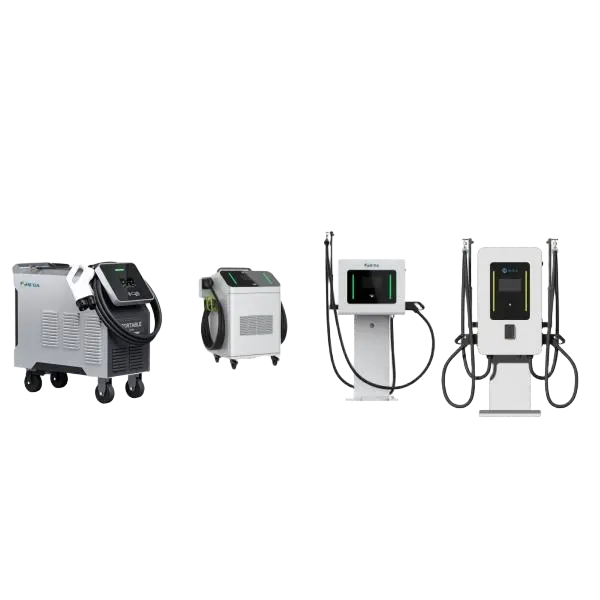
Compact footprint designs optimized for home garages, service depots, and light-duty fleet operation.
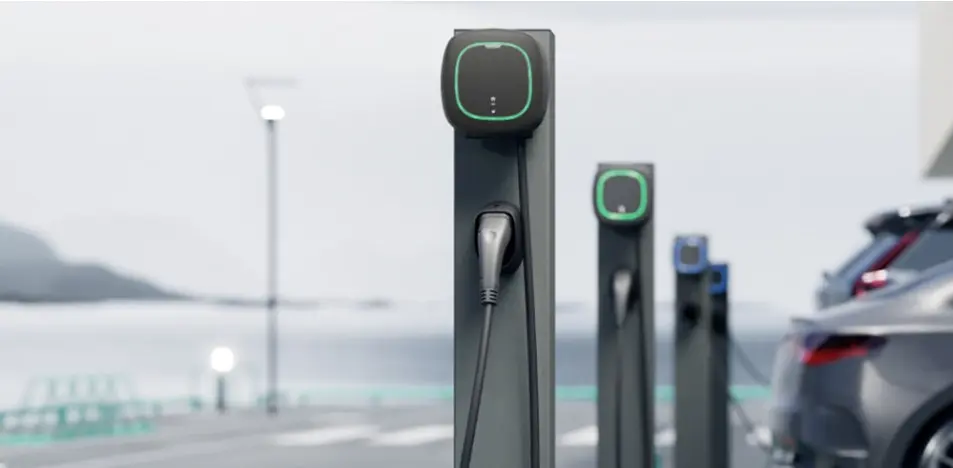
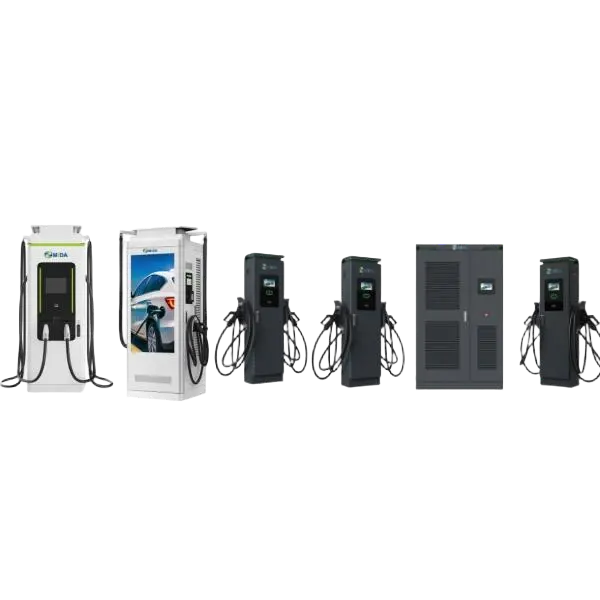
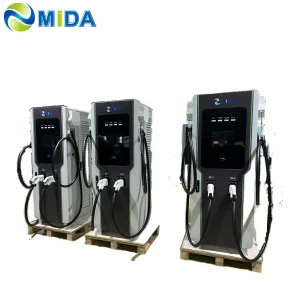
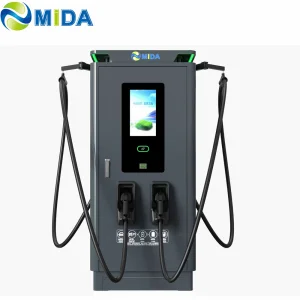
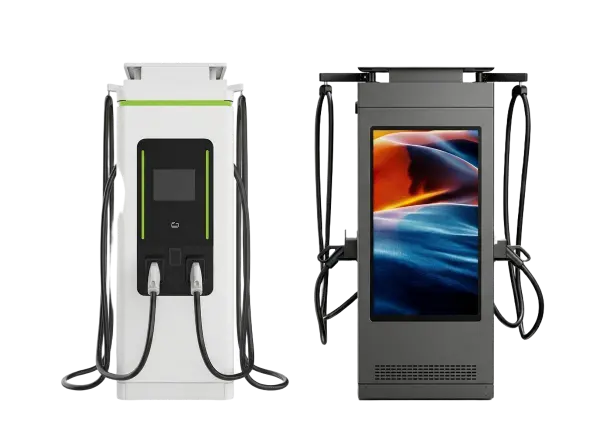
High-capacity public and commercial charging systems with split layouts and robust cooling.
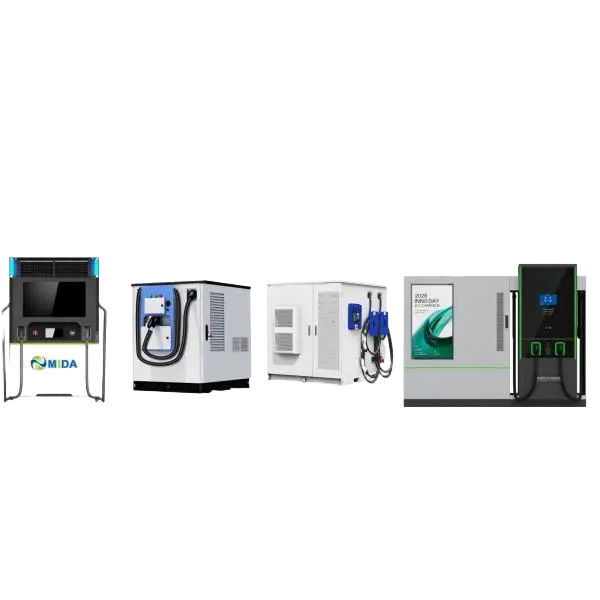
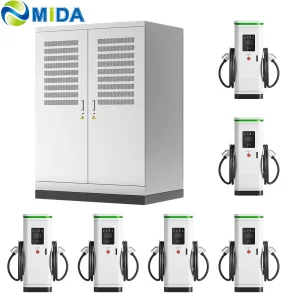
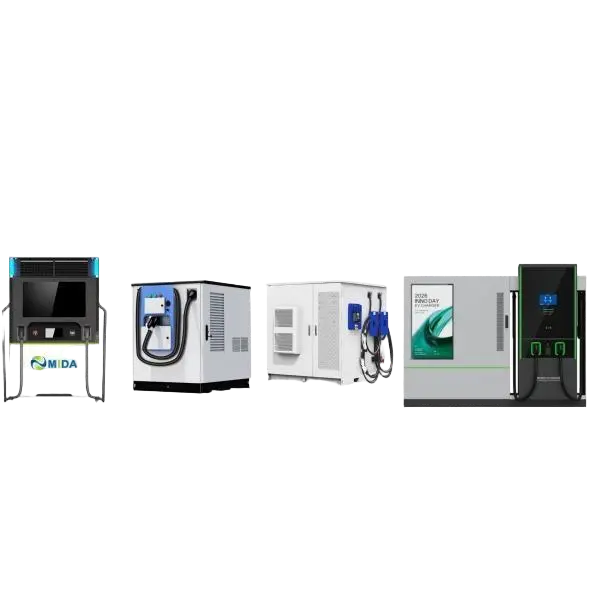
Battery-integrated fast-charging stations designed to reduce peak demand charges and support weak grids.
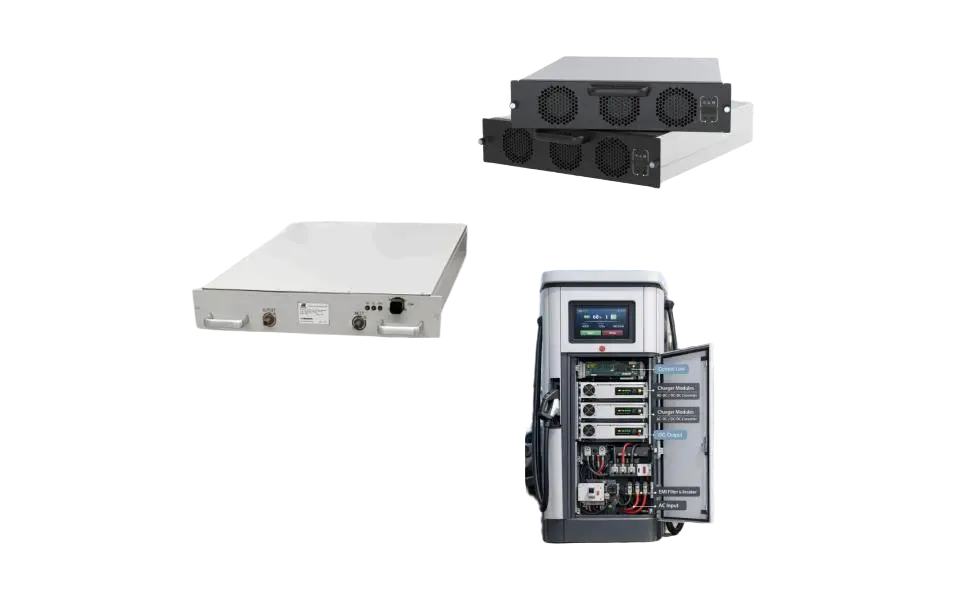
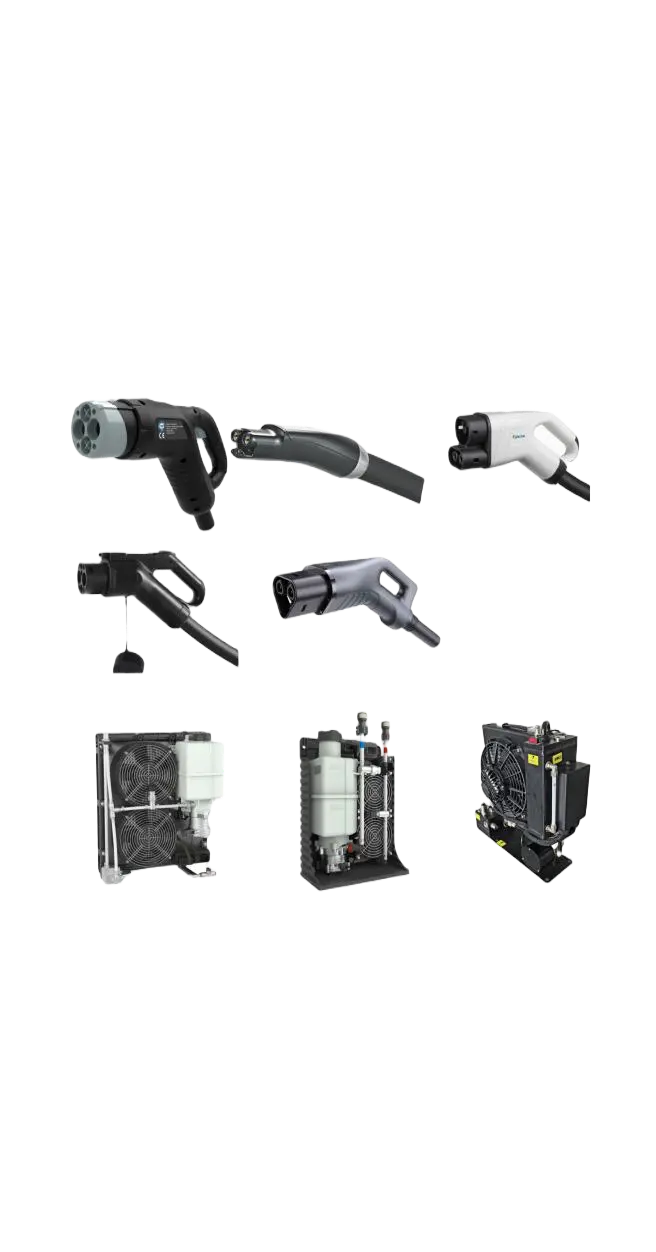
MIDA manufactures all key components, ensuring reliability and compatibility across our entire product line.
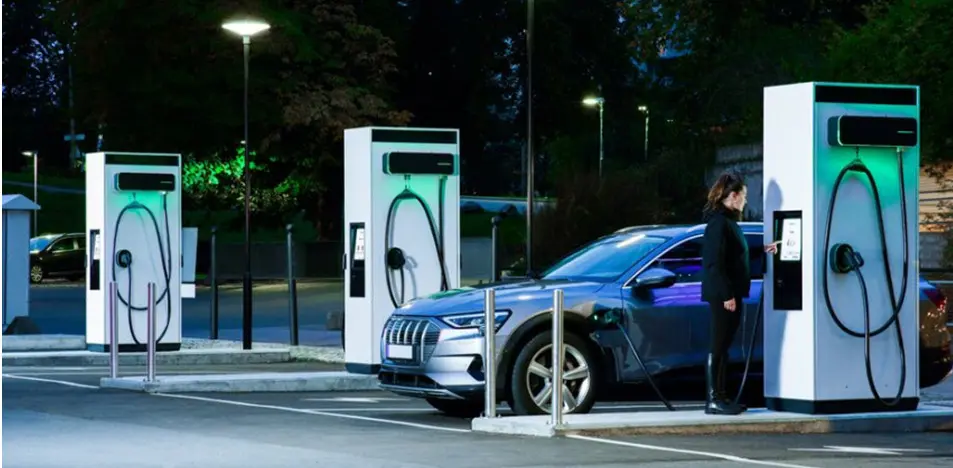
Deploying a 150kW fast charging system requires tailing parameters to local site realities. Across different jurisdictions, regional vehicle compositions and regulatory rules require specialized configuration options.
For long-distance transport, charging speed is the primary operational metric. A 150kW station installed along highway corridors reduces dwell times. Vehicles can recover up to 120 km of driving range in 10 minutes. Operators utilize dual-connector systems configured for dynamic power distribution. When a single vehicle connects, it receives the full 150kW payload. If a second vehicle plugs in, the system dynamically divides the capacity into two 75kW outputs, matching charging rates to battery temperature and state-of-charge.
Fleet operations require highly reliable charging infrastructure. Delivery trucks and vans operate on strict delivery schedules. Because logistics routes are predictable, chargers are integrated with depot fleet management software. Overnight, a 150kW charger can sequentially fast-charge multiple vans through scheduled power routing, ensuring every vehicle is fully charged before morning shifts. MIDA’s OCPP integrations allow fleets to coordinate charging schedules with local utility rates to minimize energy costs.
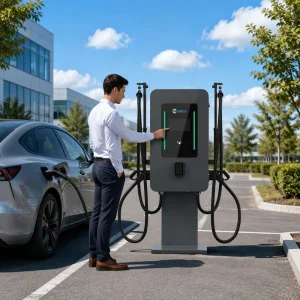
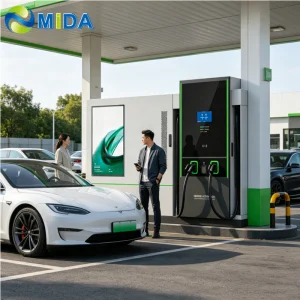
For shopping centers, hotels, and business parks, 150kW charging serves as a premium customer amenity. These properties often run dual-port stations supporting CCS2 and NACS, making them compatible with both Tesla and non-Tesla vehicles. High-visibility touchscreens display charging progress and provide opportunities for targeted advertisements.
Sourcing high-power charging infrastructure from China offers major cost and manufacturing advantages. The Chinese EV ecosystem is the largest in the world, fostering a robust, highly integrated component supply chain. From raw copper processing to specialized semiconductor fabs and advanced plastic extrusion, every link of the production chain is concentrated in regional industrial hubs like Shanghai and Shenzhen.
As a vertically integrated supplier, MIDA Group leverages this ecosystem to manage production from raw cables and connectors to final power systems. Because we manufacture our own liquid-cooled cables and power modules, we avoid the assembly bottlenecks common among Western brands. This vertical integration allows us to keep lead times under 6 weeks, even for custom orders, compared to the industry standard of 16-24 weeks.
Furthermore, our test laboratories simulate extreme conditions before shipment. Chargers undergo continuous burn-in cycles, salt spray tests for maritime environments, and electromagnetic compatibility (EMC) testing. Our quality control guarantees compliance with ISO 9001 and ISO 14001 standards, providing reliable, cost-efficient infrastructure to partners worldwide.
Stay informed on the latest trends and updates in high-power charging technology.

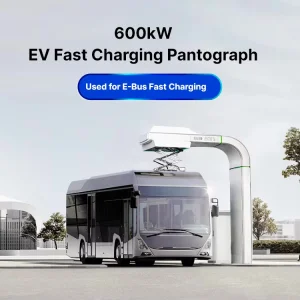
What are the advantages of an e-bus pantograph dome? In contrast to classic plug-in charging systems, e-bus pantograph charging provides automated, high-power connection directly from the roof...
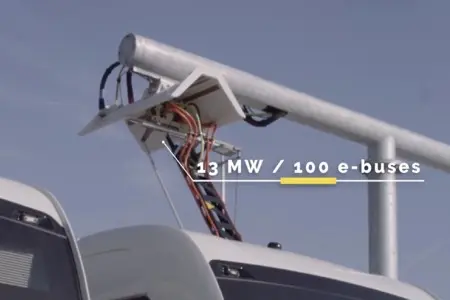
How long does it take to charge with an e-bus pantograph? The charging time depends on the battery capacity and the station power, which can range from 150kW to 600kW for fast turnaround...
How to Install the Pantograph Up Charger System Dome for Electric Bus. Installing a "Pantograph Up" system requires precise positioning, robust civil foundations, and seamless electrical integration...
Explore our complete range of certified DC fast charging equipment.
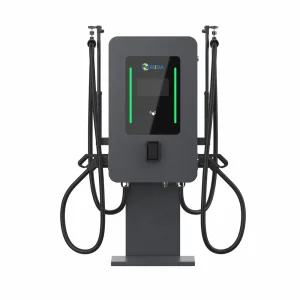
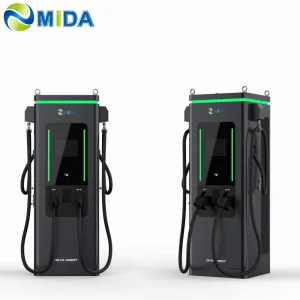
Expert answers to the most common technical questions about 150kW fast chargers.
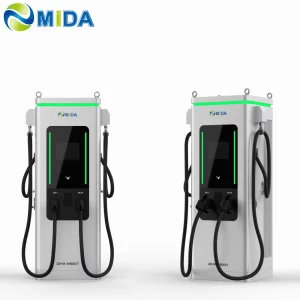
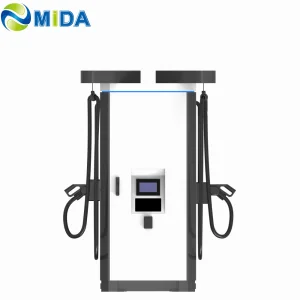
A single-dispenser system houses all power modules, control boards, and cables inside one cabinet. A split system separates the power cabinet from the user dispenser, reducing noise and the dispenser footprint in public parking areas while simplifying component cooling.
Yes, when configured with dual cables. In dual-charging mode, the station uses dynamic power distribution to split the capacity—either 75kW + 75kW or dynamically adjusted based on each vehicle's real-time charge demand.
OCPP 2.0.1 provides advanced cybersecurity protocols, improves transaction logging for public billing, and supports smart charging features like grid load balancing and Plug & Charge authentication.
A standard 150kW installation requires a three-phase 400V or 480V AC supply. Operators must plan for a grid capacity of approximately 165kVA to account for conversion losses and ensure the station operates at peak efficiency.