High-efficiency energy storage integration enabling superfast DC charging across Iraq's construction, industrial, and commercial corridors.
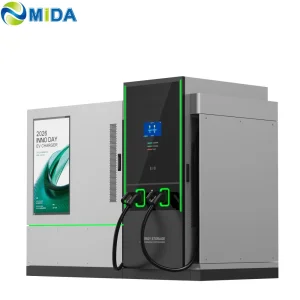
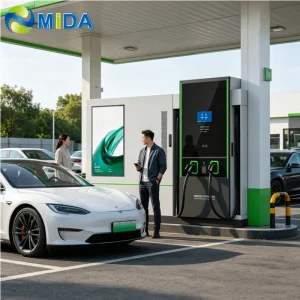
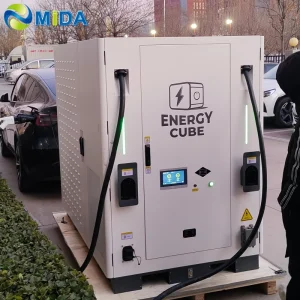
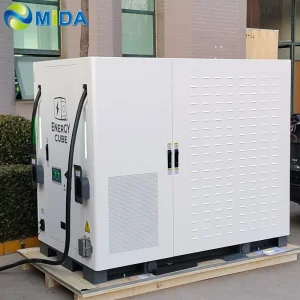
Iraq is undergoing a major energy and infrastructure transition. As logistics depots, construction companies, oil fields, and newly planned urban centers seek to modernise operations, the transition to commercial and industrial electric vehicles becomes vital. However, establishing charging infrastructure in Iraq presents unique challenges. The primary obstacle is the national electrical grid’s stability, which faces severe load shedding, voltage drops, and capacity limitations during peak seasons.
Standard grid-tied high-power DC fast chargers (60kW to 480kW) place immediate, severe demand spikes on local distribution grids, which can trigger substation shutdowns. In rural areas, mining zones, and construction hubs, grid access is either non-existent or heavily reliant on expensive, high-emission diesel generators.
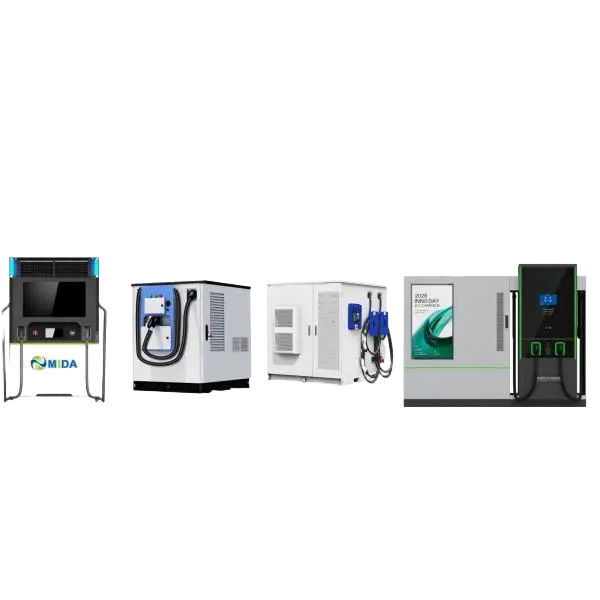
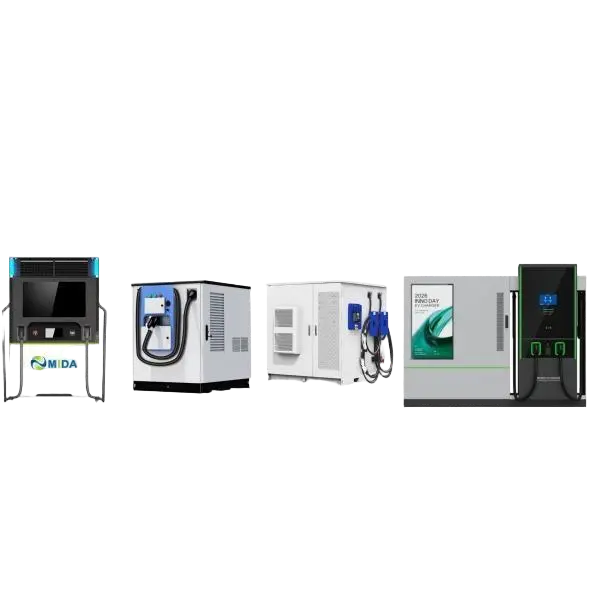
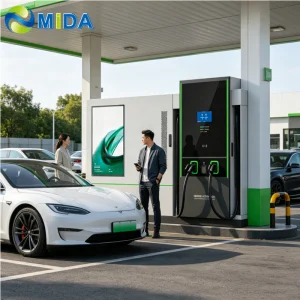
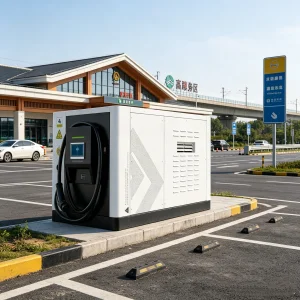
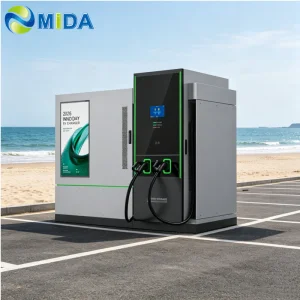
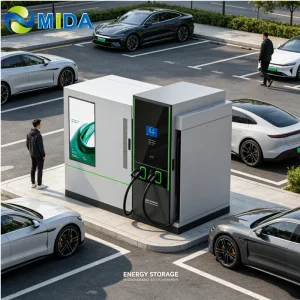
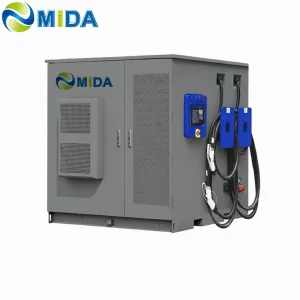
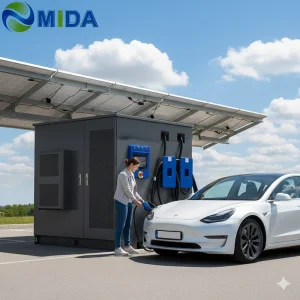
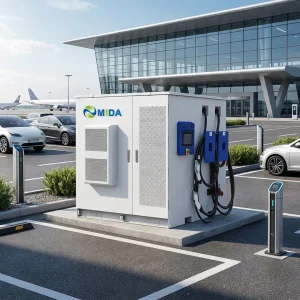
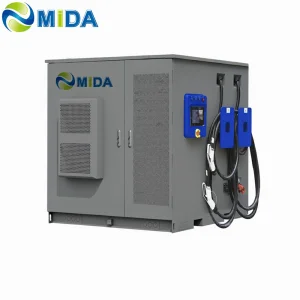
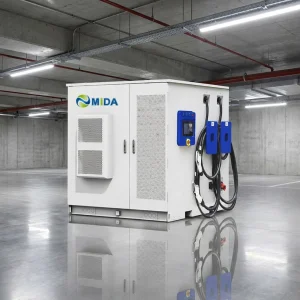
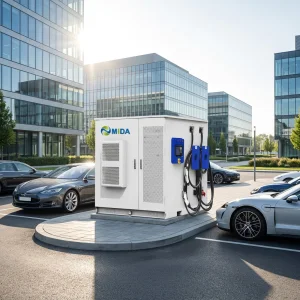
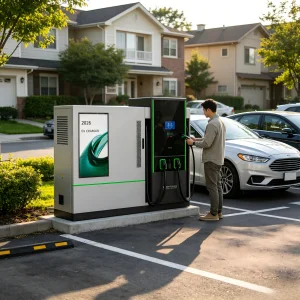
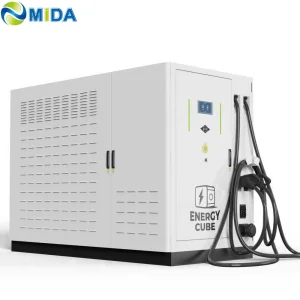
Battery Energy Storage System (BESS) integrated chargers resolve grid stability issues. By pairing local battery storage (typically high-durability LiFePO4 cells) with high-speed DC charging stations, these systems act as power buffers. The BESS unit draws low, steady power from the grid during off-peak hours or extracts green electricity directly from on-site Solar MPPT arrays. When an electric vehicle or site equipment docks, the BESS discharges energy at 120kW, 240kW, or even 480kW, delivering superfast charge times without impacting the local utility grid.
Specially customized liquid-cooling systems and active air-conditioning modules ensure that lithium iron phosphate (LFP) battery cells stay within their optimal temperature zone, even in ambient temperatures of 50°C and above.
Built-in MPPT controller options support direct photovoltaic string connection, reducing diesel dependency by over 60% and providing clean off-grid power for remote worksites.
Dynamic peak-shaving functions automatically throttle draw from the national grid while guaranteeing high-speed power delivery to heavy vehicles, delivery vans, and specialized equipment.
Shanghai Mida Cable Group Ltd. operates through its wholly owned subsidiaries: Shanghai Mida EV Power Co., Ltd., Shenzhen Mida EV Power Co., Ltd., and Shanghai Mida New Energy Co., Ltd.
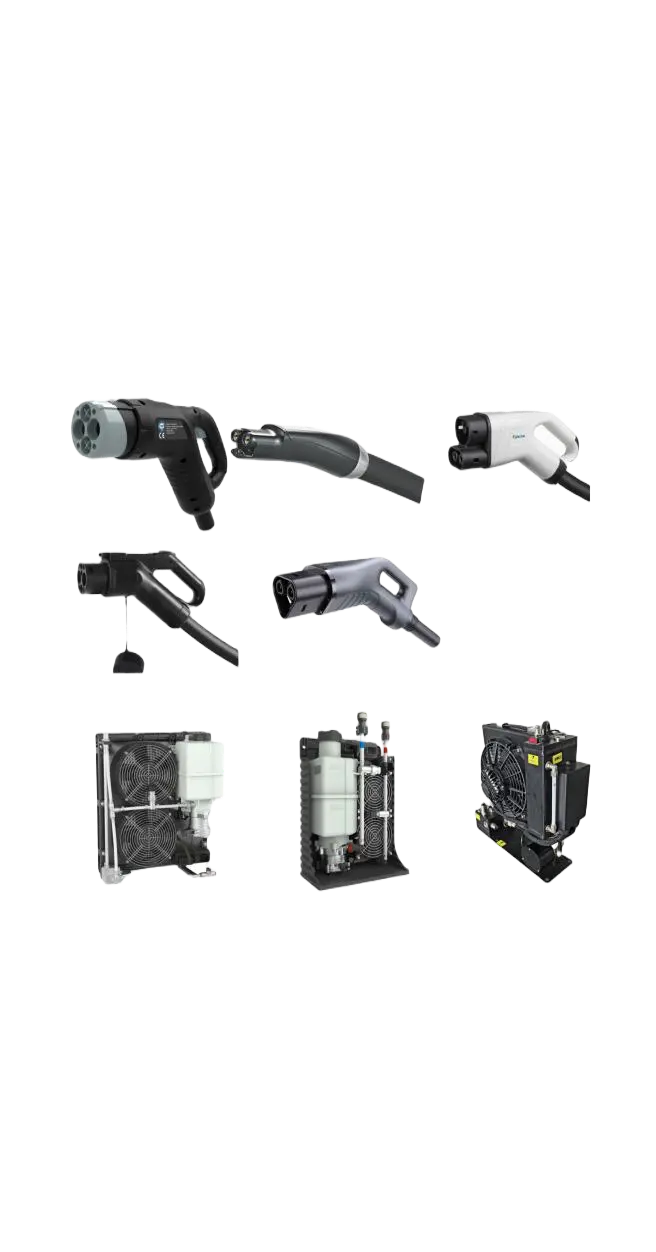
Mida Cable manufactures a comprehensive range of EV charging cables, including 16A–80A J1772 cables, 16A–63A IEC 62196-2 Type 2 cables, and DC fast charging cables: CCS1 (80A–500A), CCS2 (125A–1000A), CHAdeMO (125A–300A), GBT (200A–1000A), and NACS connectors (250A–600A).
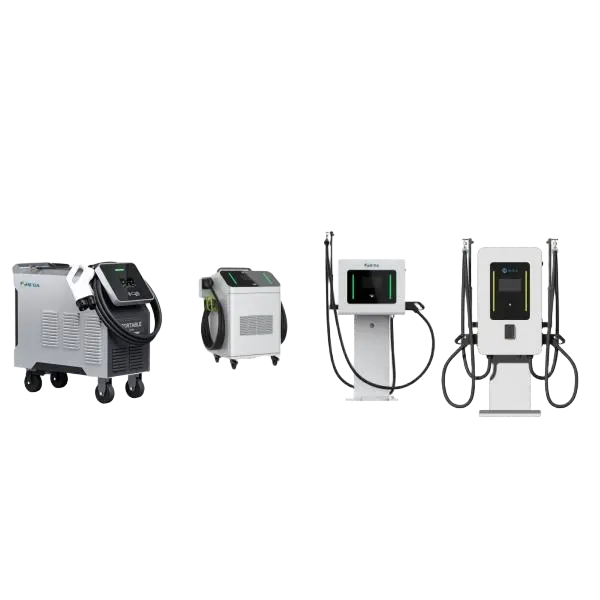
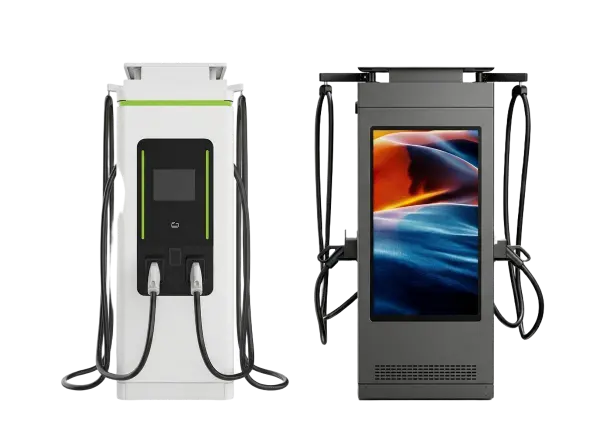
MIDA EV Power produces a full lineup of EV charging stations, such as 7kW–50kW mobile chargers, 3.6kW–7.2kW portable DC chargers, 360kW–1440kW split-type DC fast chargers, 20kW–50kW wall-mounted DC chargers, and 60kW–480kW floor-standing DC fast charging stations.
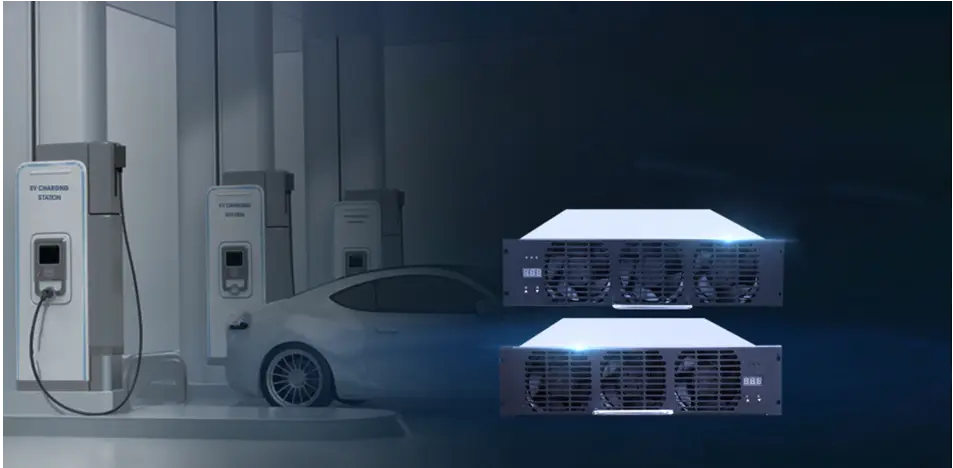
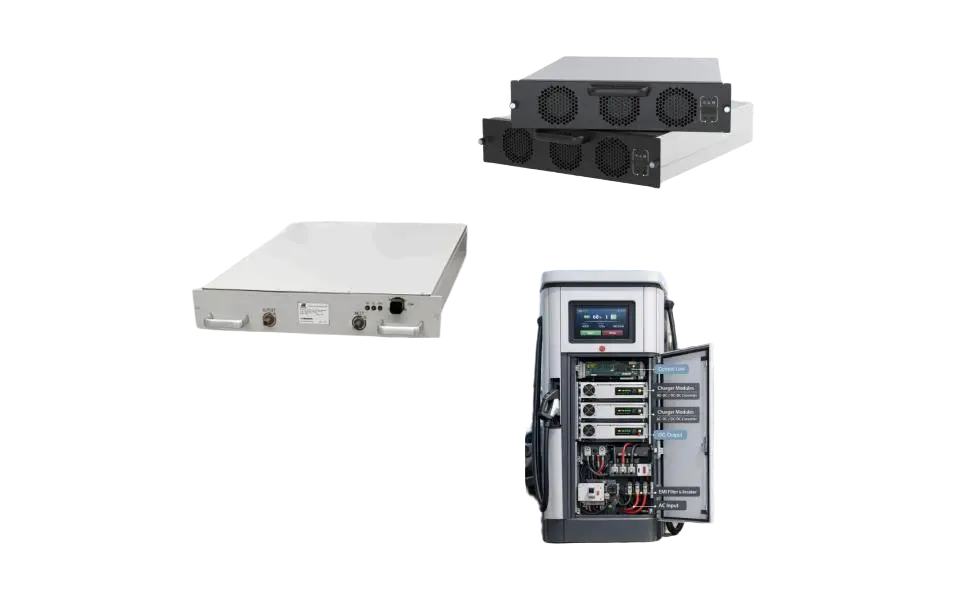
MIDA New Energy specializes in EV charger power modules, offering 20kW–60kW standard modules, 40kW–125kW liquid-cooled modules, 30kW–62.5kW bidirectional modules, and 20kW–45kW V2G charging modules.

Select the power tier that aligns with your regional microgrid and fleet specifications.
Deploying heavy infrastructure in challenging environments requires resilient production pipelines. Under our Factory 4.0 framework, MIDA utilizes fully automated mechanical assembly lines, laser-welding configurations, and environment-simulating thermal test chambers. Every EV cable, liquid-cooled power module, and heavy BESS cabinet is subjected to continuous stress testing designed to replicate high ambient temperatures, dust infiltration, and transient voltage spikes.
Because MIDA produces both the raw component architecture—such as high-grade CCS2 connectors and thermal management modules—and the complete utility-grade battery energy storage cabinets, we offer full oversight and component-level quality control. This vertical supply integration enables us to provide cost-effective options, custom manufacturing schedules, and direct engineer-to-engineer technical support for developers throughout Iraq.
We deliver premium power conversion electronics and reliable physical interfaces for integration into your custom energy systems.
 Send Inquiry
 Send Inquiry
 Send Inquiry
 Send Inquiry
Answers to technical questions on deploying EV battery storage and fast charging stations in hot climates and grid-stressed regions.
Explore our line of integrated battery energy storage chargers, engineered for grid-independent charging and remote deployments.
Stay updated on our technical improvements, transit electrification projects, and grid development strategies.

What are the advantages of an e-bus pantograph dome? In contrast to classic plug-in charging systems, e-bus pantograph setups enable high-speed automated charging for urban transit fleets...
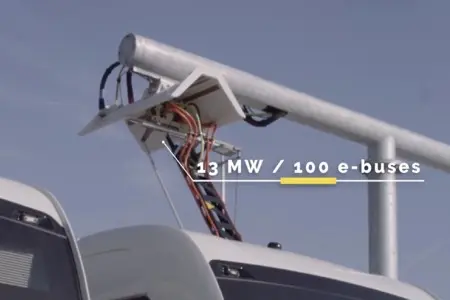
How long does it take to charge with an e-bus pantograph? The charging time depends on the battery capacity, state of charge, and system voltage...
How to Install the Pantograph Up Charger System Dome for Electric Bus. Step-by-step guidance on structural alignment, power electronics integration, and safety commissioning...
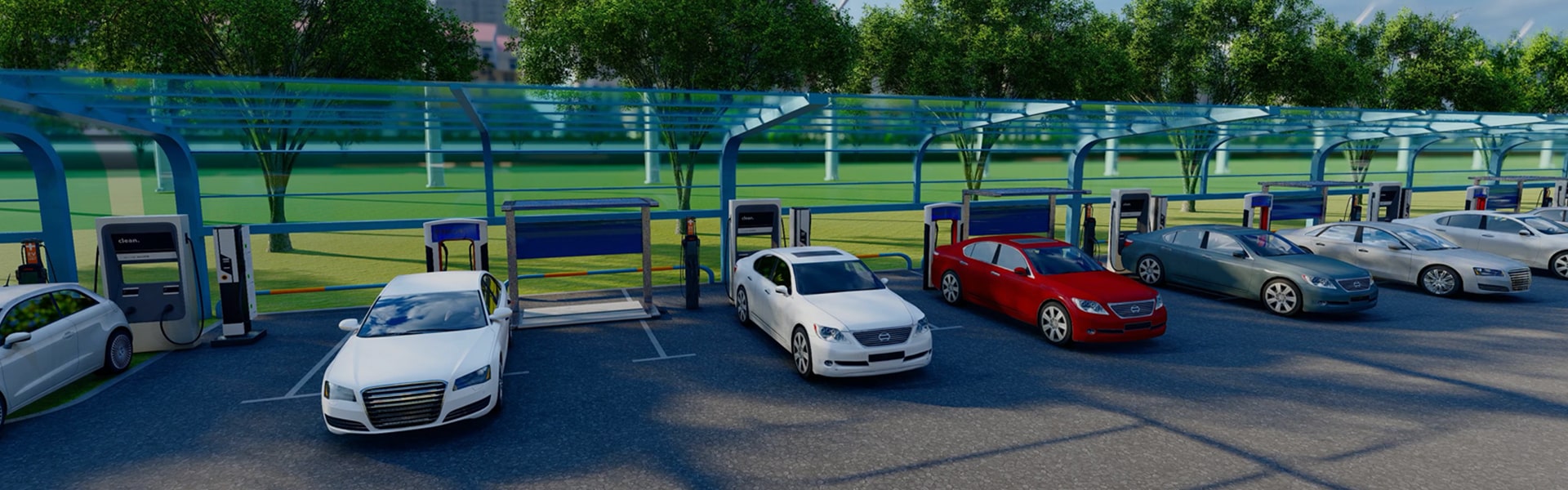
Consult with MIDA's senior system engineers to design custom BESS charging configurations suited to your local environment, grid conditions, and fleet requirements.
Send Inquiry Now