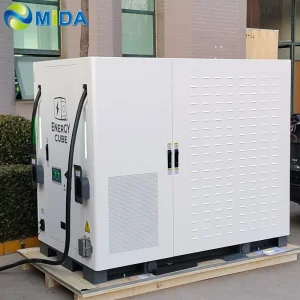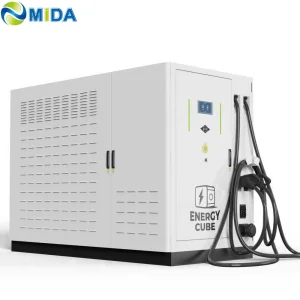
Deploying energy storage integration to resolve grid limits and accelerate rapid deployment at regional hubs.
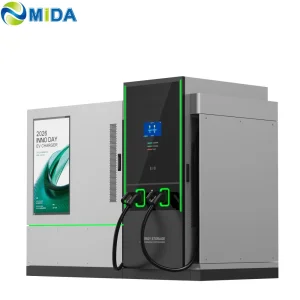
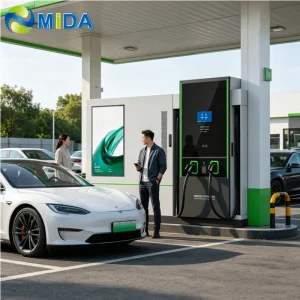
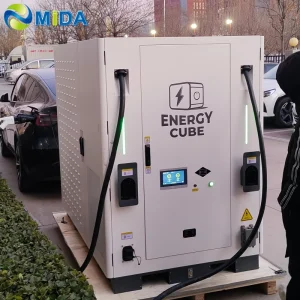
As a leading European maritime logistics center, Hamburg is implementing aggressive climate goals under the Hamburgisches Klimaschutzgesetz. The electrification of the port, city fleets, heavy transport corridors, and public transport is putting unprecedented stress on the local grid infrastructure managed by Stromnetz Hamburg.
Connecting multi-megawatt DC fast charging stations at fleet depots or logistics yards near the Elbe River often triggers complex planning permissions, costly substation upgrades, and years of delay. This is where Battery Energy Storage System (BESS) integration bridges the gap.
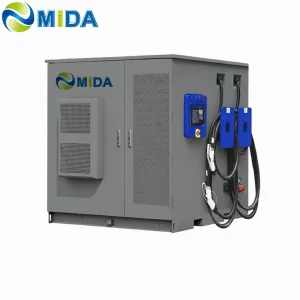
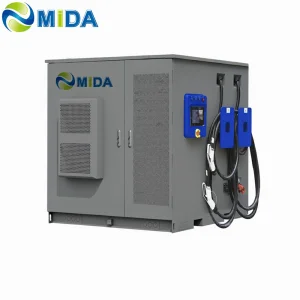
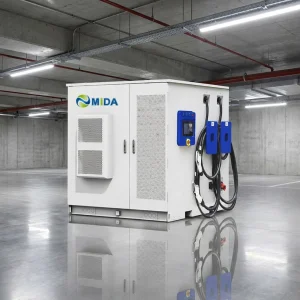
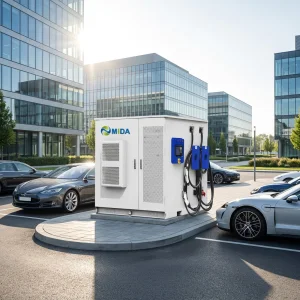
The Grid Booster Principle: A BESS-integrated charger buffers low-power grid connections (e.g., 50kW) to supply up to 320kW to an EV on demand. This protects local transformers from peak-demand penalties and accelerates EV infrastructure deployment.
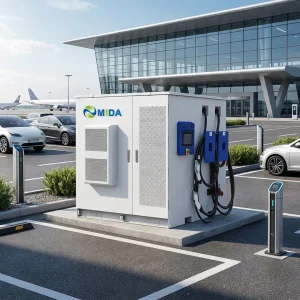
By integrating liquid-cooled LFP battery storage with high-power DC chargers, fleet operators in areas like Hamburg-Mitte, Harburg, and Altona can deploy charging assets in weeks rather than years.
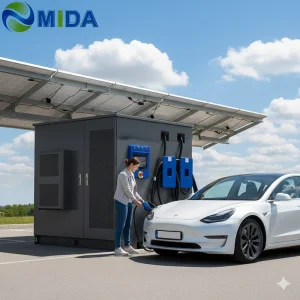
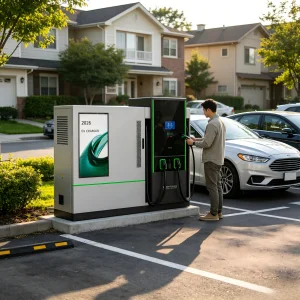
Combining energy storage, solar generation (MPPT), and ultra-fast DC chargers creates resilient, self-sufficient energy hubs.
High peak-demand surcharges are common in Germany. BESS systems store electricity during off-peak hours and discharge during high-rate periods, lowering overall demand charges and operating costs.
Integrating built-in MPPT solar chargers allows charging hubs to run off-grid. These systems capture direct solar power, store it in the LFP battery bank, and dispense it through high-speed CCS2 connectors.
BESS units connected to our charging systems can communicate with regional energy brokers via bidirectional API interfaces, participating in frequency response markets to generate extra revenue.
Shanghai Mida Cable Group Ltd. operates through its wholly owned subsidiaries: Shanghai Mida EV Power Co., Ltd., Shenzhen Mida EV Power Co., Ltd., and Shanghai Mida New Energy Co., Ltd.
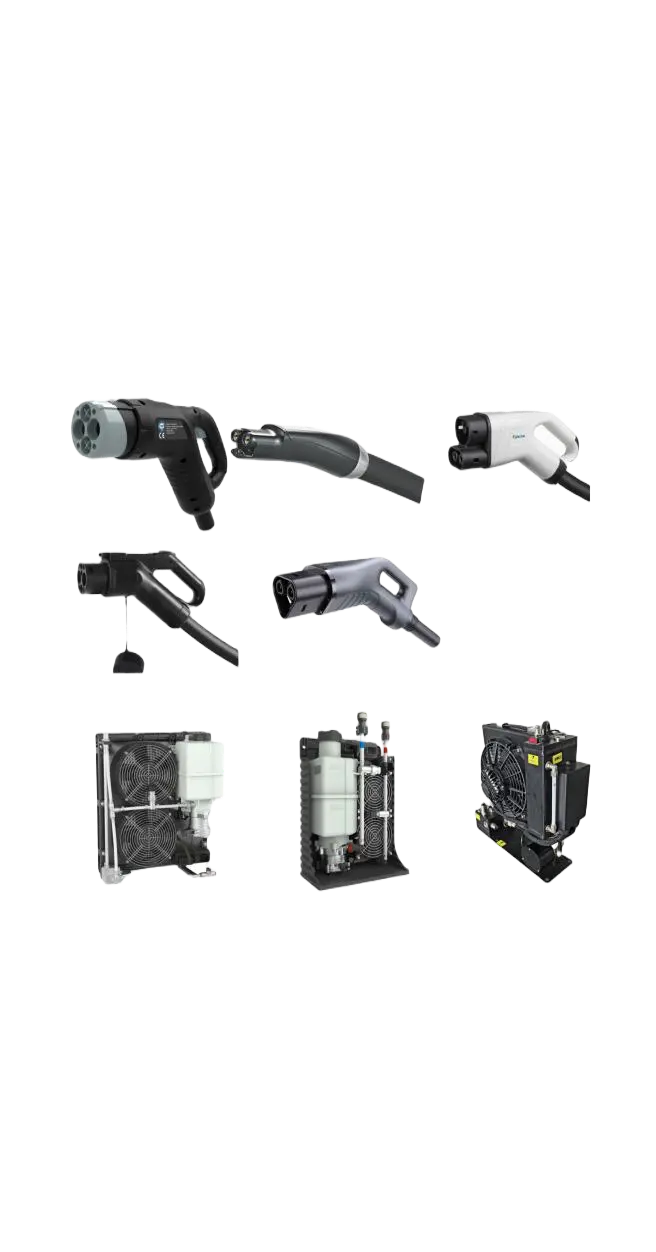
Mida Cable manufactures a comprehensive range of EV charging cables, including 16A–80A J1772 cables, 16A–63A IEC 62196-2 Type 2 cables, and DC fast charging cables: CCS1 (80A–500A), CCS2 (125A–1000A), CHAdeMO (125A–300A), GBT (200A–1000A), and NACS connectors (250A–600A).
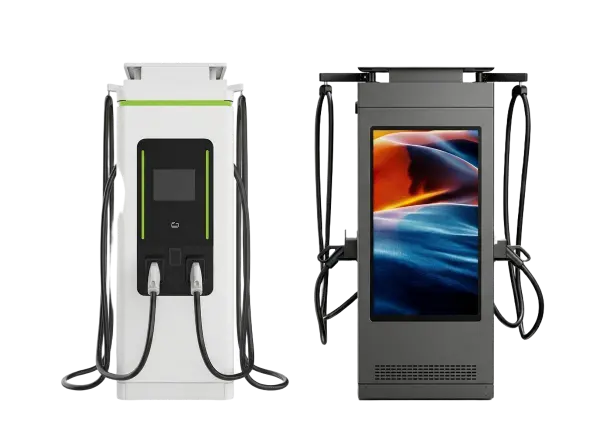
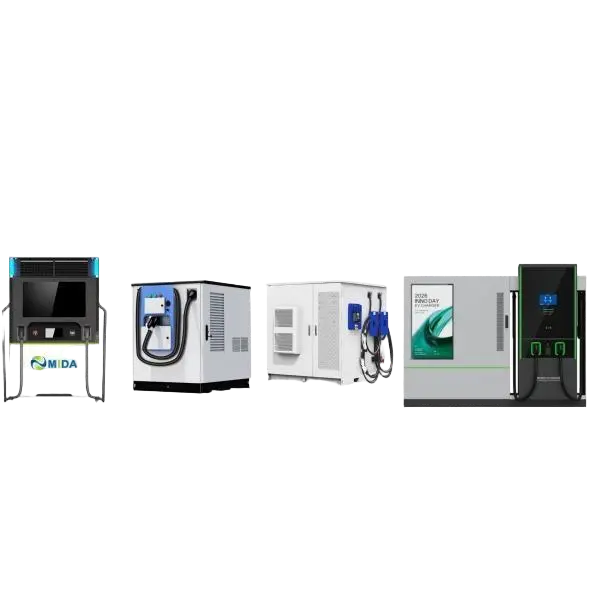
MIDA EV Power produces a full lineup of EV charging stations, such as 7kW–50kW mobile chargers, 3.6kW–7.2kW portable DC chargers, 360kW–1440kW split-type DC fast chargers, 20kW–50kW wall-mounted DC chargers, and 60kW–480kW floor-standing DC fast charging stations.
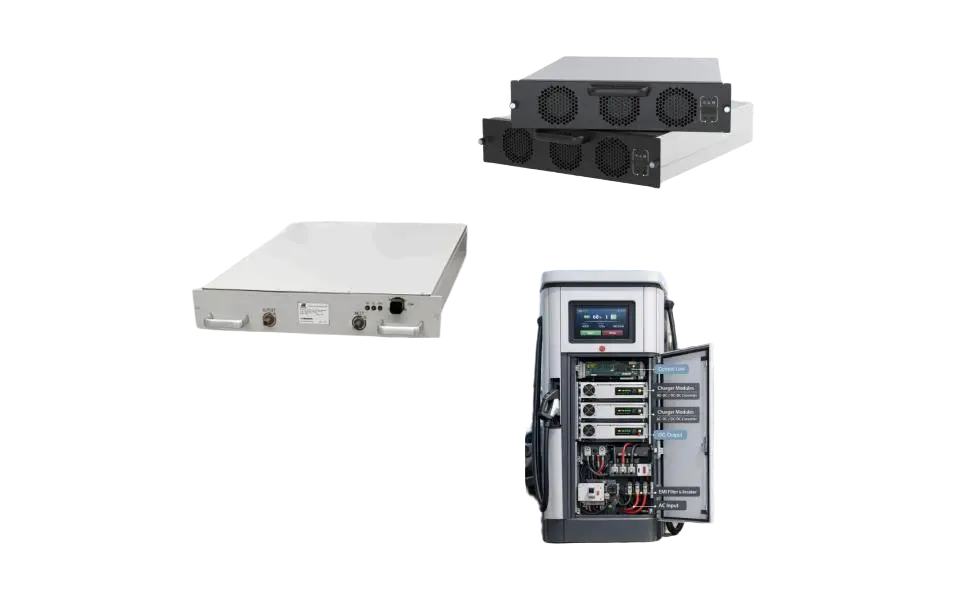
MIDA New Energy specializes in EV charger power modules, offering 20kW–60kW standard modules, 40kW–125kW liquid-cooled modules, 30kW–62.5kW bidirectional modules, and 20kW–45kW V2G charging modules.

Industrial components and turnkey configurations built for international operators.
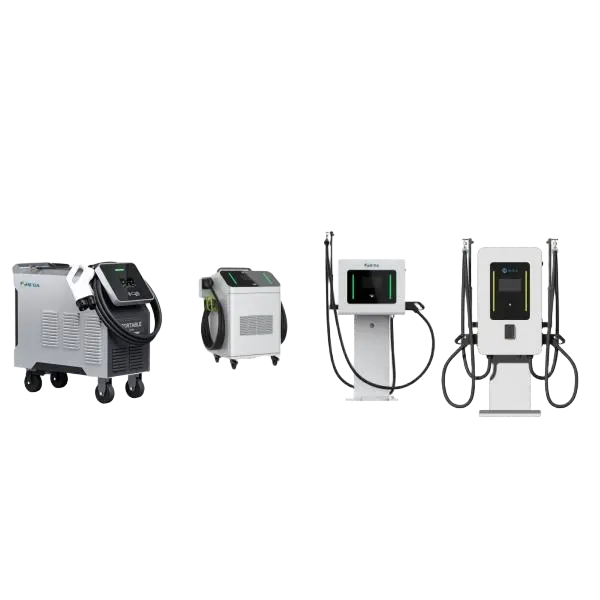
Flexible charging units for rapid fleet response, workshop servicing, and emergency roadside support across Hamburg hubs.
View More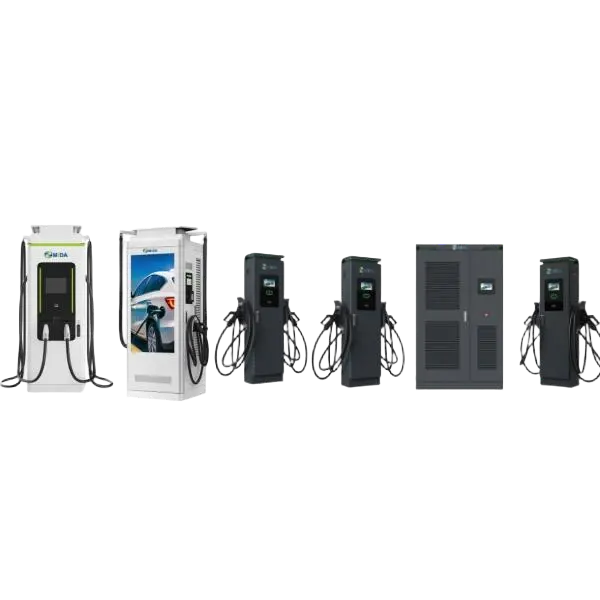
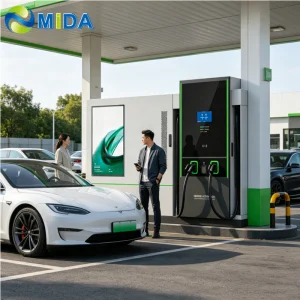
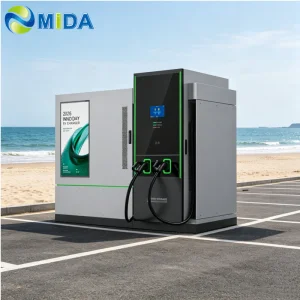
High-efficiency floor-standing and split-type DC hyperchargers, supporting dual CCS2 or liquid-cooled high-current connector configurations.
View More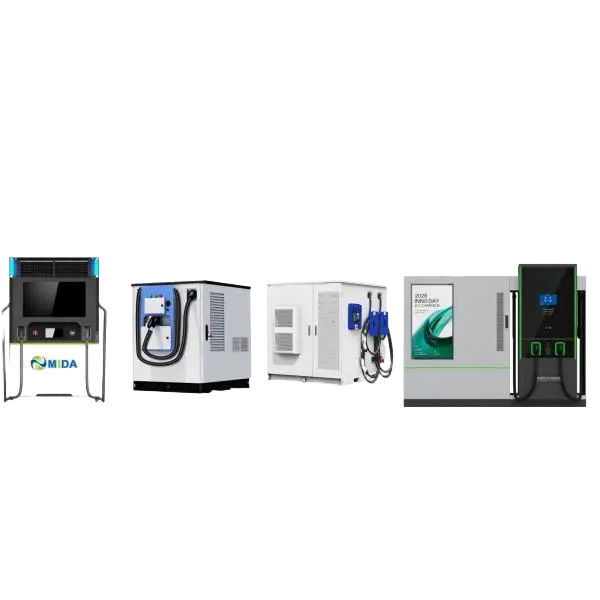
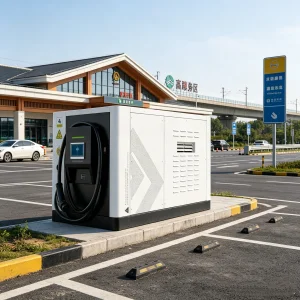
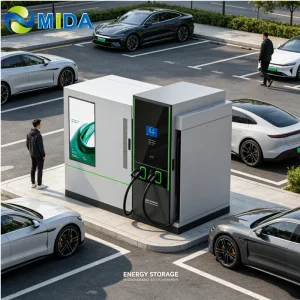
Grid-independent and buffer storage systems integrating LFP chemistry, liquid thermal management, and dynamic load control.
View MorePrecision-engineered components built to scale alongside clean energy demands.
Operating charging equipment in Northern Germany requires strict adherence to European electrical, safety, and operational standards. Under our design philosophy, we prioritize regional regulatory integration alongside robust physical protection.
Our German market deployments feature Eichrecht-compliant billing systems with integrated DC energy meters, ensuring transparent transaction tracking for public networks.
Featuring integrated insulation monitoring devices (IMD) and type B residual current devices, ensuring safety under high-voltage operating loads.
Designed to withstand Hamburg's maritime microclimates, featuring high-grade stainless steel enclosures rated against aggressive saline humidity.
With heavy trucking routes passing through Hamburg from Scandinavia and Southern Europe, fleet infrastructure is shifting from standard CCS2 to the Megawatt Charging System (MCS). Our modular hardware design allows standard 360kW cabinets to scale up to 1.2MW, ready to feed high-capacity heavy commercial vehicle ports as soon as the demand curve shifts.
Turnkey grid-buffering equipment customized to meet German industrial electrical demands.
The latest updates regarding advanced electric bus integration and global installations.

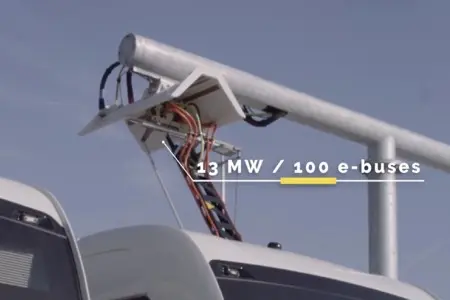
Get answers to key technical questions about deploying energy storage charging stations in Northern Germany.
Get in touch with our Technical Sales Team to obtain dimensioning sheets, electrical layout drawings, and custom pricing configurations tailored for the EU market.