1. The Rise of Commercial BESS & EV Infrastructure in Saudi Arabia
Saudi Arabia is currently undergoing a rapid transformation under the framework of Vision 2030. By prioritizing decarbonization and smart city models like NEOM and the Red Sea Project, the Kingdom has established targets to transition a large share of its transport fleets to zero-emission electric vehicles. This shift requires high-capacity, grid-independent infrastructure.
Key Dynamic: The Role of BESS in Grid Support
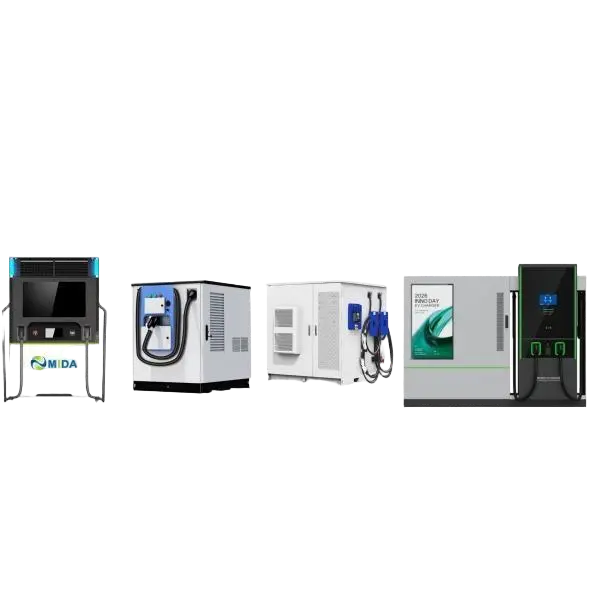
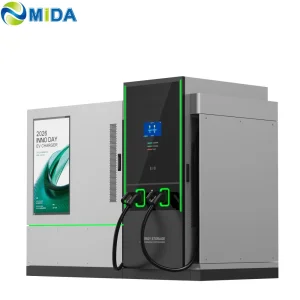
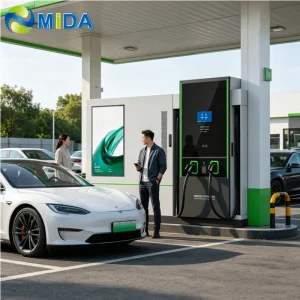
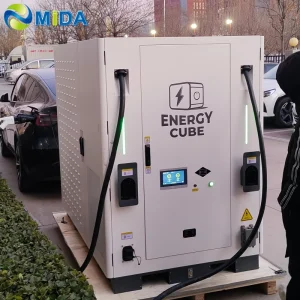
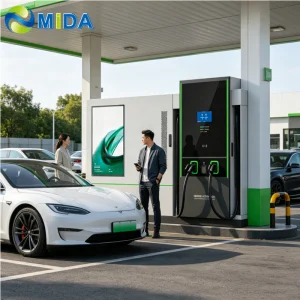
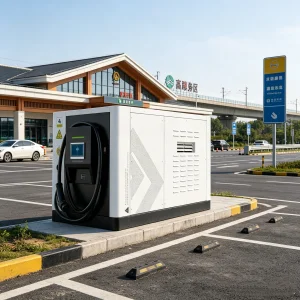
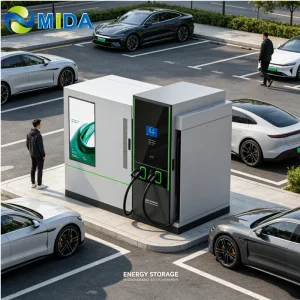
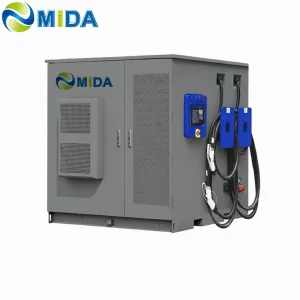
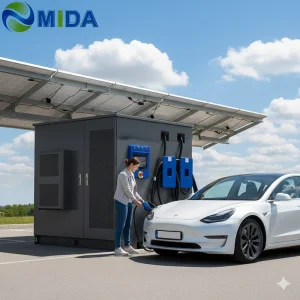
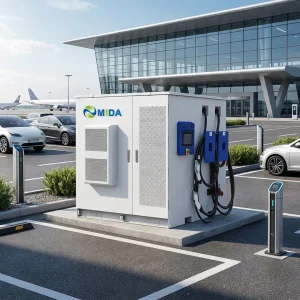
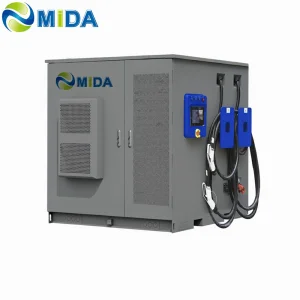
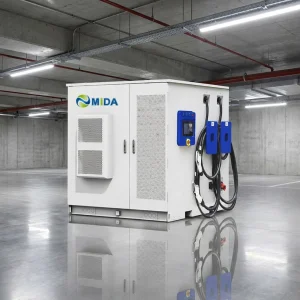
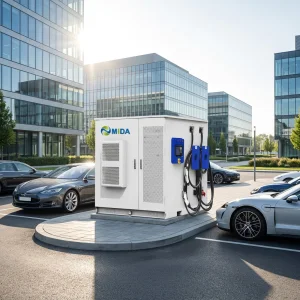
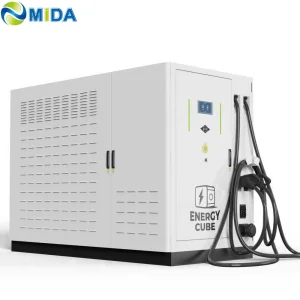
In regions with high solar exposure but constrained local power grids, Battery Energy Storage System (BESS) charging setups provide localized stability. By using integrated batteries to store power during low-demand periods and discharging during peak times, these stations reduce demand on the national grid while supporting high-speed EV charging.
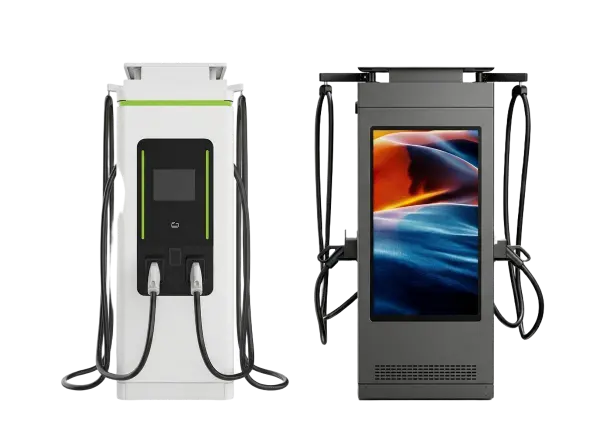
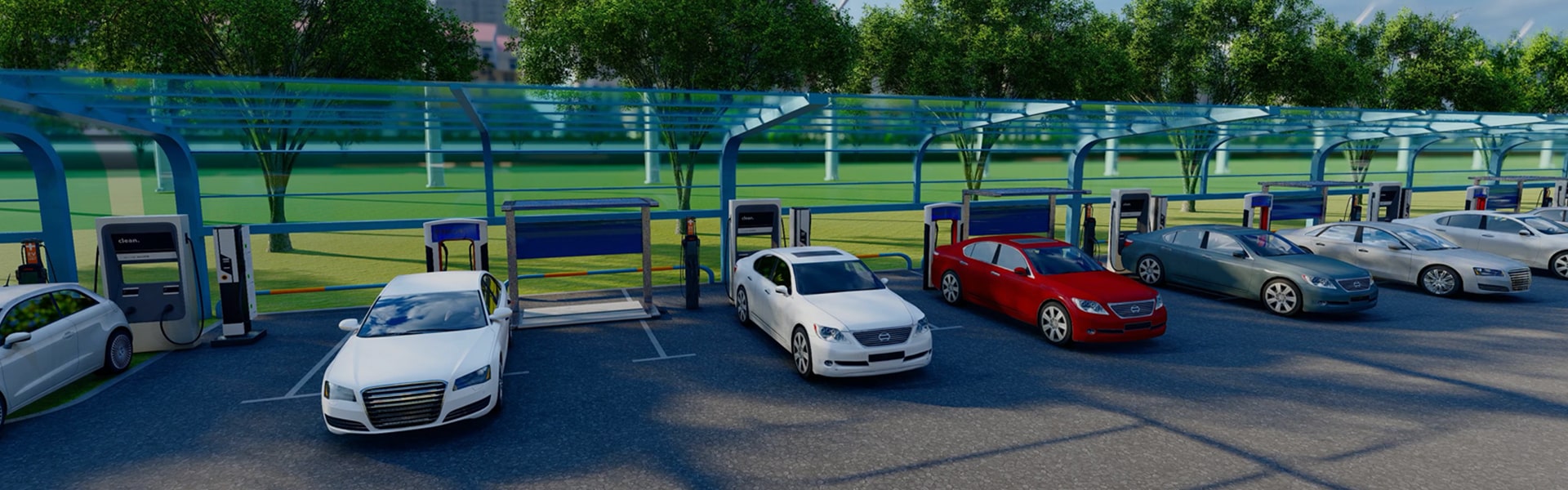
For industrial facilities, remote mining sectors, and logistics terminals across Riyadh, Dammam, and Jeddah, a combination of solar generation, battery storage, and high-power DC fast chargers offers a reliable path toward electrification. Integrating BESS with chargers enables businesses to lower peak demand charges, bypass grid capacity constraints, and keep fleet vehicles operational even during power interruptions.
2. Technical Adaptation for the Gulf Environment
Operating high-voltage power converters and chemical batteries in the GCC region presents unique environmental challenges. The combination of intense heat, airborne dust, and high humidity in coastal zones requires specialized technical designs.
Thermal Management
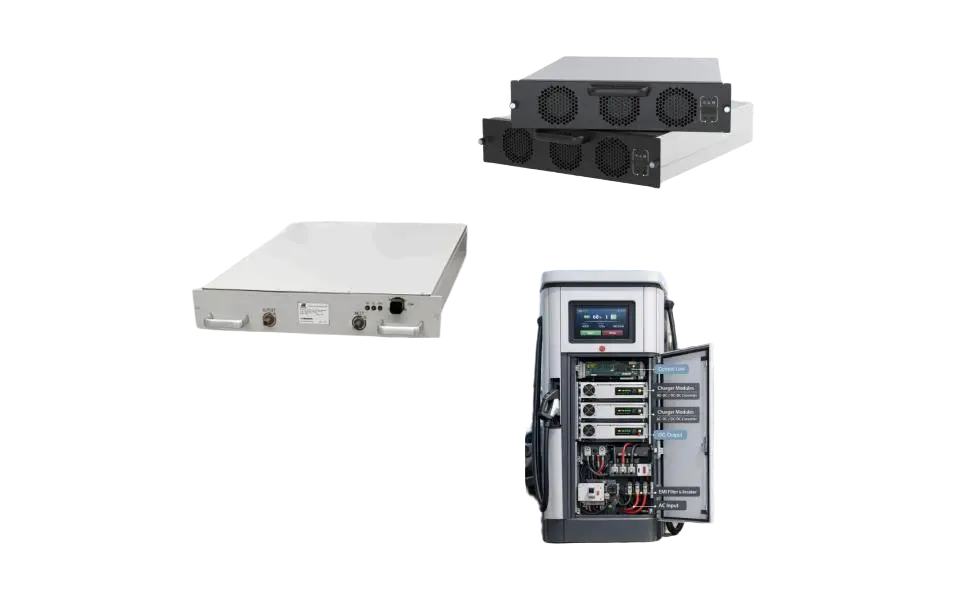
Mida's liquid-cooled and bidirectional power modules use advanced thermal controls to prevent battery degradation and efficiency losses in temperatures up to 55°C.
Dust & Sand Filtration
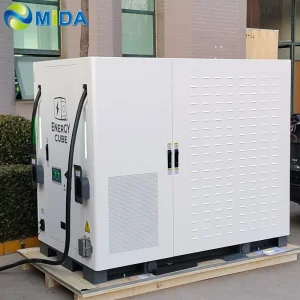
Sealed cabinets rated at IP55 or IP65 protect internal electronics, battery storage packs, and power switches from fine desert sand and airborne dust.
Corrosion Protection
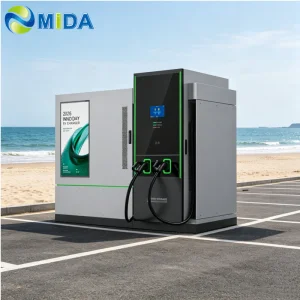
Exterior housings feature marine-grade anti-corrosion coatings to protect units from high humidity and salt spray in coastal regions like the Red Sea and Arabian Gulf.
3. Regulatory Standards & Localized Compliance
Importing and deploying heavy power equipment in Saudi Arabia requires compliance with local standards and certifications. Understanding the requirements of the Saudi Standards, Metrology and Quality Organization (SASO) and the Saudi Electricity Company (SEC) is critical for successful project implementation.
- SASO IEC Standards: All imported charging hardware must meet SASO IEC 61851 series regulations for conductive charging systems and SASO IEC 62196 for plugs, socket-outlets, and couplers.
- SEC Grid Connectivity Code: Fixed-installed DC charging systems, especially larger BESS setups, must comply with SEC requirements for grid integration. This includes maintaining proper power quality, low harmonic distortion, and grid safety controls.
- Safety and Civil Defense: Energy storage installations require specialized fire protection systems, such as Novec 1230 or Aerosol suppression systems, approved by the Saudi Civil Defense.
4. The Advantages of Integrated Chinese Supply Chains
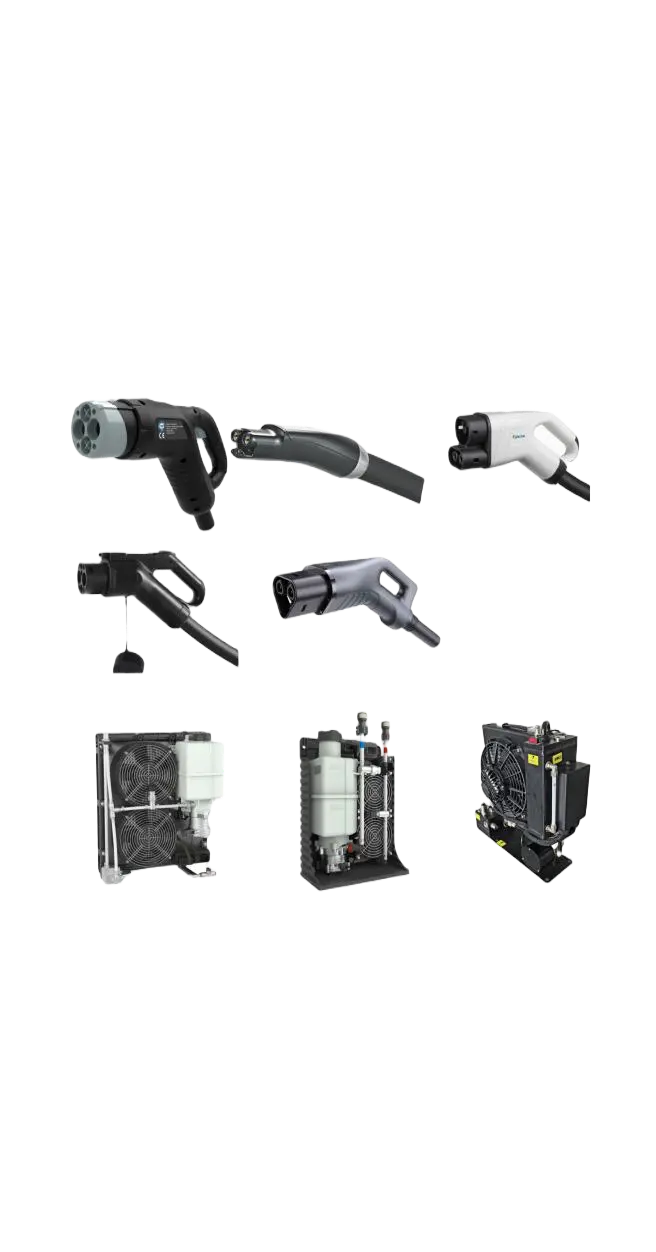
China is a major manufacturer of lithium-ion batteries and EV charging hardware. Working directly with Chinese manufacturers like Mida Group provides access to highly integrated supply chains, from raw battery cells to complete liquid-cooled charging assemblies.
This integration supports rapid customization, reliable component sourcing, and competitive pricing for large-scale energy projects. Partnering with a manufacturer that controls the engineering of components, connectors, power modules, and software management platforms ensures system compatibility and simplifies long-term maintenance.