South Africa’s Energy Transition: The Imperative for BESS-Integrated DC Fast Charging
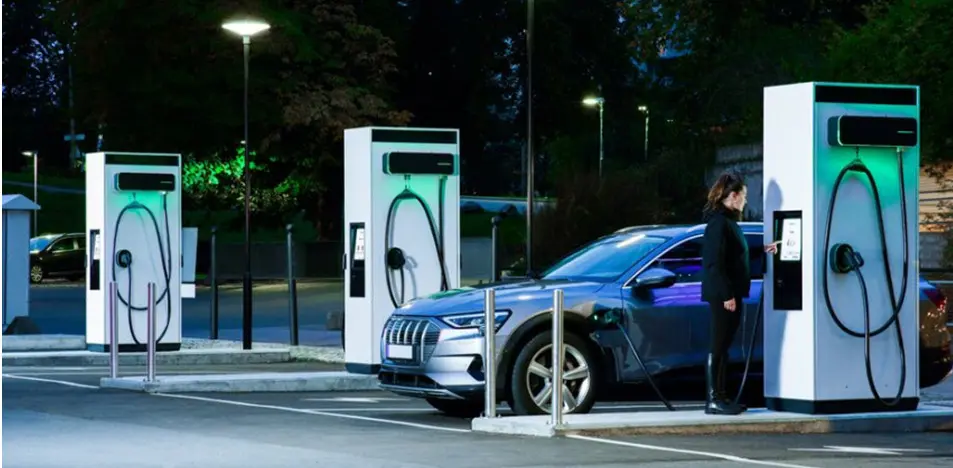
The South African automotive and transport sectors are standing on the precipice of a massive transformation. However, transitioning commercial fleets, mining haulage, municipal transport, and private vehicles to electric drivetrains introduces a major challenge: severe electrical grid instability. With Eskom's ongoing load shedding schedule, relying purely on grid-tied EV fast chargers introduces significant operational risk. Scheduled power interruptions, high peak-demand tariffs, and localized substation capacity constraints limit the feasibility of traditional high-power DC fast-charging networks.
💡 Local Market Insight: The Grid-Tied Vulnerability in South Africa
Standard DC fast chargers ranging from 60kW to 240kW demand instantaneous surges of power from the local distribution network. During Stage 4 or Stage 6 load shedding, grid power is unavailable for hours at a time, rendering standard charging points inoperable. Furthermore, municipal peak demand charges (KVA billing structures) significantly inflate operational costs during high-demand windows. This is why integrated Battery Energy Storage Systems (BESS) represent the ultimate continuity solution for South African commercial and industrial enterprises.
BESS Dynamic Peak Shaving & Off-Grid Capability
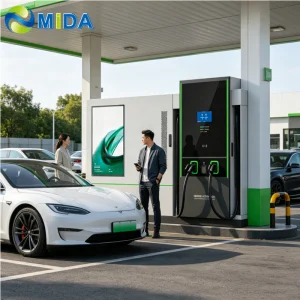
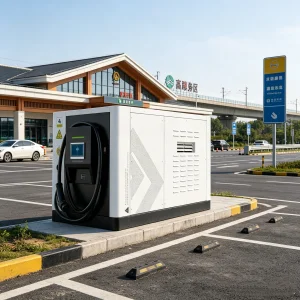
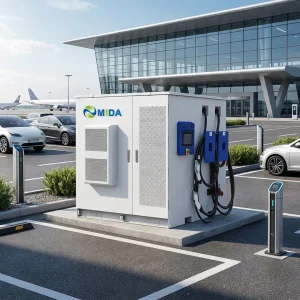
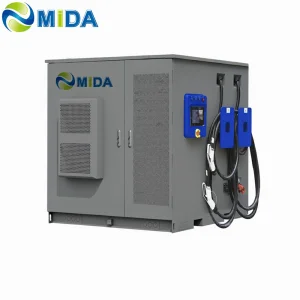
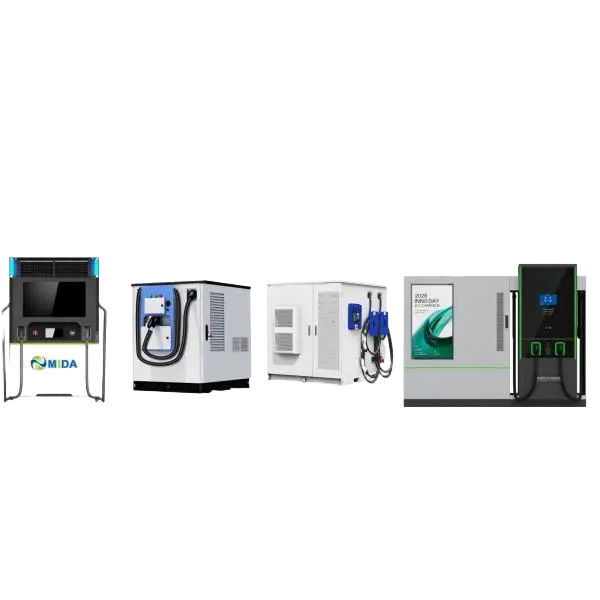
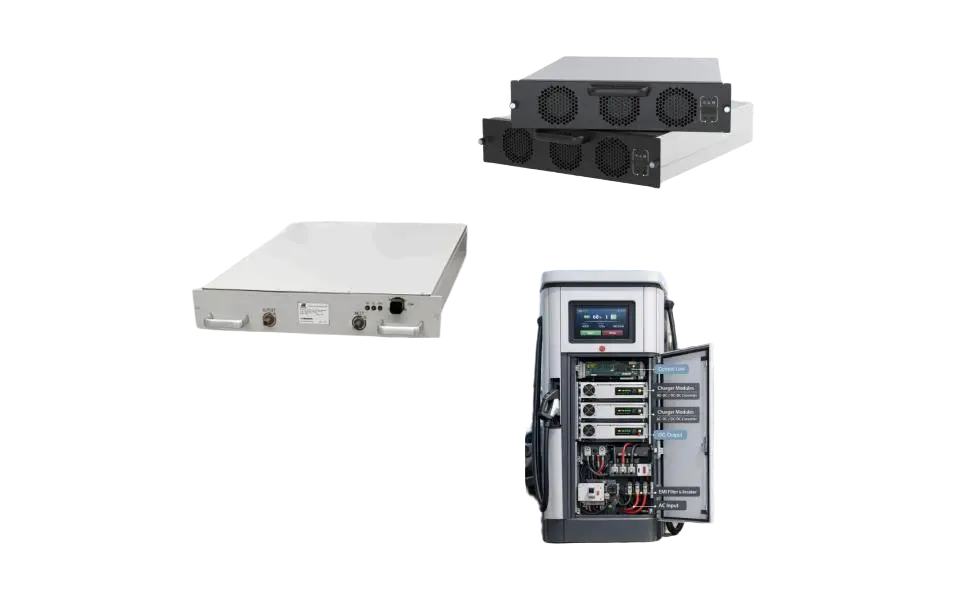
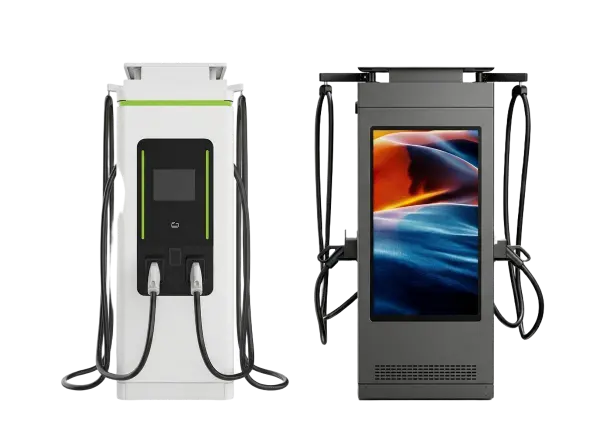
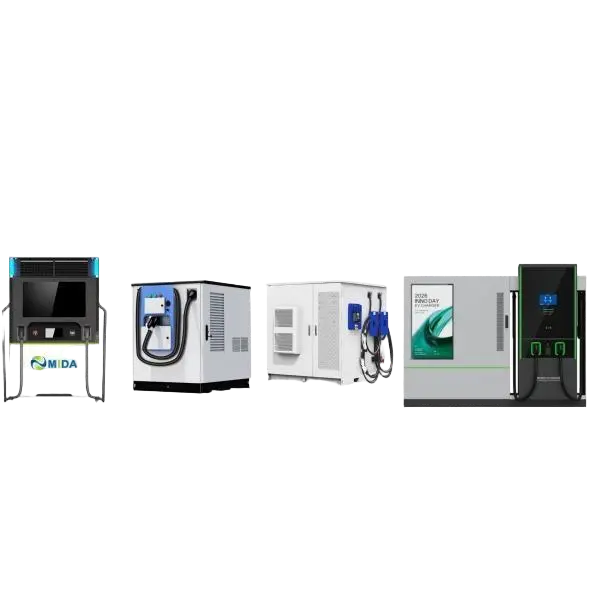
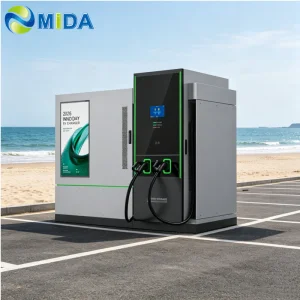
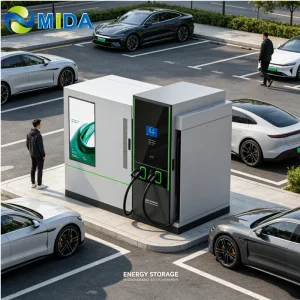
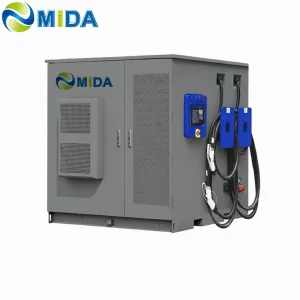
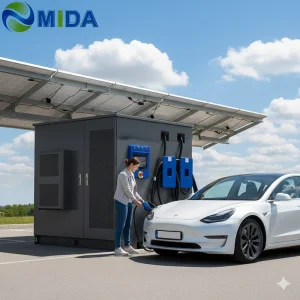
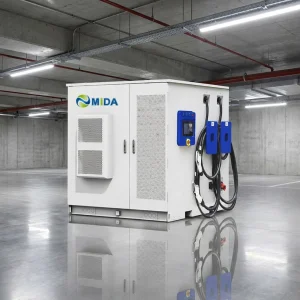
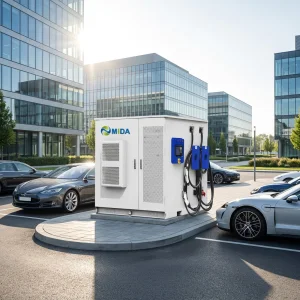
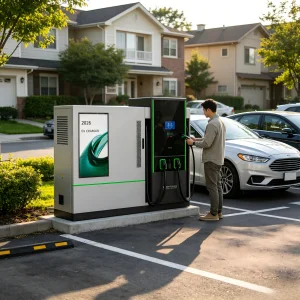
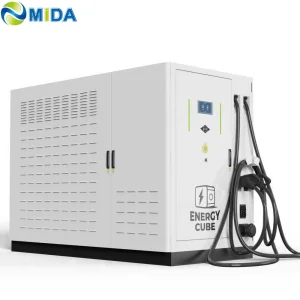
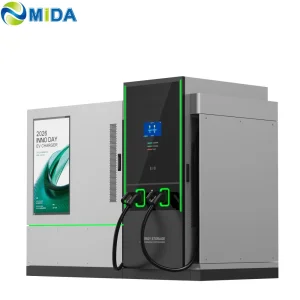
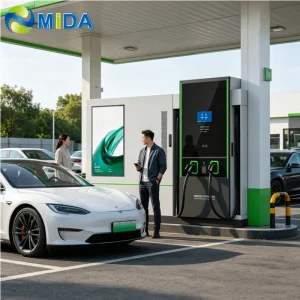
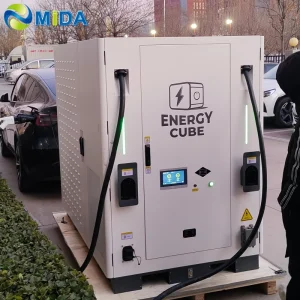
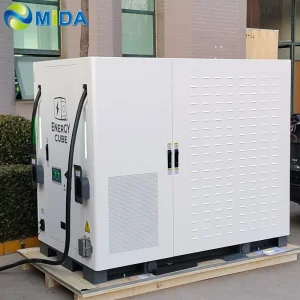
BESS-integrated DC charging stations act as localized energy hubs. They operate on a simple yet highly effective principle: they draw power from the grid at a low, controlled rate during off-peak times (or when the grid is active), store it within advanced Lithium Iron Phosphate (LiFePO4) battery packs, and discharge it at high rates (up to 480kW or more) directly to the EV when needed. This method successfully decouples the high-kilowatt charging speed of the electric vehicle from the physical constraints of the local grid.
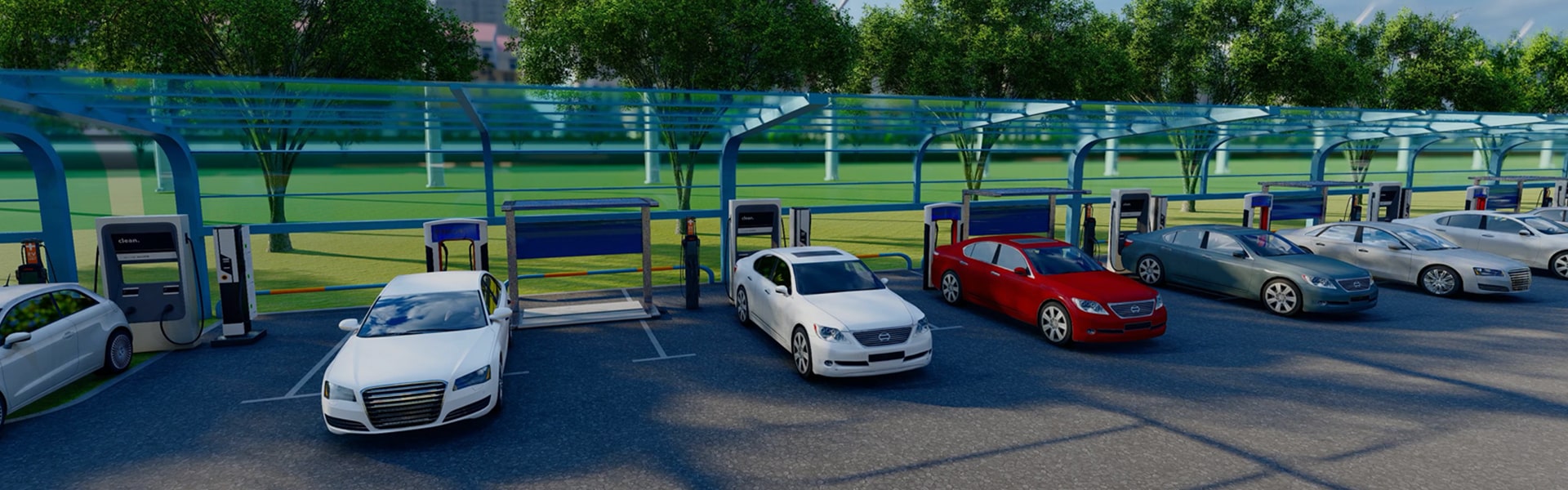
Additionally, integration with Maximum Power Point Tracking (MPPT) solar charge controllers allows companies to capture abundant South African solar energy directly, creating true off-grid or hybrid charging environments. This makes operations resilient to load shedding while securing long-term price stability against rising electricity tariffs.