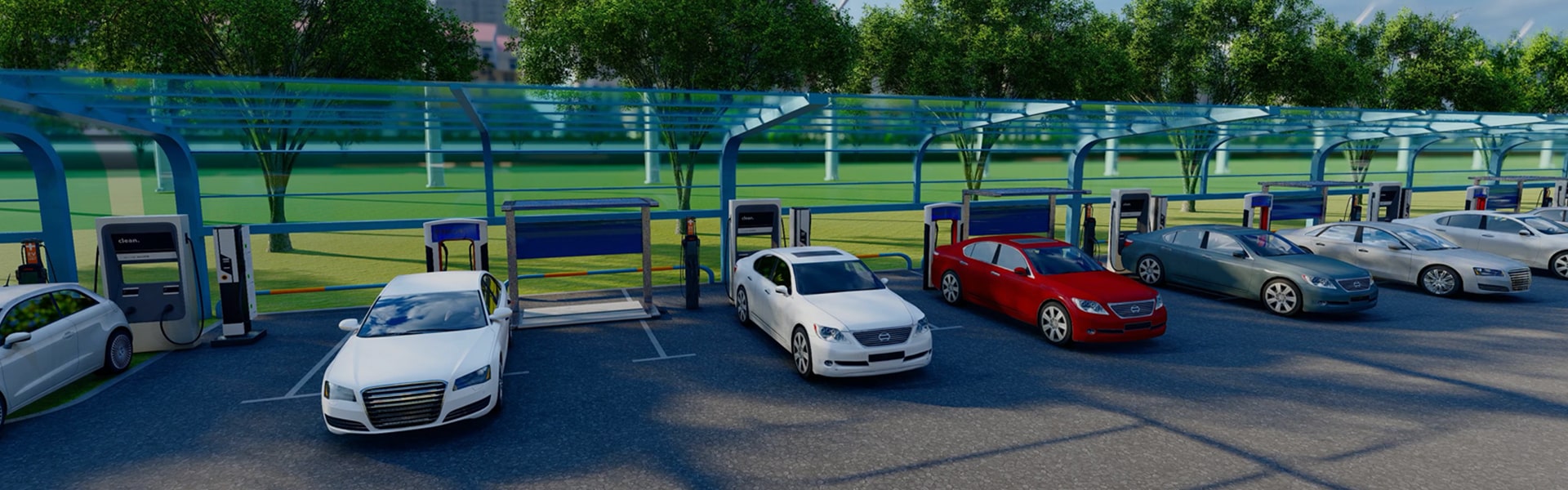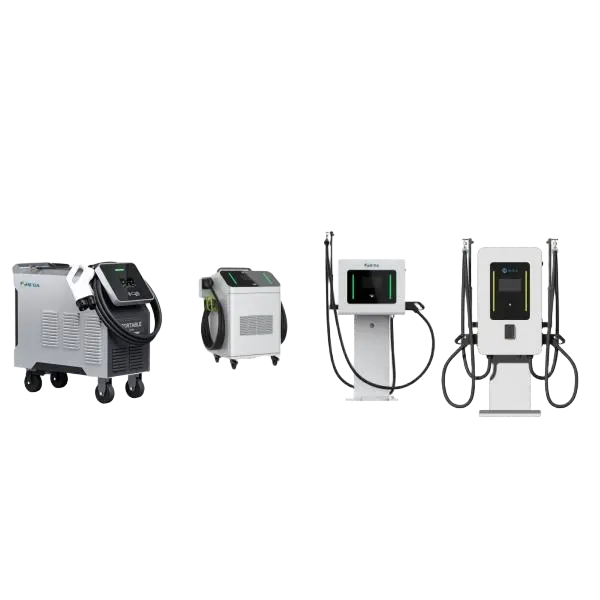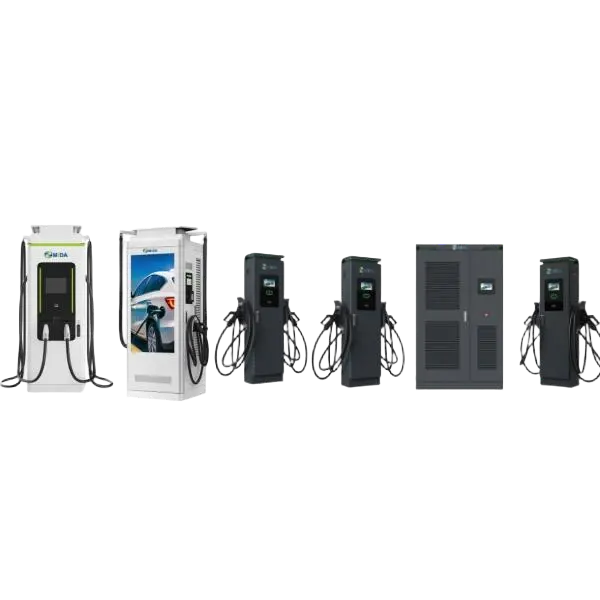
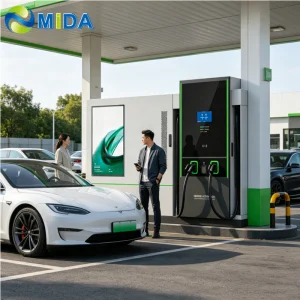
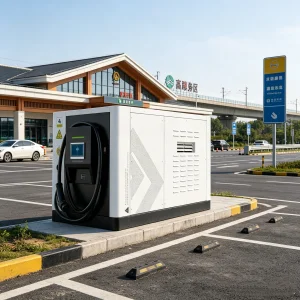
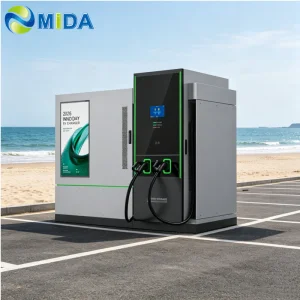
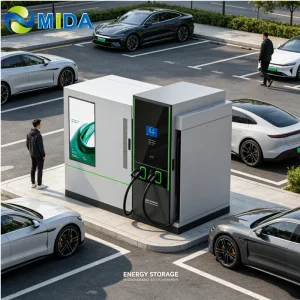
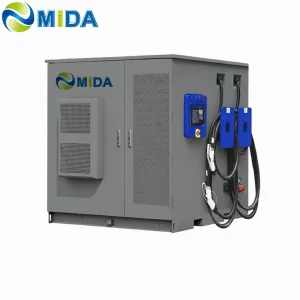
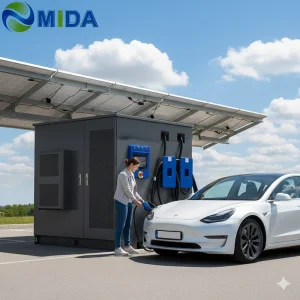
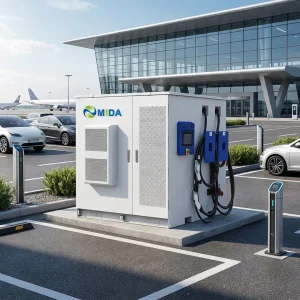
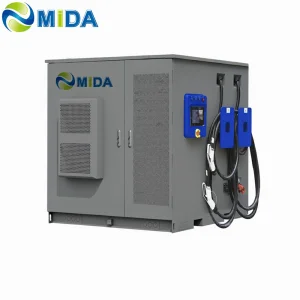
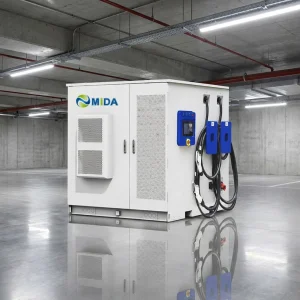
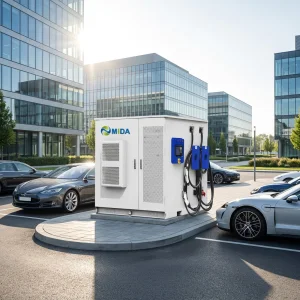
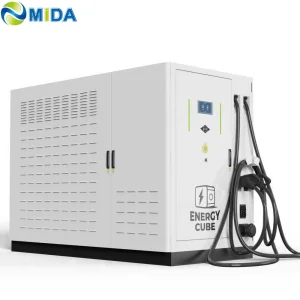
High-efficiency charging systems integrated with smart battery storage to buffer grid load and deliver rapid peak-shaving performance across Swedish municipalities.
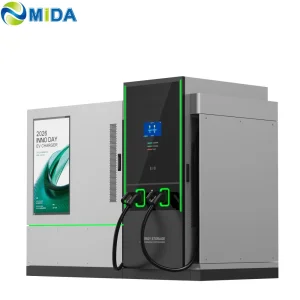
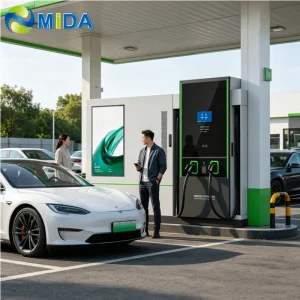
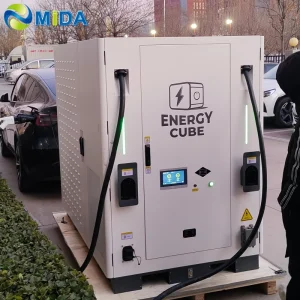
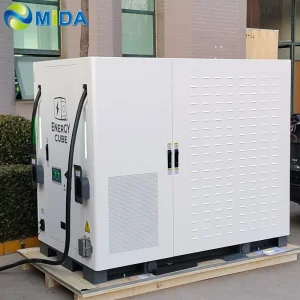
Fully compliant with EU standard regulations, featuring dynamic load sharing and integrated OCPP communication interfaces.
 View More
Sweden stands at the forefront of the global energy transition, guided by the ambitious legislative target of achieving net-zero greenhouse gas emissions by 2045. However, this aggressive expansion of electric vehicle (EV) fleets, heavy-duty logistics fleets, and municipal transit systems has highlighted severe structural challenges. The country’s electricity grid faces localized congestion, particularly in the southern pricing zones (SE3 and SE4), where industrial demand outpaces high-voltage transmission upgrades.
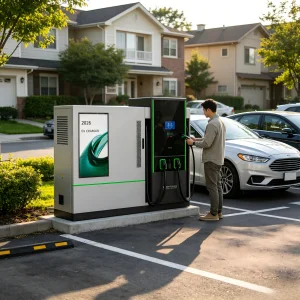
Battery Energy Storage System (BESS) integrated DC fast charging stations are emerging as a vital technology in Sweden. By combining high-capacity local battery storage (utilizing chemistry such as Lithium Iron Phosphate - LFP) with high-power DC chargers, fleet operators and charging point operators (CPOs) can bypass massive grid upgrade costs. In northern areas (SE1 and SE2), industrial scaling in mining and green steel production demands robust off-grid or semi-grid-tied high-power setups capable of running consistently under severe, sub-zero conditions (-30°C to -40°C).
Integrating BESS with EV charging systems allows Swedish site operators to participate in Svenska Kraftnät's frequency containment reserve markets (FCR-D and FCR-S). This provides an additional revenue stream while stabilizing localized grid infrastructure.
The global EV infrastructure trend is transitioning rapidly toward megawatt-class solutions, heavy-duty transport electrification, and solar-storage-charging microgrids. Logistics hubs, ports, and long-haul highways are upgrading from simple 120kW split systems to integrated charging terminals exceeding 480kW per plug, alongside localized Megawatt Charging Systems (MCS).
To reduce peak demand fees, modern infrastructure relies on intelligent energy management platforms (EMS). The integration of photovoltaic arrays directly into local BESS units allows commercial hubs to store clean solar power during low-demand periods and dispatch it directly to EVs during high-peak traffic intervals, decoupling EV charging speeds from regional grid availability.
As a leading supplier of DC fast chargers and energy storage systems, China's industrial clusters in Shanghai and Shenzhen offer unparalleled supply chain advantages. The key pillars of Chinese manufacturing efficiency include:
Our engineering division designs BESS charging installations tailored for specific Swedish industrial cases:
When procurement managers purchase industrial-grade EV infrastructure for Nordic regions, they must verify critical performance metrics: thermal management reliability (liquid-cooled modules are preferred for high density), OCPP 1.6J/2.0.1 compliance for back-office integration, and long-term cyclic durability (typically >6000 cycles at 80% DOD for BESS). Additionally, C5-M high anti-corrosion protection is highly recommended for coastal sites in Sweden.
Shanghai Mida Cable Group Ltd. operates through its wholly owned subsidiaries: Shanghai Mida EV Power Co., Ltd., Shenzhen Mida EV Power Co., Ltd., and Shanghai Mida New Energy Co., Ltd.
Mida Cable manufactures a comprehensive range of EV charging cables, including 16A–80A J1772 cables, 16A–63A IEC 62196-2 Type 2 cables, and DC fast charging cables: CCS1 (80A–500A), CCS2 (125A–1000A), CHAdeMO (125A–300A), GBT (200A–1000A), and NACS connectors (250A–600A).
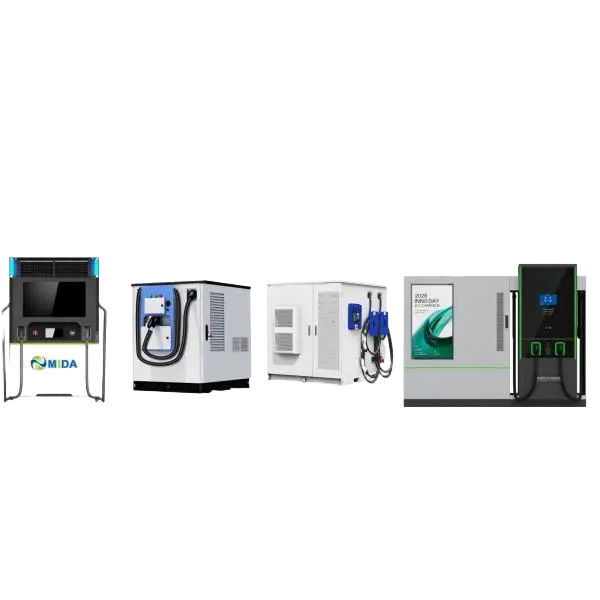
MIDA EV Power produces a full lineup of EV charging stations, such as 7kW–50kW mobile chargers, 3.6kW–7.2kW portable DC chargers, 360kW–1440kW split-type DC fast chargers, 20kW–50kW wall-mounted DC chargers, and 60kW–480kW floor-standing DC fast charging stations. MIDA New Energy specializes in EV charger power modules, offering 20kW–60kW standard modules, 40kW–125kW liquid-cooled modules, 30kW–62.5kW bidirectional modules, and 20kW–45kW V2G charging modules.
Contact MIDA Engineering Team
Designed and built for high durability, efficiency, and compliance with European grid systems.
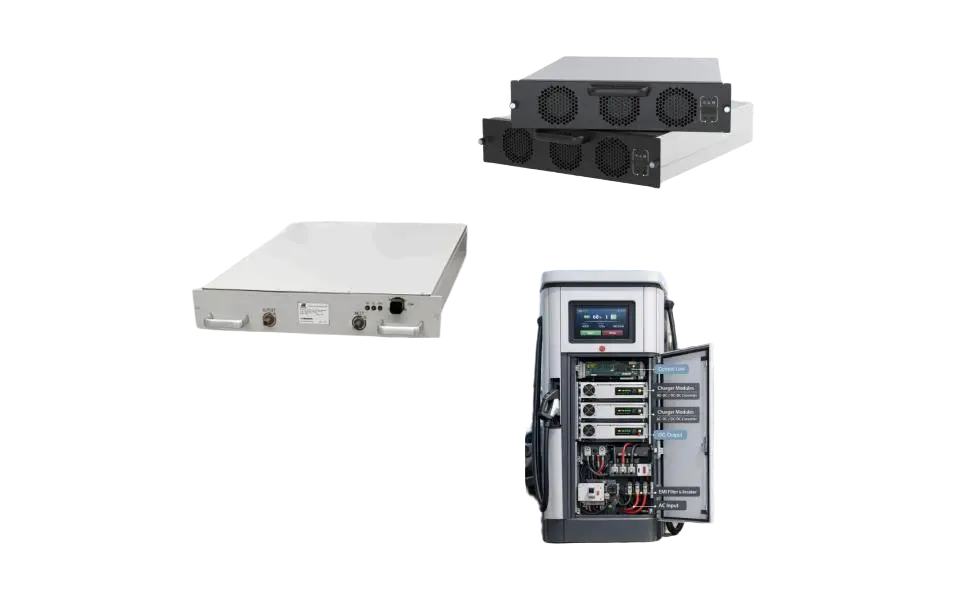
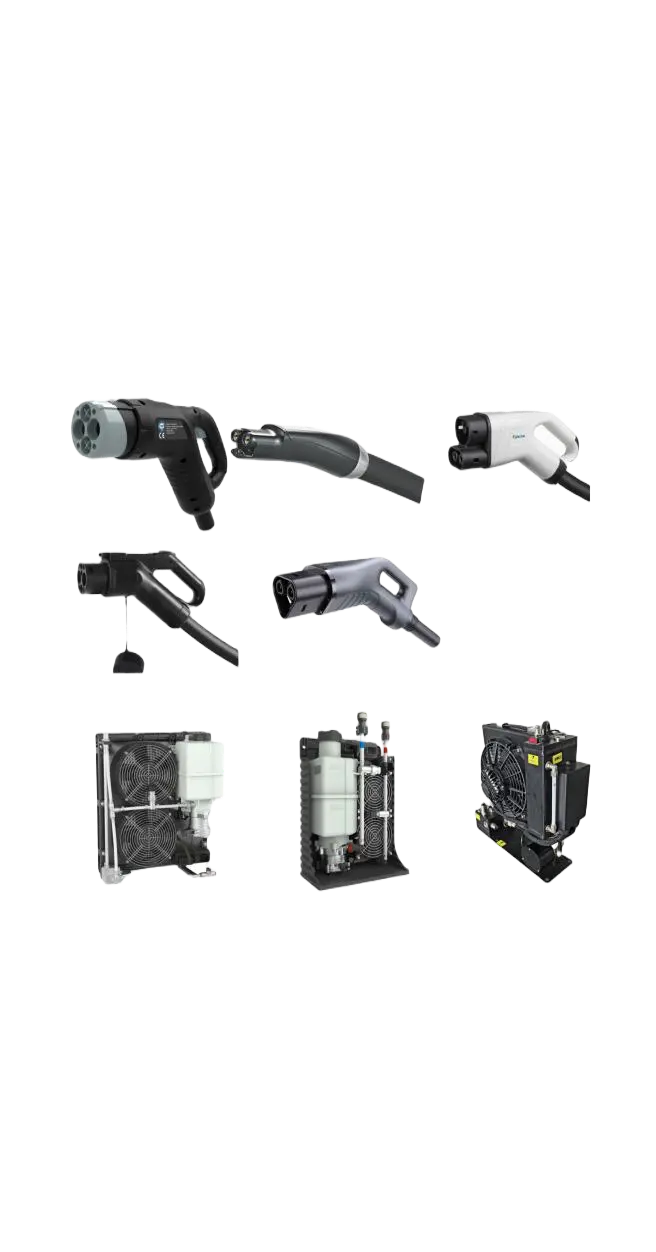
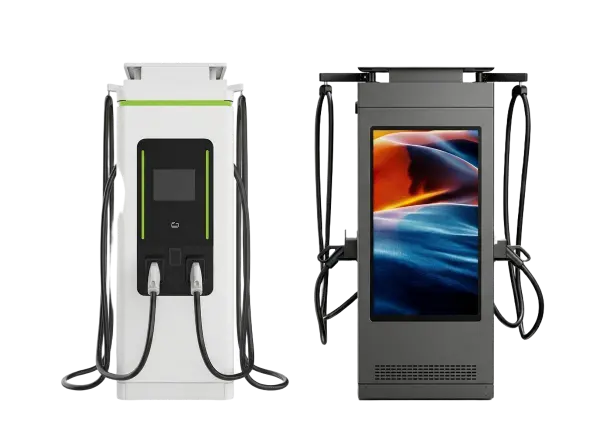
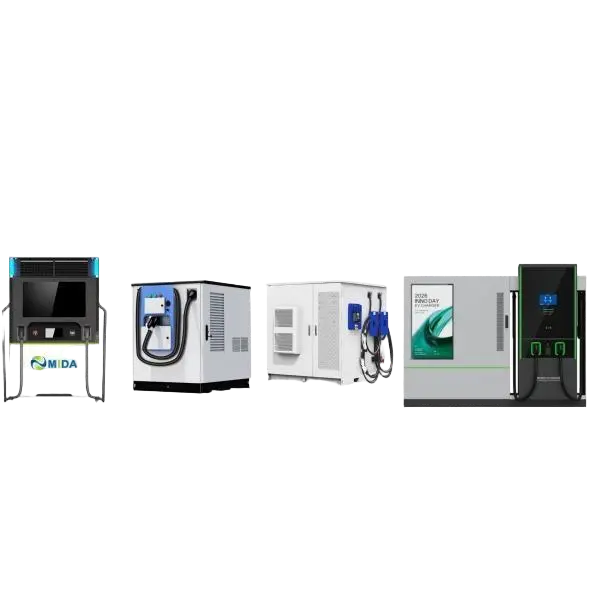
Full range of multi-megawatt configurations with advanced LFP batteries, liquid-cooling systems, and dynamic grid-balancing software integration.
Read about our project deployments and technological updates in heavy-duty commercial EV infrastructure.

Answering major technical, structural, and integration questions for engineering and procurement specialists in Sweden.