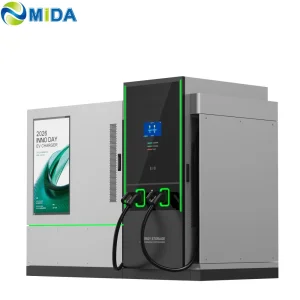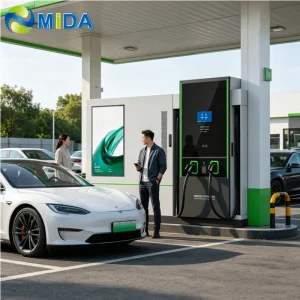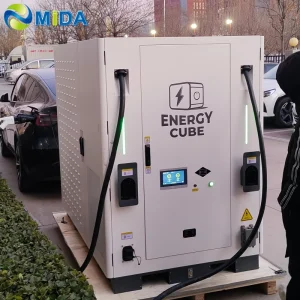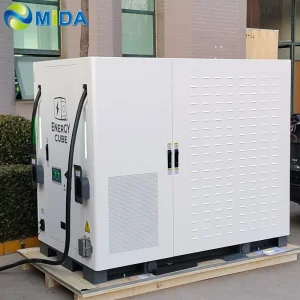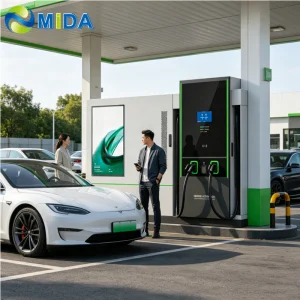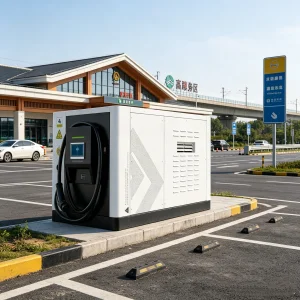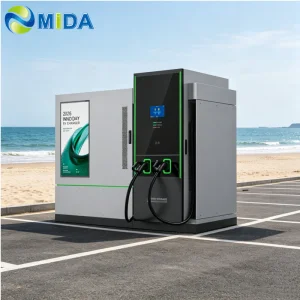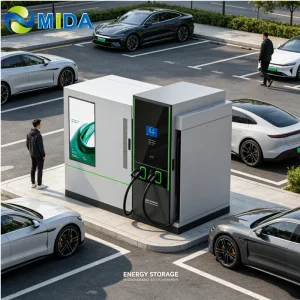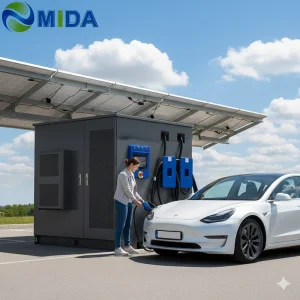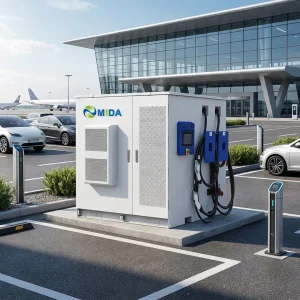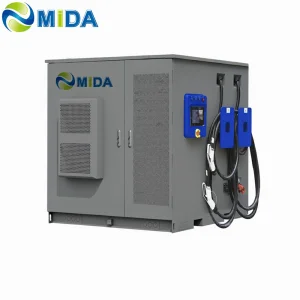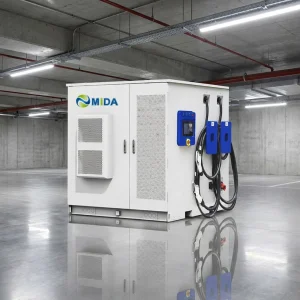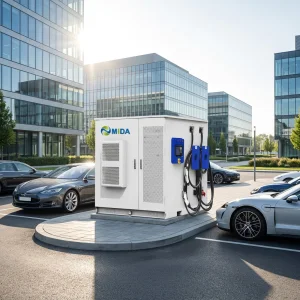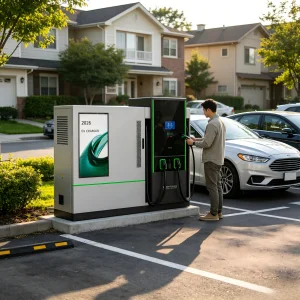
Peru is witnessing a profound transition towards electrification, driven by international carbon emission mandates, national environmental strategies, and the compelling economics of battery-supported operations. However, deploying ultra-fast DC charging infrastructure across Peru presents unique localized challenges. From the high-altitude Andean mines located over 4,000 meters above sea level to the hyper-saline coastal industrial zones around Callao and Lima, standard off-the-shelf EV chargers often suffer from thermal de-rating, insulation breakdown, and power instability. This is where Battery Energy Storage System (BESS) Integrated EV Chargers emerge as the critical technological bridge.
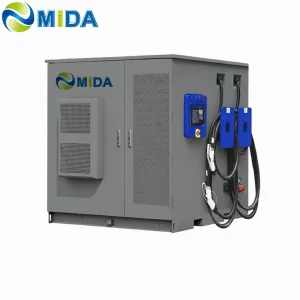
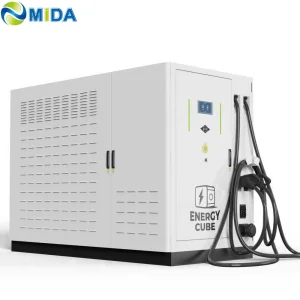
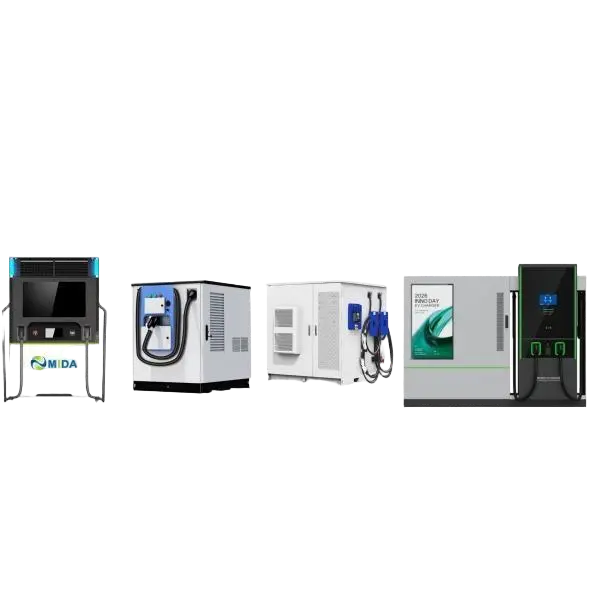
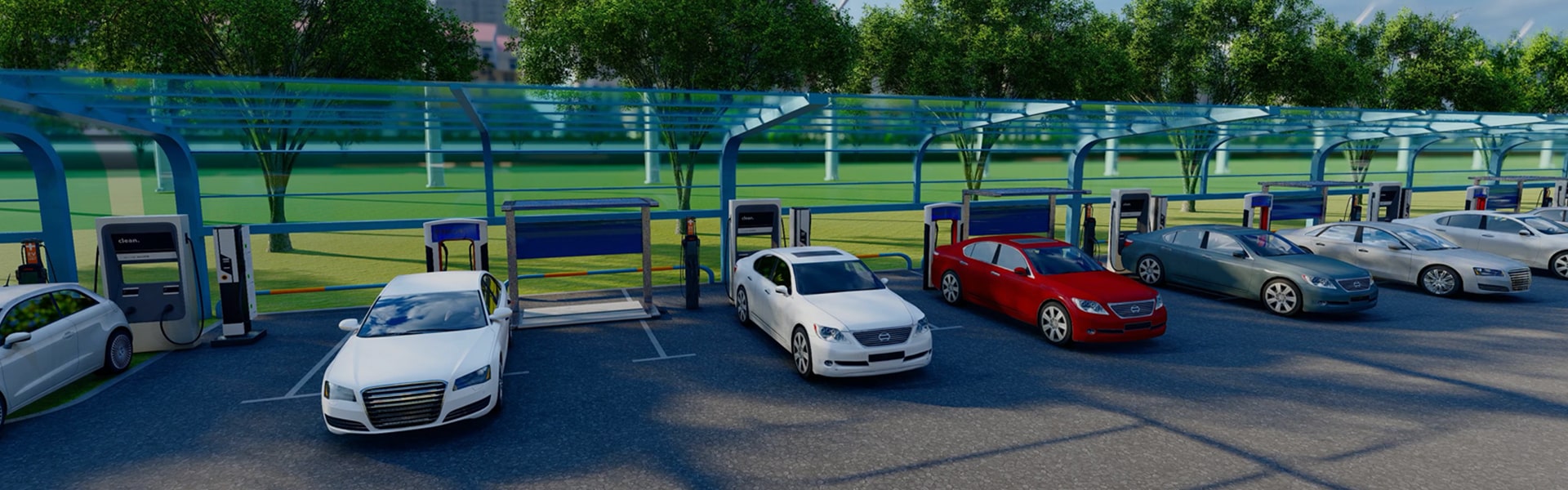
In regions with weak or highly unstable grid networks, connecting a standard 120kW or 240kW DC fast charger can trigger severe voltage fluctuations or exceed localized grid demand capacity limits. By integrating industrial lithium iron phosphate (LFP) energy storage directly with the charging system, MIDA Group's BESS Charging Stations decouple peak grid consumption from vehicle demand. The BESS slowly draws power from the grid during off-peak hours or integrates directly with distributed solar arrays via MPPT controllers, delivering high-current DC fast charging exactly when electric fleets, heavy machinery, or delivery vehicles require it.
Peru's economy relies heavily on mining, agriculture, and maritime logistics. Electrifying these sectors requires localized infrastructure tailored to demanding conditions:
At elevations above 2,000 meters, lower air density reduces convective heat transfer and lowers the breakdown voltage of air. Standard charger designs risk overheating and electrical arcing. MIDA Group's engineering team addresses these challenges directly. By implementing thicker electrical insulation, over-dimensioned creepage distances, and closed-loop liquid-cooled thermal systems, our chargers operate reliably at altitudes up to 4,500 meters without loss of efficiency or safety compromise. This ensures continuous operation for heavy industrial transport and critical mining operations.
As grid operators implement dynamic pricing and peak-shaving mandates, the integration of BESS with DC charging becomes essential. The future of charging infrastructure in Peru lies in intelligent, bidirectional energy flow (V2G - Vehicle-to-Grid) and microgrid integration. MIDA's roadmap is designed to support this evolution:
MIDA Group operates through unified specialized business units: Shanghai Mida Cable Group, Shanghai Mida EV Power Co., and MIDA New Energy. This internal vertical integration offers distinct structural advantages for global projects:
Shanghai Mida Cable Group Ltd. operates through its wholly owned subsidiaries: Shanghai Mida EV Power Co., Ltd., Shenzhen Mida EV Power Co., Ltd., and Shanghai Mida New Energy Co., Ltd.
Mida Cable manufactures a comprehensive range of EV charging cables, including 16A–80A J1772 cables, 16A–63A IEC 62196-2 Type 2 cables, and DC fast charging cables: CCS1 (80A–500A), CCS2 (125A–1000A), CHAdeMO (125A–300A), GBT (200A–1000A), and NACS connectors (250A–600A).
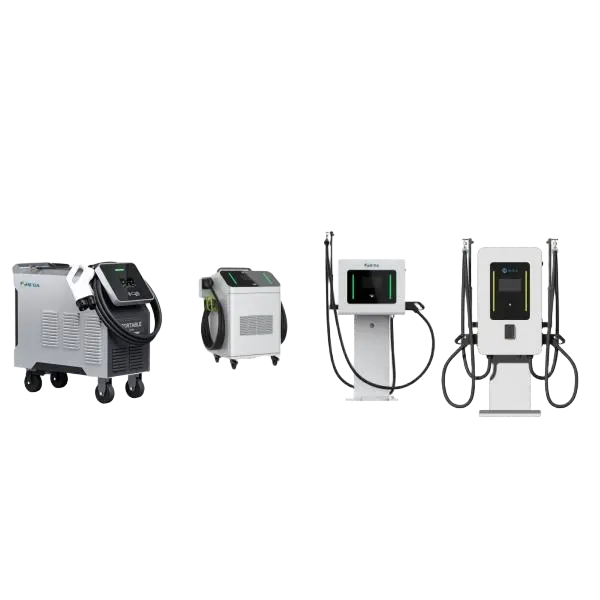
MIDA EV Power produces a full lineup of EV charging stations, such as 7kW–50kW mobile chargers, 3.6kW–7.2kW portable DC chargers, 360kW–1440kW split-type DC fast chargers, 20kW–50kW wall-mounted DC chargers, and 60kW–480kW floor-standing DC fast charging stations.
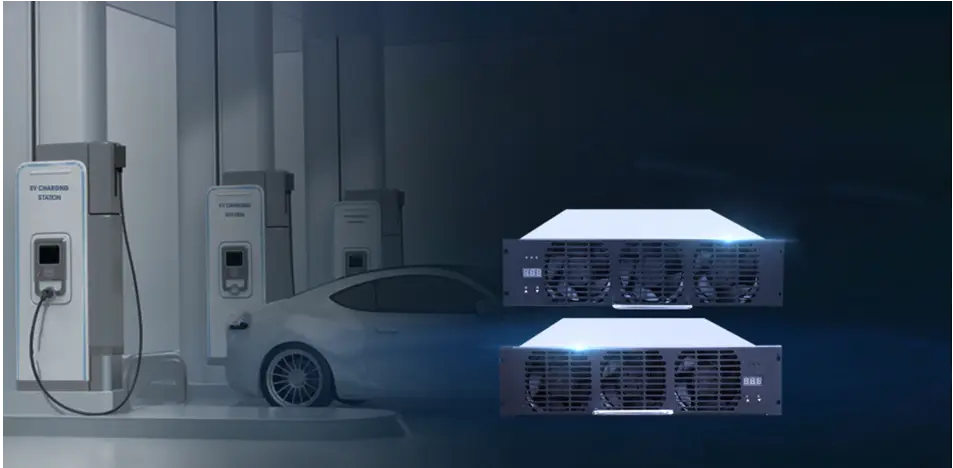
MIDA New Energy specializes in EV charger power modules, offering 20kW–60kW standard modules, 40kW–125kW liquid-cooled modules, 30kW–62.5kW bidirectional modules, and 20kW–45kW V2G charging modules.

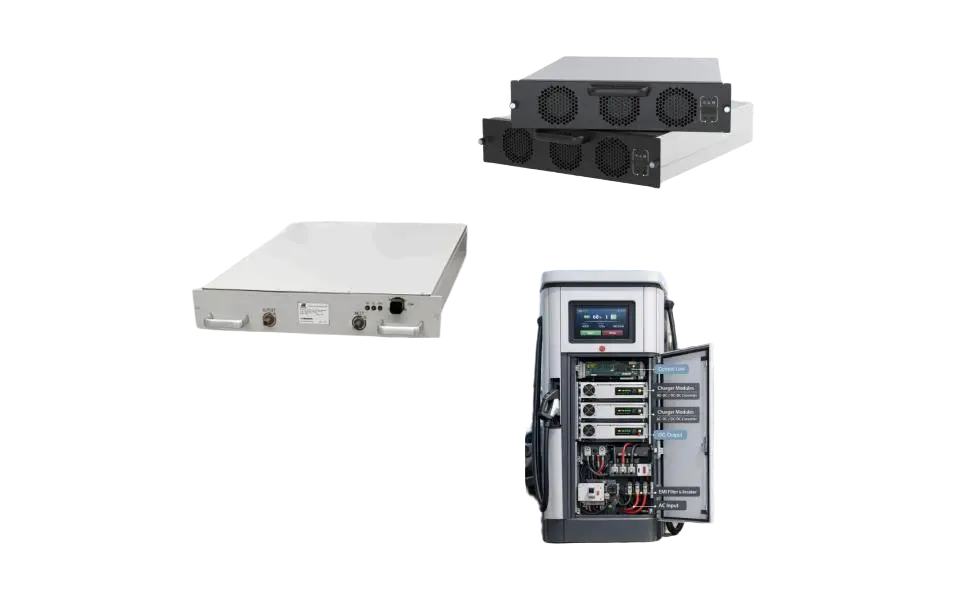
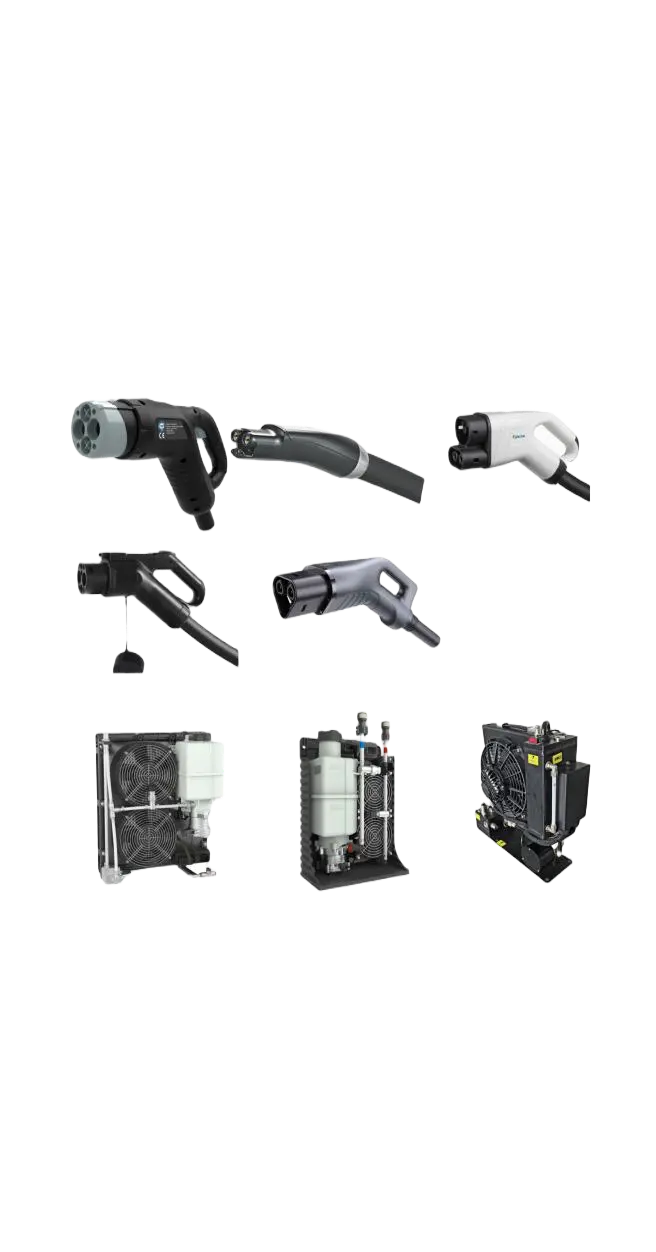
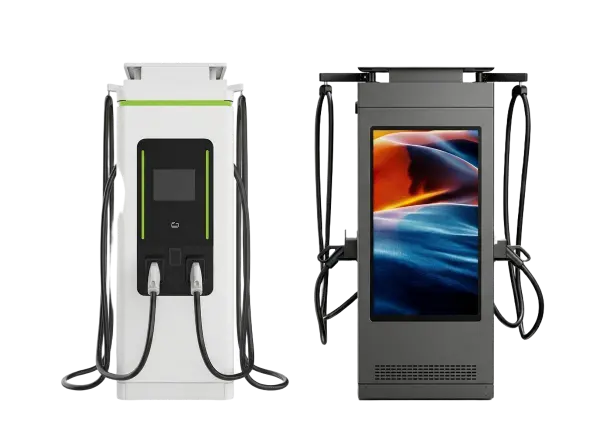
7kW 20kW 30kW 40kW 60kW 80kW
60kW-480kW 360kW-1440kW
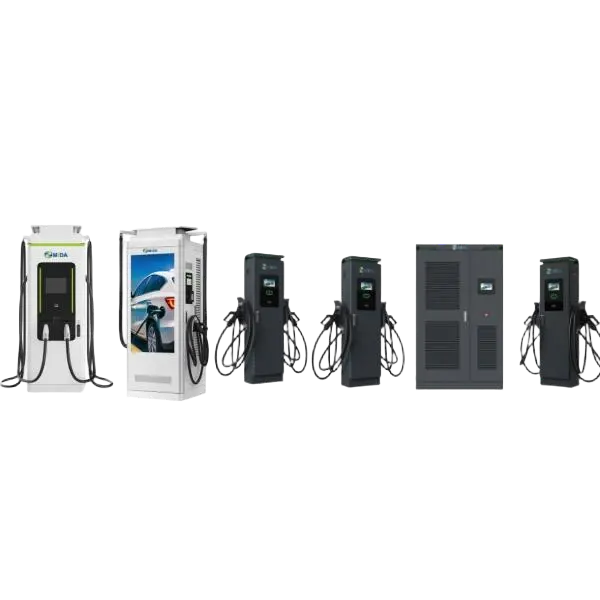
60kWh 261kWh 418kWh 625kWh 2MkWh
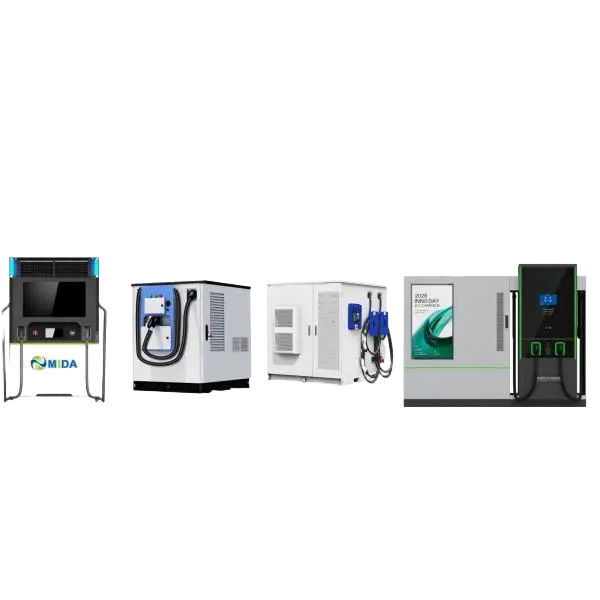
Deploying charging stations in Peru requires compliance with both international quality benchmarks and localized energy authority regulations. The supervisory agency, OSINERGMIN, and the system operator, COES, enforce strict rules regarding reactive power injection, harmonic distortion levels, and safety earthing configurations. MIDA's BESS and DC charging stations are designed to meet these exact compliance metrics:
Active Power Factor Correction (APFC) circuits ensure total harmonic distortion (THDi) remains below 5%, shielding industrial grid infrastructure from electrical noise.
Peru sits in a high-seismic activity zone. MIDA heavy BESS cabinets undergo physical shaking-table and structural testing, built to withstand Zone 4 earthquake standards.
Fully compatible with local Peruvian EV network operators using OCPP 1.6J or OCPP 2.0.1, enabling remote diagnostics, pricing adjustments, and smart charging.
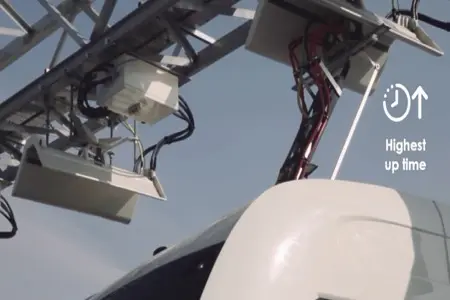
In contrast to classic plug-in charging systems, e-bus pantograph dome systems allow rapid high-power automated overhead charging...
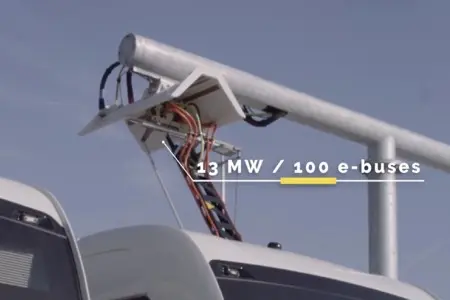
The charging time depends heavily on the battery chemistry capacity and the peak megawatt output capability of the high-power grid interface...
Installing a “Pantograph Up” system requires careful architectural integration, grid synchronization, and specialized isolation protocols...
Contact our technical engineering team for customized BESS sizing, altitude compatibility calculations, and detailed technical quotations.
Send Inquiry Now