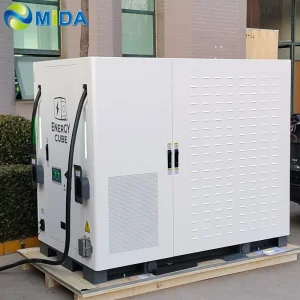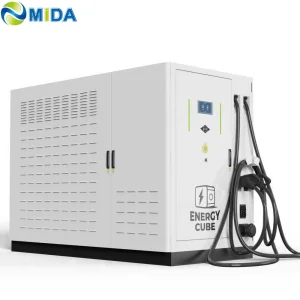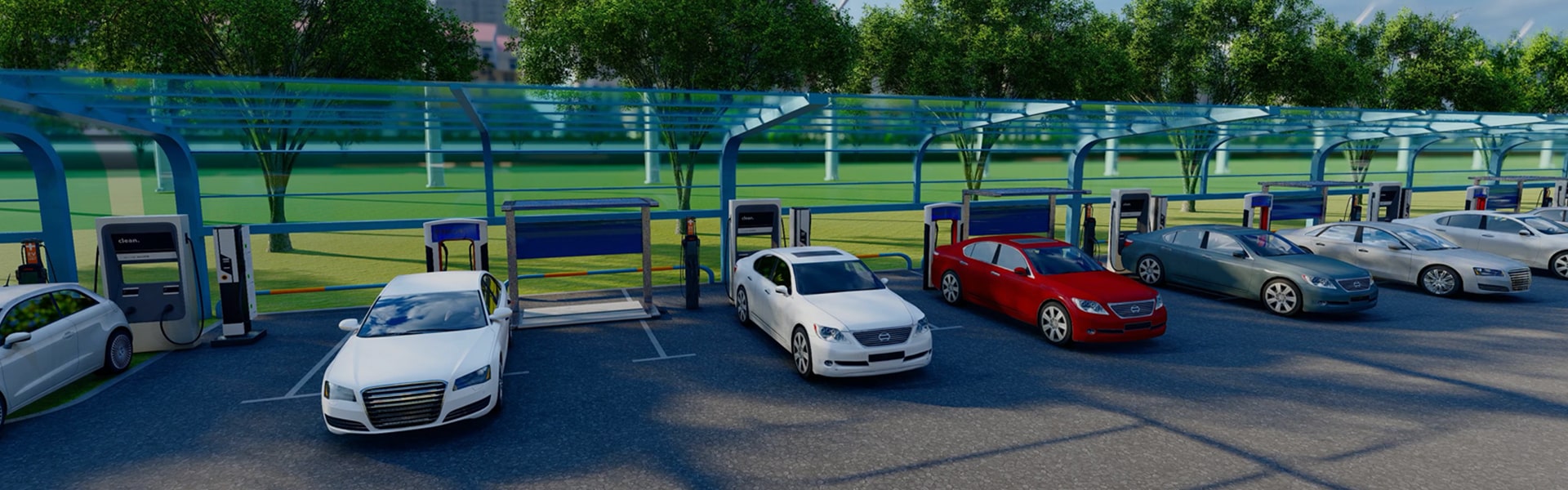
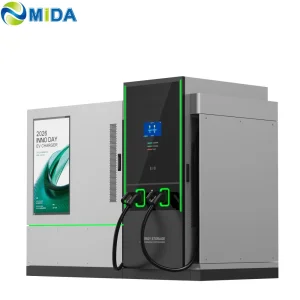
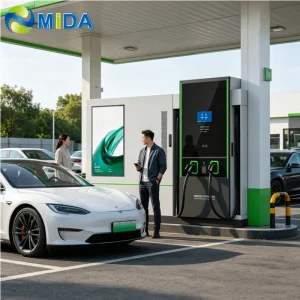
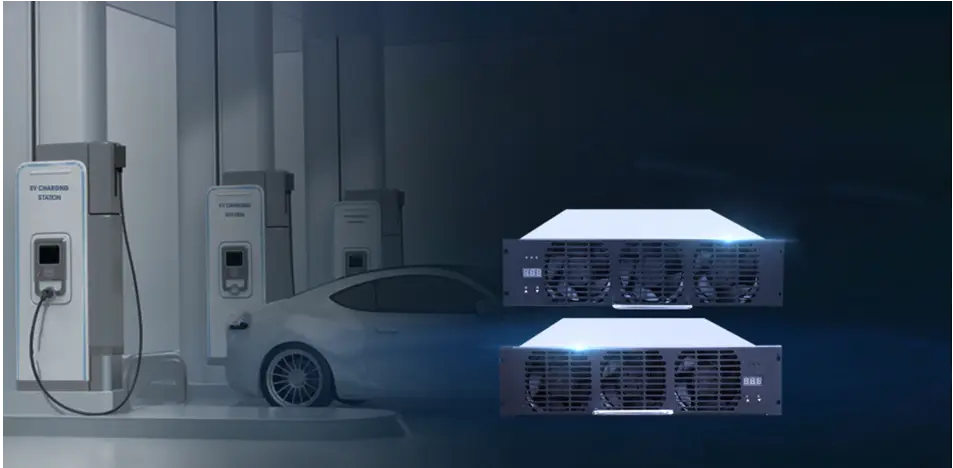
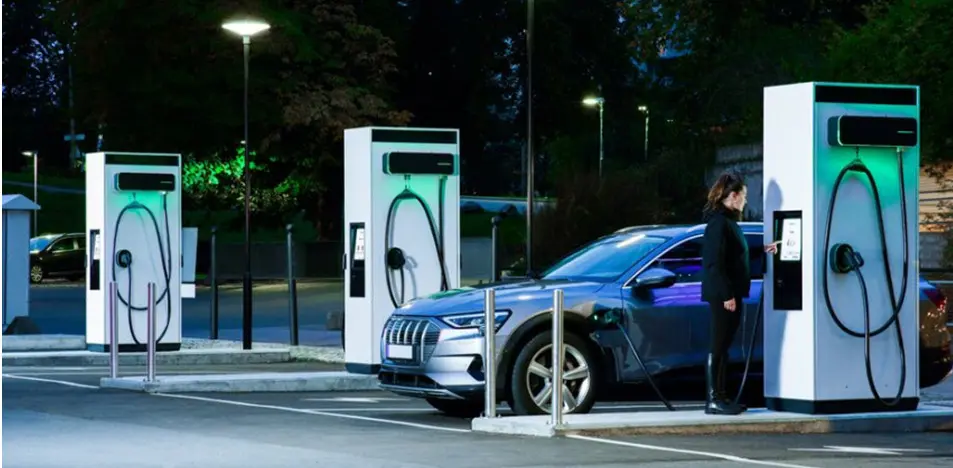
The Greater Toronto Area (GTA) is undergoing a monumental shift toward electric transport. However, municipal grid capacity, local sub-station limits, and high utility demand charges pose immense challenges to conventional direct-to-grid DC Fast Charging (DCFC) installations. As a leading manufacturer of advanced EV charging solutions, MIDA Group integrates Battery Energy Storage Systems (BESS) into our fast-charging topologies, presenting a turnkey pathway for commercial, industrial, and municipal transit fleets to circumvent high installation costs and protracted approval cycles.
In Ontario, commercial electricity pricing operates under complex schemes, notably the Global Adjustment (GA) and Class A demand management charges. A typical high-power DC charging site (e.g., pulling 400 kW to 1 MW directly from Toronto Hydro's network during peak mid-day periods) incurs massive demand charges that destroy the financial viability of EV charging hubs.
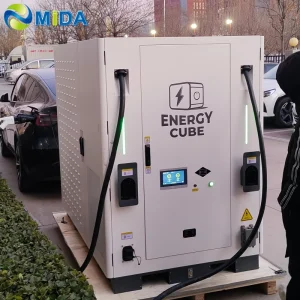
MIDA's BESS-enabled charging platforms act as buffer systems. By utilizing smart peak-shaving control schemes, these stations charge their internal high-capacity battery units (such as our 200 kWh or 261 kWh platforms) during off-peak windows at low-cost rates, then deliver rapid, high-current power (up to 480 kW) to vehicles when demanded. This design prevents high-kilowatt spikes on the grid, keeping peak demand levels low and avoiding expensive substation upgrades.
Beyond the borders of Ontario, industrial developers and fleet managers globally are confronting grid capacity deficits. Across Europe and North America, grid connection approvals for high-power installations are currently facing delays ranging from 12 to 24 months.
BESS-integrated charging stations address these deployment hurdles. Whether utilizing stationary containers (such as our 1MWH to 2MWH heavy-duty systems) or mobile, wheel-mounted emergency fast chargers, modern operators are decoupling vehicle energy delivery from local grid constraints. This dynamic is critical for logistics companies, auto dealerships, construction firms, and public transport operators that require rapid charging capabilities before local utility providers can scale up regional substation power outputs.
Shanghai Mida Cable Group Ltd. operates through its wholly owned subsidiaries: Shanghai Mida EV Power Co., Ltd., Shenzhen Mida EV Power Co., Ltd., and Shanghai Mida New Energy Co., Ltd.
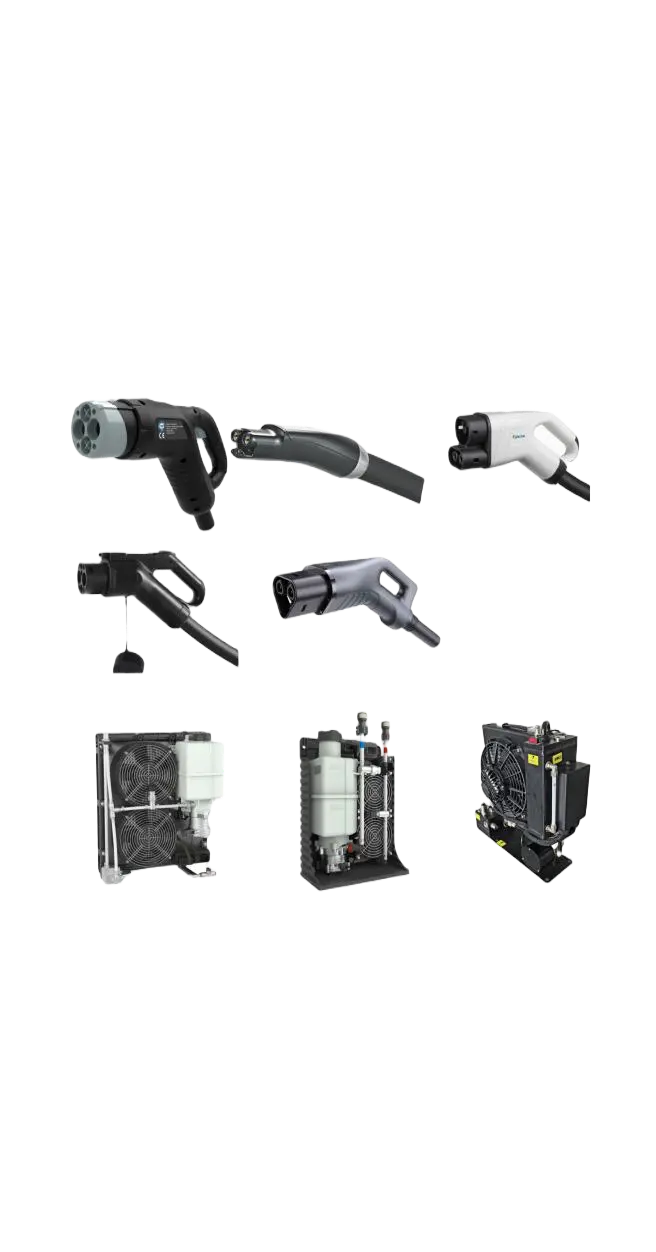
Mida Cable manufactures a comprehensive range of EV charging cables, including 16A–80A J1772 cables, 16A–63A IEC 62196-2 Type 2 cables, and DC fast charging cables: CCS1 (80A–500A), CCS2 (125A–1000A), CHAdeMO (125A–300A), GBT (200A–1000A), and NACS connectors (250A–600A).
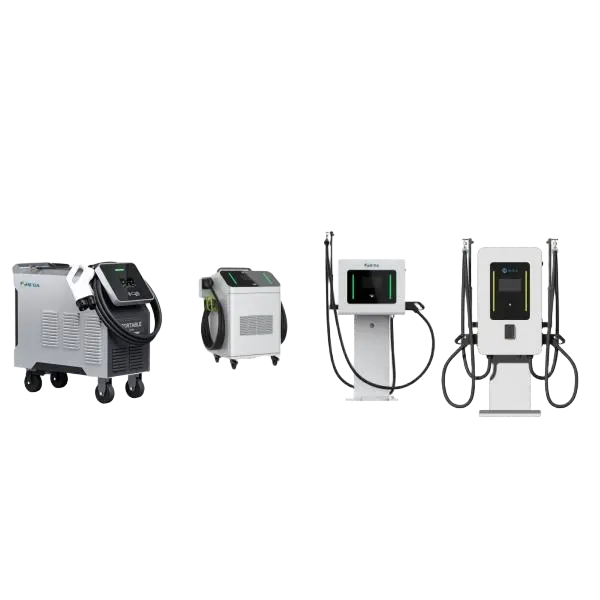
MIDA EV Power produces a full lineup of EV charging stations, such as 7kW–50kW mobile chargers, 3.6kW–7.2kW portable DC chargers, 360kW–1440kW split-type DC fast chargers, 20kW–50kW wall-mounted DC chargers, and 60kW–480kW floor-standing DC fast charging stations.
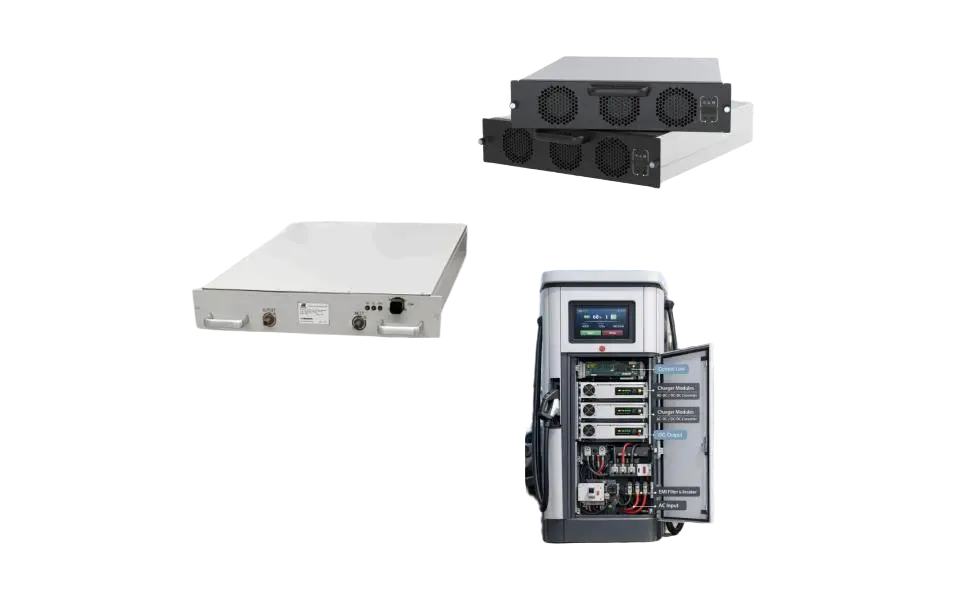
MIDA New Energy specializes in EV charger power modules, offering 20kW–60kW standard modules, 40kW–125kW liquid-cooled modules, 30kW–62.5kW bidirectional modules, and 20kW–45kW V2G charging modules.

Establishing a robust, cost-effective fast-charging network requires access to reliable global supply chains. One of MIDA Group's primary competitive advantages is our vertically integrated manufacturing process in China. Rather than acting as a simple system assembler, MIDA controls the production of key sub-components: from high-current liquid-cooled charging cables and connectors to dynamic bidirectional power module electronics and smart battery management systems (BMS).
By controlling sub-component manufacturing, we ensure that every system meets rigorous global standards, such as cULus certification for Canada and UL/CE compliance for North American and European markets. This level of quality control is essential for complex, high-power installations:
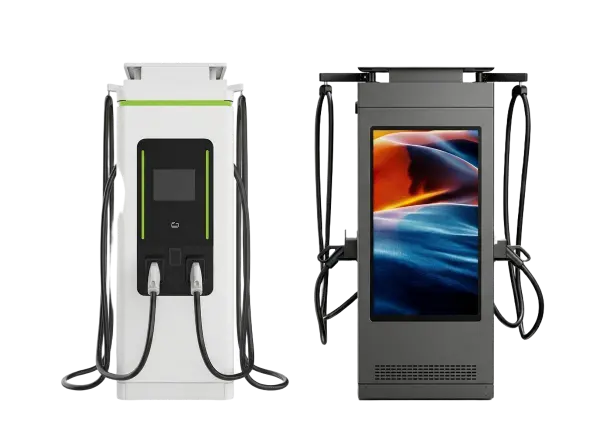
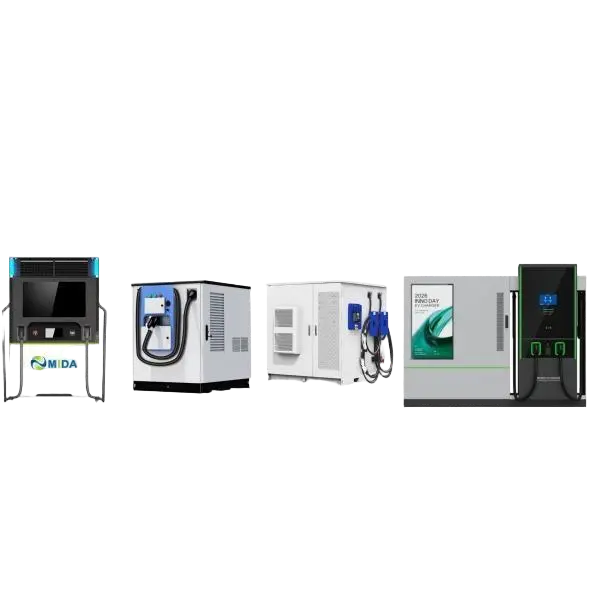
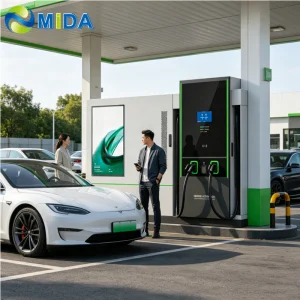
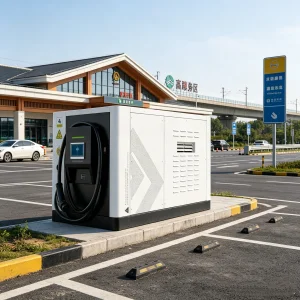
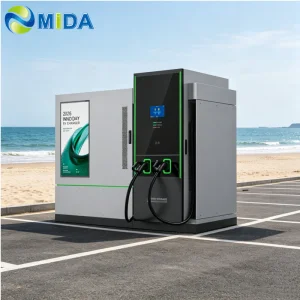
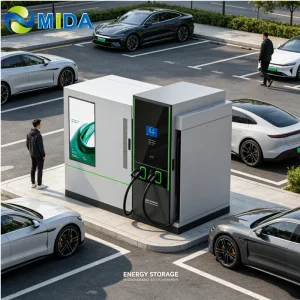
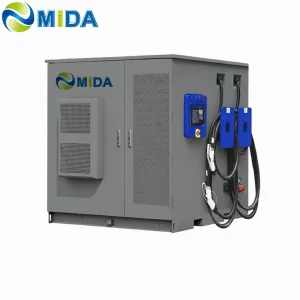
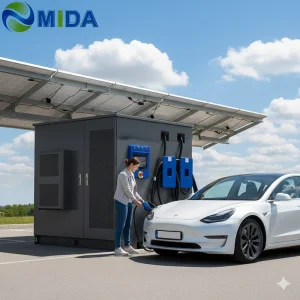
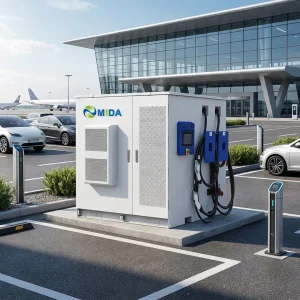
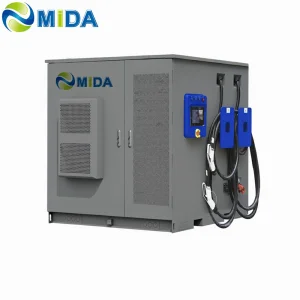
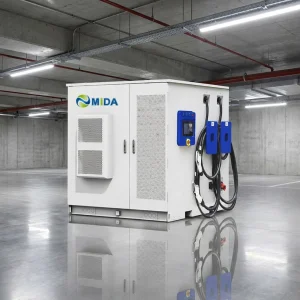
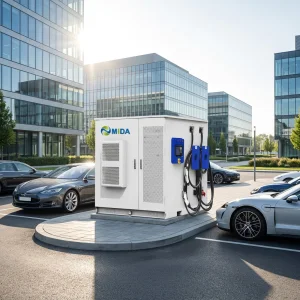
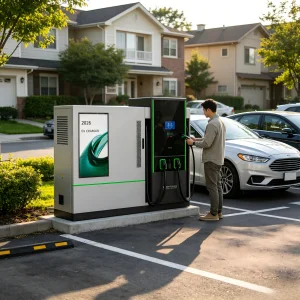
How local businesses in Toronto, Mississauga, and Markham deploy MIDA BESS infrastructure.
The Problem: Older condo towers in Downtown Toronto lack electrical capacity to support simultaneous Level 2 charging for residents. Upgrading the main breaker panel costs upwards of $150,000.
MIDA Solution: A 120kWh / 60kW BESS buffer station. The battery charges overnight at low rates and assists the local circuit during peak hours to protect the building's main switchgear.
The Problem: Fleet depots in industrial Mississauga need to charge 30 delivery vans overnight. Local grid connections only allow for 100 kW max capacity.
MIDA Solution: A 1MWH Smart BESS Charging Station. It stores power during the day and delivers fast charging to the entire fleet overnight without exceeding grid limits.
The Problem: Remote sites near Vaughan require fast-charging capacity for electric excavators and heavy trucks, but lack connection to the distribution grid.
MIDA Solution: A 200kWh 120kW Mobile EV Charger integrated with solar MPPT modules, allowing for rapid, temporary deployments that move alongside construction crews.

In contrast to classic plug-in charging systems, e-bus pantograph domes enable automated, high-power energy transfers during short layovers...
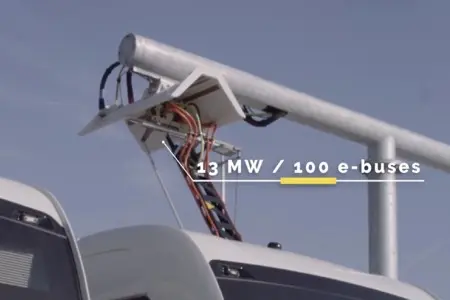
The charging time depends on the battery capacity and the station's max power delivery. High-capacity configurations deliver ultra-fast turnarounds...
Installing a "Pantograph Up" system dome for electric buses involves precise structural engineering, grid integration, and alignment testing...
Get in touch with MIDA Group's engineering specialists. We will assist you with system calculations, sizing BESS capacity, and deploying local peak-shaving charging configurations.