
Next-generation energy storage charging stations customized for local microgrids and high-ambient tropical environments.
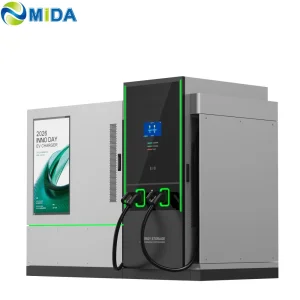
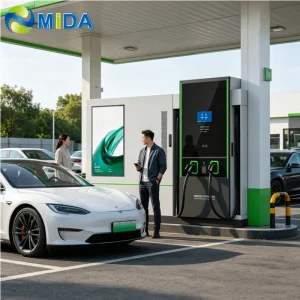
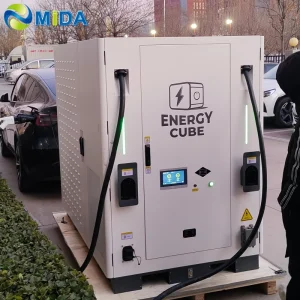
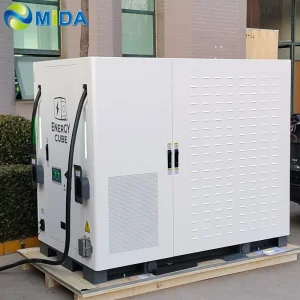
The Republic of the Philippines is undergoing an unprecedented paradigm shift in its transport and energy architecture. Driven by the Electric Vehicle Industry Development Act (EVIA) - Republic Act No. 11697, the country has mandated strict EV quotas for corporate and government fleets, propelling demand for high-capacity DC charger stations. However, the localized reality of the Philippine grid presents distinct hurdles: high retail electricity tariffs, localized transmission bottlenecks, and frequent voltage fluctuations typical of archipelagic island grids.
This is where integrated Battery Energy Storage System (BESS) Charging Stations serve as a transformative solution. By decoupled energy draw from immediate charging dispatch, BESS-equipped DC charging hubs reduce high peak-demand charges from local distribution utilities like Meralco, Visayan Electric Company (VECO), and Davao Light. They provide peak-shaving, voltage stabilization, and critical backup power during grid disruptions, making them the cornerstone of modern industrial and commercial EV deployments across the archipelago.
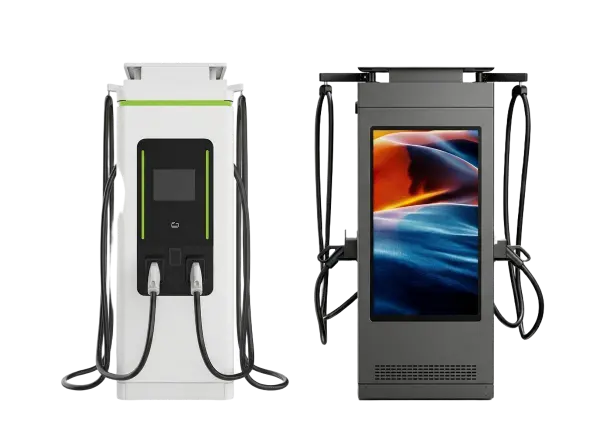
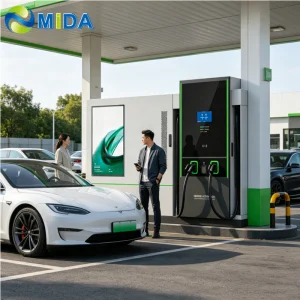
The commercial real estate sector, logistics hubs, and mining sites are the primary environments for heavy-duty DC fast charger integration in the Philippines. Key business capitals—such as Metro Manila, Metro Cebu, and Metro Davao—are experiencing a rapid influx of electric logistics vans, e-buses, and private electric vehicles. Real estate developers (including SM Prime, Ayala Land, and Megaworld Corporation) are actively transitioning their properties into smart green hubs by deploying floor-standing fast charging stations.
In industrial scenarios, off-grid eco-resorts in tourist destinations like Palawan, Boracay, and Siargao face the challenge of relying heavily on expensive diesel generators. By pairing solar PV systems with our MPPT Mobile EV Charger Off-Grid Stations, these resorts can establish zero-emission charging zones. This setup allows them to offer rapid EV charging to guests without placing any additional load on their localized, sensitive mini-grids.
| Application Scenario | Grid Constraints | Recommended Charger / BESS Combination | Key Operational Benefit |
|---|---|---|---|
| Metro Manila E-Bus Depots | Extreme peak demand rates, limited grid headroom | 1MWH to 2MWH Smart BESS Charging Station + 480kW Chargers | Saves over 35% on demand charges via off-peak charging |
| Expressways (NLEX, SLEX, TPLEX) | High density of long-distance EVs, thermal stress | 261kWh BESS Integrated with 120kW/180kW Dual-Connector Piles | Sustained back-to-back fast charging with thermal protection |
| Off-Grid Tourist Islands (El Nido, Boracay) | No utility grid or highly unstable local diesel microgrids | 200kWh Mobile Off-Grid Solar MPPT Charging Stations | 100% renewable EV charging independent of fossil fuel supply |
| Mining & Industrial Logistics | High dust, high vibration, remote island logistics hubs | Liquid-Cooled 600kW to 1080kW Heavy-Duty DC Stations | IP65 components resist dust ingress and salt-mist corrosion |
Shanghai Mida Cable Group Ltd. is a leading global developer and manufacturer of electric vehicle charging infrastructure. The group operates through three specialized, wholly owned subsidiaries: Shanghai Mida EV Power Co., Ltd., Shenzhen Mida EV Power Co., Ltd., and Shanghai Mida New Energy Co., Ltd. Together, we deliver end-to-end charging solutions designed to handle the most demanding grid and environmental conditions.
From manufacturing heavy-duty CCS1, CCS2, CHAdeMO, GBT, and NACS connectors to designing modular megawatt-level BESS systems, MIDA Group is a trusted partner for public transport agencies, charging operators, and heavy industries worldwide. Our production facilities maintain rigorous quality control standards, ensuring that every product operates reliably under tropical and coastal environments like those found in the Philippines.
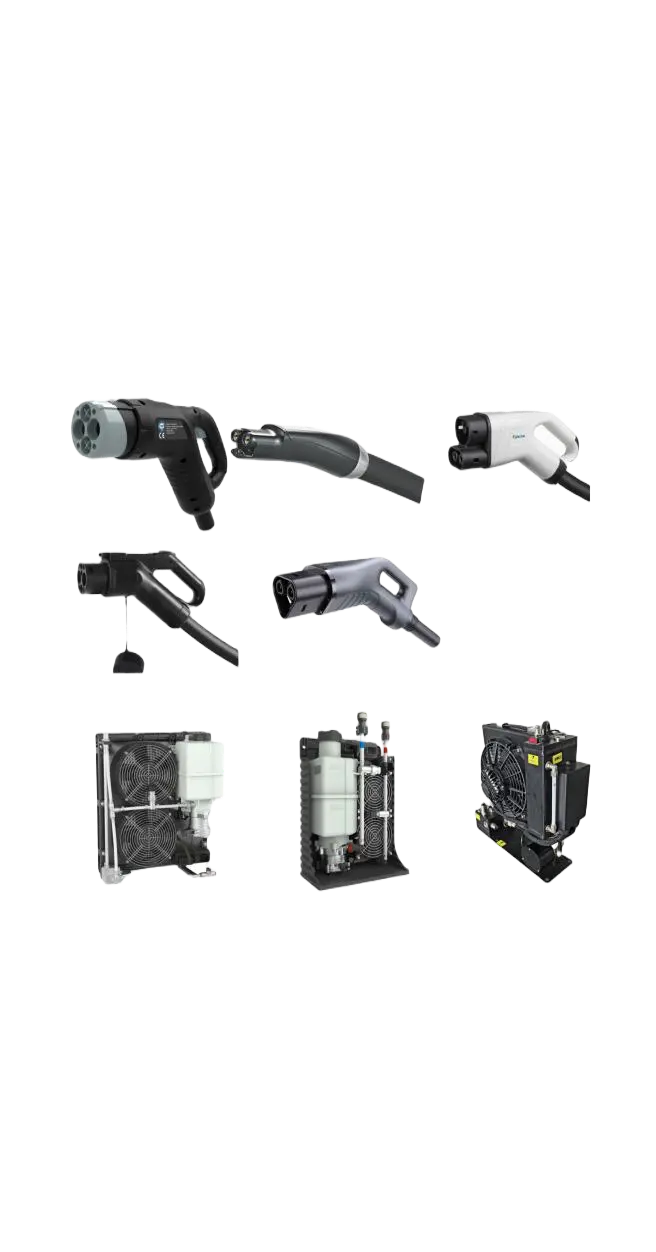
Explore our comprehensive array of components, custom modules, and high-power DC connector assemblies.
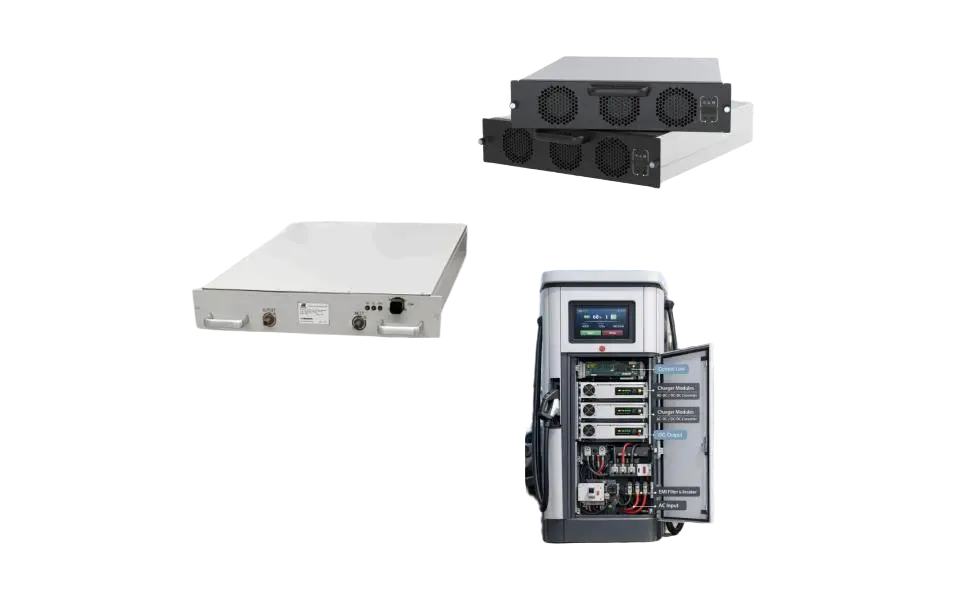
Our power modules are the core technology driving modern DC stations. Features include:
Reliable physical connection interfaces built for high continuous currents:
Our system structural housings are built for demanding environments:
Fully integrated systems, custom components, and charging cables built to international standards.
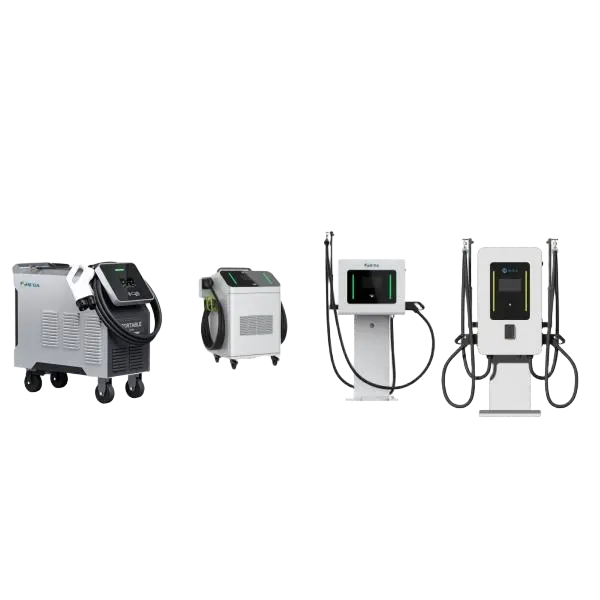 View AC Product Catalog
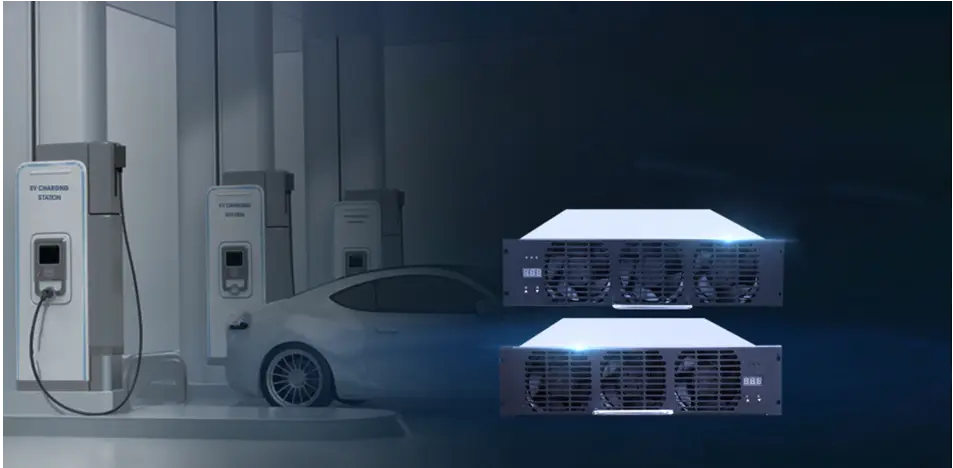 View DC Product Catalog
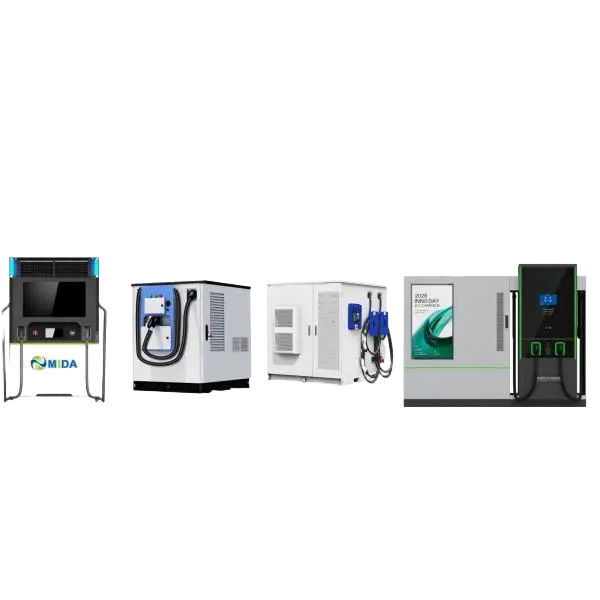 View BESS Product Catalog
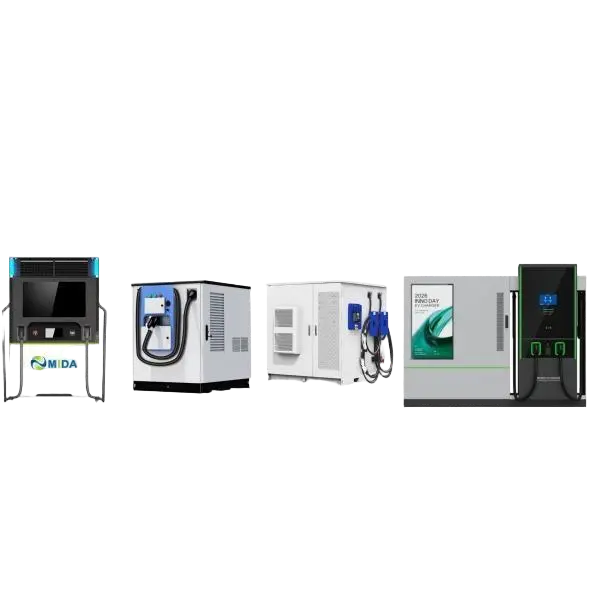
Our technical production ranges from modular silicon carbide power units to robust cooling loops.
Deploying commercial-grade charging systems in the Philippines requires strict alignment with national grid standards and safety protocols. All systems provided by MIDA Group are engineered to meet the structural and electrical safety standards required by the Department of Energy (DOE) and the Energy Regulatory Commission (ERC). Our equipment matches the guidelines outlined in the Philippine Electrical Code (PEC) for high-voltage DC interconnections.
Given the high occurrence of extreme weather events like typhoons, typhonic winds, and heavy rainfall in the Philippines, our engineering team reinforces all outdoor enclosures to meet minimum IP55 and IP65 dust-and-water protection ratings. They also feature robust, anti-corrosive, marine-grade coating treatments. Our local partner networks in Luzon, Visayas, and Mindanao provide installation engineering support, grid commissioning documentation, and prompt after-sales field maintenance services.
Our systems support standard CCS2 configurations (the primary fast-charging standard across the Philippines). Additionally, they can be configured with GBT plugs to support various public utility electric vehicles, and with Tesla-compatible NACS plugs to accommodate imported premium electric vehicle fleets.
Every BESS charging station includes built-in protection features, such as insulation monitoring, ground fault protection, surge suppression, and cell-level temperature monitoring. This ensures safe operations even during intense summer temperatures or sudden monsoon storms.
As global battery chemistries shift toward higher energy densities, our product architecture is designed to scale alongside these innovations. Our development roadmap focuses on supporting ultra-fast Megawatt Charging Systems (MCS) that deliver up to 1500A. This capability allows heavy-duty electric mining haulers and inter-island e-ferries to charge fully in under 20 minutes.
Additionally, bidirectional vehicle-to-grid (V2G) interfaces will become a key tool for managing grid demand. Fleet operators in Metro Manila will soon be able to use their parked electric buses as distributed energy storage assets. By feeding power back into the grid during high-demand hours, operators can generate additional revenue while helping to stabilize the municipal power network.
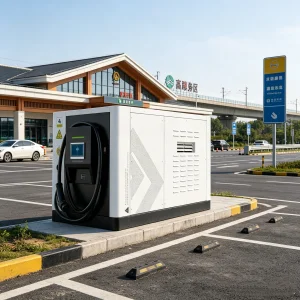
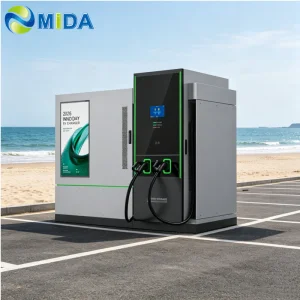
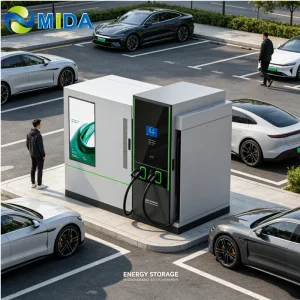
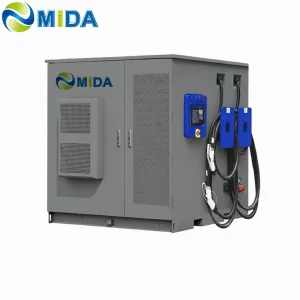
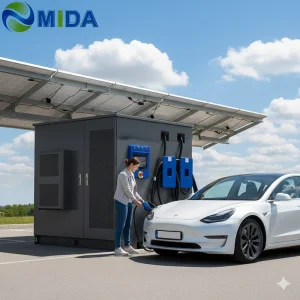
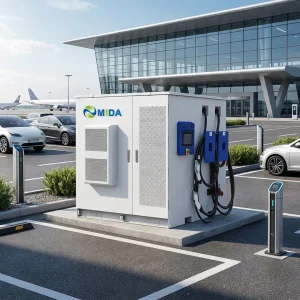
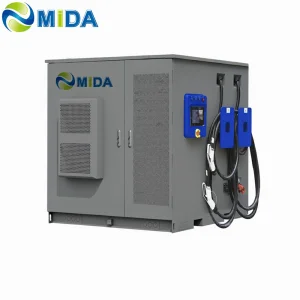
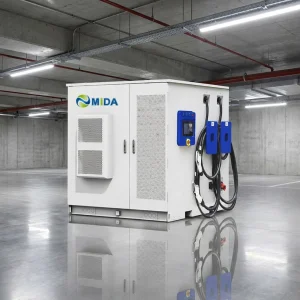
Our complete line of high-capacity integrated battery storage chargers, portable recovery units, and megawatt systems.
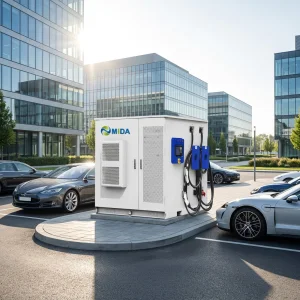
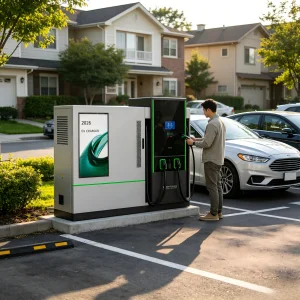
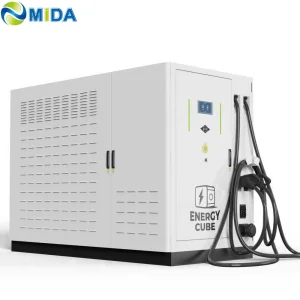
Stay updated with the latest technological developments in e-mobility transit solutions.
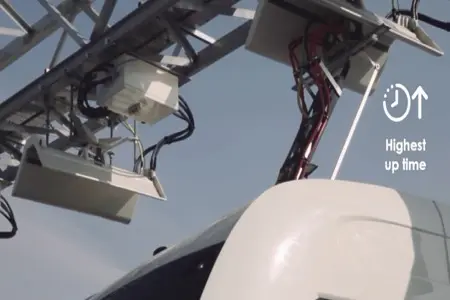
Unlike traditional plug-in charging connectors, high-power overhead e-bus pantograph domes enable automated fast charging at depot terminals, saving significant operational turnaround times.
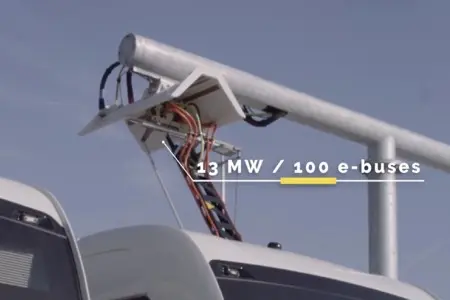
Charging times depend heavily on battery system capacities. Dynamic overhead systems can supply up to 600kW, allowing transit buses to charge significantly during short driver breaks.
An overview of structural foundations, mechanical alignment protocols, and grid substation integration guidelines required to deploy automated overhead chargers in modern cities.
Expert technical clarifications regarding grid connection, battery choice, and localized operations in the Philippines.
Get in touch with our design engineers to receive customized wiring schematics, technical documentation, and pricing proposals tailored for your project in the Philippines.