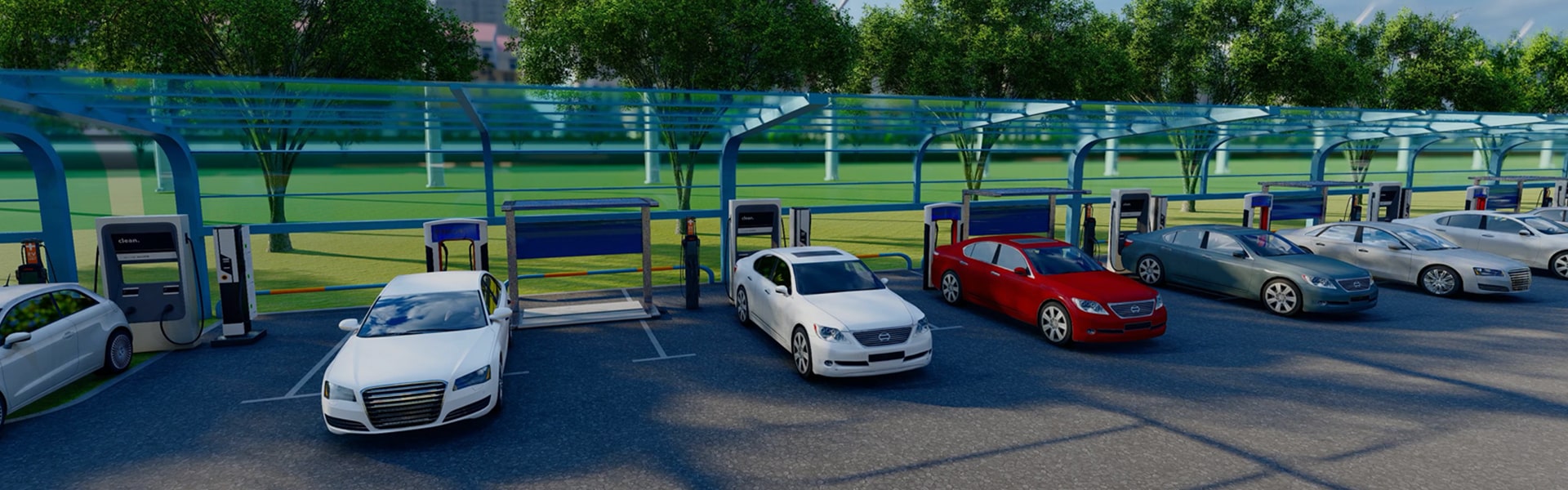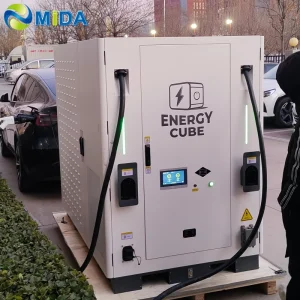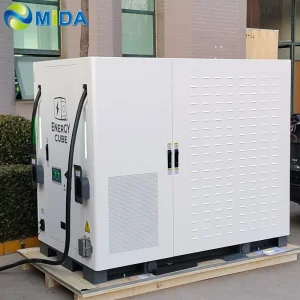
Deploy grid-independent, high-power DC charging networks utilizing advanced Lithium Iron Phosphate (LFP) energy storage. Ideal for mitigating local substation constraints and peak demand charges in the US.
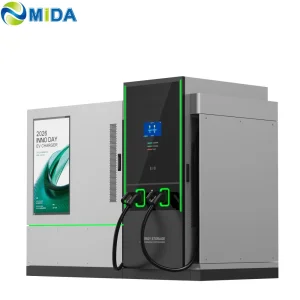
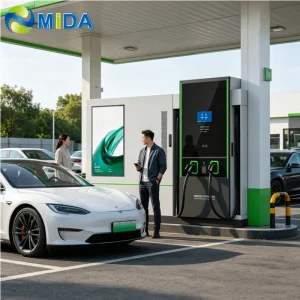
In the United States, commercial electric vehicle charging operations face volatile operational costs dictated by utility demand charges. A single 120kW DC Fast Charger can trigger peak demand fees running into thousands of dollars monthly if operating directly on standard distribution grids. Furthermore, many transit depots, retail locations, and logistics centers lack the medium-voltage capacity required to support multiple ultra-fast chargers simultaneously.
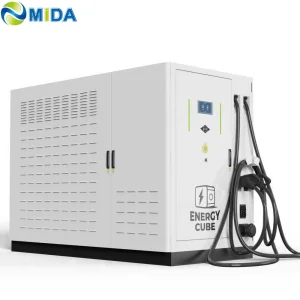
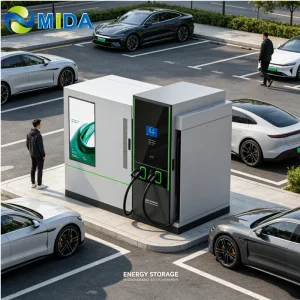
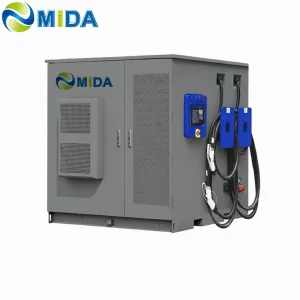
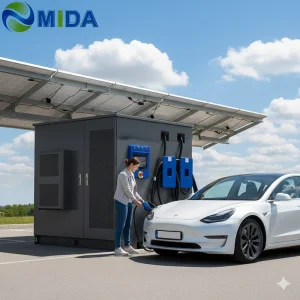
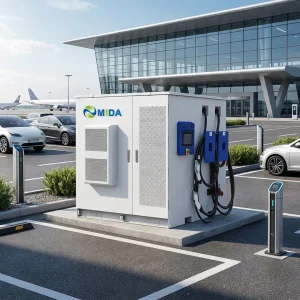
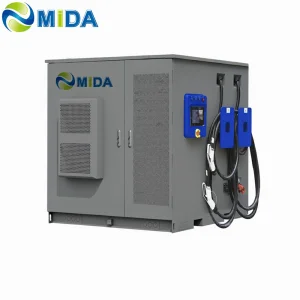
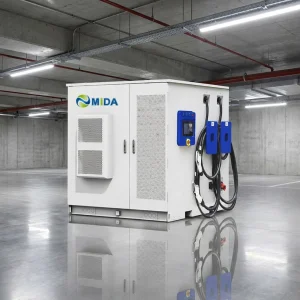
Integrating BESS with DC Fast Charger Piles enables local "peak-shaving." The internal battery storage slow-charges from the grid during off-peak periods or collects localized solar generation via MPPT. When an EV initiates a high-power charging cycle, the BESS discharges rapidly to supplement the grid, preserving stable site-level demand. This methodology bypasses costly utility transformer upgrades and reduces operational OPEX.
Globally, regional battery and EV infrastructure deployment varies by standard and application. In Europe, CCS2 and high-voltage liquid-cooled architectures lead the industrial shift. Conversely, the United States is navigating a transitional phase, shifting from legacy CCS1 plugs to the standardized SAE J3400 (NACS) interface, popularized by Tesla.
To qualify for US federal funding schemes (such as the $5 Billion National Electric Vehicle Infrastructure program), manufacturer hardware must show high local supply chain compliance, rigid UL listing compliance (UL 2202, UL 9741, and UL 9540A for fire safety in battery storage), and operational uptime guarantees exceeding 97%.
Shanghai Mida Cable Group and its subsidiaries leverage cross-domain manufacturing to supply highly engineered, reliable systems.
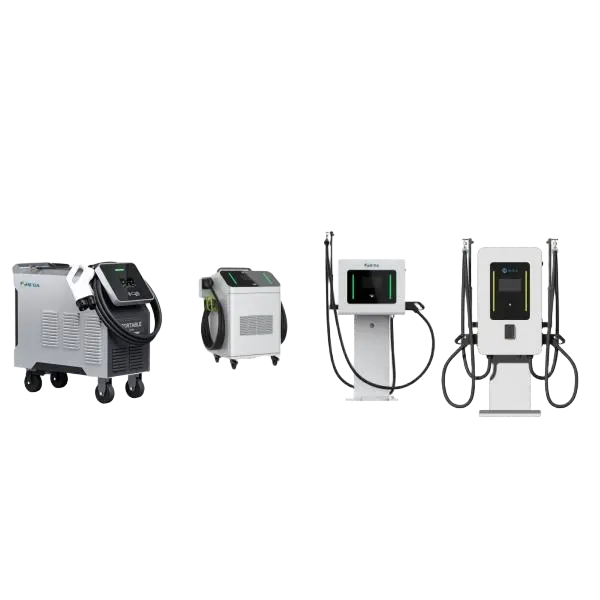
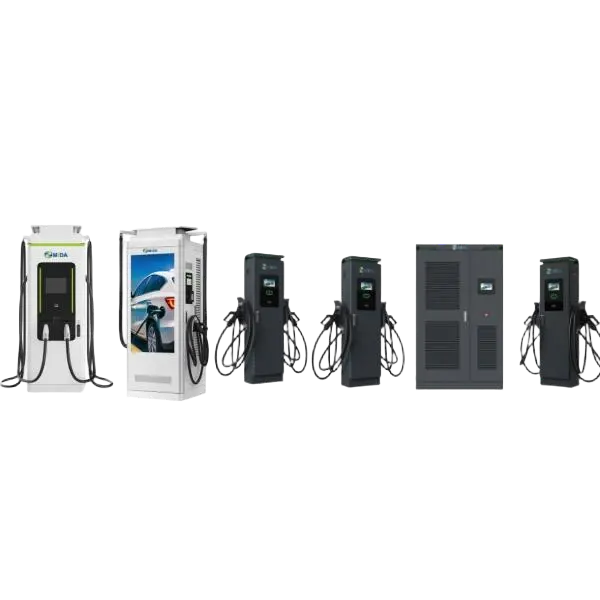
Shanghai Mida Cable Group Ltd. operates through its wholly owned subsidiaries: Shanghai Mida EV Power Co., Ltd., Shenzhen Mida EV Power Co., Ltd., and Shanghai Mida New Energy Co., Ltd. By controlling the entire development pipeline from raw cable extrusion to dynamic power module firmware engineering, we deliver industry-leading reliability.
Our manufacturing scope encompasses:

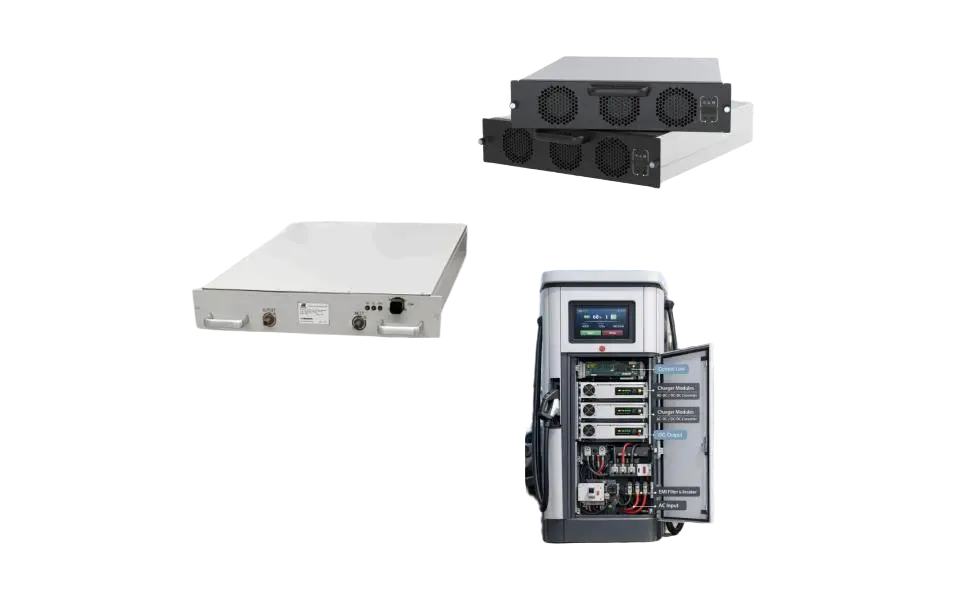
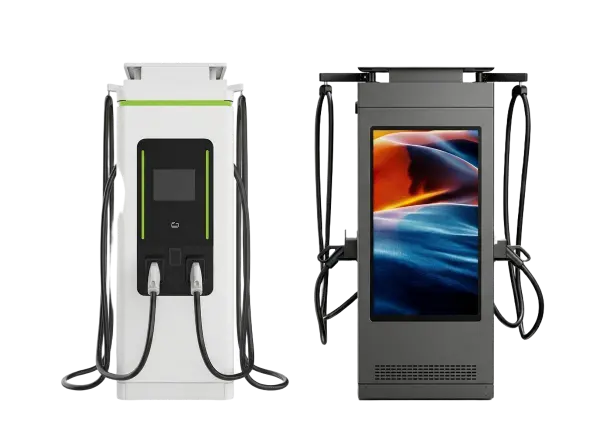
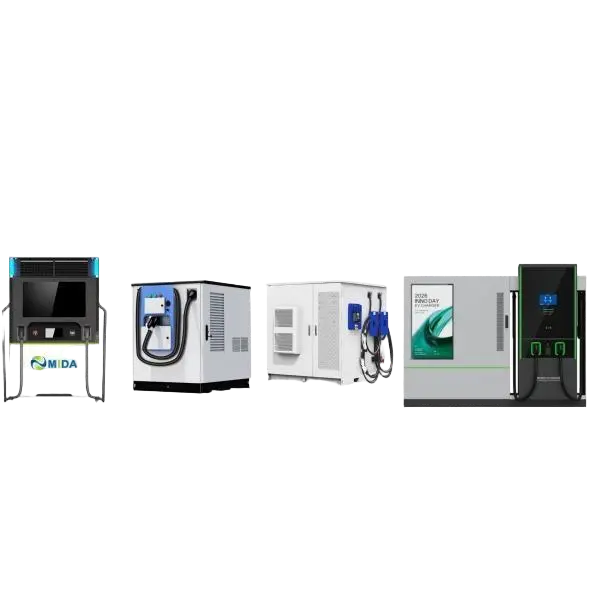
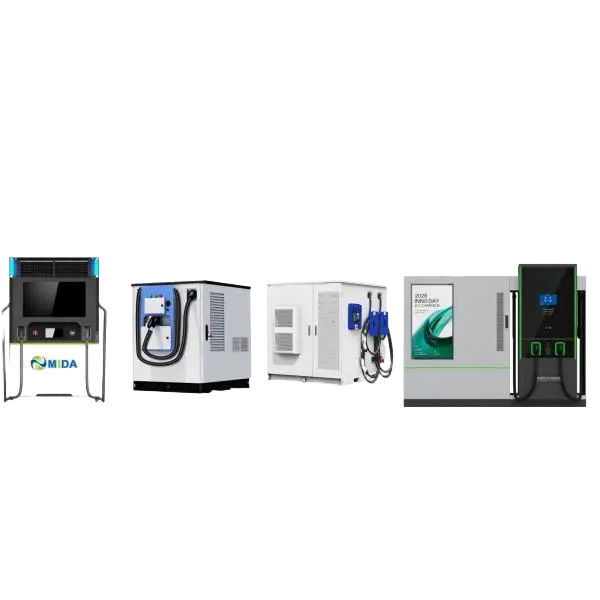
A granular view of MIDA’s proprietary engineering modules that compose our heavy-duty DC and BESS fast charging stations.
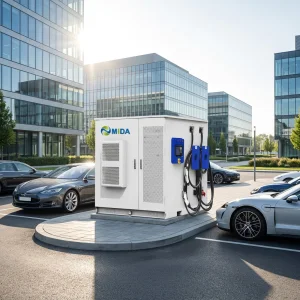
Commercial fleet depots across logistics corridors in California, Texas, and New York require continuous megawatt-scale power. Laying new grid infrastructure to handle 10 or more 150kW chargers concurrently is cost-prohibitive. By installing a centralized 2MWh BESS coupled with solar arrays, operators can charge delivery vans overnight using stored clean energy. This setup reduces strain on the local grid distribution network and shields the depot from localized utility blackouts.
The US Federal Highway Administration's Alternative Fuel Corridors program mandates DC fast chargers every 50 miles. Many of these remote highway junctions are served by weak rural feeders. The integration of 200kWh to 600kWh battery buffers allows remote stations to deliver peak outputs of 320kW to drivers, even when connected to a modest 50kW grid line.
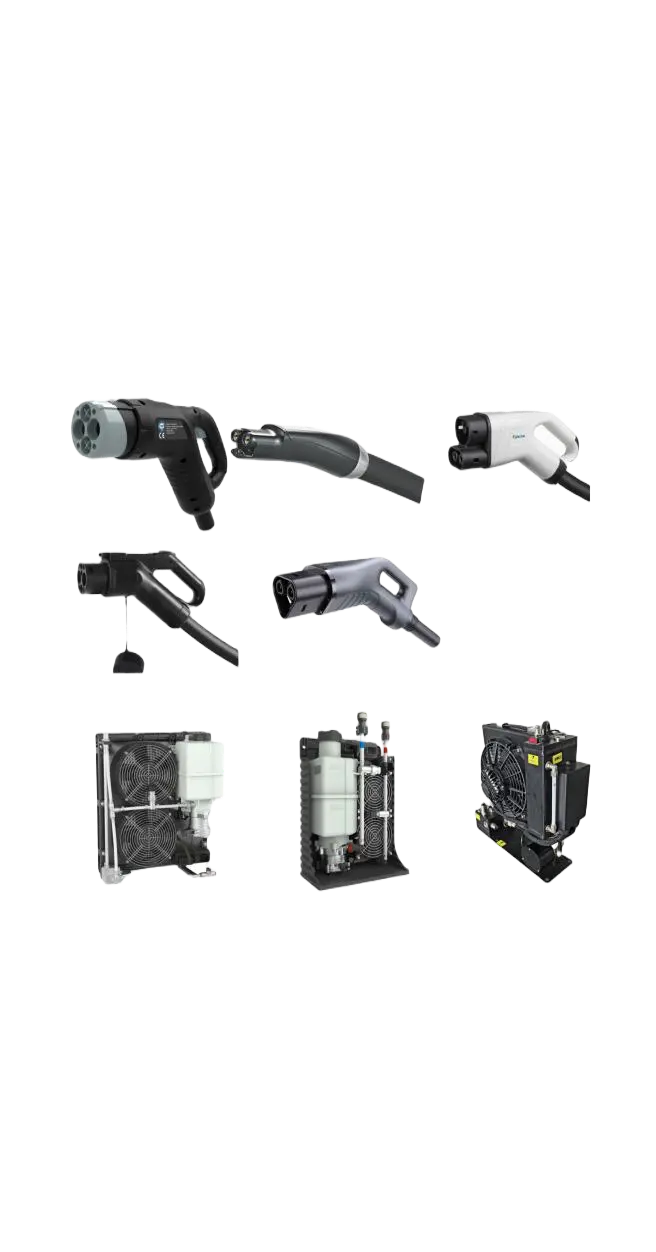
As heavy-duty electric trucks (Class 8) and electric buses roll out, charging speeds must exceed 500kW to remain viable. Conventional air-cooled cables are too heavy and bulky. Liquid-cooled MCS (Megawatt Charging System) couplers manage heat dissipation actively, enabling high continuous amperage without degradation.
Contact our technical sales team for engineering calculations, single-line diagrams (SLD), and UL compliance documentation tailored to your local municipal utility requirements.
Get a Customized QuotationExplore the complete technical lineup of MIDA integrated systems. Direct product URLs are retained for fast procurement and spec verification.
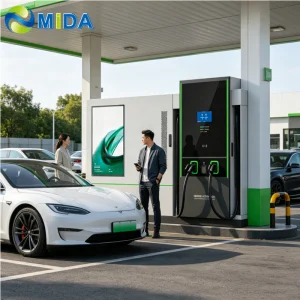
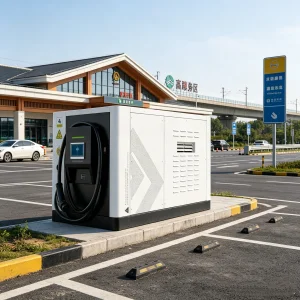
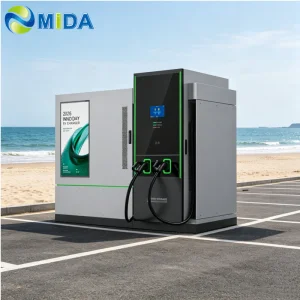
Stay updated with MIDA's latest engineering advances in heavy public transit charging and pantograph systems.
Key insights into standards, deployment, and grid compatibility for US project developers and operators.