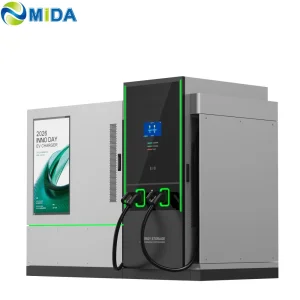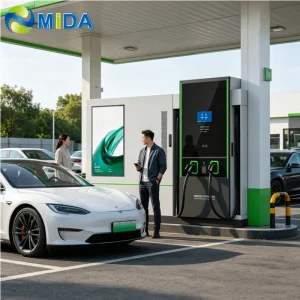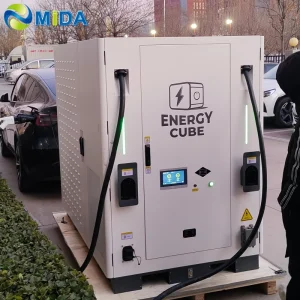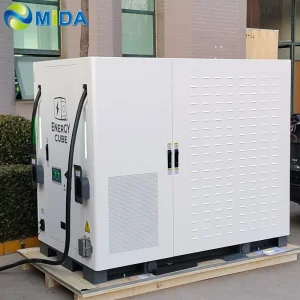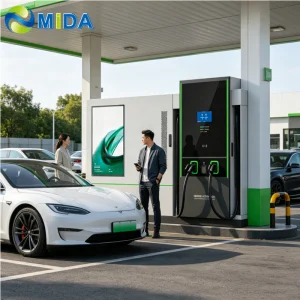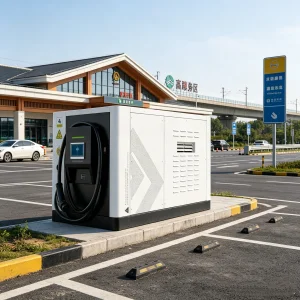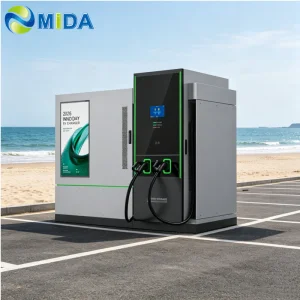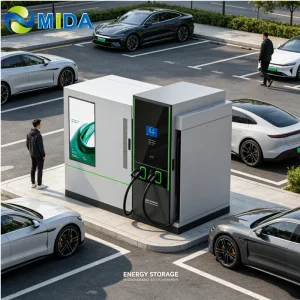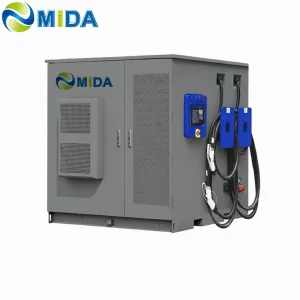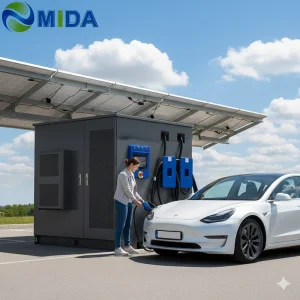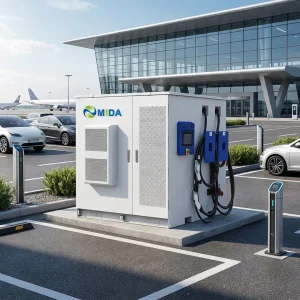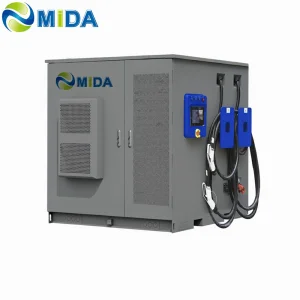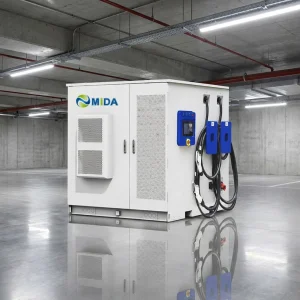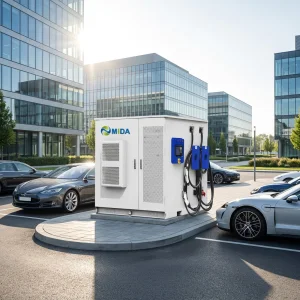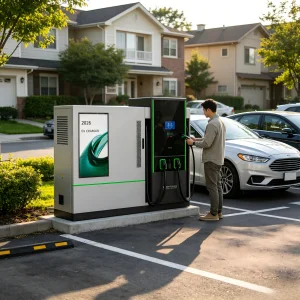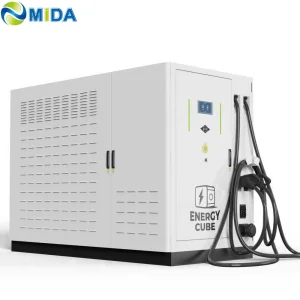
Grid-buffered energy storage charging systems engineered to optimize peak power demand, perfectly matching MEA & PEA connection frameworks in Thailand.
Bangkok's metropolitan area is undergoing a rapid transition toward electric mobility, driven by Thailand’s ambitious "30@30" policy, which targets zero-emission vehicles making up 30% of total automotive production by 2030. However, this massive electrification introduces unprecedented grid constraints. The Metropolitan Electricity Authority (MEA) and the Provincial Electricity Authority (PEA) grids face significant peak-load challenges in high-density corridors like Sukhumvit, Silom, and the Outer Ring Road.
Traditional high-power DC charging stations (60kW to 480kW) create massive demand spikes. Upgrading transformers and laying dedicated medium-voltage lines in congested urban areas is capital-intensive and slow. This is where Battery Energy Storage System (BESS) Integrated Charging Stations act as the ultimate microgrid solution. By combining lithium iron phosphate (LFP) chemistry with advanced bidirectional power conversion systems, BESS-integrated stations buffer the grid. They charge at low rates during off-peak times and discharge at high capacities during ultra-fast DC charging sessions, effectively protecting the local transformer from peak overloads.
In Greater Bangkok, industrial zones like the Eastern Economic Corridor (EEC) and commercial logistics depots in Samut Prakan rely heavily on rapid fleet turnaround. High-power multi-terminal EV depots require megawatt-level power feeds. The integration of 1MWH to 2MWH smart BESS charging stations provides site owners with substantial operational leverage: peak-shaving (reducing expensive peak demand tariffs), emergency power backup during grid outages, and seamless solar PV integration. In a tropical climate characterized by ambient temperatures reaching up to 40°C, the thermal management of these battery packs becomes critical. Our systems leverage advanced liquid-cooling architectures to prevent thermal degradation, ensuring long cell cycle life and reliable continuous power output.
From versatile AC wallboxes to ultra-high-power BESS-buffered DC charging systems, explore our certified platforms deployed globally.
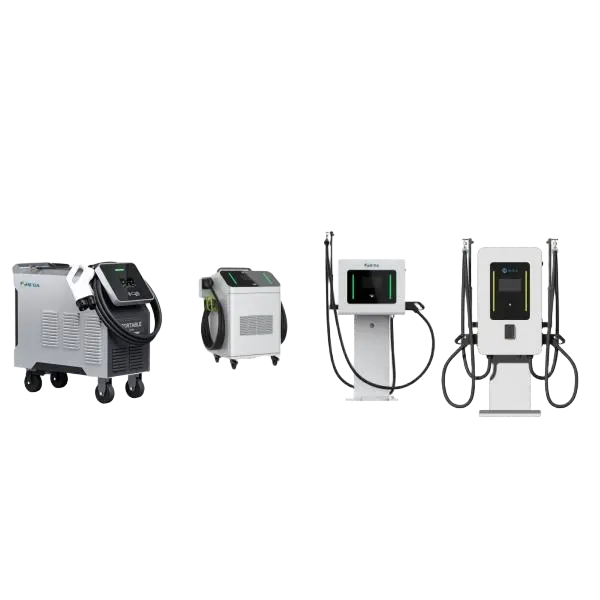
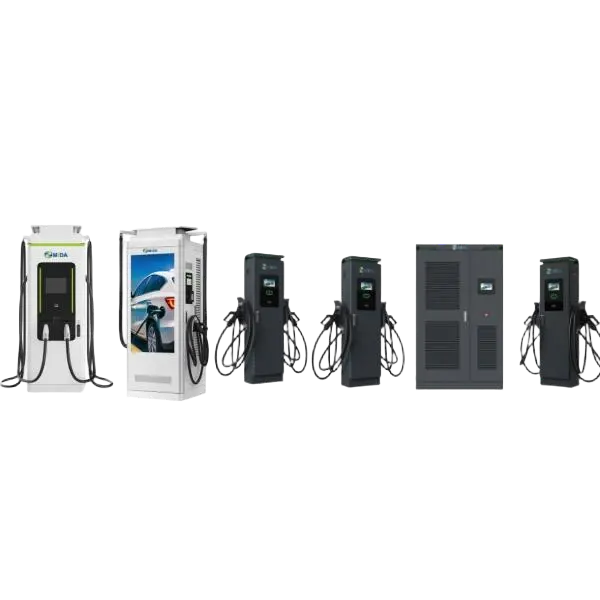
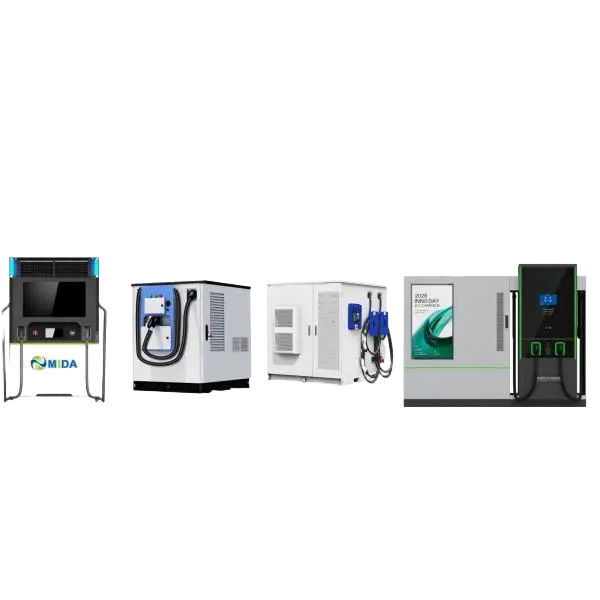
Shanghai Mida Cable Group Ltd. operates through its wholly owned subsidiaries: Shanghai Mida EV Power Co., Ltd., Shenzhen Mida EV Power Co., Ltd., and Shanghai Mida New Energy Co., Ltd. As an industry-leading OEM/ODM manufacturer, we align with stringent global grid requirements and vehicle standards to deliver fully integrated EV charging and energy storage systems.
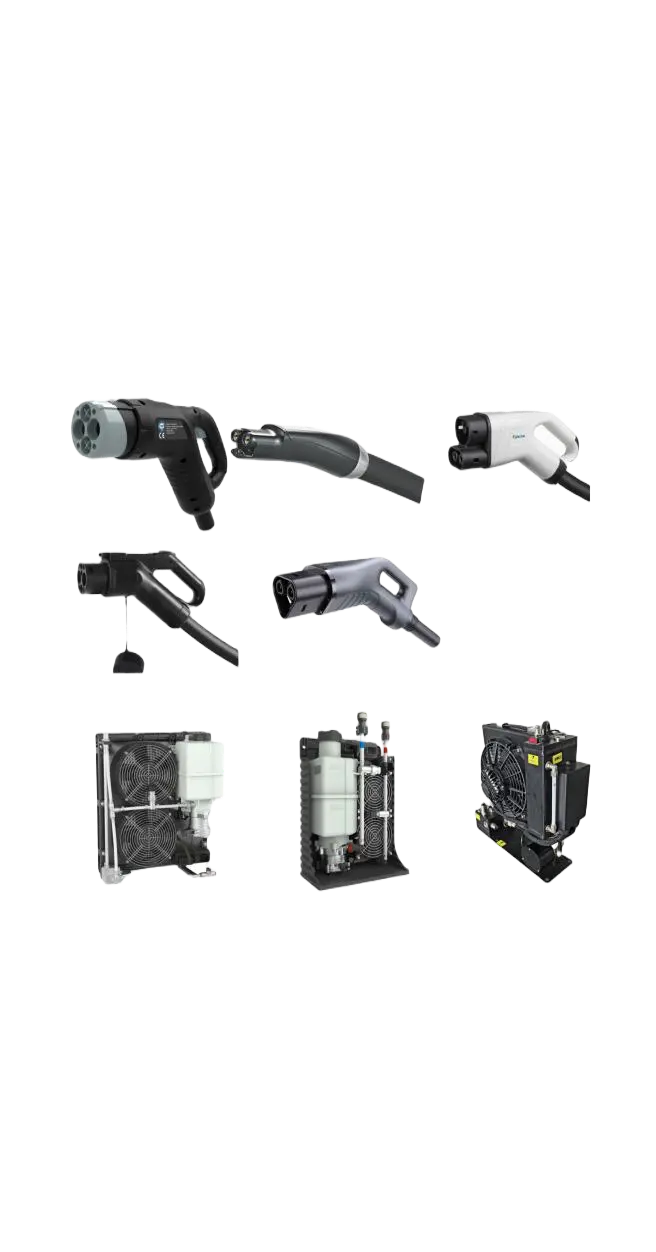
Mida Cable manufactures a comprehensive range of EV charging cables, including 16A–80A J1772 cables, 16A–63A IEC 62196-2 Type 2 cables, and heavy-duty DC fast charging cables: CCS1 (80A–500A), CCS2 (125A–1000A), CHAdeMO (125A–300A), GBT (200A–1000A), and NACS connectors (250A–600A).
Our EV Power and New Energy divisions design and manufacture high-efficiency 7kW–50kW mobile chargers, 3.6kW–7.2kW portable DC chargers, 360kW–1440kW split-type DC fast chargers, 20kW–50kW wall-mounted DC chargers, 60kW–480kW floor-standing DC fast charging stations, as well as core power electronics: 20kW–60kW standard modules, 40kW–125kW liquid-cooled modules, and V2G bidirectional modules.

The foundation of reliable EV charging infrastructure lies in modular power electronics and robust thermal engineering.
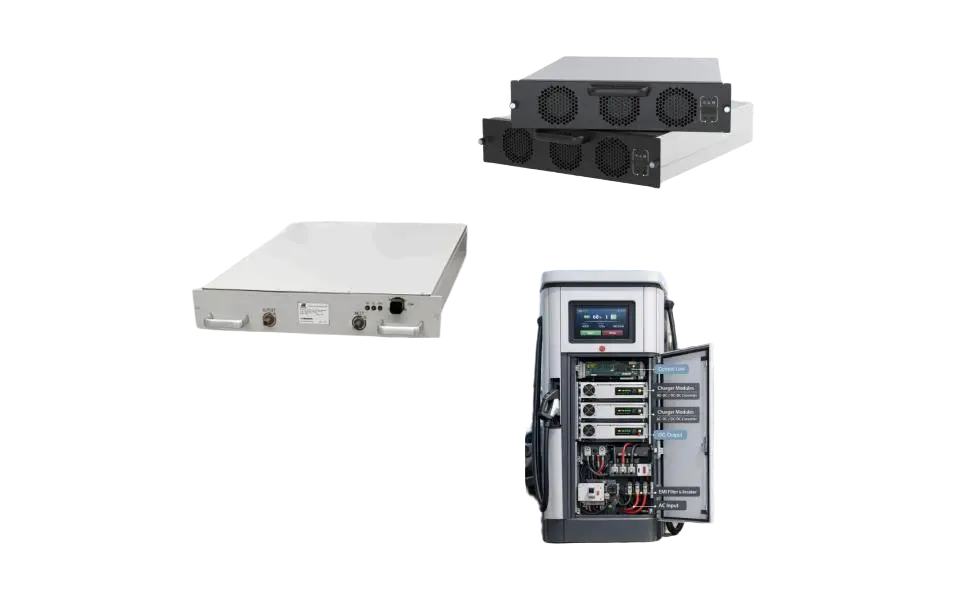
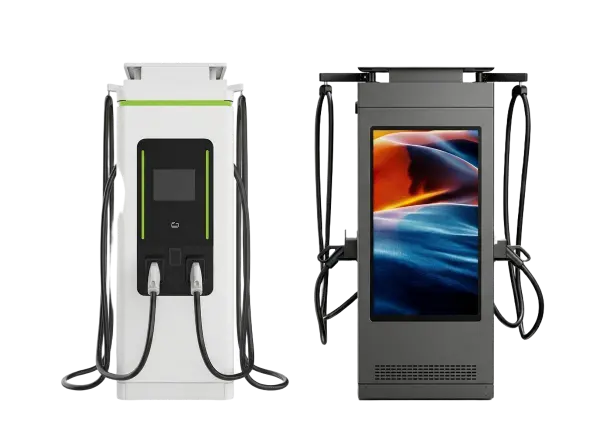
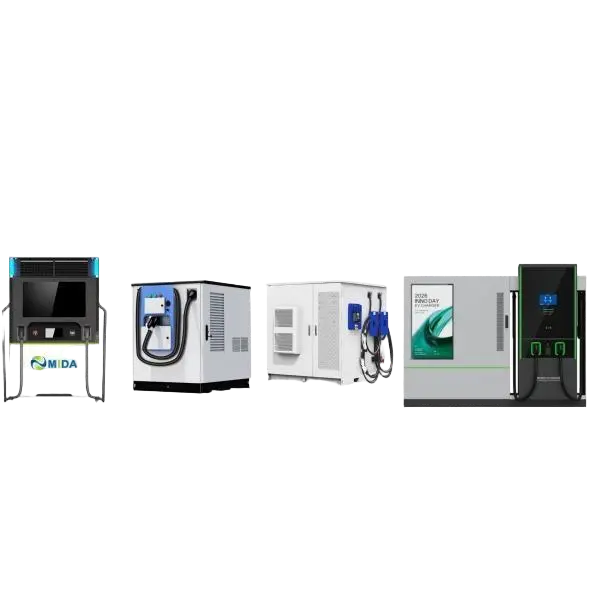
Deploying infrastructure in high-growth corridors like Bangkok requires suppliers capable of delivering both high volumes and precision engineering. Mida Group leverages its advanced production infrastructure in China to achieve significant cost efficiency and quality control. By vertically integrating cable extrusion, power module design, structural sheet-metal fabrication, and advanced battery system integration, we eliminate intermediary markups and reduce supply-chain risk.
Our manufacturing centers employ strict ISO9001 and IATF16949 quality control protocols. Each BESS charging station undergoes full load thermal chamber testing, insulation testing, and end-of-line verification under high temperature and humidity environments before dispatch. Shipping from Shanghai or Shenzhen ports directly to Laem Chabang Port takes under 10 days, allowing developers in Thailand to maintain tight project execution timelines with highly competitive capital expenditure (CapEx).
Compliance Note for Thai CPO operators: Our BESS and charging systems fully comply with MEA and PEA grid connection standards. They feature built-in protective logic for reverse polarity, isolation faults, overcurrent, and voltage spikes common in Southeast Asian monsoon seasons.
Discover our global deployments in high-capacity public transport and automated pantograph charging networks.
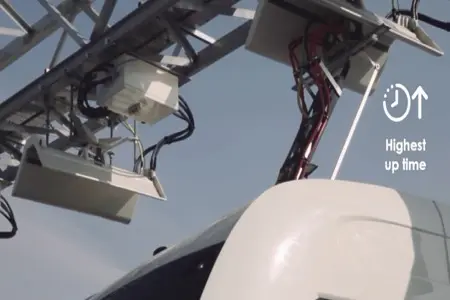
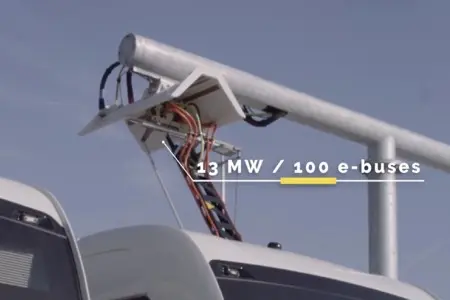
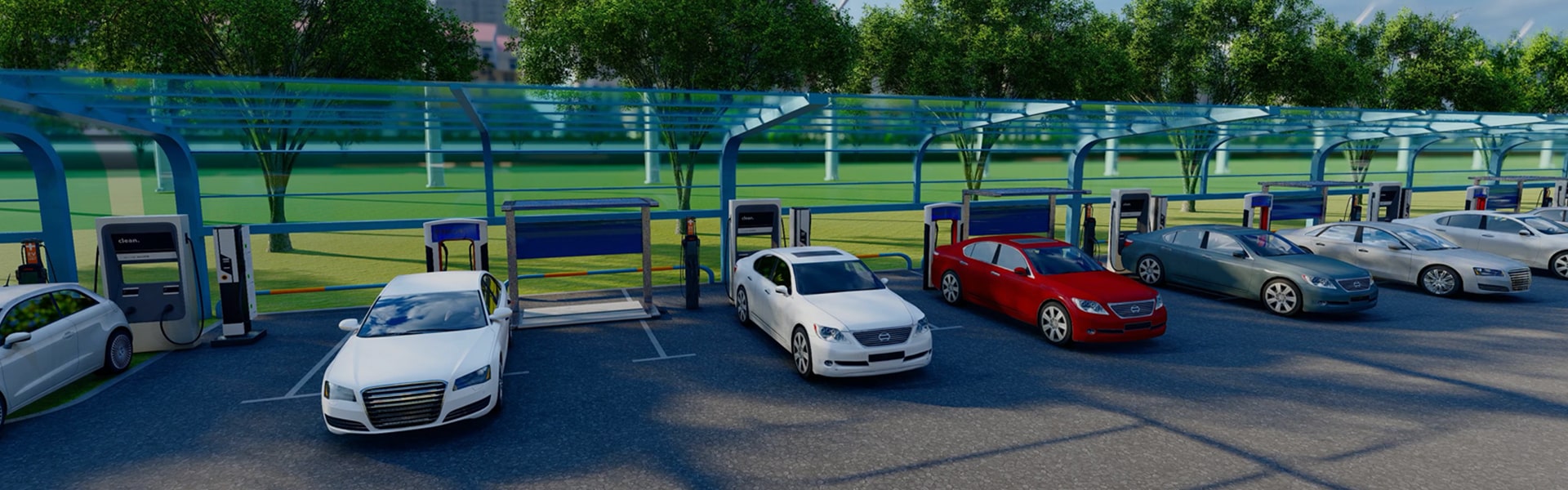
Designed for multi-vehicle commercial hubs, fleet depots, and utility-scale energy projects in Thailand's industrial zones.
Additional heavy-duty BESS charging systems built to handle megawatt demands in high-density areas.
Essential guidance on grid compliance, thermal stability, and capital optimization in Thailand's EV charging landscape.