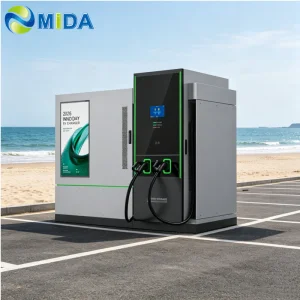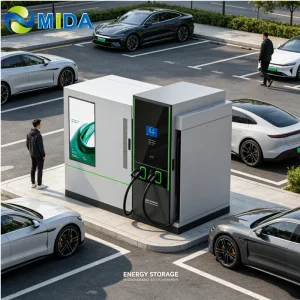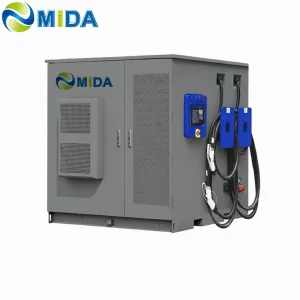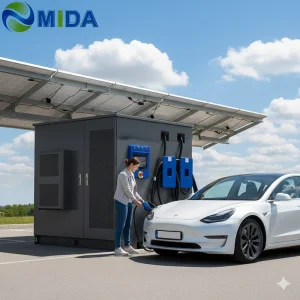
Engineered to support Denmark’s grid regulations and peak demand shaving requirements.
As Denmark targets a 70% reduction in greenhouse gas emissions by 2030 and full carbon neutrality by 2050, the transport sector is undergoing rapid electrification. According to data from the Danish Energy Agency (Energistyrelsen), electric vehicles (EVs) are growing exponentially. However, this massive influx of heavy-duty, fast-charging EVs places unprecedented stress on the local low-voltage grids, particularly in industrial corridors and municipal bus depots across Copenhagen, Aarhus, and Odense.
To prevent grid instability, the integration of Battery Energy Storage Systems (BESS) with DC Fast Chargers has transitioned from a future luxury to an immediate industrial necessity. By using an integrated battery buffer, fleet operators and CPOs (Charge Point Operators) in Denmark can leverage local energy arbitrage, dynamically shaving peak demands and charging their battery banks when wind generation is high on the Danish power market (Nord Pool Spot prices).
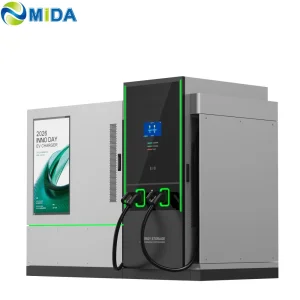
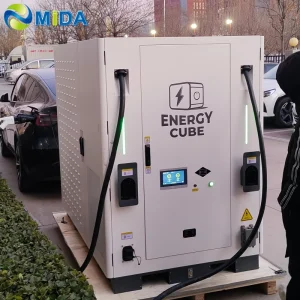
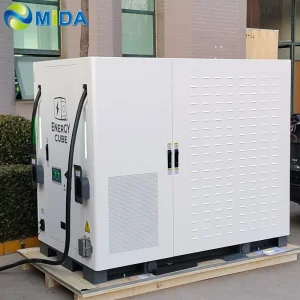
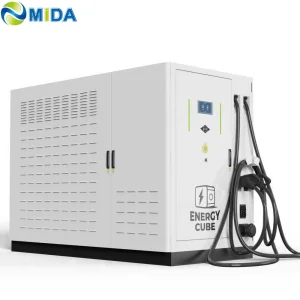
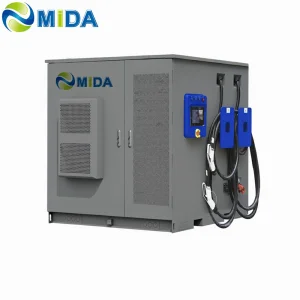
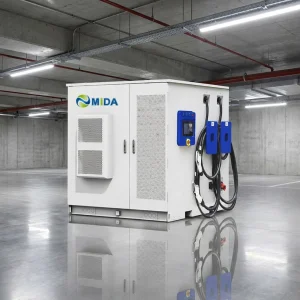
Traditional high-power charging infrastructure demands high-voltage grid connections, which involve long wait times and high connection fees from Danish grid companies (like Radius, Cerius, or N1). Our integrated BESS Charging Solutions solve this by keeping grid demand constant. The system charges slowly from the standard grid when tariff rates are low, and discharges at 120kW, 240kW, or even 480kW directly into the EV. This enables high-speed DC charging without needing expensive sub-station upgrades.
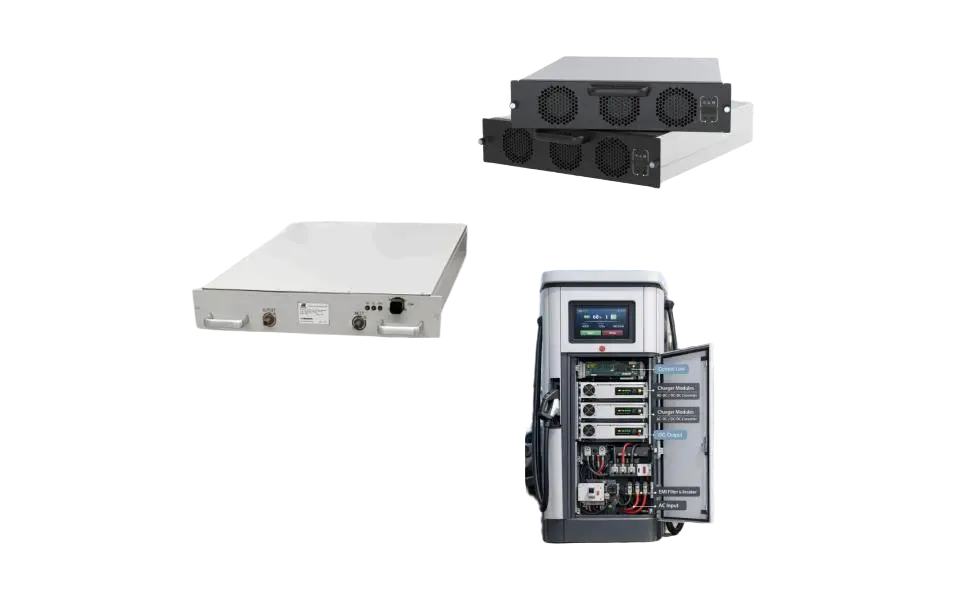
Globally, the megawatt-charging standard (MCS) is emerging as the benchmark for heavy machinery and long-haul transport. Locally, Denmark's charging framework is heavily focused on green energy integration. The synergy between offshore wind energy (such as the massive Horns Rev farms) and EV fast charging relies on smart bidirectional energy systems (V2G/V2H). Our bidirectional AC-DC power modules and multi-standard CCS2 connectors comply directly with Energinet's technical regulations for grid connection, ensuring that your charging hub can also serve as a decentralized virtual power plant (VPP) when called upon.
From modular components to high-power grid-tied systems, we support every layer of EV charging infrastructure.
High reliability AC solutions, optimized for workplace charging.
View AC Solutions7kW, 20kW, 30kW, 40kW, 60kW, and 80kW configurations.
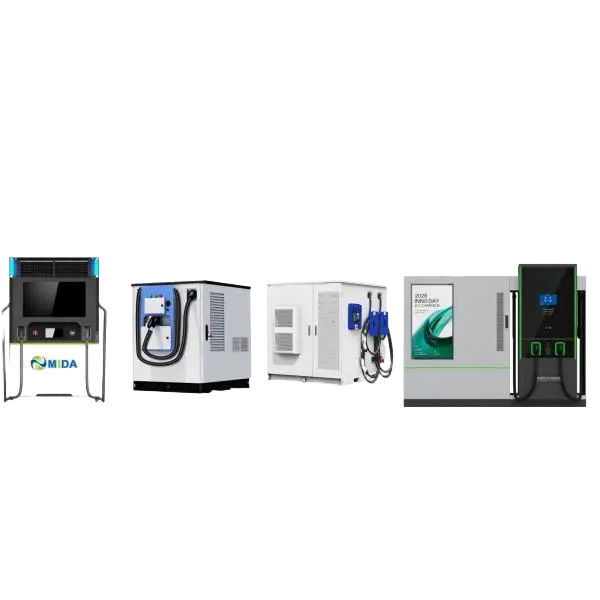
View Mobile RangeUltra-fast charging configurations from 60kW up to 1440kW split-type systems.
Explore DC ChargersShanghai Mida Cable Group Ltd. operates through its wholly owned subsidiaries: Shanghai Mida EV Power Co., Ltd., Shenzhen Mida EV Power Co., Ltd., and Shanghai Mida New Energy Co., Ltd. As an established global Tier-1 manufacturer, we supply high-quality charging infrastructure with safety compliance tailored for the strict Danish and Nordic regulatory frameworks.
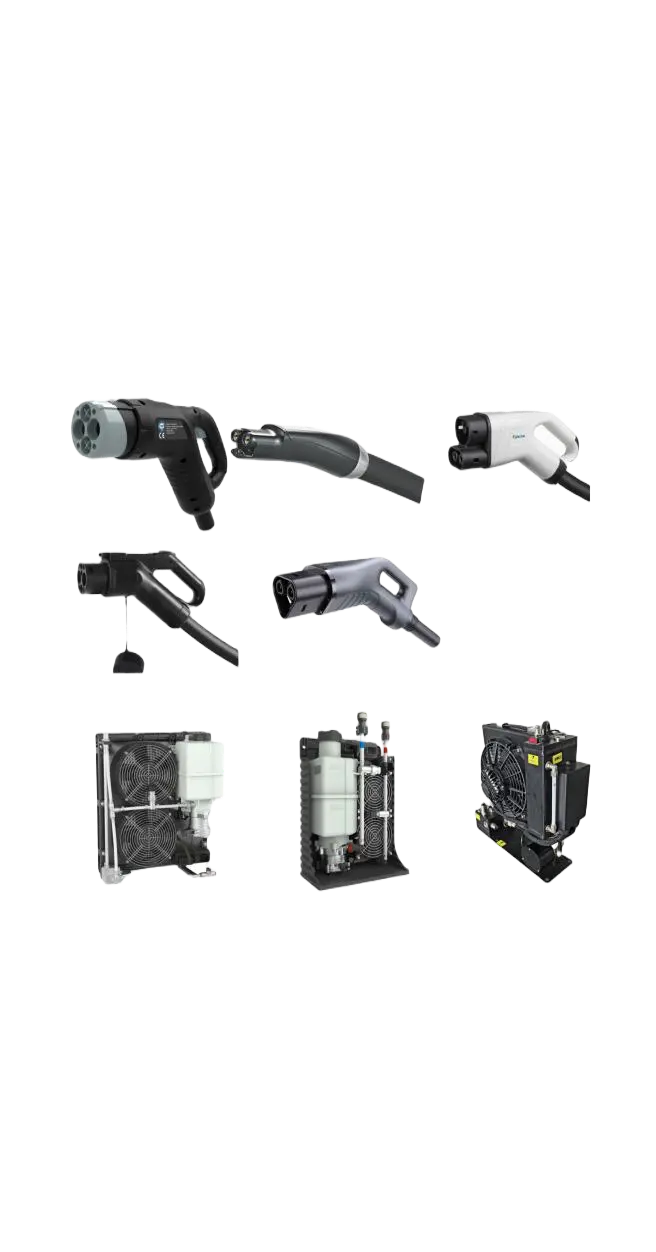
Mida Cable: Manufactures premium EV charging cables, including 16A–80A J1772, 16A–63A IEC 62196-2 Type 2 cables, and heavy-duty DC fast charging solutions (CCS1, CCS2 up to 1000A, CHAdeMO, GBT, and Tesla-compatible NACS connectors up to 600A).
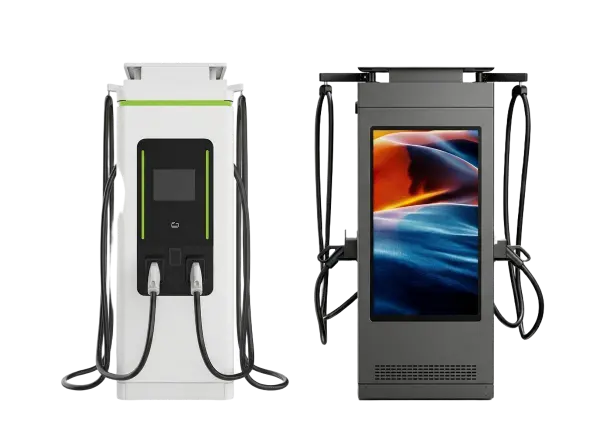
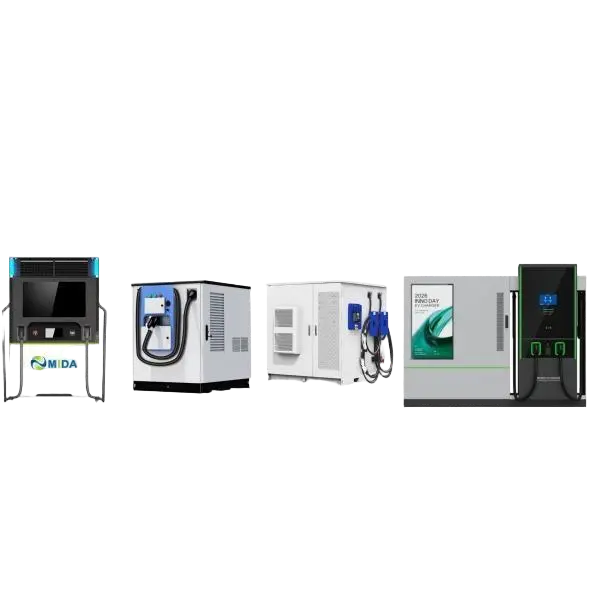
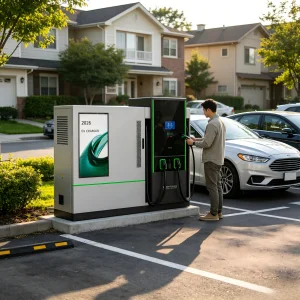
MIDA EV Power: Supplies complete EV stations, including 7kW–50kW mobile setups, 3.6kW–7.2kW portable DC fast setups, 360kW–1440kW split-type units, and 60kW–480kW floor-standing stations.
MIDA New Energy: Leads module engineering, including standard power modules, liquid-cooled high-efficiency modules, V2G charging systems, and bidirectional modules.

Engineered under stringent quality control (ISO9001, IATF16949) for long-term Nordic deployment.
Engineered for mega-charging depots, logistics networks, and heavy commercial applications.
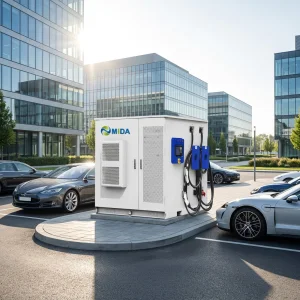
Deploying public or commercial charging stations in Denmark involves localized grid configurations and weather extremes. Below are the key scenarios where our BESS and high-power DC charging stations provide maximum strategic and financial advantage:
With Danish cities transitioning municipal bus services (Movia) entirely to zero-emission models, bus depots require megawatts of electrical power. However, recharging up to 50 buses overnight can crash local municipal grids. Integrating a 1MWH or 2MWH BESS charging system allows depots to draw a flat, manageable current from the grid throughout the day, storing it locally, and fast-discharging it into the bus fleet at night.
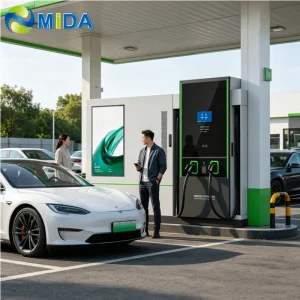
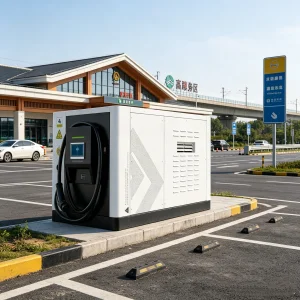
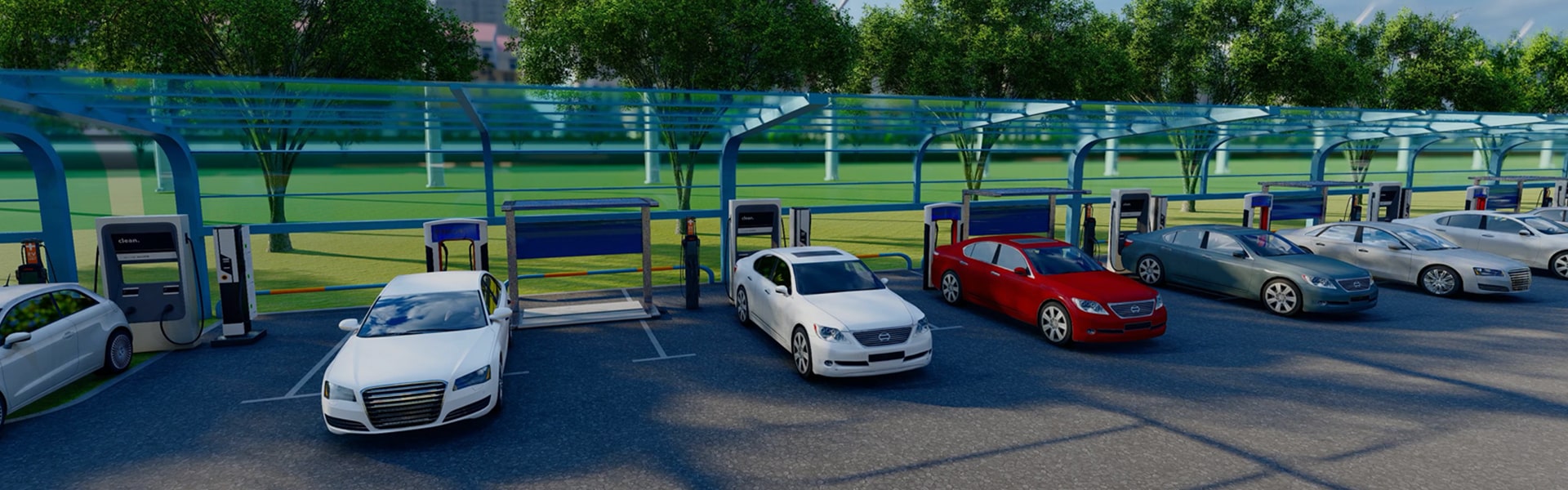
Long-distance travel between Jutland, Funen, and Zealand requires ultra-rapid charging corridors. Our liquid-cooled split-type DC charging systems (up to 1440kW) with CCS2 connectors provide travelers with rapid charge-ups in under 15 minutes. To avoid peak connection tariffs charged by Danish transmission grid operators, these highway hubs use BESS blocks to cushion the high power draw from the grid.
Danish ports (such as the Port of Esbjerg or Port of Hirtshals) are looking to electrify auxiliary vessels, tugboats, and heavy port equipment. The heavy machinery requires high power profiles. Our mobile BESS EV chargers, such as the 320kW/482kWh or 400kW/625kWh configurations, are ideal for mobile shore-to-ship charging without installing permanent submarine high-voltage lines.
Municipalities in Denmark are increasingly mandating fossil-free construction zones. Our off-grid mobile solar MPPT charging stations and portable BESS setups provide emission-free on-site charging for electric diggers and machinery. By harnessing solar power and buffering it with batteries, construction teams can operate completely independent of the local grid.
Crucial technical answers regarding Danish EV grid integration, battery safety, and compliance.
Our systems conform to European standard EN 50549, local Danish grid rules (Forskrifter, enforced by Energinet), and CE certifications. All products support OCPP 1.6J/2.0.1 protocols, enabling seamless communication with Danish energy aggregators for demand-response programs.
Denmark generates over 50% of its electricity from wind power, resulting in volatile hourly prices on the Nord Pool spot market. An integrated BESS allows charging operators to buy electricity during excess-wind hours (sometimes at negative prices) and deploy it during peak high-tariff periods.
We use premium LFP (Lithium Iron Phosphate) cells paired with active liquid-cooling systems and advanced aerosol fire-suppression systems (complying with NFPA 855 and European safety standards) to ensure safe operation in both low-temperature Danish winters and high-demand summer scenarios.
Yes. We offer standard split-type liquid-cooled fast-charging configurations up to 1080kW, utilizing premium cooling units (25kW to 72kW) and liquid-cooled CCS2 charging lines to maintain stable temperatures during continuous high-amperage charging.
Stay updated with the latest technological developments in e-mobility and mass-transit charging infrastructure.

What are the advantages of an e-bus pantograph dome? In contrast to classic plug-in charging systems, e-bus pantographs allow automated overhead fast charging.
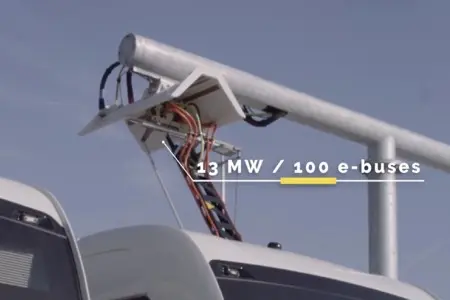
How long does it take to charge with an e-bus pantograph? The charging time depends on the battery capacity and the station power output.
How to Install the Pantograph Up Charger System Dome for Electric Bus. Installing a “Pantograph Up” system requires careful engineering alignment.
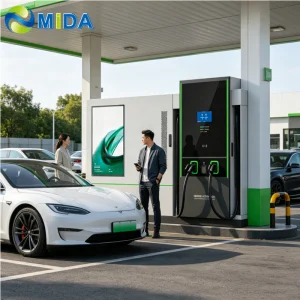
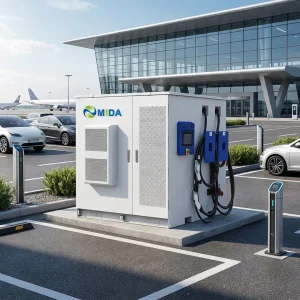
A comprehensive selection of our leading grid-buffered EV fast charging systems.
Get in touch with MIDA Group’s lead system architects to develop a customized BESS charging setup. We assist with Danish utility grid coordination, site layout designs, and thermal configurations.