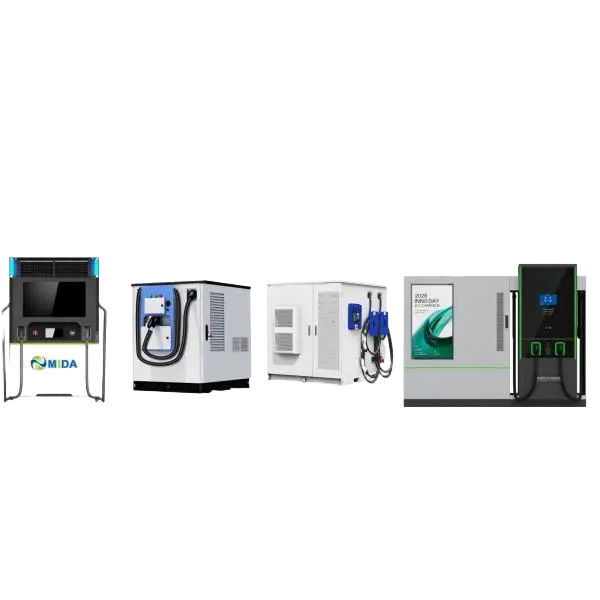
Pre-engineered energy storage systems integrated with heavy-duty fast chargers. Engineered to bypass KPLC grid bottlenecks and utilize solar power directly.
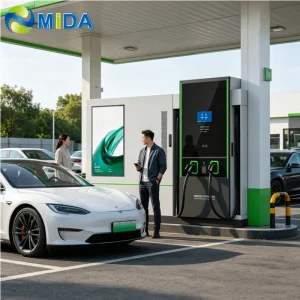
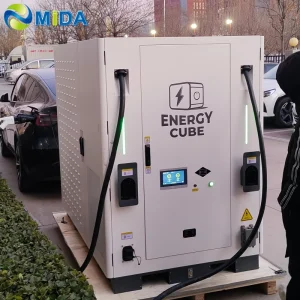
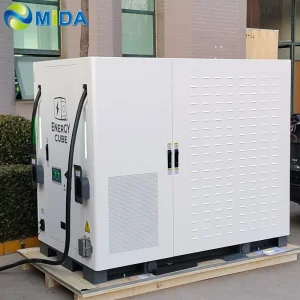
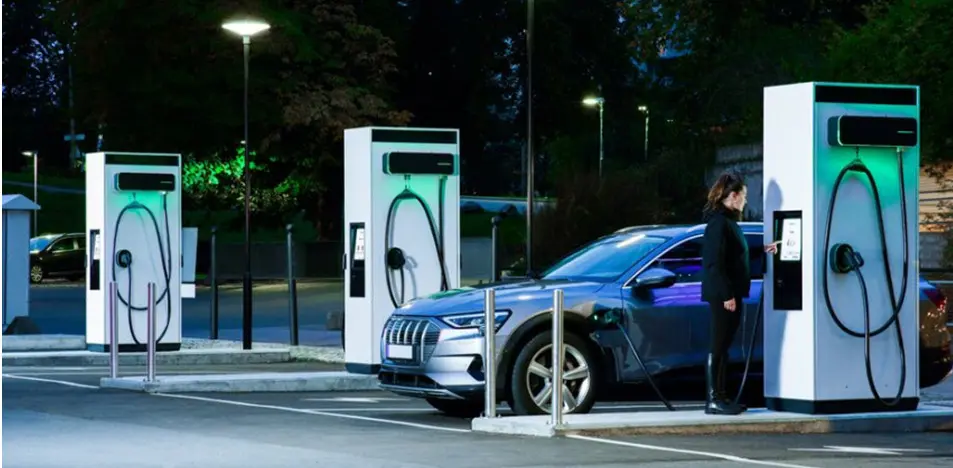
Kenya stands at the forefront of East Africa's electric mobility transition, accelerated by the Draft National E-Mobility Policy. The Kenyan public transport sector (Matatus, commuter e-buses) and inner-city logistics networks are converting to electric at a rapid pace. However, industrial sites, charging operators, and heavy logistics providers encounter massive obstacles: grid instability, peak demand spikes, and the high cost of grid-capacity upgrades via the Kenya Power and Lighting Company (KPLC).
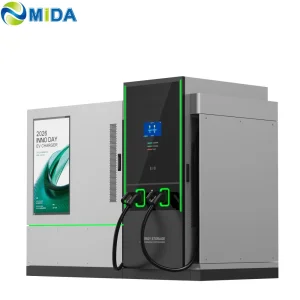
Our Battery Energy Storage System (BESS) integrated fast-charging solutions offer a strategic resolution. By combining High-C-rate lithium iron phosphate (LFP) energy storage with modular DC fast chargers, operators can deploy mega-watt scale charging setups without triggering massive peak-demand charges or requiring immediate high-voltage line extensions.
Wide-voltage AC utility or solar MPPT converter balances variable generation sources.
BESS coordinates peak-shaving, keeping the drawing load from the grid static.
60kW to 480kW power modules dynamically deliver current to EV buses, trucks, and vans via CCS2 or CHAdeMO.

Shanghai Mida Cable Group Ltd. operates through its wholly owned subsidiaries: Shanghai Mida EV Power Co., Ltd., Shenzhen Mida EV Power Co., Ltd., and Shanghai Mida New Energy Co., Ltd.
Mida Cable manufactures a comprehensive range of EV charging cables, including 16A–80A J1772 cables, 16A–63A IEC 62196-2 Type 2 cables, and heavy-duty DC fast charging cables: CCS1 (80A–500A), CCS2 (125A–1000A), CHAdeMO (125A–300A), GBT (200A–1000A), and NACS connectors (250A–600A).
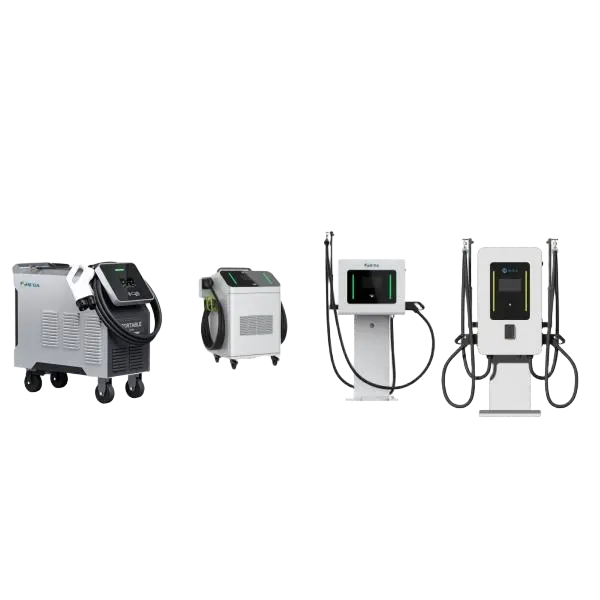
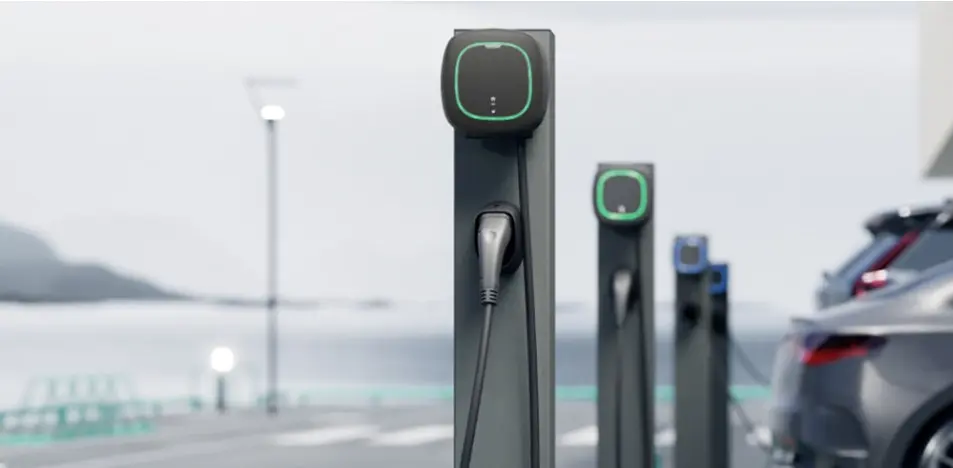
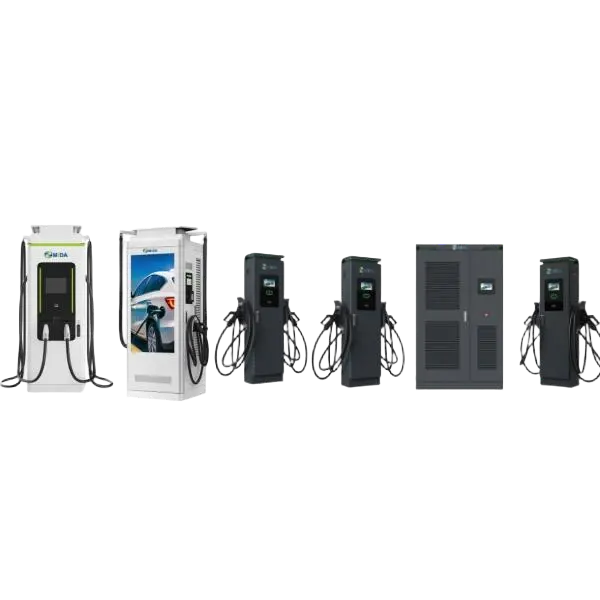
MIDA EV Power produces a full lineup of EV charging stations, such as 7kW–50kW mobile chargers, 3.6kW–7.2kW portable DC chargers, 360kW–1440kW split-type DC fast chargers, 20kW–50kW wall-mounted DC chargers, and 60kW–480kW floor-standing DC fast charging stations.
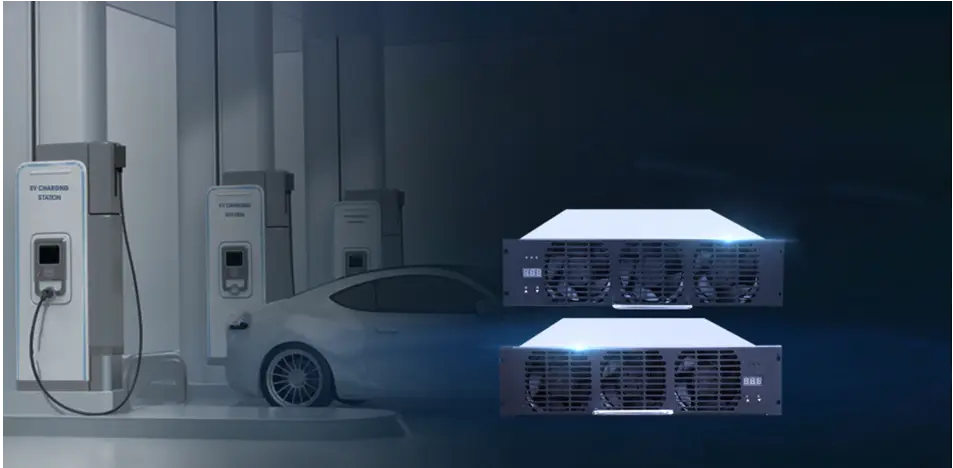
MIDA New Energy specializes in EV charger power modules, offering 20kW–60kW standard modules, 40kW–125kW liquid-cooled modules, 30kW–62.5kW bidirectional modules, and 20kW–45kW V2G charging modules.
Select specialized hardware categories designed, tested, and certified for reliable hot-climate deployments.
Deploying smart charging grids requires cross-disciplinary engineering parameters. Below is the procurement check-list we secure for our international partners.
Integrating aerosol fire suppression systems, deflagration vents, and double-walled liquid cooling pathways. Liquid cooling keeps system temperatures within optimal margins even in regions with high ambient temperatures, preventing thermal runaway and extending cycle life to 6000+ loops.
Our cloud-managed Battery Management System utilizes cell-level monitoring with active balancing. This preserves cell health and ensures the high dynamic discharge rates needed when high-capacity heavy transit EV fleets demand peak currents simultaneously.
Equipped with native OCPP 1.6J/2.0.1 integrations, permitting seamless load management with third-party software, remote power output limits modification, and automated client billing systems compatible with local payment gateways like M-Pesa.
MIDA Group manufactures the foundational sub-components of our charging stations, ensuring granular quality control and robust field-replaceable unit supply chains.
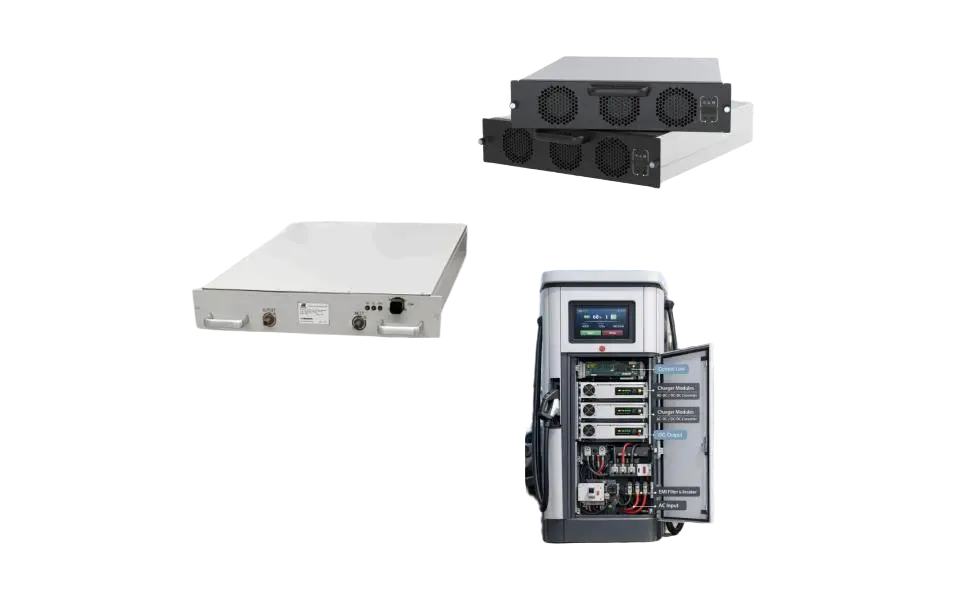
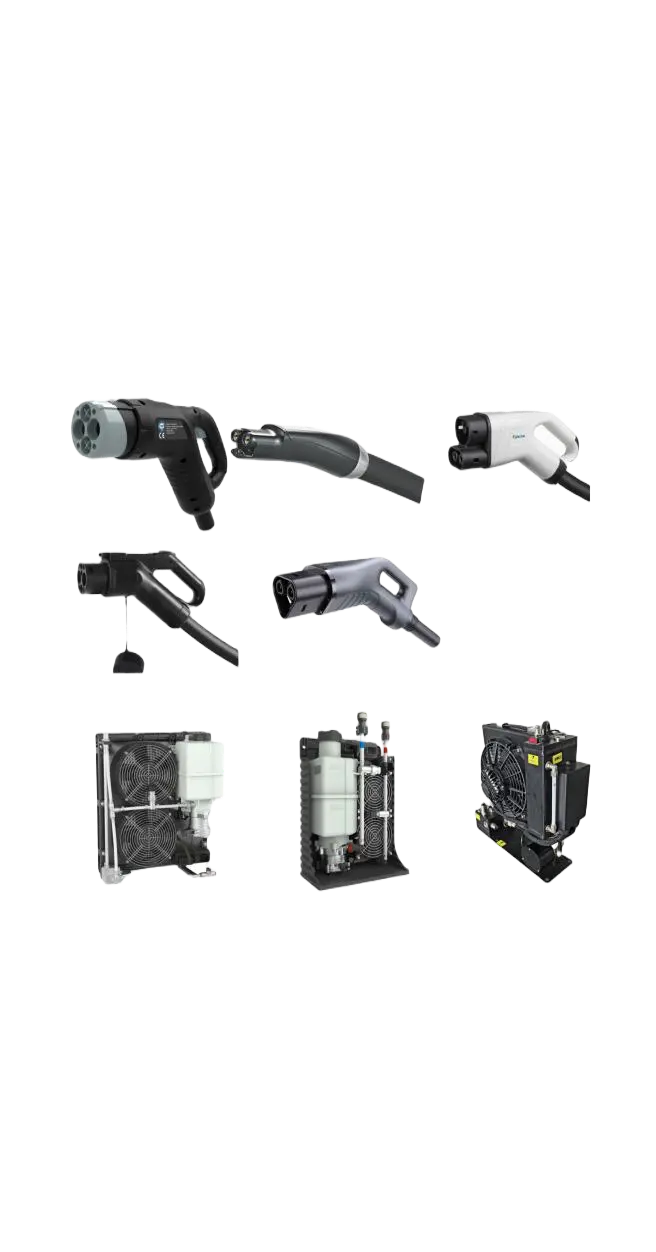
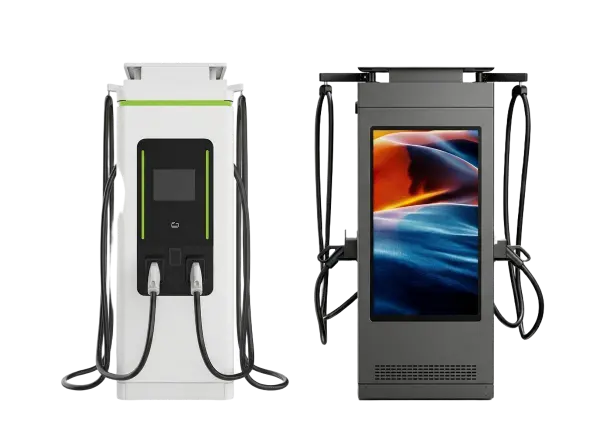
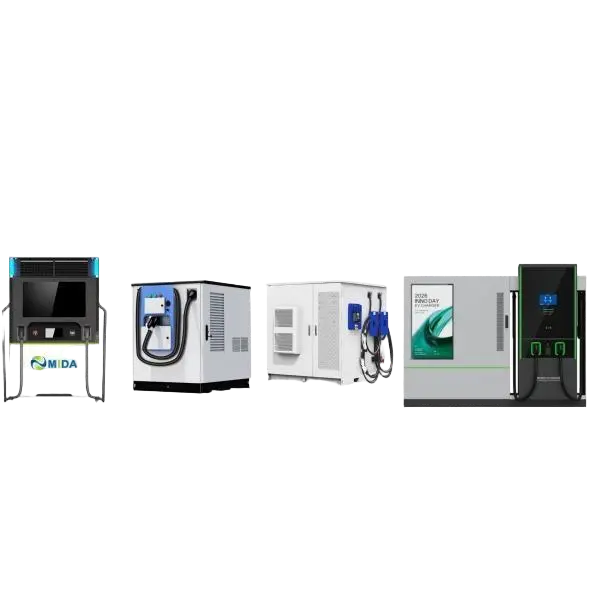
High-capacity storage cabinets configured for heavy-duty operational workloads. Certified for direct integration with local utility grids and microgrids.
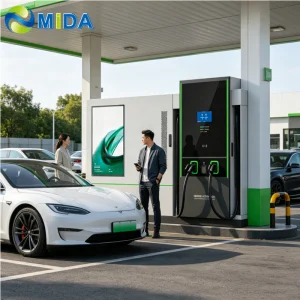
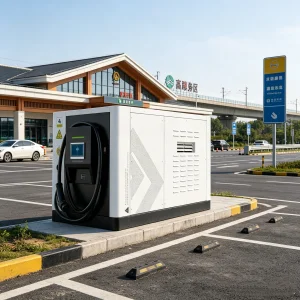
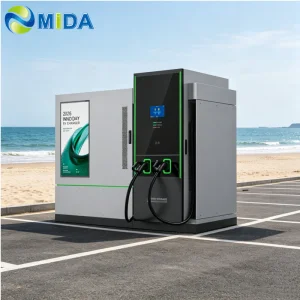
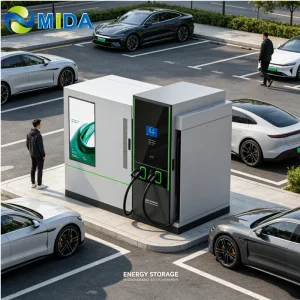
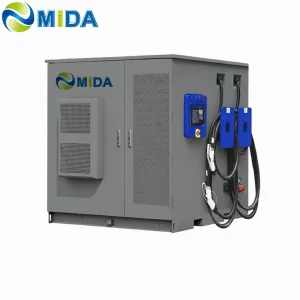
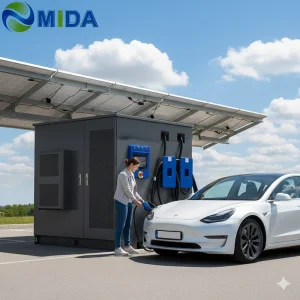
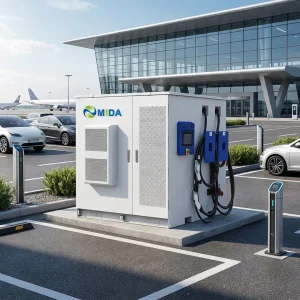
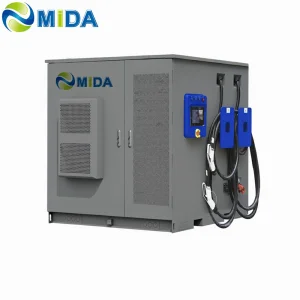
Heavy duty systems optimized for remote off-grid mining sites, agricultural hubs, and roadside emergency charging networks across East Africa.
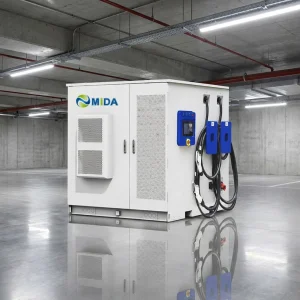
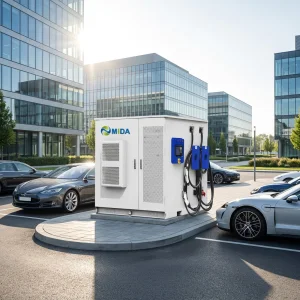
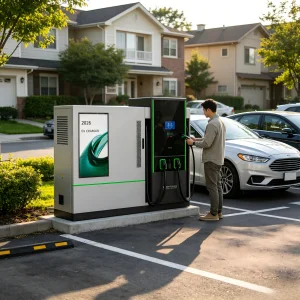
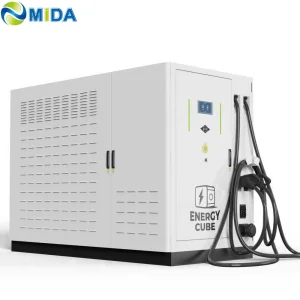
Operating mega-watt class chargers in Kenya requires strict adherence to KEBS (Kenya Bureau of Standards) and local electricity grid codes. High-current charging stations without buffer capacity risk introducing severe harmonic distortion and voltage drops into the utility lines, resulting in penalties from KPLC. MIDA Group's systems implement advanced active power factor correction (PFC) and harmonic filtering to keep Total Harmonic Distortion (THD) below 5%, in alignment with international standards.
Furthermore, our microgrid controllers feature smart black-start functionality. In the event of a grid collapse, the BESS system acts as a voltage source to form a local mini-grid, allowing operations to continue uninterrupted using solar-PV and battery power.
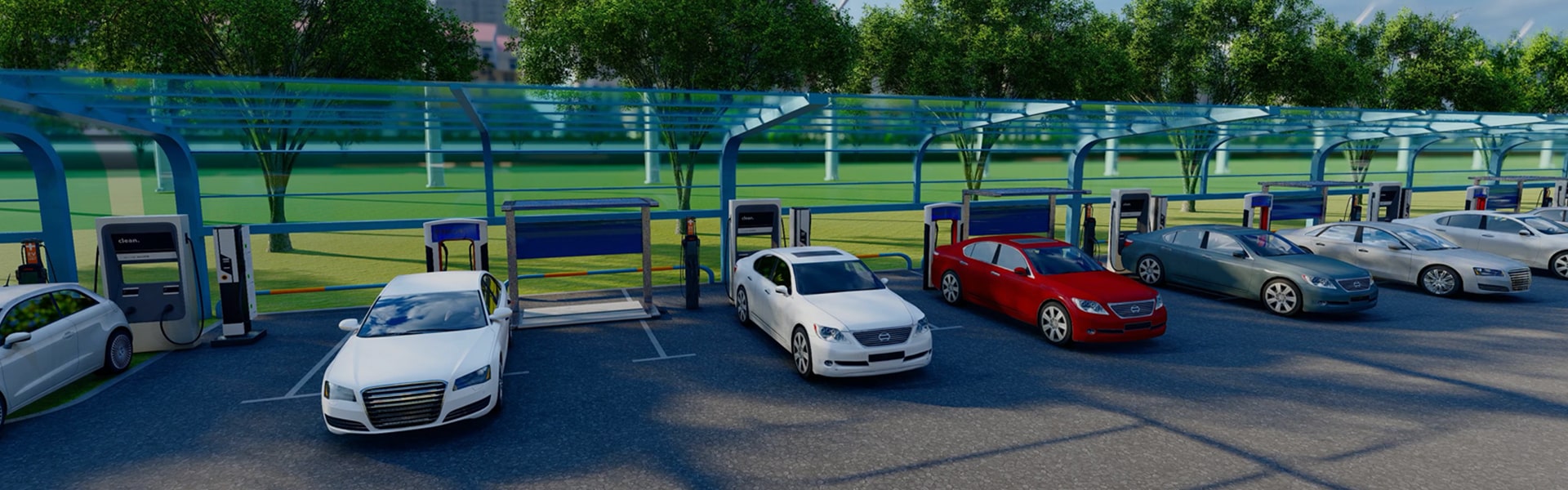
Keep track of the latest announcements and global case studies regarding transit infrastructure and automated charging systems.

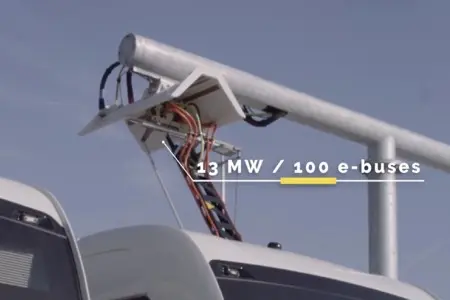
Expert answers regarding project design, grid integration, BESS capacity selection, and compliance requirements in East Africa.