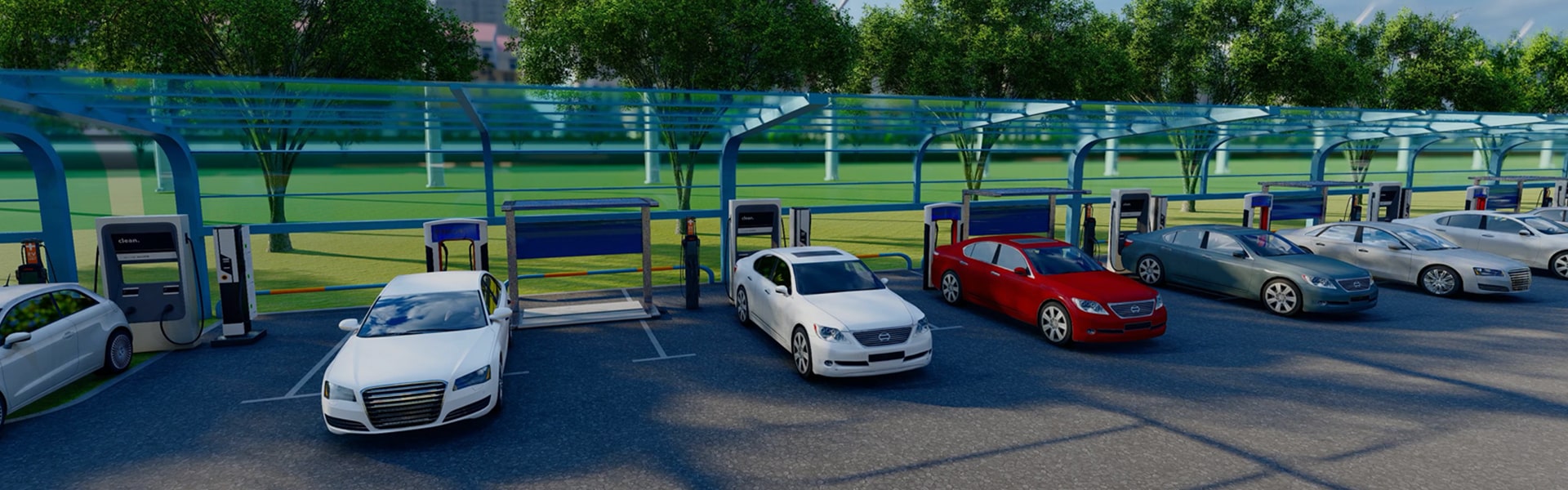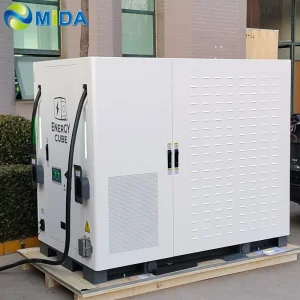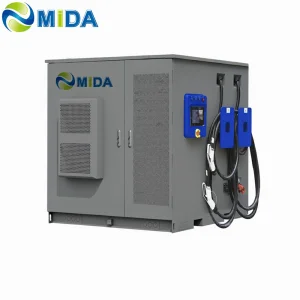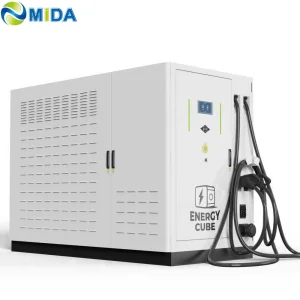
Premium grid-buffering fast charger stations engineered for zero-emission commercial operations and localized grid constraints.
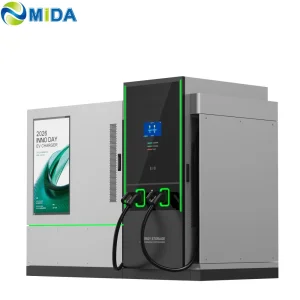
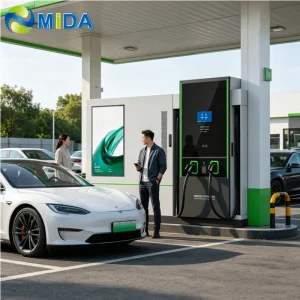
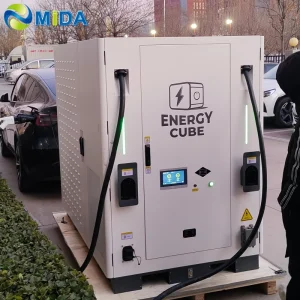
As Washington State moves forward under the mandates of the Climate Commitment Act (CCA) and the aggressive carbon reduction goals outlined by King County, the demand for DC fast-charging infrastructure in the Pacific Northwest has skyrocketed. Seattle is uniquely positioned with a 97% carbon-free grid managed by Seattle City Light (SCL). However, despite the cleanliness of the source energy, local distribution grids face significant thermal constraints and high demand charge penalties during peak windows.
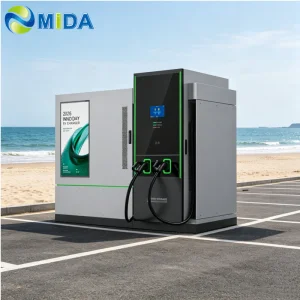
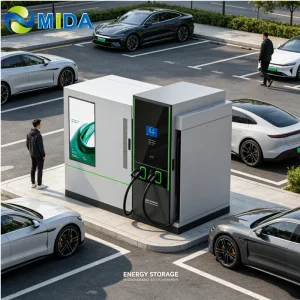
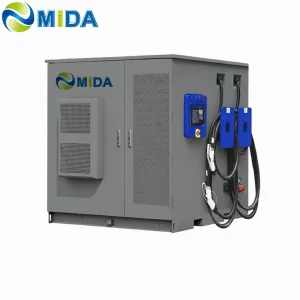
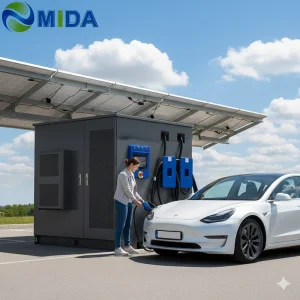
This operational challenge is prompting a technical paradigm shift. Standard grid-tied DC fast chargers demand hundreds of kilowatts—or even megawatts—directly from the grid instantly. To circumvent grid capacity limits, modern industrial facilities and depots in the Seattle metro area are increasingly adopting BESS-Integrated DC Charging Stations. By marrying battery storage with DC chargers, fleet operators and commercial properties can deploy high-power charging setups without waiting months or years for utility-side transformer upgrades.
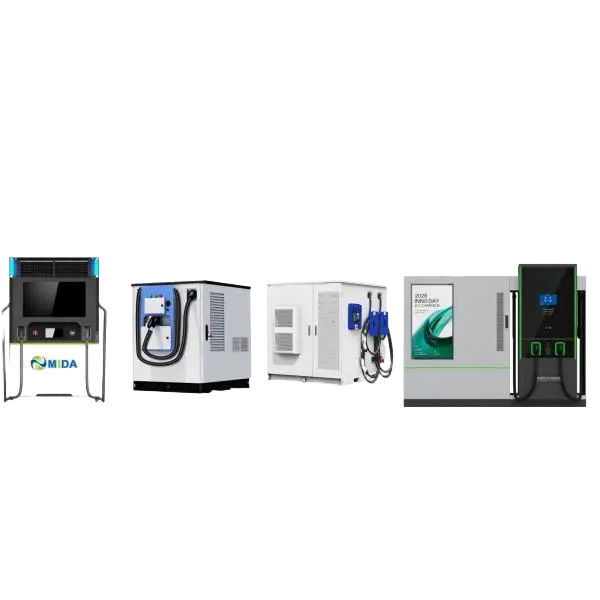
In downtown Seattle, the Sockeye District, and industrial hubs near the Port of Seattle (SODO and Duwamish waterway), the physical capacity of substation transformers is limited. Upgrading these networks requires capital-intensive civil work and complex permitting. Introducing a BESS Charging Station allows commercial sites to charge an internal energy storage unit using a low-power, continuous AC feed during off-peak hours. When a vehicle docks for a fast charge, the storage system discharges in tandem with the grid, outputting high-voltage DC power (CCS1, CCS2, or NACS) at up to 480kW without inducing localized grid destabilization or high peak-demand spikes.
Globally, the transition to high-power megawatt charging systems (MCS) for heavy-duty logistics and maritime vessels is straining metropolitan grids. Industry analysts forecast that by 2030, the global demand for BESS charging solutions will expand at a CAGR of 32.4%. Factories globally are transitioning from simple cable-manufacturing lines to sophisticated system integration sites. MIDA Group leads this charge, supplying key components like standard power modules (30kW to 125kW liquid-cooled variants), heavy-duty connectors, and modular battery management assemblies. This global footprint directly benefits the local Seattle market by lowering supply-chain bottlenecks and ensuring that localized integrations utilize field-tested, standardized technologies.
Peak Demand Reduction
Deployable Single Footprints
Certified Fire Safety
Microgrid Compatibility
Explore our foundational infrastructure categories engineered to support smart urban mobility and industrial depot fleets.
Reliable Level 2 Infrastructure
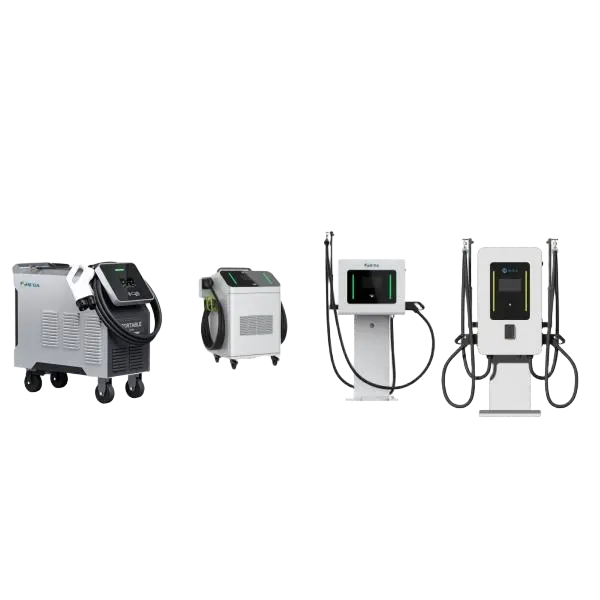
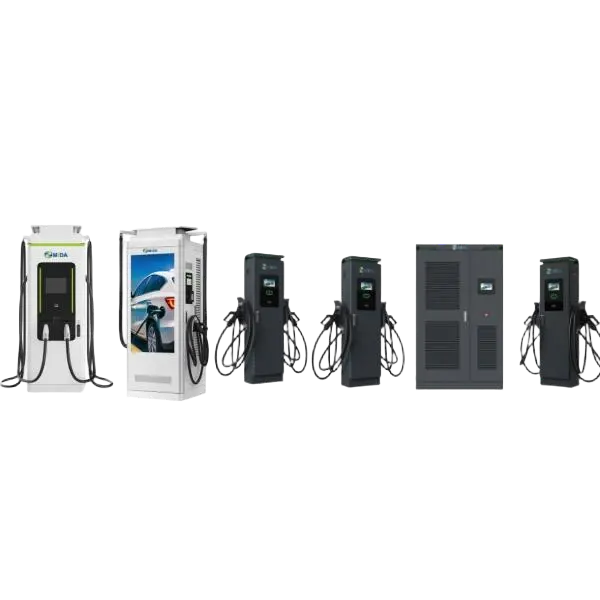
60kW-480kW / 360kW-1440kW Split-Type
60kWh to 2MWh Smart Storage Units
Shanghai Mida Cable Group Ltd. operates through its wholly owned subsidiaries: Shanghai Mida EV Power Co., Ltd., Shenzhen Mida EV Power Co., Ltd., and Shanghai Mida New Energy Co., Ltd.
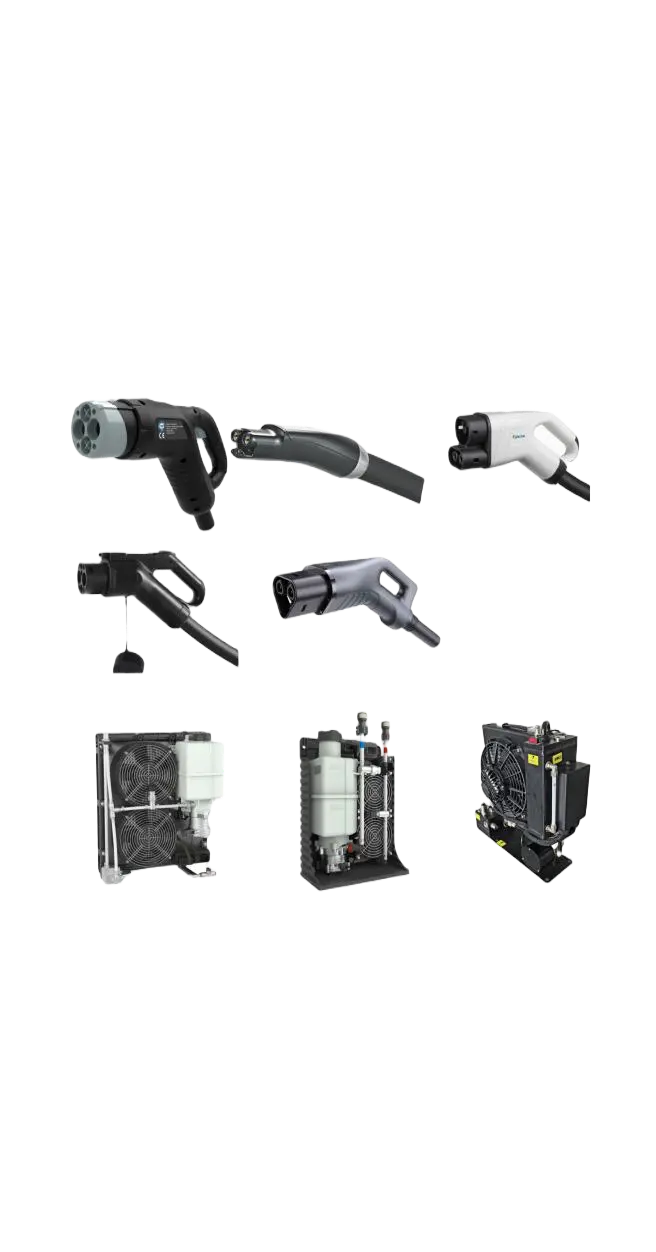
Mida Cable manufactures a comprehensive range of EV charging cables, including 16A–80A J1772 cables, 16A–63A IEC 62196-2 Type 2 cables, and DC fast charging cables: CCS1 (80A–500A), CCS2 (125A–1000A), CHAdeMO (125A–300A), GBT (200A–1000A), and NACS connectors (250A–600A).
MIDA EV Power produces a full lineup of EV charging stations, such as 7kW–50kW mobile chargers, 3.6kW–7.2kW portable DC chargers, 360kW–1440kW split-type DC fast chargers, 20kW–50kW wall-mounted DC chargers, and 60kW–480kW floor-standing DC fast charging stations.
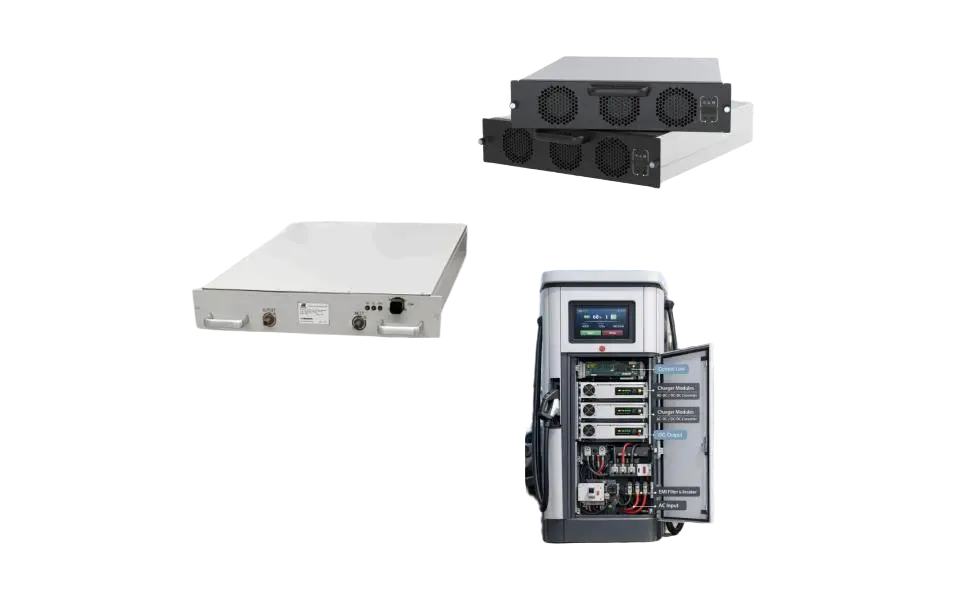
MIDA New Energy specializes in EV charger power modules, offering 20kW–60kW standard modules, 40kW–125kW liquid-cooled modules, 30kW–62.5kW bidirectional modules, and 20kW–45kW V2G charging modules.

Analyzing localized, high-demand installations where BESS charging platforms show massive economic and infrastructural utility.
Seattle and Tacoma ports face stringent clean air corridor goals. High-capacity container handling vehicles can be charged via a 2MWH 960kW BESS buffer system without drawing extreme surges during peak container shipping runs.
Public transit operations require highly reliable charging setups. Integrating modular, floor-standing stations backed by continuous power storage ensures uninterrupted depot operations, even during municipal grid interruptions.
Dense commercial property hubs in Bellevue or South Lake Union struggle to find the space or permission for additional transformer units. BESS cabinets provide a compact footprint solution that fits directly inside basement parking layouts.
As charge rates climb towards 350kW+ on passenger cars and 1MW+ on heavy-duty logistics trucks, system thermal efficiency becomes paramount. Conventional forced-air cooling methods result in higher internal component operating temperatures, accelerating battery cell degradation. By utilizing integrated liquid cooling units, MIDA's hardware maintains steady temperature gradients across power modules, resulting in longer product service lifetimes and lower operating noise levels. Furthermore, our integrated bidirectional power modules enable vehicle-to-grid (V2G) and battery-to-grid capabilities, allowing commercial buildings to feed energy back to Seattle City Light during high-demand events.
Precision-engineered elements powering our integrated energy storage and vehicle charging solutions.
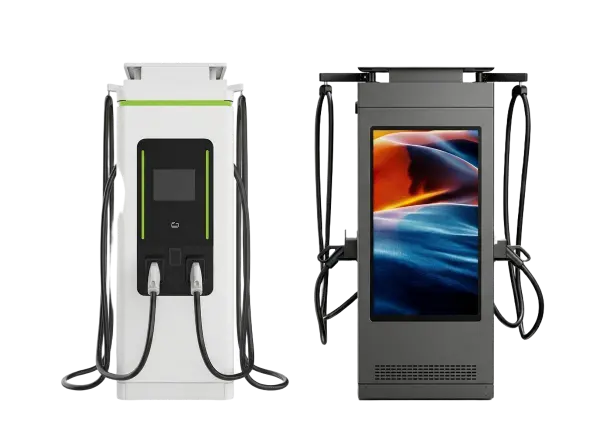
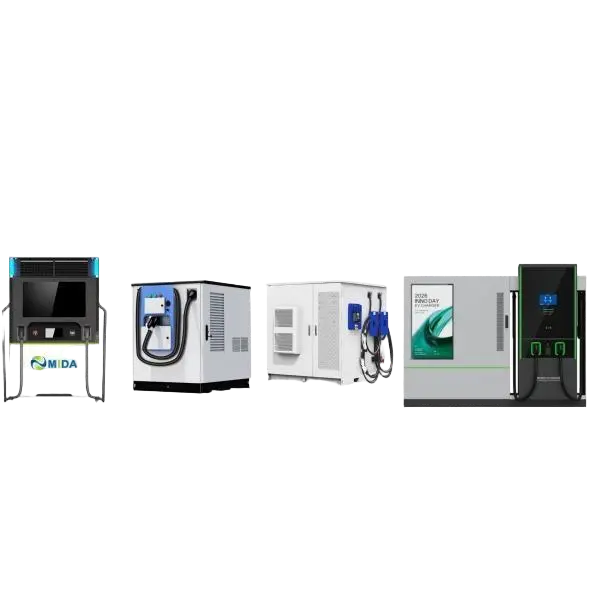
Explore our scalable integrated architectures deployed across commercial and public charging networks.
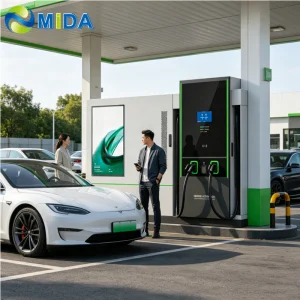
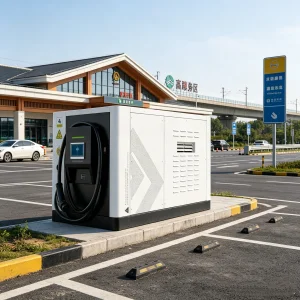
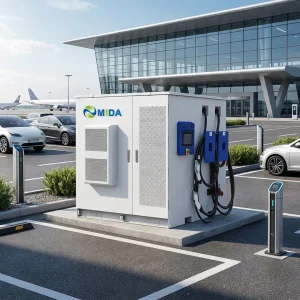
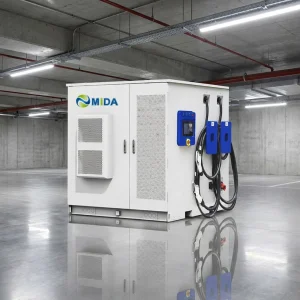
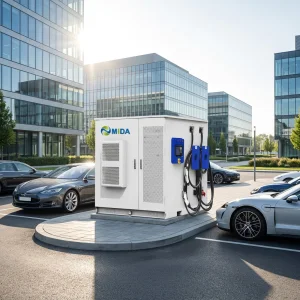
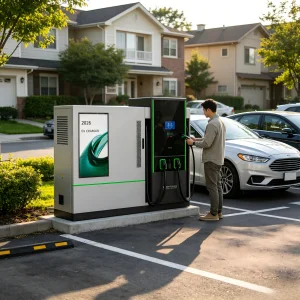
Deploying stationary battery energy storage systems (BESS) within Seattle city limits demands strict adherence to rigorous engineering protocols and building regulations. Commercial projects must comply with the Seattle Building Code (SBC), Seattle Electrical Code (SEC), and the Washington State Energy Code (WSEC).
Key components of a successful commercial approval process include:
Our integration engineers coordinate with local developers and general contractors throughout the Washington municipal permitting cycle.
Stay up to date with new technology rollouts, electric bus charging integrations, and clean transport initiatives.
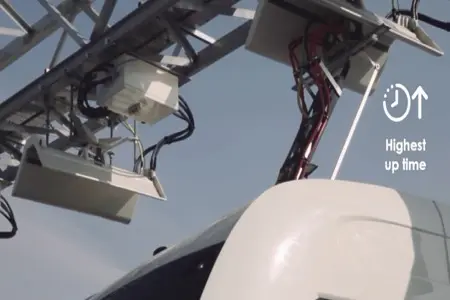
What are the advantages of an e-bus pantograph dome? In contrast to classic plug-in charging systems, e-bus pantograph dome configurations support high-power, automated top-off charging...
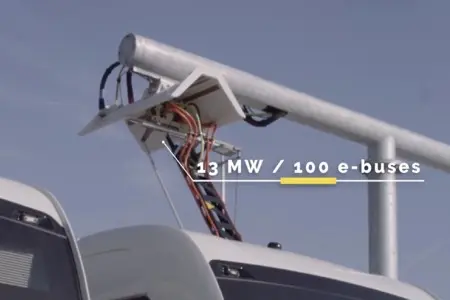
How long does it take to charge with an e-bus pantograph? The charging time depends directly on the battery capacity and the operating voltage of the vehicle's onboard converter module...
How to Install the Pantograph Up Charger System Dome for Electric Bus. Installing a “Pantograph Up” system requires precise coordination with localized structural components...
Find answers to critical logistics, structural, and electrical planning questions regarding BESS integrations in Washington.
Connect with MIDA Group's technical engineers for standard configurations, sizing support, and regulatory guidance.
Send Inquiry Now