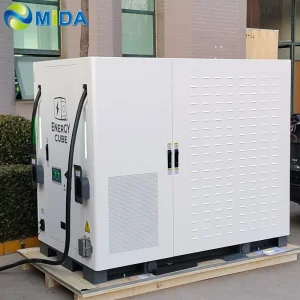
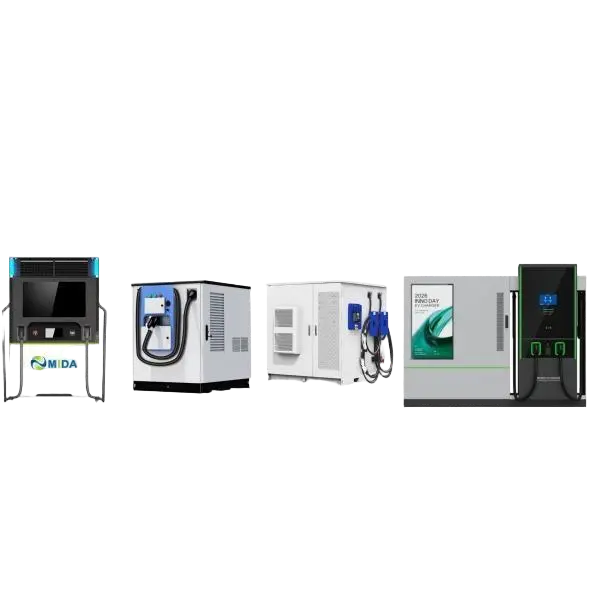
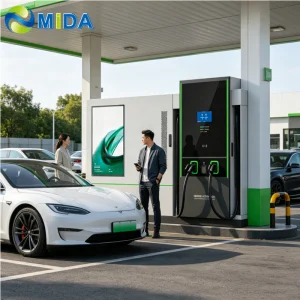
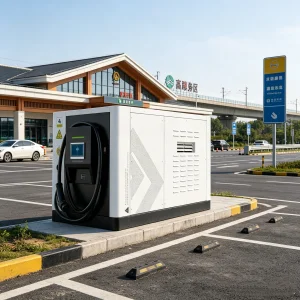
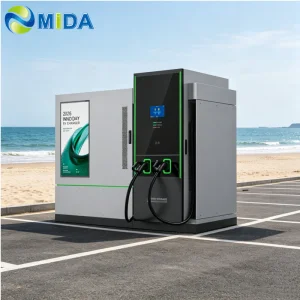
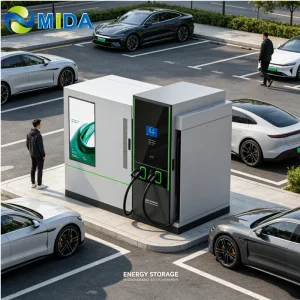
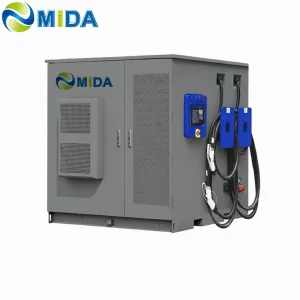
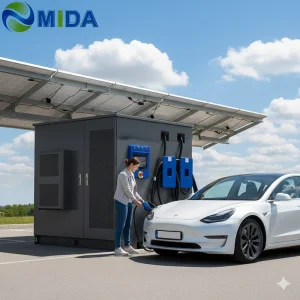
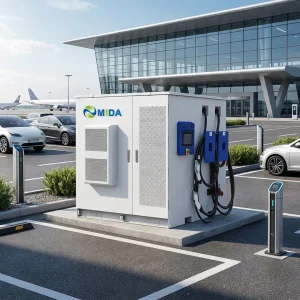
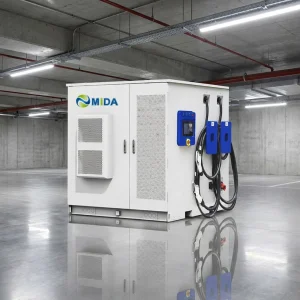
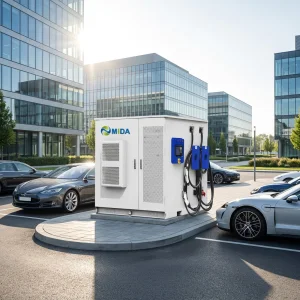
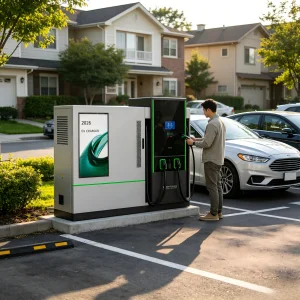
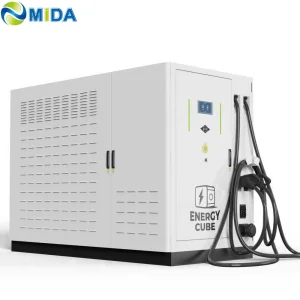
Engineered to bypass local grid capacity limits, these integrated Battery Energy Storage Systems (BESS) represent the frontier of fast-charging technology.
Analyzing the commercial, regulatory, and infrastructural dynamics shaping industrial EV infrastructure in the ASEAN center.
As the metropolitan heart of Indonesia, Jakarta is driving toward aggressive carbon reduction and public transport electrification targets. However, deployment of ultra-fast high-power DC chargers (exceeding 120kW) faces immediate limitations on PLN's (Perusahaan Listrik Negara) medium-voltage distribution network. Heavy industrial corridors in MM2100, Karawang, and Cikarang require localized high-power outputs without causing voltage sags or incurring steep peak-demand tariffs.
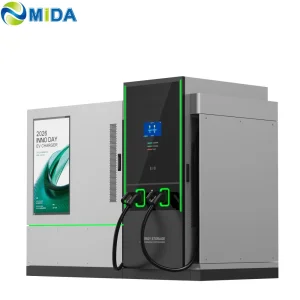
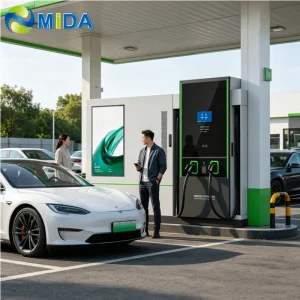
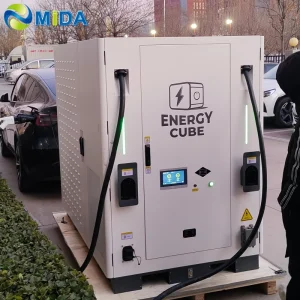
The BESS Advantage: Battery Energy Storage System (BESS) integrated chargers resolve grid capacity bottlenecks. By storing energy during off-peak hours and discharging at high currents during ultra-fast DC charging events, these stations shield local grids, reduce installation complexity, and eliminate the need for expensive substation upgrades.
Deploying energy infrastructure in Jakarta requires navigation of Indonesia's local content rules (TKDN - Tingkat Komponen Dalam Negeri) alongside SNI certifications. High-power DC chargers and battery systems must demonstrate manufacturing compliance, robust fire protection design, and environmental resilience suitable for tropical, high-humidity, and high-ambient-temperature regions.
Our solutions feature multi-tiered thermal management, including IP65/IP66 enclosure protection, advanced liquid cooling options, and digital EMS integrations that link seamlessly into local SCADA systems and building management services (BMS).
Download TKDN Integration GuideShanghai Mida Cable Group Ltd. operates through its wholly owned subsidiaries: Shanghai Mida EV Power Co., Ltd., Shenzhen Mida EV Power Co., Ltd., and Shanghai Mida New Energy Co., Ltd.
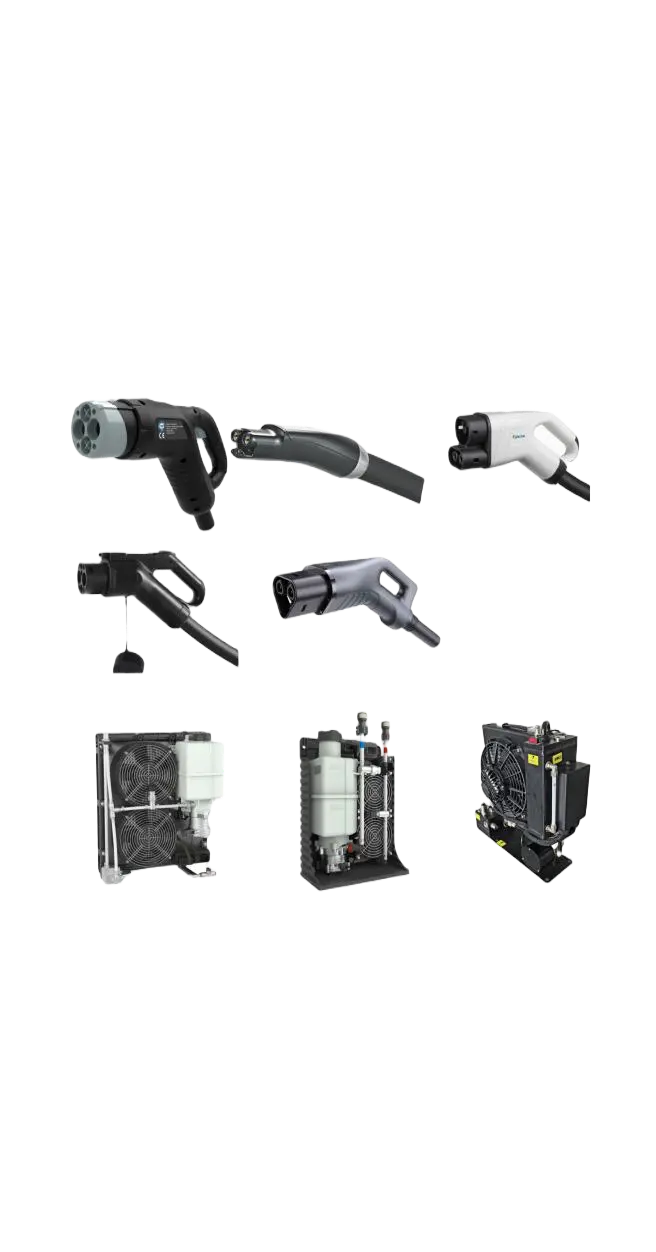
Mida Cable manufactures a comprehensive range of EV charging cables, including 16A–80A J1772 cables, 16A–63A IEC 62196-2 Type 2 cables, and DC fast charging cables: CCS1 (80A–500A), CCS2 (125A–1000A), CHAdeMO (125A–300A), GBT (200A–1000A), and NACS connectors (250A–600A).
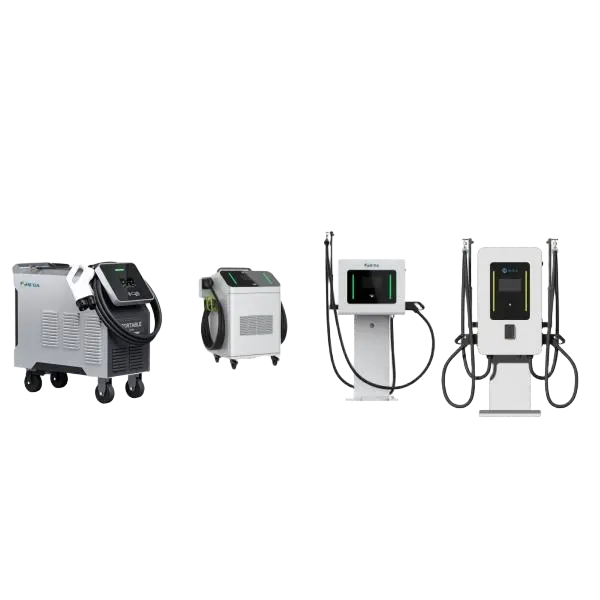
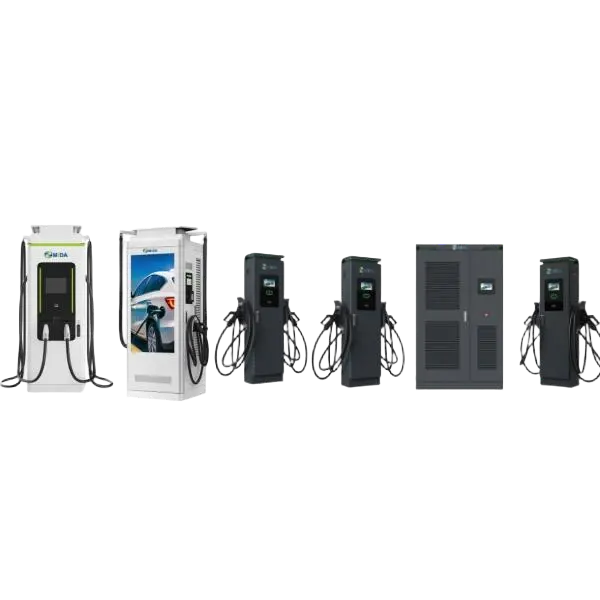
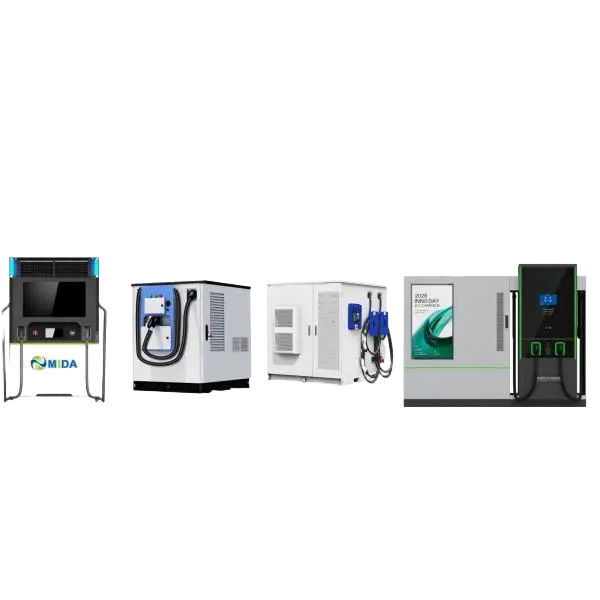
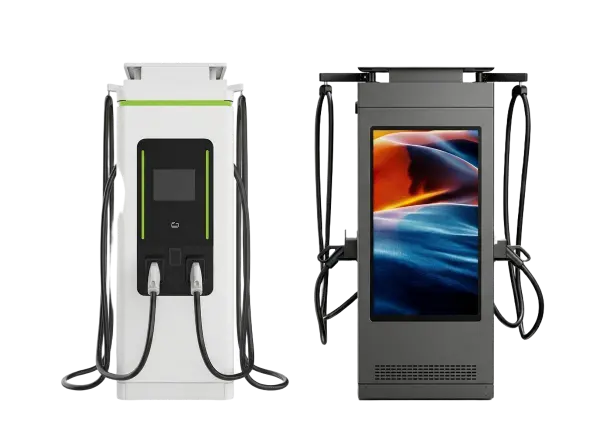
MIDA EV Power produces a full lineup of EV charging stations, such as 7kW–50kW mobile chargers, 3.6kW–7.2kW portable DC chargers, 360kW–1440kW split-type DC fast chargers, 20kW–50kW wall-mounted DC chargers, and 60kW–480kW floor-standing DC fast charging stations.
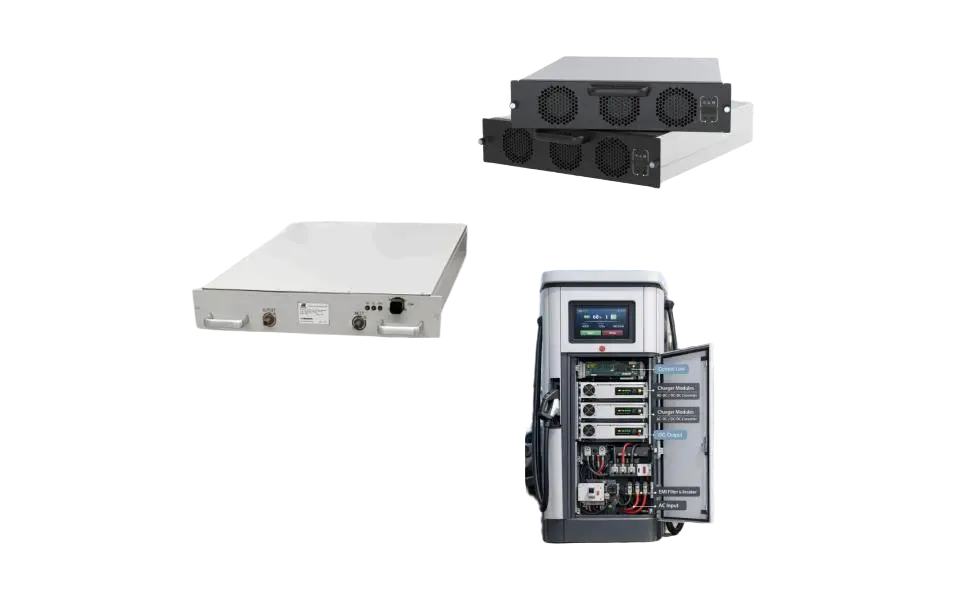
MIDA New Energy specializes in EV charger power modules, offering 20kW–60kW standard modules, 40kW–125kW liquid-cooled modules, 30kW–62.5kW bidirectional modules, and 20kW–45kW V2G charging modules.

From destination AC chargers to grid-interactive Megawatt hubs, we design complete power pathways.
Optimizing energy efficiency from the core power module to liquid-cooled ultra-high-power connectors.
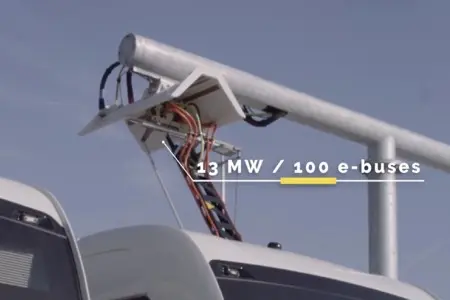
Decarbonizing heavy commercial fleets and high-capacity municipal electric buses with pantograph-based high-voltage infrastructure.
In contrast to classic plug-in charging systems, e-bus pantograph systems offer automated, high-power energy transfer, reducing vehicle downtime and manual operator overhead.
Charging time varies depending on battery capacity and utility current limits, typically delivering full opportunities in 5 to 15 minutes during route pauses.
A systematic deployment guide detailing the technical integration of mechanical interfaces, power electronics, safety systems, and alignment controls.
Key questions answered by our system engineering team regarding deployment in metropolitan Jakarta and ASEAN regions.
High-performance configurations built for industrial, commercial, and emergency fleet operations globally.
Deploy industry-leading charging infrastructure optimized for the hot, humid environment of Jakarta and Greater Indonesia. Get a tailored EPC quote today.
Initiate Engineering Consultation