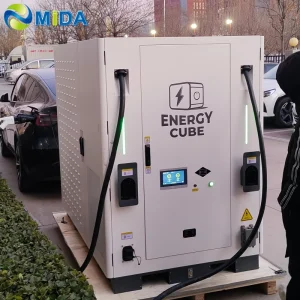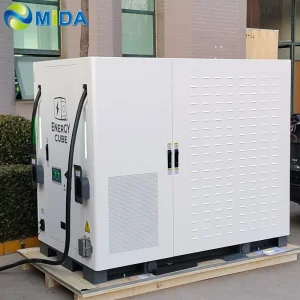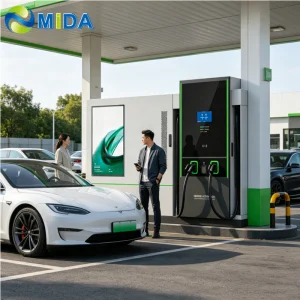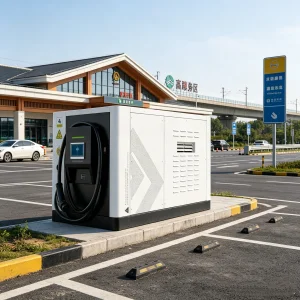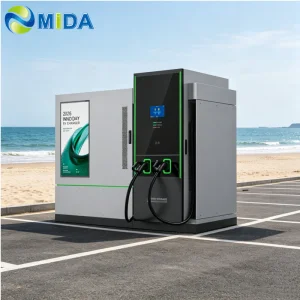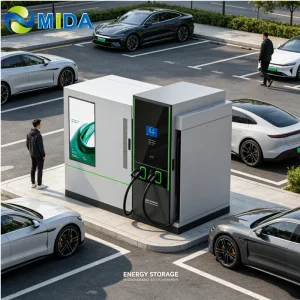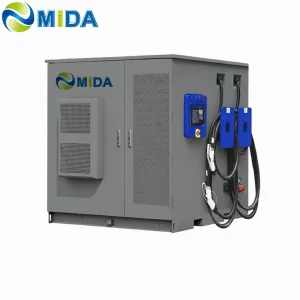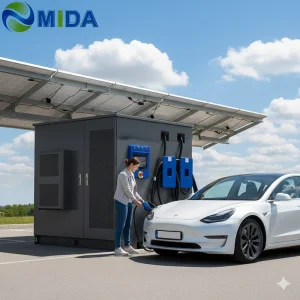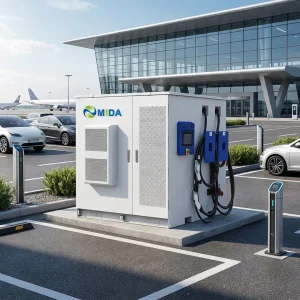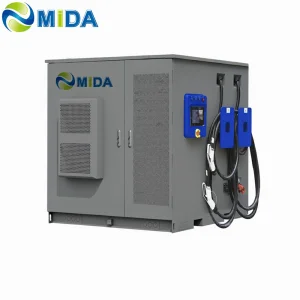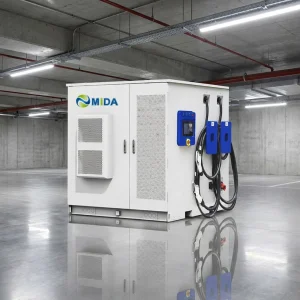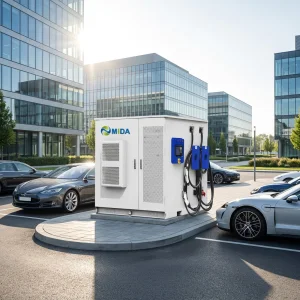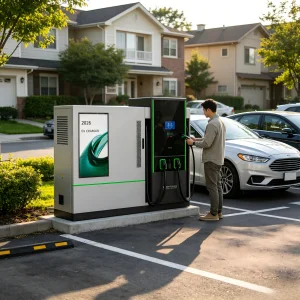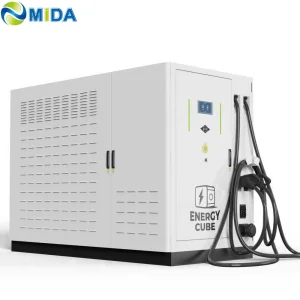
Pre-engineered and winterized battery energy storage systems integrated with high-speed DC charging units for remote deployment, fleet hubs, and demand-charge mitigation across Canada.
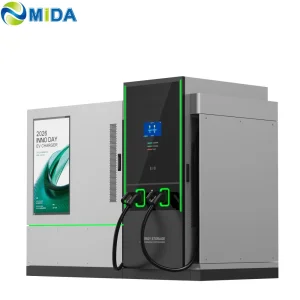
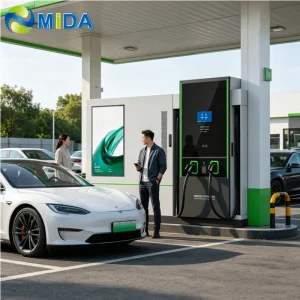
Operating electric vehicle charging infrastructure in Canada presents unique geographical, environmental, and financial challenges. From high Demand Charges in Ontario (under the Global Adjustment framework) and peak rate spikes in Alberta, to the grid-limited realities of Northern regions like Yukon and the Northwest Territories, traditional direct-grid DC fast chargers can be prohibitively expensive to install and operate.
Battery Energy Storage System (BESS) Charging Stations serve as the ultimate buffer. By storing grid or renewable (solar/wind) power during off-peak periods and discharging it to vehicles during peak demand hours, BESS allows fleet operators, highway service plazas, mining facilities, and commercial properties to install high-speed EV chargers without triggering costly utility grid upgrades.
Furthermore, our BESS units are custom-engineered with advanced thermal management systems, featuring liquid-cooled loops, active heaters, and high-density polyurethane insulation panels designed to sustain battery efficiency at temperatures dropping below -30°C.
How we tailor Chinese manufacturing efficiency to build ruggedized BESS systems that comply with North American safety and utility grid codes.
Optimize energy expenditure by bypassing peak rate structures. Store energy when electricity prices are low, and supply high-current power during peak vehicle-charging periods without relying heavily on local distribution transformers.
Batteries are highly sensitive to Canadian winters. Our integrated liquid thermal management loops automatically pre-heat the cells before charging cycles, preventing lithium plating and degradation in sub-zero environments.
We work with global certification bodies (Intertek, SGS, TÜV) to supply components and enclosures meeting UL 9540 (Energy Storage Systems), UL 9540A (Thermal Runaway Testing), CSA C22.2, and FCC Class A standards.

Shanghai Mida Cable Group Ltd. operates through its wholly owned subsidiaries: Shanghai Mida EV Power Co., Ltd., Shenzhen Mida EV Power Co., Ltd., and Shanghai Mida New Energy Co., Ltd. As a vertically integrated manufacturer, we control the quality of every element inside our BESS charging systems—from heavy-duty liquid-cooled cables to state-of-the-art bidirectional power converter systems.
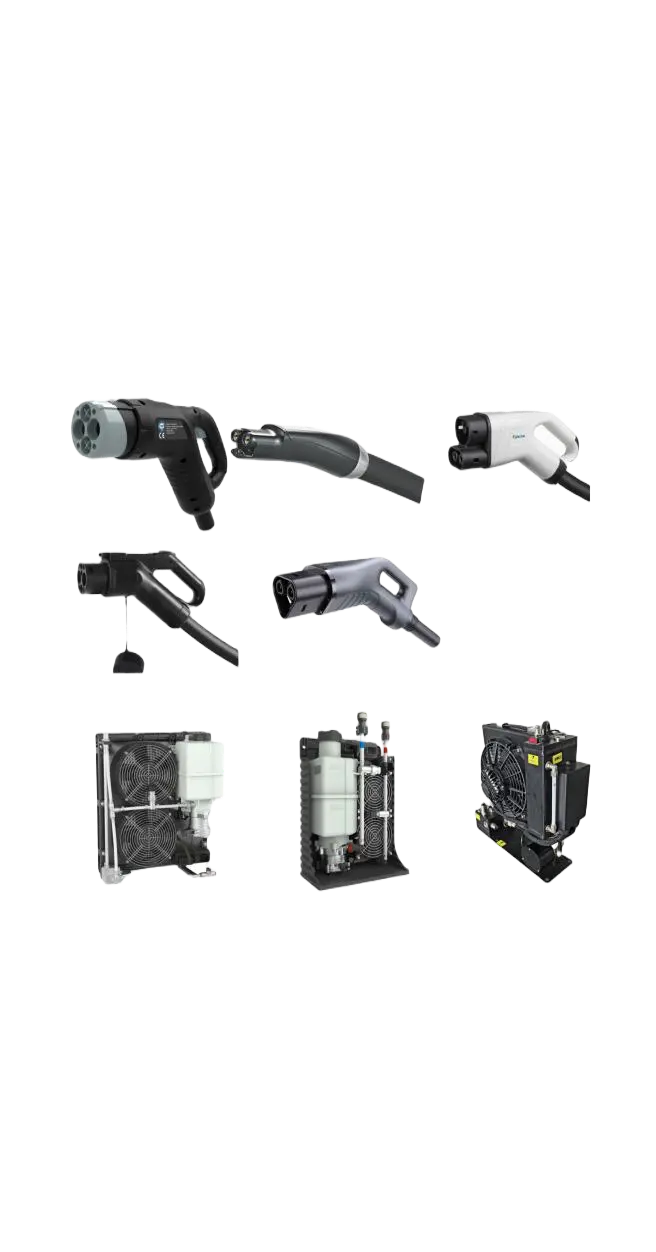
Mida Cable manufactures a comprehensive range of EV charging cables, including 16A–80A J1772 cables, 16A–63A IEC 62196-2 Type 2 cables, and DC fast charging cables: CCS1 (80A–500A), CCS2 (125A–1000A), CHAdeMO (125A–300A), GBT (200A–1000A), and NACS connectors (250A–600A) tailored for North American and European platforms.
MIDA EV Power produces a full lineup of EV charging stations, such as 7kW–50kW mobile chargers, 3.6kW–7.2kW portable DC chargers, 360kW–1440kW split-type DC fast chargers, 20kW–50kW wall-mounted DC chargers, and 60kW–480kW floor-standing DC fast charging stations.
MIDA New Energy specializes in EV charger power modules, offering 20kW–60kW standard modules, 40kW–125kW liquid-cooled modules, 30kW–62.5kW bidirectional modules, and 20kW–45kW V2G charging modules.
Combining world-class battery supply chains with localized North American engineering compliance.
China is the global powerhouse for Lithium Iron Phosphate (LFP) chemistry, housing the majority of the world's raw material refining and cell manufacturing capacity (including Tier 1 providers like CATL, BYD, and EVE). This concentration allows us to build BESS systems with significantly higher volumetric energy densities and cycle lives at a fraction of the cost of local assembly.
By choosing Mida Group, you gain access to an optimized supply chain. We handle the integration of structural container design, fire suppression (NFPA 855 / Aerosol / Novec 1230), liquid thermal cooling units, and high-performance DC power modules under one roof, ensuring seamless component interoperability.
A typical off-the-shelf Chinese BESS requires substantial modification to operate in Canada. Mida Group specializes in this critical customization:
Explore our core infrastructure segments designed to support diverse charging network demands.
Wall-Mounted/Mobile EV Charger solutions spanning 7kW, 20kW, 30kW, 40kW, 60kW, and 80kW outputs.
View Series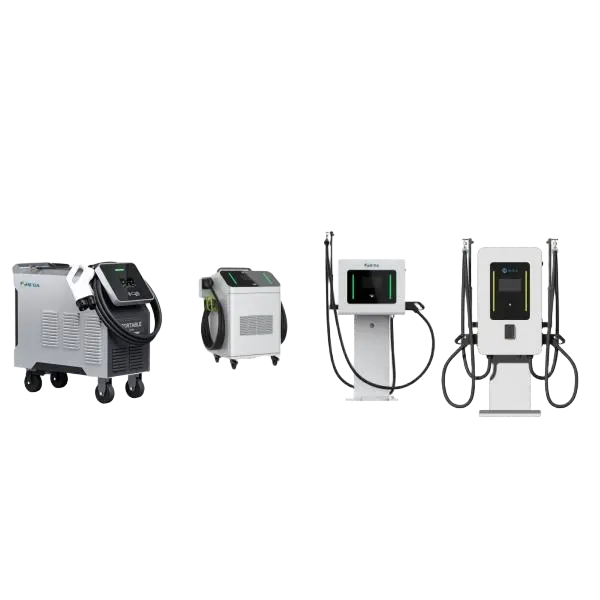
High-power floor-standing systems ranging from 60kW-480kW and scalable split-type 360kW-1440kW setups.
View Series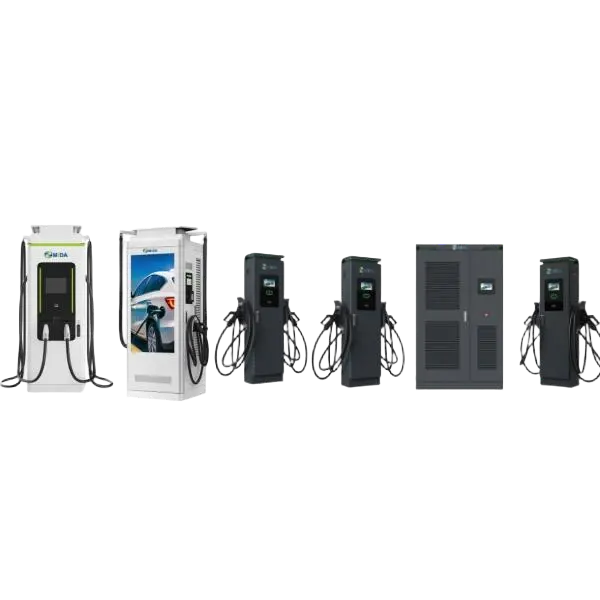
High capacity energy storage units starting from 60kWh to megawatt-scale 2MWh battery enclosures.
View Series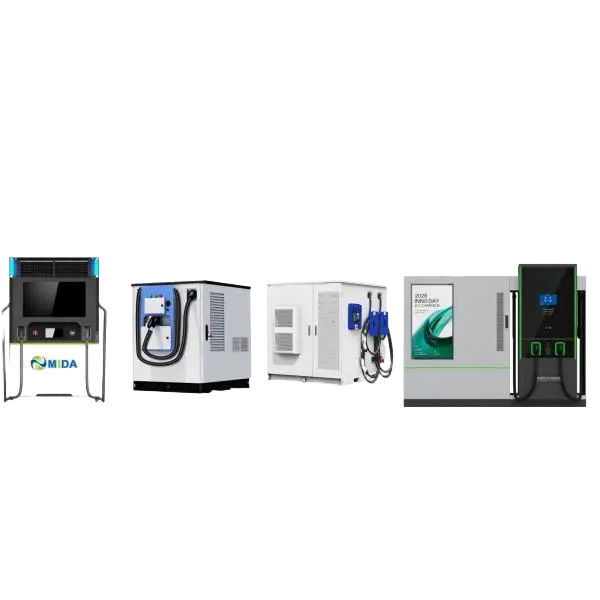
Explore specialized component designs manufactured by Mida Group to construct robust charging stations.
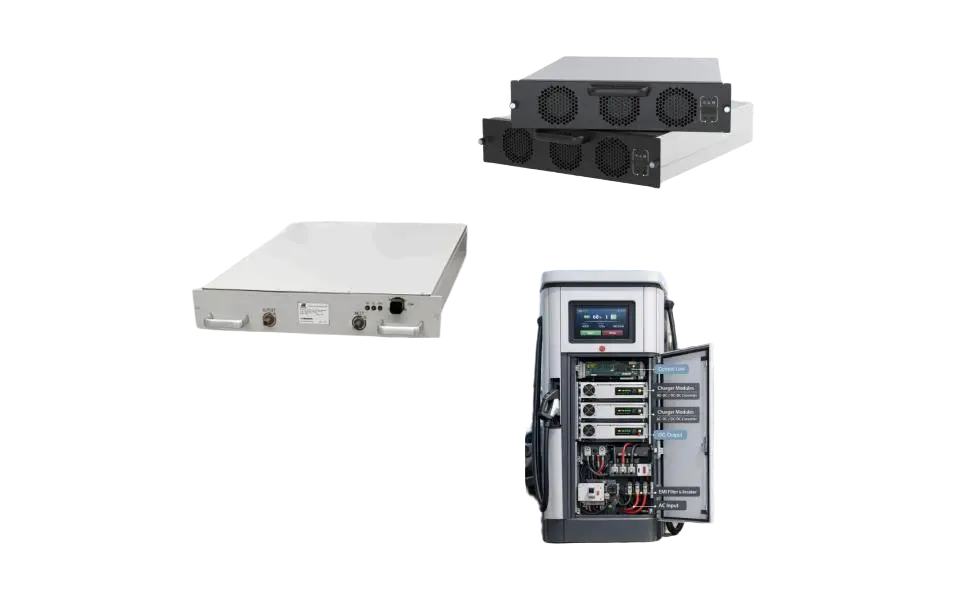
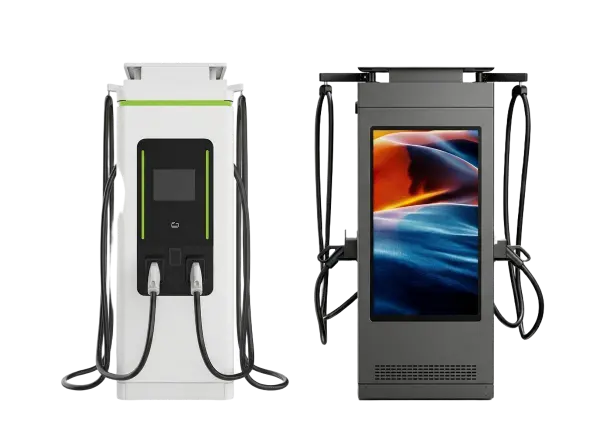
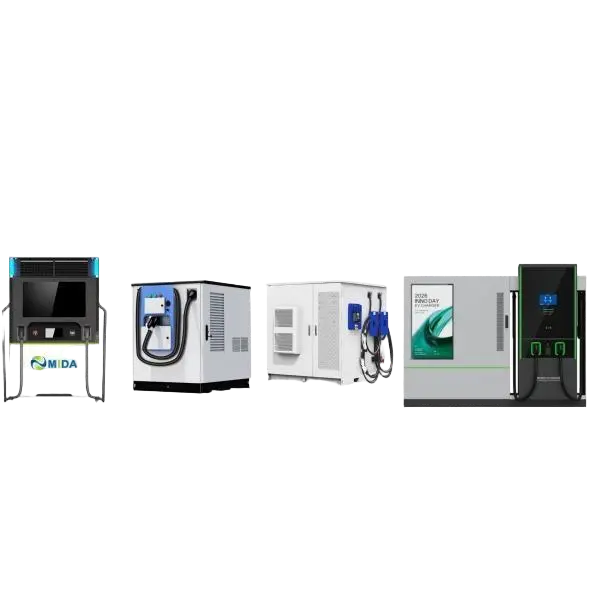
Explore our complete commercial and industrial energy storage EV charger models. Configurable with NACS, CCS1, and CCS2 plugs to fit North American utility installations.
Insights on heavy-duty vehicle electrification, dynamic charging infrastructure, and public transit solutions.
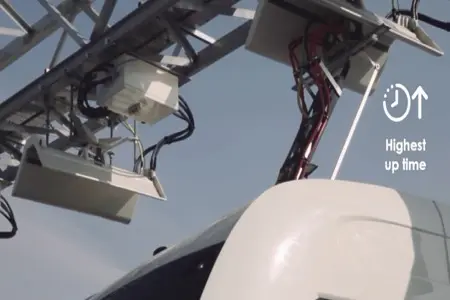
What are the advantages of an e-bus pantograph dome? In contrast to classic plug-in charging systems, e-bus pantographs offer high-power automation...
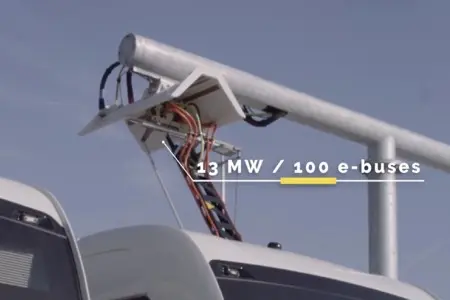
How long does it take to charge with an e-bus pantograph? The charging time depends on the battery capacity, chemistry, and output parameters...
How to Install the Pantograph Up Charger System Dome for Electric Bus. Step-by-step review of alignment, grid integration, and structural requirements...
Detailed technical advice on cold performance, electrical codes, logistics, and ROI validation.