Malaysia Clean Mobility & Grid Compliance Report

BESS Charging Station Suppliers & Factories for Malaysia

Empowering Peninsular & East Malaysia's EV Infrastructure with Grid-Scale Battery Storage Integration (BESS), Localized Compliance & High-Yield CAPEX Solutions.

Tailored EV Charging & Storage Form Factors

Explore our targeted product categories engineered to facilitate the transition to green transport across ASEAN regions.

AC EV Charger

Wall-Mounted / Mobile

AC EV Charger

7kW 20kW 30kW 40kW 60kW 80kW Solutions

Inquire Product →

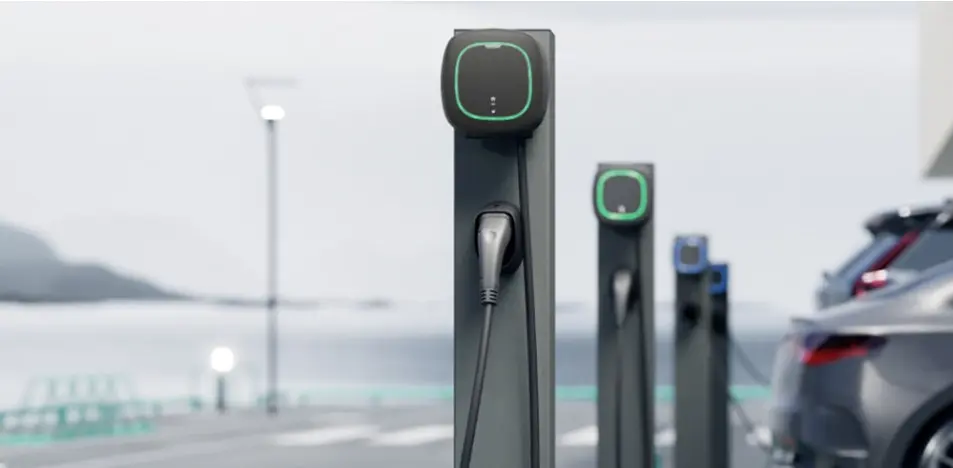
Wall-Mounted Charger

High Performance AC & DC

Wall-Mounted EV Charger

Optimized for Commercial & Residential Hubs

Inquire Product →

DC Charger Station

60kW-480kW & 360kW-1440kW

DC Charger Station

Split-type & Liquid Cooled Systems

Inquire Product →

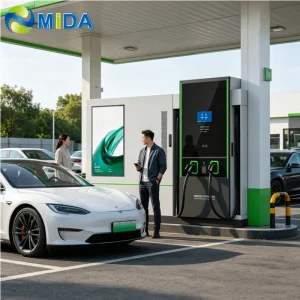
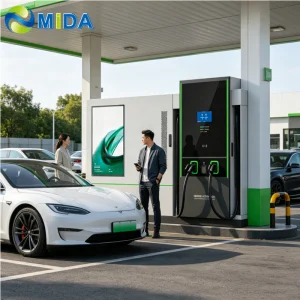
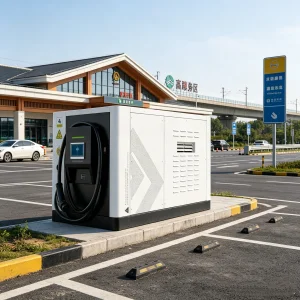
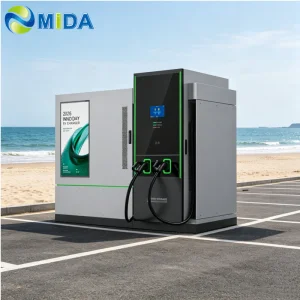
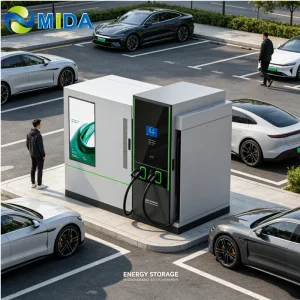
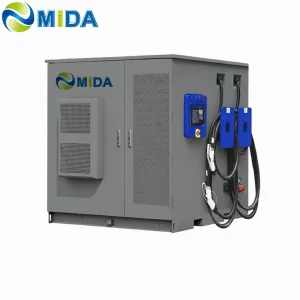
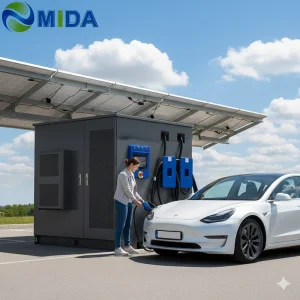
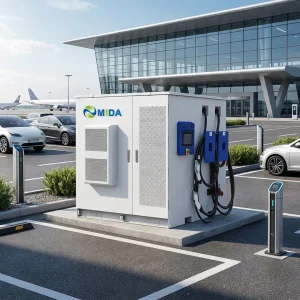
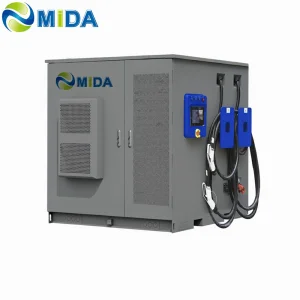
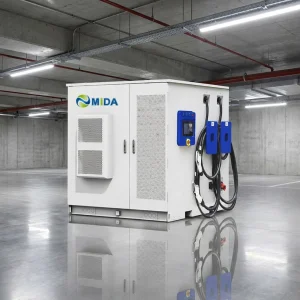
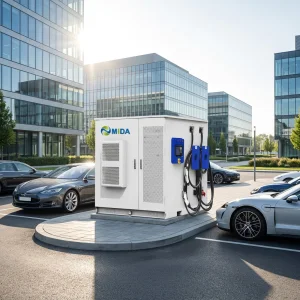
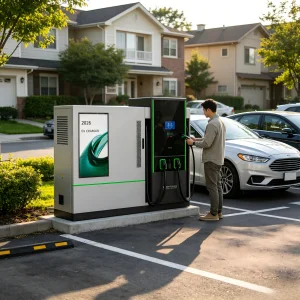
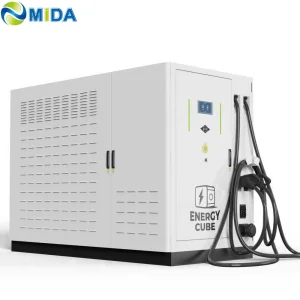
BESS Charging Station

60kWh to 2MWh+ Systems

BESS Charging Station

Grid-Tied Peak Shaving Architecture

Inquire Product →

Industry Whitepaper: The Strategic Role of BESS Charging Infrastructure in Malaysia

As Malaysia aggressively pursues carbon neutrality targets defined under the National Energy Transition Roadmap (NETR) and the Low Carbon Mobility Blueprint (LCMB) 2021-2030, the goal to deploy 10,000 public EV charging stations by 2025 has encountered a major bottleneck: grid infrastructure readiness. Adding high-power DC fast chargers (120kW to 480kW) directly to existing medium and low-voltage distribution networks threatens grid stability, causing voltage sags, localized congestion, and exorbitant peak-demand tariffs.

Battery Energy Storage System (BESS) integrated EV charging stations emerge as the key infrastructure solution. By decoupling high-power fast charging demand from the physical limitations of the grid, BESS stations act as active grid buffers. These smart units store energy during off-peak hours and discharge it to deliver high-current power during rapid-charging sessions. This mitigates peak loads and bypasses costly utility transformer upgrades.

10,000
EV Stations Goal by 2025
TNB C2
Avoid Peak Tariffs
>6000
LFP Battery Cycle Life
100%
Bomba Safety Compliant

1. Understanding Malaysia's Local Grid Landscape: TNB, SESB & SEDA Regulations

In Peninsular Malaysia, the electricity distribution network is managed by Tenaga Nasional Berhad (TNB), while Sabah is served by Sabah Electricity Sdn Bhd (SESB) and Sarawak by Sarawak Energy. Grid connectivity guidelines strictly limit peak power injection and step-loads. Incorporating DC fast chargers without localized storage requires a dedicated substation upgrade if the total connected load exceeds local transformer limits.

Furthermore, industrial and commercial operators are subject to TNB's time-of-use (TOU) tariffs. During peak hours (typically 08:00 to 22:00), demand charges can heavily penalize charging hub operators. A BESS charging station with integrated energy storage capacity enables peak-shaving and load-shifting. By drawing power from the grid during off-peak periods (22:00 to 08:00) when energy is cheap, and discharging it during peak utilization, operators can reduce monthly utility bills by up to 40%.

2. Technological Architecture of BESS Stations for Hot & Humid Climates

Malaysia's tropical climate—characterized by high ambient temperatures ranging between 25°C and 38°C and persistent humidity—presents challenges for battery thermal management. Standard lithium-ion configurations degrade rapidly under sustained heat, leading to capacity fade and thermal runaway risks.

MIDA's BESS charging systems use premium Lithium Iron Phosphate (LFP) cells, recognized for superior thermal stability, safety profile, and extended lifespan of over 6,000 cycles at 80% Depth of Discharge (DoD).

  • Liquid Cooling System: Our advanced liquid-cooling loops keep LFP cell temperatures under 35°C even during rapid 1C charge/discharge cycles in 40°C ambient conditions.
  • IP55 / IP65 Enclosure Protection: High-ingress protection safeguards electrical components and power modules from moisture, salt-spray corrosion (critical for coastal deployments in Penang, Kuantan, and East Malaysia), and dust.
  • Intelligent EMS (Energy Management System): Employs adaptive algorithms that communicate with the local grid, photovoltaic arrays (solar MPPT input), and the EV charging controller via OCPP 1.6J and OCPP 2.0.1 protocols.
Parameters Standard DC Charger (Direct Grid) Integrated BESS Fast Charger Solar-Assisted BESS Charger
Grid Infrastructure Requirement High (Needs transformer upgrade) Low (Plugs into existing lines) Minimal (Supports off-grid mode)
Peak Demand Surcharge Risk Severe (High peak loads) None (Peak shaving active) Eliminated (Leverages PV generation)
Emergency Operation (Blackout) Non-functional Active (Back-up power supply) Active (Microgrid island mode)
CAPEX Recovery (ROI) 4 - 6 Years 2.5 - 3.5 Years 2 - 3 Years (Combined solar incentives)

3. Regulatory Compliance: Suruhanjaya Tenaga & Bomba Certification

To legally operate a public BESS charging station in Malaysia, suppliers and installers must secure approvals from multiple regulatory agencies:

  • Suruhanjaya Tenaga (Energy Commission): Operators must obtain an Electric Supply License for Public Charging Installations, ensuring compliance with Section 9 of the Electricity Supply Act.
  • Jabatan Bomba dan Penyelamat Malaysia (BOMBA): Energy storage enclosures must strictly comply with fire safety guidelines, requiring automatic gas-phase aerosol or Novec 1230 fire suppression systems, temperature/smoke gas sensors, and containment barriers.
  • SADA / SEDA (Sustainable Energy Development Authority): Important when integrating local Net Energy Metering (NEM 3.0) solar programs, which allow excess PV energy to be offset on the utility bill.

Download Whitepaper

Get the complete 2025 Malaysia BESS Charging Infrastructure Feasibility Study and Technical Integration Manual.

Get the PDF Report

Key Integration Partners

Our systems comply with major ASEAN regional standards, including Singapore's TR25, Malaysia's MS IEC standards, and global IEEE certifications.

BESS Production Flow
Manufacturer Profile

WELCOME TO MIDA GROUP

Shanghai Mida Cable Group Ltd. operates through its wholly owned subsidiaries: Shanghai Mida EV Power Co., Ltd., Shenzhen Mida EV Power Co., Ltd., and Shanghai Mida New Energy Co., Ltd.

Mida Cable manufactures a comprehensive range of EV charging cables, including 16A–80A J1772 cables, 16A–63A IEC 62196-2 Type 2 cables, and DC fast charging cables: CCS1 (80A–500A), CCS2 (125A–1000A), CHAdeMO (125A–300A), GBT (200A–1000A), and NACS connectors (250A–600A).

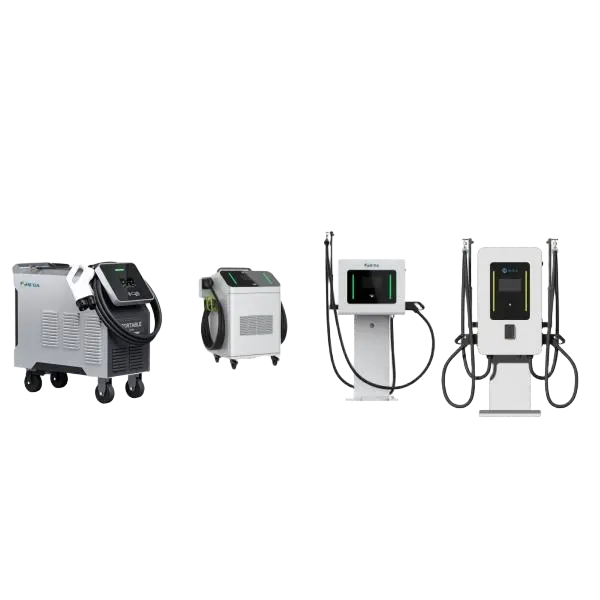
MIDA EV Power produces a full lineup of EV charging stations, such as 7kW–50kW mobile chargers, 3.6kW–7.2kW portable DC chargers, 360kW–1440kW split-type DC fast chargers, 20kW–50kW wall-mounted DC chargers, and 60kW–480kW floor-standing DC fast charging stations.

MIDA New Energy specializes in EV charger power modules, offering 20kW–60kW standard modules, 40kW–125kW liquid-cooled modules, 30kW–62.5kW bidirectional modules, and 20kW–45kW V2G charging modules.

MIDA Logo

Industrial Equipment Range & Specifications

Advanced system modules, connector options, and ultra-high-power fast-charging architecture designed for long-term utility deployments.

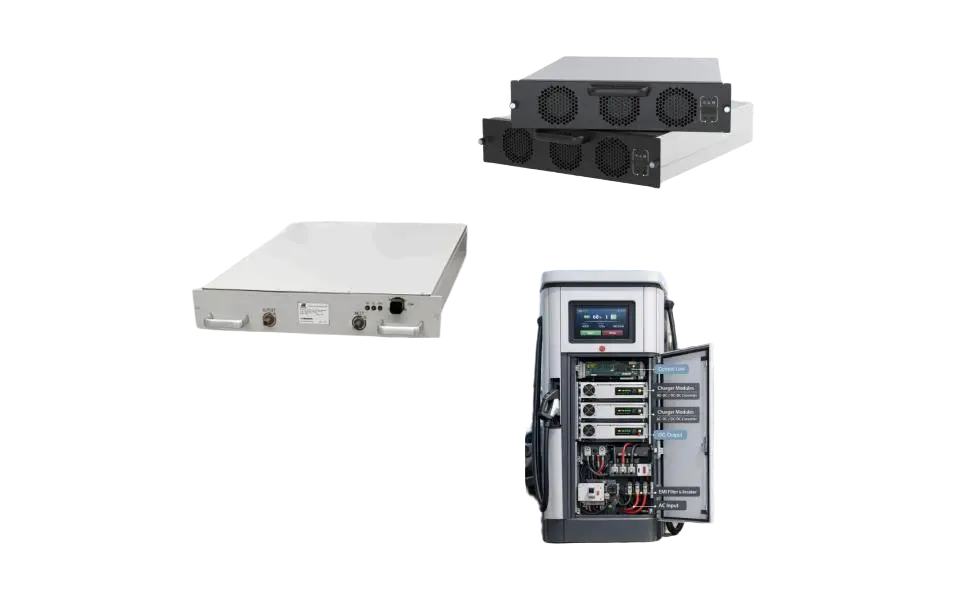
EV Charging Power Module

  • 30kW / 40kW / 50kW / 60kW / 80kW AC DC EV Charger Module
  • 30kW / 40kW / 50kW / 60kW DC DC EV Charger Module
  • 40kW / 60kW / 75kW / 125kW Liquid Cooled Power Module
  • 20kW / 22kW / 30kW / 40kW / 45kW V2G Power Module
  • 30kW / 40kW / 50kW / 60kW MPPT Power Module
  • 20kW / 50kW / 62.5kW Bidirectional AC DC Power Module
Request Technical Quote →
EV Charging Power Module

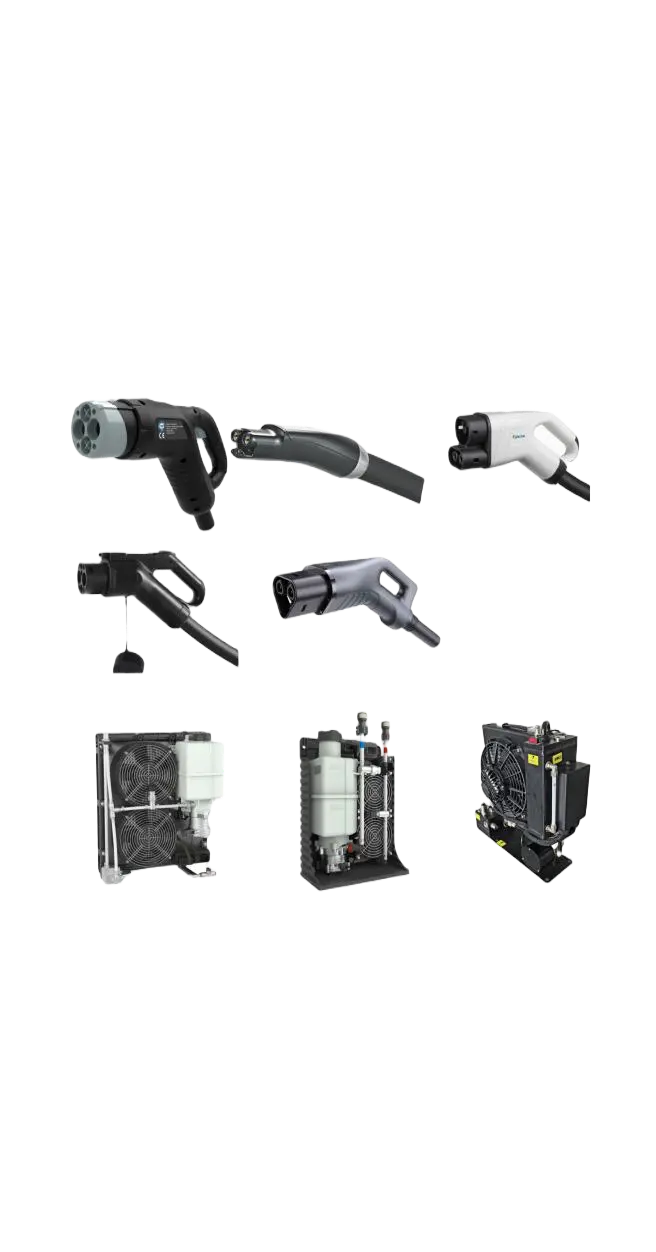
DC Charging Connector & Cooling Unit

  • 500A 600A CCS1 & CCS2 & GBT Connector
  • 125A 250A 300A 350A NACS & CHAdeMO Connector
  • 1500A MCS Connector & CHAOJI Connector
  • 3.5kW 4.5kW 6kW 9kW Integrated Liquid Cooling Unit
  • 2.4kW 3.5kW Split Type Cooling Unit
  • 25kW ~ 72kW Cooling Unit for HPC Charging
Request Technical Quote →
DC Charging Connector & Liquid Cooling Unit

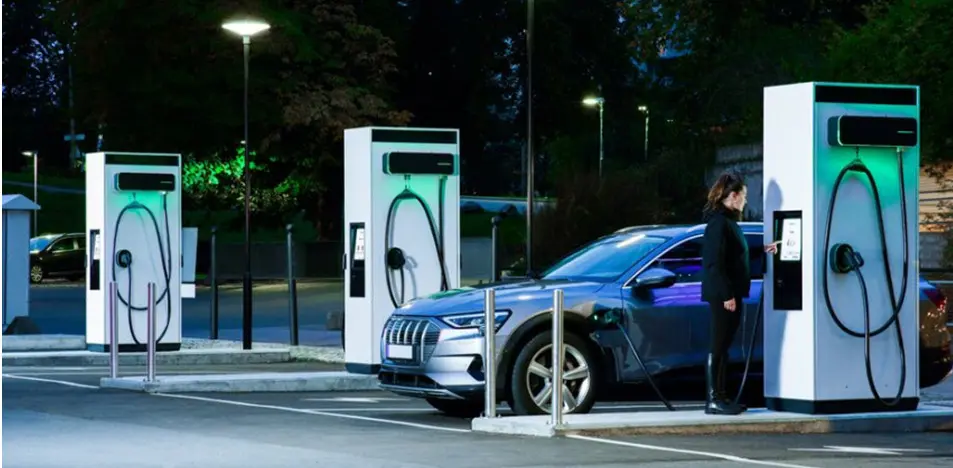
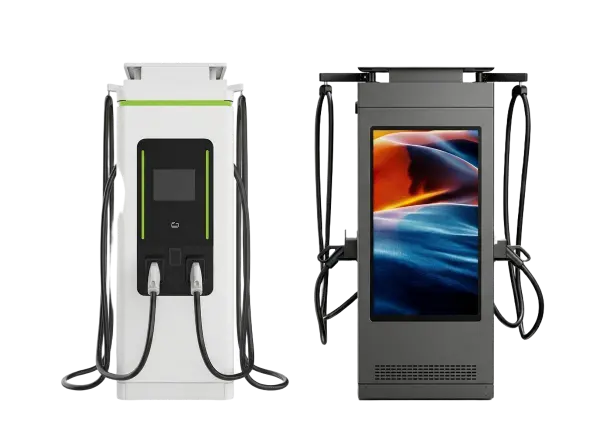
DC Fast Charger Station

  • 7kW~ 60kW Mobile DC Charging Station
  • 20kW ~80kW Wall Mounted DC Charging Station
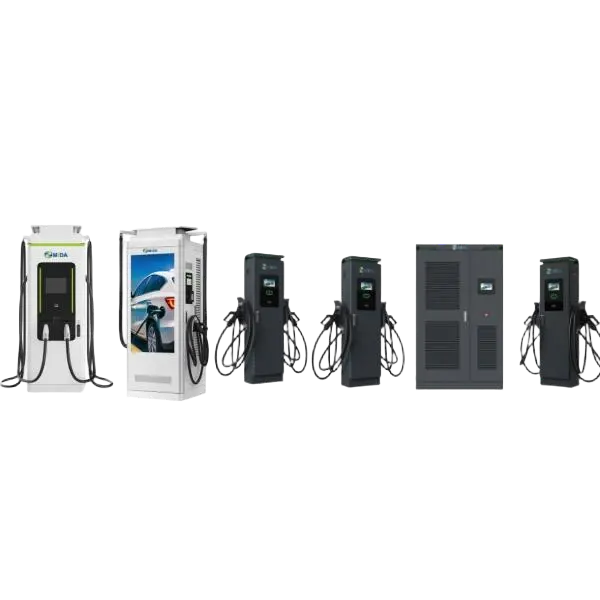
  • 60kW ~480kW Floor Mounted Charging Station
  • 60kW~240kW Advertising Charging Station (43inch , 55inch )
  • 600kW ~1080kW Liquid Cooled Charging Station
  • 360kW ~ 1680kW Split Type DC Charging Station
Request Technical Quote →
DC Fast Charger Station

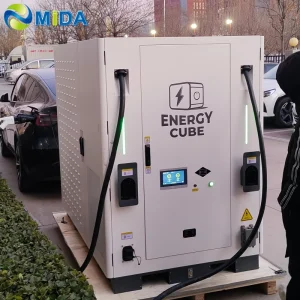
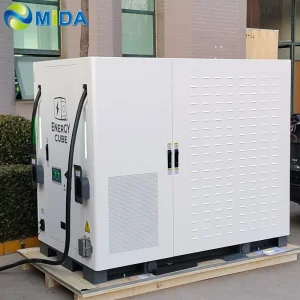
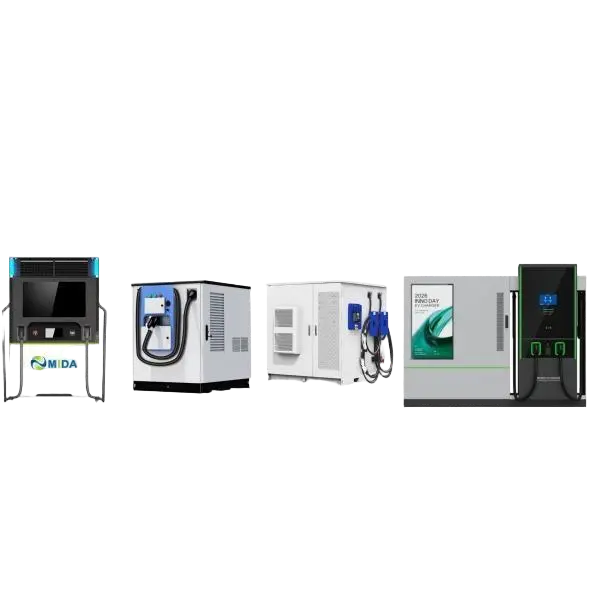
Energy Storage Charging Station

  • 15kW~480kW Mobile ESS Charging Station
  • 60kW ~ 400kW Integrated ESS Charging Piles
  • 65kWh~200kWh Emergency Rescue Charging Station
  • 165kwh Automatic Charging Robot
  • 800kwh~2000kwh Solar Energy Charging System
Request Technical Quote →
Energy Storage Charging Station

Strategic Microgrid Solutions: Deploying Integrated Energy Storage Systems

BESS solutions deployed across major highway stretches—such as the PLUS Expressways (E1, E2) connecting Kuala Lumpur, Johor Bahru, and Penang—must deliver high uptime and rapid energy dispatch. At these remote R&R rest stops, grid feeds are frequently limited to 100kVA or 150kVA, making it impossible to support multiple 180kW high-power DC fast-charging bays simultaneously.

By integrating a 200kWh or 261kWh LFP BESS container, the local site can deliver up to 360kW of aggregate charging power across 4 charging ports. The grid connection continuously recharges the battery at a modest rate of 30kW to 50kW, avoiding high-power spikes on the grid and lowering demand charges.

Additionally, commercial malls and office towers in Klang Valley can utilize BESS-assisted charging piles to participate in grid response programs and comply with the Energy Efficiency and Conservation Act (EECA). If the main building load approaches peak threshold capacity, the BESS station isolates itself from the grid, sourcing energy internally from stored batteries to maintain continuous EV charging services without tripping the facility's master breaker.

Technical Roadmap: Designing the Future of BESS Charging in Malaysia

Designing high-performance BESS charging systems for the Malaysian market requires planning for future battery innovations and changing user expectations. Our technical roadmap focuses on three main developments:

1. High-Voltage 1000V Architectures

As EV manufacturers move from 400V to 800V/1000V drivetrain systems (like the Porsche Taycan, Hyundai Ioniq 5, and next-gen commercial electric trucks), charging stations must adapt. Our BESS power modules support 150V to 1000V wide-output range configurations, enabling optimal efficiency at both high and low voltage stages without overheating.

2. V2G (Vehicle-to-Grid) Bidirectional Integration

Bidirectional charging allows EV fleets to act as mobile power banks. During grid stress events in Peninsular Malaysia, large electric bus fleets or commercial vehicles can discharge energy back into the BESS station or the local building grid, generating revenue for fleet operators under TNB's demand-response programs.

3. Transition to Megawatt Charging Systems (MCS)

For heavy logistics hubs along the North-South Expressway, standard CCS2 connectors (limited to 500A) are insufficient. The development of MCS (supporting up to 3000A) will require dedicated MW-scale local battery energy buffers. MIDA is developing MCS-compatible power blocks that interface directly with our modular containerized BESS arrays.

Corporate News & Technical Insights

Keep up to date with the latest innovations, deployment guides, and design solutions for modern mass transport systems.

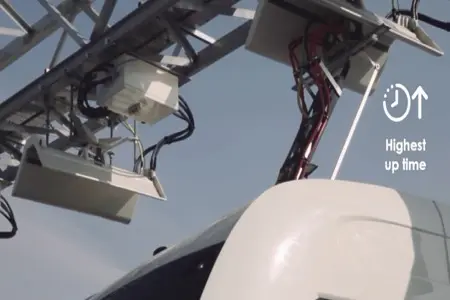
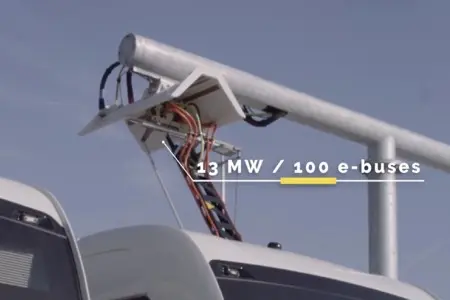
Pantograph dome system info
What are the advantages of an e-bus pantograph dome? In contrast to classic plug-in charging systems, e-bus pantograph systems offer automated, high-power energy transfer, making them suitable for fast urban transit terminals.
2026-07-12 View More
E-bus pantograph dome charge time
How long does it take to charge with an e-bus pantograph? The charging time depends on the battery capacity and the station's output, usually requiring only 5 to 10 minutes for mid-route top-ups.
2026-07-12 View More
Install Pantograph Up Charger System
How to Install the Pantograph Up Charger System Dome for Electric Bus. Installing a "Pantograph Up" system requires structural alignment, integration with power distribution cabinets, and compliance with municipal safety codes.
2026-07-12 View More
High power installation background

Frequently Asked Questions

Get professional advice on procuring, complying, and deploying integrated BESS charging systems in Malaysia.

Q1: Why is BESS-assisted charging preferred over direct grid-tied DC chargers in Malaysia?
Direct grid-tied fast chargers draw high peak currents, which can require costly upgrades to TNB transformers and trigger peak-demand tariffs. A BESS system charges the battery at a lower rate during off-peak hours and discharges it quickly during vehicle charging. This avoids upgrades, reduces peak-demand surcharges, and provides backup power during grid outages.
Q2: What local standards govern fire safety for BESS enclosures in Malaysia?
BESS installations must comply with MS IEC standards (such as MS IEC 62619 for safety and cell performance) and meet fire safety codes from Jabatan Bomba dan Penyelamat Malaysia (BOMBA). This includes automated gas-phase aerosol or Novec 1230 fire suppression systems, thermal sensors, and proper containment layouts.
Q3: Can these systems be integrated with solar PV arrays under NEM 3.0?
Yes, our BESS charging systems feature built-in bidirectional MPPT charge controllers. This allows direct integration with rooftop or carport solar systems, storing clean solar energy in the LFP battery buffer to run chargers at lower operational costs.
Q4: How do the high temperatures in Malaysia affect BESS lifespans?
Warm tropical conditions can accelerate lithium battery degradation. To counter this, our systems utilize premium LFP chemistry and advanced liquid cooling loops. This configuration maintains cell temperatures below 35°C during high-current operations, extending battery life to over 6,000 cycles.
Q5: Do you assist with local certifications and EPC installations in East Malaysia?
Yes, we collaborate with licensed local engineering, procurement, and construction (EPC) partners across Peninsular Malaysia, Sabah, and Sarawak. This team handles grid submissions (TNB/SESB/Sarawak Energy), Suruhanjaya Tenaga licensing, and Bomba approvals.
Accelerate Your EV Infrastructure Deployment

Get in touch with our team of engineers to design a BESS charging station tailored to your local grid constraints and operational requirements in Malaysia.