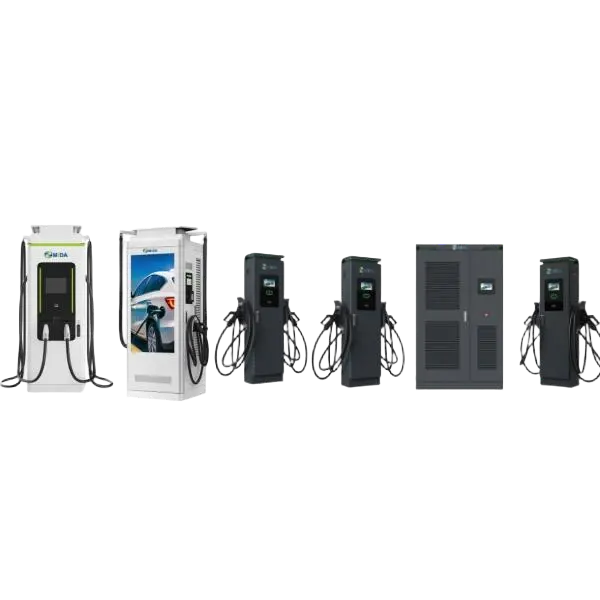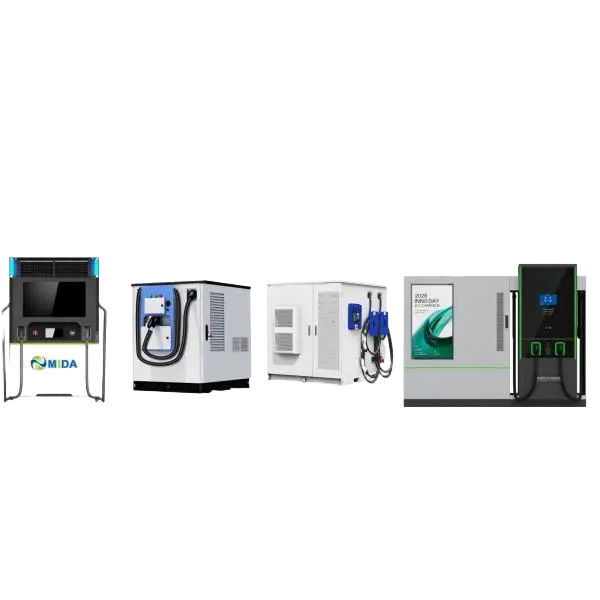
High-efficiency energy storage integration featuring advanced liquid-thermal management, dual-standard CCS2 compliance, and cold-soak resiliency for Finland's sub-zero operations.
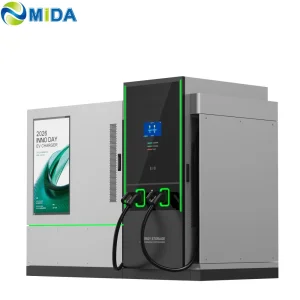
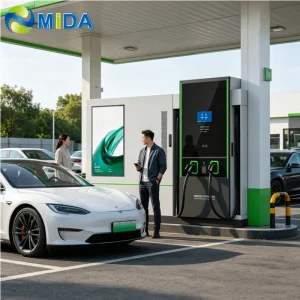
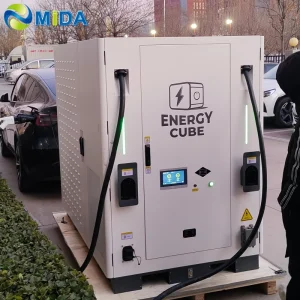
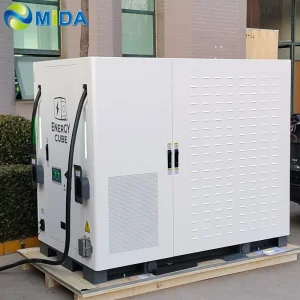
Solving the cold-climate utility equation through optimized local microgrids and battery storage.
Finland's ambitious target to reach carbon neutrality by 2035 has accelerated the deployment of battery electric vehicles (BEVs) and heavy electric logistics fleets. However, high-latitude geographic environments present unique obstacles: sub-zero temperatures (ranging down to -30°C in Lapland and central regions) reduce chemical battery capacity and trigger high space-heating loads. High-power DC fast chargers (HPDCs) operating without local buffer storage experience intense voltage drops and excessive grid-connection charges from regional distribution network operators (DSOs) like Caruna and Helen.
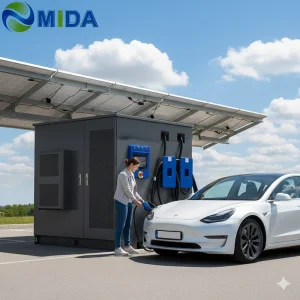
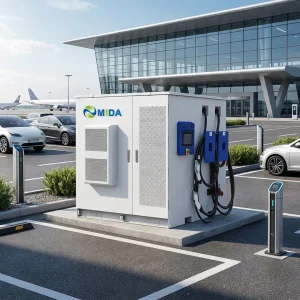
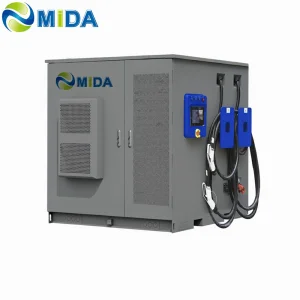
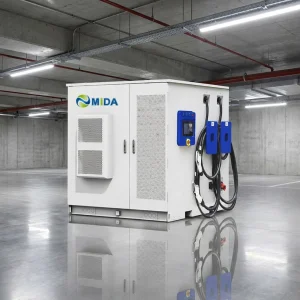
By deploying integrated Battery Energy Storage Systems (BESS) with DC fast-charging terminals, fleet operators, gas station networks (such as Neste and ABC), and municipal public transport agencies can mitigate peak demand spikes, transition to low-voltage grid connections, and dramatically lower capital investment requirements (CAPEX).
Engineering resilience into the structural core of lithium iron phosphate (LFP) technologies.
Our units utilize dynamic thermal management loops that pre-heat the cells using waste heat generated by the power conversion system (PCS) during DC charging cycles. This prevents internal lithium plating and allows rapid charging even when external ambient temperatures plummet below freezing.
All enclosures feature IP55/IP65 ingress ratings with maritime-grade C5-M anti-corrosion coating, defending electrical control modules against damp Nordic coastal air, heavy snowfall, and road salt degradation.
Integrated multi-sensor gas detection (CO, H2, smoke) coupled with Novec 1230 or Aerosol automatic fire suppression systems safeguards operations in urban locations and high-density depot installations.
In Finland, a BESS is not just a passive buffer for EV charging; it is a primary revenue generator. By integrating smart bidirectional AC/DC power modules (such as MIDA's V2G and bidirectional PCS systems), operators can bid active capacity into Fingrid's FCR-N (Normal) and FCR-D (Disturbance) reserve markets. During grid frequency deviations, the system automatically adjusts charging rates or injects active power into the grid in under 2.5 seconds, turning operational expenses into dynamic profits.
Navigating compliance, factory audits, and specialized component integration for Finnish projects.
Shanghai Mida Cable Group Ltd. operates through its wholly owned subsidiaries: Shanghai Mida EV Power Co., Ltd., Shenzhen Mida EV Power Co., Ltd., and Shanghai Mida New Energy Co., Ltd.
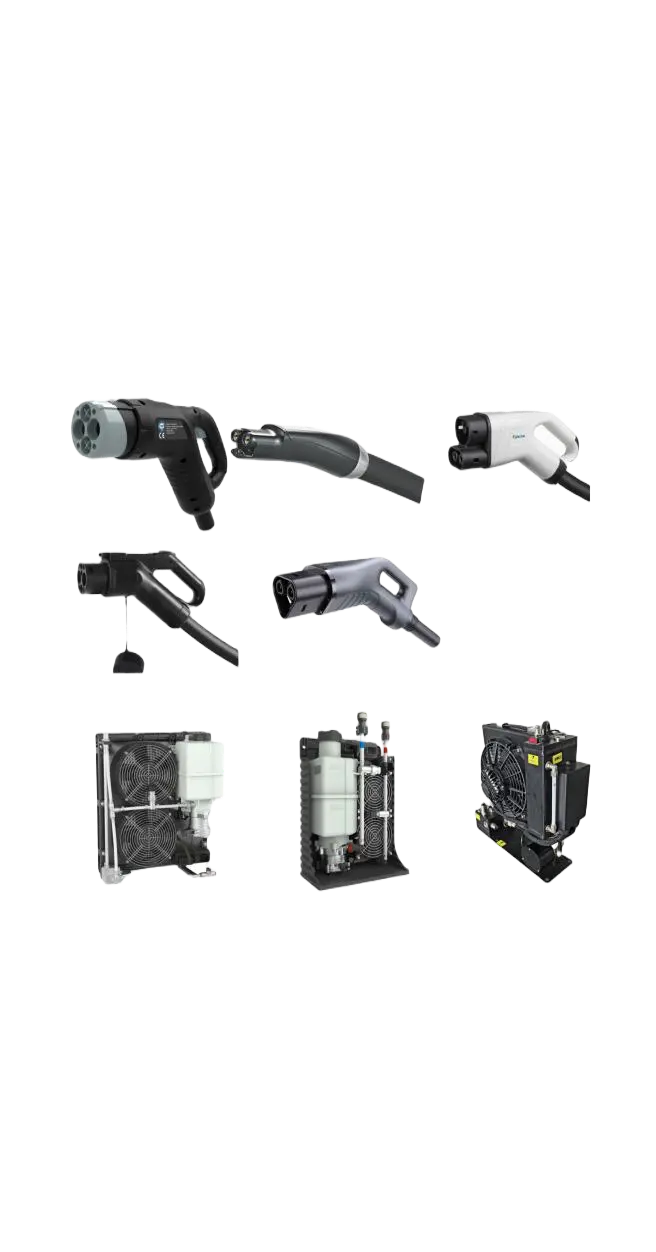
Mida Cable manufactures a comprehensive range of EV charging cables, including 16A–80A J1772 cables, 16A–63A IEC 62196-2 Type 2 cables, and DC fast charging cables: CCS1 (80A–500A), CCS2 (125A–1000A), CHAdeMO (125A–300A), GBT (200A–1000A), and NACS connectors (250A–600A).
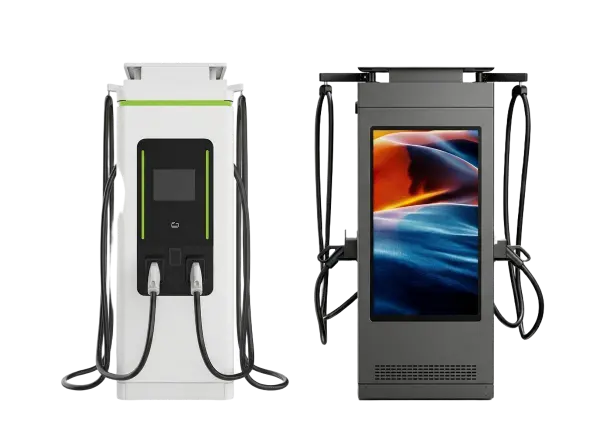
MIDA EV Power produces a full lineup of EV charging stations, such as 7kW–50kW mobile chargers, 3.6kW–7.2kW portable DC chargers, 360kW–1440kW split-type DC fast chargers, 20kW–50kW wall-mounted DC chargers, and 60kW–480kW floor-standing DC fast charging stations.
MIDA New Energy specializes in EV charger power modules, offering 20kW–60kW standard modules, 40kW–125kW liquid-cooled modules, 30kW–62.5kW bidirectional modules, and 20kW–45kW V2G charging modules.

Integrated solutions designed and manufactured to industrial standards.
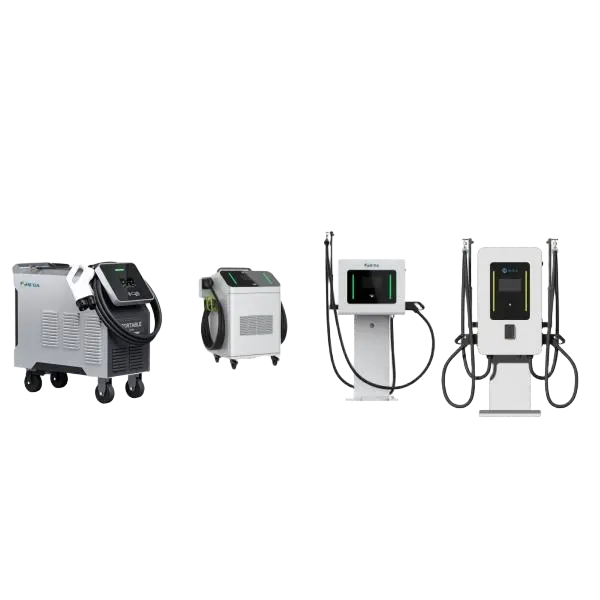
Power options: 7kW | 20kW | 30kW | 40kW | 60kW | 80kW
Customized architectures for grid-scale and commercial fleet integration.
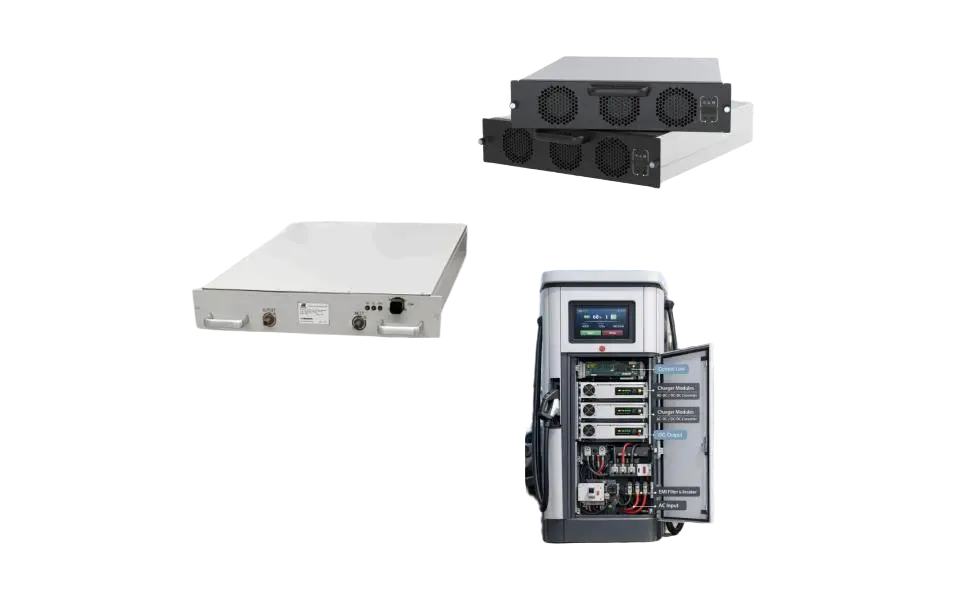
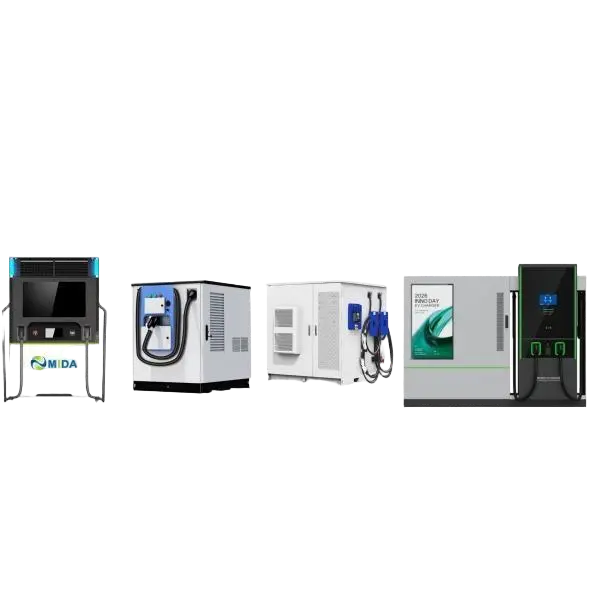
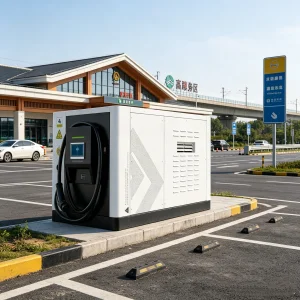
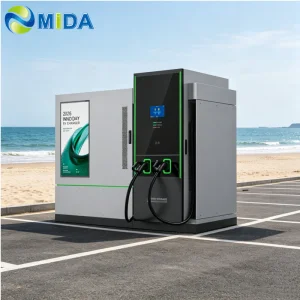
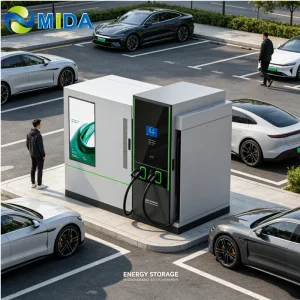
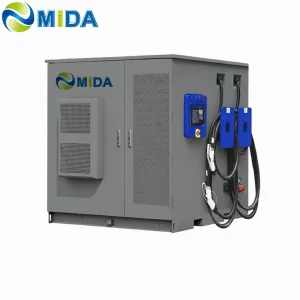
Customized storage integrations suited for grid balancing, rapid commercial depot setup, and off-grid high-latitude locations in Finland.
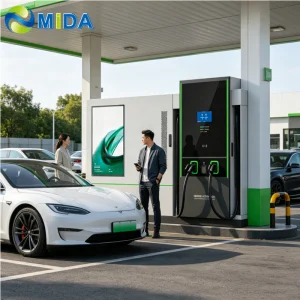
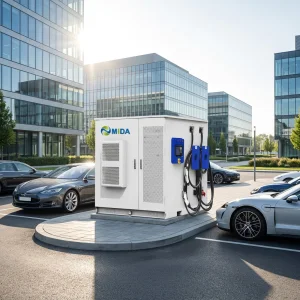
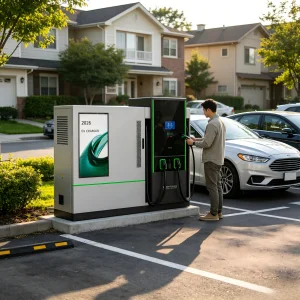
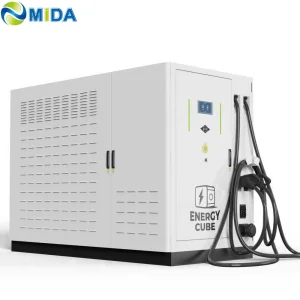
Stay updated with the latest in heavy commercial transport charging, pantograph structures, and grid integration.
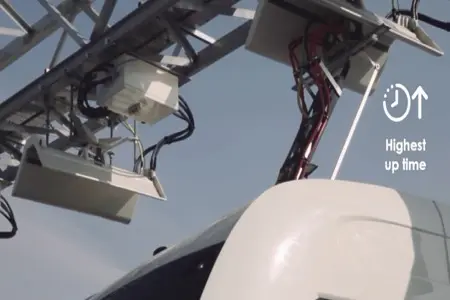
What are the advantages of an e-bus pantograph dome? In contrast to classic plug-in charging systems, e-bus pantograph dome solutions automate the physical grid connection, providing up to 450kW-600kW of continuous capacity in fleet yards.
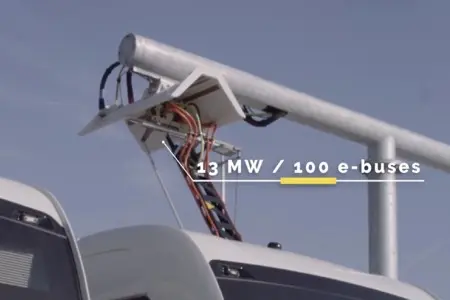
How long does it take to charge with an e-bus pantograph? The charging time depends on the battery capacity and the station's dynamic output. Learn how MIDA integrates local energy storage buffer systems to maximize continuous peak throughput.
How to Install the Pantograph Up Charger System Dome for Electric Bus. Installing a “Pantograph Up” system requires precise calibration of alignment tolerances, structural pole mounting, and specialized communications interfaces.
Addressing technical, operational, and financial compliance parameters for purchasing managers.