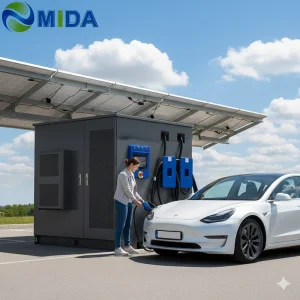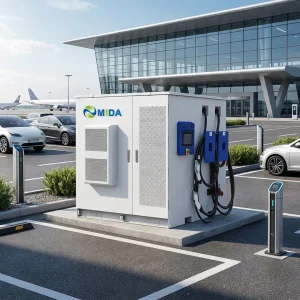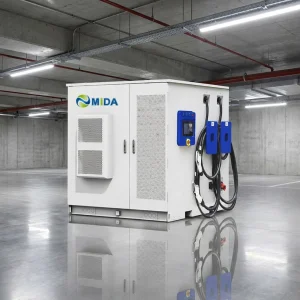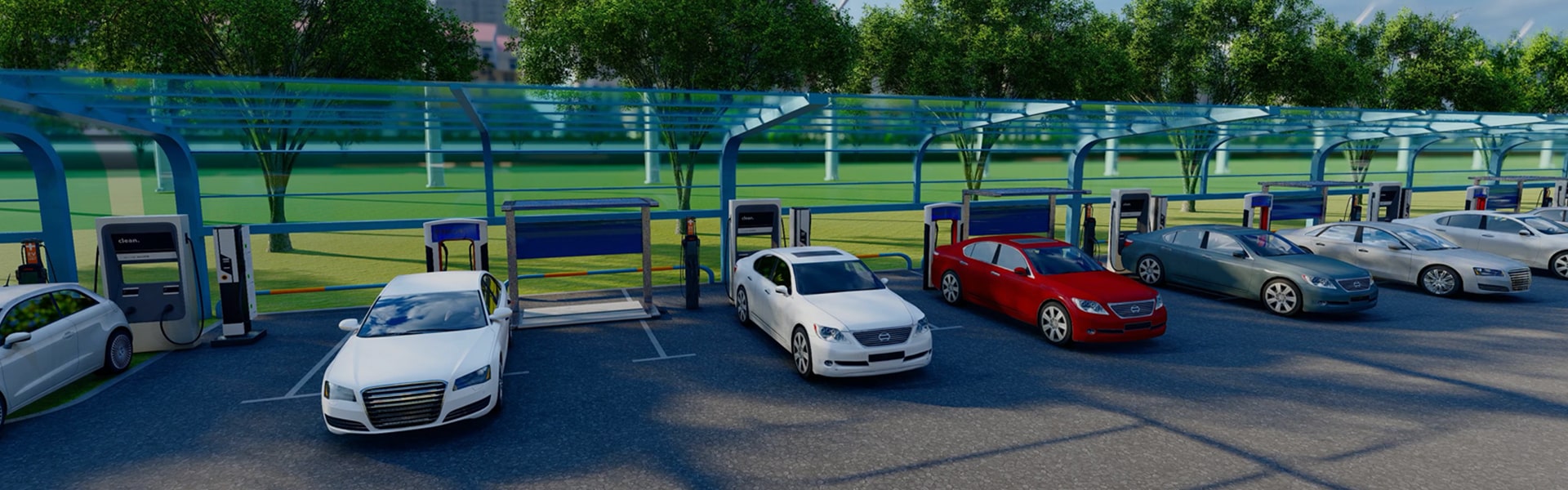
BESS Charging Station Supplier & OEM Solutions for South Korea

Reliable, KC-Compliant, and Scalable Battery Energy Storage Charging Systems for Industrial & Commercial Operations

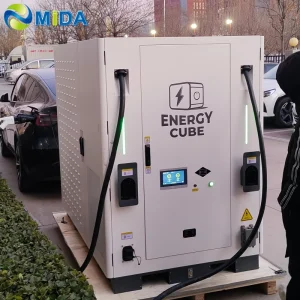
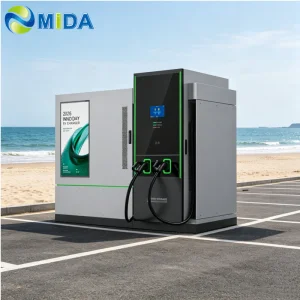
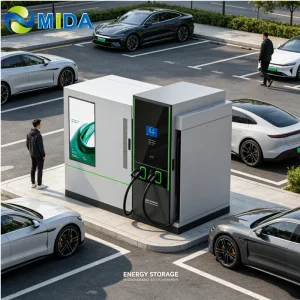
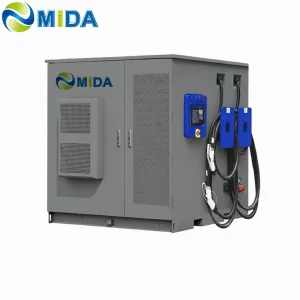
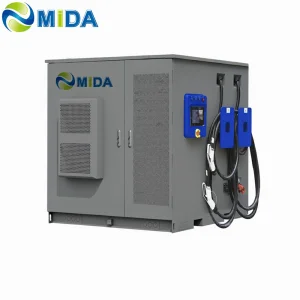
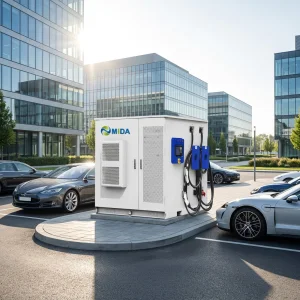
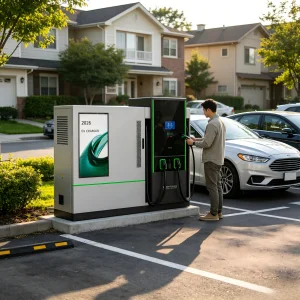
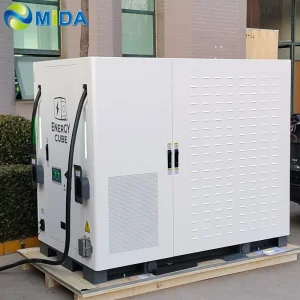
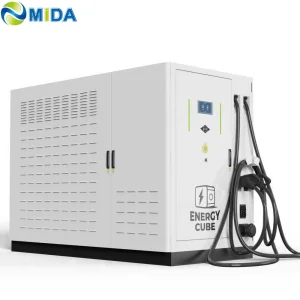
Featured BESS Charger Models Serving Korea Market

Deploy ultra-fast charging infrastructures with built-in high-capacity energy storage systems. Our standard and custom platforms bypass local grid constraints while minimizing peak tariff charges across major Korean industrial complexes.
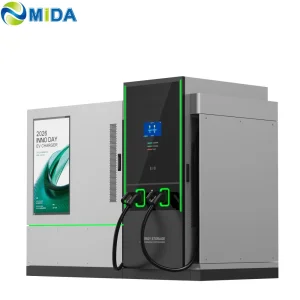
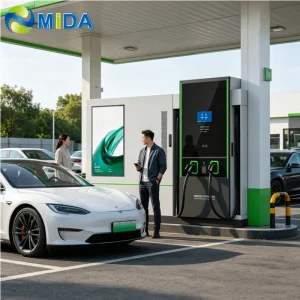
Industrial & Commercial EV Infrastructure Status in South Korea

South Korea is rapidly accelerating its structural transition toward sustainable energy grids, spearheaded by the national K-RE100 initiative and stringent emission limits across main economic sectors. However, the mass installation of high-capacity DC fast chargers creates significant demand spikes on localized distribution grids managed by KEPCO. Integrating Battery Energy Storage Systems (BESS) directly with EV fast charging architecture has emerged as the definitive technical standard to resolve grid capacity issues.

Particularly in densely populated urban centers like Seoul, Gyeonggi-do, and industrial hubs such as Ulsan and Busan, industrial zones frequently run into electrical capacity caps. Upgrading physical power lines and local substations is prohibitively expensive and logistically complex. Integrated BESS units act as structural shock absorbers—storing energy from the local grid during low-demand night hours (using cheaper off-peak commercial rates) and discharging it at high rates during midday EV charging sessions. This peak-shaving process drastically minimizes KEPCO demand charges while providing consistent, high-power DC charging without grid expansion.

500+
BESS Deployments Globally
98.5%
System Conversion Efficiency
<10ms
Grid-Tie Synchronization Time
100%
KC Standards Compliance

Welcome to MIDA Group

Shanghai Mida Cable Group Ltd. operates through its wholly owned specialized entities: Shanghai Mida EV Power Co., Ltd., Shenzhen Mida EV Power Co., Ltd., and Shanghai Mida New Energy Co., Ltd. Together, we constitute a powerhouse of R&D and manufacturing capacity for clean energy hardware.

Mida Cable manufactures a comprehensive range of EV charging cables, including 16A–80A J1772 cables, 16A–63A IEC 62196-2 Type 2 cables, and DC fast charging cables: CCS1 (80A–500A), CCS2 (125A–1000A), CHAdeMO (125A–300A), GBT (200A–1000A), and NACS connectors (250A–600A).

MIDA EV Power produces a full lineup of EV charging stations, such as 7kW–50kW mobile chargers, 3.6kW–7.2kW portable DC chargers, 360kW–1440kW split-type DC fast chargers, 20kW–50kW wall-mounted DC chargers, and 60kW–480kW floor-standing DC fast charging stations.

MIDA New Energy specializes in EV charger power modules, offering 20kW–60kW standard modules, 40kW–125kW liquid-cooled modules, 30kW–62.5kW bidirectional modules, and 20kW–45kW V2G charging modules.

MIDA Manufacturing Facility Overview

Advanced Architecture of MIDA EV Infrastructure Products

We provide vertically integrated charging infrastructure subsystems, ensuring high interoperability and industrial durability across dynamic operating environments.
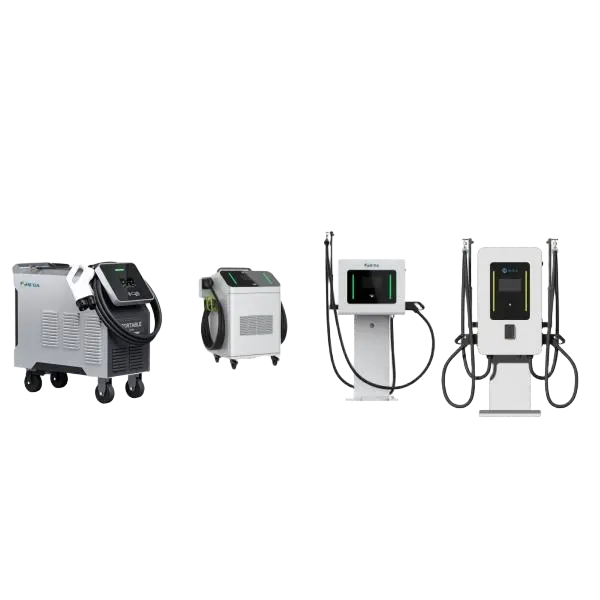
Wall-Mounted & Mobile EV Charger Solutions

Wall-Mounted / Mobile Chargers

Compact, high-frequency charging units ranging from 7kW to 80kW. Engineered for commercial depots, parking garages, and mobile fleet support operations.

AC EV Charger Portfolio
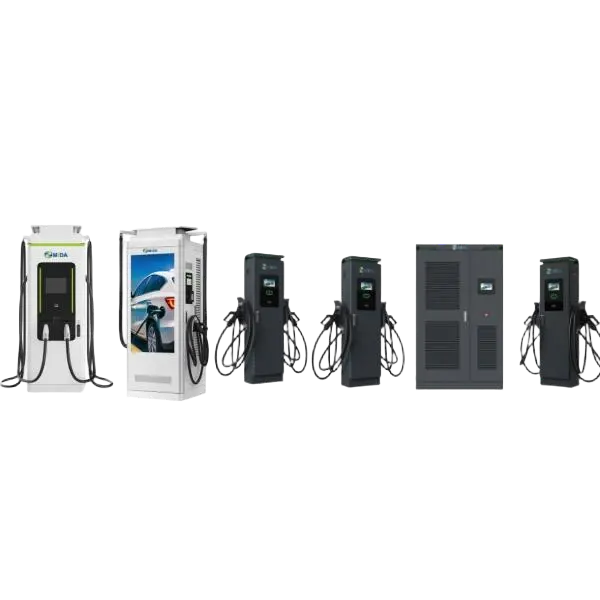
DC Charger Station 60kW to 1440kW

DC Fast Charger Stations

High-power DC split chargers supporting 60kW to 1440kW output. Utilizing smart power allocation and advanced liquid-cooled cable options.

Explore DC Chargers
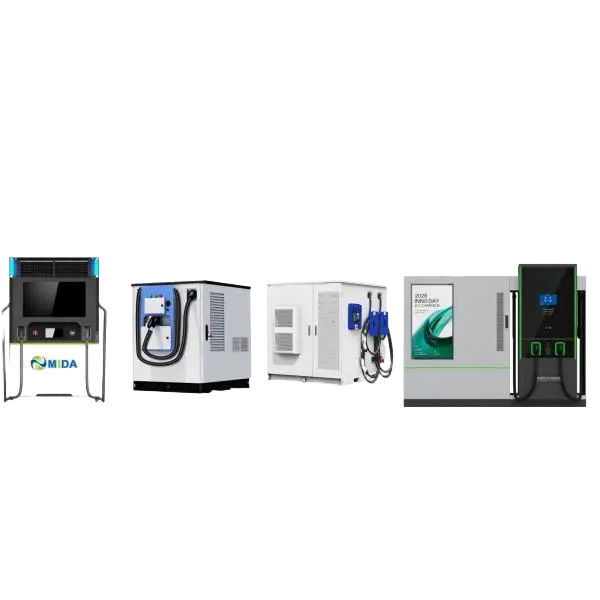
BESS Charging Station Battery Storage Systems

Integrated BESS Chargers

Combined power generation and battery storage with options from 60kWh to 2MWh+. Safe LFP chemistry integrated with smart BMS units.

BESS Charging Stations

Technical Parameters & Modular Ecosystem

MIDA's hardware solutions are built from the ground up to support modern grid integration. Our high-efficiency power modules and liquid cooling units provide continuous operation even under extreme thermal profiles.
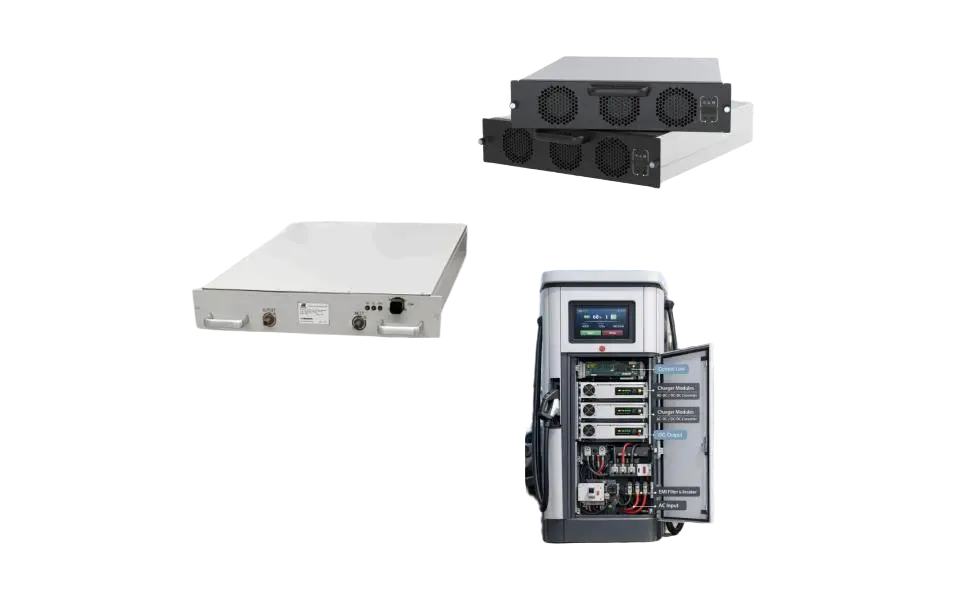
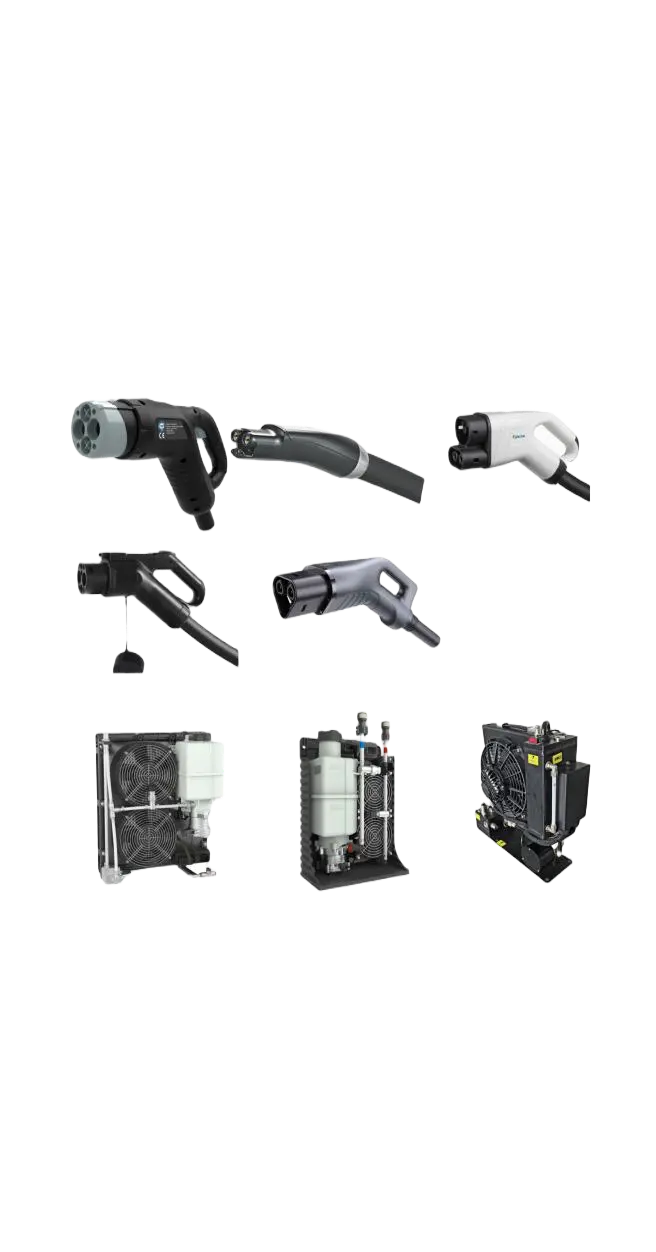
EV Charging Power Modules

  • 30kW / 40kW / 50kW / 60kW / 80kW AC-to-DC EV Charger Modules
  • 30kW / 40kW / 50kW / 60kW DC-to-DC Bidirectional Converter Units
  • 40kW / 60kW / 75kW / 125kW Liquid-Cooled Low Noise Modules
  • 20kW / 22kW / 30kW / 40kW / 45kW Bidirectional V2G Modules
  • 30kW / 40kW / 50kW / 60kW Wide Voltage Range MPPT Solar Modules
  • 20kW / 50kW / 62.5kW Bidirectional Energy Storage AC-DC Converters

DC Connectors & Liquid Cooling

  • 500A / 600A Liquid Cooled CCS1, CCS2 & GBT Connectors
  • 125A / 250A / 300A / 350A NACS & CHAdeMO Charging Plugs
  • 1500A Megawatt Charging System (MCS) & ChaoJi Charging Plugs
  • 3.5kW to 9kW Integrated Chiller Unit for HPC (High Power Charging)
MIDA Power Modules System
MIDA Liquid Cooled Connectors and Cooling Unit

High-Capacity Chargers and Solar-BESS Station Systems

Deploying charging terminals next to office towers, logistic yards, or highway rest stops requires durable design. MIDA supplies field-proven outdoor charging enclosures built for all-weather service.
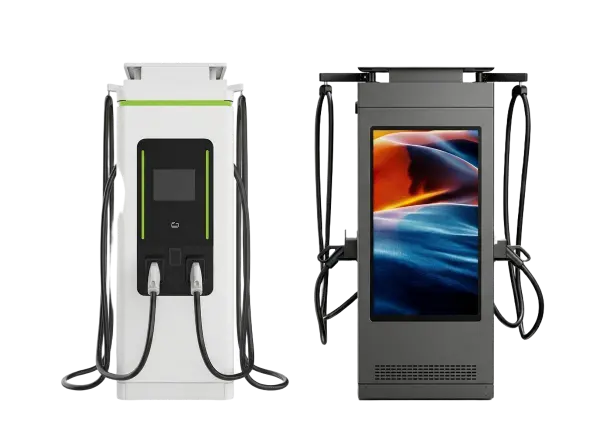
DC Fast Charger Stations

  • 7kW to 60kW Mobile DC Chargers with integrated wheels for easy relocations
  • 20kW to 80kW Wall-Mounted DC stations for compact public parking layouts
  • 60kW to 480kW Floor-Mounted DC Fast Chargers with smart power dynamic sharing
  • 60kW to 240kW Advertising Chargers featuring 43-inch or 55-inch double-sided LCD displays
  • 600kW to 1080kW Ultra-Fast Liquid-Cooled Hub Terminals
  • 360kW to 1680kW Split-Type DC Charging Architecture with flexible satellite terminals

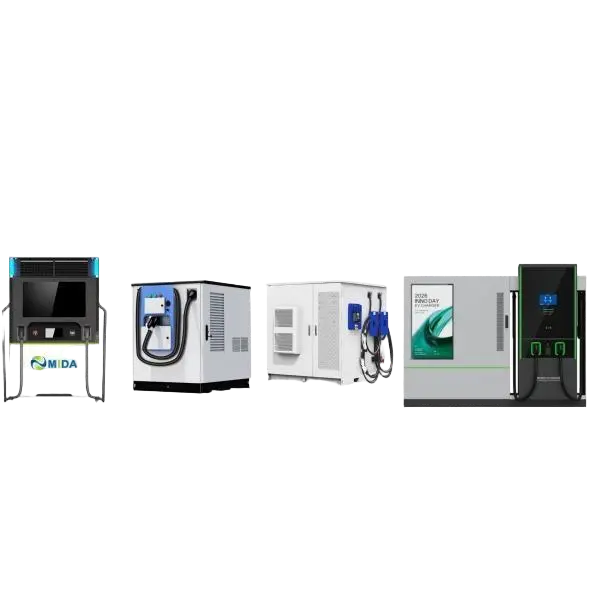
Energy Storage Charger Integration

  • 15kW to 480kW Mobile BESS Chargers with built-in LFP battery storage packs
  • 60kW to 400kW Combined BESS & EV Charging all-in-one steel enclosures
  • 65kWh to 200kWh Emergency Roadside Rescue vehicles and trailer charging packs
  • 165kWh Automatic Parking EV Charging Robots with autonomous navigation capabilities
  • 800kWh to 2000kWh+ Commercial Solar Energy Storage and Charging Systems
MIDA DC Fast Charger Station Models
MIDA BESS Energy Storage Charger Systems

South Korean Commercial & Industrial BESS Deployment Scenarios

Integrating storage with EV charging networks yields substantial economic and grid benefits across diverse business models.

1. Industrial Parks & Peak Shaving

Factories in areas like Incheon and Ulsan face steep peak power tariffs. By installing a 1MW/2MW BESS, facilities can charge the storage system during off-peak night periods and discharge it to fuel fleet delivery vans and trucks during high-tariff periods, preventing peak penalty surcharges.

2. Urban Fast Charging Stations

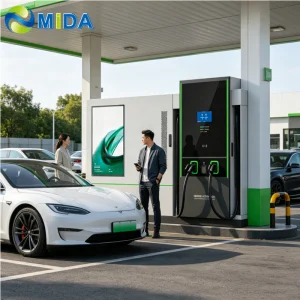
In high-density districts of Seoul where transformer capacities are maxed out, installing a 241kWh/120kW BESS EV Charging Station allows operators to offer 120kW DC fast charging on a grid connection rated for only 30kW, avoiding months of utility negotiation and expensive structural upgrades.

3. Highway Services & Remote Rescue

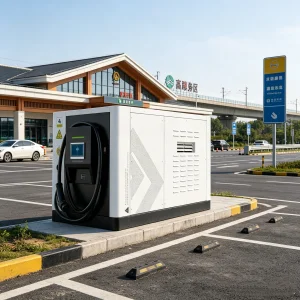
Highway rest areas along the Gyeongbu Expressway experience severe demand spikes during holidays. Mobile BESS chargers (like our 200kWh 120kW Mobile units) can be deployed dynamically to match traffic volume, providing temporary, off-grid fast charging without overloading local lines.

Strict Adherence to Safety Standards & KC Certifications

Following high-profile battery incidents in South Korea, safety regulations for Energy Storage Systems (ESS) have been significantly tightened by the Ministry of Trade, Industry and Energy (MOTIE). Our BESS systems incorporate a multi-tier safety architecture to ensure absolute compliance and reliable operation:

  • Lithium Iron Phosphate (LFP) Chemistries: We prioritize LFP cells, which offer superior thermal stability, lower thermal runaway risk, and longer lifecycles compared to ternary NCM cells.
  • Automated Fire Suppression Systems: Built-in internal aerosol or clean agent gas canisters fire mitigation loops, designed to suppress thermal events instantly at the cell level.
  • Triple-Layer Battery Management System (BMS): Cell, pack, and rack level continuous telemetry monitoring for voltage, temperature, and internal resistance.
  • Grid Code Compliance: Quick-disconnect functions compliant with KEPCO grid-interconnection standards, protecting local systems during grid fluctuations.
MIDA Quality Testing Certification

Technical Roadmap & Future Outlook (2025–2030)

MIDA Group remains at the forefront of power electronics, continuously developing next-generation energy storage integration systems.

Phase 1: Advanced Liquid-Cooled BESS (2025)

Transitioning to full liquid cooling for battery cells and power modules, achieving up to 20% footprint reduction and enhanced thermal consistency.

Phase 2: Bidirectional V2G & V2H Integration (2026-2027)

Commercializing modular bidirectional converters enabling EV fleets to operate as virtual power plants (VPPs) during grid stress.

Phase 3: Megawatt Charging System (MCS) Support (2028+)

Deploying ultra-high power BESS charging terminals delivering up to 1.5MW charging speed for heavy duty shipping trucks and buses.

Integrated BESS Charging & Mobile Storage Systems Portfolio

Examine our comprehensive product suite designed to support local governments, commercial hubs, highway services, and off-grid project locations across Korea.
Technical Publications & Infrastructure Development

Discover recent engineering and implementation developments concerning transit networks and localized public vehicle charging programs.
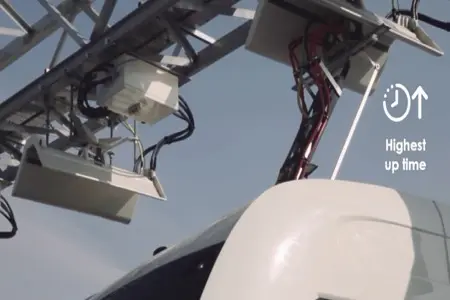
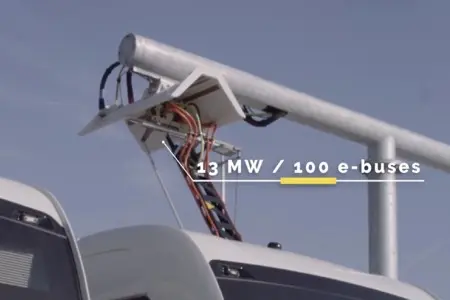
e-bus pantograph dome advantages

Advantages of E-Bus Pantograph Dome Systems

In contrast to classic plug-in charging systems, e-bus pantograph domes permit rapid top-up sessions at transit stops, automating connection without human intervention.
e-bus pantograph charging time factors

Charging Times with Pantograph Systems

The total duration depends primarily on the battery chemistry capacity and the operational power capacity of the outdoor substation charging cabinet.
how to install pantograph up charger

How to Install Pantograph Up Systems

Installing a "Pantograph Up" system dome requires precise mechanical leveling, heavy structural steel anchorage, and alignment with municipal grid feeder lines.

BESS Charging Stations – South Korea Focus FAQ

Get quick answers to the most common technical questions about our integrated energy storage charging infrastructure.

What certifications are required to deploy a BESS EV Charging Station in South Korea?
Deployments in South Korea must comply with KC (Korea Certification) electrical safety regulations, including KC 62619 for lithium batteries used in stationary storage and KC 61851 for electric vehicle charging equipment. In addition, systems must adhere to the latest fire protection guidelines published by MOTIE (Ministry of Trade, Industry and Energy).
How does an integrated BESS charging station improve commercial profitability?
It allows commercial operators to utilize Peak Shaving and Load Arbitrage. By pulling electricity during night hours when energy tariffs are low and using it to charge EVs during daily peak periods, operators can avoid high demand penalties and generate a faster return on investment.
Why does MIDA Group prioritize Lithium Iron Phosphate (LFP) chemistry over NCM?
LFP (LiFePO4) chemistry offers superior thermal stability, which drastically reduces the risk of thermal runaway. It also supports over 4000 to 6000 cycles at 80% Depth of Discharge (DoD), representing a much longer functional lifespan and safer operation for busy commercial depots.
Can MIDA BESS stations function as fully off-grid solar EV charging terminals?
Yes, our BESS units can be configured with built-in high-voltage MPPT solar controllers. This allows direct connection to local solar arrays to create a self-sustained microgrid, charging EV fleets solely with green solar power without a grid tie-in.

Manufacturing and Quality Compliance Visuals

Ensuring precise engineering and standard testing for every module shipped globally.

MIDA Group Production Factory Assembly Floor

Ready to Deploy BESS Charging Solutions?

Get in touch with our engineering team for customized, KC-compliant configurations tailored to the South Korean commercial and industrial grid environments.

Send Inquiry Now