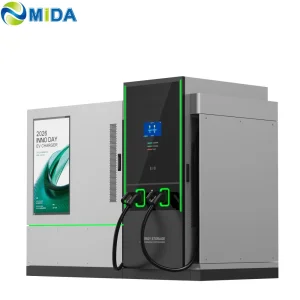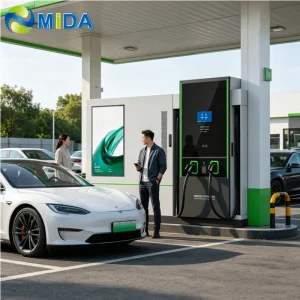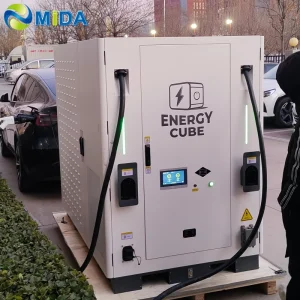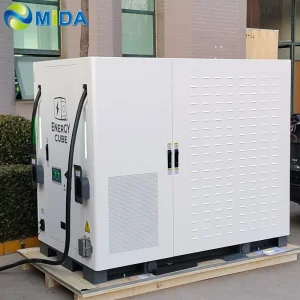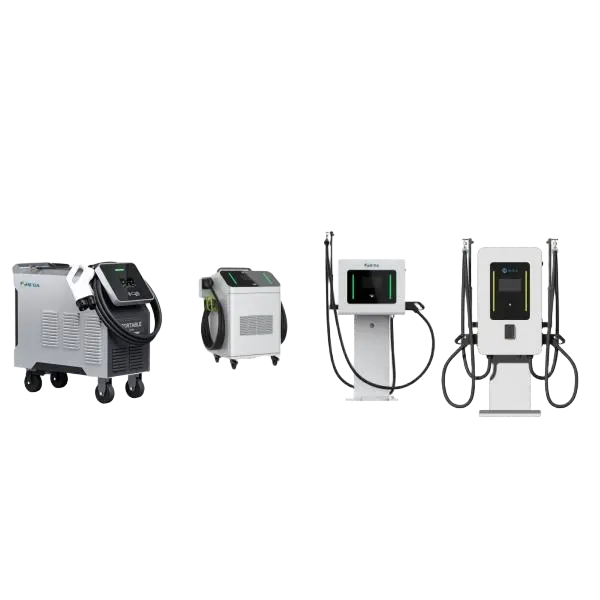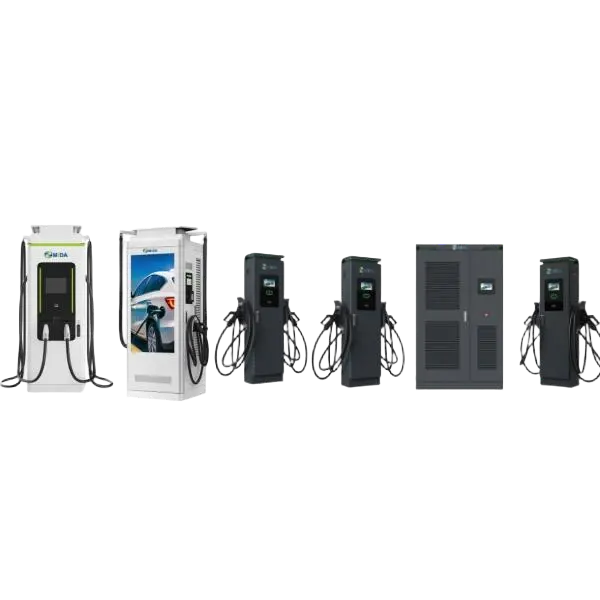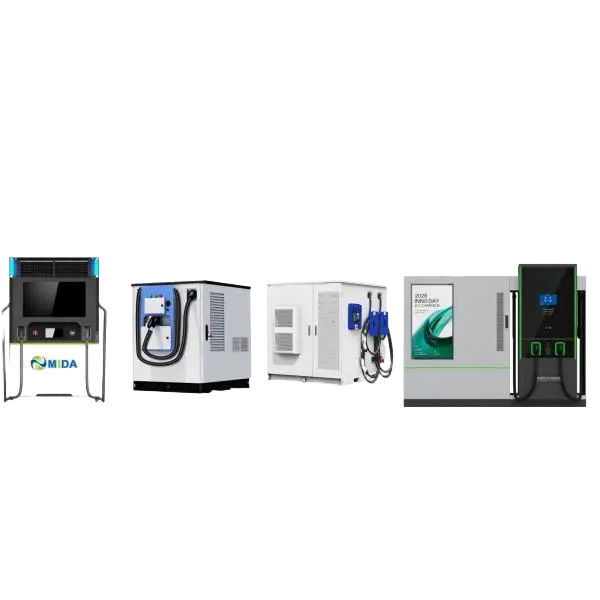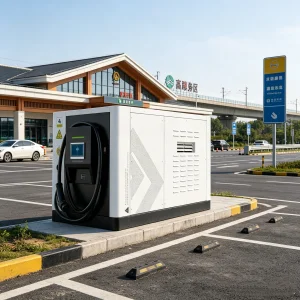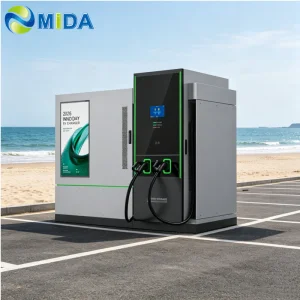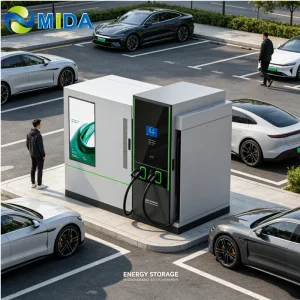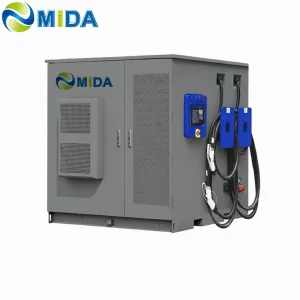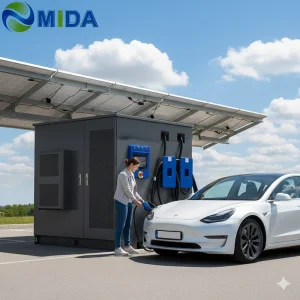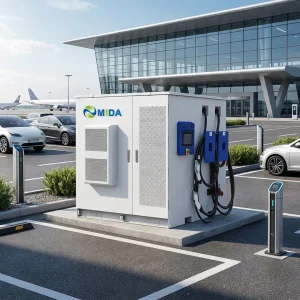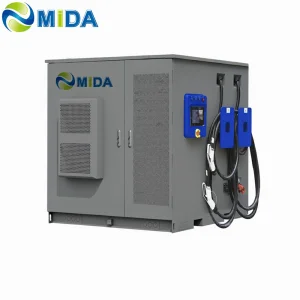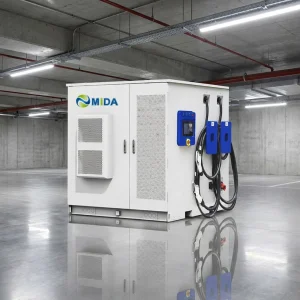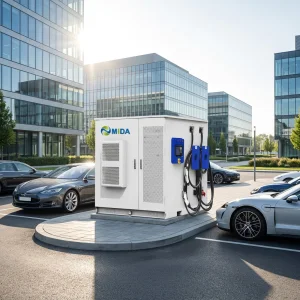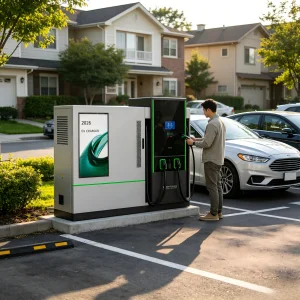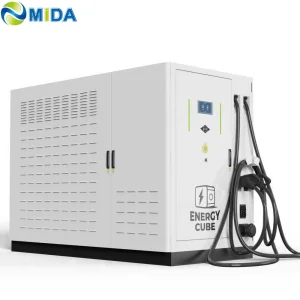
Pre-engineered, modular BESS integrated DC fast chargers optimized for peak shaving and fleet charging infrastructure in New South Wales.
Explore our core business units delivering turn-key electrical engineering assets for grid modernization.
Premium Level 2 solutions for workplace charging, retail, and depot overnight replenishment.
View More →The transition of commercial transport and manufacturing hubs across the Sydney metropolitan area has reached an inflection point. Driven by the NSW Electricity Infrastructure Roadmap and the gradual phase-out of traditional internal combustion engines, businesses face a major hurdle: grid capacity limitations. Upgrading grid connections with local distribution network service providers (DNSPs) such as Ausgrid, Endeavour Energy, and Essential Energy is frequently slow, capital-intensive, and operationally restrictive.
This is where Battery Energy Storage System (BESS) integrated charging stations offer a major operational advantage. By incorporating a high-capacity lithium iron phosphate (LFP) battery bank directly with ultra-fast DC dispensers, fleet operators and commercial property owners can deploy up to 480kW charging capabilities without triggering massive, millions-of-dollars grid upgrade bills. A BESS acts as a buffer: it draws a low, continuous current from the grid during off-peak windows, stores the energy, and discharges it rapidly into EVs during peak operations.
In Sydney's industrial zones (such as Wetherill Park, Eastern Creek, and Botany), demand charges represent a significant portion of commercial electricity bills. A fleet of 10 electric delivery vans charging simultaneously at 120kW can push a depot's peak demand past 1.2MW. This spike triggers high monthly capacity fees. Our BESS solutions implement intelligent local peak shaving. By monitoring the site's main switchboard in real-time, the system automatically throttles grid draw and supplements the remaining load with stored battery power, keeping the grid demand beneath predefined thresholds.
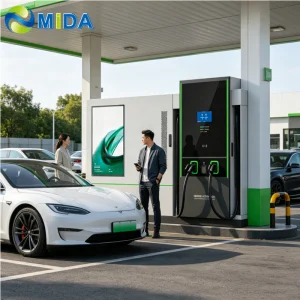
Shanghai Mida Cable Group Ltd. (operating through its specialized subsidiaries Shanghai Mida EV Power Co., Ltd., Shenzhen Mida EV Power Co., Ltd., and Shanghai Mida New Energy Co., Ltd.) is a tier-one designer and manufacturer of heavy-duty grid assets, EV infrastructure interfaces, and energy storage systems.
From 16A–80A J1772 and 16A–63A IEC 62196-2 Type 2 cables to high-capacity liquid-cooled DC cables like CCS1, CCS2 (up to 1000A), CHAdeMO, GBT, and NACS connectors, MIDA provides complete, end-to-end electrical components. Our power systems include mobile units from 7kW to 50kW, split architecture systems up to 1440kW, and bidirectional V2G power module solutions.
Engineered to work seamlessly with Ausgrid & Endeavour rules.
Continuous thermal stability at sustained high currents.
Turn vehicles into grid-balancing virtual power plants (VPP).
Fully compliant with Australian electrical safety guidelines.

To deliver a highly reliable BESS charging system, our design prioritizes three technological pillars: safety, thermal performance, and bidirectional power flow. Modern systems built for the harsh Sydney summer—where ambient temperatures regularly climb past 40°C in western suburbs like Penrith and Blacktown—require active thermal management. Liquid cooling provides uniform heat rejection across all battery cells, preventing localized hot spots that accelerate cell degradation and risk thermal runaway.
MIDA exclusively utilizes premium grade Lithium Iron Phosphate (LFP, LiFePO4) cell chemistry for our BESS installations. While nickel manganese cobalt (NMC) batteries offer slightly higher energy density, LFP has distinct safety advantages: a higher thermal runaway threshold (around 270°C compared to NMC's 210°C), no oxygen release during decomposition, and a cycle life exceeding 6000 cycles at 80% Depth of Discharge (DoD). This results in a much lower total cost of ownership over a standard 10-to-15-year operational lifecycle.
Traditional air-cooled battery systems degrade rapidly under the dual stress of rapid charging and high ambient temperatures. Our BESS models feature integrated chillers that cycle a water-glycol mixture through dedicated cooling plates embedded between cells. This system maintains internal cell temperatures within a narrow 25°C to 32°C window. It extends battery life by up to 40% and ensures that the EV dispensers can continuously deliver their rated currents without thermal throttling.
The integration of bidirectional AC/DC power modules within our BESS charging stations enables full vehicle-to-grid (V2G) functionality. In Sydney's evolving energy market, this capability allows commercial fleet operators to monetize parked EVs. During high-tariff periods, the station can draw power from connected EV batteries (or its internal BESS reserves) and export it back to the local grid, turning the charging site into a revenue-generating distributed energy resource.
Leveraging vertical integration to lower Levelized Cost of Storage (LCOS) for Australian energy developers.
Achieving cost-efficiency in BESS deployments requires a highly optimized and secure supply chain. MIDA's manufacturing facilities in Shanghai and Shenzhen benefit from direct access to raw material networks, localized battery cell production, and high-precision copper extrusion for cabling. This integration minimizes structural markups, reduces import lead times, and shields our clients from volatile commodity pricing.
By keeping the design and production of power modules, liquid-cooling manifolds, control firmware, and outer enclosures in-house, MIDA ensures strict quality control at every stage. Each BESS unit undergoes comprehensive factory acceptance testing (FAT) under simulated electrical loads before shipping, minimizing onsite commissioning delays in Sydney.
Deploying energy storage systems in Sydney requires strict adherence to local Australian standards and grid codes. Key compliance requirements include:
MIDA provides dedicated engineering support to guide clients through the DNSP application process with Ausgrid, Endeavour, or Essential Energy. Our design documentation includes single-line diagrams, harmonic injection analyses, and protection settings designed to streamline grid connection approvals.
High-capacity systems designed for heavy fleets, logistics hubs, and grid-support applications.
Technical answers to key implementation challenges for Australian grid and transport engineering teams.
Instead of requesting a costly sub-station upgrade to support multi-megawatt EV charging, a BESS acts as an electrical buffer. It charges slowly at a constant rate within your existing connection capacity (e.g., 50kW grid draw) and discharges rapidly (e.g., 240kW or 480kW) directly into vehicles during peak charging windows.
MIDA systems feature localized multi-tier safety protections. These include aerosol-based fire suppression systems, early-stage gas detectors (to monitor off-gassing before thermal runaway occurs), automatic isolation switches, and structural fire barriers between cell compartments to prevent propagation.
Standard manufacturing lead times are between 6 and 8 weeks from design sign-off. Logistics are managed directly through Port Botany, including customs clearance, heavy road transport to site, and onsite positioning. Commissioning is supported by our regional engineering partners.
Yes. Our modular systems support direct solar PV integration via internal MPPT DC/DC converters. This configuration allows the system to run in a fully off-grid microgrid mode, prioritizing onsite solar generation and utilizing the batteries for load balancing and overnight operations.
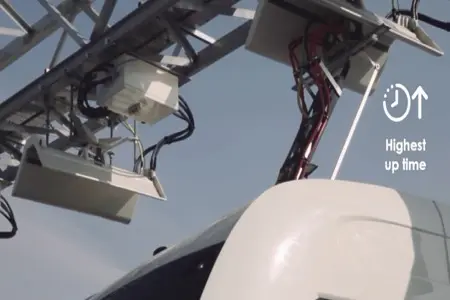
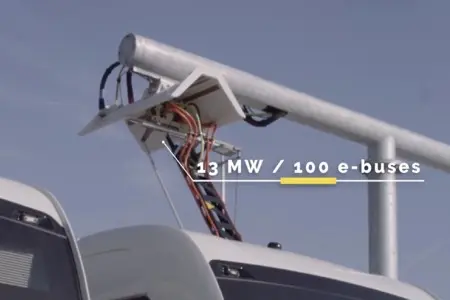
Insights on pantographs and automated transit charging solutions.
Upload your site SLD, daily usage profile, and peak power requirements. Our applications team will model a customized BESS sizing analysis to optimize your grid connection.
Send Inquiry Now