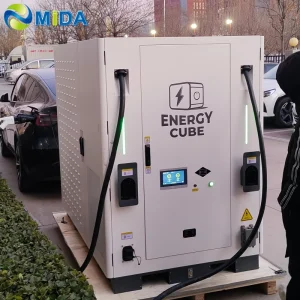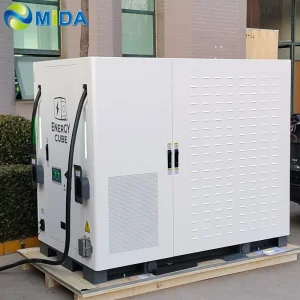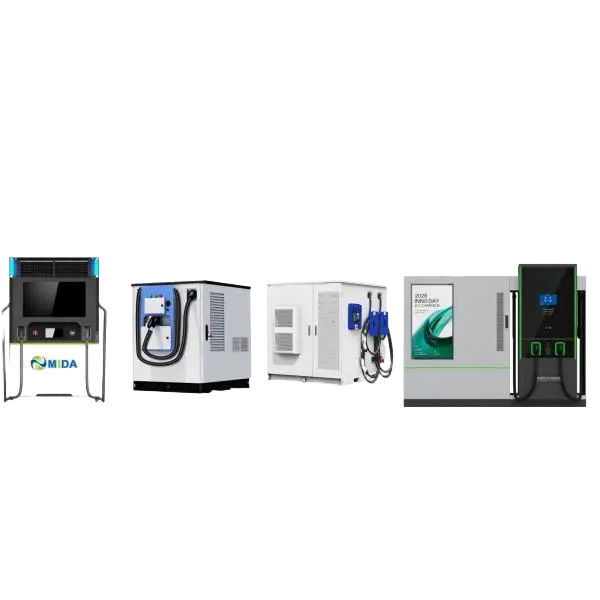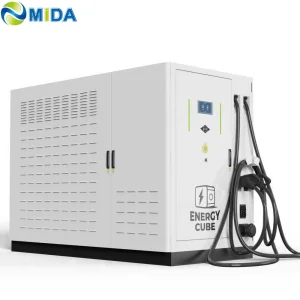
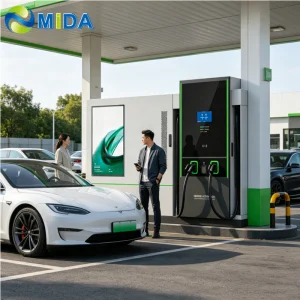
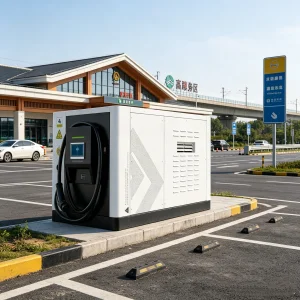
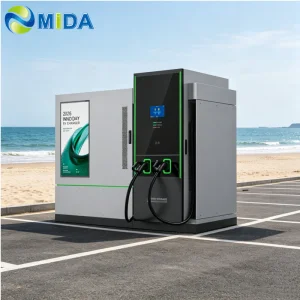
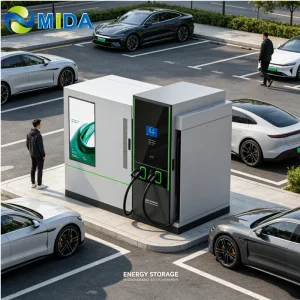
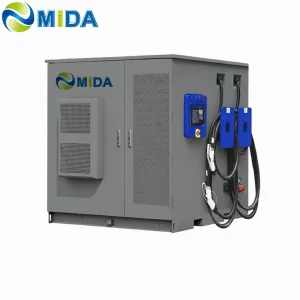
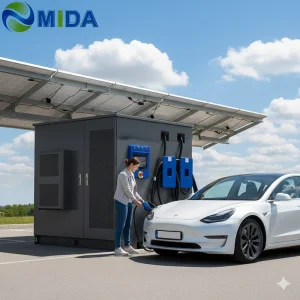
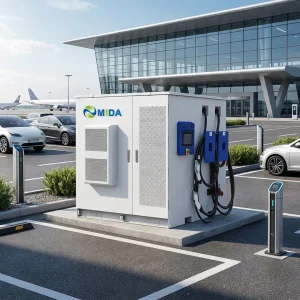
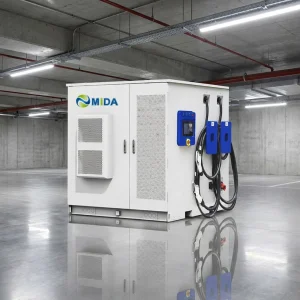
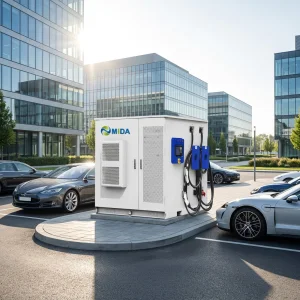
High-capacity mobile battery storage systems equipped with integrated CCS2 / GBT / CHAdeMO DC fast chargers for immediate off-grid power, peak shaving, and transit backup.
As the capital city of Bosnia and Herzegovina, Sarajevo sits at a strategic crossroads in the Western Balkans. The region is undergoing a structural energy transition, driven by the EU Green Agenda for the Western Balkans, national decarbonization targets, and the rapid rise of electric passenger cars, municipal e-buses, and commercial logistics fleets. However, scaling high-power charging (HPC) networks in Sarajevo poses complex technical challenges rooted in geographic terrain, legacy electrical distribution infrastructure, and seasonal power variations.
The medium-voltage (10kV/20kV) distribution grid managed by local utility operators such as JP Elektroprivreda BiH (EPBiH) faces localized capacity bottlenecks, particularly along dense urban corridors (such as Novo Sarajevo and Baščaršija), industrial zones in Vogošća and Ilidža, and critical transit passes connecting Sarajevo to Mostar (A1 Motorway / M17) and Zenica. Upgrading legacy sub-stations to support multi-megawatt EV charging hubs often requires multi-million Euro capital expenditures, lengthy permitting timelines, and physical land gridlock.
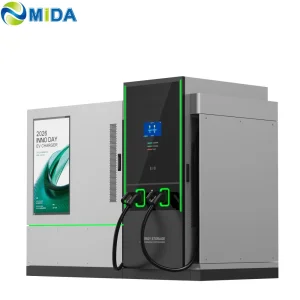
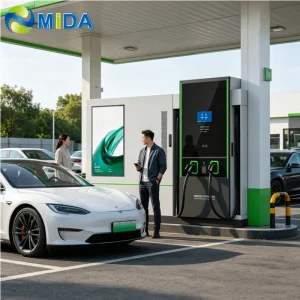
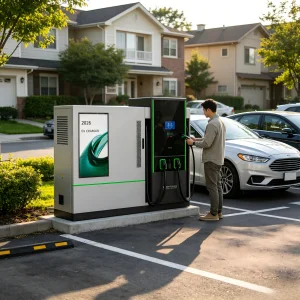
Battery Energy Storage System (BESS) Integrated Charging Stations provide the definitive technological bridge for Sarajevo’s commercial entities, fleet operators, municipal transit authorities, and highway service stations. By decoupling high-power EV charging demand from the physical grid connection, BESS technology allows operators to draw low power continuously from existing low-voltage lines while delivering high-speed 120kW to 960kW DC fast charging on demand.
Eliminate expensive peak demand tariffs charged by EPBiH during peak hours. Store low-cost energy during off-peak night cycles and discharge during peak traffic surges without overloading local transformers.
Sarajevo’s alpine climate drops well below freezing in winter. Our liquid-cooled LFP battery enclosures feature intelligent pre-heating thermal management, maintaining battery health and optimal charge speeds down to -30°C.
Equipped with high-efficiency MPPT controllers, MIDA BESS platforms seamlessly couple with local solar rooftop arrays in commercial hubs, creating zero-emission self-sustaining microgrids.
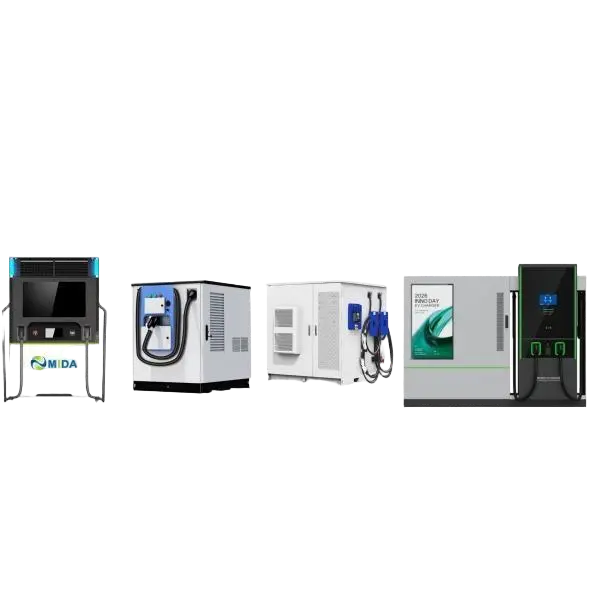
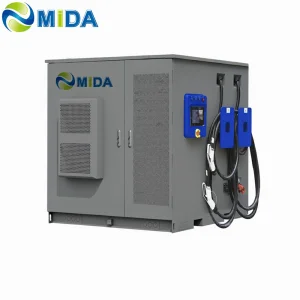
MIDA Group’s BESS Charging Stations combine automotive-grade Lithium Iron Phosphate (LiFePO4) cell chemistry, bidirectional Power Conversion Systems (PCS), advanced Liquid Cooling units, and high-speed DC charging dispensers into a modular, IP54/IP65 weather-hardened enclosure.
To accommodate European standard passenger EVs, commercial vehicles from international transit fleets, and emerging global platforms across Bosnia and Herzegovina, MIDA BESS systems support full multi-protocol output:
Scenario: Logistics hub in Vogošća with a 50kW grid feeder limits.
Solution: Deployment of a MIDA 241kWh / 120kW BESS Unit.
Result: Continuous 50kW low-stress trickle charge from grid into battery bank; dual 120kW supercharging outputs delivered to delivery vans simultaneously. Transformer upgrade avoided, saving estimated €180,000 in grid extension costs.
Explore MIDA Group's core product categories serving Sarajevo and global markets.
Shanghai Mida Cable Group Ltd. operates through its wholly owned subsidiaries: Shanghai Mida EV Power Co., Ltd., Shenzhen Mida EV Power Co., Ltd., and Shanghai Mida New Energy Co., Ltd.
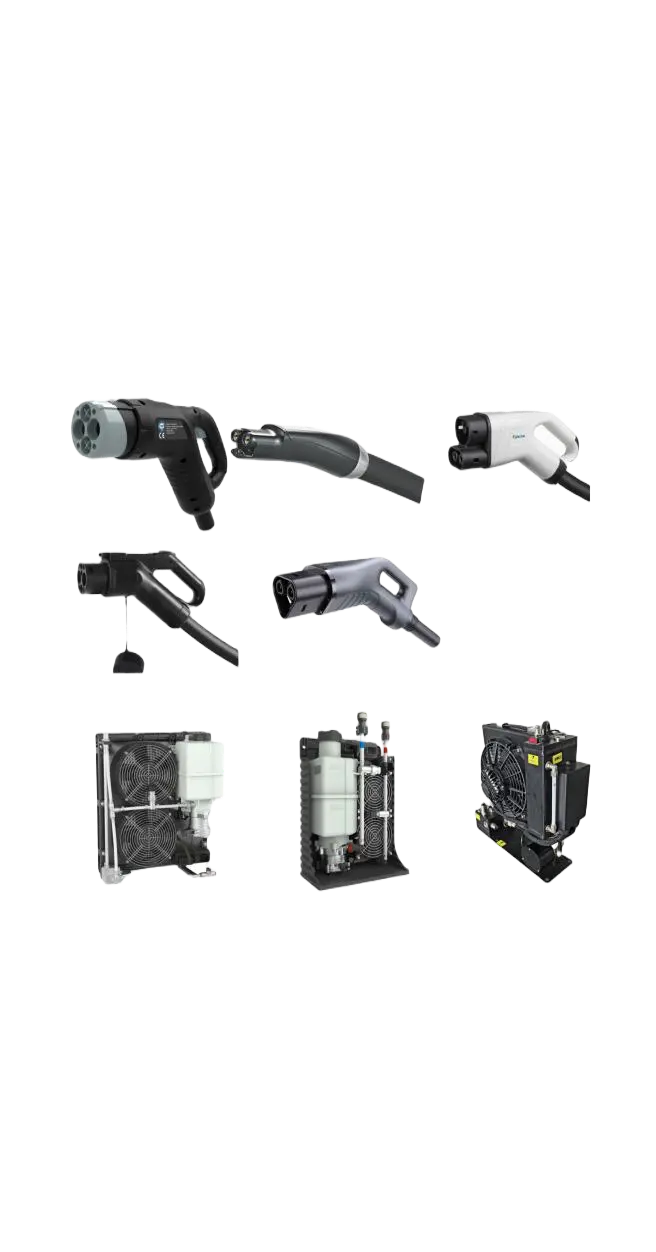
Mida Cable manufactures a comprehensive range of EV charging cables, including 16A–80A J1772 cables, 16A–63A IEC 62196-2 Type 2 cables, and DC fast charging cables: CCS1 (80A–500A), CCS2 (125A–1000A), CHAdeMO (125A–300A), GBT (200A–1000A), and NACS connectors (250A–600A).
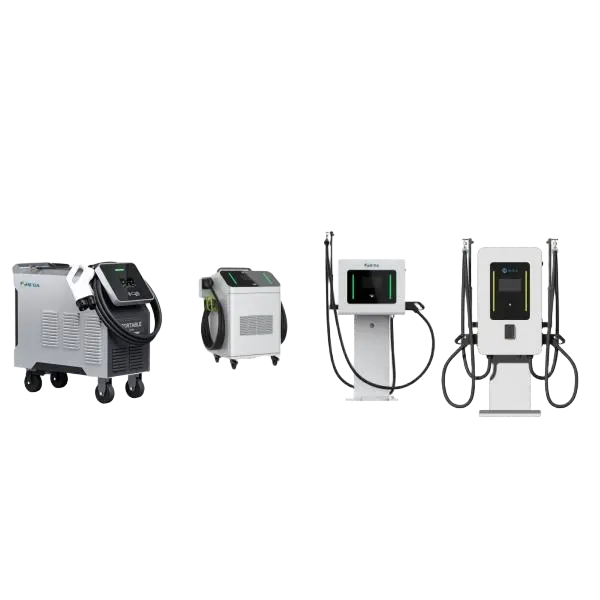
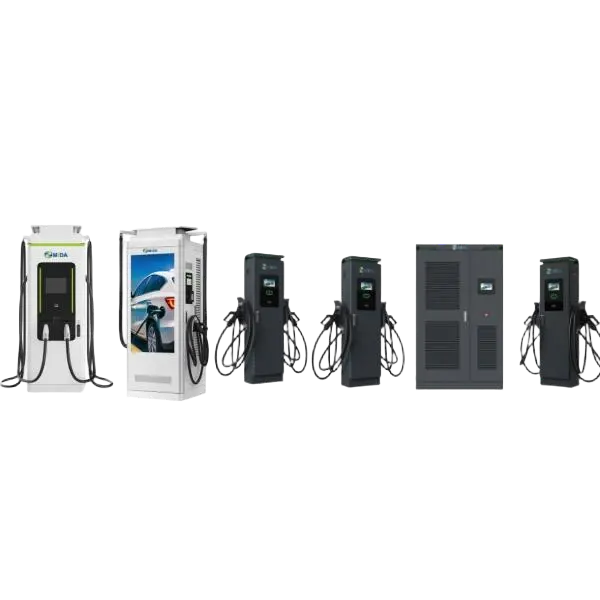
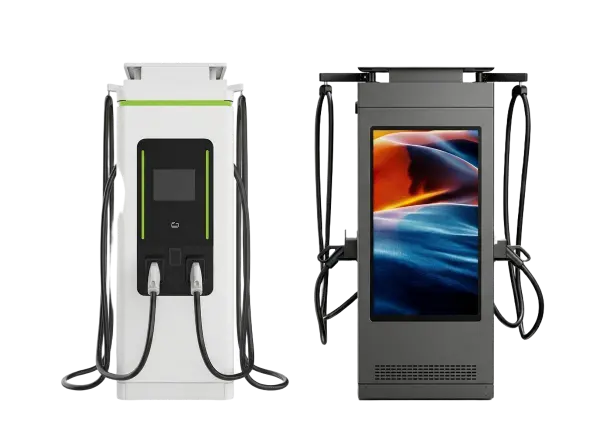
MIDA EV Power produces a full lineup of EV charging stations, such as 7kW–50kW mobile chargers, 3.6kW–7.2kW portable DC chargers, 360kW–1440kW split-type DC fast chargers, 20kW–50kW wall-mounted DC chargers, and 60kW–480kW floor-standing DC fast charging stations.
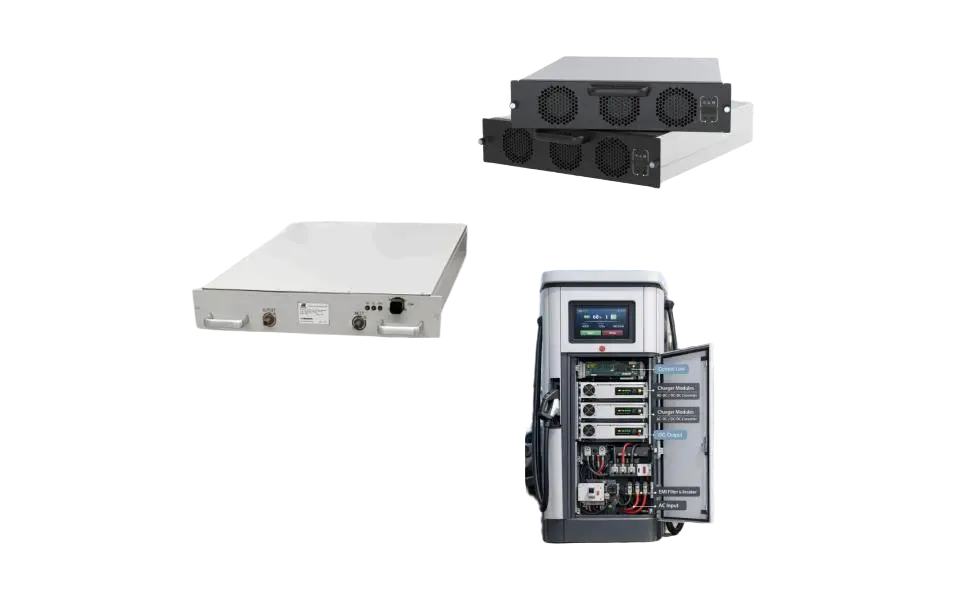
MIDA New Energy specializes in EV charger power modules, offering 20kW–60kW standard modules, 40kW–125kW liquid-cooled modules, 30kW–62.5kW bidirectional modules, and 20kW–45kW V2G charging modules.

Explore our key core component series engineered for OEM, ODM, and turnkey microgrid integration.
Deploying battery energy storage charging solutions in Bosnia and Herzegovina requires a nuanced understanding of municipal planning, local transport patterns, and commercial energy economics. Below are key commercial deployment vectors optimized for the Sarajevo region:
Mount Igman and Mount Bjelašnica experience heavy tourism surges during winter months. Grid infrastructure in alpine regions often lacks the capacity for multi-vehicle fast charging. MIDA 418kWh to 1MWH BESS units store power during off-peak ski resort hours, delivering uninterrupted 240kW+ ultra-fast charging to winter travelers without voltage collapse.
As Sarajevo modernizes its public transport fleet, electrifying urban buses requires megawatt-level burst power at depot terminal hubs. MIDA 1MWH to 2MWH containerized BESS stations coupled with pantograph or high-amp DC chargers allow rapid bus top-ups during layovers while insulating the city's main grid.
Commercial fleets operating in Sarajevo's logistics quarters benefit from integrated BESS charging. By leveraging software-driven dynamic load management and bidirectional V2G power modules, operators reduce total cost of ownership (TCO) by generating revenue through grid stabilization services.
Full portfolio of modular energy storage stations ranging from 60kWh portable emergency platforms to 2MWh utility-scale microgrid hubs.

What are the advantages of an e-bus pantograph dome? In contrast to classic plug-in charging systems, e-bus pantogra...
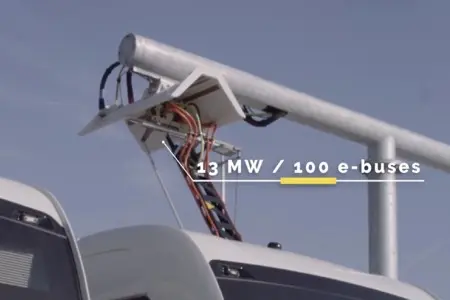
How long does it take to charge with an e-bus pantograph? The charging time depends on the battery capacity and the ...
How to Install the Pantograph Up Charger System Dome for Electric Bus Installing a “Pantograph Up” syste...
In-depth answers regarding grid compliance, thermal management, local grid codes in Bosnia and Herzegovina, and deployment timelines.