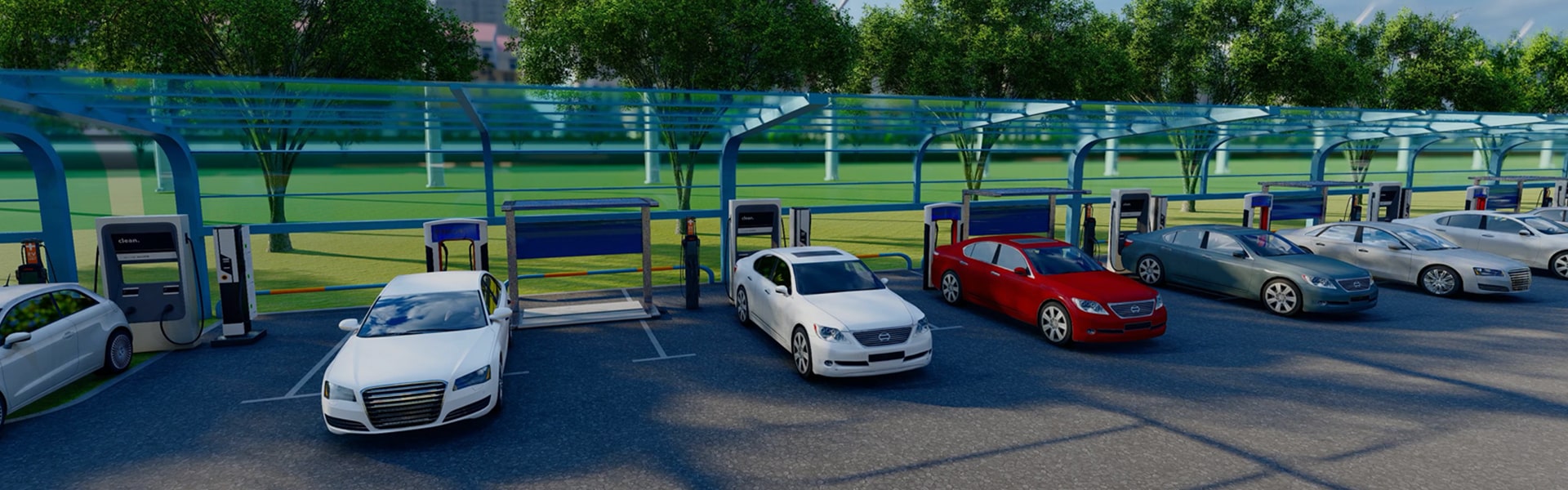
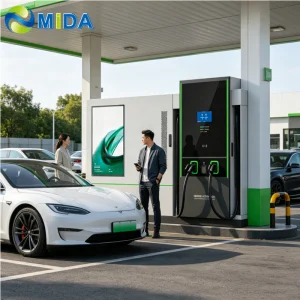
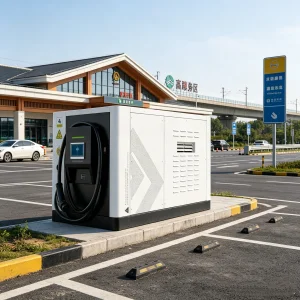
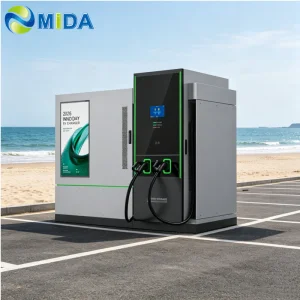
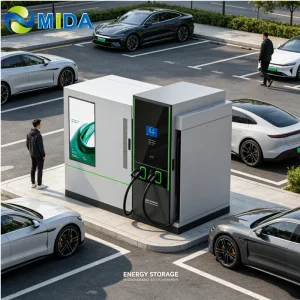
Engineered to bypass expensive grid connection upgrades, these dynamic Battery Energy Storage Systems (BESS) deliver consistent megawatt-level EV fast charging in urban centers, logistic terminals, and arterial French highways.
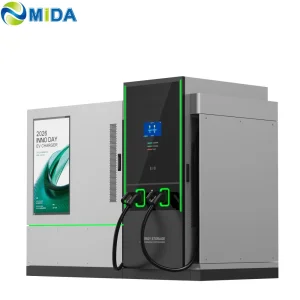
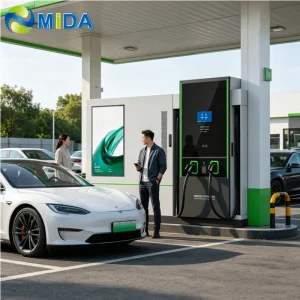
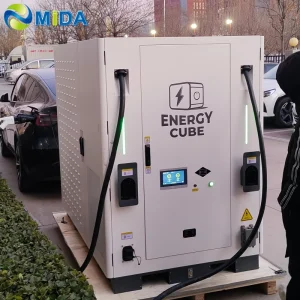
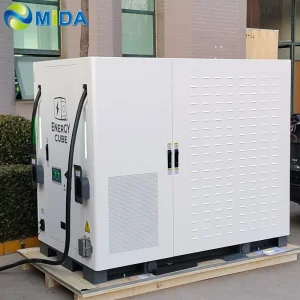
France is undergoing a rapid transition toward clean transportation under the framework of the "Loi d'Orientation des Mobilités" (LOM) and the ambitious "France 2030" investment plan. However, deploying High-Power Chargers (HPC) for electric passenger cars, heavy-duty trucks, and logistics fleets places significant stress on the local distribution networks managed by Enedis and RTE. The primary roadblock for commercial operators is not the charging hardware itself, but the massive lead times (often 12 to 18 months) and exorbitant capital expenditure required for high-voltage grid upgrades (such as installing new medium-to-high voltage transformer stations).
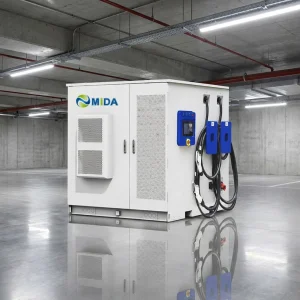
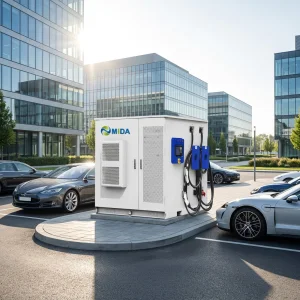
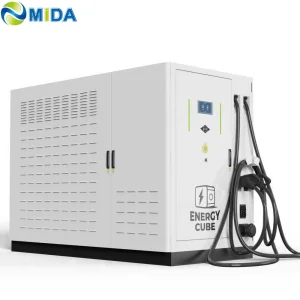
This is where Battery Energy Storage System (BESS) integrated charging stations offer a paradigm shift. By coupling high-density Lithium Iron Phosphate (LFP) battery storage with DC fast charging piles, fleet operators and charging point operators (CPOs) in France can deploy peak-shaving mechanisms. A BESS charging station slowly draws power from a standard, low-capacity grid connection (e.g., 36kVA or 60kVA) during off-peak hours and stores it. When an EV initiates a charge, the system discharges the stored energy at up to 120kW, 240kW, or even megawatt rates, delivering ultra-fast charging without inducing grid voltage drops or triggering peak-demand penalties.
From highway rest areas along the Autoroute network to intensive logistics hubs in Ile-de-France, our BESS charging systems are engineered for diverse, high-demand settings.
Enables uninterrupted overnight charging for heavy-duty electric trucks and vans. Our systems balance grid power with solar PV arrays to capture maximum localized green energy, minimizing Total Cost of Ownership (TCO).
Provides critical grid buffering during peak French holiday transit windows. By preventing grid strain, CPOs can guarantee ultra-fast charging continuity without suffering grid instability or load shedding.
Integrates with factory energy management systems (EMS) to achieve peak-shaving, load shifting, and emergency backup power. Reduces electricity peak tariffs (Tarif Jaune/Vert) under the French regulatory framework.
Shanghai Mida Cable Group Ltd. operates through its wholly owned subsidiaries: Shanghai Mida EV Power Co., Ltd., Shenzhen Mida EV Power Co., Ltd., and Shanghai Mida New Energy Co., Ltd.
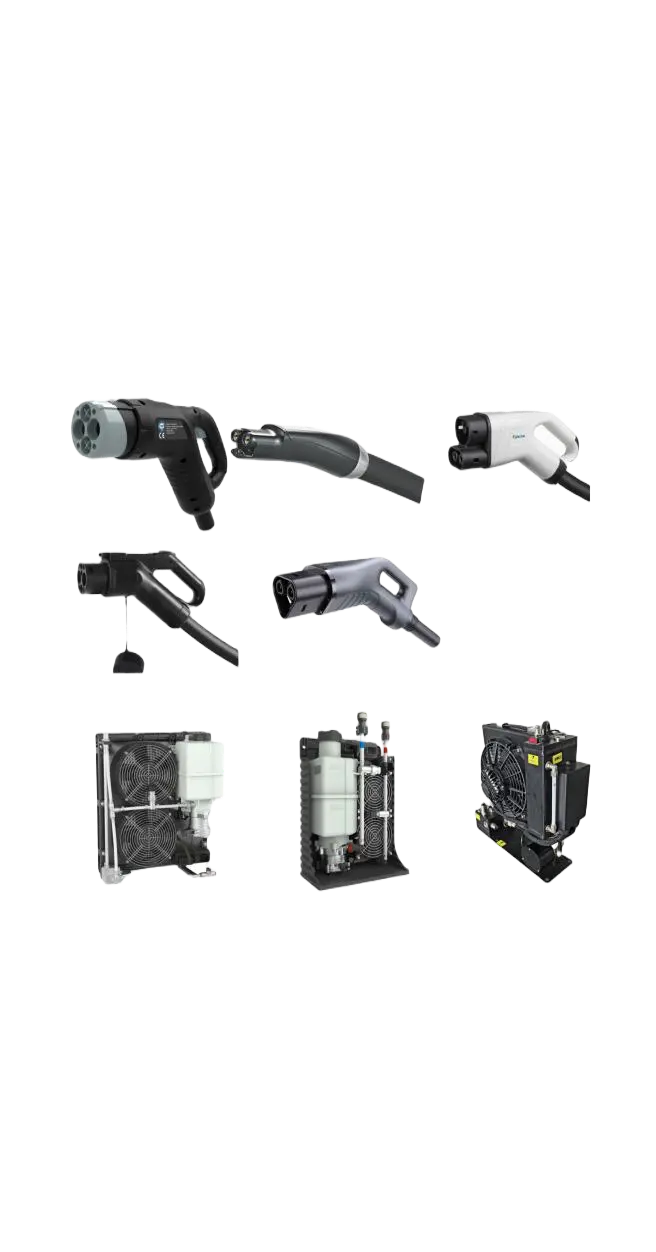
Mida Cable manufactures a comprehensive range of EV charging cables, including 16A–80A J1772 cables, 16A–63A IEC 62196-2 Type 2 cables, and DC fast charging cables: CCS1 (80A–500A), CCS2 (125A–1000A), CHAdeMO (125A–300A), GBT (200A–1000A), and NACS connectors (250A–600A).
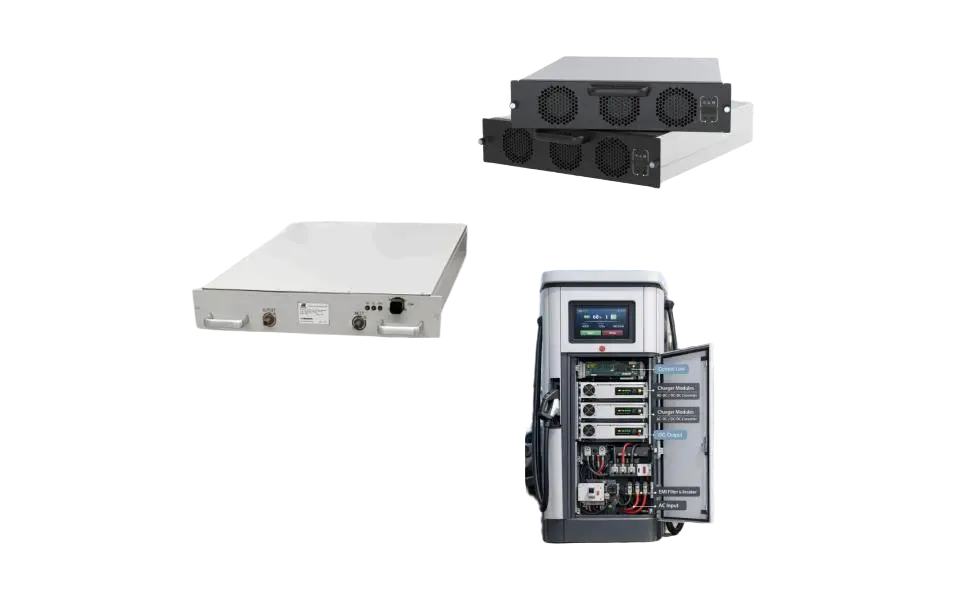
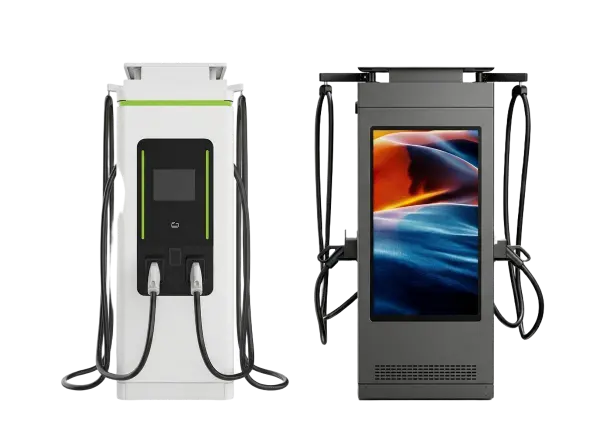
MIDA EV Power produces a full lineup of EV charging stations, such as 7kW–50kW mobile chargers, 3.6kW–7.2kW portable DC chargers, 360kW–1440kW split-type DC fast chargers, 20kW–50kW wall-mounted DC chargers, and 60kW–480kW floor-standing DC fast charging stations. MIDA New Energy specializes in EV charger power modules, offering 20kW–60kW standard modules, 40kW–125kW liquid-cooled modules, 30kW–62.5kW bidirectional modules, and 20kW–45kW V2G charging modules.

MIDA EV Power is continuously innovating to support the next evolutionary steps of the French grid. The technical roadmap of our BESS architectures centers on transitioning to high-cycle liquid-cooled battery blocks. By replacing traditional forced-air ventilation with direct liquid thermal management loops, we ensure uniform cell temperatures within ±2°C. This technology effectively doubles the battery lifespan to over 6,000 cycles at 80% Depth of Discharge (DoD) and significantly reduces parasitic energy consumption from HVAC units.
Furthermore, bidirectional capability is a key component of our future-proof design. Leveraging standard V2G (Vehicle-to-Grid) and B2G (Battery-to-Grid) topologies, our French clients can transition from simple consumers of power to active market participants. During peak grid stress periods (monitored via the Ecowatt API in France), our systems can inject stored energy back into the local distribution grid, securing additional revenue streams through capacity markets and balancing services.
As a vertically integrated manufacturer, Mida Group offers components, sub-modules, and complete fast-charging systems to support your EV infrastructure.
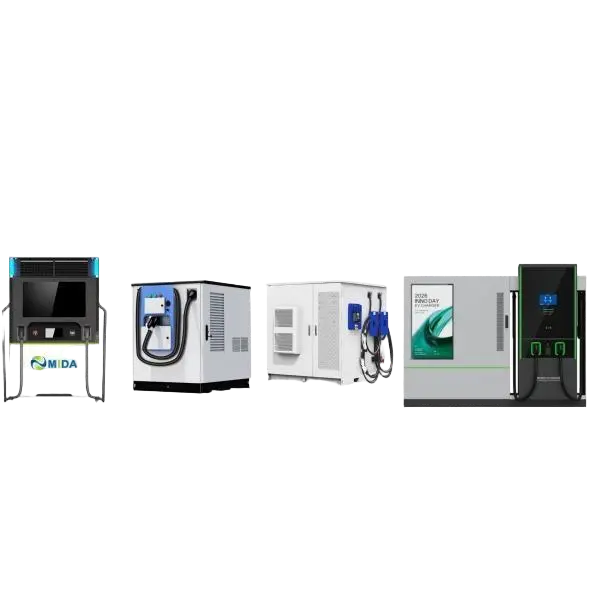
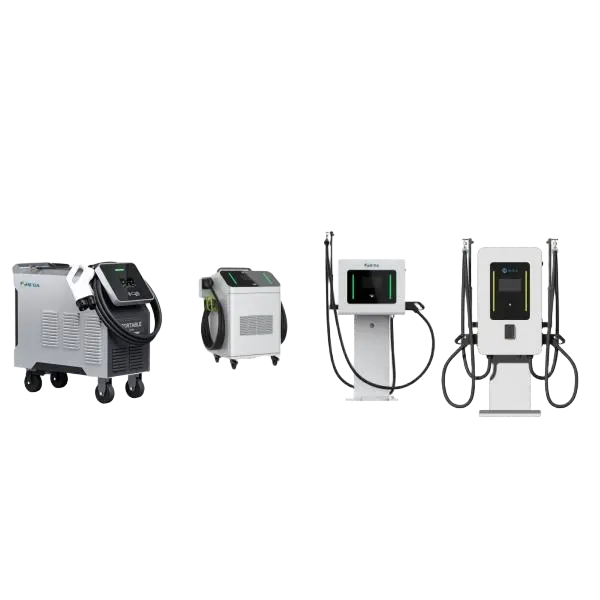
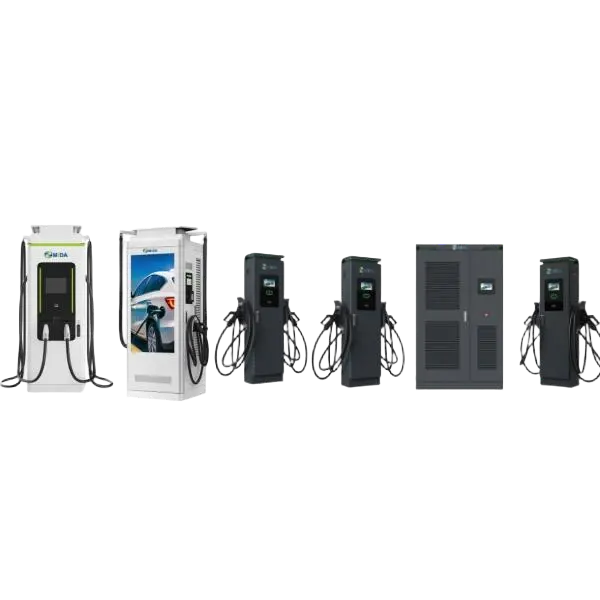
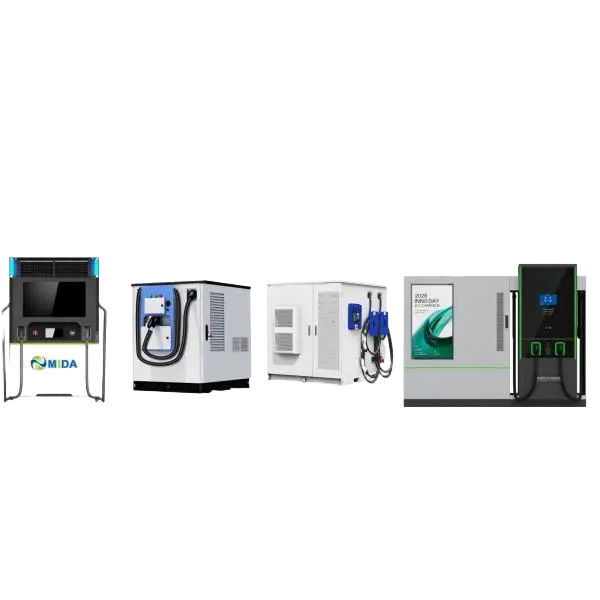
Operating charging infrastructure in France demands strict compliance with European and national codes. Every MIDA BESS charging installation conforms to the NF C 15-100 electrical installation standards, alongside specific guidelines governing battery energy systems, notably the French decree regarding battery system installations inside parking structures and commercial properties. We assist CPOs and industrial clients with CONSUEL inspection validation to guarantee all certifications are approved prior to grid energization.
Moreover, our high-power DC fast systems comply with EV Ready requirements and the European Alternative Fuels Infrastructure Regulation (AFIR). This guarantees inter-operability across charging networks through standardized ISO 15118 Plug&Charge protocols, facilitating seamless access and automated billing. For procurement departments looking to leverage national incentives, our hardware meets the technological requisites of the French ADEME Advenir program subsidies, allowing CPOs to retrieve up to 60% of purchase and installation costs for fast charging sites.
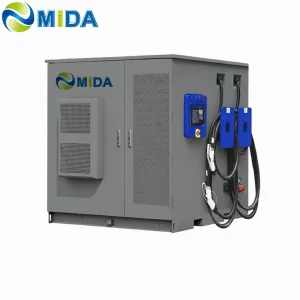
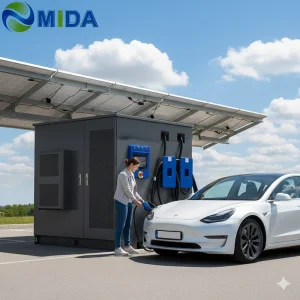
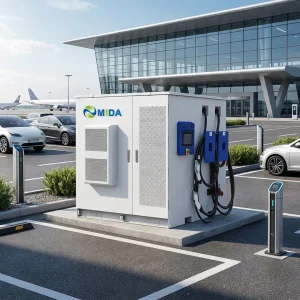
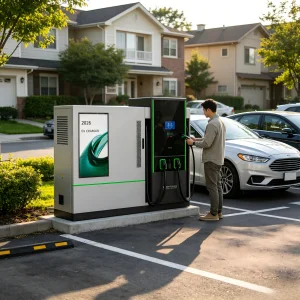
Explore our full line of Battery Energy Storage Systems designed for high-capacity fleet depots, C&I dynamic charging, and mobile grid relief projects.
Stay informed about developments in high-voltage cables, megawatt bus charging (pantographs), and smart energy grids.

What are the advantages of an e-bus pantograph dome? In contrast to classic plug-in charging systems, e-bus pantograph dome charging systems allow automated connection and higher power transfers...
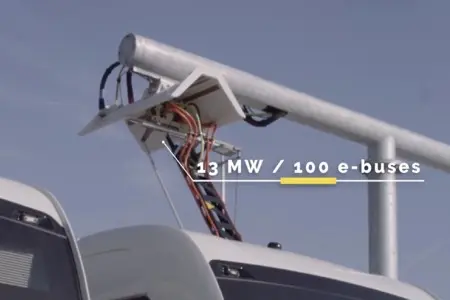
How long does it take to charge with an e-bus pantograph? The charging time depends on the battery capacity, battery C-rates, and the output capability of the high-power BESS storage system...
How to Install the Pantograph Up Charger System Dome for Electric Bus. Installing a “Pantograph Up” system requires specialized structural alignment and robust energy storage modules...
Expert technical insights regarding deployment, grid integration, and local regulations in the French market.
Get in touch with our grid integration specialists for a detailed custom ROI estimation, grid load compatibility assessment, and hardware quote.