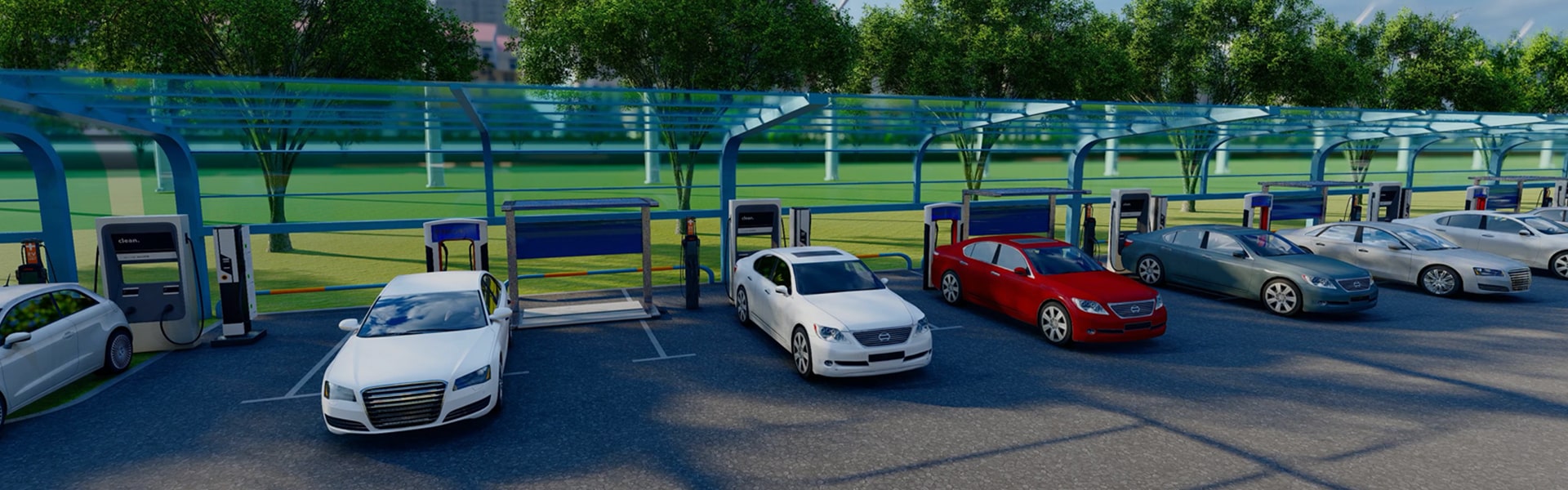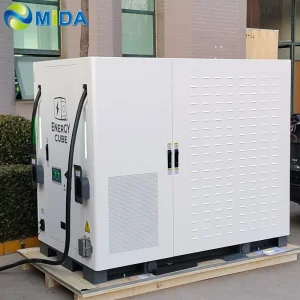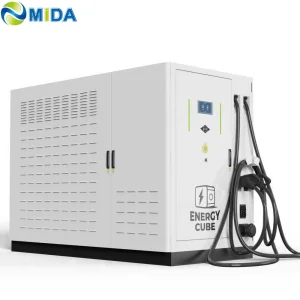
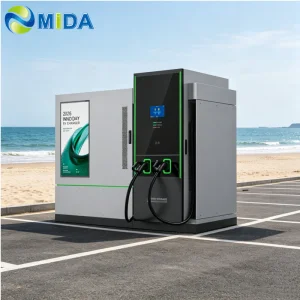
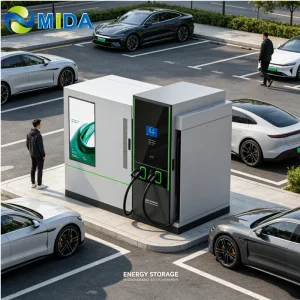
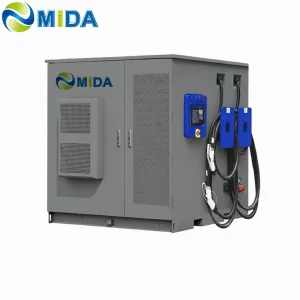
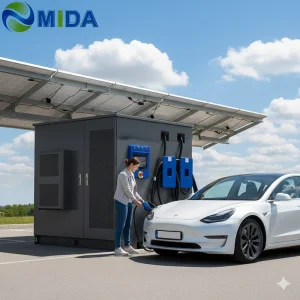
Discover our highly optimized battery energy storage system (BESS) charging equipment, integrated to handle peak load demands without expensive grid infrastructure upgrades.
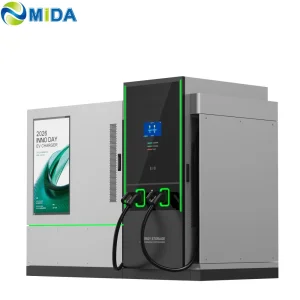
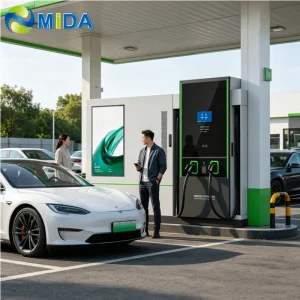
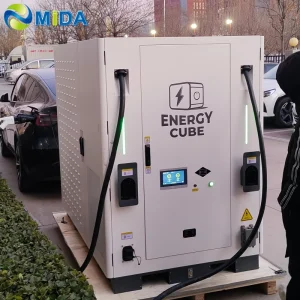
Unlocking Grid Independence and Mitigating Network Constraints Through Battery-Buffered Supercharging Infrastructure.
The state of Victoria, and specifically the metropolitan region of Melbourne, is undergoing an unprecedented shift in energy governance and electric mobility. Led by ambitious targets under the Victorian Renewable Energy Target (VRET) aiming for 95% renewable generation by 2035, the electrification of fleets, public transit, and heavy logistics is putting unprecedented strain on the local distribution networks. Traditional direct-to-grid High-Power Charging (HPC) setups operating at 150kW to 360kW+ present immense grid integration challenges for local Distribution Network Service Providers (DNSPs) such as CitiPower, Powercor, United Energy, and Jemena.
When multiple high-power electric vehicle chargers operate simultaneously during peak utility hours, they trigger exorbitant peak-demand charges and risk exceeding localized thermal constraints of distribution substations. A BESS (Battery Energy Storage System) integrated charging station addresses this pain point directly. By combining localized lithium-ion or LiFePO4 battery storage arrays with dynamic power conversion modules, these units charge from the grid at a low, regulated rate during off-peak periods, and discharge at ultra-fast rates of up to 480kW+ during active vehicle charging sessions. This "peak-shaving" capability effectively decouples the charging demand from the physical grid infrastructure, eliminating the requirement for costly network connection upgrades.
Globally, the integration of BESS with public and private charging networks is recognized as a vital architecture for high-capacity EV charging corridors. Without decentralized energy storage, expanding charging networks along arterial highways and industrial zones requires massive capital expenditure (CAPEX) and multi-year delays for utility transformer upgrades. The global trend leverages modular BESS units as crucial nodes in Virtual Power Plants (VPPs), allowing operators to generate revenue through grid frequency support services (FCAS in Australia) during times of grid stress, transforming an operational energy expense into a revenue-generating asset class.
Engineering resilience into Victoria’s commercial charging corridors with adaptive energy control systems.
Along key Melbourne logistics routes (such as the Hume Freeway corridor, Dandenong, and Truganina industrial precincts), warehouses require rapid charger turnarounds for distribution fleets. Under standard grid limitations, charging multiple heavy trucks demands megawatts of power. A 200kWh to 2MWh BESS installation provides the necessary surge current, allowing continuous rapid charging even on restricted rural grid lines.
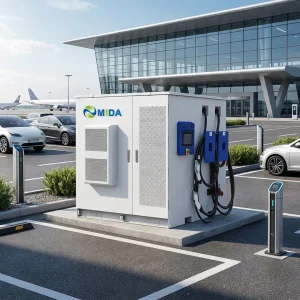
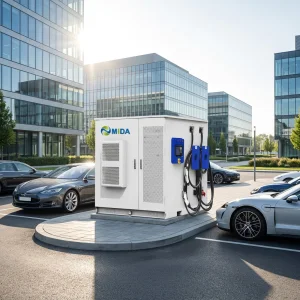
In high-density commercial retail spaces (like Chadstone or Docklands), space and power allocation are tightly managed. By installing integrated, compact BESS units (such as the 241kWh/120kW NACS/CCS2 station), properties can offer high-speed DC charging without exceeding their commercial building power supply thresholds.
Our mobile BESS charging solutions (60kWh to 200kWh options) serve as grid-independent energy islands, providing high-powered mobile charging to support roadside assistance clubs and municipal emergency vehicles during blackout scenarios or remote operations.
Our engineering roadmap prioritizes the transition to high-voltage liquid-cooled architectures and bidirectional power electronics. Liquid cooling represents a major leap forward over traditional air cooling, keeping battery cells and charging cables at optimal temperatures, extending cycle life to over 6000 cycles at 80% Depth of Discharge (DoD), and enabling high continuous C-rates.
Furthermore, our integrated Energy Management Systems (EMS) utilize predictive machine learning algorithms. By analyzing weather patterns, real-time NEM electricity prices, and local fleet scheduling, the EMS automatically decides when to store energy from rooftop solar PV arrays, when to draw from the grid, and when to feed power back via Vehicle-to-Grid (V2G) systems.
Operating through our wholly owned specialized subsidiaries—Shanghai Mida EV Power Co., Ltd., Shenzhen Mida EV Power Co., Ltd., and Shanghai Mida New Energy Co., Ltd.—our group is an industry-leading manufacturer of high-performance EV components and integrated battery storage charging architectures. We deliver comprehensive charging solutions engineered for the demanding environment of the Australian energy sector.

Explore our specialized sub-systems designed for integration into commercial and industrial grid-buffered charging facilities.
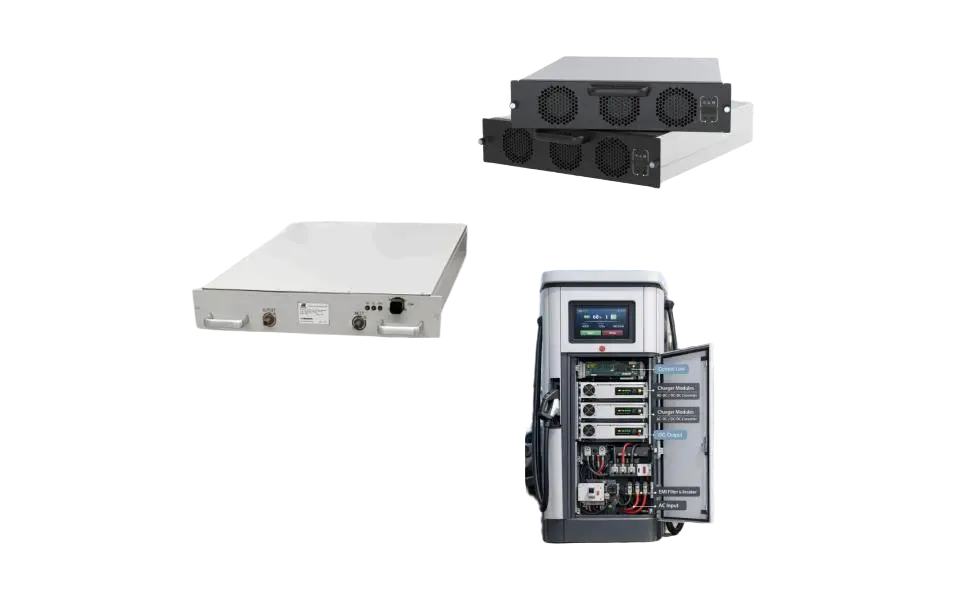
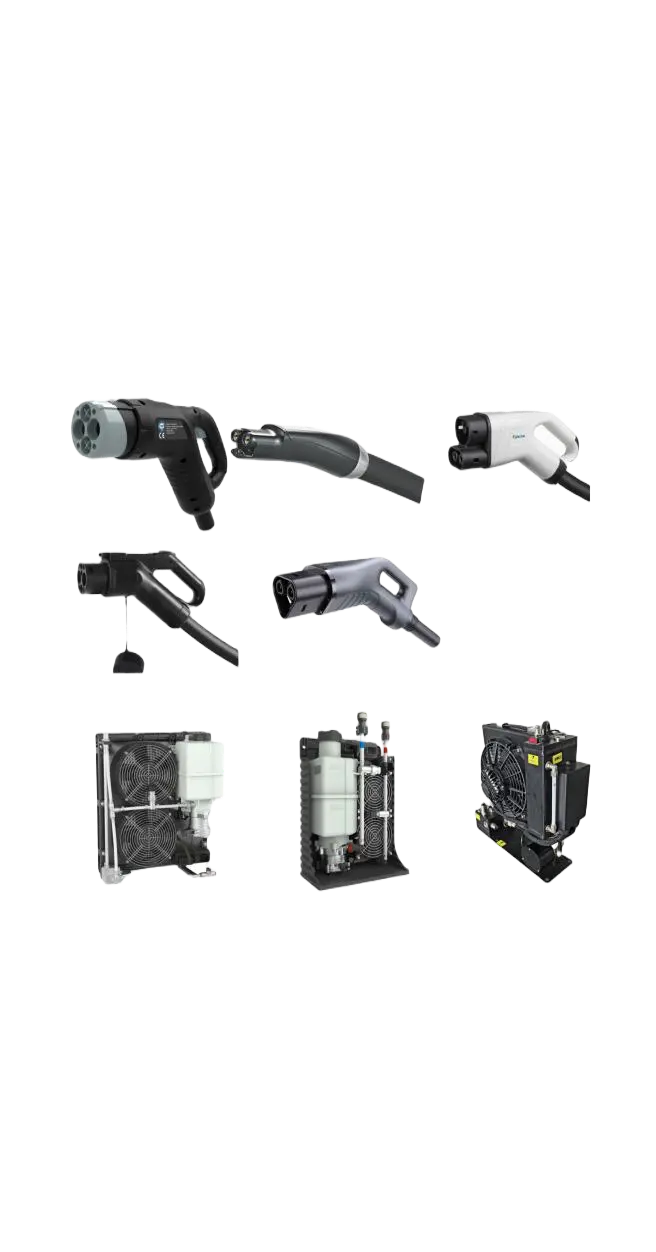
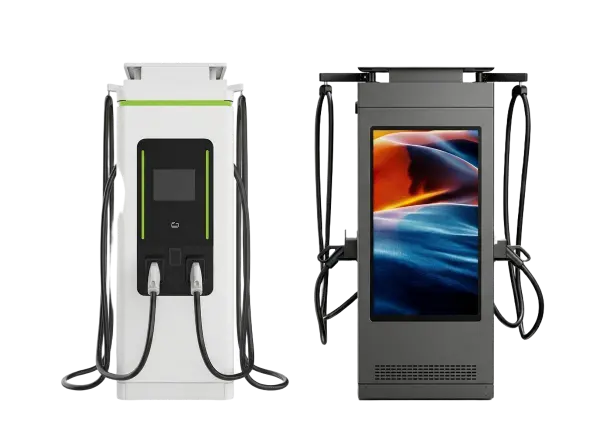
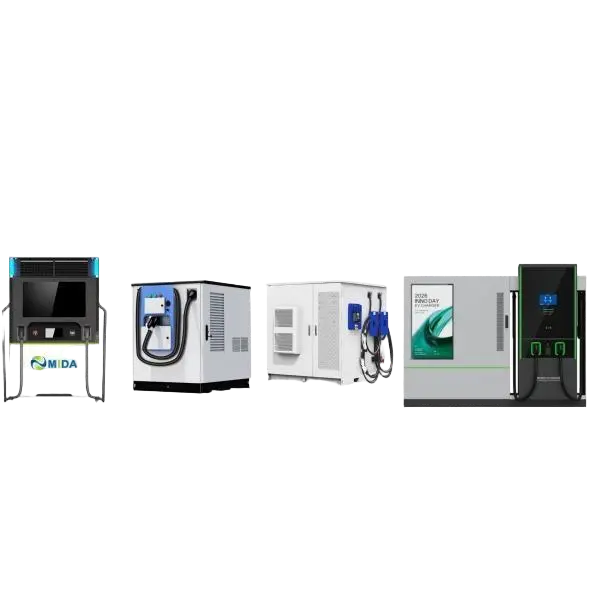
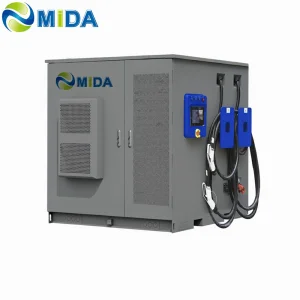
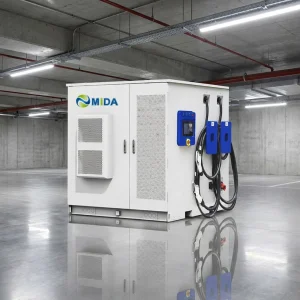
High-capacity energy storage chargers suited for depot hubs, logistics fleets, and high-traffic regional highway locations.
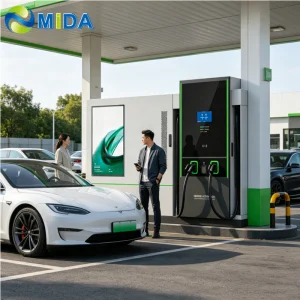
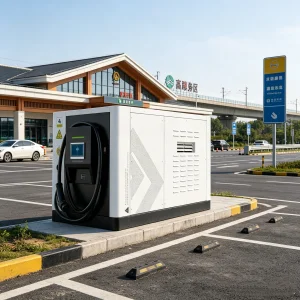
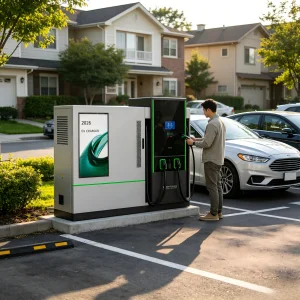
Expert technical insights regarding integration, standards compliance, and financial engineering for local project planners.
Stay updated with the latest in transit electrification, high-power pantograph charging, and battery system engineering developments.
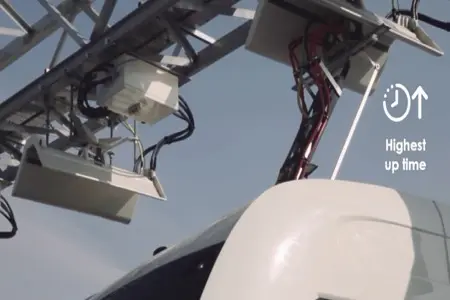
In contrast to classic plug-in charging systems, e-bus pantograph systems provide hands-free high-power charging, optimal for municipal fleet operators...
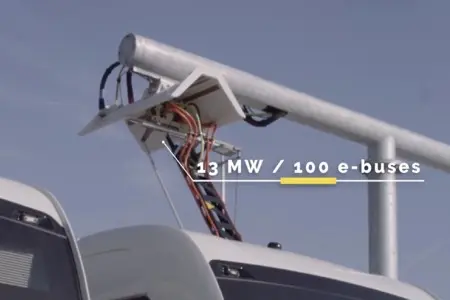
Charging times depend on battery capacity and the station's electrical output. High-output pantographs can charge transit buses within 10 to 30 minutes...
Installing a "Pantograph Up" system requires precise alignment, robust mounting brackets, and integration with depot power grids...