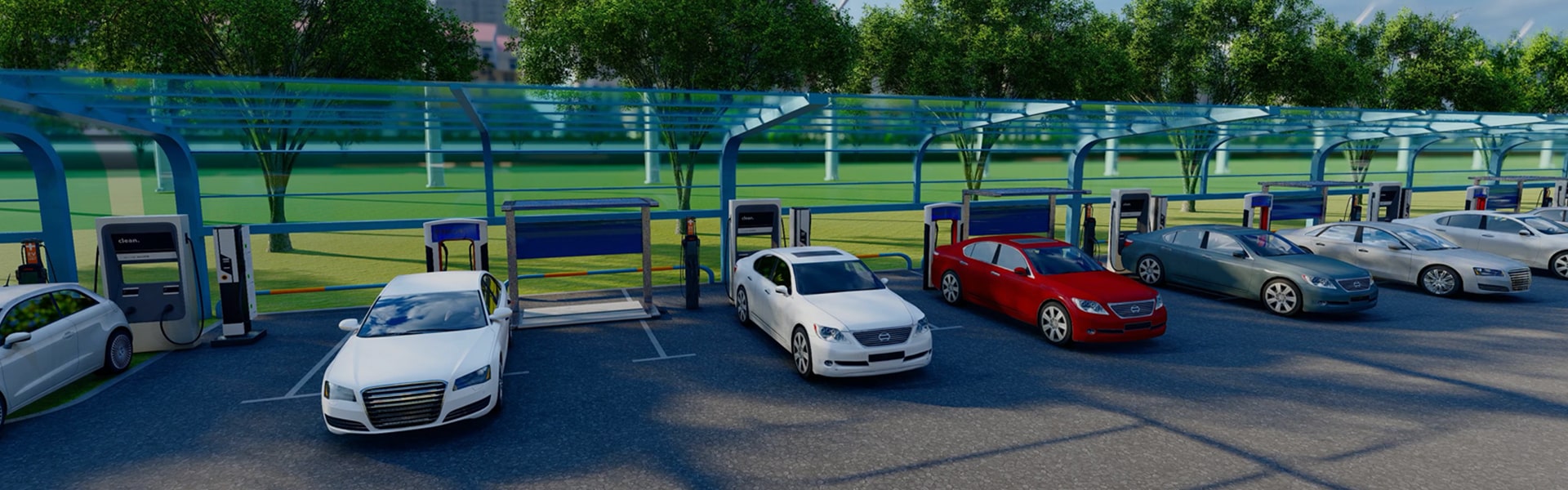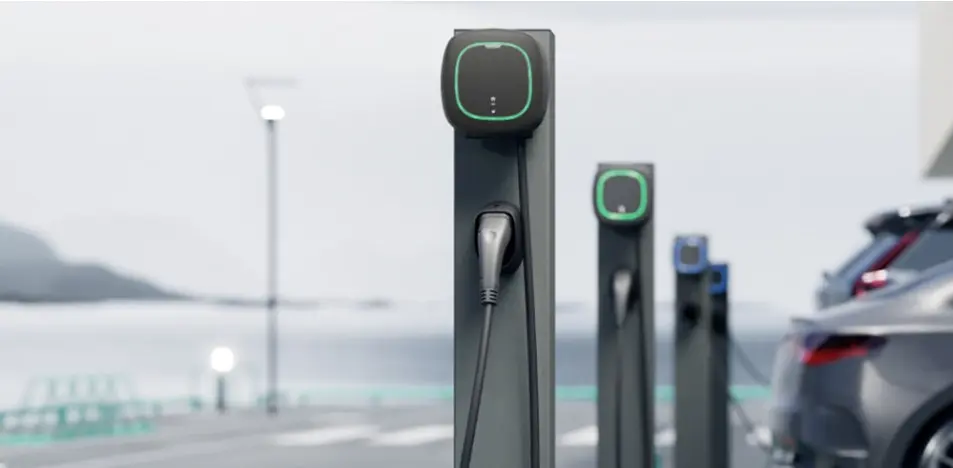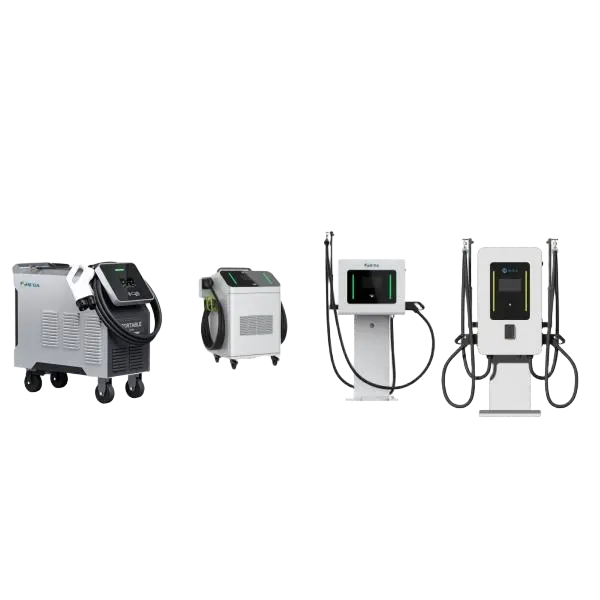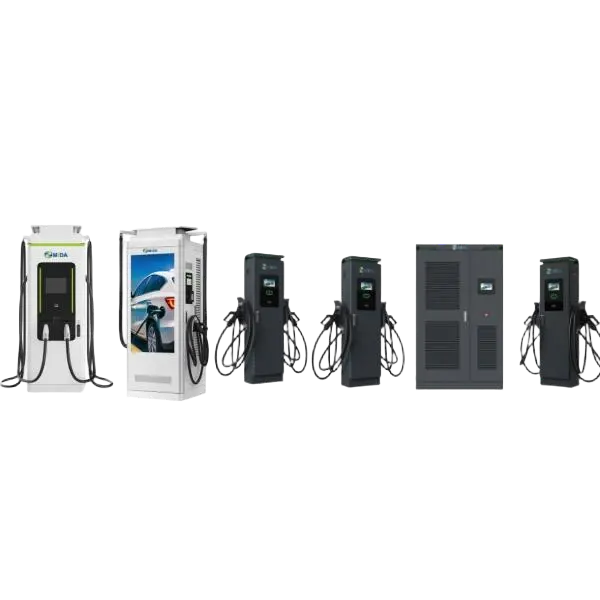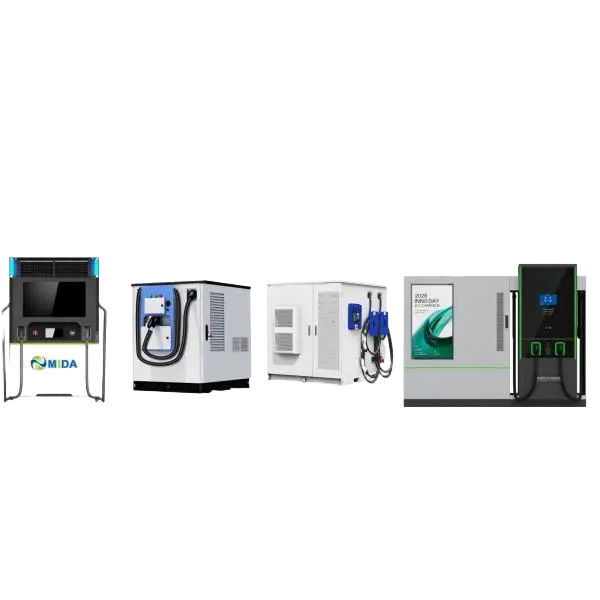
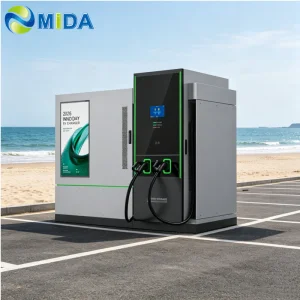
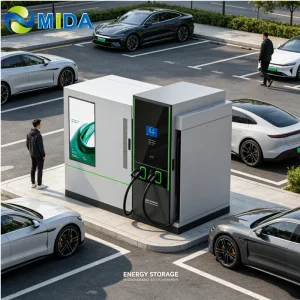
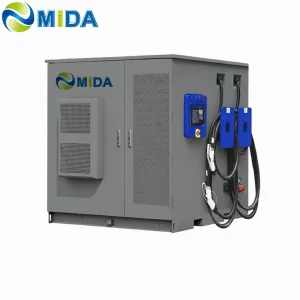
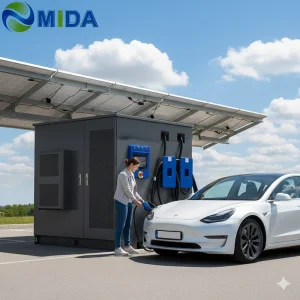
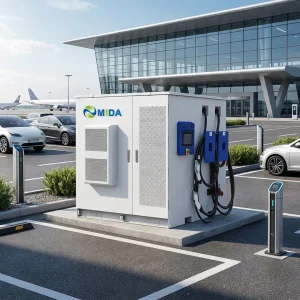
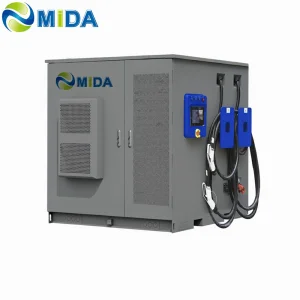
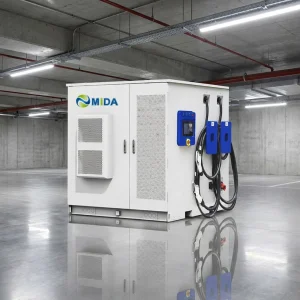
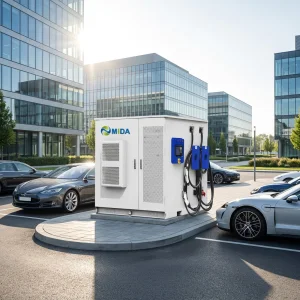
Engineered for extreme sub-zero reliability, our initial lineup represents the pinnacle of localized high-capacity grid buffering for Russian transit nodes.
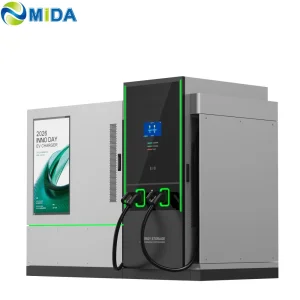
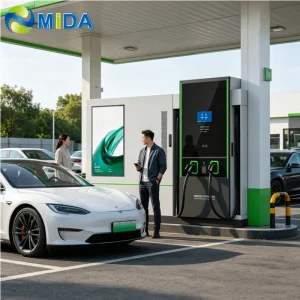
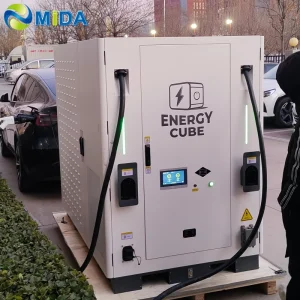
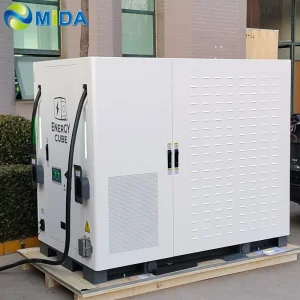
Navigating grid constraints, extreme sub-zero weather conditions, and rapid public transport electrification.
Moscow stands as one of Europe's largest municipal pioneers in electric public transit, operating a vast fleet of electric buses (e-buses) and rapidly expanding its public and commercial EV charging infrastructure. However, the intersection of ultra-fast high-power charging demands with Moscow's challenging continental winter climate creates severe operational friction. At temperatures falling below -25°C and down to -40°C, traditional Lithium-ion chemistries suffer from rapid impedance increases, reducing effective discharge capacity and blocking standard regenerative currents.
To combat these issues, Battery Energy Storage Systems (BESS) serve as localized thermal and electrical buffers. By integrating integrated liquid-glycol temperature management and dual-source auxiliary heating, our BESS units maintain an internal battery temperature between +15°C and +25°C. This ensures consistent C-rates for high-speed charging without drawing volatile peak loads from the municipal power grid, avoiding hefty maximum demand tariffs and localized power grid blackouts.
Within the congested commercial corridors and logistics parks along the MKAD, upgrading substation infrastructure is both cost-prohibitive and structurally complex. Our bidirectional BESS storage configurations allow warehouse operators, heavy transport fleets, and municipal depot networks to store energy during off-peak night hours. This stored power is discharged at up to 960kW during daytime high-demand operations, delivering a stable high-frequency power flow to vehicles without altering localized transformers.
Comprehensive hardware integration from grid connection to high-voltage automotive delivery.
Deploying Lithium Iron Phosphate (LiFePO4) in northern geographies demands highly sophisticated Thermal Management Systems (TMS). While LFP cells are globally preferred due to superior thermal stability, lifespan (exceeding 6000 cycles at 80% DoD), and safety profiles, their high internal resistance at sub-zero temperatures makes internal pre-heating critical.
MIDA Group's custom BESS configurations implement a smart pre-heating algorithm. Utilizing energy from the utility grid or secondary thermal loops, the system raises battery pack temperatures at a rate of 1.5°C/min prior to initiates high-current DC fast charging. This effectively prevents lithium plating on the anode, preserving battery State of Health (SoH) and maintaining reliable operational throughput across extended operational cycles.
Our systems are engineered inside double-walled, vacuum-insulated container enclosures rated up to IP55 protection levels. To comply with rigorous local Russian environmental and fire safety codes (including GOST R standards and technical safety regulations), every unit is equipped with automatic dry aerosol or Novec 1230 fire suppression agents, combined with multi-point gas detection monitors targeting carbon monoxide and hydrogen build-ups.
Advanced high-power sub-components and complete grid-connected assemblies built for longevity.
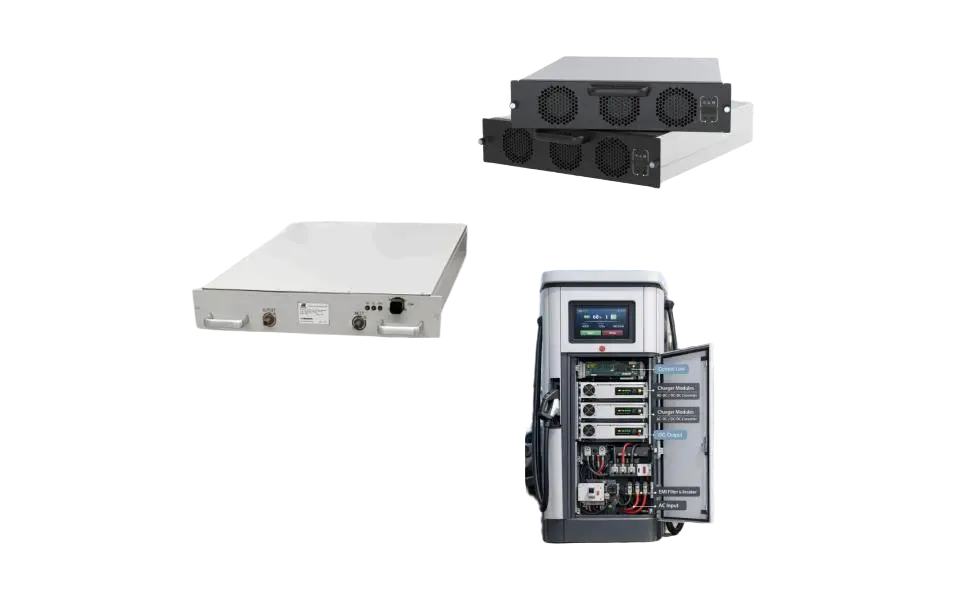
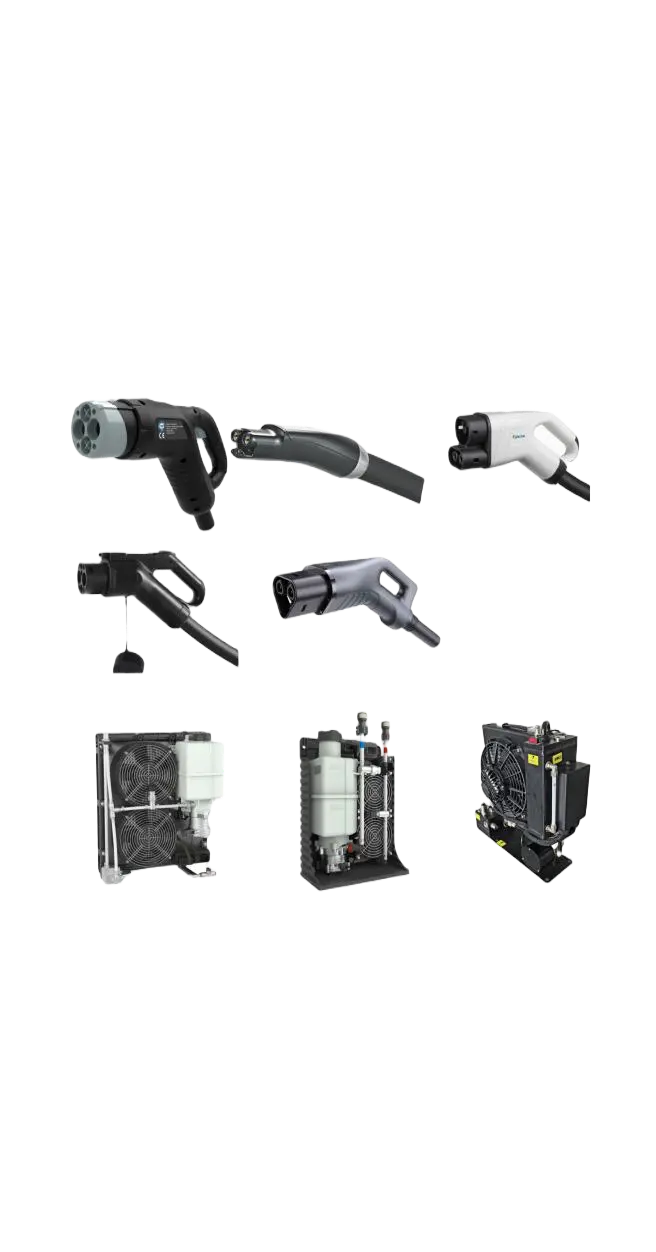
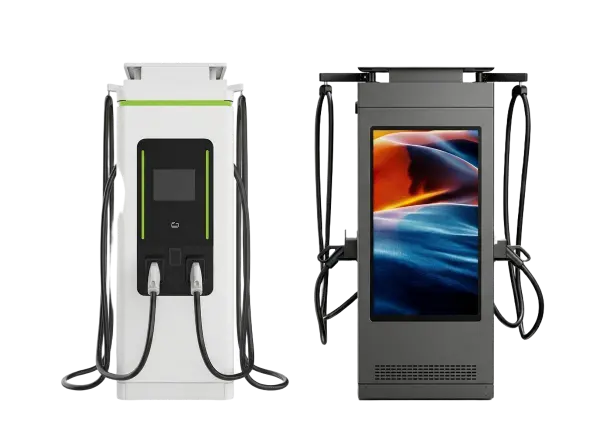
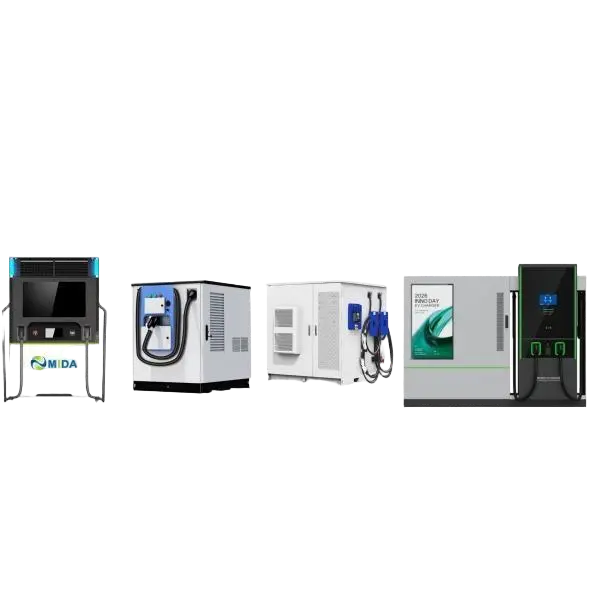
Analyzing localized deployment methods and grid balancing schemes for commercial operators.
Deploying megawatt-level EV fast-charging stations without a BESS buffer requires a substantial grid connection capacity, often requiring direct medium-voltage utility links (e.g., 10kV or 20kV in urban Moscow areas). The cost of installing physical substations, acquiring permits, and performing civil excavations can delay projects by up to 18 months.
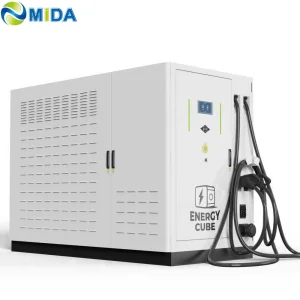
By utilizing a behind-the-meter (BTM) BESS charging system, operators can run high-voltage DC chargers using an existing low-voltage (e.g., 0.4kV) commercial feed. When a vehicle initiates a fast charge, the BESS discharges in parallel with the grid, providing the extra power needed for high-speed charging. Once the vehicle finishes charging, the BESS automatically recharges at a lower rate, preparing for the next vehicle.
Future-proofing municipal transit networks involves enabling Bidirectional Energy Flow (V2G - Vehicle-to-Grid). Using bidirectional power modules, our BESS systems can discharge back into the localized facility network or the grid during peak load hours, turning parked fleet vehicles and storage containers into active grid-stabilizing assets.
Stay up to date with the latest developments in global transit electrification and heavy energy storage installations.

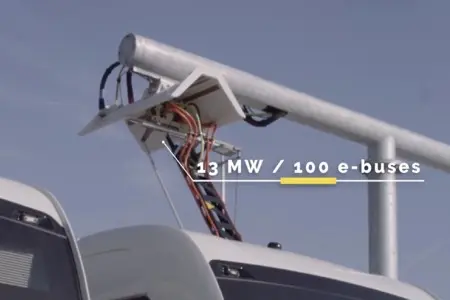
Complete product offerings ranging from containerized systems to mobile fast-charging units.
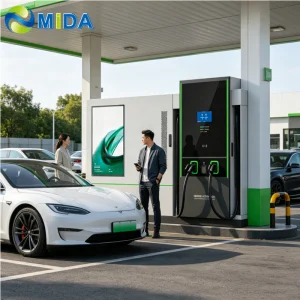
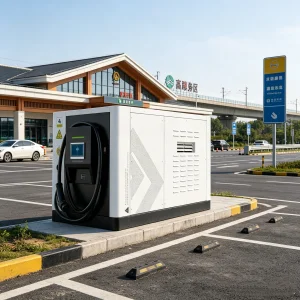
Answers to technical questions regarding grid safety, sub-zero battery operations, and integration.
Connect with our engineering team to design custom BESS charging infrastructure tailored for northern operating environments.
Send Inquiry Now